Histria: Visiting the Greek City Ruins by Lake Sinoe
Histria is the ruined Milesian Greek city on the shore of Lake Sinoe near Constanța. Here is what the sources describe, where it sits and how it fits a Dobruja trip.
On this page
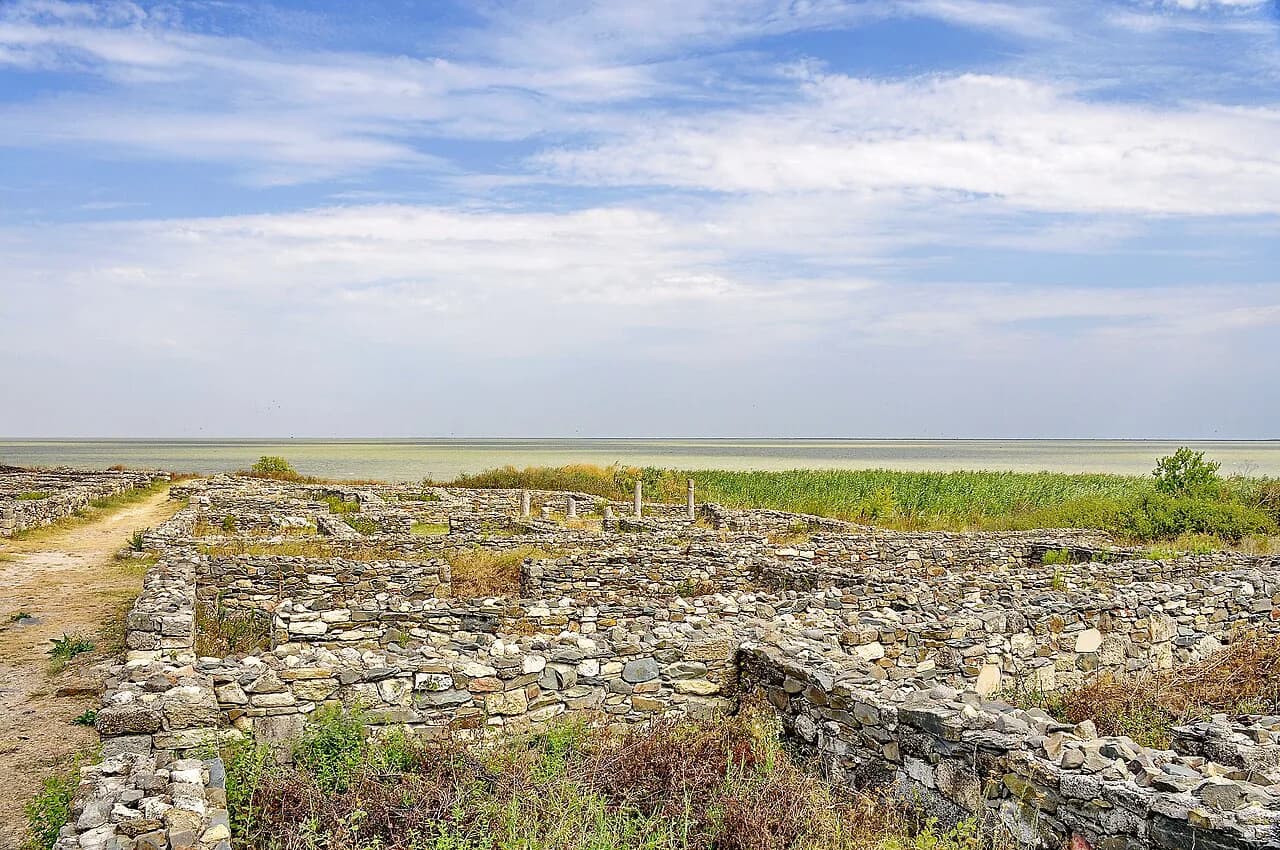
Histria is the ruined Greek city of Istros, founded by Milesian colonists in the 7th century BC on what was then the shore of the Black Sea, close to today's Constanța. Its harbour now faces Lake Sinoe rather than open water, and that single shift explains most of what you see on the ground.
This page sets out where the site sits in relation to Constanța, what the sources say about the city's Greek and Roman past, how long a visit is commonly given and how to get there by car. It is written for travellers building a Dobruja leg around a Constanța city break, not for a full day-trip itinerary.
What Histria is and where it sits on Lake Sinoe
Histria, known in Greek as Istros, lies on the shore of Lake Sinoe, a short distance inland from the Black Sea coast of Dobruja. The surviving remains sit within a coastal landscape that has changed markedly since the city's founding.
The site is not in Constanța itself, so plan it as a separate stop north of the city rather than something you fold into a walk around the old town. A car gives you the most control over timing. For the city-side sights, see the guide to Constanta Attractions.
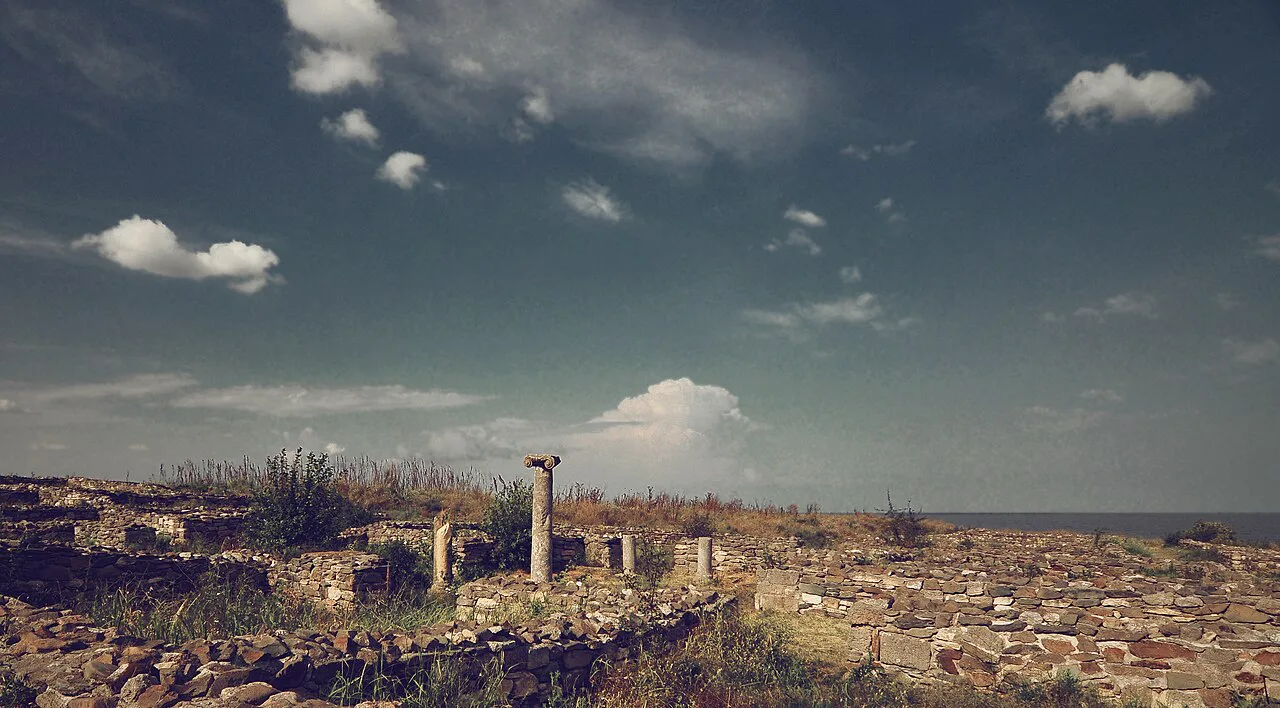
Why the sea left: silt from the Danube and Lake Sinoe
When Histria was built, its port stood on the shore of the Black Sea. Over roughly fourteen centuries of existence, silt carried by the Danube blocked the city's access to open water and formed the lake that now lies beside the ruins.
Hold that picture in mind as you walk: you are looking at a harbour town whose harbour is gone, which is why the ruins sit beside still water instead of surf.
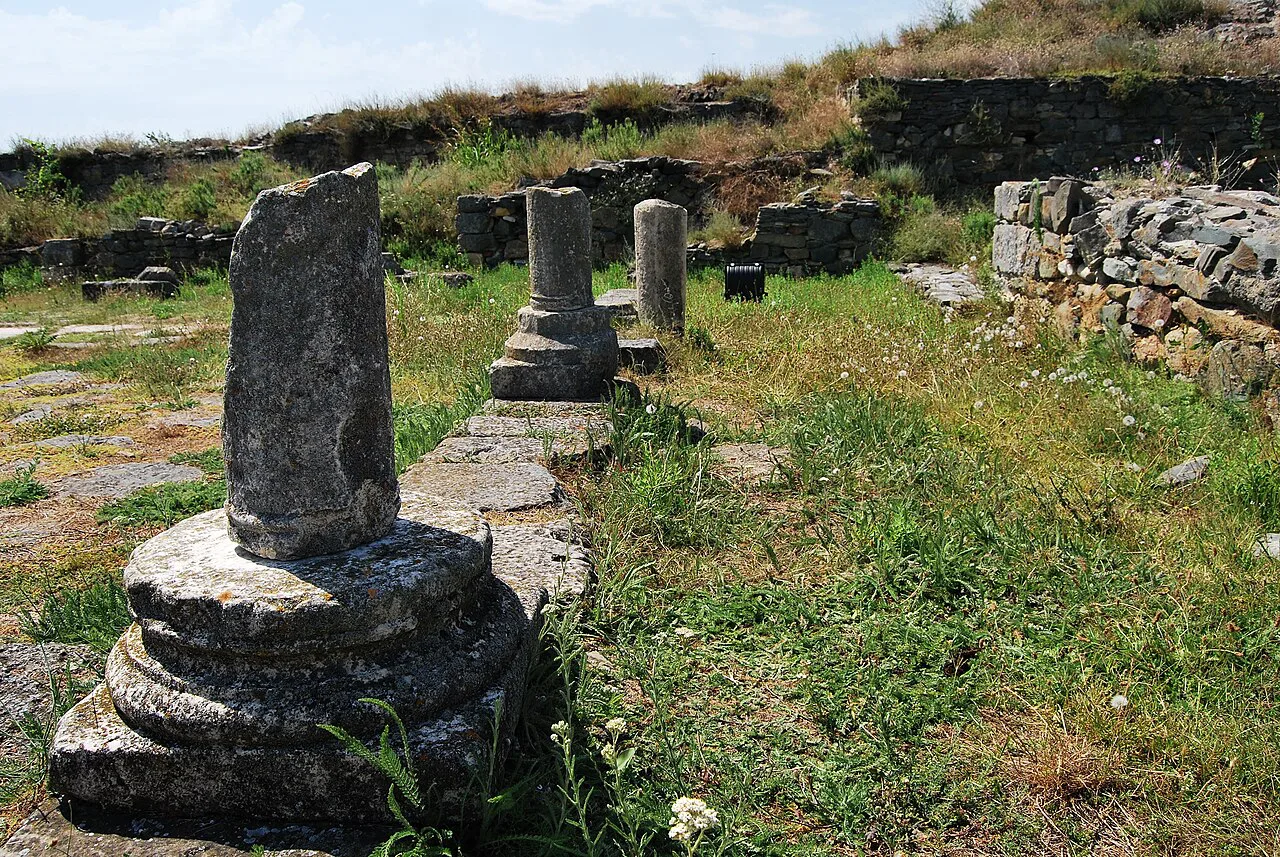
The Milesian founding and the Getae trade
The city began around 630 BC, built by Milesian colonists from Greece to trade with the native Getae tribes of Dacia. That commercial purpose is the reason a Greek settlement existed on this stretch of coast at all.
A separate study places the town in the second half of the 7th century BC and describes it as the oldest Greek town on the Black Sea coast, later absorbed into a Roman province. Treat the two phrasings as they stand: an early Milesian colony, and a site that continued into Roman times.
For visitors the practical point is that the sources describe two phases in one place. The Greek colonial city and the Roman provincial town are described as occupying the same ground, so read the information you carry with that sequence in mind rather than treating the ruins as a single period.
What you walk through: the walled city and its remains
Treat Histria as an exposed archaeological site rather than a monument you climb. Whatever stands today is read on the ground and out in the weather, so wear footwear that copes with rough, uneven surfaces.
Ground of this kind offers little shelter, and the coastal Dobruja wind can make a warm day feel cooler than the forecast suggests. Carry water and sun protection, and treat the visit as a walk through a plan rather than a series of rooms.
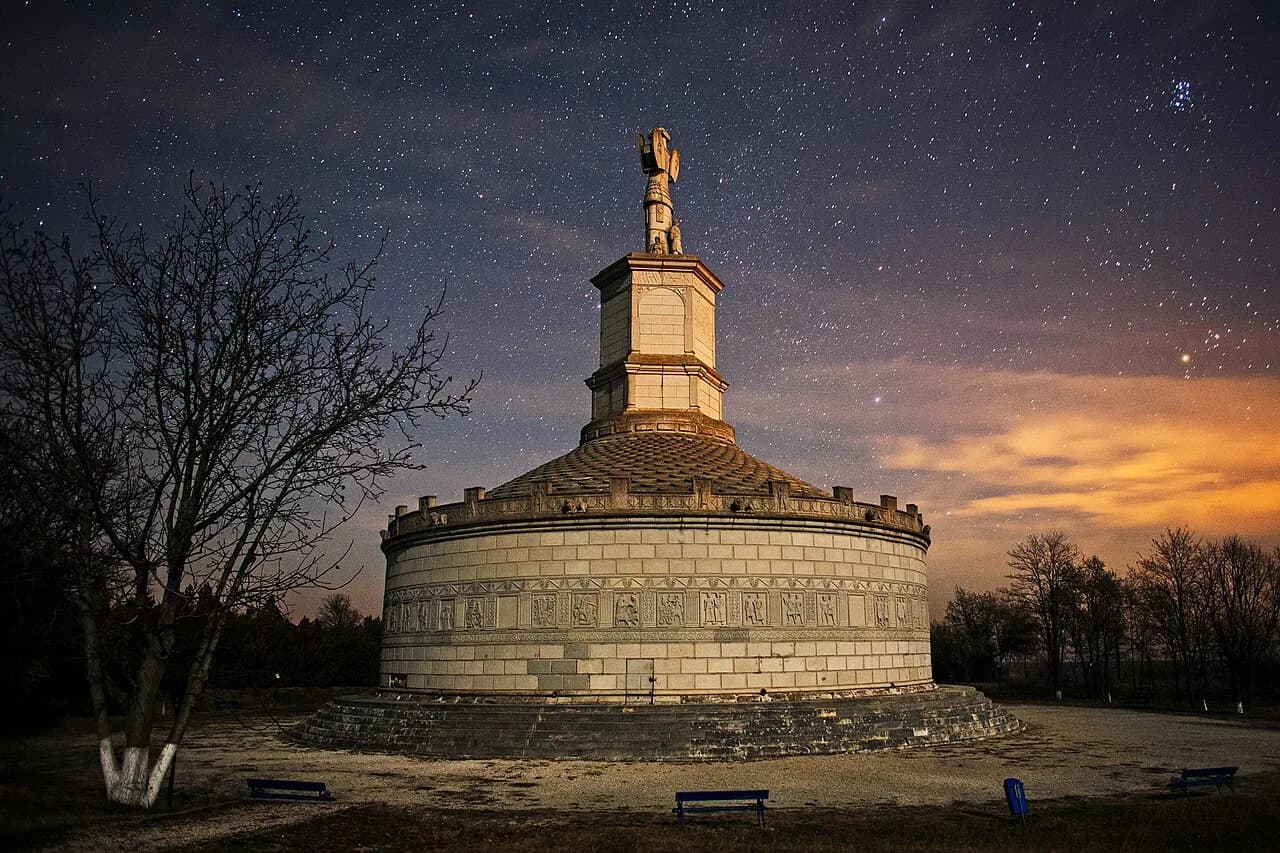
The site pairs well with the Tropaeum Traiani at Adamclisi if you are following the Roman trail across Dobruja, since the two tell different halves of the same provincial story. Allow for driving time between them; they do not sit next door to one another.
How long the site needs
Give the ruins a slow circuit with time to read the plan and work out where the harbour once met the water. The open ground does not need much more than that, so build the rest of the day around the drive and any second stop.
It is a low-facility ruin rather than a museum complex, so the visit is short by nature: there is no long indoor sequence to pad out and no reason to budget a half day. Build the rest of the outing around the drive and any second stop, not around the site itself.
Getting there from Constanța by car
Histria sits north of Constanța, which makes a hire car the straightforward option. Driving gives you the flexibility to combine the ruins with a second stop and to arrive outside the middle of the day.
If you are relying on an organised tour, check that the itinerary actually includes the ruins as well as the coast before you book.
If you are extending the trip south along the coast, the Greek colonial archaeology around Mangalia gives you a second site to compare with Histria. See the Mangalia guide, which rewards a traveller who has already learned to read a Greek plan on the ground.
Reading up before you go
Two things make the ruins legible before you arrive: the silting story that turned a sea harbour into a lakeside one, and the Greek-then-Roman sequence of occupation. Read about both first, and the low walls stop looking like rubble.
If your trip runs further north, the Enisala Fortress gives you a later, more intact defensive site to set against Histria's ground-plan ruins. The Măcin Mountains National Park is the other landscape anchor in that direction.
Is Histria worth the drive from Constanța?
Yes, if you want to understand Greek and Roman Dobruja on the ground rather than only in a museum case. The site itself is short, so pair it with a second stop and you have a satisfying half day out of Constanța.
Check the site's current opening arrangements and any entry charge with the local tourist office before you set out, since neither is fixed here. Bring water, wear proper shoes and build the drive around the ruins rather than the other way round.
Frequently Asked Questions
What does the name Histria mean?
Histria is the Latin form of the Greek name Istros, the name by which the Milesian colony was known. Both names refer to the same ruined city on Lake Sinoe.
How old is Histria?
The city was founded in the 7th century BC, with one account placing the start around 630 BC. A separate study dates the Greek town to the second half of that century.
Where exactly is Histria?
It lies on the shore of Lake Sinoe in Dobruja, close to the Black Sea coast and north of Constanța. The harbour that made it a trading port is now inland because Danube silt closed the sea access.
Sources
Useful notes for your next trip
Optional updates to our guides.
You might also like
Continue reading
More guides you'll find useful