Iron Gates, Romania: Danube Gorge and the Cazanele
The Iron Gates is the Danube gorge between Romania and Serbia, with the Cazanele, the Decebalus rock sculpture and boat trips along the Romanian bank.
On this page
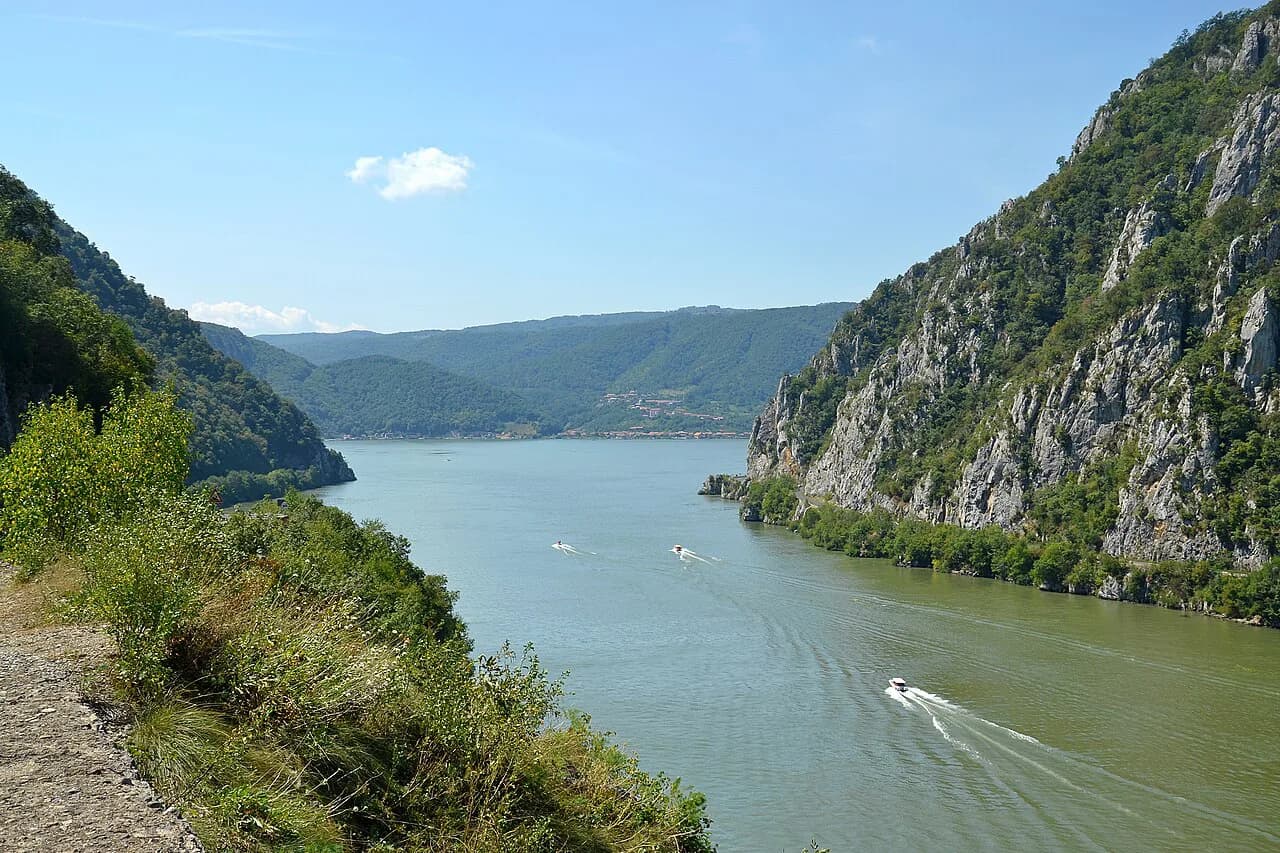
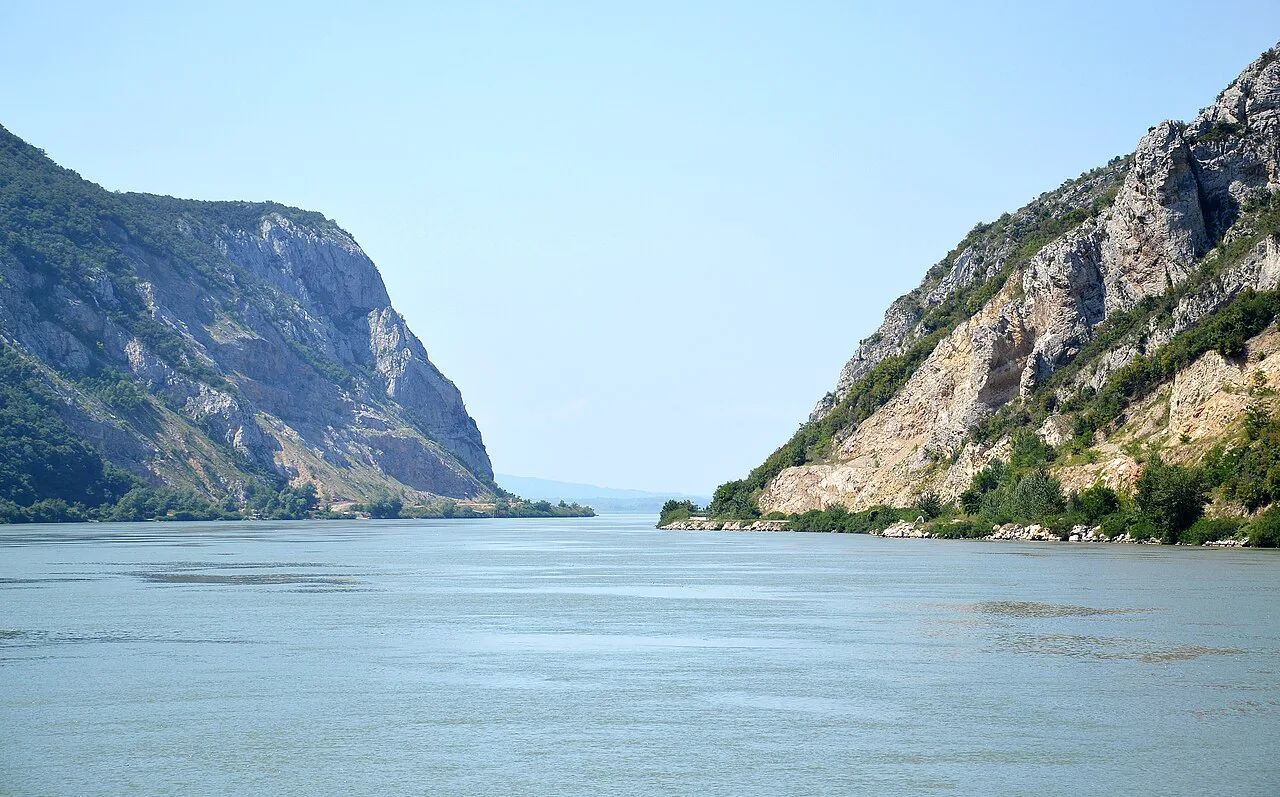
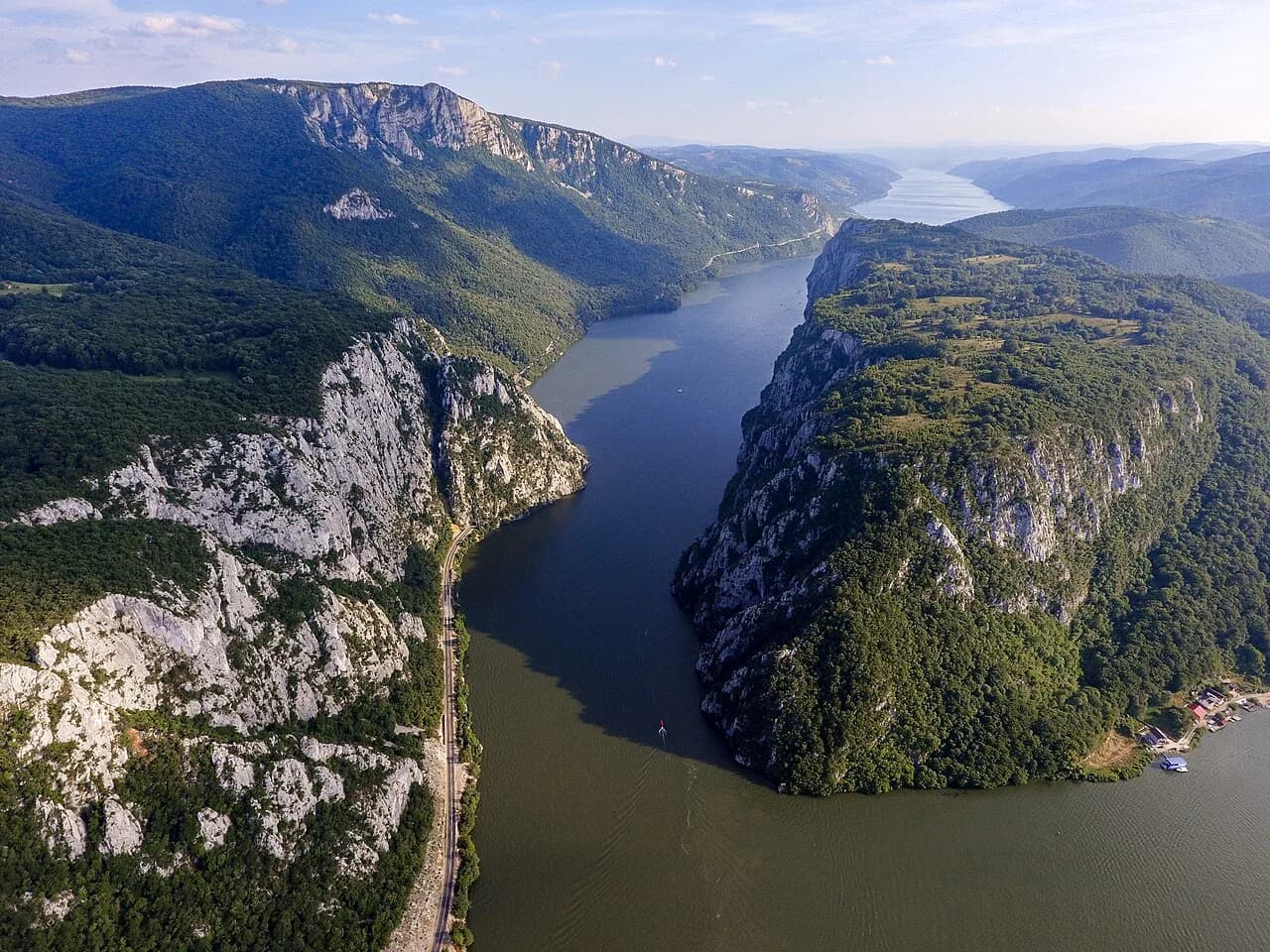
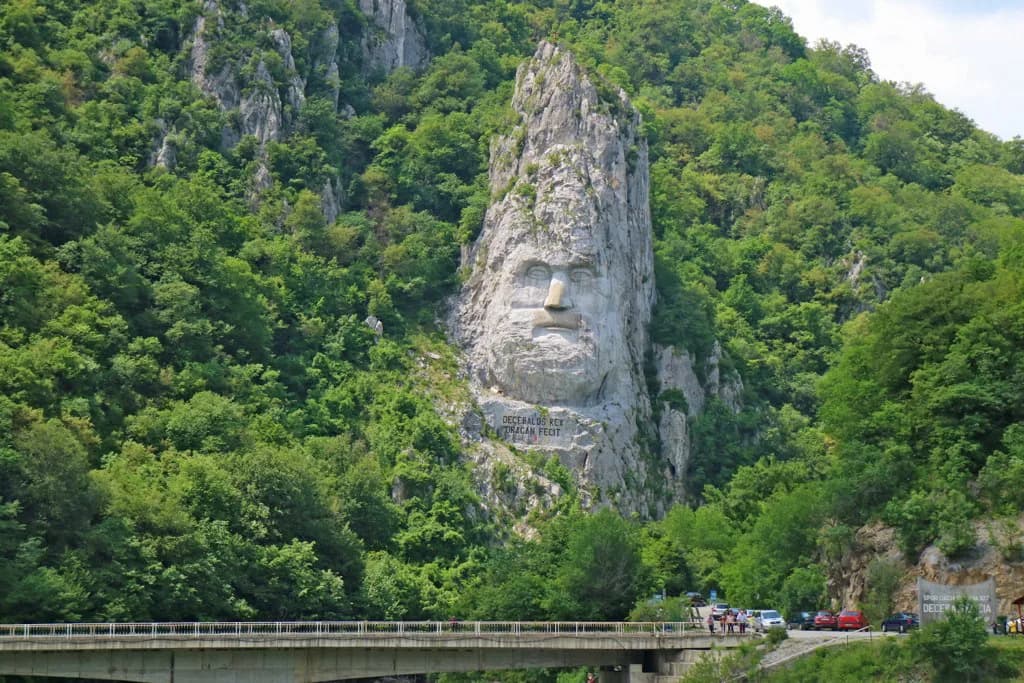
The Iron Gates is the Danube gorge where the river runs between Romania and Serbia. You see it either from a boat on the water or from the DN57 road on the Romanian bank, and most travellers treat it as a half-day run from Orșova rather than a destination in its own right. This guide covers the Cazanele Dunării, the reserves inside Parcul Natural Porțile de Fier, and the choice between driving and booking a boat, with The Decebalus Rock Sculpture at the Iron Gates as the riverbank sight most people come to see.
Prices, sailing times and border formalities change from season to season, so treat any figure you see quoted elsewhere as a starting point and verify with the Portile de Fier Natural Park administration or your boat company before you commit.
What the Iron Gates are and where the gorge sits on the Danube
The Iron Gates is the name for the Danube's passage through the Carpathian foothills on the Romania–Serbia border, and the Romanian approach runs through Orșova. The river narrows here into a series of defiles. If you are coming from Timișoara or Bucharest, Orșova is the practical staging point for the gorge.
Parcul Natural Porțile de Fier is the protected area that covers the Romanian side of the gorge and its surroundings, established under Law 5/2000 and managed as an IUCN category V protected landscape. That classification matters for visitors because it means traditional activity and tourism are part of the park's purpose, not an afterthought. The park authority publishes information on access, tourism and its service tariffs on its own site.
Treat the park as your reference point for which parts of the Romanian bank are protected and where the reserves begin and end. Keep that separate from a road map or a boat operator's schedule when you plan the day.
Romanian bank or Serbian bank: which side you actually see
A boat trip that leaves from the Romanian bank gives you the full width of the gorge in view, including the Serbian shore opposite. A drive on the DN57 keeps you on Romanian asphalt with frequent stopping points, but the river is often below the road and the opposite bank is a backdrop rather than a place you can reach. Decide first whether you want to be on the water or behind the wheel, because the two give quite different days.
The Serbian bank has its own access roads and its own national park, Đerdap, which the Romanian park authority names as its cross-border partner. If you are combining both banks, plan the crossing separately from the gorge itself and allow time for frontier checks. Read the park's own pages to confirm which Romanian reserves sit where before you commit to a route.
The Cazanele Mari and Cazanele Mici: the gorge's core defiles
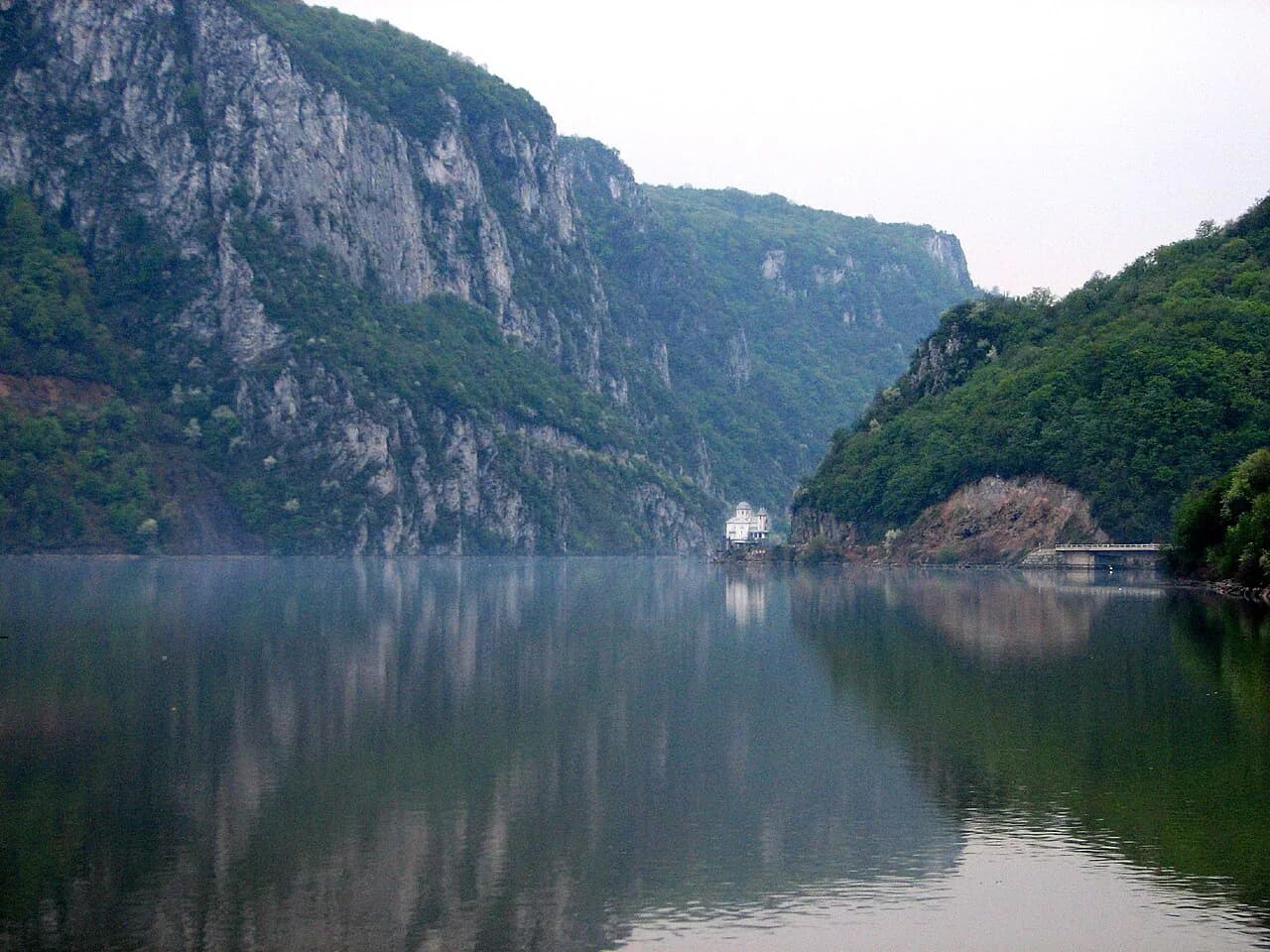
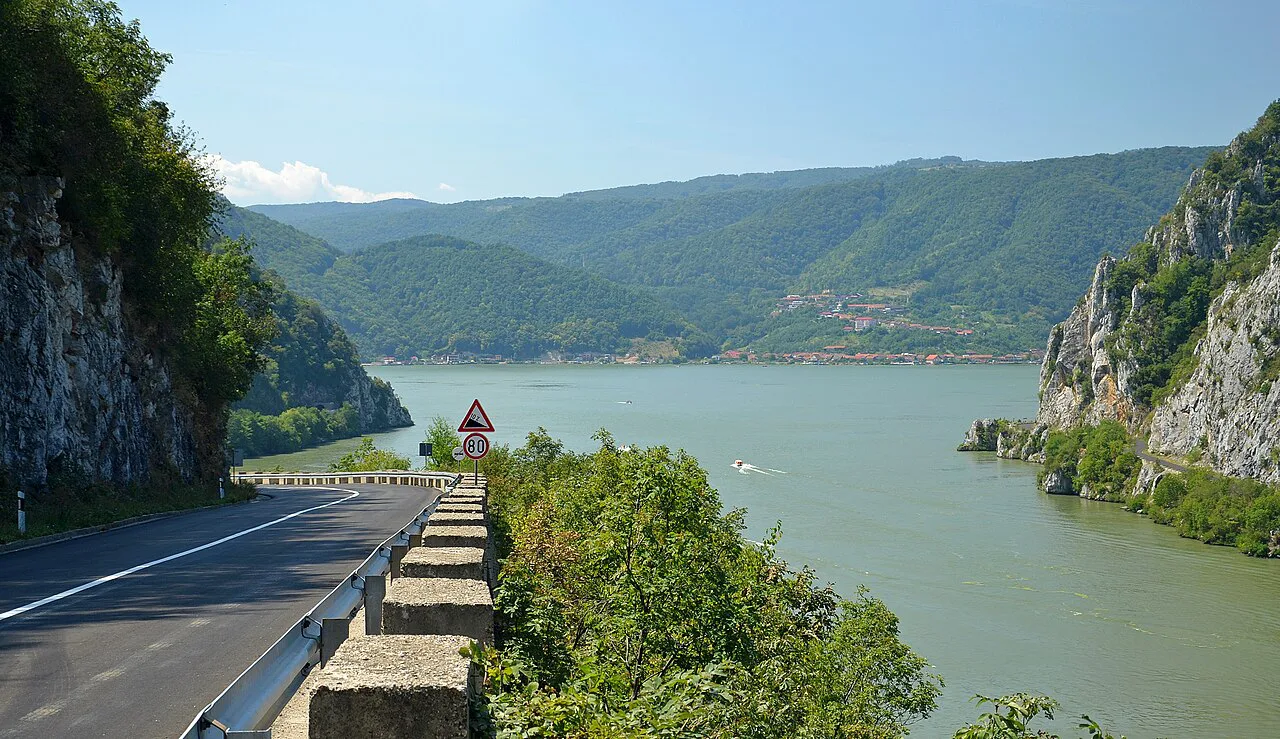
The Cazanele Mari and Cazanele Mici are the two defiles that visitors usually mean when they say they have seen the Iron Gates. They sit within the park as a mixed reserve of 215 hectares, listed alongside the other protected areas in the park's own register. On the water you pass through them in sequence; from the road above you look down on them, with pull-ins where the road meets the river.
Treat the Cazanele as the core of the trip rather than a stop on the way to something else. A boat gives you the cliffs and the water together; the road gives you the viewpoints and the freedom to stop when the light changes. Neither is wasted, but if you only have one pass through the gorge, choose the one that matches how you like to travel.
Parcul Natural Porțile de Fier: the protected area and its reserves
The park's reserve list is long and specific, and it is worth knowing a few names before you go. Balta Nera-Dunăre, Baziaș, Insula Calinovăț, Râpa cu lăstuni, Divici–Pojejena, Valea Mare, Ostrovul Moldova Veche, the Svinița fossil site, Cazanele Mari and Cazanele Mici, the Bahna fossil site, Dealul Duhovna, Gura Văii–Vârciorova, Fața Virului, Cracul Crucii, Dealul Vărănic, Valea Oglănicului and Cracul Găioara all appear in the park's table with their type and area.
Several of these are reserves along the river, such as Insula Calinovăț and Ostrovul Moldova Veche, while others protect plants, fossils or forest. The park also sits within the Natura 2000 network, with the ROSPA0026 Cursul Dunării–Baziaș–Porțile de Fier and ROSPA0080 Munții Almăjului–Locvei bird protection areas and the ROSCI0206 Porțile de Fier site of community importance. That status means development in the area is subject to environmental assessment, which is why the bank looks as unbuilt as it does.
For a visitor, the practical takeaway is that the Romanian bank is a patchwork of small protected sites rather than one continuous reserve. Reading the park's own reserve pages before you drive the DN57 tells you which pull-ins are next to something worth stopping for. It also explains why some side tracks and shore paths may be restricted.
The Decebalus rock sculpture and Mraconia monastery on the Romanian bank
The Decebalus sculpture is carved into the rock face on the Romanian bank near the Cazanele, and it is the sight most people want to photograph from the water. The park authority's tourism pages are the place to confirm access and any local restrictions before you go, and if the sculpture is the reason for your trip, book the boat and check the departure point before you set out.
Mraconia monastery and the Decebalus sculpture stand on the same Romanian bank close to the Cazanele, and the two are usually seen on the same river pass. Treat both as riverbank sights rather than as separate outings, because neither takes long on its own.
Boat trips through the gorge
Boat trips run on the Romanian side through the Cazanele, and each boat company sets its own departure points, durations and prices. Rather than rely on a figure quoted in a forum, ask the boat company directly what the fare covers and whether the Decebalus sculpture and Mraconia monastery are both included. A shorter hop and a longer cruise are different products, so match the ticket to the sights you actually want.
The park authority publishes a tariff schedule for its own services, which is separate from what private boat operators charge. Check both if your plans involve anything the park administers, such as access to a reserve or a visitor facility. Keep the boat fare and the park tariff as two separate budget lines.
Driving the Romanian bank along the Danube
The road on the Romanian bank follows the Danube through the gorge on the stretch downstream from Orșova, with the river on one side and the hills on the other. It is the alternative to a boat, and it lets you stop at the Cazanele viewpoints, the Decebalus sculpture and Mraconia monastery on your own schedule. Allow a full day if you want to drive the gorge and come back, because the road is slow in places and the stops add up.
Road conditions and river levels both affect what you can do on a given day, and neither is fixed in advance. Check the weather and the state of the road before setting out, and be prepared to turn back if a section is flooded or closed. The park authority posts notices on its site, which is the place to look for anything affecting access.
If you are based in Orșova, the drive to the Cazanele is short enough to do twice, once in the morning and once in the late afternoon light. That is often a better use of a day than trying to cover the whole gorge in one pass.
Crossing the frontier and the Serbian side
If you want to see the Serbian bank from the ground rather than the water, plan that as its own step and confirm the crossing arrangements and accepted documents with the border authority before you travel. Baziaș appears in the park's reserve list as a mixed reserve of about 171 hectares, so it is a stop on the Romanian side in its own right.
The Serbian side has its own protected area, Đerdap National Park, which the Romanian park authority names as a partner. Decide which bank you want to be on for the Cazanele before you commit to a border queue, because crossing the river does not automatically give you the same view back.
Orșova as the base for the gorge
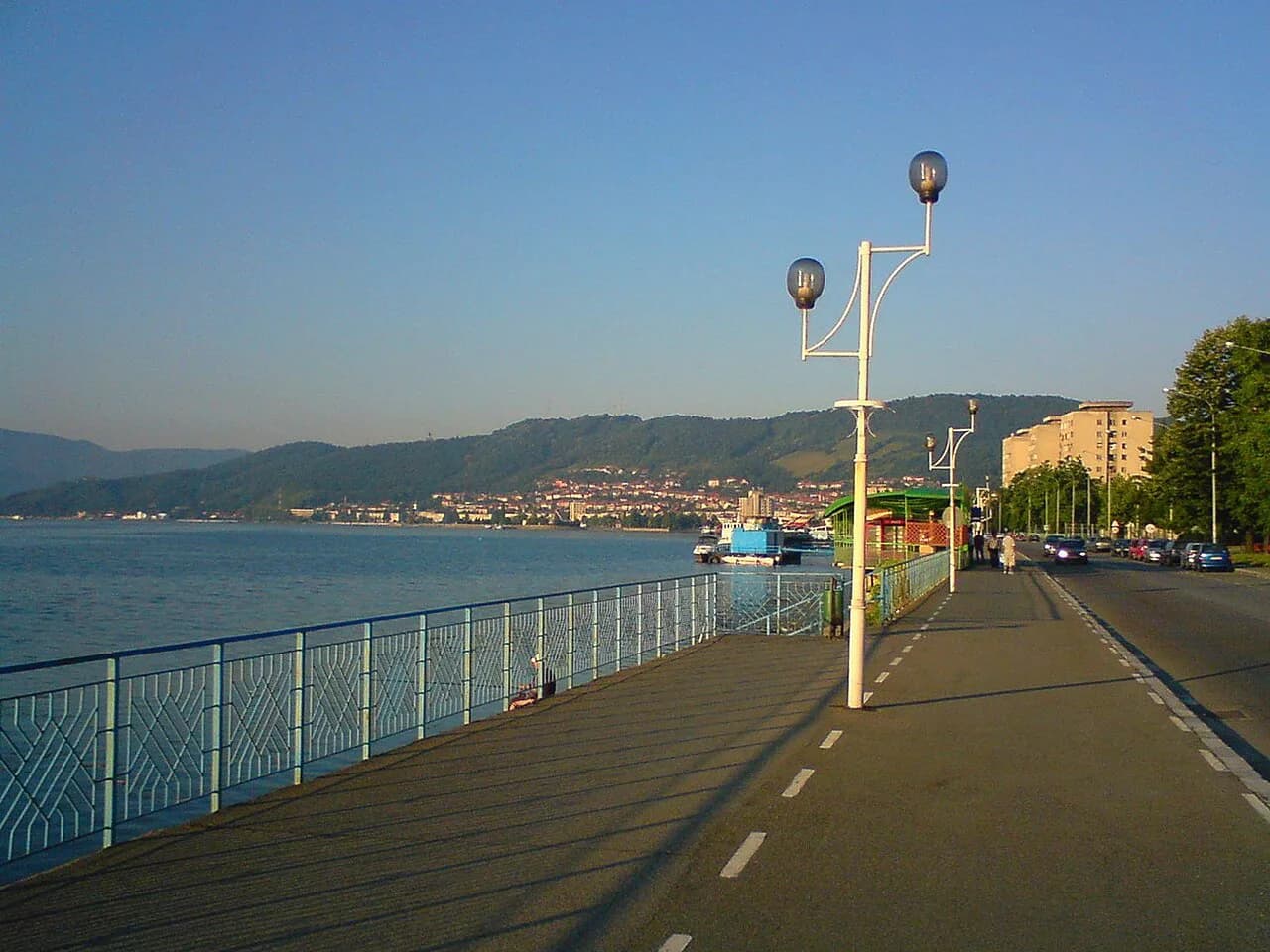
Orșova is the natural base for the gorge, sitting at the start of the DN57 run downstream and where boat operators and road access meet. The town's waterfront is the place to start, and from there you can reach the Cazanele, the Decebalus sculpture and Mraconia monastery within a morning. Staying overnight lets you split the boat and the drive across two days rather than cramming them together.
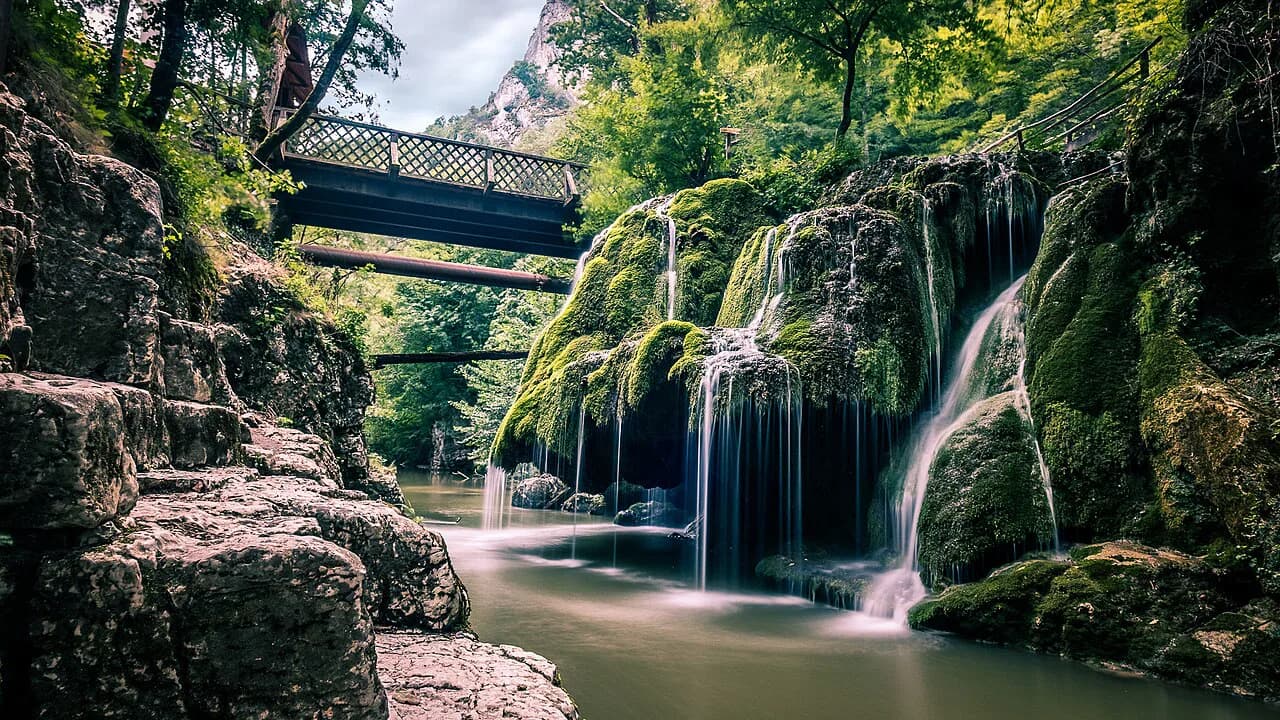
From Orșova you can also reach Bigăr Waterfall and the surrounding Almăjului–Locvei hills if you want a second day in the area. Keep those as separate outings rather than trying to fold them into the gorge run.
How long the Iron Gates need: a half day, a full day or an overnight
A half day is enough for either a boat trip through the Cazanele or a drive to the Decebalus sculpture and back from Orșova. A full day lets you do both, with time for Mraconia monastery and the viewpoints on the DN57. An overnight gives you two passes through the gorge in different light and takes the pressure off the road.
If you are coming from Timișoara or Bucharest, the journey to Orșova is a substantial part of the trip in itself, so build the gorge around an overnight rather than a day return. Check CFR Călători train times and local bus connections when planning your dates.
Getting there from Timișoara and Bucharest by car, train or bus
Coming from Timișoara means a long drive across the Banat; coming from Bucharest means crossing the country via Drobeta-Turnu Severin. Either way, the gorge is the last stretch, not the whole journey.
Trains and buses serve Orșova, but the gorge itself is reached by road or water, not rail. Check current CFR Călători timetables before you travel. If you are combining the gorge with a city break, Bucharest and Brașov both work as starting points for a longer Romanian trip; if Brașov is on your list, plan its sights with our guide to Brasov Attractions.
Practical constraints: border formalities, river levels and road conditions
Border formalities on the Romania–Serbia crossings depend on current rules, so confirm the documents you need with the border authority rather than relying on a forum post. River levels affect boat departures, and road conditions affect the riverside road, so check both before you commit to a day on the water or behind the wheel. The park authority's notices are the first place to look for closures on the Romanian bank.
Allow slack in your plan for a delayed boat or a slow section of road, especially if you are catching a train or a flight afterwards. The gorge rewards an unhurried schedule, and a tight one turns a good day into a dash.
Boat or road: how to choose for the Iron Gates
Take the boat if the Decebalus sculpture and the Cazanele cliffs are what you came for, because the water gives you the frontal view and the full width of the gorge. Take the road if you want to stop when you like, see Mraconia monastery at your own pace and keep the day flexible. Doing both across two days is the better answer if you have the time.
Base yourself in Orșova, confirm the boat departure and the road conditions the day before, and leave the rest of the schedule loose enough to absorb a delay. That is the realistic way to see the Iron Gates without turning it into a checklist.
Explore more Iron Gates guides
Sources
Useful notes for your next trip
Optional updates to our guides.
You might also like
Continue reading
More guides you'll find useful