Transylvania: Where It Is and What to See on a Trip
Transylvania is a region in central and north-western Romania, ringed by the Carpathians. Here are its medieval towns, castles and Saxon villages.
On this page
Transylvania is a region of central and north-western Romania, wrapped by the arc of the Carpathian Mountains, with Brașov, Sibiu, Sighișoara and Cluj-Napoca as its best-known towns. It is not a country and has no separate border, so a trip here is planned as a route between Romanian towns rather than as a single destination. This guide sets out what each town is good for, how the castles and fortified churches differ, and how to string them together by train, bus or car.
The region covers roughly 57,807 square kilometres, according to the Romania Tourism regional profile, which also lists Alba Iulia, Bistrița, Deva, Mediaș, Miercurea Ciuc, Sfântu Gheorghe, Sebeș, Sibiu and Târgu Mureș among its main towns. That scale matters: Brașov to Cluj-Napoca is a half-day transfer, not a hop, and a short break should pick one or two bases rather than chase the whole map.
What and where Transylvania is
Transylvania sits in central Romania, bounded by the Transylvanian Alps to the south, the Eastern Carpathians to the east and north-east, and the Western Carpathians to the west. The name comes from the Latin for land beyond the forest, and the forested mountain rim is what gives the region its shape on a map. Towns inside the arc feel connected; places on the far side, such as Maramureș to the north, are a separate journey.
The population is mixed, with Romanian, Hungarian, German and Szekely communities, and that shows in architecture, language and place names across the region. Hungary's share of Transylvania ended with the 1920 Treaty of Trianon, after which the territory became part of Romania, as the Roads & Kingdoms guide to the region explains. Treat that as background: it explains bilingual signs and the Hungarian character of towns such as Miercurea Ciuc, not the practicalities of your trip.
Which towns to build a trip around
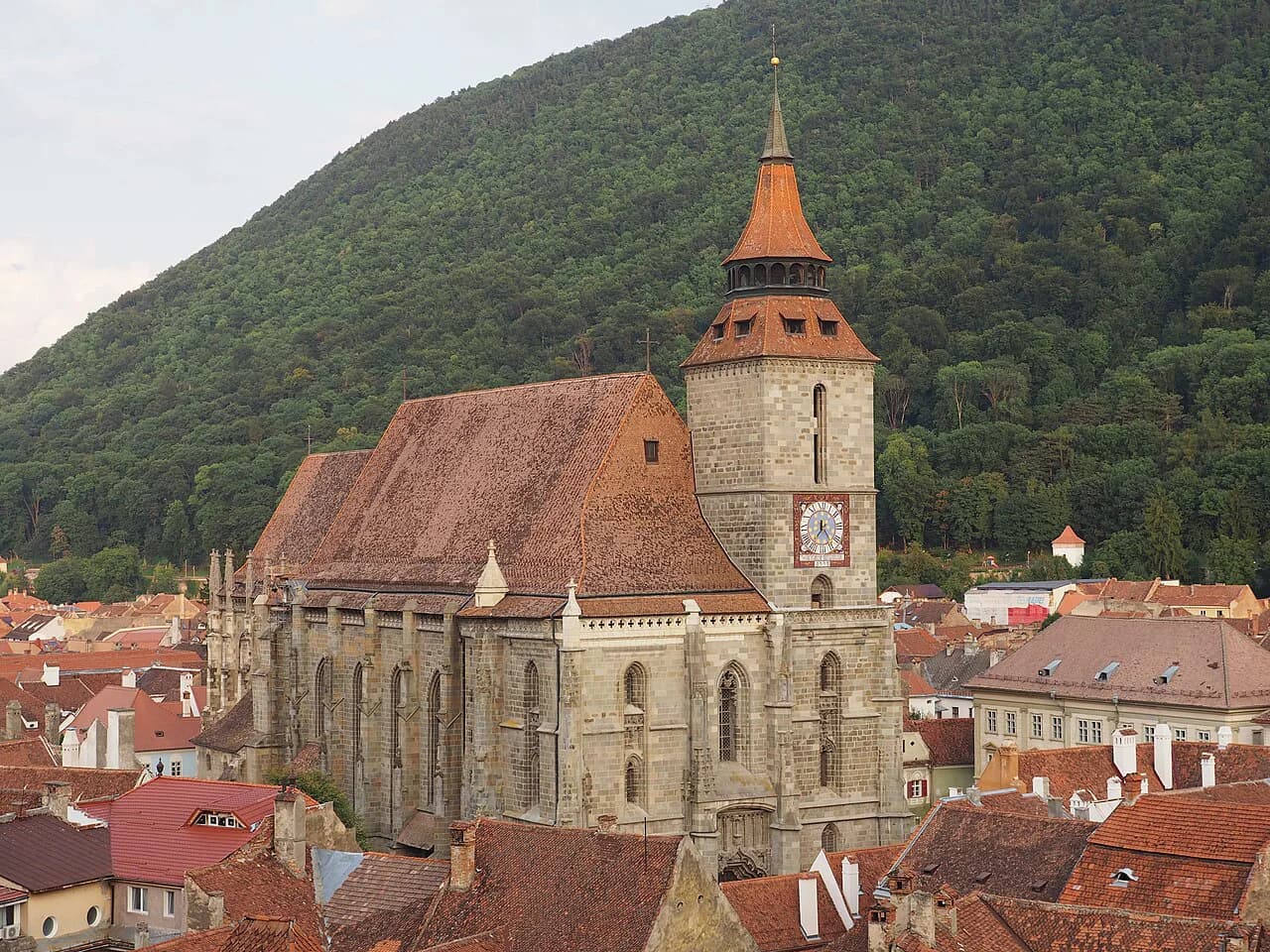
Brașov is the strongest first base for most visitors: a compact old centre, the Black Church, Piața Sfatului (Council Square) and the Carpathians close behind. Sibiu suits travellers who want cobbled streets and Transylvanian Baroque architecture in a walkable centre, and it pairs naturally with a drive or train west towards Alba Iulia. Our guide to the best towns in Transylvania compares the options if you are choosing between them, and our Brasov Attractions: 14 Visitor Guides sets out which sights are worth booking.
Sighișoara is the short stop: a hilltop citadel with a 14th-century clock tower and lanes that reward two or three hours on foot rather than a full day. Cluj-Napoca is the working city of the group, a university town with Avram Iancu International Airport, which the Roads & Kingdoms guide treats as the practical arrival point for the region. Alba Iulia and Târgu Mureș are worthwhile additions when you have a car or a spare day.
If you would rather hand the logistics to someone else, a Transylvania tour can cover the towns and castles in a fixed loop with transport included. Self-drive gives more freedom for villages and fortified churches, which is where public transport thins out.
What to see in Brașov and Sibiu
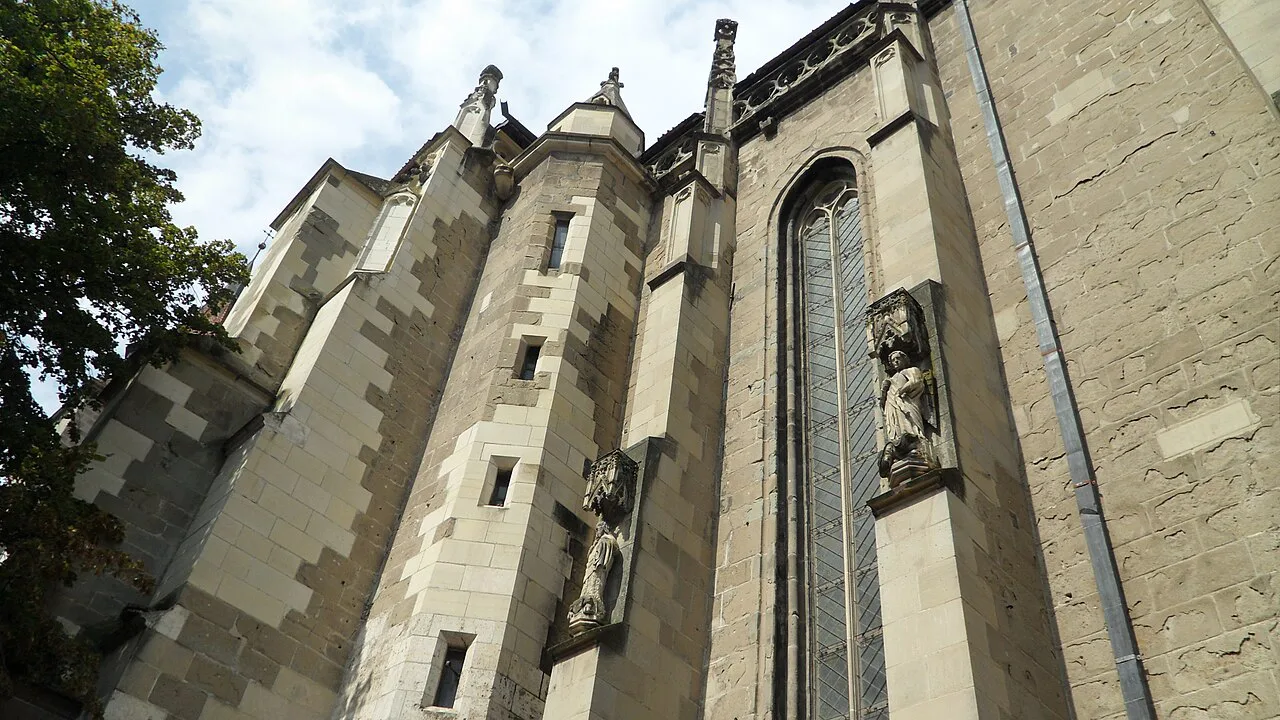
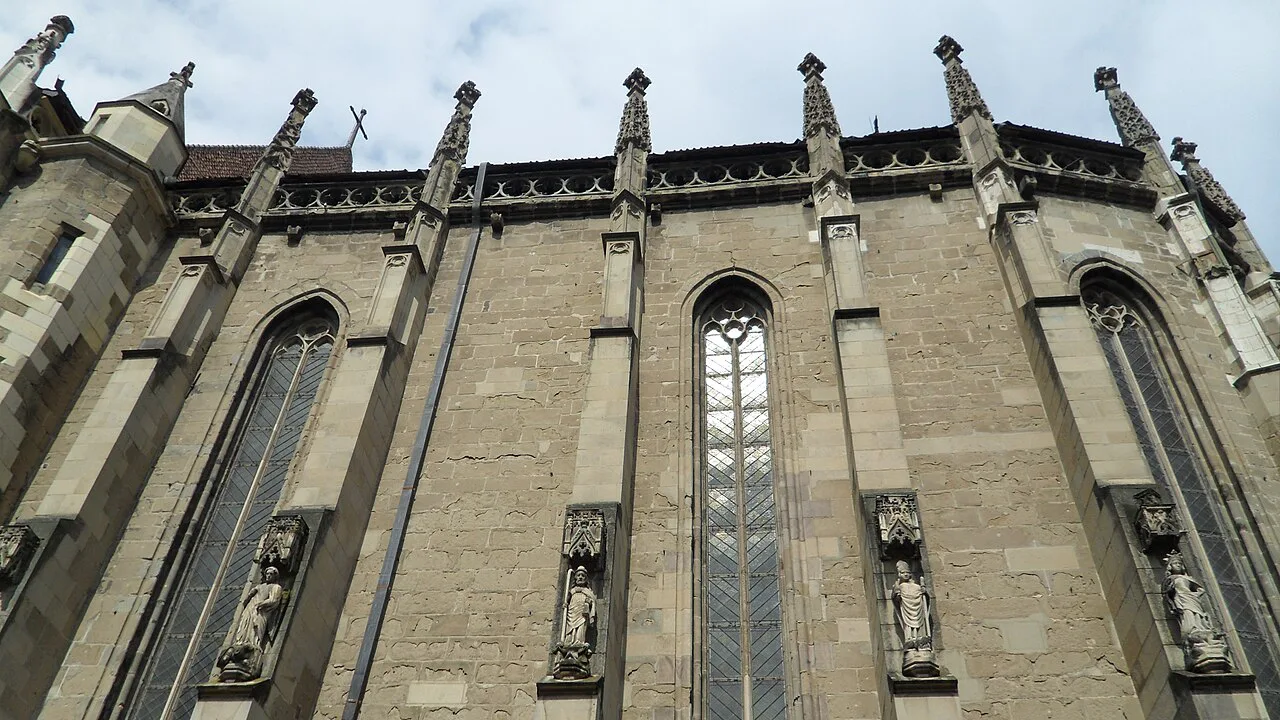
In Brașov, start at Piața Sfatului and work outwards: the Black Church, the narrow lanes of the old town and the walk up to the Tâmpa viewpoint fill a comfortable day. Romania Tourism describes Brașov as home to the largest Gothic church in Eastern Europe, which is the Black Church, so allow proper time inside rather than a photo stop. Our Brasov Attractions: 14 Visitor Guides covers the individual sights in detail, and the Transylvania Itinerary can sequence them with the rest of the region.
Sibiu's centre is built around Piața Mare (Large Square) and the smaller squares that open off it, with passages and stairways linking them, so a half-day walk covers most of it without a plan. The city works well as a base for the Saxon villages to the east and the Olt valley roads south. Both towns are far easier on foot than by car, so pick accommodation close to the centre and leave the vehicle parked.
Cluj-Napoca as the arrival point
Avram Iancu International Airport at Cluj-Napoca is the region's main air gateway, and the Roads & Kingdoms guide notes that Wizz Air and Blue Air have run low-cost routes from other European cities. From there, the rest of Transylvania is reachable by bus, train or hired car. Bucharest's airport is an alternative, but it puts you outside the region and adds a long transfer, so check timings before booking on price alone.
Cluj itself repays a night: it is a lively student city and a useful contrast to the museum-piece centres of Brașov and Sighișoara. Trains and buses from Cluj reach Oradea and Târgu Mureș, and the Apuseni Mountains lie west of the city if you want a day among the Western Carpathians scenery.
Castles and fortresses: Bran, Corvin, Râșnov and Făgăraș
Bran Castle, about 18 miles south-west of Brașov, is a 14th-century Gothic structure with a tower-and-courtyard layout that suits families and first-time visitors. Expect crowds and a market-like approach, and treat it as a castle visit rather than a Dracula pilgrimage: Romania Tourism calls the Vlad Țepeș association tenuous while noting the legend still means a lot locally.
Corvin Castle at Hunedoara is the dramatic alternative: a 15th-century fortress with towers, buttresses and a Knights Hall, reached from Deva rather than Brașov. It is further west and needs a deliberate detour, but it rewards people who want castle architecture without the Bran crowds. Râșnov Fortress sits above its town near Brașov and works as a shorter stop on the same day as Bran if you drive. If you are weighing this against the castle in the south-east, our Brasov Attractions: 14 Visitor Guides shows which Brașov sights are free and which need booking.
Făgăraș Fortress anchors the town of the same name on the road between Brașov and Sibiu, making it an easy pause on a transfer day. Four castles in one trip is too many; pick Bran plus one of Corvin, Râșnov or Făgăraș depending on your route. A Transylvania itinerary can sequence them so you are not backtracking across the region.
Saxon villages and fortified churches
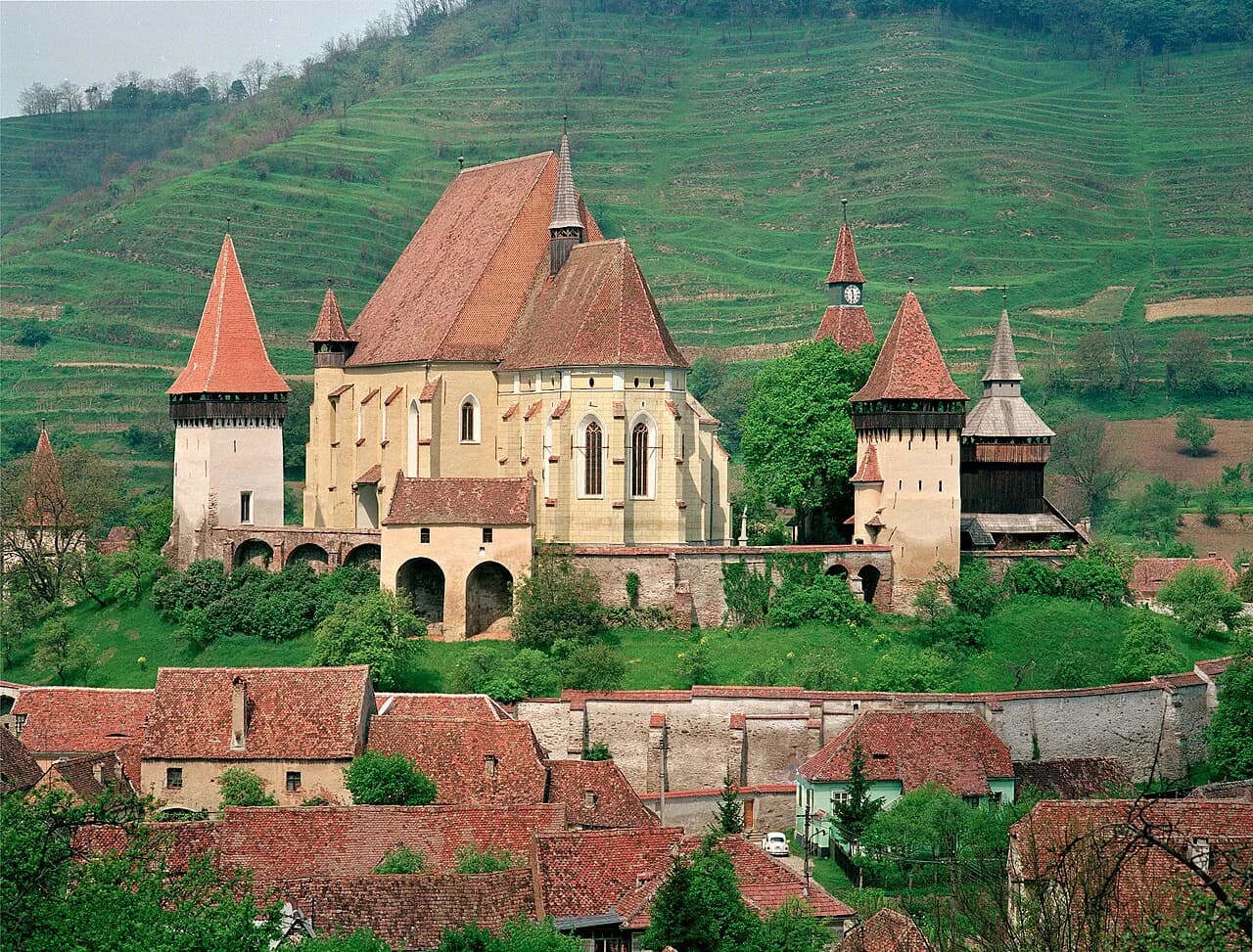
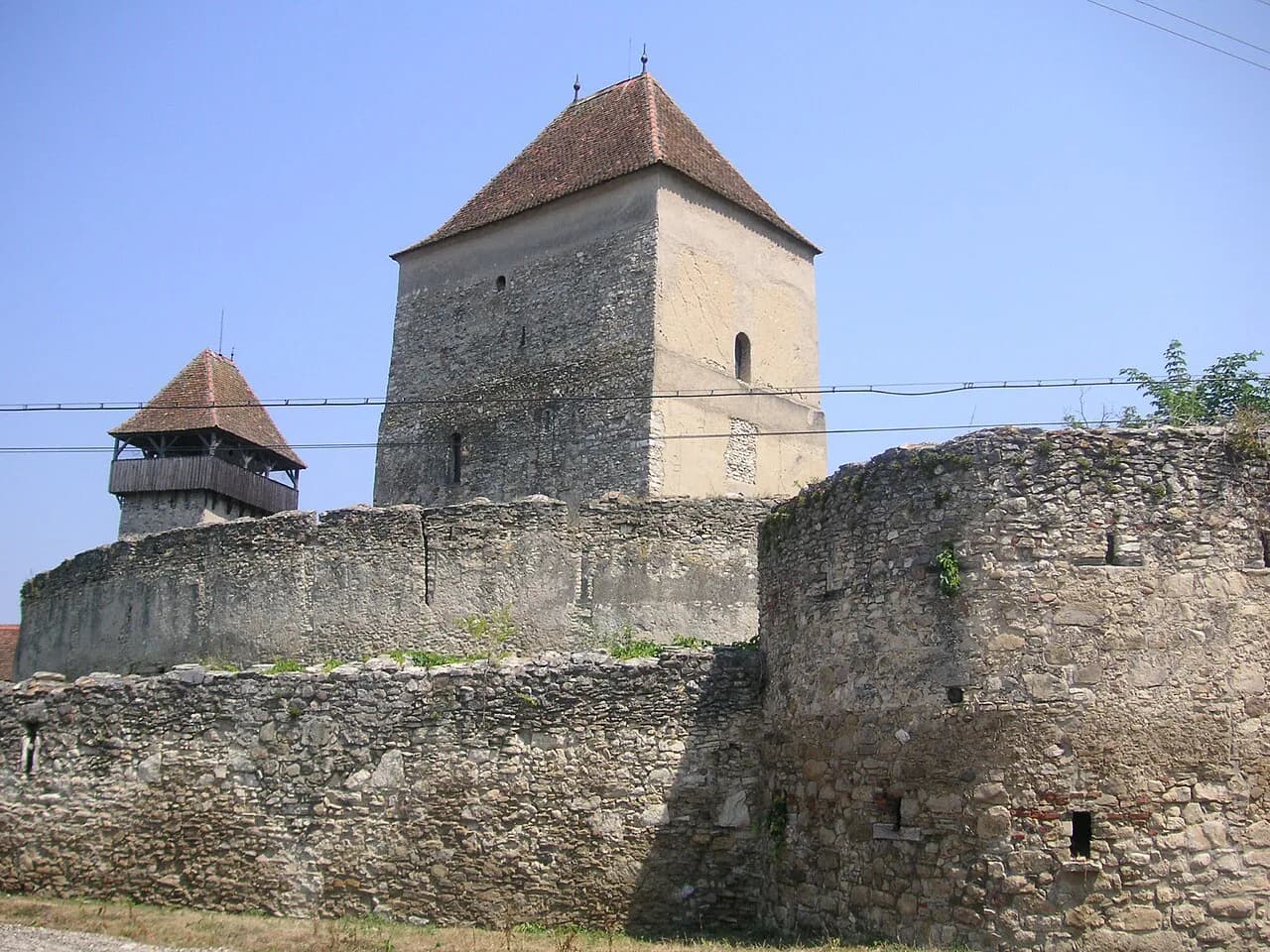
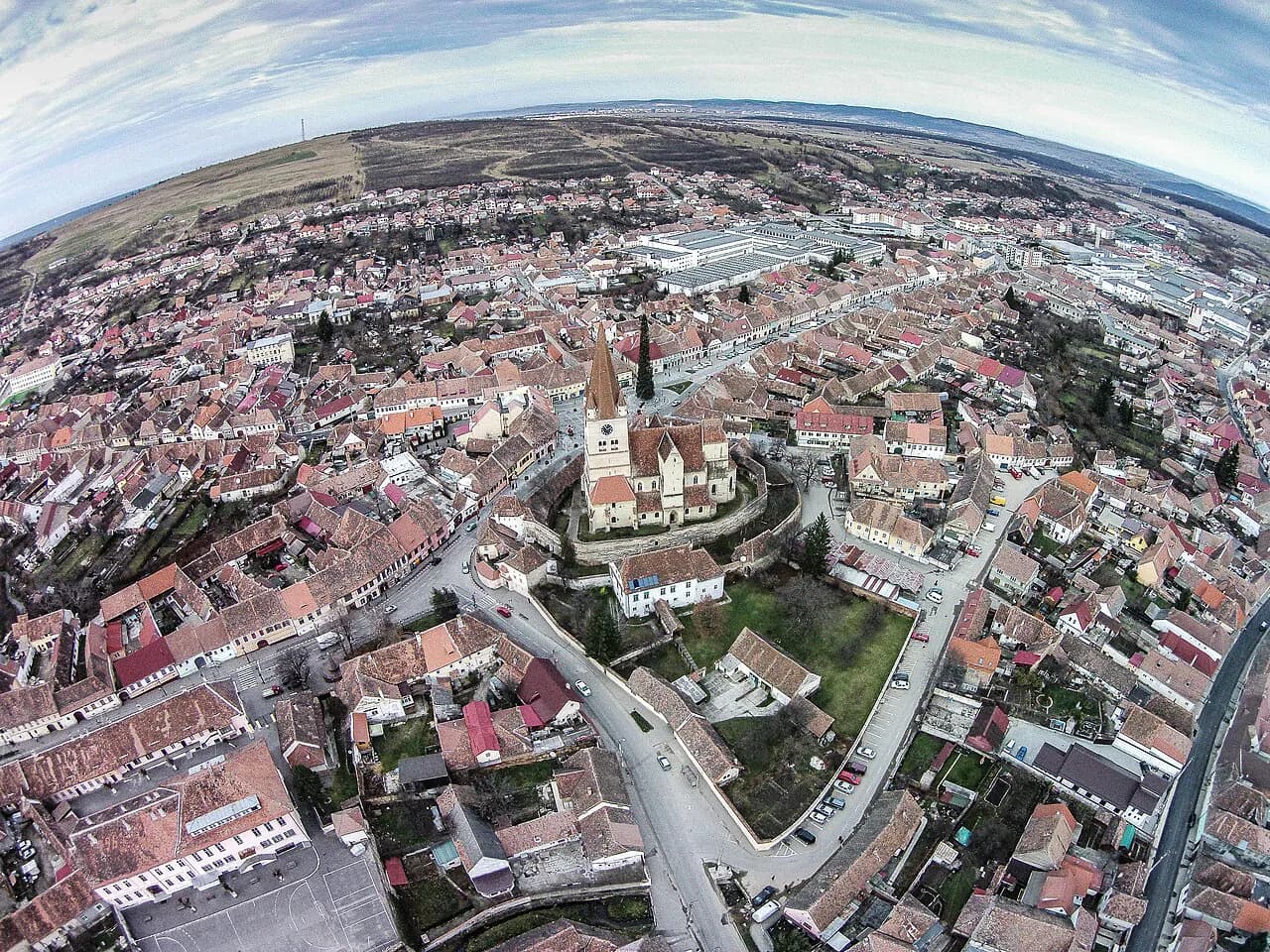
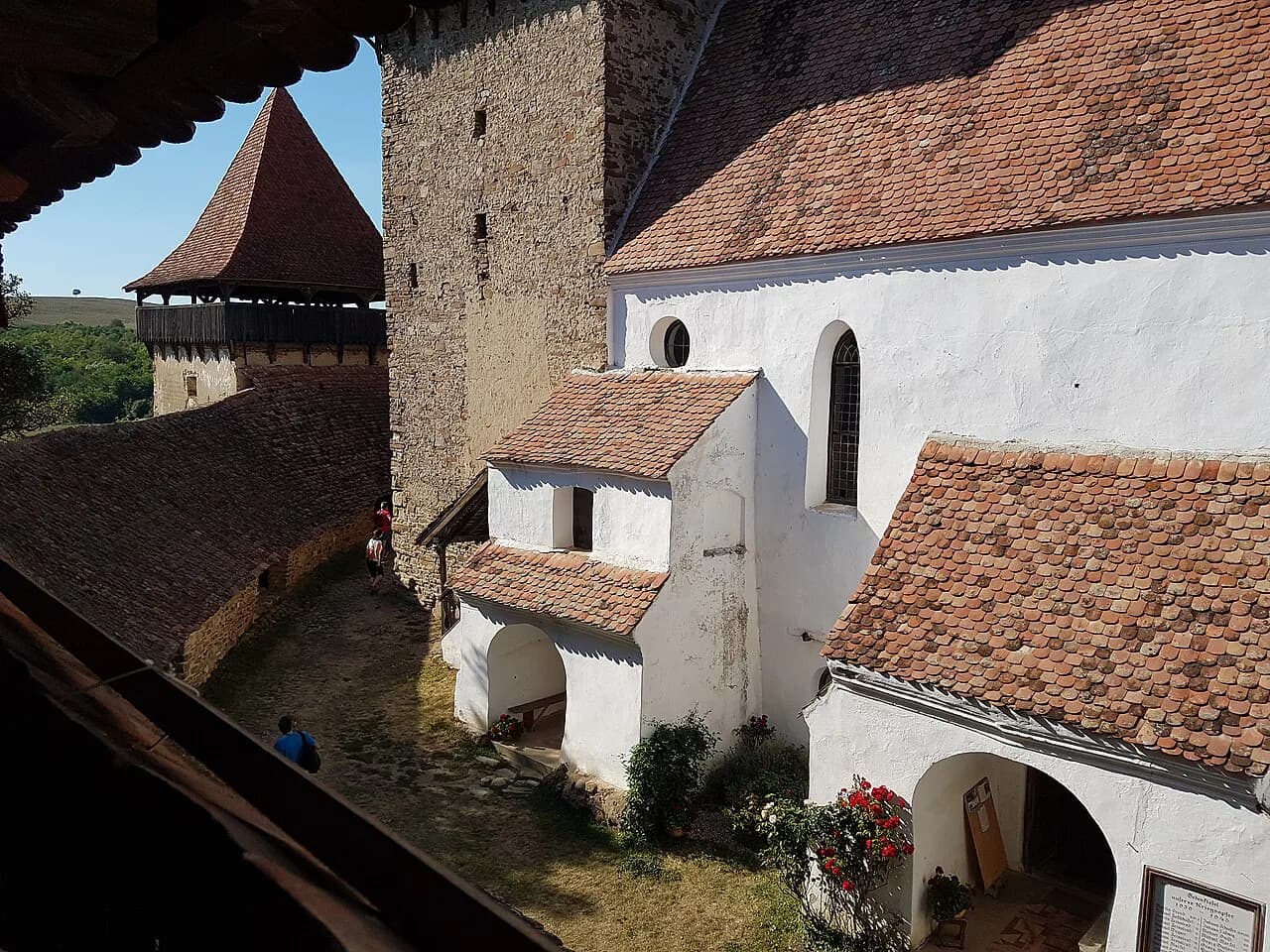
The Saxon settlers who arrived from Germany from the 12th century built around 300 fortified churches between the 13th and 16th centuries, mainly in the villages around Bistrița, Brașov, Cluj-Napoca, Mediaș, Sebeș, Sibiu and Sighișoara. Roughly half still stand, which is why the fortified churches are best treated as a route through villages rather than a single sight. Romania Tourism singles out Prejmer as the largest fortified church in south-eastern Europe and notes Hărman's massive walls and defending towers.
Biertan and Viscri are the two names most travellers have heard of, and both involve village lanes and a church on a rise. Biertan sits between Sighișoara and Mediaș and pairs neatly with a Sighișoara stop; Viscri is reached on minor roads and is easier with a car. Prejmer and Hărman lie close to Brașov and can be done in a half-day loop by car or taxi.
Plan two or three fortified churches, not six: the interiors and defences follow a similar pattern, and the pleasure is in the villages between them. A car gives you the freedom to stop at a village shop or a farm track; buses serve the larger villages but are slow and sparse, so a village loop needs its own day.
The Székely Land and Miercurea Ciuc
East of Brașov, the Székely Land is the Hungarian-speaking part of Transylvania, with Miercurea Ciuc as its main town and a distinct culture of its own. Roads climb through the Eastern Carpathians to reach it, so it suits travellers with a car and a spare two days rather than a day trip. Our Székely Land guide covers the towns and what a visit involves.
Miercurea Ciuc is a practical stop on the road north towards Maramureș, and it has the feel of a working regional town rather than a tourist centre. If you are detouring through the Apuseni foothills, the bear cave guide is the place to start.
Maramureș to the north
Maramureș lies north of Transylvania proper, reached via Bistrița, and it is known for wooden churches, carved cemeteries and riverside villages. The Merry Cemetery at Săpânța is the best-known stop, with painted wooden crosses that record village life rather than mourning it. Allow two full days if you go: the roads are slow and the villages are scattered across valleys.
Treat Maramureș as a separate leg rather than an add-on to a short break. A week is enough to combine two Transylvanian towns with a Maramureș loop by car; a long weekend is not. If you want the villages without the driving, a guided Transylvania holidays package can cover transport and stops, though the pace will be fixed.
How to get around
Bases matter more than transport mode. Brașov and Sibiu are linked by train and bus, and each connects to Sighișoara, but the villages and castles in between are poorly served without a car. Use trains for town-to-town legs and hire a car for two or three days of villages and fortresses, or book a driver. The Responsible Travel guide notes a good national road network linking Sighișoara and Sibiu, with classic landscapes in between.
The Transfăgărășan highway is a famous drive, twisting across the Carpathians with tunnels and viaducts, but the Responsible Travel guide gives it as closed from October to June. Check current access before you build a route around it. A Transylvania map helps here: the pass connects the Sibiu side with the Olt valley, and there is no quick alternative.
How long to give Transylvania
A long weekend covers one town and one castle: Brașov plus Bran and Râșnov, all within a short drive, is the simplest plan. A week allows Brașov, Sibiu and Sighișoara with a day of Saxon villages and a loop to Corvin Castle or Maramureș. Two weeks is the point at which the Székely Land, Maramureș and the painted monasteries to the east start to fit.
Group the trip by geography: Brașov, Prejmer, Hărman and Bran in the south-east; Sighișoara, Biertan and Viscri in the centre; Sibiu and Alba Iulia in the west; Cluj-Napoca and Maramureș in the north. That gives a base-and-spoke pattern instead of a single fixed itinerary, and it lets you cut a leg without breaking the trip. If you only have five days, drop Maramureș and keep the centre.
Dracula and Vlad III
Bram Stoker's Dracula is fiction, and his Transylvania is a literary invention rather than a travel guide. The historical Vlad III, the Walachian prince known as Vlad Țepeș, ruled south of the Carpathians, and his link to Bran Castle is described by Romania Tourism as tenuous, though the local association with the legend is strong. Keep the two apart: Stoker's novel and the real prince belong to different stories.
Practical points for planning
Romania uses the leu (RON), not the euro, so budget in lei and check card acceptance in villages before relying on it. The Roads & Kingdoms guide, written in 2019, records Romania as an EU member outside the Schengen Area at that time and says US, Canadian, Australian and New Zealand passport holders did not need a tourist visa for short visits; check current entry rules with the Romanian embassy or your airline before booking, as this may have changed.
Prices for castles, churches and museums are set locally and change, so confirm tickets in lei on each site's own page rather than trusting an old figure. Check opening conditions before travelling: some sites operate restricted hours outside summer. Carry cash in lei for small village sites and rural car parks.
Choose your base and your two castles
Start with Brașov or Sibiu as your base, add Sighișoara as a stop, and pick two castles from Bran, Corvin, Râșnov and Făgăraș rather than trying to see them all. Then choose one day of Saxon villages and one of Maramureș or the Székely Land if you have the time. If you are weighing the same base-and-spoke decision at another destination, our Brasov Attractions: 14 Visitor Guides shows how to sort paid sights from free ones once you are there.
If you want an itinerary that matches these choices, our Transylvania Itinerary sets out day-by-day routes by base, and the Transylvania map shows the driving distances between them. Look at both before booking flights, because the airport you choose changes the first and last day of the trip.
Explore more Transylvania guides
- Apuseni Mountains
- Best Towns in Transylvania
- Libearty Bear Sanctuary, Zărnești
- Miercurea Ciuc
- Odorheiu Secuiesc
- Romania Bears
- Romanian Villages Worth Visiting
- Scărișoara Ice Cave
- Sovata: a Practical Guide to Bear Lake and the Town
- Székely Land
- Transylvania Holidays
- Transylvania Itinerary
- Transylvania map
- Transylvania Tours
- Târgu Mureș
- Zărnești
Frequently Asked Questions
What country is Transylvania in today?
Transylvania is part of Romania, in the centre and north-west of the country. It has no separate government or border, and its towns are Romanian cities.
Why is Transylvania known for Dracula?
Bram Stoker set his novel Dracula in Transylvania, and the Bran Castle area has long been associated with the legend. The historical Vlad III, known as Vlad Țepeș, ruled in Walachia and his link to Bran is described by Romania Tourism as tenuous.
Why did Transylvania become part of Romania?
Transylvania became part of Romania after the 1920 Treaty of Trianon, which followed the First World War. That is why the region has Romanian, Hungarian and German heritage in its towns and villages.
Do you need a car to see Transylvania?
Not for the towns: Brașov, Sibiu, Sighișoara and Cluj-Napoca are linked by train and bus. A car or driver makes the Saxon villages, fortified churches and castles much easier to reach, and the mountain roads need checking for seasonal closures.
Sources
Useful notes for your next trip
Optional updates to our guides.
You might also like
Continue reading
More guides you'll find useful