Maramureș: Wooden Churches, Merry Cemetery and How to Visit
Plan a trip to Maramureș in northern Romania: the UNESCO wooden churches, the Merry Cemetery, villages and the Mocănița steam train.
On this page
Maramureș is a cultural region in north-west Romania, and the northern part of it lies in Ukraine today. Visitors come for a compact set of rural sights: wooden churches, painted village cemeteries, working farms and a narrow-gauge steam railway, spread across villages rather than gathered in one town. This guide covers what each place is like to visit, which villages justify the drive, and how to structure a trip of two to four days around Baia Mare, Sighetu Marmației and Vișeu de Sus.
The region rewards a slower pace than a city break. Villages sit among forested hills, the roads between them are rural, and a car or an organised tour does most of the work of getting you from church to church. Treat the sights as a loop rather than a tick-list, and plan fewer stops per day than you would in Brașov or Cluj-Napoca.
What Maramureș is and where it sits
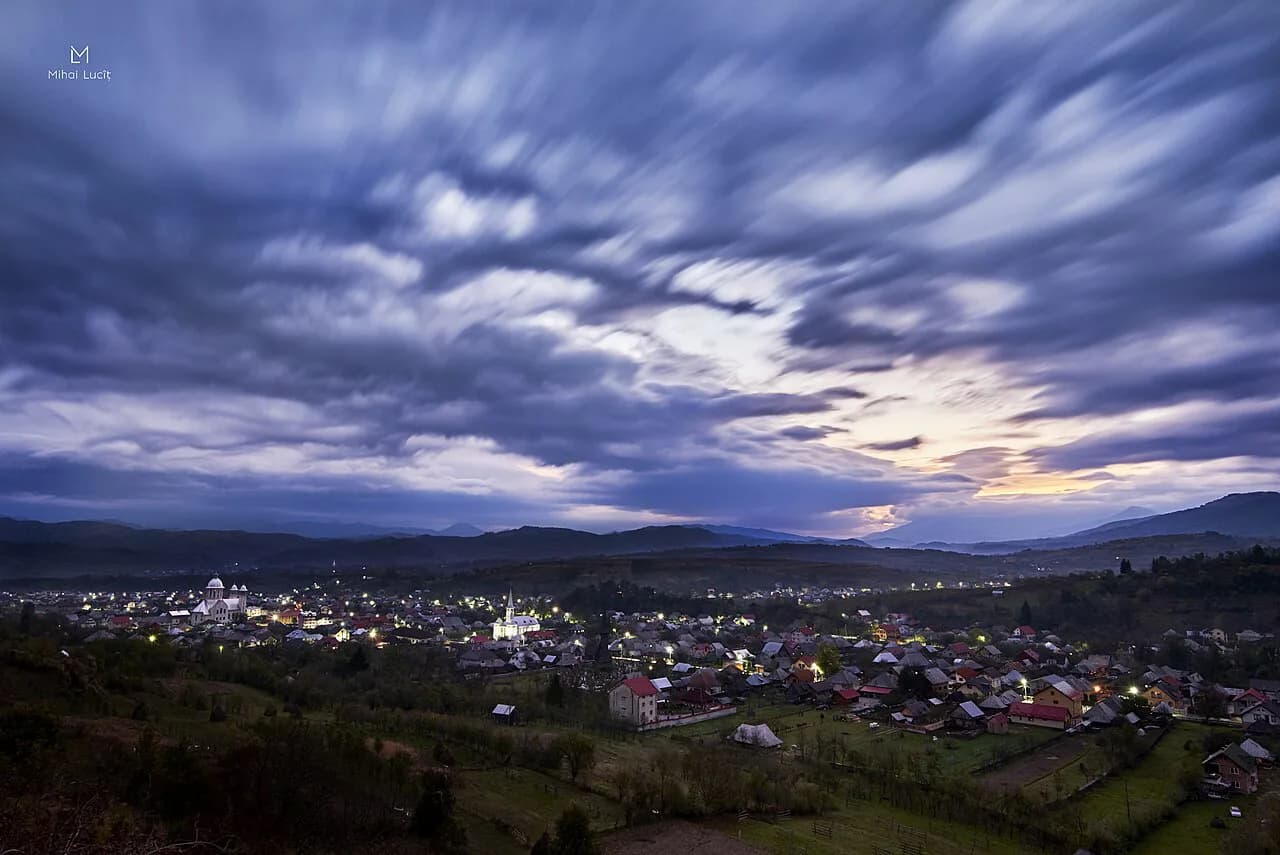
Maramureș lies in the north-west corner of Romania, in the hills of the northern Carpathians, with Baia Mare, Sighetu Marmației and Vișeu de Sus as the main towns that travellers use as bases. The region is known for villages where people keep small farms, work the land and build in wood, a way of life described in Covinnus's highlights of Maramureș. Only the southern part joined Romania in 1918, and the northern part is in Ukraine today, which matters when you plan a loop: some villages associated with Maramureș lie across the border.
For a visitor, the practical consequence is that Maramureș is not one destination but a scatter of villages. A church, a cemetery and a convent can be several villages apart, so a map and a full day of driving are more useful than an hour-by-hour schedule. If you have only one clear day, choose either the Sighetu Marmației and Săpânța side or the Vișeu de Sus and Bârsana side rather than attempting both.
Is Maramureș part of Transylvania?
Maramureș is a distinct cultural region, not part of Transylvania. Covinnus describes it as its own cultural region in north-west Romania, separate from the Transylvanian towns and Saxon villages to the south. That separation helps explain why the villages, churches and gates look different from what you see around Sibiu or Brașov.
If you are building a longer Romania trip, treat Maramureș as its own leg rather than a day trip from Transylvania. The approach from Transylvania crosses the northern Carpathians, and the region starts properly once you reach the valleys around Sighetu Marmației and Baia Mare. Pair it with a Transylvanian town only if you have the days for the transfer, and Brasov Attractions helps you judge how many days that town deserves before you commit. Our Transylvania guide covers where the region sits and what to see on the other side of those mountains.
The wooden churches: what makes them distinctive
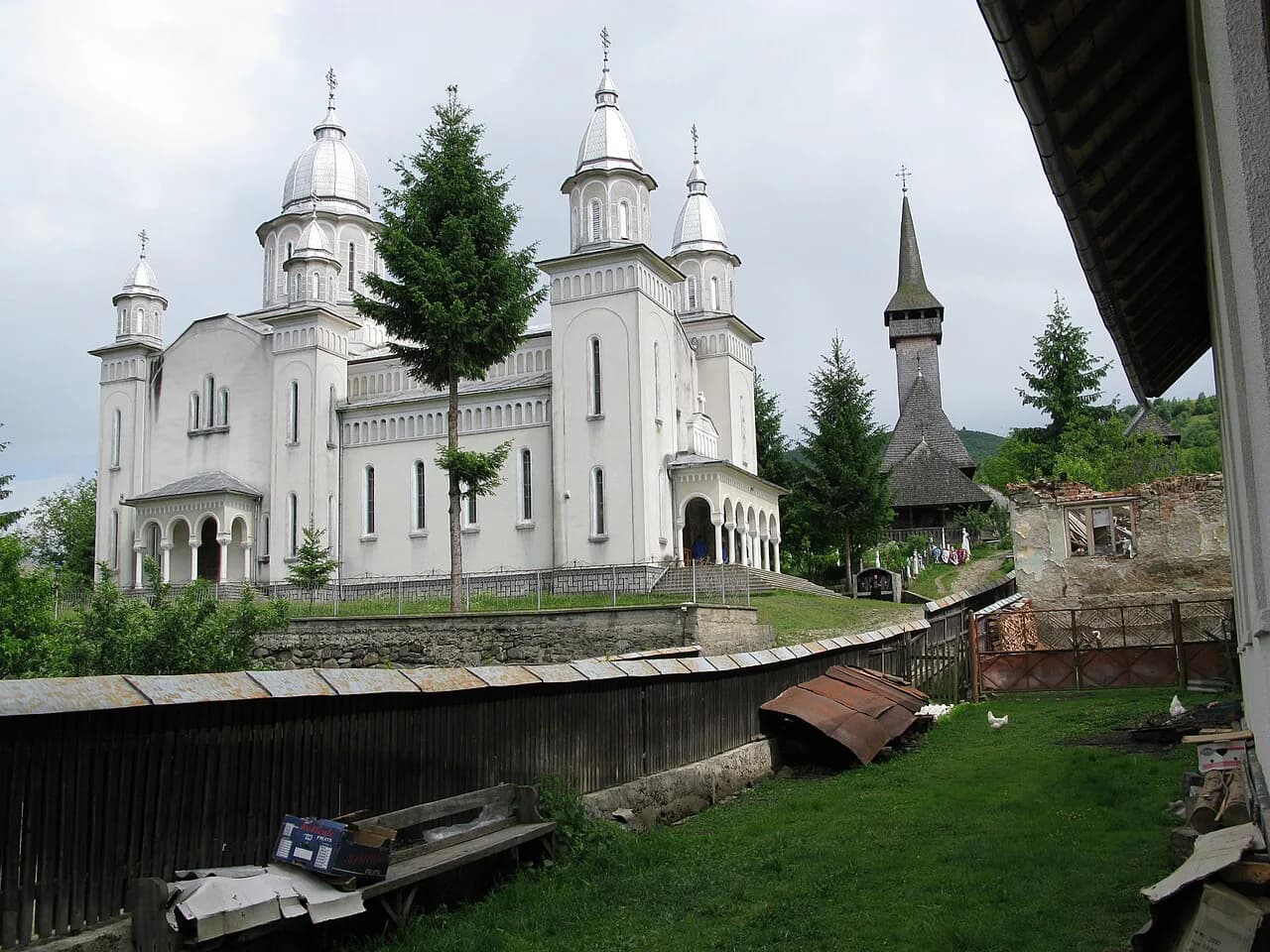
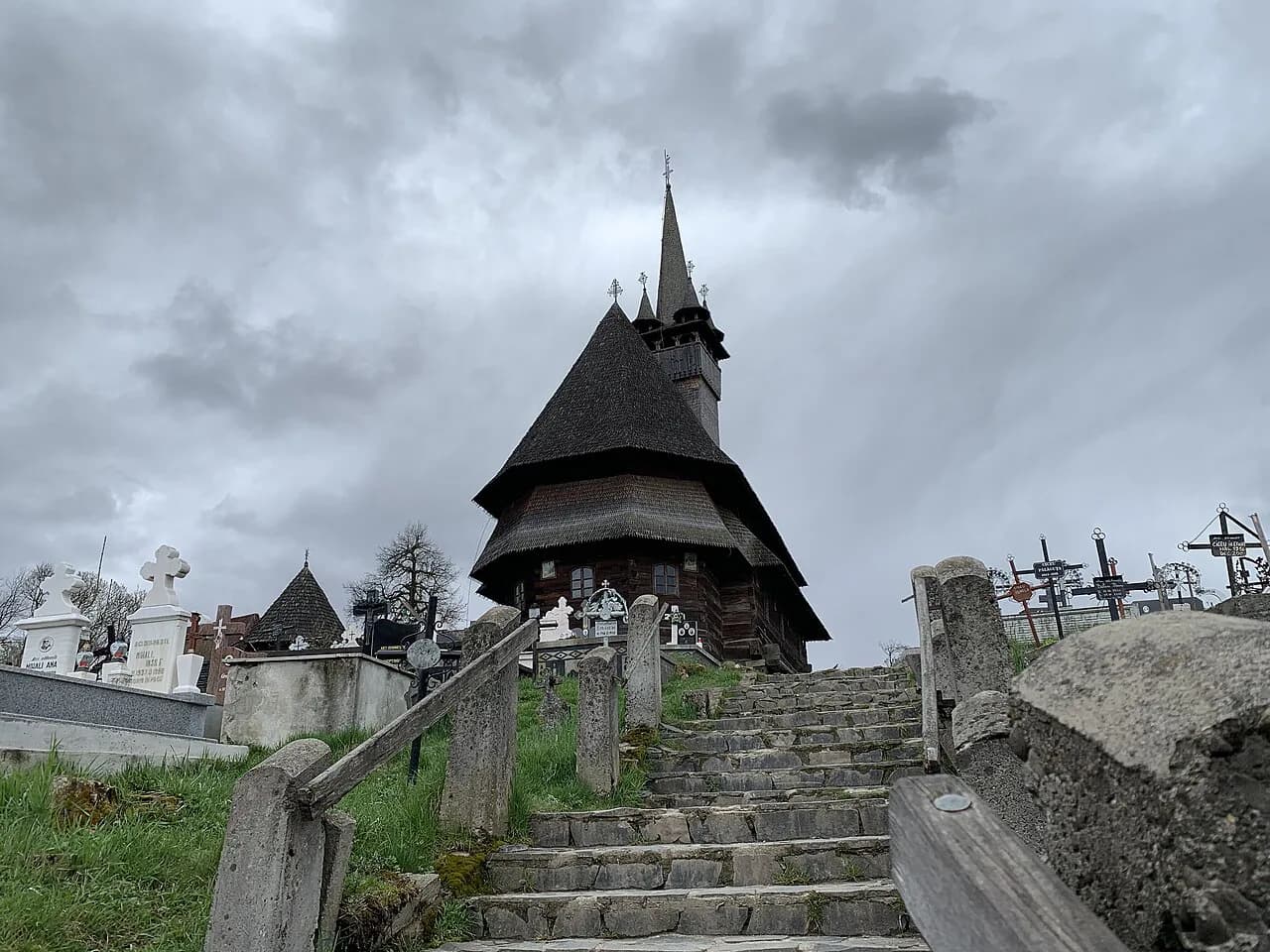
Wood is the building material of Maramureș, used for houses, fences, gates and churches. The churches are the region's defining sight: tall, slim towers, roofs in two levels covered with shingles, and ornamental carving on the portals. Covinnus notes that this style also appears in Ukraine, in the Carpathians in Poland and in Slovakia, so the churches read as part of a wider mountain building tradition rather than an isolated curiosity.
You will see wooden churches throughout the region, from tiny village examples with closed doors to the ones that draw coach groups. Some are in active parochial use, and a village church may be open only when someone is there; the practical approach is to ask at your accommodation or at the local parochial house when you arrive, since opening hours vary from village to village and are not fixed daily.
The eight UNESCO wooden churches of Maramureș
Around 100 wooden churches stand in Maramureș, most of them Orthodox, and eight are listed as UNESCO World Heritage monuments. Covinnus names them as the churches at Budești Josani, Desești, Bârsana, Poienile Izei, Ieud Deal, Șurdești, Plopiș and Rogoz. That distinction matters: it tells you which churches justify a detour when you are choosing between villages.
The listed churches are spread across the region, so do not expect to see them in one afternoon. Budești Josani, Desești, Poienile Izei and Ieud Deal sit in the valleys around Sighetu Marmației, while Șurdești, Plopiș, Bârsana and Rogoz are further out; a sensible plan picks two clusters and leaves the rest for another visit. The wooden churches of Maramureș guide sets out each church individually.
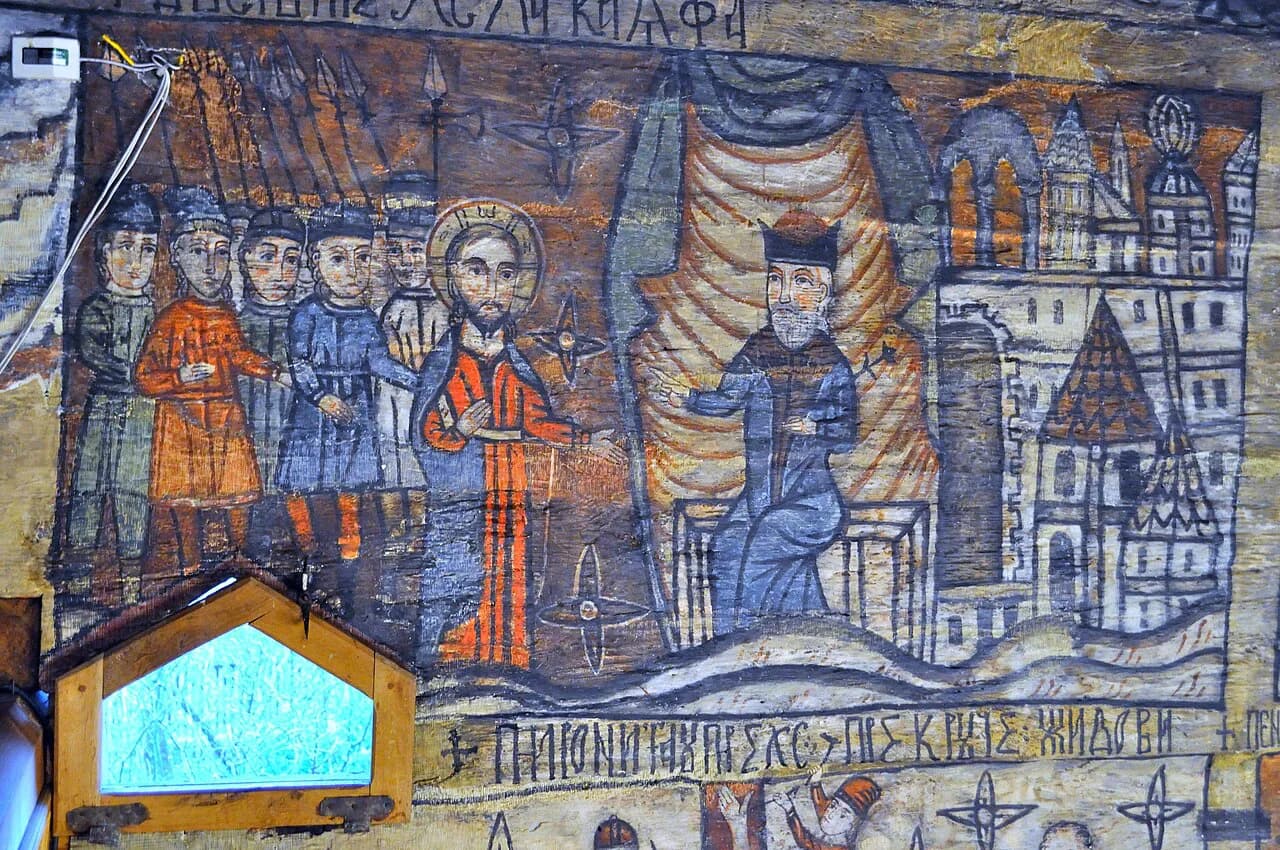
Covinnus singles out the wooden joints, the shingle-covering technique and the carved motifs on the church portals as the qualities that make these buildings remarkable. When you are inside, look up: the interiors are small, dark and painted, and the scale is village-sized rather than cathedral-sized. Allow a short stop at each church rather than a long one, and build in time for the drives between villages.
Bârsana Convent and Peri Convent
Bârsana is both a UNESCO-listed wooden church and a monastic site, and the convent is a different kind of visit from a village church. Covinnus names Bârsana Convent among the highlights of Maramureș, and the monastery is a planned stop rather than something you stumble on between villages. Bârsana Monastery in Maramureș covers the complex in more detail.
Peri Convent is another monastic site in the region, named by Covinnus alongside Bârsana among the highlights. The two work well on the same day if you are driving that side of Maramureș, but both are active religious communities, so dress modestly and keep your voice down. Do not assume either is open at a fixed hour; check locally when you arrive.
The Merry Cemetery at Săpânța
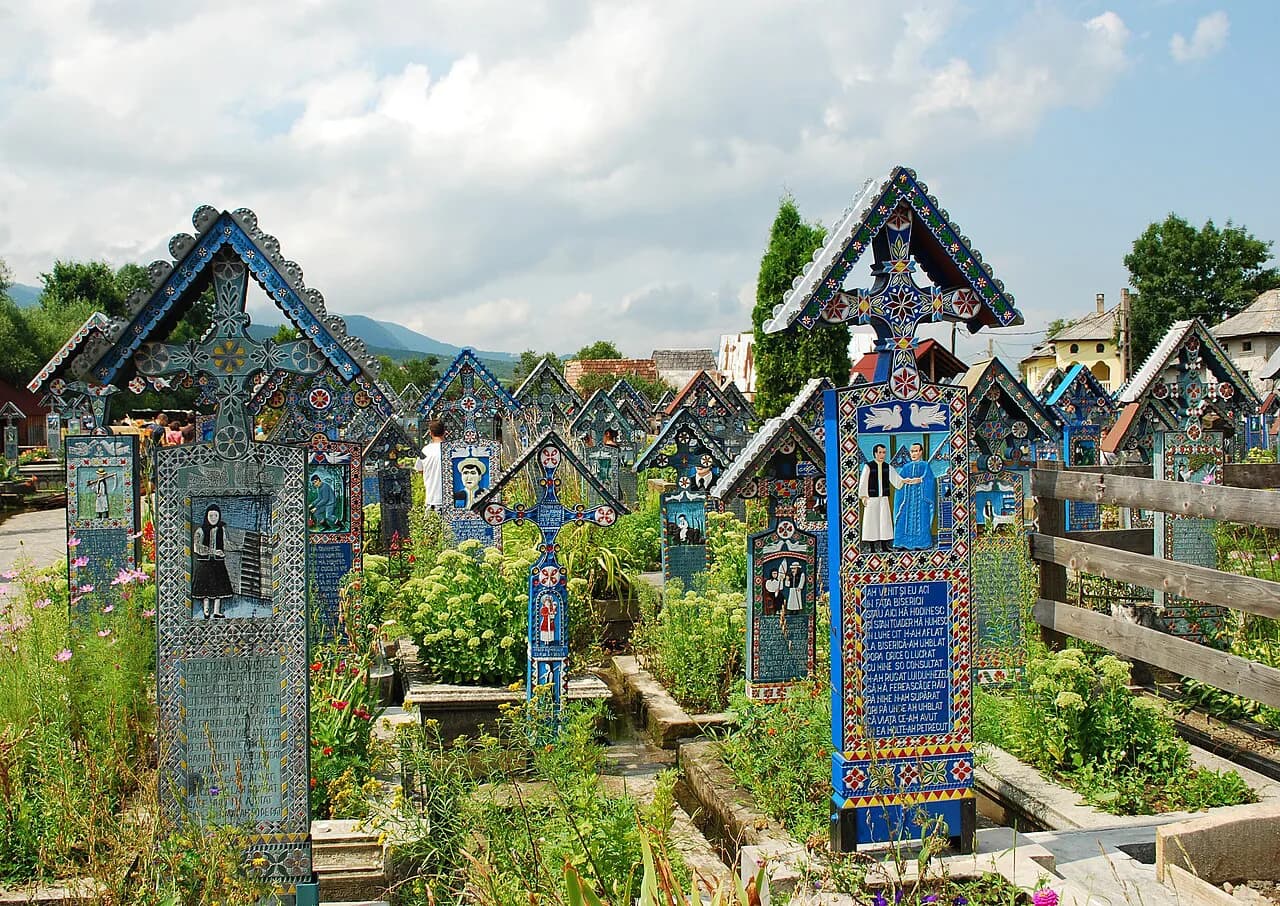
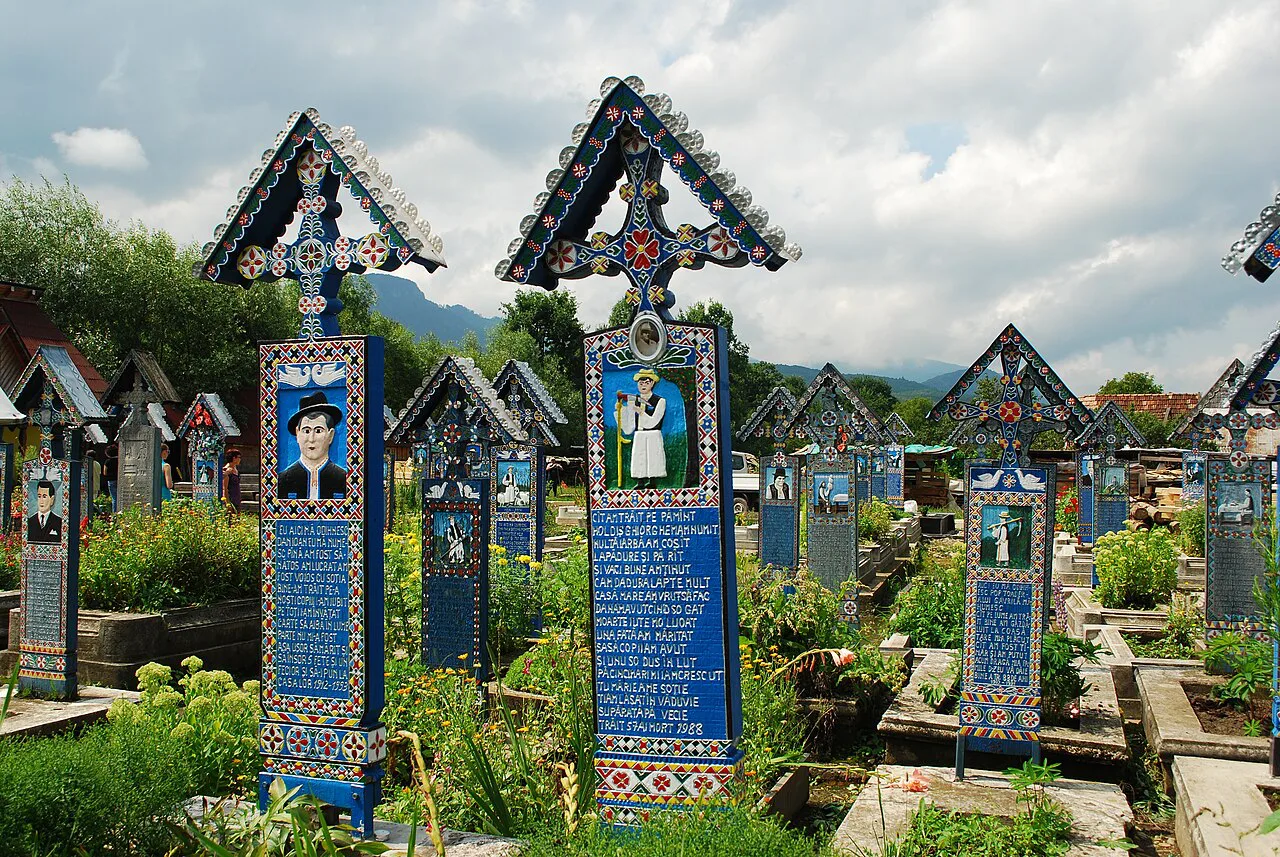
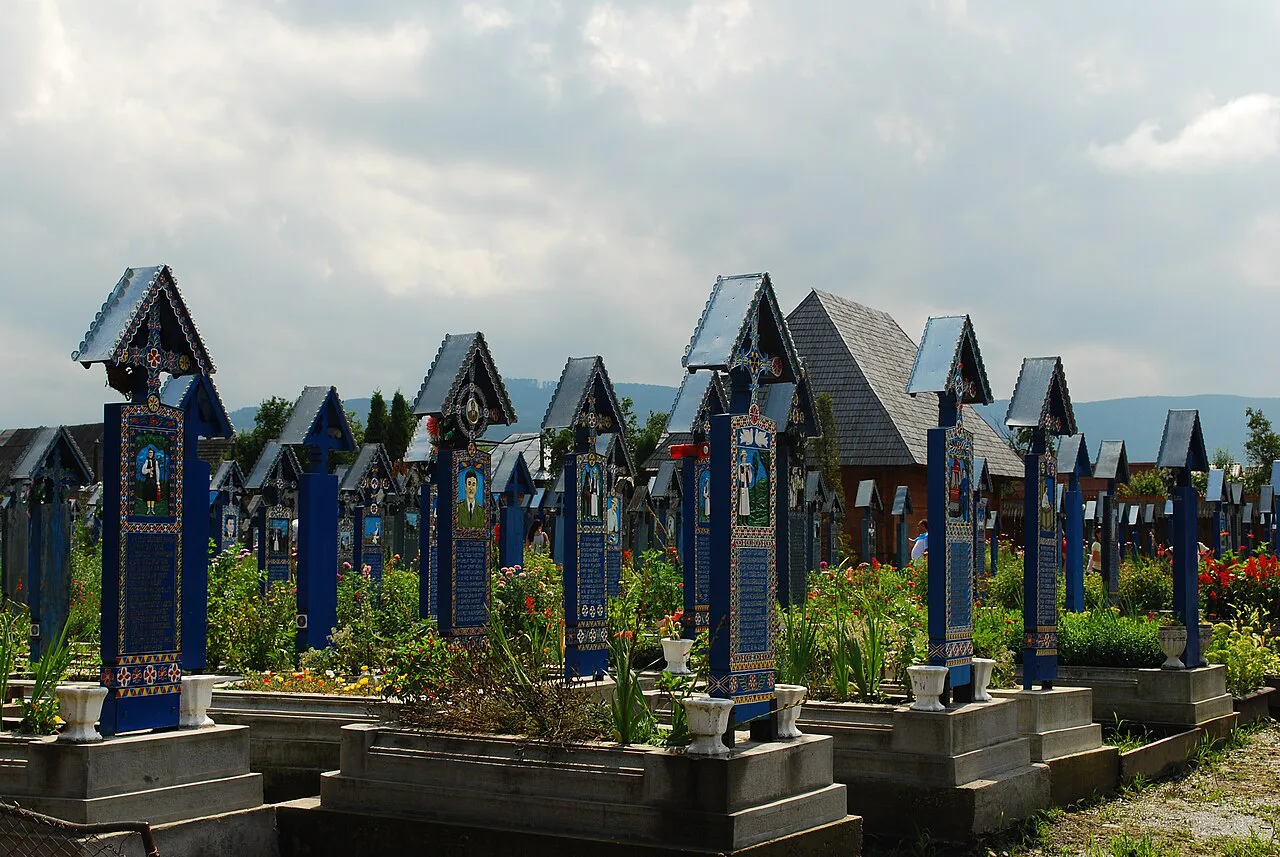
The Merry Cemetery at Săpânța is the region's best-known single sight, and it is unlike the churches. Wooden crosses are carved and painted, with scenes and words in blue, and it sits beside the village church rather than in open countryside. Covinnus lists it among the highlights of Maramureș, and it works as a natural stop on the road between Sighetu Marmației and the villages to the north.
The visit is short, and the cemetery draws visitors through the day. Go early or late if you want a quieter look at the crosses, and combine it with a look at the village rather than treating it as a standalone stop. Merry Cemetery, Săpânța explains what you are looking at and how the cemetery fits into the village.
Villages worth building a day around
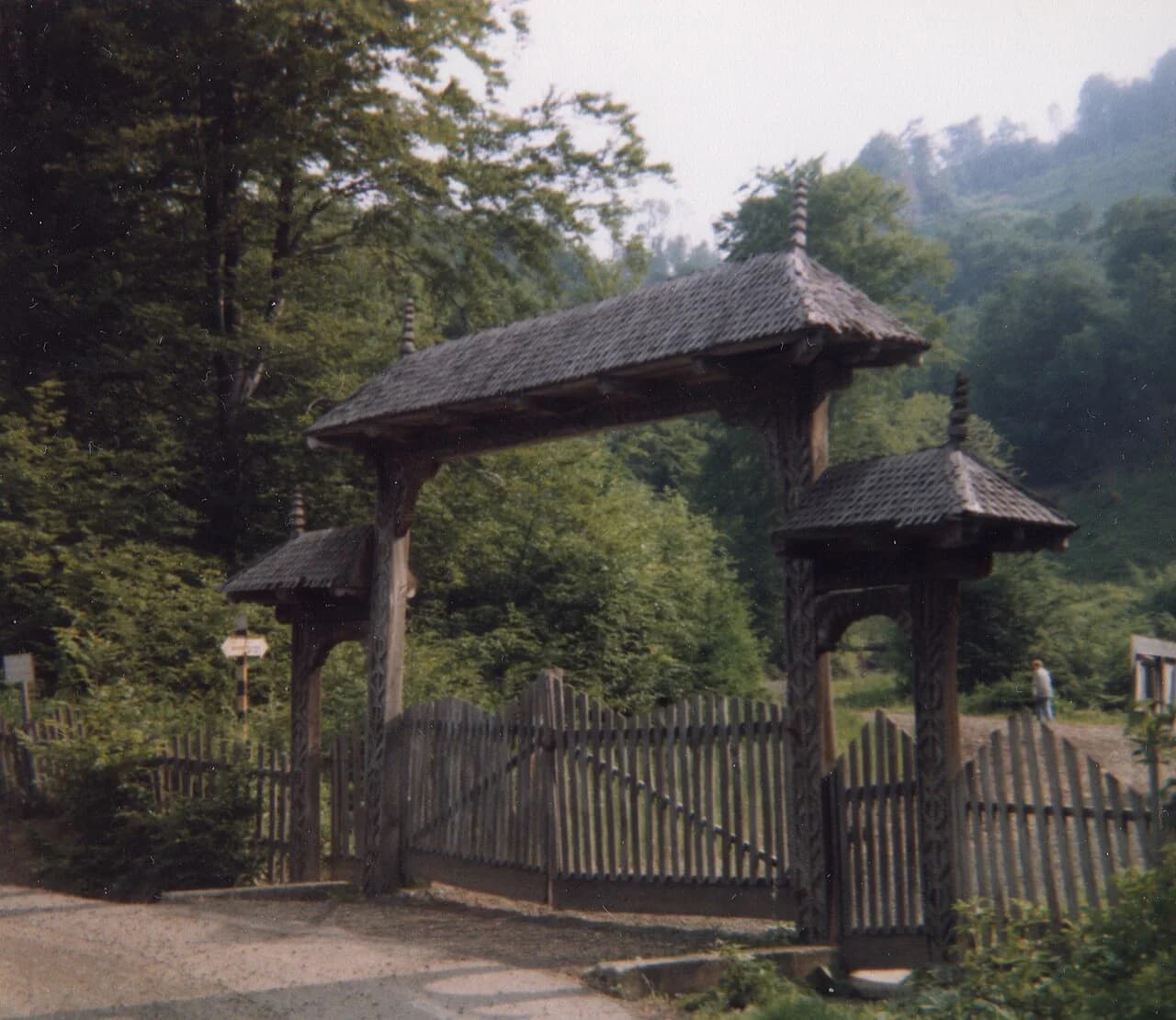
Covinnus names several villages to explore in Maramureș, and the pleasure of the region comes from the ordinary ones as much as the sights. Wooden houses, carved gates and farmyards are part of the landscape, and people still work smallholdings with livestock and land. Drive slowly through the villages on your route rather than aiming only at the named churches.
Villages across Maramureș, including Breb and Vadu Izei, appear as places with accommodation in the region. A day that strings together one or two villages with a church, a farm stop and a late lunch will feel fuller than a day of five quick church stops, and it leaves room for the unpredictable opening of a village church.
The Mocănița steam train from Vișeu de Sus
The Mocănița is a narrow-gauge steam train that runs from Vișeu de Sus into the surrounding forest and mountains. Covinnus lists the steam train among the highlights of Maramureș, and Vișeu de Sus is the base for it: the town sits in the north-east of the region, surrounded by forest and mountains. If the train is on your list, make Vișeu de Sus your overnight base for that night rather than driving in from Baia Mare on the day.
Train timetables and departures change with the season, so check the running day and departure time with CFF Vișeu de Sus before you build your trip around it. Vișeu de Sus is also a practical base for the eastern villages and the Bârsana side of the region. Allow the best part of a day if you plan to ride, and keep the rest of the day light.
Sighetu Marmației and the Elie Wiesel memorial house
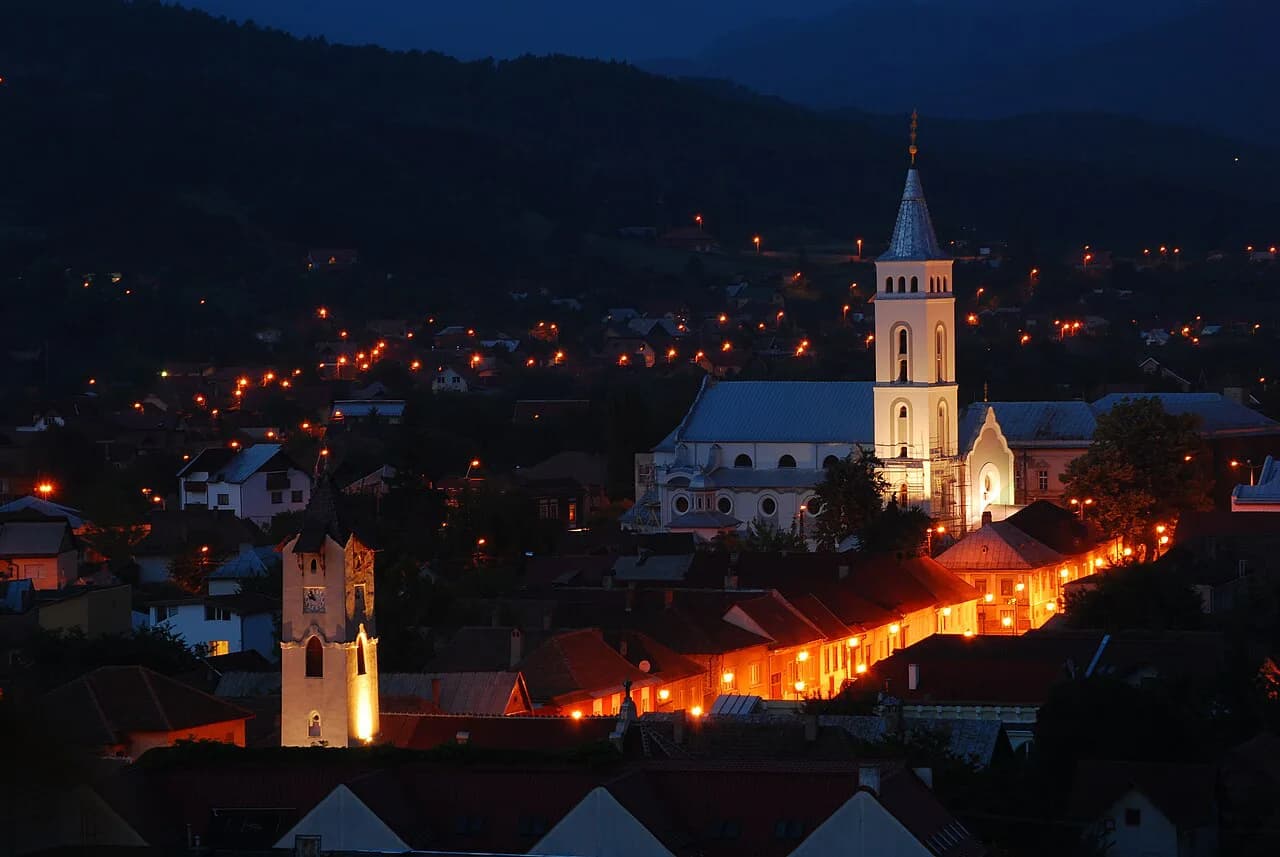
Sighetu Marmației is the main town on the northern side of Maramureș and the natural base for Săpânța and the northern villages. It is also the birthplace of Elie Wiesel, the writer, journalist and human rights activist who survived the Holocaust and wrote Night. His memorial house in Sighetu Marmației can be visited, and it gives the town a different weight from the villages around it.
Sighetu Marmației makes a sensible base for two nights: one for the town and the memorial house, one for Săpânța and the surrounding villages. Sighetu Marmației covers the town's layout and the streets around the centre if you want to plan your time there.
Getting to Maramureș: Baia Mare, Sighetu Marmației and Vișeu de Sus as bases
Baia Mare, Sighetu Marmației and Vișeu de Sus are the three towns to choose between as a base. Baia Mare is the western gateway and the easiest for the Șurdești and Plopiș churches; Sighetu Marmației is the northern base for Săpânța and the memorial house; Vișeu de Sus is the eastern base for the Mocănița steam train. Expedia lists all three among the main towns of Maramureș, alongside Borsa and Moisei. It is the same base-versus-sights weighing up you do in Brasov Attractions when you decide how many days a town deserves.
Arriving without a car is possible but slow, because the sights sit in villages off the main roads. Organised tours of Maramureș run from the region's towns, which is the simplest option if you do not want to drive. GetYourGuide lists Maramureș tours if you want to compare what is offered.
Getting between the sights: car, tour or horse-drawn carriage
A car gives you the most freedom in Maramureș, because you can stop at a village church that happens to be open or wait for the light at a carved gate. The trade-offs are rural roads, long drives between clusters and limited parking in the villages on busy days. Choose a car if you have three or more days and want to cover both the northern and eastern sides.
A tour suits a shorter stay or a driver who would rather not navigate village roads. You lose flexibility and see what the itinerary covers, but you gain a guide who knows which churches are open and how the day fits together. A horse-drawn carriage, which Covinnus pictures in rural Maramureș, is a slow and local experience for a village or a short stretch of countryside rather than a way of covering the region.
How long Maramureș needs
Give Maramureș two full days at the very least, and three to four if you want the steam train, the Merry Cemetery and a proper run of the UNESCO churches. Two days works only if you concentrate on one side of the region: Sighetu Marmației and Săpânța, or Vișeu de Sus and Bârsana. Adding the western churches near Baia Mare needs another day because of the drive.
Build in slack. Village churches open unpredictably, rural drives take longer than the distance suggests, and the steam train consumes a large part of a day. A three-day plan of one town, one day of villages and one day on the train is more realistic than trying to see all eight UNESCO churches in a single loop.
Where Maramureș fits into a wider Romania trip
Maramureș is a northern leg, not a stop between Transylvanian towns. Add it to a route that already includes Cluj-Napoca or Baia Mare, and give it its own block of days rather than squeezing it between Brașov and Sibiu. Brasov Attractions covers the Transylvanian town if you are still deciding which towns to include, and it is the same book-or-skip call you will face at the region's wooden churches.
If you fly into Bucharest, treat Maramureș as a separate trip by air or rail to the north rather than a loop from the capital. Bucharest Attractions covers the capital if you plan to spend time there at either end of the journey. The realistic pattern is a city break in Bucharest or Brașov, then a few days in Maramureș with a car or a tour.
Which base should you book?
Book Sighetu Marmației if the Merry Cemetery, the memorial house and the northern villages are your priority, and Vișeu de Sus if the steam train is the reason for the trip. Choose Baia Mare if you are coming from the west and want the Șurdești and Plopiș churches without a long transfer. Whichever you pick, plan your days around clusters of villages rather than trying to cross the whole region daily.
Check the running days and departure time of the Mocănița before you book accommodation, and confirm opening with a parochial house or your host for any village church you particularly want to see inside.
Explore more Maramures guides
- Baia Mare
- Botiza: a Maramureș village of wooden churches and weaving
- Budești, Maramureș
- Desești Wooden Church and Village
- Ieud: The Village and Its Wooden Churches in Maramureș
- Maramureș Wooden Gates
- Merry Cemetery (Cimitirul Vesel) at Săpânța
- Mocănița
- Sighetu Marmației
- Wooden Churches of Maramureș
- Șurdești Wooden Church
- Rohia Monastery (Mănăstirea Sfânta Ana)
- Săpânța-Peri Monastery
Frequently Asked Questions
Which country is Maramureș in?
Maramureș is in Romania, in the north-west of the country. The northern part of Maramureș lies in Ukraine today, which is why some villages associated with the region are across the border.
Is Maramureș part of Transylvania?
No. Covinnus describes Maramureș as a separate cultural region in north-west Romania, with its own village architecture, wooden churches and carved gates, rather than part of Transylvania today.
Is Maramureș worth visiting?
Yes, if you want rural villages, wooden churches and a slower pace rather than a city break. The region suits travellers with two to four days, a car or a tour, and an interest in seeing the UNESCO-listed churches, the Merry Cemetery and the Mocănița steam train from Vișeu de Sus.
Sources
Useful notes for your next trip
Optional updates to our guides.
You might also like
Continue reading
More guides you'll find useful