Museums in Sibiu: Which Ones Are Worth Your Time
A practical pick of museums in Sibiu, from the Brukenthal art collection to the ASTRA open-air village, with what each holds and how long to allow.
On this page
Sibiu's headline museum is the Brukenthal in the Upper Town, and the one that deserves a separate half-day is Muzeul ASTRA out at Dumbrava. Everything else fits around those two, either as an hour in the centre or as an indoor fallback when the squares turn grey. This guide sets out what each museum holds, how long to budget and how to group them into a day that does not involve sprinting between displays; for the wider sightseeing picture, see our things to do in Sibiu.
Sibiu is a walled Saxon town of roughly 134,000 people in southern Transylvania, with a pedestrian-friendly centre split between the Upper Town, where most historic landmarks sit, and the Lower Town, lined with cobbled streets below the old fortifications. That layout matters for museum planning: the Brukenthal and the smaller central museums sit inside the walkable core, while ASTRA sits outside it.
Where Sibiu's museums sit
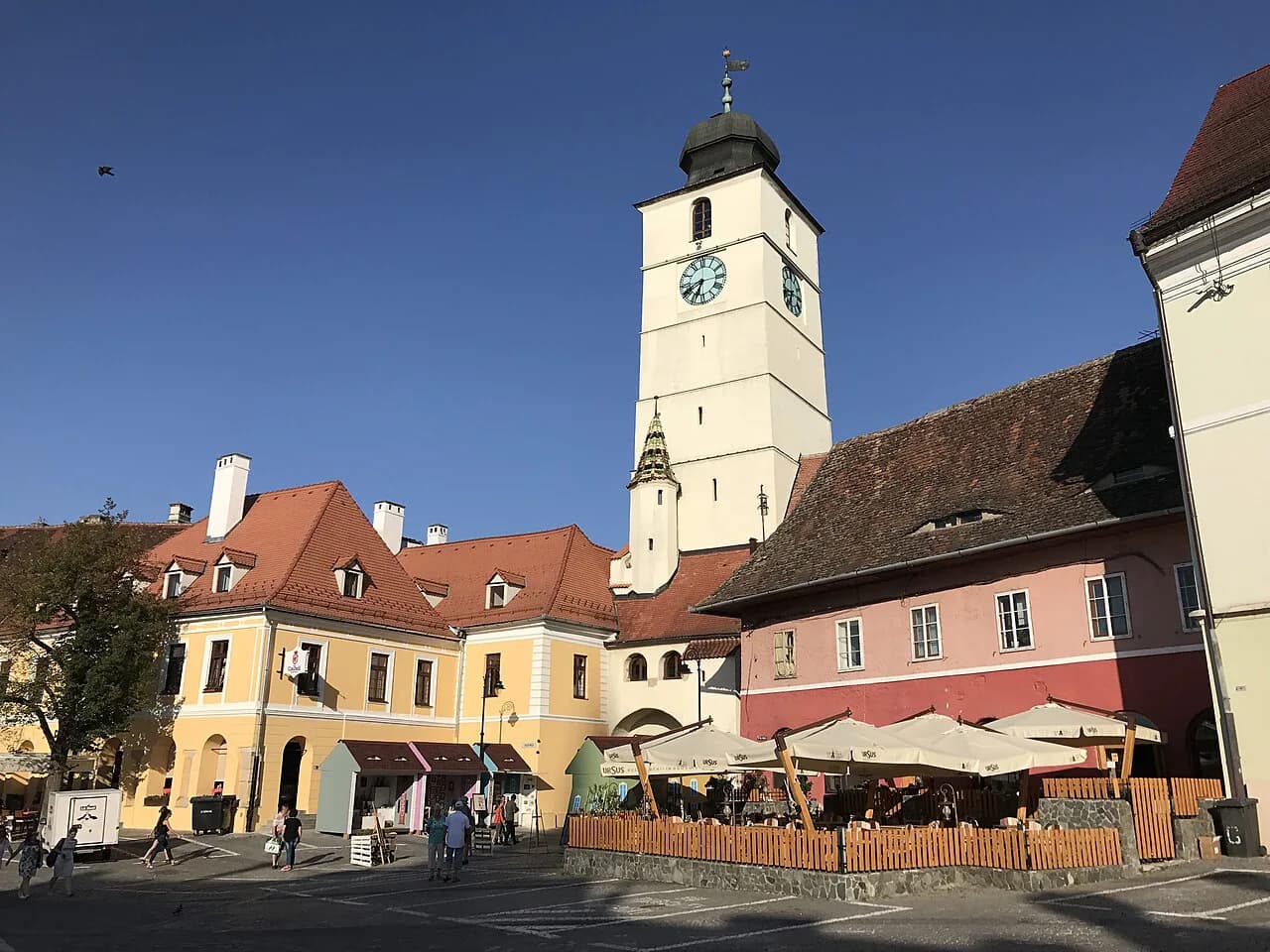
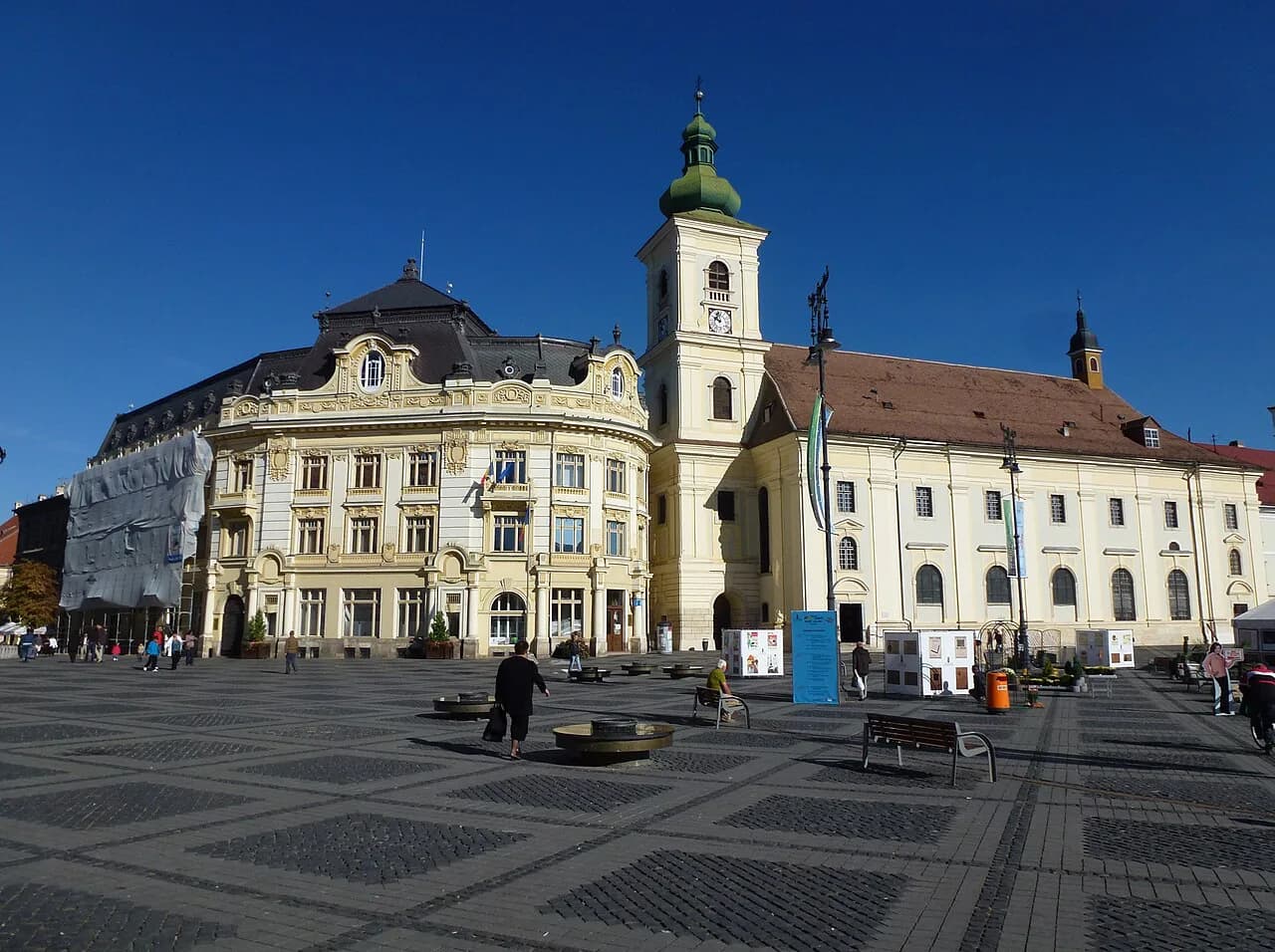
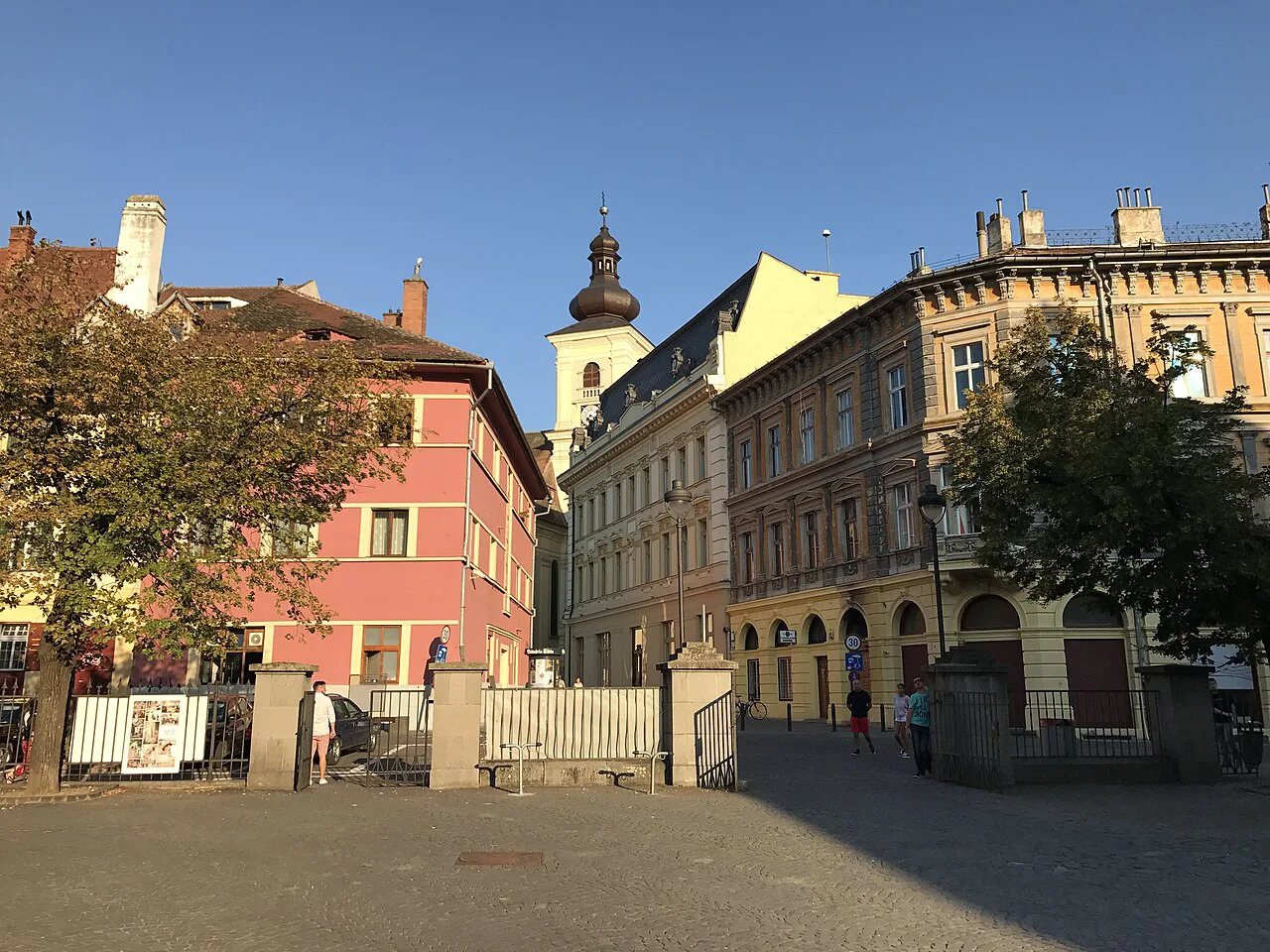
Start with the geography. The Brukenthal Palace faces the Great Square, Piața Mare, in the Upper Town, which puts it within a couple of minutes of the Roman-Catholic church and the main square cafés. The Upper Town's three squares — the Great Square, Huet Square and the Smaller Square — are all within a short walk of each other, so a morning of central museums needs no transport at all.
ASTRA is the exception. It sits at Strada Pădurea Dumbrava 16, away from the old centre, so treat it as a separate outing rather than something to bolt onto a square-and-church morning. Planning that split first saves you the classic mistake of buying into a central museum at 15:00 when the open-air site needed the whole afternoon.
Between those two poles sit the smaller collections: the Natural History Museum, the Immersive Museum and the specialist displays you will pass while walking the old town. Sort them by whether they reward a full morning or simply fill a spare hour.
Brukenthal Museum: the collection to build your day around
The Brukenthal Museum is Romania's oldest museum, opened in 1817, and it holds one of the country's most important art collections. It occupies Brukenthal Palace on the Great Square in the Upper Town, which means you can pair it with the surrounding squares without any travel between stops. The palace and the Roman-Catholic church are two of the structures facing the square.
Give it the best part of a morning rather than a rushed 40 minutes. Because the collection is one of the country's most significant, the sensible approach is to decide in advance which sections you want and accept that you will not see everything at a comfortable pace. Check which galleries are open on the day you plan to visit before committing your morning.
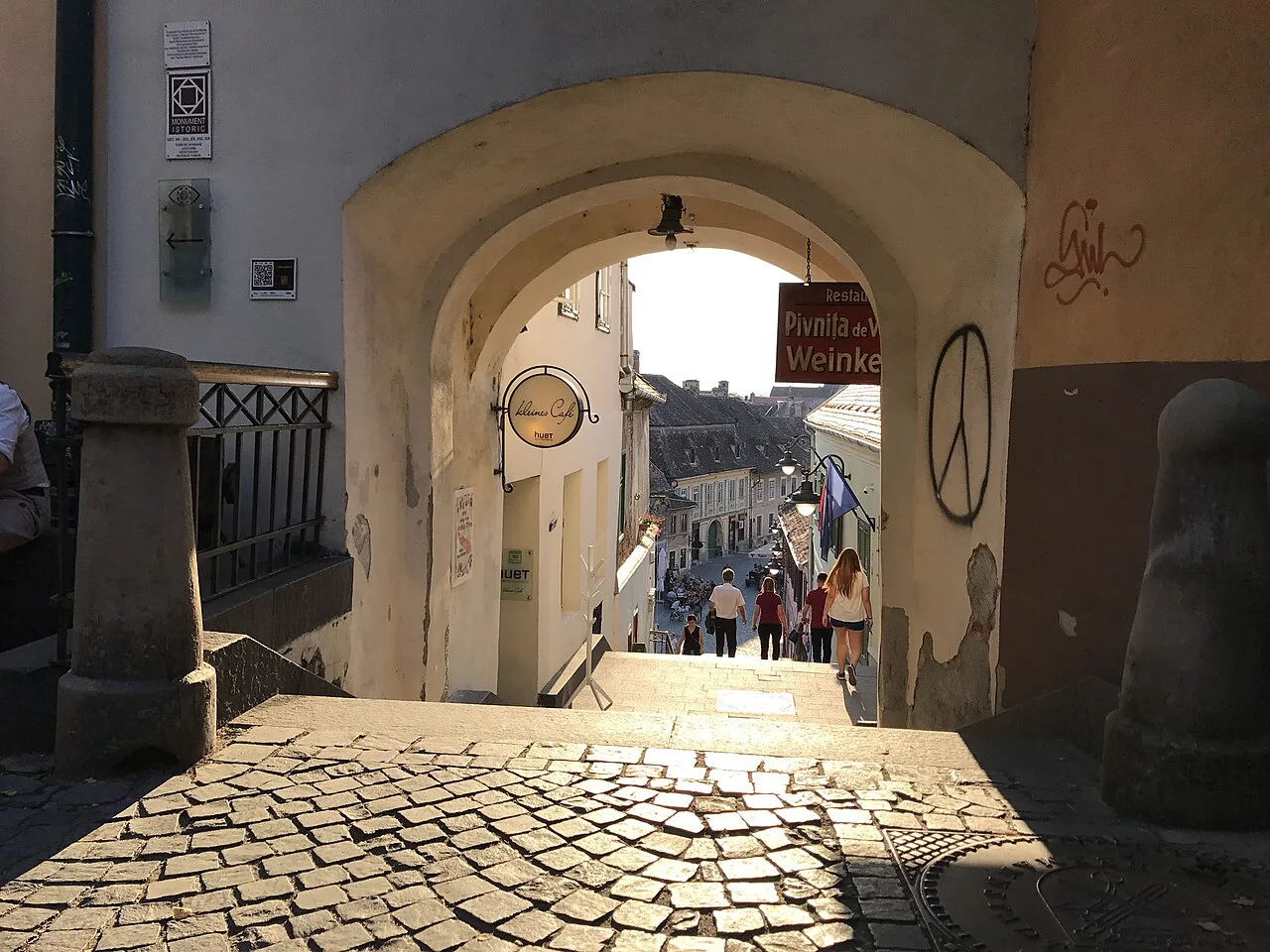
The palace also sits a short walk from the Passage of Steps, which links the Upper Town to the Lower Town, and from the Bridge of Lies. If you finish the galleries at midday, walk down through the steps and see the Lower Town on foot rather than turning straight back to the square.
Muzeul ASTRA: the open-air museum at Dumbrava
Muzeul ASTRA, the Museum of Traditional Folk Civilization, is an open-air museum of traditional folk civilisation at Strada Pădurea Dumbrava 16. It is a different kind of visit from the palace galleries: you are outdoors, moving between structures, with the weather as a real variable. On a wet day it is the least comfortable of Sibiu's museum options.
Treat ASTRA as a half-day and get there under your own steam or by local transport rather than assuming you can walk it from Piața Mare between two other stops. The site rewards unhurried walking, so a rushed 90 minutes at the end of the day wastes both the trip out and the entry. Build the rest of the day around it, not the other way round.
If you have already walked the old town's squares and want the rural side of the region, ASTRA makes more sense than squeezing in another small central collection. If your time in Sibiu is only one full day, choose between ASTRA and the Brukenthal rather than trying both.
Natural History Museum: a short, focused visit
The Natural History Museum holds fossils and minerals, and a visit lasts about an hour at most. That makes it a practical filler rather than a centrepiece: useful when you have a gap between a walking tour and lunch, or when the weather pushes you indoors. Do not schedule it as a half-day.
Because it takes so little time, it pairs well with the Upper Town squares rather than with ASTRA. Slot it before or after the Brukenthal and you still have the afternoon free for the Lower Town, the towers and the city walls.
Immersive Museum Sibiu: timed sessions, not a traditional collection
The Immersive Museum Sibiu is a timed-entry immersive exhibition rather than a room of objects, and it opens daily from 10:00 to 22:00, with last entry at 21:00 and the installations closing at 22:00. Those long hours make it the most flexible indoor option in the city, including for an evening slot after a day of walking.
Decide whether that format suits you before you build it into the day. If you want to stand in front of paintings or artefacts, the Brukenthal is the better use of your time; if you want a light, visual hour that does not depend on daylight, the Immersive Museum fits neatly into an evening. Book for a specific entry time rather than turning up and hoping.
Its late finish also means you can leave the Old Town squares for the daylight hours and go in after dinner, which keeps your daytime free for the palaces and churches. That is a real advantage in a compact city centre where most sights keep daytime hours.
Sibiu's smaller and specialist collections
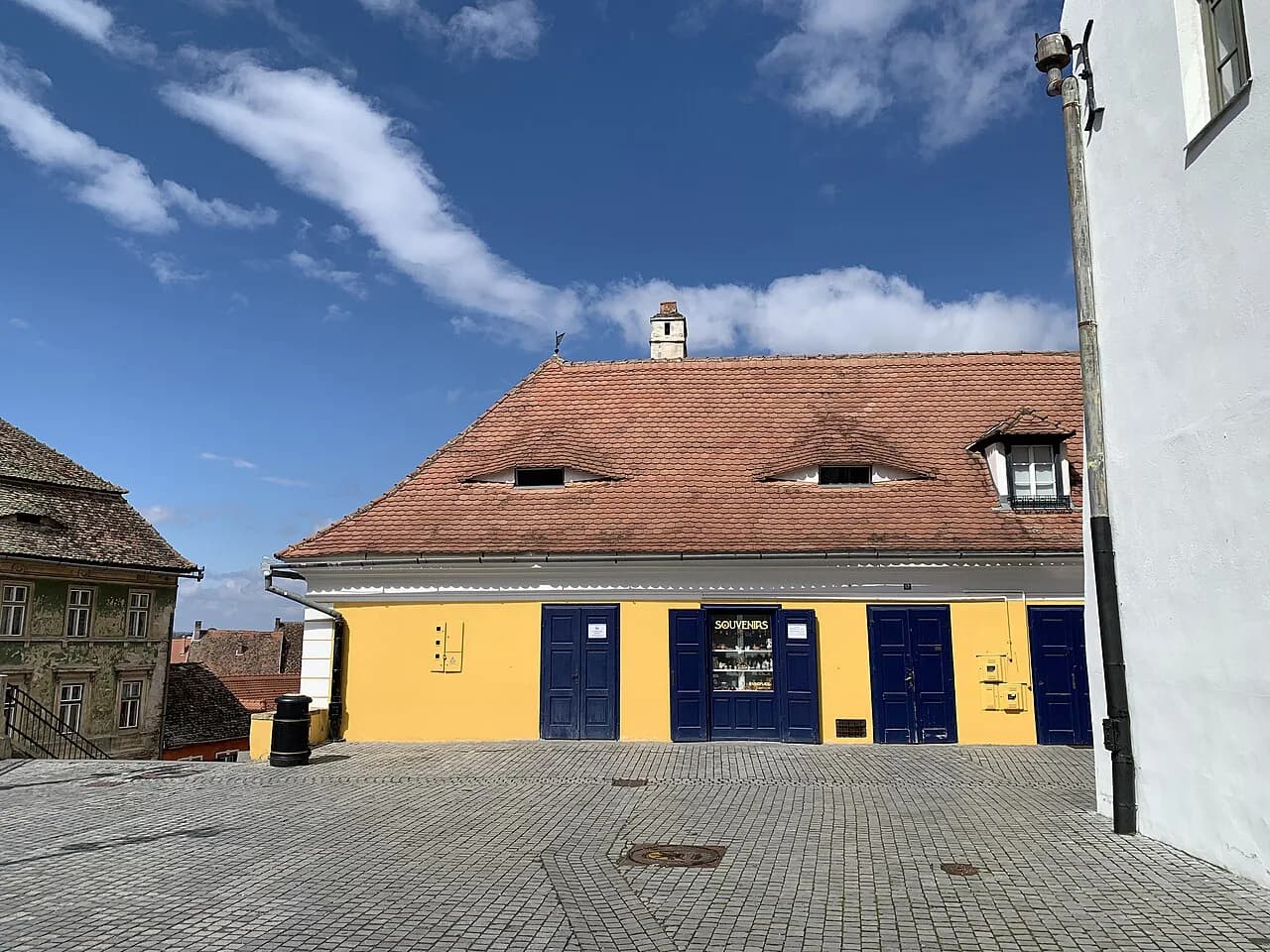
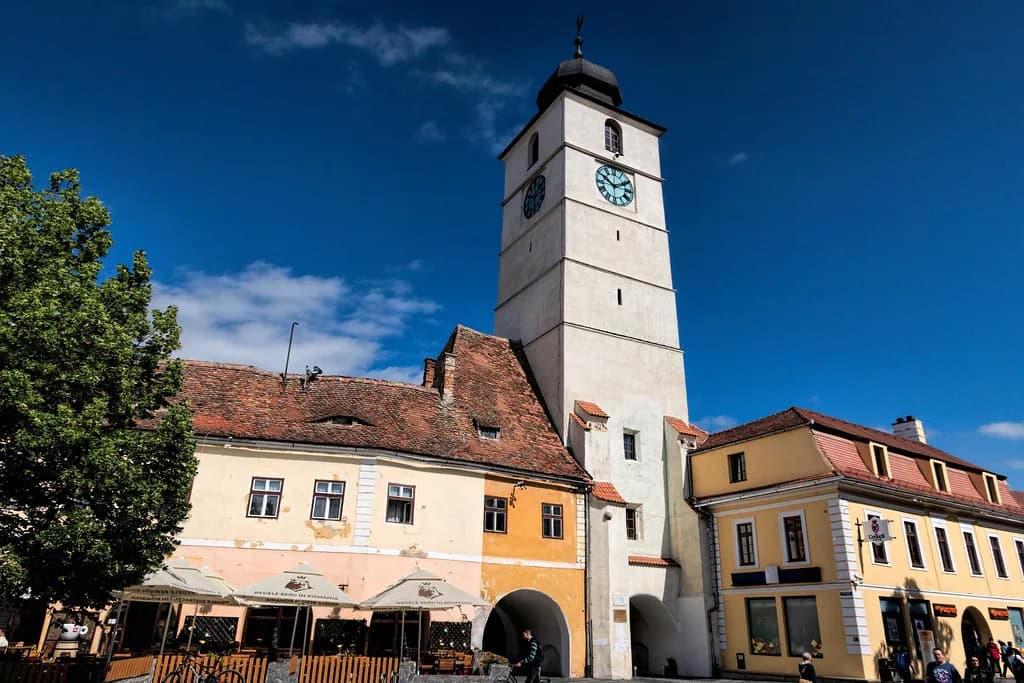
Beyond the named museums, the old town itself is the exhibit: sections of the medieval wall, narrow streets of steep-roofed seventeenth-century buildings and the towers along the southeastern fortifications. Three fifteenth-century towers survive — the Harquebusiers' Tower, the Carpenters' Tower and the Potters' Tower — and the sixteenth-century Thick Tower, Turnul Gros, hosted Sibiu's first theatrical performance in 1778.
If you have a spare hour in the Upper Town, the churches are worth more than another small gallery. The Holy Trinity Orthodox Cathedral on Strada Mitropoliei 33-35, with its two 45 m towers, is open daily from 08:00 to 20:00 and asks for a donation rather than an admission fee. That makes it an easy, cheap stop between museums.
For green space instead of glass cases, Parcul Sub Arini covers 22 hectares and holds more than 61 species of trees, with a roughly 6 km cycle path running from the park along Aleea Călăreţilor towards the Dumbrava Sibiului natural park. It is a good way to decompress between museum visits, and it edges you in the direction of ASTRA.
Outside the city, the village of Sibiel in Mărginimea Sibiului is known for its museum of icons painted on glass, which holds the largest collection of glass icons in Transylvania. It is a village outing rather than a Sibiu city museum, and it needs transport to reach.
Grouping the museums into a workable day
A realistic day one is the Brukenthal in the morning, a walk through Huet Square and the Smaller Square afterwards, and the Natural History Museum or a church in the afternoon. Everything sits within walking distance of Piața Mare, so you can move between them on foot without transport and keep the day loose enough to stop for lunch.
Day two is ASTRA. Go out in the morning when you are fresh, allow the half-day, and come back into the centre for the Lower Town in the late afternoon. Trying to combine ASTRA with the Brukenthal on the same day leaves too little time at both, especially since ASTRA involves a journey out of the centre.
If it rains, swap the order rather than the contents: put the Brukenthal and the Immersive Museum on the wet day and hold ASTRA for better weather. The long opening hours of the Immersive Museum make it a genuinely useful wet-evening option when the squares are uninviting.
Prices and opening days: confirm before you set out
Ticket prices for Sibiu's museums are not fixed in any source you can rely on from here, so check the current tariff in lei (RON) on each museum's own page or at the ticket desk before you commit your day to one. Ask specifically whether the price covers the whole collection or only temporary exhibitions, because that changes whether the visit is worth the time.
Opening days matter as much as prices: small museums commonly close one day a week, and an unannounced Sunday closure can wreck a tight schedule. Confirm the day you plan to visit for each museum, not just the opening hours. The Holy Trinity Orthodox Cathedral, for instance, publishes daily hours of 08:00 to 20:00, but that tells you nothing about the museums.
The Immersive Museum's published schedule is the one firm timing here: daily 10:00 to 22:00, last entry 21:00. For the rest, treat published hours as the starting point and confirm on the day, particularly for the smaller collections.
Which Sibiu museum should you build your day around?
Build your day around the Brukenthal if you have one day and want the collection Sibiu is known for; switch to ASTRA if you have a second day and want the rural, open-air side of the region. The Natural History Museum is an hour's filler, and the Immersive Museum is the flexible evening or wet-weather option.
Whatever you choose, confirm ticket prices in lei and the closing day directly with each museum before you set out, then leave enough slack in the plan for the old town squares themselves, which need no ticket at all.
Explore more Sibiu guides
Sources
- City of Sibiu in Transylvania, visitor information. Places to see and things to do in Sibiu.
- Sibiel - Site-ul oficial al județului Sibiu
- The Holy Trinity Orthodox Cathedral, Sibiu - Site-ul oficial al județului Sibiu
- Parcul Sub Arini
- Immersive Museum Sibiu: IMS Home Page
- The Museum of Traditional Folk Muzeul ASTRA 🇹🇩🇪🇺 ...
- Muzeul de Istorie Naturala - All You SHOULD Know Before ...
Useful notes for your next trip
Optional updates to our guides.
You might also like
Continue reading
More guides you'll find useful