
National Museum of Art of Romania: What to See and How Long It Takes
Allow two to three hours for the National Museum of Art of Romania and treat its two galleries as separate decisions, so you can give more time to whichever suits you. The museum occupies the former Royal Palace at Calea Victoriei 49-53 in central Bucharest, close to Revolution Square. This guide covers where it is, how to reach it, what is on display and how to plan the time.
What the museum is and where it sits on Calea Victoriei
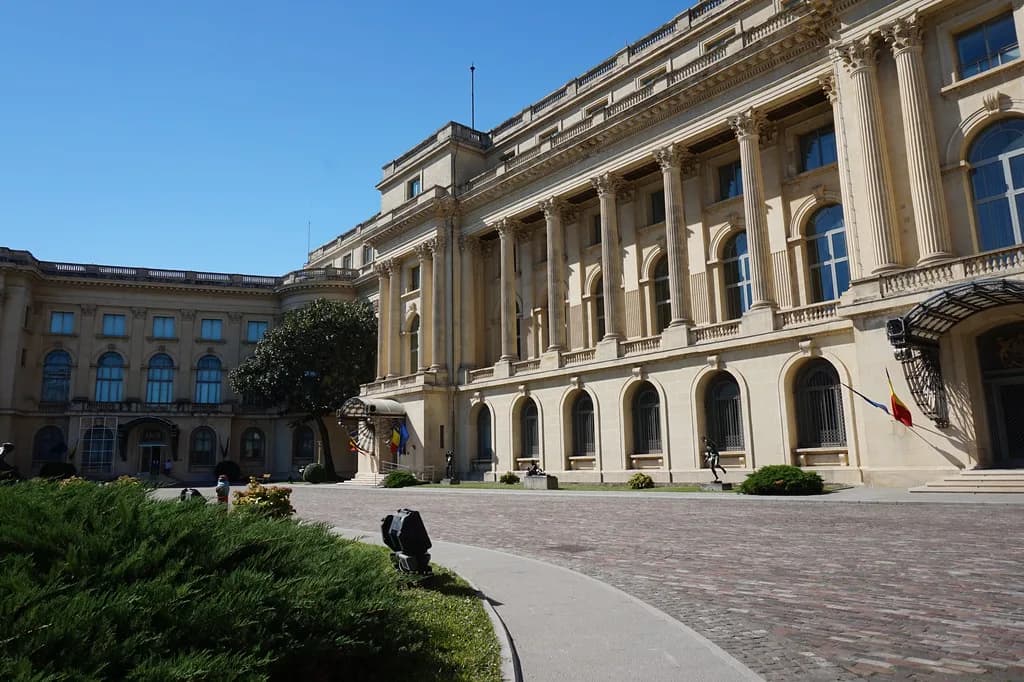
The National Museum of Art of Romania, Muzeul Național de Artă al României, is housed in the former Royal Palace at Calea Victoriei 49-53, postcode 010063. The collection was assembled by King Carol I in the nineteenth century and added to by the Royal Family and collectors until 1948, when the museum was founded. Its holdings include over 150 Netherlandish, Dutch and Flemish paintings from the early sixteenth to the late seventeenth century.
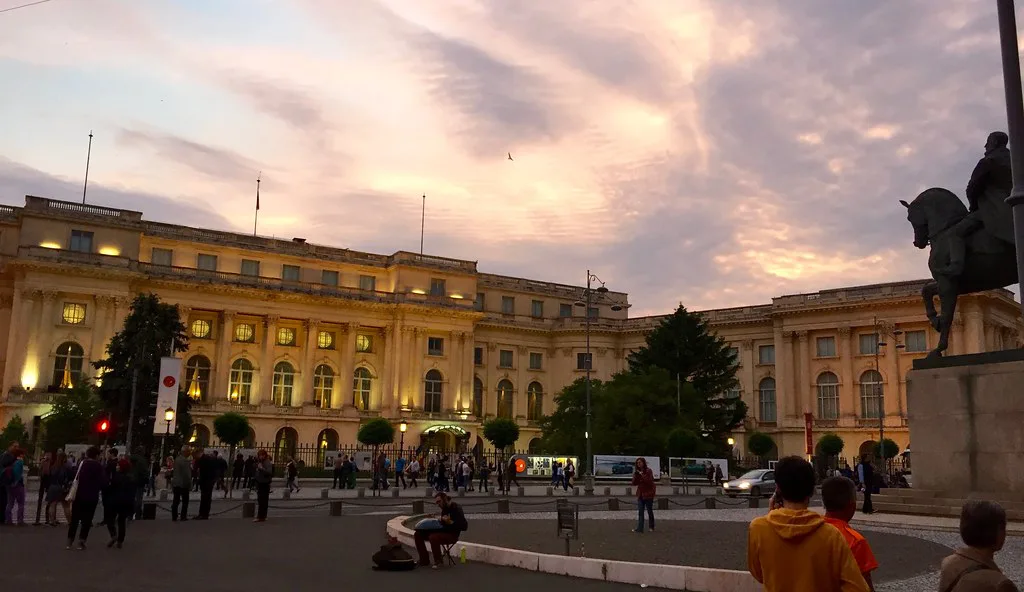
The address puts it on the same boulevard as several other central sights, so it slots naturally into a walking day rather than needing a separate trip. It stands on Calea Victoriei at Revolution Square, which makes it easy to find on the main north-south route through the centre. If you are building a day of Bucharest sights, the wider set of Bucharest Attractions: 13 Visitor Guides is the place to see what else is close by.
Getting there: Revolution Square and the central walk
The museum stands on Revolution Square (Piața Revoluției), which is the simplest landmark to navigate by. Revolution Square (Piața Revoluției), Bucharest sits on Calea Victoriei, so arriving on foot from the centre is straightforward.
If you are coming from the southern end of Calea Victoriei, you can walk up past the CEC Palace (Palatul CEC), Bucharest and reach the museum without needing transport. It makes a natural extension of a walk along the boulevard rather than a separate outing.
For a fuller day on foot, walking south from the Romanian Athenaeum (Ateneul Român), Bucharest along Calea Victoriei brings you to Revolution Square, with the museum close by. That route keeps the museum as a natural late-morning or early-afternoon stop rather than a detour.

The building: the former Royal Palace and the gallery layout
The galleries sit inside the former Royal Palace, so the visit is a sequence of palace rooms rather than a single open hall. That layout rewards a slower walk: you move through smaller spaces, and it helps to decide in advance which gallery you want to see first. The museum's own site at mnar.ro is the place to check the current room layout, any gallery closures and which sections are open on your date.
The European Art Gallery: Dutch and Flemish painting on display
The most valuable 71 paintings in the European collection are on permanent display in the Gallery of European Art, drawn from a corpus of more than 150 Netherlandish, Dutch and Flemish works. The collection also holds drawings, including sheets by Hendrick Goltzius, Rembrandt and Caspar van Wittel, and over 300 prints by artists such as Anthony van Dyck and Paulus Potter. The Codart museum entry lists these holdings but gives no display schedule, so treat the drawings and prints as a collection rather than a guaranteed wall display.
Names to look for in the European collection
The permanent European display includes Pieter Aertsen, Jan Sanders van Hemessen, Bartholomeus Spranger, Abraham Bloemaert and Joachim Wtewael. Look for Pieter Brueghel the Younger and Jan Brueghel the Elder, Peter Paul Rubens, David Teniers II, Frans Francken and Frans Snyders. The later rooms include the Rembrandt school, Albert Cuyp, Samuel van Hoogstraten, Govaert Flinck and Rachel Ruysch.
If your interest is Dutch and Flemish painting specifically, head for this gallery first while you are fresh, then take the Romanian rooms afterwards. A focused hour here is a sensible way to cover the Rubens, Brueghel and Rembrandt school rooms at an unhurried pace.
The Romanian Art Gallery: icons, sculpture and modern painting
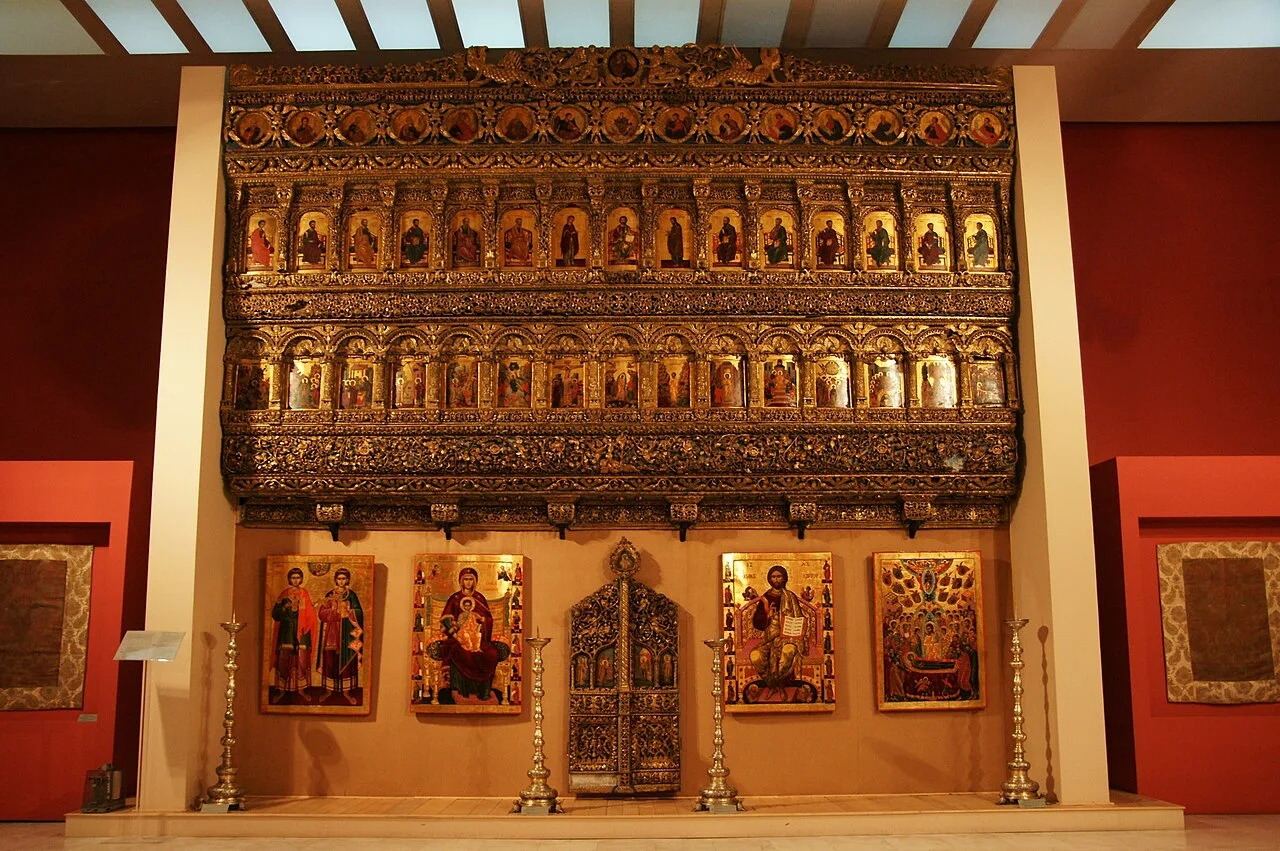
The Romanian side of the museum covers medieval religious art and icons, sculpture and modern Romanian painting. Named artists include Nicolae Grigorescu and Theodor Aman, and the displays include portraits, tapestries and sculpture. The gallery moves from church art to the modern period in a single sequence, so budget at least an hour if Romanian painting is new to you.
Decorative arts: Delftware, furniture and the Brussels tapestry
The Gallery of European Decorative Arts is a small, separate pleasure: a modest holding of Delftware, a notable piece of furniture and a tapestry from sixteenth-century Brussels. It suits a short stop between the two big painting galleries, though it is worth confirming on mnar.ro that the room is open on your date, as smaller galleries can close first.
How long to allow and how to split the visit
Two to three hours is a realistic allowance for both painting galleries at a steady pace, and it leaves room for the decorative arts rooms. If you only have ninety minutes, choose the European gallery and the highlights of the Romanian gallery, and skip the decorative arts entirely. The trade-off is clear: trying to see everything in an hour means skimming the very rooms that reward looking.
Tickets, opening hours and closures
Ticket prices in lei, opening hours and any closure days should be confirmed on the museum's own site at mnar.ro before you travel, since the palace is a working institution and individual galleries can be shut for exhibition changes.
Nearby: what else sits within a short walk
The Romanian Athenaeum (Ateneul Român), Bucharest is a short walk north along Calea Victoriei, and its concert hall is worth a look even from outside. Pair it with the museum for a compact culture-focused morning in the centre.
South of Revolution Square, the Palace of the Parliament, Bucharest is a longer walk or a short ride away, and arranging any visit in advance is the sensible approach there. Cișmigiu Gardens (Grădina Cișmigiu), Bucharest is the nearest green space for a break afterwards.
If you want more museums after the art, the National Museum of Romanian History, Bucharest sits a short walk down Calea Victoriei towards the old centre. The Stavropoleos Monastery, Bucharest is a small, quiet church nearby that takes only a few minutes to see.
Is the art museum worth part of your Bucharest day?
Yes, if you want Dutch and Flemish painting and Romanian art in one stop rather than two separate museums. Give it two to three hours, start with the European gallery, and confirm tickets and hours at mnar.ro before you set out.
Explore more Bucharest guides
Frequently Asked Questions
Is entry to the National Museum of Art of Romania free?
Admission is ticketed, and the price in lei is set by the museum. Confirm the current rate at the ticket desk or on mnar.ro before your visit.
Who is the most famous Romanian artist in the collection?
The Romanian Art Gallery includes works by Nicolae Grigorescu and Theodor Aman, among others. Which rooms and works are on show on your date is best confirmed with the museum.