
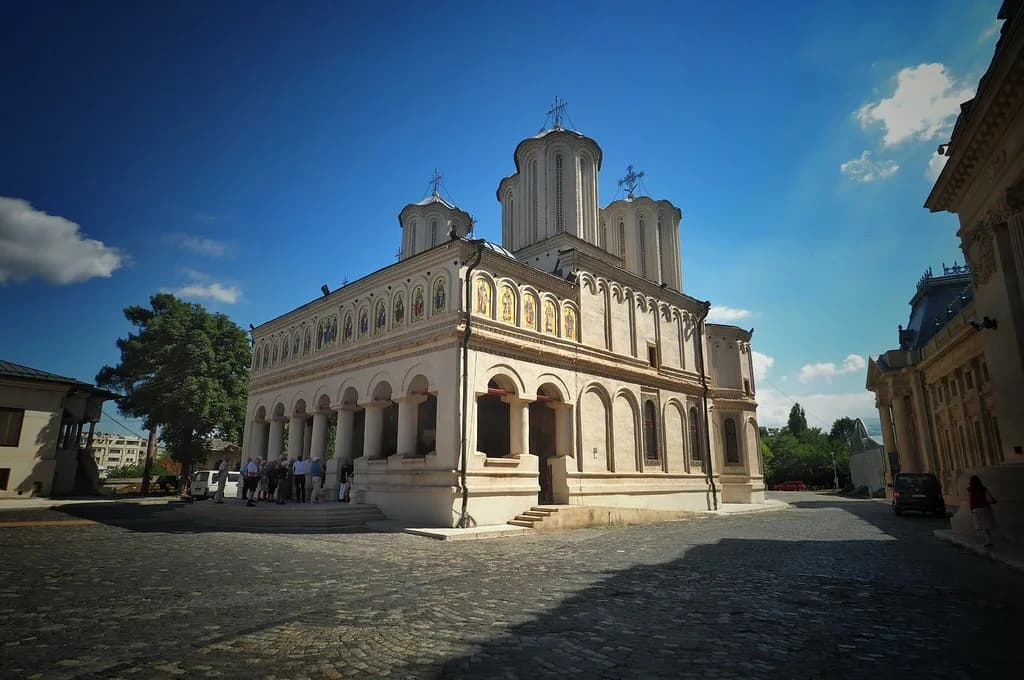
Patriarchal Cathedral (Catedrala Patriarhală), Bucharest
The Patriarchal Cathedral is a working Romanian Orthodox church on Dealul Mitropoliei, the small hill just south of Piața Unirii, and it takes roughly half an hour to see properly. This guide covers where it stands, the approach on foot, what to look at once you are inside the courtyard, how long to allow and what sits within a short walk.
Treat it as a place of worship rather than a monument with a ticket desk: the interest is in the building, the setting and the ongoing life of the church around it. Note that the cathedral also appears on maps and listings as the Metropolitan Church, so the two names lead to the same place.
What the Patriarchal Cathedral is and where it stands
The cathedral is the seat of the Romanian Orthodox Patriarchate and stands on Dealul Mitropoliei, a low hill that rises immediately south of the Unirii area. Lonely Planet lists it among the Bucharest points of interest and gives the surrounding hill as its setting rather than a street address.
It is an active Orthodox church, so services and the everyday business of the Patriarchate take priority over sightseeing. Arrive expecting a short, quiet visit and keep your voice low in the nave. The tourteller listing carries the building under both names and is useful for orientation and context rather than for a fixed visitor route.
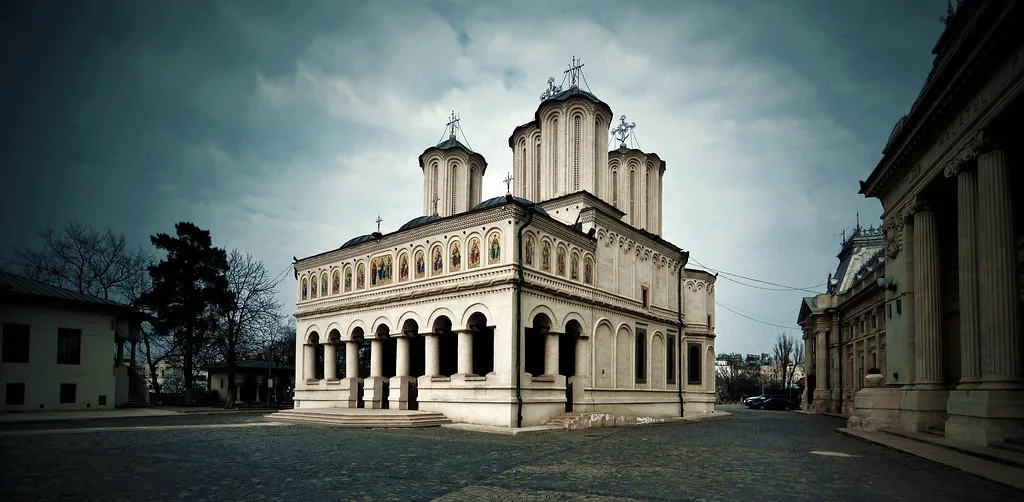
Where it is: Dealul Mitropoliei, near Piața Unirii
Dealul Mitropoliei sits within walking distance of Piața Unirii, which puts the cathedral on the same half-day as the old centre and the riverfront. The hill is a distinct pocket: once you start climbing, traffic noise drops and the courtyard opens out around the church.
Use Piața Unirii as your landmark rather than a street address, because the building is best found by walking up the hill towards it. If you are coming from the Palace of the Parliament, the cathedral makes a natural extension of that visit.
How to get there on foot, by metro and by bus
The simplest approach is on foot from Piața Unirii, following the slope up towards the cathedral until the courtyard comes into view. Walking also means you arrive through the hill rather than being dropped at the door, which suits the place. Metro and bus stops in the Unirii area put you within a short walk of that climb.
Allow extra time if you are walking from further north, because the old centre streets between Lipscani and the river are slow going underfoot. If you are spending the day on foot across the centre, it is easier to picture the city's layout first and slot the cathedral into a wider plan of Bucharest attractions.
What to see at the cathedral: the exterior, the interior and the Patriarchal residence
Start with the exterior, where the church sits within a walled courtyard on top of the hill; the approach and the setting are a large part of the visit. Round the building slowly before going in and watch for the changes in light across the facade as you move around it.
Inside, the focus is an Orthodox interior with icons and painted surfaces in the expected arrangement, and the interior rewards a quiet, unhurried look rather than a circuit of labelled stops. Photography rules are set by the church, so look for any notice at the entrance before raising a camera.
How long to allow and when it is busiest
Set aside about half an hour for the courtyard and the church interior, or a little more if you want to sit down and take in the view from the hill. That estimate excludes any service you might choose to attend.
Because this is a working church, plan around services rather than a fixed weekday slot, and religious calendars can bring crowds to the courtyard. If you are building a half-day, pair it with one substantial nearby sight rather than three small ones, and plan the cathedral for a window when you can be relaxed about timing.
Opening hours and entry: where to check them before you go
Visitors normally expect to enter a Romanian Orthodox church without a ticket, but treat that as a habit rather than a guarantee for this site. The cathedral's own authority, the Romanian Patriarchate, publishes visitor information on its site, so confirm the day's opening and any restrictions there before you set out. This page avoids quoting hours or entry rules because they change with the church calendar.
The same applies to guided visits and group access: arrangements are made through the Patriarchate rather than through a commercial operator. The cathedral's travel listings are useful for orientation and context, not for times.
Nearby: what else is within a short walk
The Palace of the Parliament, Bucharest is the obvious companion sight, and the walk between the two crosses the Unirii area and the bottom of the hill. Its guided visits are the reason most travellers come to this quarter in the first place, so check its schedule separately.
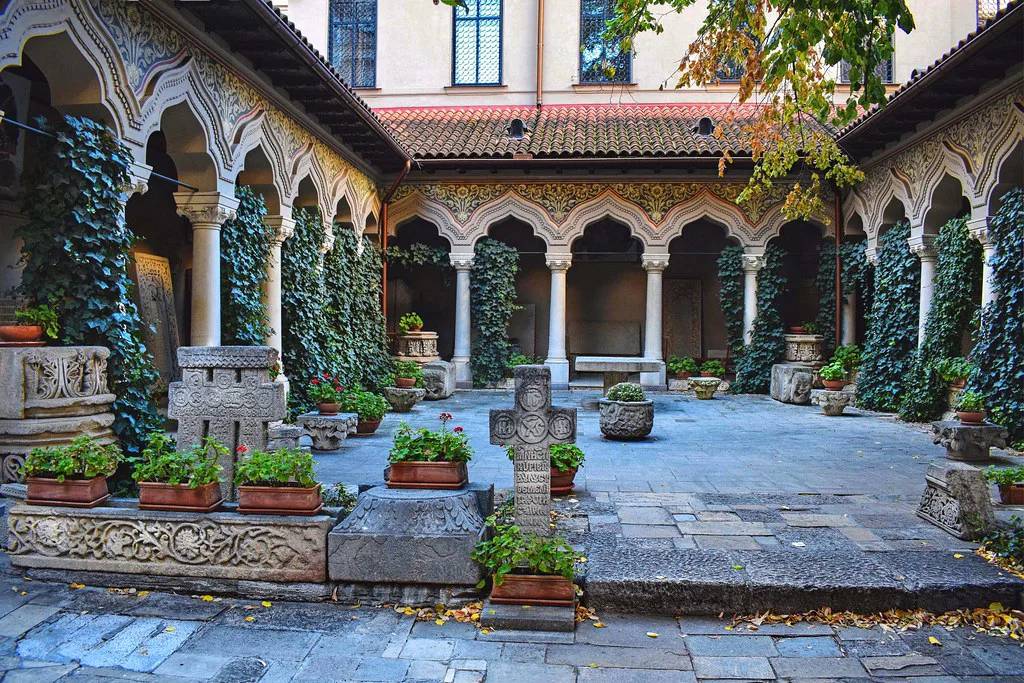
North of Unirii, Stavropoleos Monastery gives you a second, much smaller Orthodox church in the old centre, and the contrast between the two settings is part of the interest. Both are active places, so plan the pair around a break rather than back to back.
For a change of pace, Cișmigiu Gardens sit a short walk north-west of the old centre and make a gentle close to a church-and-parliament morning. On the other side of the centre, the Romanian Athenaeum (Ateneul Român), Bucharest on Calea Victoriei works well if you are continuing north afterwards by metro or on foot, and the Calea Victoriei guide covers the boulevard itself.
Practical points: dress, photography and behaviour inside an active Orthodox church
Dress as you would for a working church: covered shoulders and knees, and no beachwear or gym kit. Cross yourself only if it means something to you; standing quietly at the back is perfectly acceptable. Keep phone calls outside the nave and children close by.
Photography is commonly restricted during services, so look for notices at the entrance and follow them. If in doubt, put the camera away and simply look, which is also the better way to see the interior.
Worth the climb up Dealul Mitropoliei?
Yes, if you are already in the Unirii quarter for the Palace of the Parliament or the old centre. The cathedral will not fill a morning, but the courtyard on the hill and a quiet look inside make a natural pause, and it costs you little more than half an hour.
Skip it on a rushed first day if services are under way, and give it a proper slot on a slower one. Either way, confirm the day's arrangements with the Romanian Patriarchate before you go, then walk up from Piața Unirii and take your time.