
Village Museum Bucharest (Muzeul Satului): a Visitor's Guide

Allow two to three hours at the Dimitrie Gusti National Village Museum, an open-air collection of rural buildings on Șoseaua Pavel D. Kiseleff in northern Bucharest. This guide covers what stands on the site, where it sits relative to the park and the centre, when it opens, and how to fit it into a day that includes the wider set of Bucharest Attractions.
What the Village Museum is
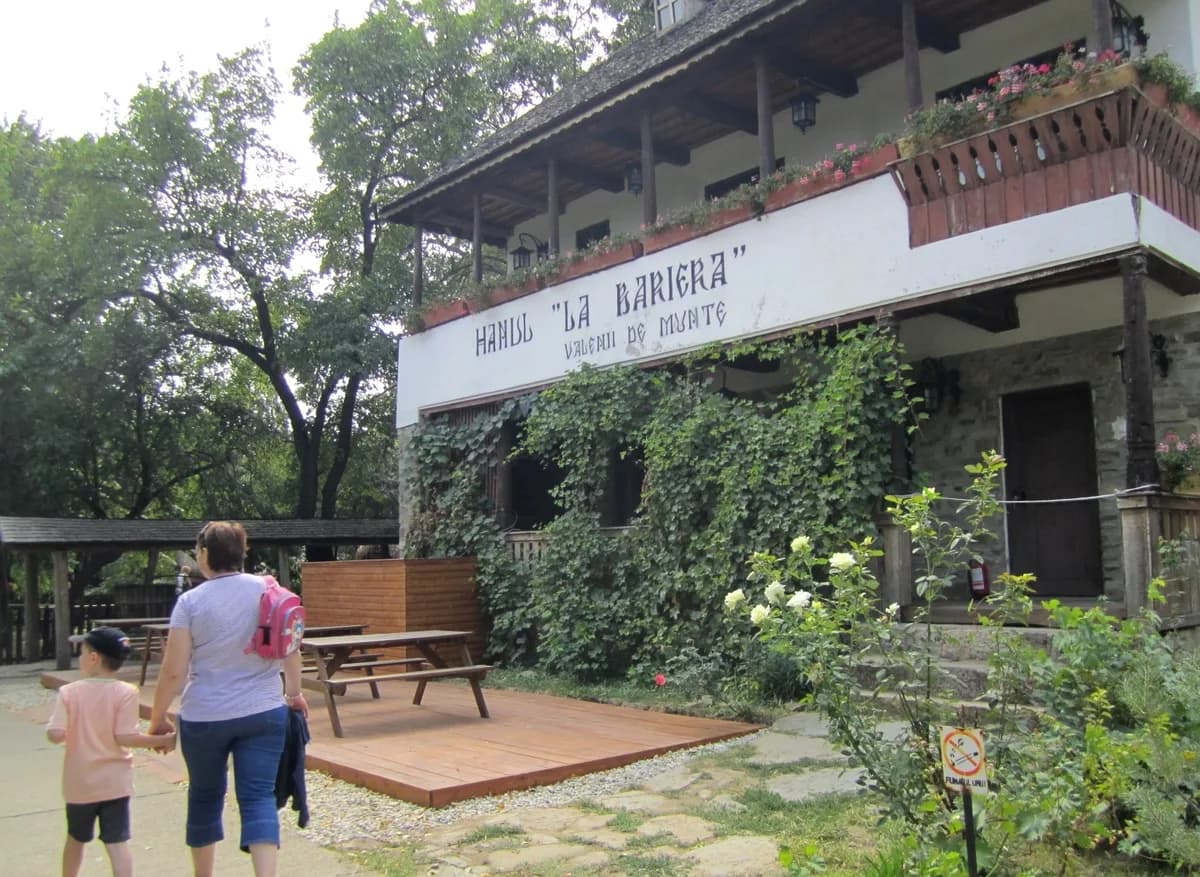
The museum spreads over more than 100,000 m² and holds 272 authentic peasant farms and houses brought in from regions across Romania. It grew out of an initiative by the sociologist Dimitrie Gusti, whose name the institution now carries. Think of it as a village rebuilt inside the city rather than a gallery of objects in cases.
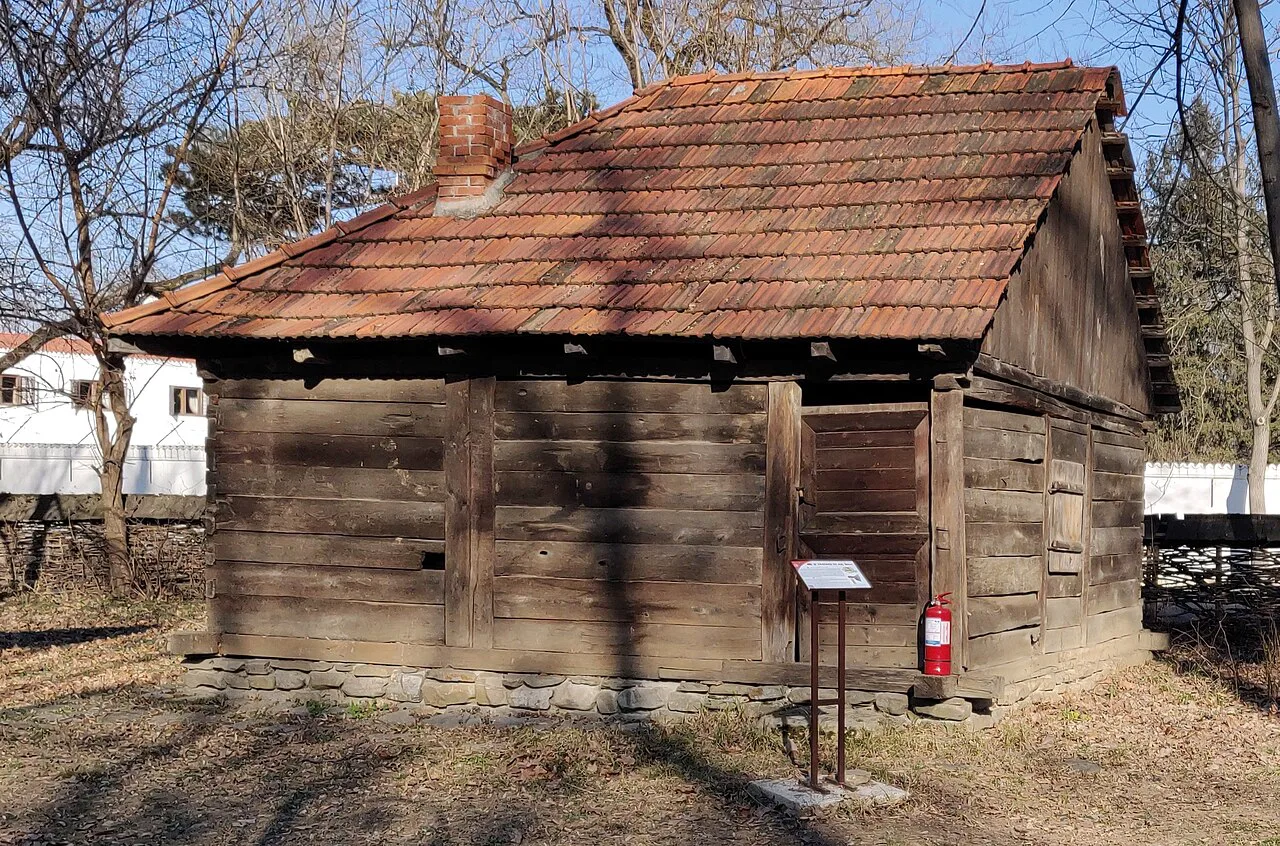
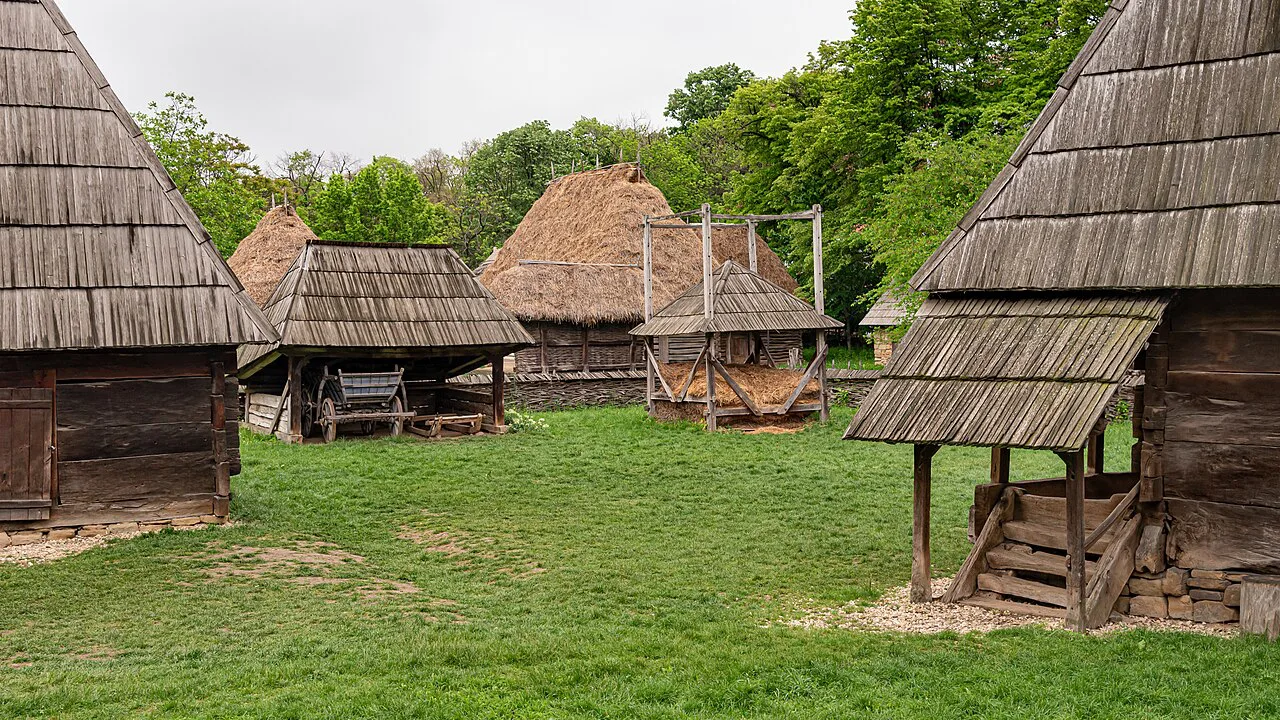
The exhibits are whole structures: wooden houses, barns, windmills and small churches, relocated from their original sites or reconstructed on the museum grounds. Because each building arrived from a different part of the country, the site works as a survey of regional building styles in one walk. A ticket buys you the outdoor grounds and the buildings themselves, not a single exhibition hall.

Where it sits in Bucharest
The address is Șoseaua Pavel D. Kiseleff 30, on the northern museum-and-park axis of the city rather than in the Old Town. King Mihai I Park lies a short walk away, so the museum pairs naturally with a park stroll instead of with a Lipscani evening. Plan it as a half-day in the north, not a stop squeezed between Old Town sights.
That position shapes the day: King Mihai I Park next door gives you somewhere to sit afterwards, and the Village Museum fills the outdoor half of an afternoon that the park alone would not. If your trip is built around the centre, treat this as a deliberate trip north rather than a wander-by.

Opening hours
The museum opens Monday from 9.00 to 17.00 and Tuesday to Sunday from 9.00 to 19.00. Check the official site before travelling, because a short winter day can catch you out. Booking pages also list holiday closures, including 1–2 January and 25–26 December, so confirm the date you plan to visit against the museum's own listing.
How much time to allow
Budget two to three hours for the core circuit. That is enough to walk the paths between the building groups and step inside several houses, but not to read every label in depth. The site is big, so the time goes on walking as much as on looking.
If photography is the point of your visit, add an hour: the spread of buildings and the open ground make for a lot of stopping. If you are short of time, pick two or three regions and walk those clusters rather than trying to cover the whole site. Either way, wear shoes that handle gravel and grass paths.
What to see inside
Start with the churches and the windmills, which are the buildings most visitors remember: small wooden churches with steep roofs and mills whose sails sit above head height. Then work through the farmsteads, where the barns and outbuildings show how a household was laid out. The interiors, where open, carry furnishings and domestic objects from the regions the buildings came from.
The regional differences matter more than any single building. Walk from one group to the next and the roof shapes, wall construction and decoration change, which is the real content of the visit. Give yourself permission to skip buildings that look alike and linger where the construction is unfamiliar.
Getting there
The site sits on Șoseaua Pavel D. Kiseleff 30, and a bus stop serves the entrance, which makes it reachable without a car. From the centre, allow for a bus or tram ride plus a short walk, or a taxi for a direct run. If you are combining it with King Mihai I Park, get off on the park side and walk through to the museum gate.
Practical points for bags and weather
Lockers sit next to the ticket office, which helps if you arrive with luggage before a flight or train. The museum is outdoors, so rain changes the visit: there is little shelter between building groups. Keep the museum for a dry slot and use a wet morning for an indoor sight such as the Romanian Athenaeum Bucharest instead.
What is nearby
King Mihai I Park is the obvious companion, minutes from the gate and free to enter. Further south, the Palace of the Parliament sits a few kilometres away on the other side of the centre, so it is not a stroll from the museum. Take transport to the Palace of the Parliament rather than trying to walk between them.
Who the museum suits
It suits anyone who wants to see how rural Romania was built, and it works well for travellers who have already covered the centre and want something outdoors. It is less good for a rushed schedule: the site rewards a slow walk and punishes a twenty-minute dash. Families with children who need space to run will get more from it than from a formal museum.
The honest trade-off is weather and distance. You will walk a lot on uneven ground, and a wet day leaves few places to shelter, so it competes poorly with indoor sights when the sky turns. On a dry day it is an easy outdoor half-day in the city.
Tickets and closures
Ticket prices are set by the museum and change, so check the museum's own listing before you go rather than relying on a figure quoted elsewhere. If you are visiting around public holidays, confirm the day as well, since 1–2 January and 25–26 December fall outside the weekly pattern.
Is the Village Museum worth half a day?
Yes, if you have a dry half-day and want an outdoor sight that shows rural Romania rather than another gallery. Give it two to three hours, go on a weekday morning if you want space, and pair it with King Mihai I Park. If the weather is against you, swap it for an indoor stop and come back on a better day.
Explore more Bucharest guides
- Cișmigiu Gardens (Grădina Cișmigiu), Bucharest
- National Museum of Art of Romania
- National Museum of Romanian History, Bucharest
- Patriarchal Cathedral (Catedrala Patriarhală), Bucharest
- Revolution Square (Piața Revoluției), Bucharest
- Russian Church Bucharest (Biserica Rusă)
- Stavropoleos Monastery
- University Square (Piața Universității), Bucharest
Frequently Asked Questions
Where is the Village Museum in Bucharest?
It stands at Șoseaua Pavel D. Kiseleff 30 in northern Bucharest, on the same axis as King Mihai I Park and well away from the Old Town. Budget a bus, tram or taxi ride from the centre rather than a walk.
What are the Village Museum's opening hours?
The museum lists Monday 9.00–17.00 and Tuesday to Sunday 9.00–19.00. Holiday closures include 1–2 January and 25–26 December, so confirm the date on the museum's own listing before travelling.
How long should I allow for a visit?
Two to three hours covers the paths between building groups and a look inside several houses. Add an hour if you plan to photograph the site seriously, since it spreads over more than 100,000 m².
What can I see at the Village Museum?
Wooden houses, barns, windmills and small churches brought from regions across Romania, laid out as farms and village clusters. The point of the walk is the change in roof shapes, wall construction and decoration from one region to the next.
Are there lockers at the Village Museum?
Yes, lockers sit next to the ticket office, which helps if you arrive with luggage before a flight or train. The grounds themselves are outdoors, so a wet day offers little shelter between buildings.
What else is near the Village Museum?
King Mihai I Park is minutes from the gate and free to enter. The Palace of the Parliament is a few kilometres away on the other side of the centre, so take transport rather than walking.