
National Museum of Romanian History, Bucharest

The National Museum of Romanian History sits on Calea Victoriei in central Bucharest, in a building that began life as the city's main post office before being converted into exhibition space. It works best as a single, focused stop woven into a walk between Lipscani and Piața Revoluției. This guide covers where the building is, how to reach it on foot, and which nearby sights pair with it.
The wider Bucharest Attractions: 13 Visitor Guides collection puts the museum in context alongside the city's squares, churches and civic landmarks, so you can see how it fits a short city break.
Where the museum stands on Calea Victoriei
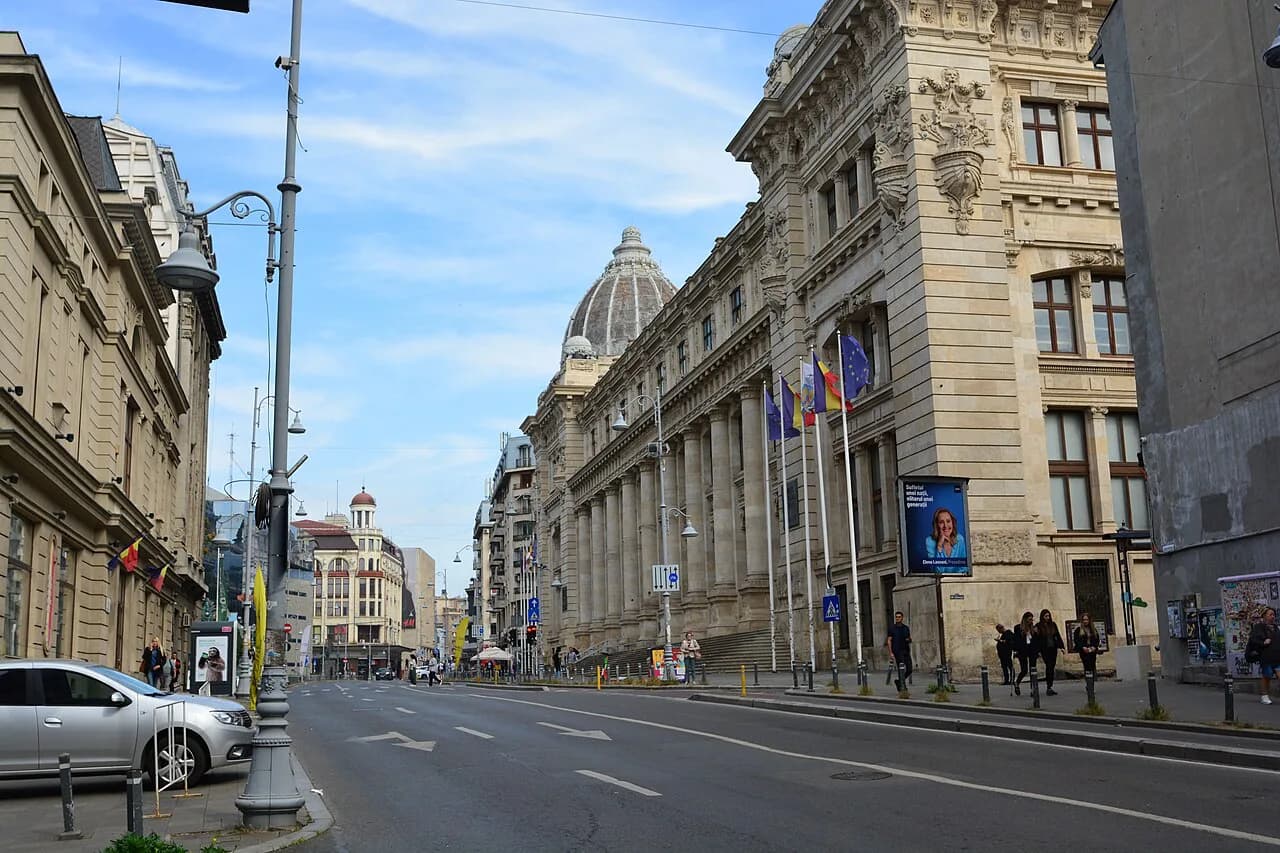
The museum occupies the former Post Office Palace on Calea Victoriei, the boulevard that runs north through the centre of Bucharest; in 1905 the French traveller André Bellessort described a city of new public buildings, including the Post Office Palace, so large it dominated its neighbourhood.
Location matters for planning: the museum sits between the Old Town and Piața Revoluției, so it slots naturally into a walking day rather than requiring a separate trip.
In the early twentieth century, French visitors described Calea Victoriei as the promenade where elegant Bucharest strolled, and the boulevard's French-influenced buildings still shape the streetscape around the museum.

How to get there
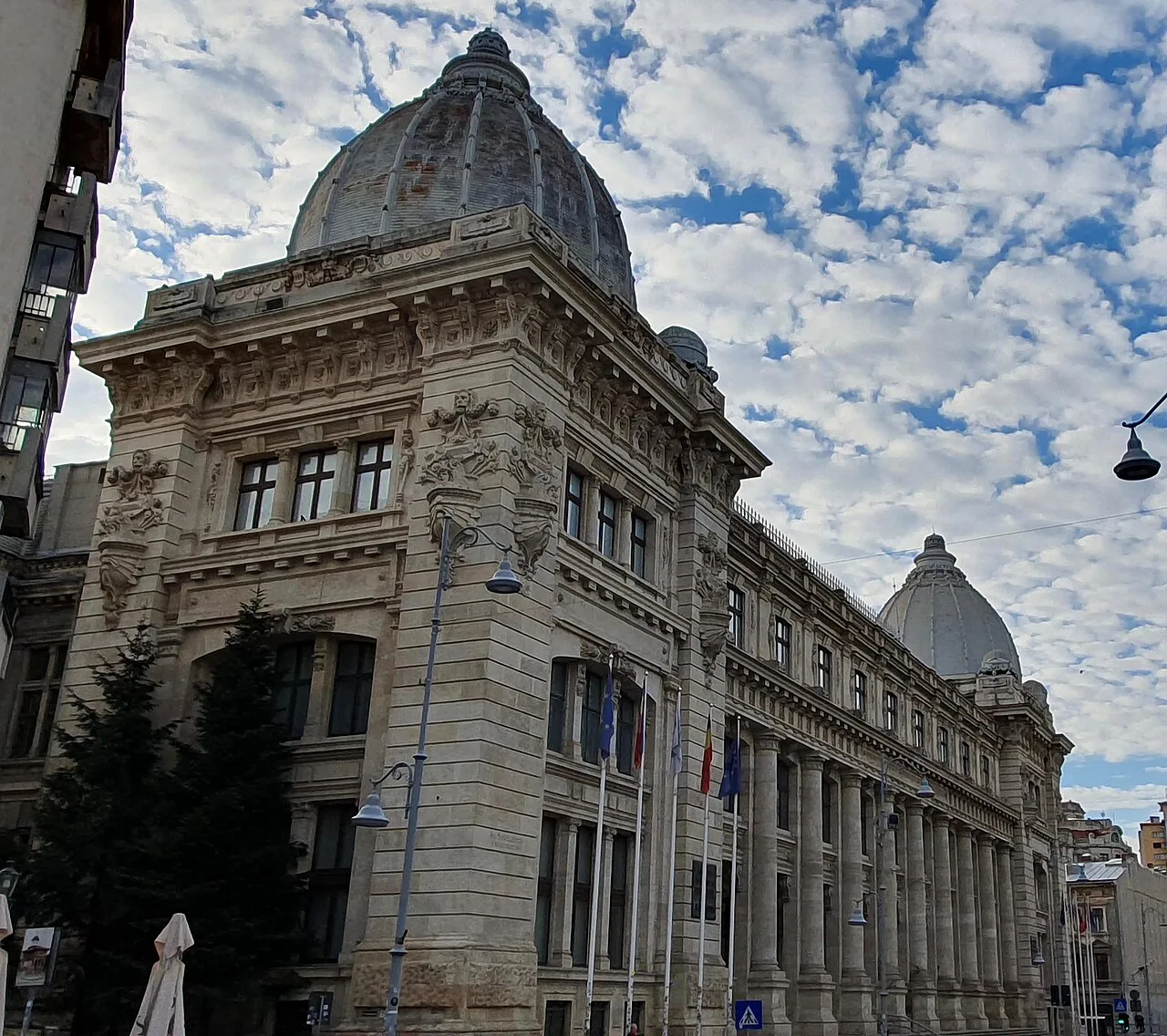
On foot, the walk from Lipscani through the Old Town heads west onto Calea Victoriei and then north to the museum; from Piața Revoluției, walk south along the same boulevard. Both approaches keep you on paved, central streets.
The museum sits in the dense central street grid, so walking is usually the simplest way to reach it; for longer hops across the city, use the metro or a tram and finish the last stretch on foot.
What to expect inside
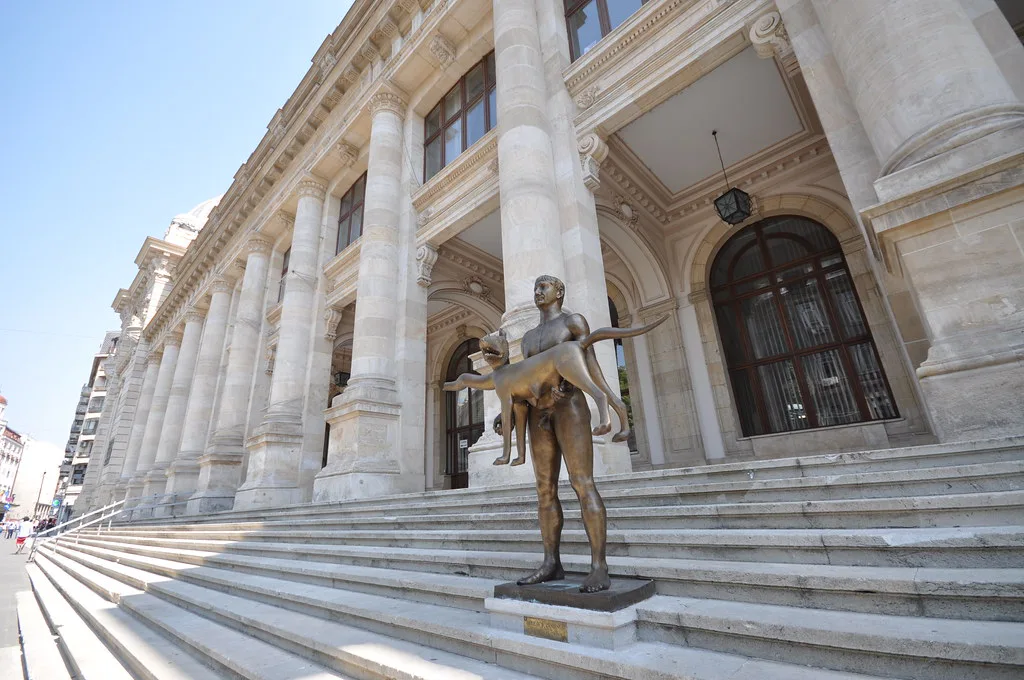
The building itself is part of the visit: its conversion from postal headquarters to museum involved a renovation, a public courtyard extension and underground storage. That architectural refit is the best-documented feature of the site in available references.
Expect a traditional national-museum format; read the room introductions first and then pick the periods that interest you, because trying to absorb every case flattens the visit.
Ask at the entrance about any guided options, since not every national museum runs regular tours and the museum's own website is the place to confirm what is on.
How long to allow
Set aside a generous block of time for the main galleries, and more if you read labels carefully. The museum rewards selective attention: choose two or three periods and skip the rest rather than trying to cover everything.
Pair it with the Old Town rather than another large museum on the same day. A sensible shape is Lipscani in the morning, the museum over midday, then Calea Victoriei north towards Piața Revoluției in the afternoon.
Tickets and opening hours
Opening days and ticket prices change, so confirm current details on the museum's own website before you travel, and check ahead if you plan to visit early in the week.
Nearby sights worth pairing
The Romanian Athenaeum (Ateneul Român), Bucharest's domed concert hall, stands a short walk north on Calea Victoriei towards Piața Revoluției, making it the obvious next stop after the museum.
The Little Paris Museum on Lipscani Street 41, housed in the former Dalles family building, recreates a bourgeois Bucharest interior with a French salon, an Oriental hall, period costume and a vintage photography studio. It opens Tuesday to Sunday from 11am to 7pm and is closed on Mondays, with adult tickets at 25 lei and children's at 15 lei.
Stavropoleos Monastery, a small courtyard church in the Old Town, is an easy add-on if you are walking back towards Lipscani after the museum.
Practical trade-offs
The museum's renovation has involved structural work, a courtyard extension and new underground storage, so some spaces may be closed or reordered at different times. The museum's own notices are the reliable guide on the day.
The trade-off is between depth and breadth. The museum is a serious, text-heavy national collection rather than a quick photo stop, and visitors with limited time tend to enjoy it more when they accept that they will not see everything. If you want spectacle instead, the Palace of the Parliament, Bucharest offers a very different kind of guided visit.
Should the museum be on your Bucharest shortlist?
Yes, if you want Romanian history explained in one place and have time to spare in the centre; no, if your short break is built around architecture, squares and cafés. The museum earns its place because it sits directly on your walking route between Lipscani and Piața Revoluției, not because it needs a dedicated half-day.
Confirm the day's opening hours before you set out, then build the walk around it: Old Town first, museum over midday, Athenaeum and the boulevard afterwards.
Explore more Bucharest guides
- Cișmigiu Gardens (Grădina Cișmigiu), Bucharest
- Herăstrău Park, Bucharest
- National Museum of Art of Romania
- Patriarchal Cathedral (Catedrala Patriarhală), Bucharest
- Revolution Square (Piața Revoluției), Bucharest
- Russian Church Bucharest (Biserica Rusă)
- Stavropoleos Monastery
- University Square (Piața Universității), Bucharest
- Village Museum Bucharest (Muzeul Satului)