Bucharest Old Town: Streets, Churches and Squares to Walk
A walking guide to Bucharest's Old Town: cobbled streets, historic churches, grand palaces and covered passages, with the landmarks to look for on foot.
On this page
Bucharest Old Town is best walked as a loop from Calea Victoriei, taking in the grand palaces and banks first, then the churches, and finishing inside the two covered interiors that shelter you from the weather. Allow a half-day if you stop in the museums and linger, or an afternoon if you treat it as a walk with coffee stops. The district mixes centuries of history with a modern, social pulse, pairing cobblestones and 19th-century architecture with bars and cafés that keep the streets busy after dark.
This guide follows one order on foot: the streets, the palace-style buildings, the churches, the museums and the two interiors. It also flags what costs nothing and what the district becomes at night, so you can decide how much of your day to give it.
What Bucharest Old Town is and where you enter it
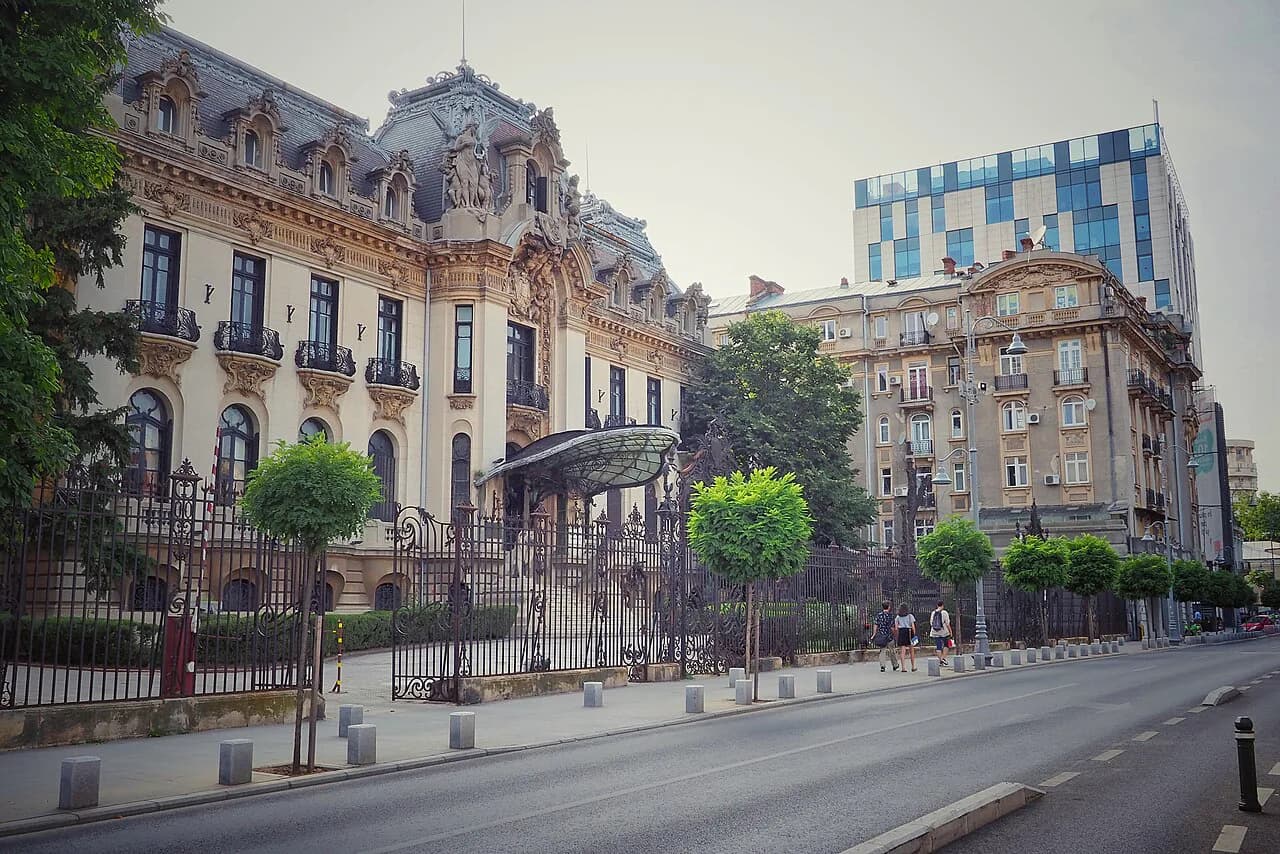
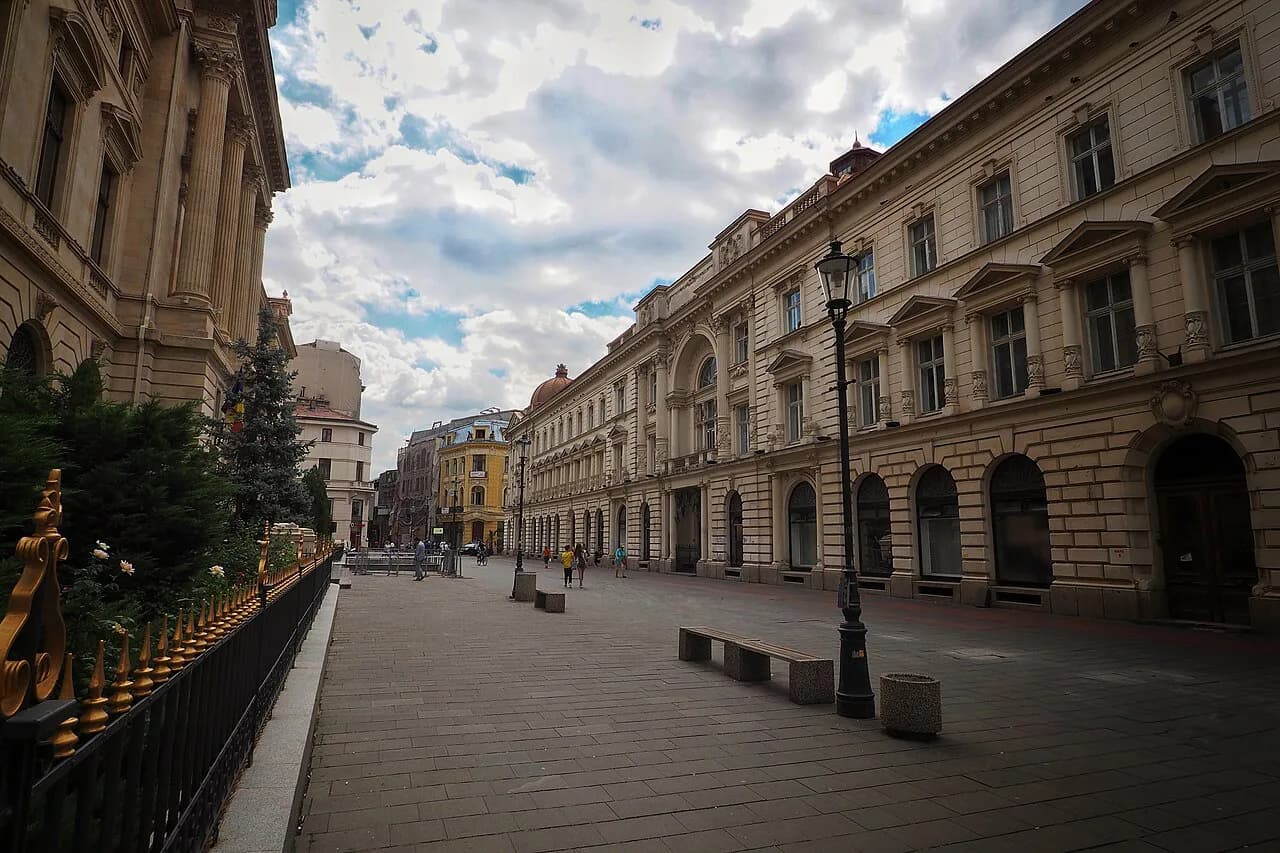
The Old Town was once the heart of medieval Bucharest and is now a district where cobbled lanes and 19th-century facades stand beside the city's modern social life. The architecture recalls the city's 'Little Paris' era, which is the phrase to keep in mind when a Beaux-Arts dome or a neoclassical bank front looks out of place among the bars.
Most visitors arrive on foot from Calea Victoriei, the long avenue that lies to the north of the district and carries much of its monumental frontage. Use the avenue as a natural starting line and work south and east into the lanes.
The historic centre is compact enough to cover on foot, so leave the car behind and plan your approach around the streets you want to see first. A Bucharest map helps you fix the district against the wider city before you set out.
The streets to walk
Start on Calea Victoriei, which the city treats as its own grand avenue and which carries the heaviest concentration of monumental frontage. Walk it slowly, because the buildings here are the point rather than the shops.
Turn into Strada Smârdan for the contrast: old-world charm on the facades with lively bars and restaurants at street level. It is the street that shows the district's double life most plainly, quiet in the morning and crowded by evening.
Wandering without a strict itinerary is one of the better ways to experience the district, and the side lanes off Smârdan reward it. If you prefer structure and commentary, a guided Bucharest walking tour will read the facades for you.
Macca-Villacrosse Passage is the cobbled covered lane to look for, where a yellow glass dome lights the walkway in warm tones. Step in even if you are not heading anywhere in particular; it is short and sheltered, and it makes a handy pause between the streets.
The 'palate' buildings: CEC Palace, the National Bank and the history museum
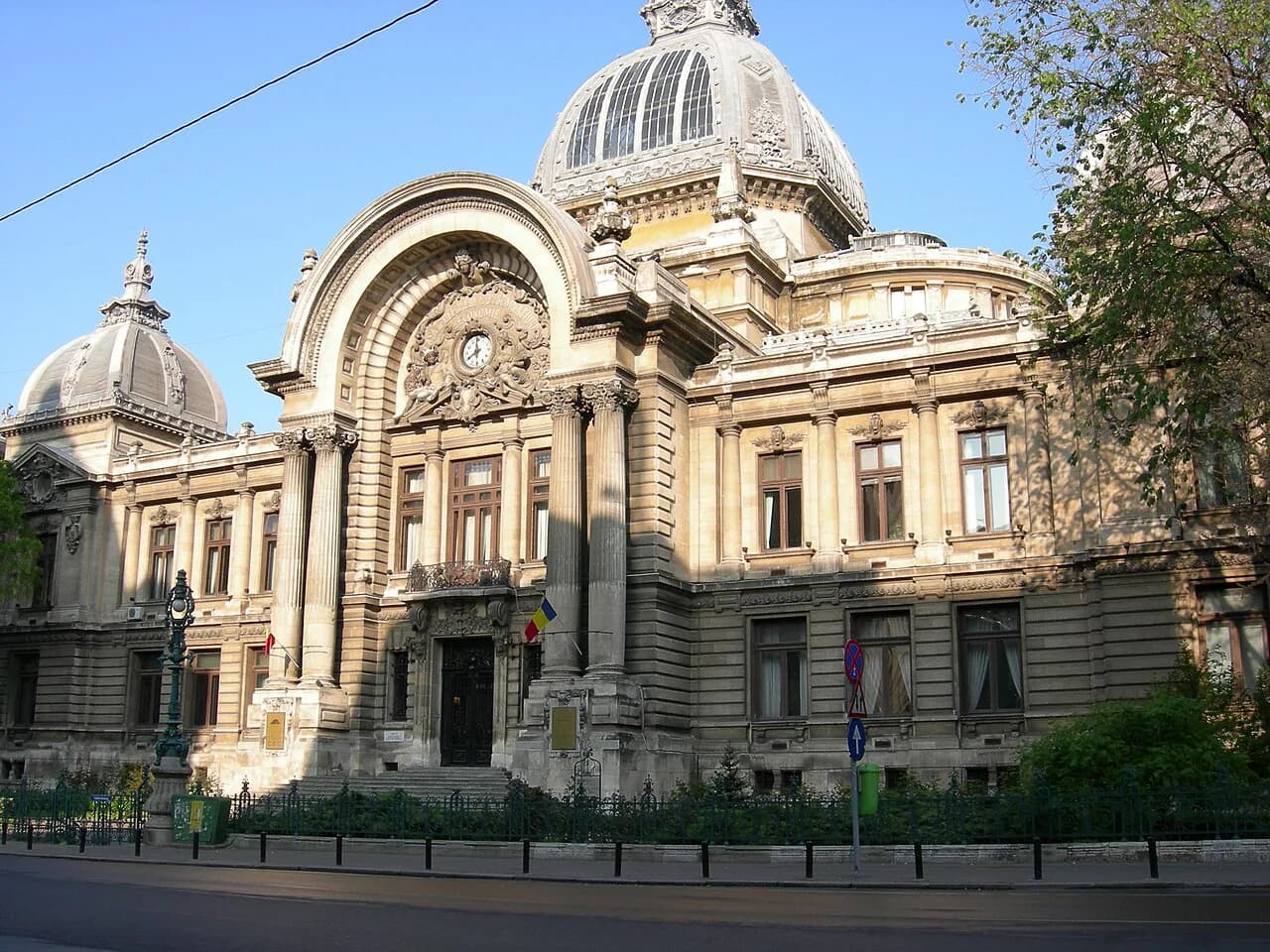
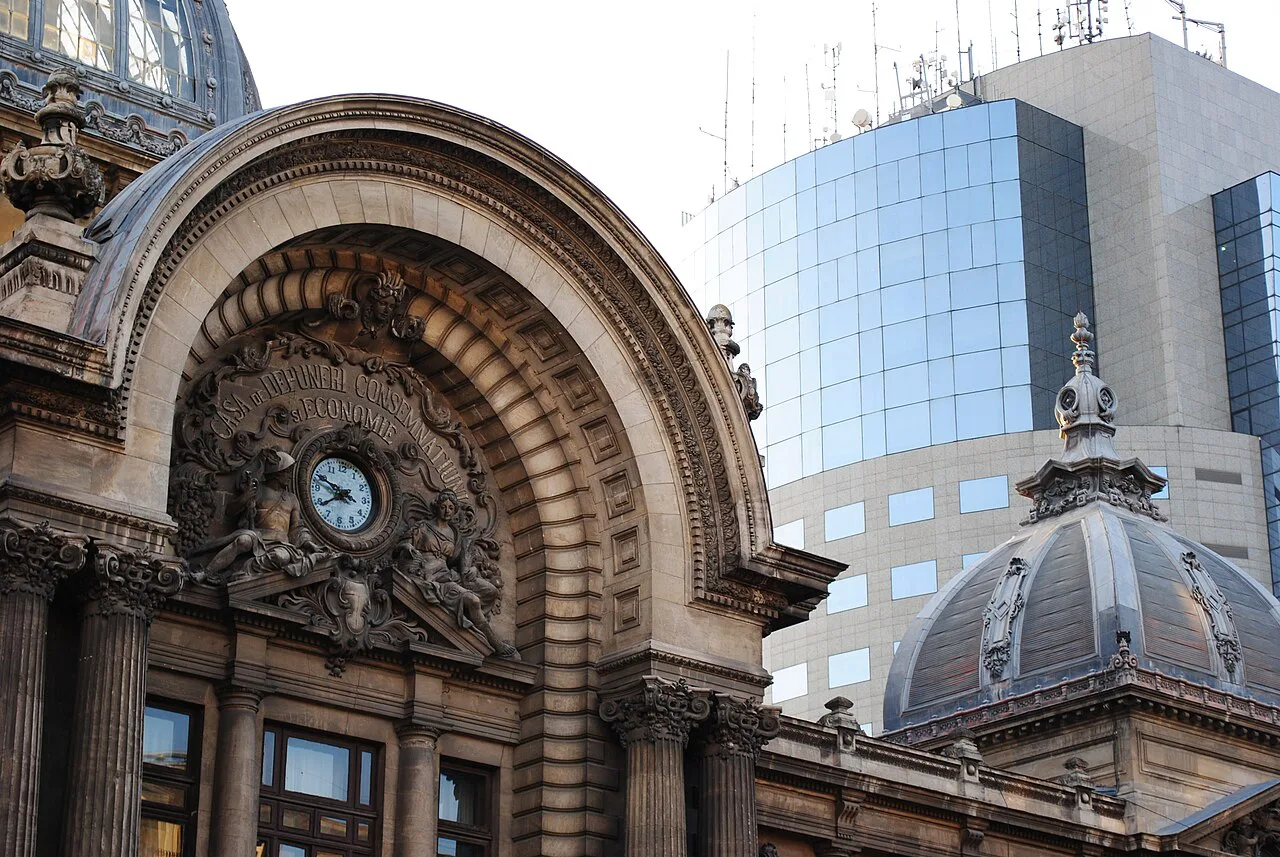
In Romania many grand buildings are known as 'palate', palaces in name and style, and the Old Town's finest cluster together. The ornate CEC Palace with its Beaux-Arts domes is the one to look up at first, and it sets the tone for the banking quarter around it.
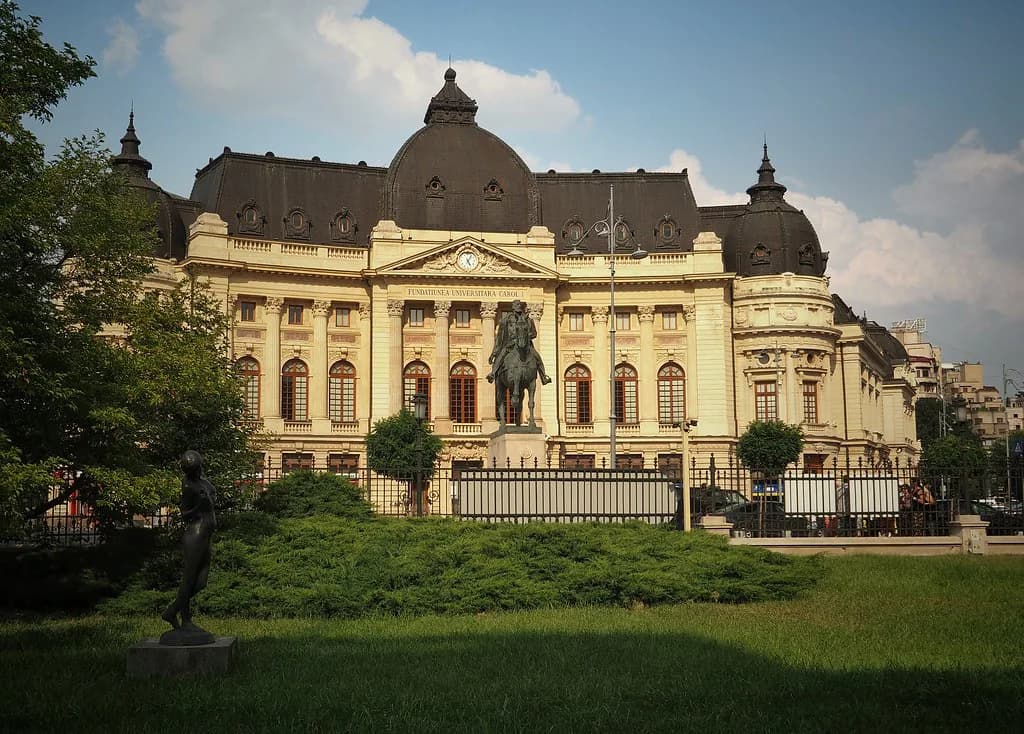
The National Bank and the National Museum of History both take the neoclassical style, so read them as a pair as you walk between them. The Bucharest Telephone Palace adds the modern twist, its Art Deco skyscraper form inspired by early New York towers.
For the full picture of what these buildings hold and which are open to visitors, the city's museum pages go deeper than a street-level look.
Historic churches as calm stops
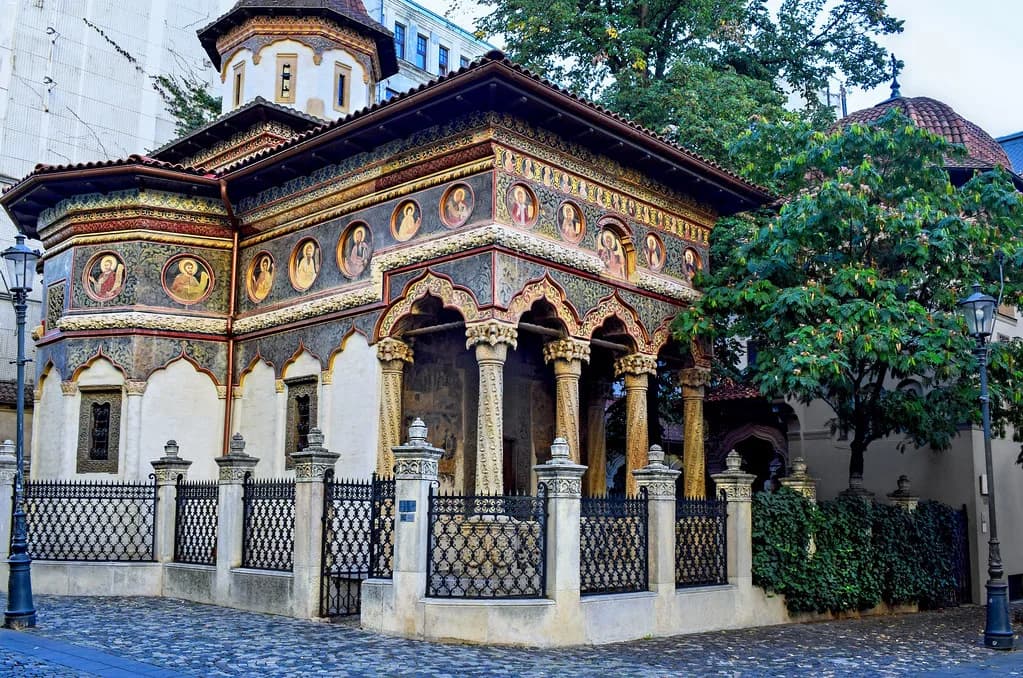
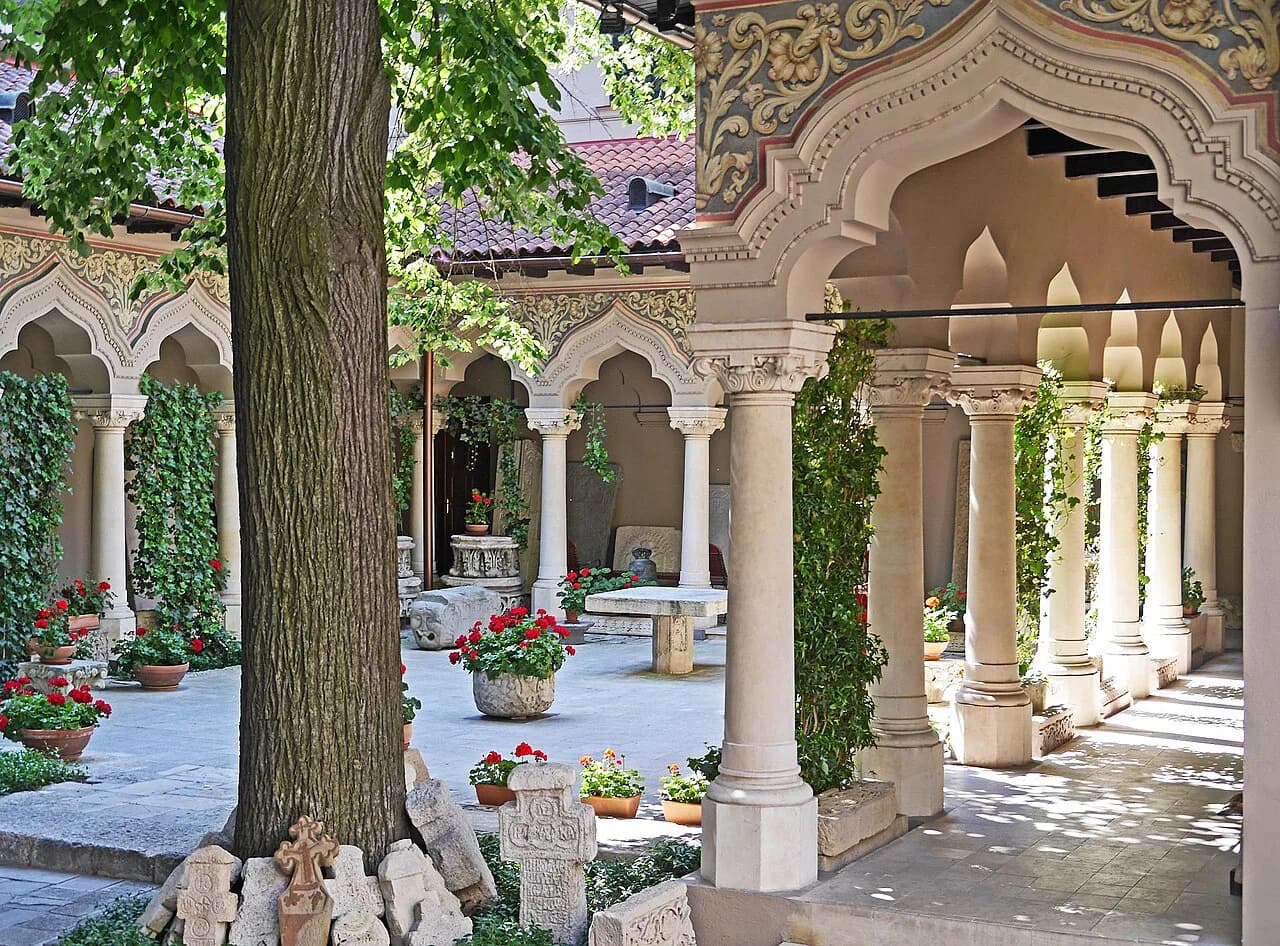
The district's Orthodox churches give you calm between the busy streets. Stavropoleos Church is small and blends Byzantine and Greek influences, with frescoes that have faded softly with time; it is the one most visitors remember.
To the north, Saint Nicholas Russian Church stands out for its gleaming spires, a different silhouette from the surrounding roofline. Saint Anthony's offers a quiet sunlit courtyard where you can sit before carrying on.
There is no cost to enter the landmark churches, which makes them the obvious budget-friendly stops on the route. For the city's larger ecclesiastical set-pieces beyond the district, the cathedral guide picks up the thread.
Museums in and around the district
The museums here dig into the city's complicated history. The National Museum of History displays artefacts reaching back to prehistoric times, while the Museum of Communism recreates a communist-era apartment, which is a more affecting visit than the label suggests.
The Little Paris Museum shows the city's late 19th- and early 20th-century French influence across four elegant rooms. The museum at the National Bank of Romania takes a lighter approach, with ornate vaults and the chance to try lifting a hefty gold bar.
Museums in the neighbourhood charge a fee to enter, and some offer free admission on specific days of the month, so check the day you plan to visit with the museum before setting out.
Two interiors worth stepping inside
Macca-Villacrosse Passage earns its place twice over: once as a street to walk and once as a place to stand still under the glass. Come back to it in the late afternoon when the dome throws its warm light across the walkway.
Cărturești Carusel is the second set-piece, a huge bookshop with sweeping staircases and grand balconies that draws people as much for the architecture as for the shelves. It also hosts free cultural and literary events through the year, so it can fill a wet hour at no cost.
For vintage art, furniture and decorative objects, the 19th-century Linden Tree Inn now houses shops worth a browse on the same circuit.
What is free and what is not
The cheapest way to see the district is to treat the churches and the streets as the main event. Entry to the landmark churches is free, and simply wandering the cobbles and the covered passage costs nothing.
Museums charge a nominal fee, with some free days each month, so budget for one or two rather than all of them. Check the ticket price at the desk on the day before you commit.
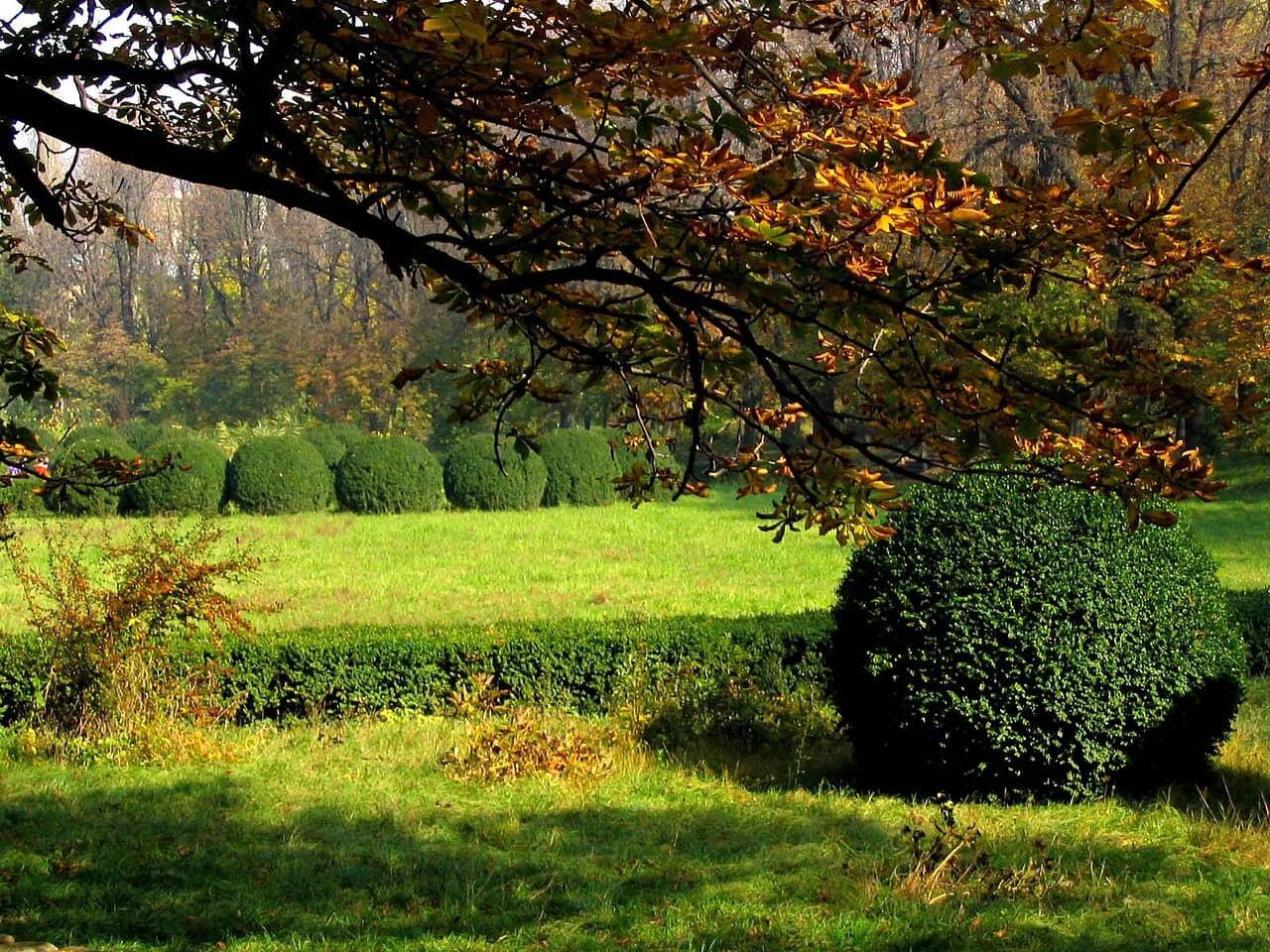
Just beyond the district, Cișmigiu Park offers simple pleasures year-round, from boat rides to ice skating depending on the season. It is a natural add-on if you have finished the lanes and want somewhere open.
A suggested walking order
Begin on Calea Victoriei at the CEC Palace and the National Bank, then cross to the National Museum of History. The Telephone Palace, inspired by early New York Art Deco towers, sits in the same district as a modern counterpoint. That first stretch gives you the 'palate' architecture in one go while your attention is fresh.
From there, drop into Stavropoleos Church, then walk the lanes around Strada Smârdan and step into Macca-Villacrosse Passage. Finish at Saint Nicholas Russian Church to the north or at Saint Anthony's courtyard if you want a quiet ending.
Fit Cărturești Carusel and the Linden Tree Inn in wherever the weather turns, since both are indoors. If you are building a wider trip, the Things to Do in Bucharest guide covers the rest of the city within easy reach of this loop.
Spread the walk over an afternoon and let it run into the evening rather than cramming it into an hour. The district changes character as the light goes, and you will want to see both versions.

Old Town after dark
As the sun sets and the pavement tables fill, the district becomes one of Bucharest's premier nightlife spots. Casual pubs, rooftop cocktail lounges and moody wine bars draw a mix of locals and visitors.
After midnight the dance club scene gets going, concentrated especially along Strada Covaci. If you want a quiet evening, walk the lanes earlier and leave Covaci to the crowds.
Practical notes on safety and crowds
The Old Town is busy at almost all hours and is fairly safe, with petty theft and street scams occurring at about the same rate as in any European city. Keep your belongings close and avoid empty streets late at night, as you would anywhere.
The neighbourhood rarely feels overcrowded with tourists, and spring to autumn is when the outdoor tables make lingering possible. Summer is busier but still manageable.
How much of your day the Old Town deserves
Give the Old Town an afternoon if you want the streets, the churches and both interiors, and a full day if you add two museums. The walking order above keeps you moving without turning the district into a checklist.
If you are planning a longer stay, the city's wider attractions and a three-day framework will help you slot this walk into the rest of your trip.
Explore more Bucharest guides
- Bucharest Day Tours
- Bucharest Landmarks
- Bucharest Opera
- Bucharest Palaces
- Bucharest Parks Worth Building a Day Around
- Calea Victoriei
- Castles near Bucharest
- Cărturești Carusel
- Little Paris, Bucharest
- Mogoșoaia Palace
- Museum of the Romanian Peasant
- Old Princely Court (Curtea Veche), Bucharest
- People's Salvation Cathedral in Bucharest
Frequently Asked Questions
Where is Bucharest Old Town?
It sits in the historic centre of Bucharest, with Calea Victoriei running to its north; that avenue carries much of the district's monumental frontage. It is compact enough to walk, with cobbled streets and 19th-century buildings.
Is Bucharest Old Town free to visit?
Walking the streets and entering the landmark churches costs nothing. The museums charge a fee, and some offer free admission on specific days of the month, so check on the day you plan to visit.
How long does it take to walk Bucharest Old Town?
Most visitors cover the streets, the churches and the two covered interiors in an afternoon. Add a full day if you want to include two of the museums and stop for coffee.
What is Bucharest Old Town famous for?
It is known for its pedestrianised streets and historic buildings, including the CEC Palace, the National Bank and churches such as Stavropoleos. In recent years it has also gained a reputation as the city's nightlife hub.
Is Bucharest Old Town safe at night?
The district is busy at almost all hours and is fairly safe, with petty theft and street scams at about the same rate as in any European city. Keep belongings close and avoid empty streets late at night.
Sources
Useful notes for your next trip
Optional updates to our guides.
You might also like
Continue reading
More guides you'll find useful