Brasov City Break: How to Plan a Two-Day Weekend
Plan a Brasov city break with two days: Council Square, the Black Church, Rope Street and Tâmpa, plus one out-of-town sight and honest trade-offs.
On this page
A Brașov city break needs two days: one for the old town on foot and one for a single sight outside the city. Brașov sits in southern Transylvania at the foot of the Southern Carpathian Mountains, and its compact centre means you can cover the squares, the Black Church and the old walls without transport. This plan splits the two days, weighs Bran Castle and Râșnov Fortress against Peleș Castle and Prejmer, and explains how the town fits with Bucharest.
What a Brasov city break gives you
Brașov was founded in 1211 by the Teutonic Knights and settled by Saxons in the following century, and the wealth of its merchant guilds paid for the walls, towers and bastions that still ring the centre. The old town is small enough to walk end to end, with the mountains rising directly above it. That combination is what makes a short break here work: you get a walled merchant town and a mountain edge in the same trip.
The city stands at 650 metres, so the air is cooler than in Bucharest and the weather can change quickly on the peaks. Treat the mountain as part of the town rather than a separate excursion. For the full list of sights, squares and side streets, our things to do in Brasov guide covers the ground this plan only sketches.
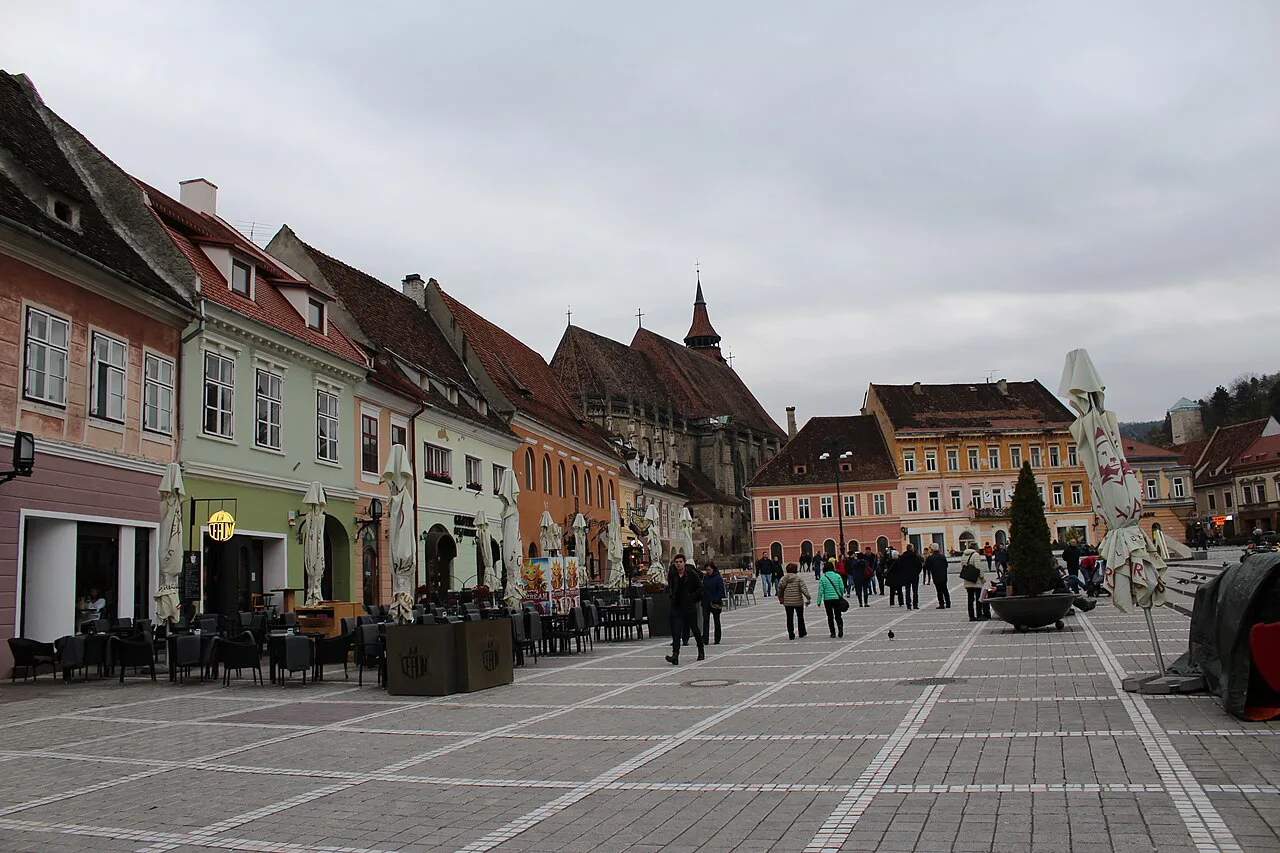
Where you land and how the town is laid out
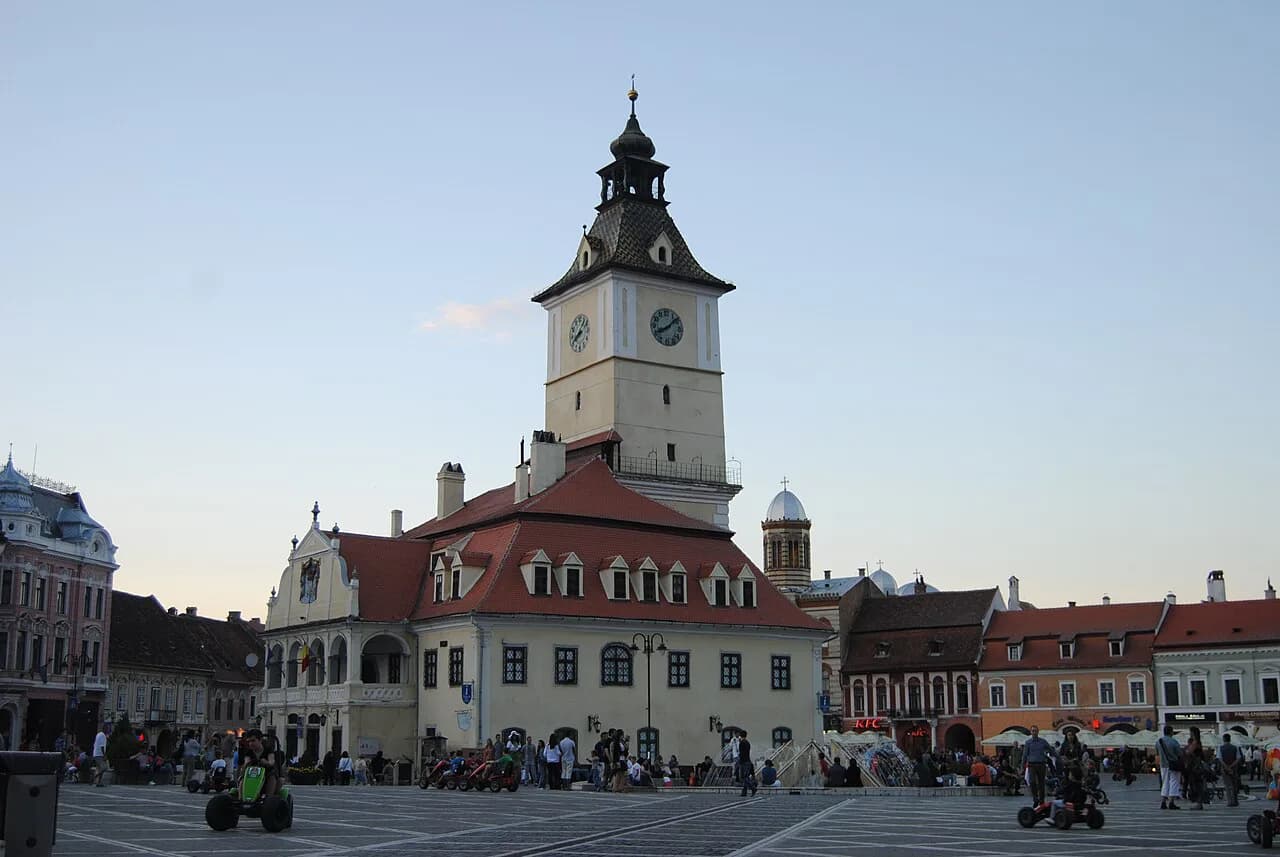
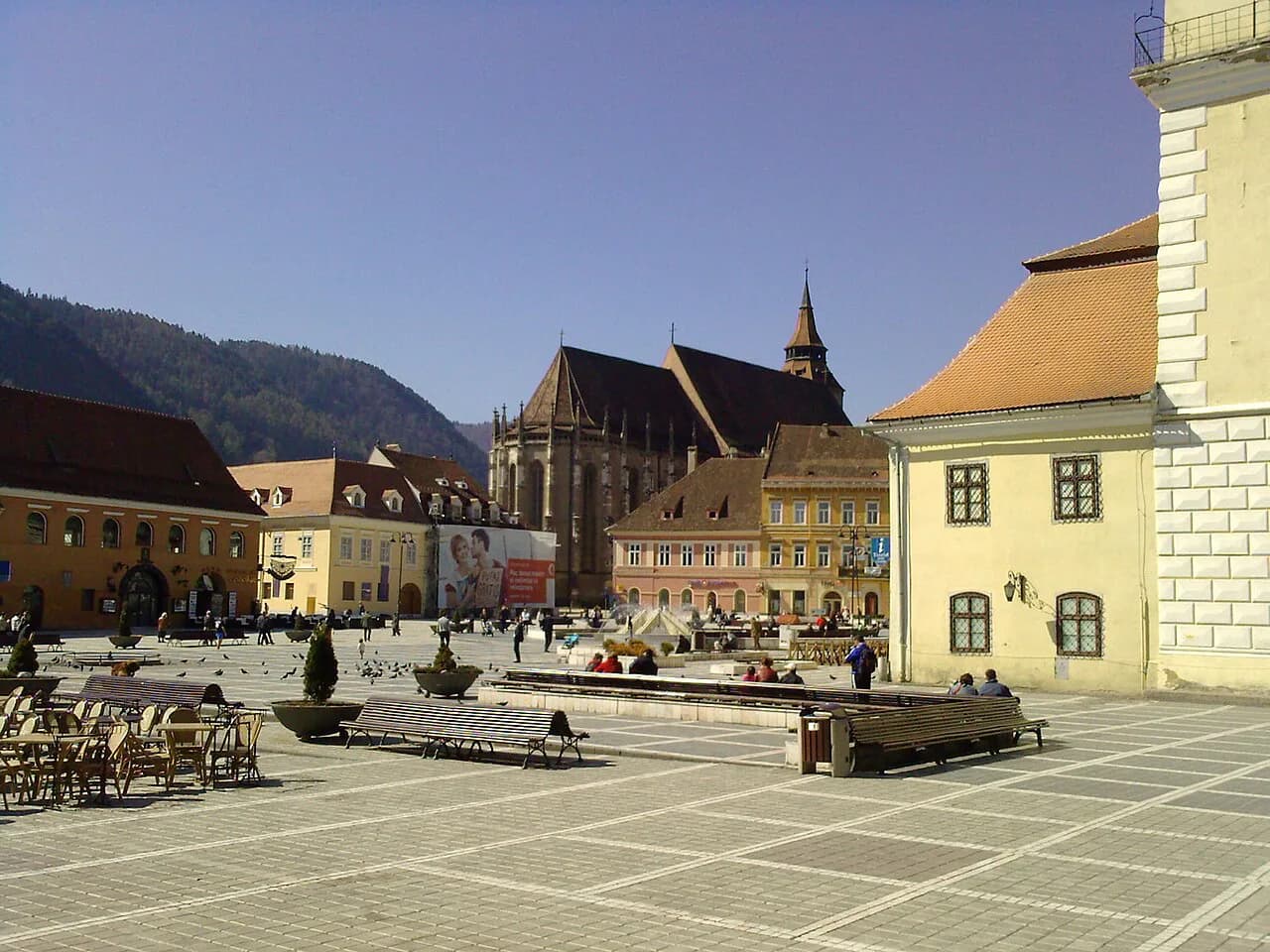
Most visitors arrive at Brașov-Ghimbav airport or by train from Bucharest, and either way you end up in the same place: Piața Sfatului (Council Square), the heart of the old town, lined with red-roofed merchant houses. The Black Church (Biserica Neagră) stands just south of the square. Beyond it, Strada Sforii (Rope Street) links Strada Cerbului with Strada Poarta Schei and leads towards the Schei district.
Strada Sforii is between 3.6 and 4 feet wide and 265 feet long, which makes it a two-minute detour rather than a sight in its own right. Walk it on the way to Schei so it costs you no time. Our Brașov Old Town page covers the streets and squares in more detail.
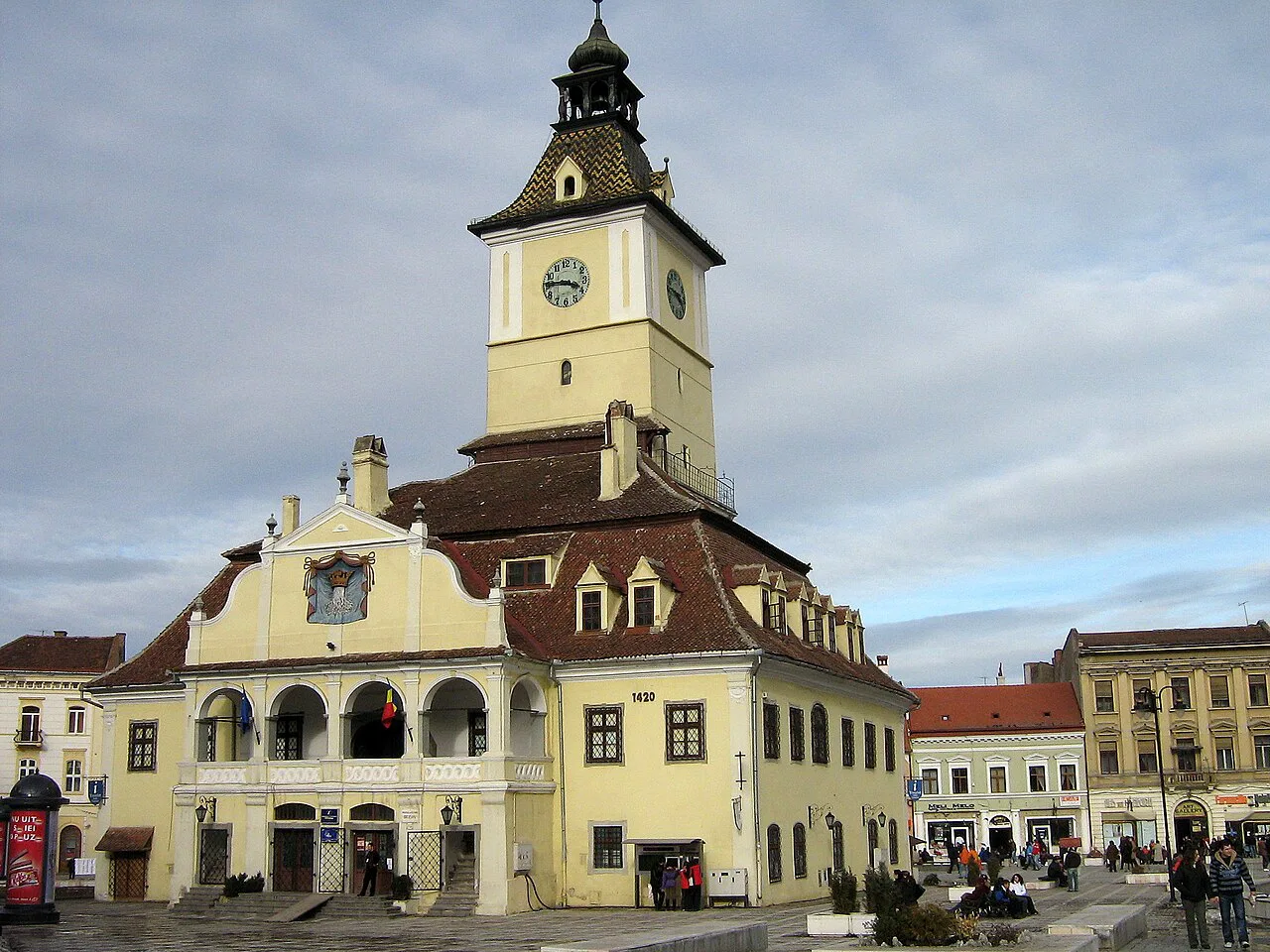
Day 1 morning: Piața Sfatului and the Black Church
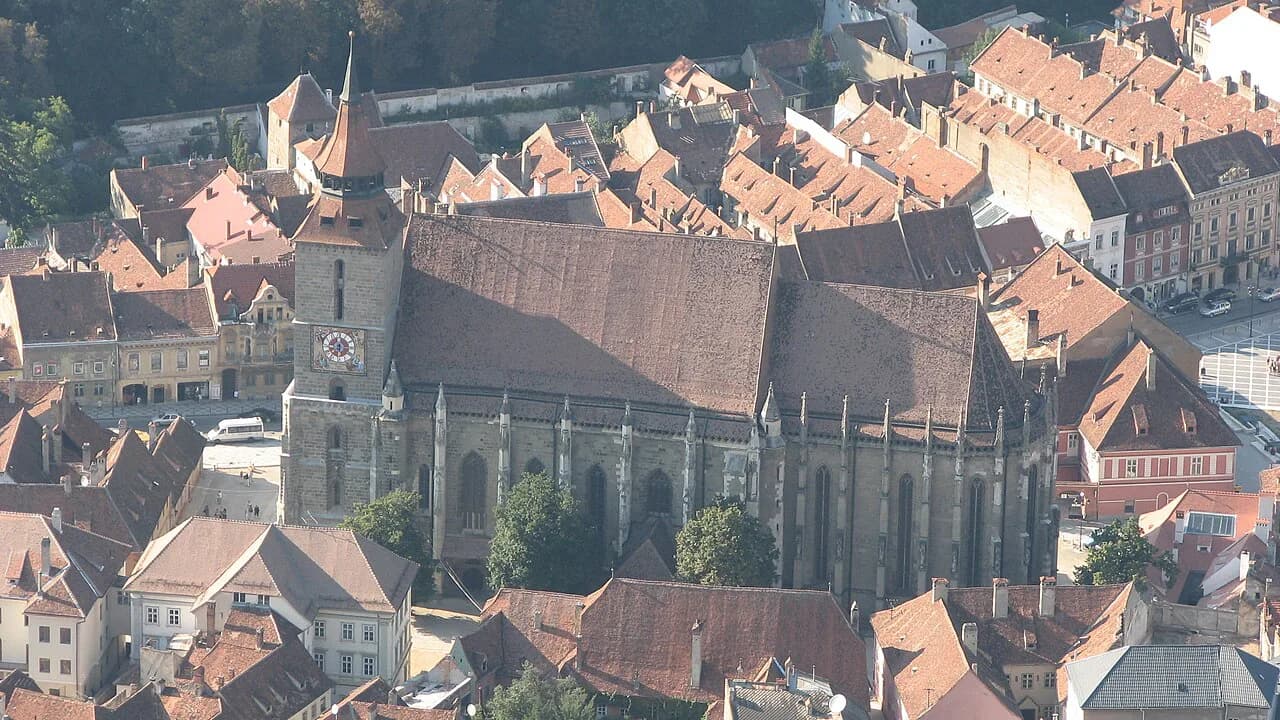
Start in Piața Sfatului with the baroque merchant houses around you. This is the spot to sit, watch the square fill and get your bearings before the day proper. From there, walk south to the Black Church, whose walls were darkened by the flames and smoke of the Great Fire of 1689, and which holds one of the largest organs in Eastern Europe along with a collection of antique rugs and kilims.
Give the morning to these two and you will already have covered the centre's anchors. Churches beyond the Black Church, including the old Biserica St. Bartolomeu, are covered on our Brașov churches page if you want to add a second one.
Day 1 afternoon: walls, bastions and Tâmpa
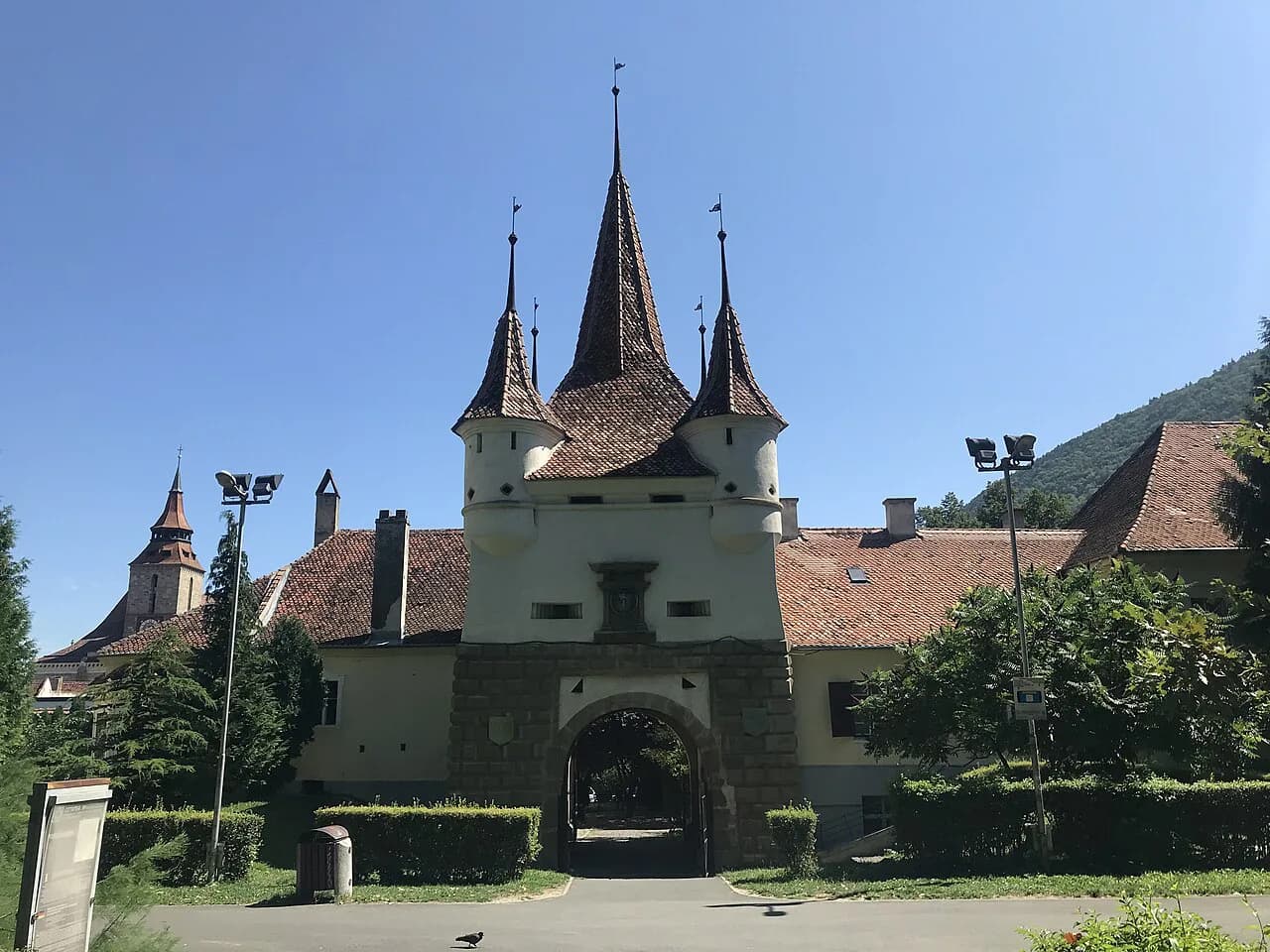
After lunch, follow the line of the old fortifications. The Saxons built stone walls and seven bastions around the city, and stretches are still visible today. Walk a section, then head for Tâmpa, the mountain directly above the town, marked by a Hollywood-style sign that is lit at night and visible from over 15 miles away.
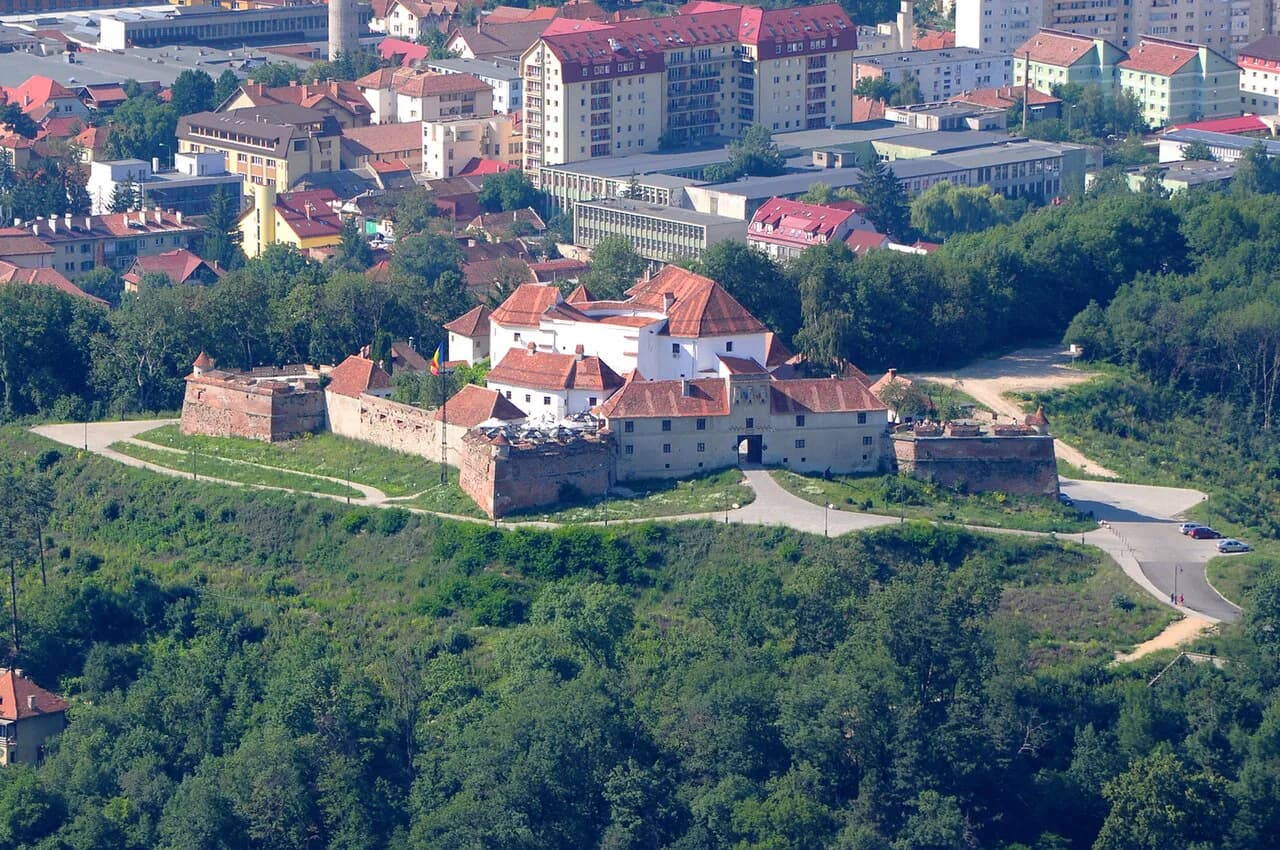
You can walk up to the terrace above the sign for the panorama, but the uphill leg takes more out of you than the map suggests. The Brașov Citadel on Straja Hill is a quieter alternative if the mountain looks busy.
Day 1 evening: back through the old town
Keep the evening simple: walk back through the old town rather than adding a second museum. The lanes between the square and the walls are the pleasure of Brașov, and a second ticketed sight in one day flattens the experience. If you do want a museum, pick one in advance from our Museums in Brașov Worth Your Time.
Day 2: one sight outside the city
Build day two around the journey out and back, not around a list. Pick one destination and accept that you will spend much of the morning in transit, which is the honest limit of a two-night break. Figure out your route the night before from our Brasov day tour options so you know how to get there and when to leave.
Bran Castle is the default choice, and it carries the crowds to match. A tour group moving through Bran, Râșnov Fortress and Peleș Castle on consecutive days is a realistic itinerary, and it shows how much driving a full-day tour involves. If you want the town itself to stay the centre of the trip, a quieter fortified church or a mountain town gives you more time back.
Day 2 options and their trade-offs
Bran Castle and Râșnov Fortress both sit in the same direction from Brașov and are often taken on the same day, with Peleș Castle at Sinaia on a separate day. Expect queues at Bran and a hillside climb at Râșnov, so you trade the old town's calm for two fortress interiors. Dracula belongs to Bran as a starting point for the historical Vlad III and Bram Stoker's fiction, and the two should not be mixed in your head.
Peleș Castle at Sinaia is the other strong option. The castle in the mountain town is reached on a tour that runs about three and a half hours from Bucharest, and you see roughly 15 of its 160 rooms on the guided route, with several groups moving through at once. The trade-off is that a guided-only visit runs to someone else's pace. Prejmer Fortified Church is the quieter third choice, a Saxon church with defensive walls inside the village.
Getting between Bucharest and Brașov, and the order that suits a two-night trip
Bucharest is in southern Romania, not Transylvania, and it is where most flights land. A legitimate plan is to spend a night in the capital and take the train or drive north to Brașov for the rest. Be honest about the split: a day in Bucharest and a day in Brașov do not carry the same weight, so give Brașov the full day on foot and keep Bucharest for the old town and the Palace of the Parliament.
If you want a version of the trip that gives the old town more room, our Brașov Itinerary covers a longer stay. Book the order that puts Brașov second so the mountain town closes the trip, and check train times for your dates nearer the day.
How long two days actually covers
Two days gives you the old town properly and one sight beyond it, and no more than that. A third day would add a second out-of-town trip, or let you walk the full circuit of walls and bastions without rushing Tâmpa in the afternoon. Stay longer if you want fortresses, churches and villages in the same visit.
Plan your walking route in advance so the two days do not collapse into aimless wandering. Our Brasov walking tour route covers the centre in a sensible order, and a guided city walk works on a tip basis at the end rather than an upfront charge.
Weather by season at Brașov's elevation
At 650 metres, Brașov is cooler than the lowland cities and can be wet or windy when Bucharest is mild. Check a climate table for typical averages before you pick a month, and treat any figure as a long-run average rather than a forecast. Pack a layer that handles a mountain afternoon and you will not be caught out.
Should I book the two-day version or stay longer?
Book the two-day version if the old town is the point and you can accept one out-of-town sight. Stay a third day if Bran, Râșnov, Peleș or Prejmer all appeal, because adding a second one to a two-day break means cutting the walking day short. Either way, put Brașov after Bucharest so the trip ends in the mountains.
Frequently Asked Questions
How much time do you need in Brasov?
Two days covers the old town on foot and one sight beyond the city. If you want more than one fortress, castle or fortified church, plan a third day so the walking day is not cut short.
Where is Brasov located in Romania?
Brașov is in southern Transylvania, at the foot of the Southern Carpathian Mountains and at 650 metres elevation. Bucharest, the capital, lies to the south in a different region and is the usual arrival point for flights.
What is there to see in the old town of Brasov?
The old town centres on Piața Sfatului (Council Square), lined with baroque merchant houses, with the Black Church just south of it — its walls darkened by the Great Fire of 1689 and housing one of the largest organs in Eastern Europe. Strada Sforii (Rope Street), between 3.6 and 4 feet wide, links Strada Cerbului with Strada Poarta Schei, and the remains of the Saxon walls and seven bastions ring the centre, with Tâmpa and its lit Hollywood-style sign rising above the town.
Is a Brasov city break worth it compared with staying in Bucharest?
The two are different trips: Bucharest gives you the capital, the Palace of the Parliament and the old town, while Brașov gives you a walled merchant town with mountains above it. A single night in Bucharest and two in Brașov is the split that suits a short break best.
Sources
Useful notes for your next trip
Optional updates to our guides.
You might also like
Continue reading
More guides you'll find useful