Little Paris in Bucharest: What the Nickname Means and Where to See It
Bucharest was nicknamed Little Paris for its French-influenced architecture and culture. Here is what the label means and where to see it on foot.
On this page
Little Paris is a nickname for Bucharest, not a neighbourhood with boundaries on a map: it describes the French-influenced architecture, language and manners the city took on from the late nineteenth century. Treat it as a way of reading the centre rather than an address, and the search becomes useful. This guide explains where the name came from, which streets still carry the look, and what the Little Paris Museum on Lipscani Street actually holds, with its hours and lei prices.
What people mean by 'Little Paris' in Bucharest
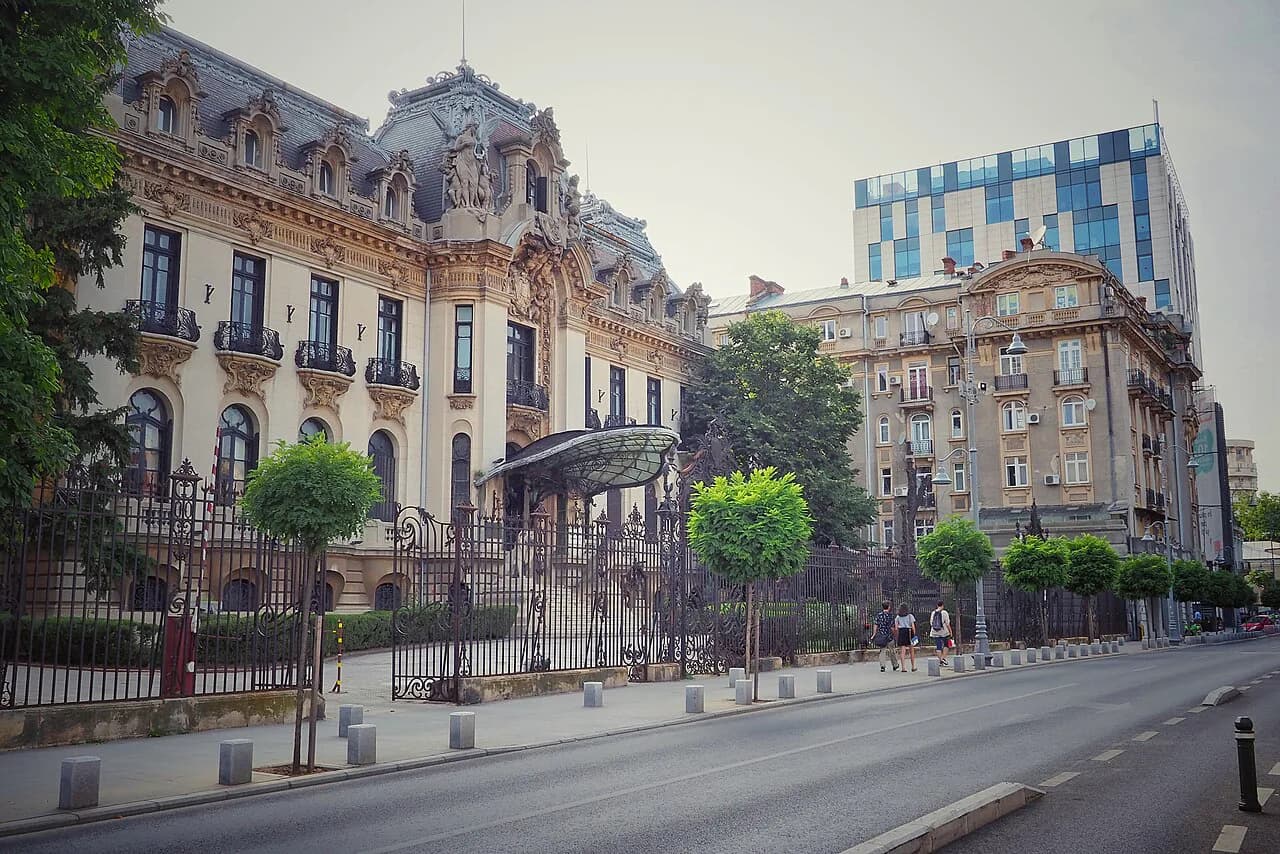
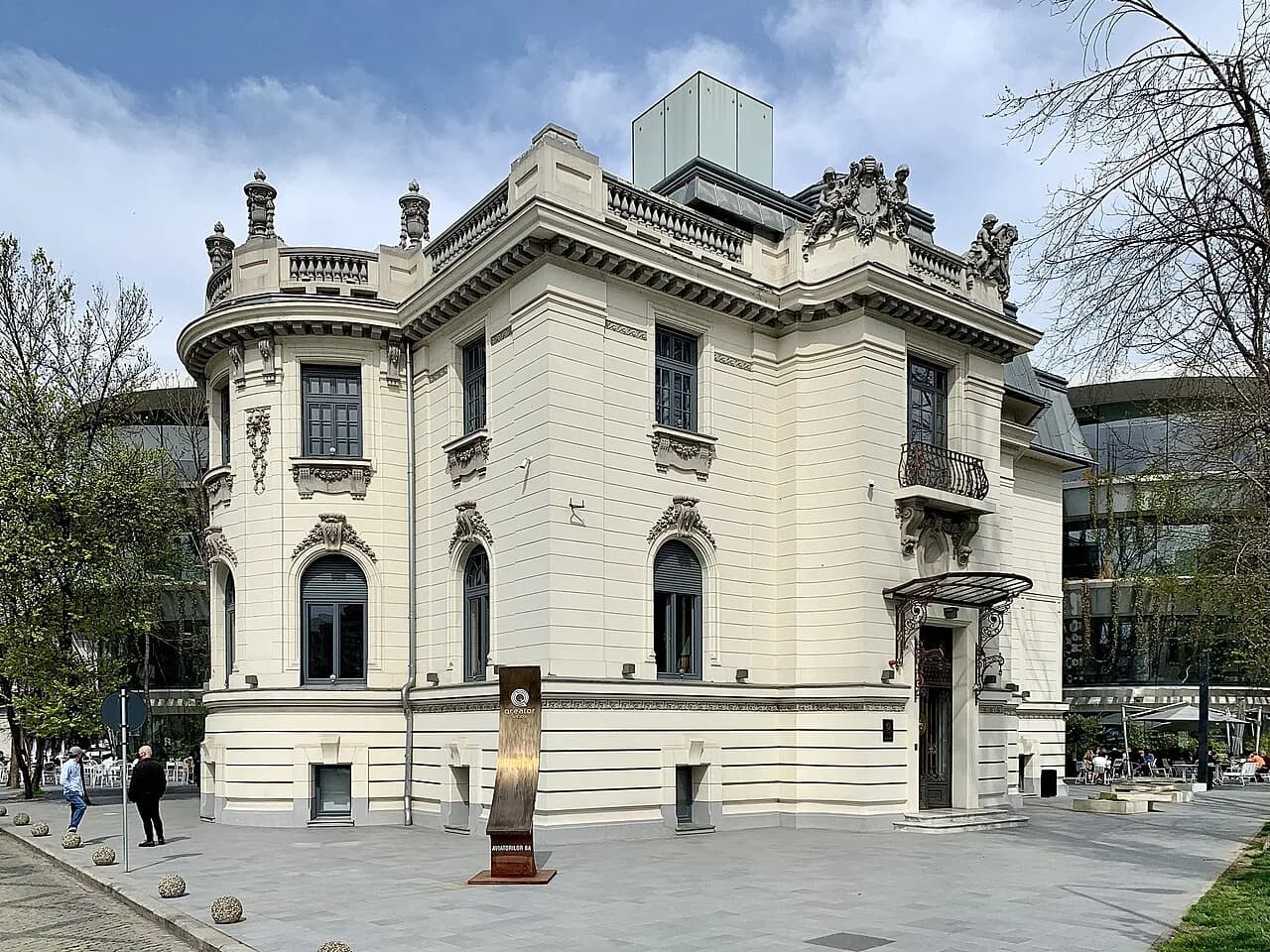
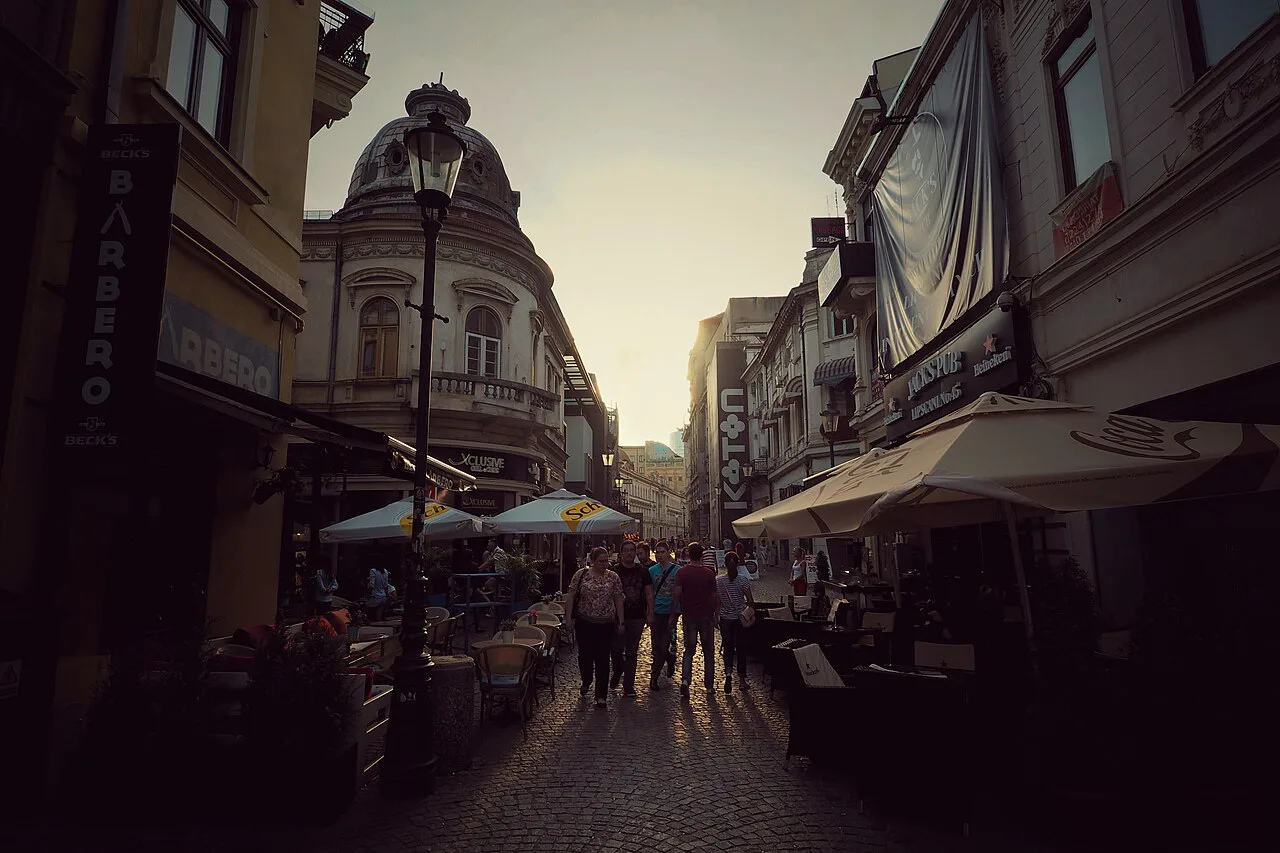
The label belongs to the decades around 1900, when Bucharest's boulevards, public buildings and social habits were modelled on France. Romanian tourism's account of old Bucharest records French architects such as Albert Galleron, Cassian Bernard and Xavier Villacrosse designing many of the city's landmark buildings, and French visitors describing a city of wide boulevards and Beaux-Arts façades. It was never a formal district, so no single street sign marks it.
Two separate things share the name today. One is the historical nickname, visible in surviving buildings in the centre. The other is the Little Paris Museum on Lipscani Street 41, a private museum in the former Dalles family building that takes the nickname as its theme. If you want the streetscape, head for Calea Victoriei; if you want costumes, furniture and period rooms, the museum is the place.
Why Bucharest was called Little Paris
French influence ran through architecture, education and daily manners, and Bucharest's elite adopted French dress and spoke French in public. Romanian tourism's history of the period notes French architects and engineers working in the city and quotes travellers from the 1880s and 1900s remarking on its boulevards, new public buildings and elegant crowds on Calea Victoriei. The nickname stuck because the comparison was flattering and easy to repeat.
The same account credits Balkan merchants with popularising the phrase, since Paris itself was far and expensive for them while Bucharest offered a version of it on the road west. The name was widely accepted by the end of the nineteenth century and established around 1900. That merchant origin matters for visitors: the nickname was always a compliment paid by outsiders, not a civic title.
What survives today: Beaux-Arts buildings and the Calea Victoriei streetscape
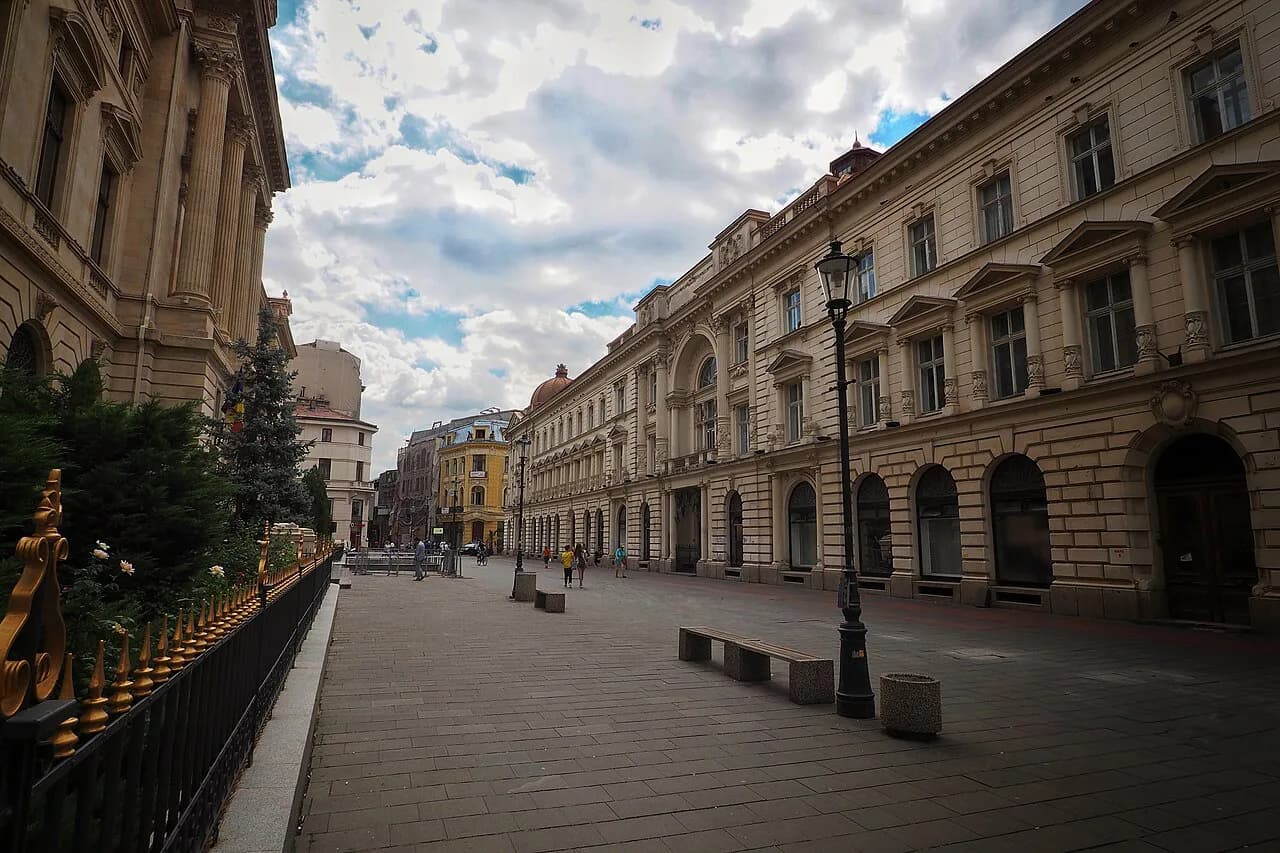
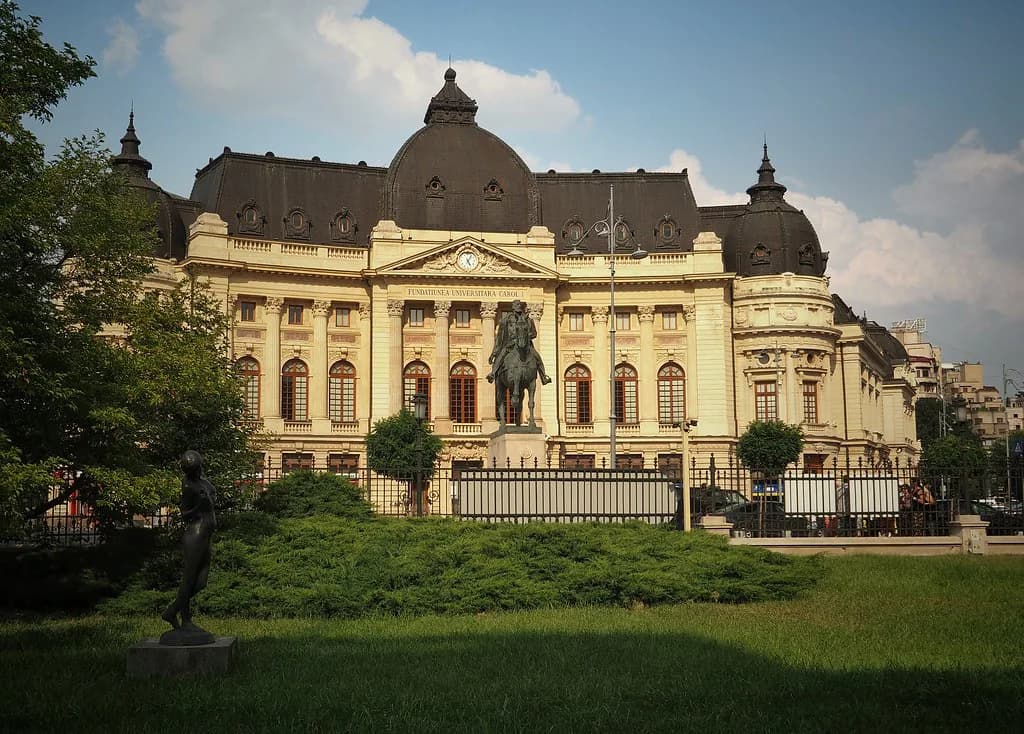
Calea Victoriei is the spine of the surviving Little Paris look, lined with late nineteenth and early twentieth-century façades and public buildings. Romanian tourism's survey of old Bucharest points to traces of the period surviving along this avenue, and to the National Bank, the House of Deposits and Consignments and the Post Office Palace among the buildings French travellers admired. Walk it slowly and look up: the ground floors have been rebuilt many times, the upper storeys less so.
Pair Calea Victoriei with the Romanian Athenaeum and the National Museum of Art of Romania, both in the centre. The museum's own rooms are the reason to go inside rather than photograph the façade, and the Athenaeum is best seen from the street unless you have a concert ticket.
The Little Paris Museum on Lipscani Street: what is inside
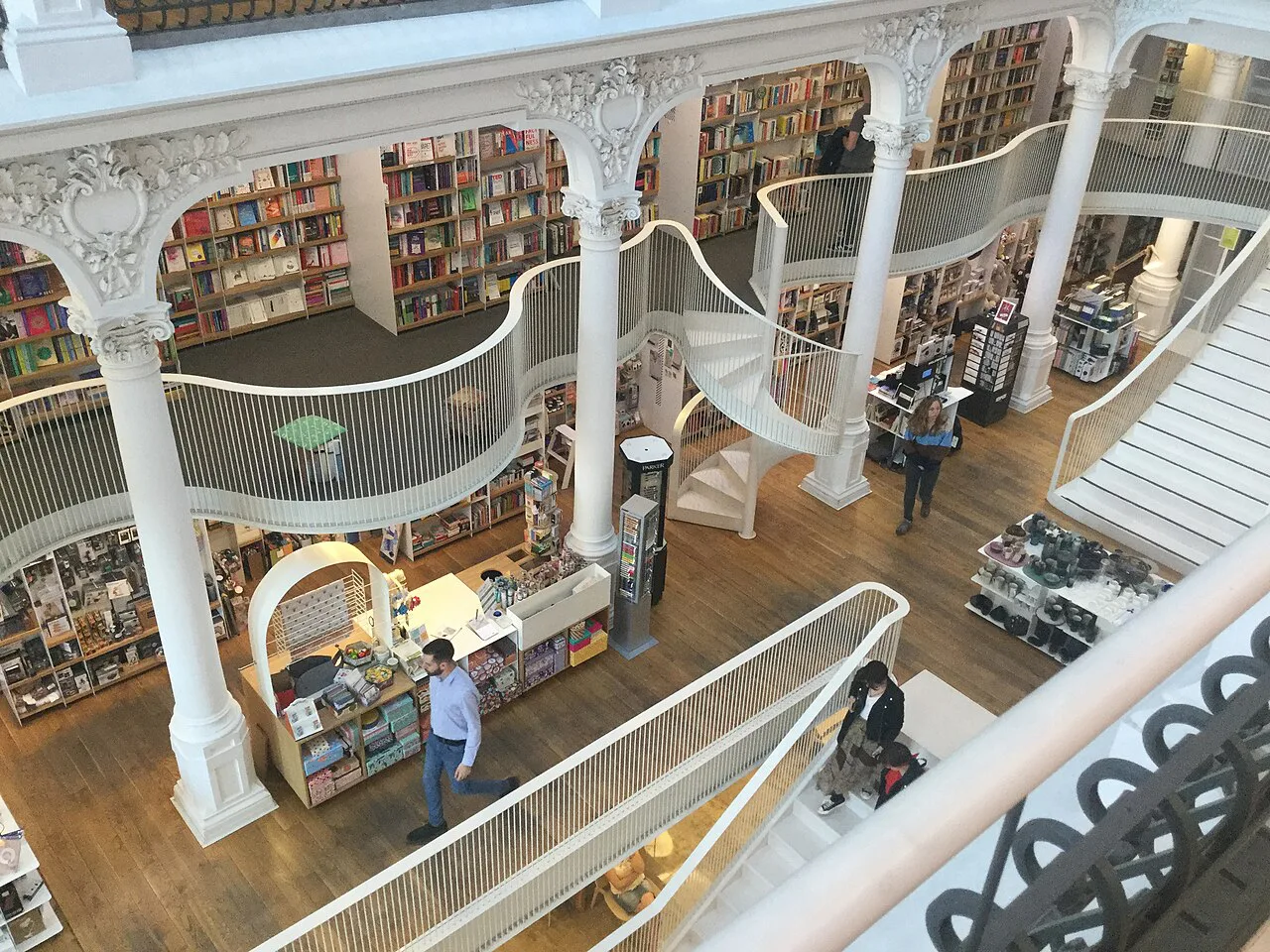
The museum occupies the former Dalles family building in the Old Town and was founded by the photographer Eugen Ciocan. Inside, a main hall leads to four rooms holding more than a thousand objects from the Belle Époque period, arranged as a bourgeois Bucharest interior with French and Oriental features. Some pieces are displayed for sale alongside the collection, so the line between museum and antique shop is deliberately blurred.
The collection splits into two themes: fashion, with original and replica outfits from earlier eras, and the art of living, shown through clothes, mirrors, candlesticks, clocks, porcelain, books, photographs and furniture. A separate room holds French-influenced souvenirs. Set aside around an hour unless you book a photo session, which adds styling time.
Little Paris Museum opening hours and ticket prices in lei
The museum closes on Mondays and opens Tuesday to Sunday from 11am to 7pm. Adult tickets cost 25 lei and children's tickets 15 lei. These are the museum's published hours and prices, so check the day before you go.
Those hours suit a late-afternoon slot: the Old Town is at its busiest around lunchtime, and the museum's rooms are small enough that a crowd changes the experience. Bring small notes in lei for the ticket desk, which will confirm the current child age limit.
The French and Oriental halls and the vintage photo studio
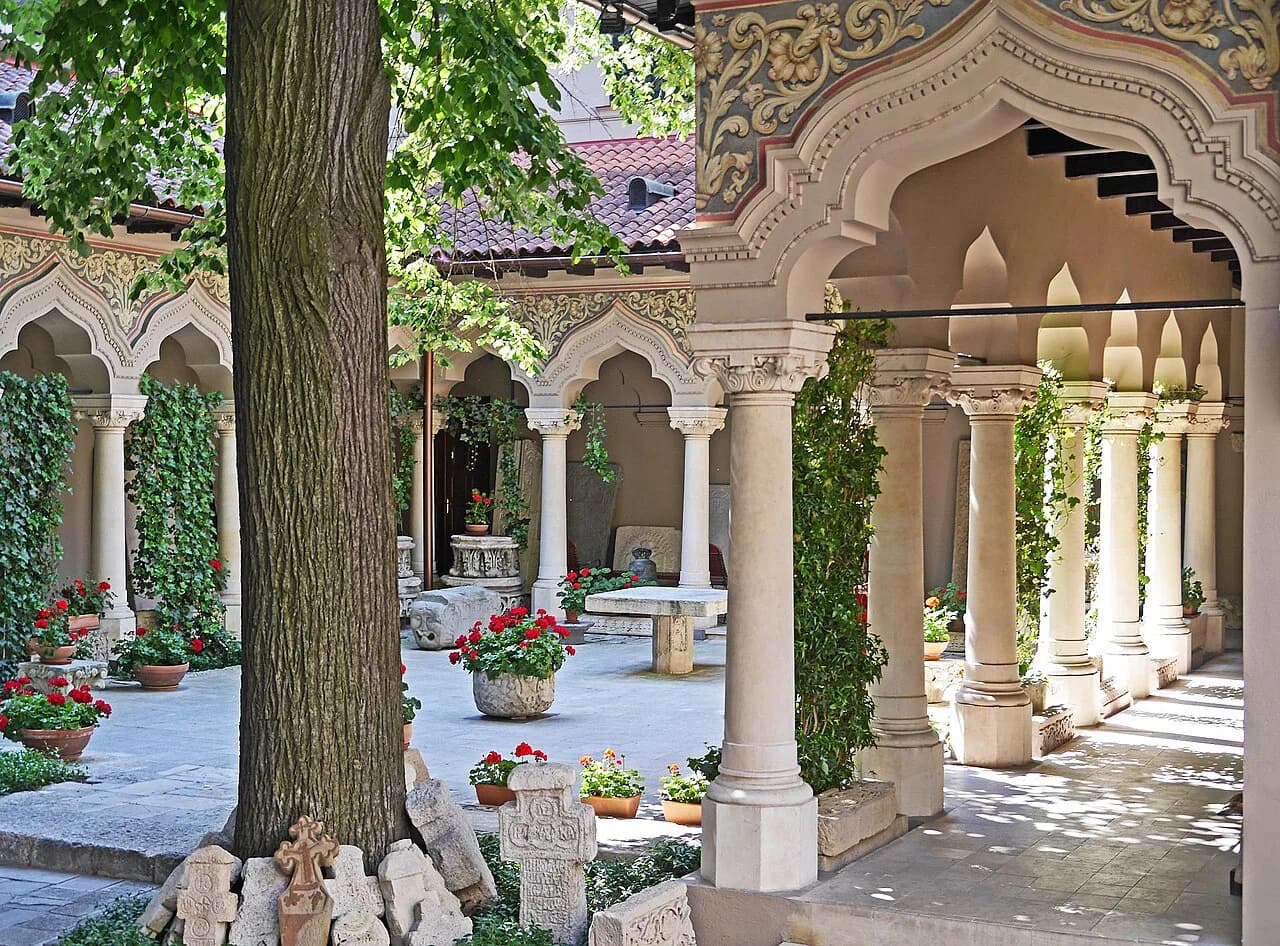
Two larger rooms carry the museum's character. The Oriental hall has Moorish-style stucco, while the French hall has a rococo mirror and plaster stucco, and doubles as a photo studio where you can sit for a vintage portrait with hand-colouring or sepia effects. The full session includes costume pieces from the collection, make-up, hair and accessories, so ask about timing when you arrive rather than assuming a walk-in slot.
The two rooms on the opposite side turn to private life in old Bucharest, with Romanian-influenced domestic objects arranged like a stage set. The museum also hosts musical evenings, book launches and themed events, so an evening visit may overlap with one. Even the bathroom is decorated as part of the scheme, a detail regular visitors mention.
A short walk linking the Little Paris Museum, Lipscani and Calea Victoriei
Start at the museum on Lipscani Street, then walk the lanes of the Bucharest old town around Strada Smârdan before turning west towards Calea Victoriei. The whole link is short enough to cover on foot in an afternoon, with the Old Town lanes and the avenue offering very different architecture within a few minutes of each other.
If you would rather have the route explained as you go, a guided Bucharest walking tour covers the same centre and puts the buildings in order. Otherwise plot the walk yourself: the streets bend, and the numbered addresses on Lipscani are not consecutive.
Build the rest of the day around this corridor rather than crossing the city twice: the things to do in Bucharest cluster heavily in and around the Old Town and Calea Victoriei. A map helps more than a plan here, because the interesting façades are on side streets as much as on the main avenue.
Where the 'Little Paris' image breaks down
The nickname flattered the centre and hid the rest. Romanian tourism's account quotes the French diplomat Charles Louis Stanislas de Moüy on a city where fine boutiques and decrepit shops, mansions and shacks, stood in the same streets, and notes that slums lay a few streets from the elegant boulevards. The comparison with Paris held for a few avenues, not for the whole city.
The heyday of the nickname ended with the Second World War and the rise of communism, which reshaped much of what the French visitors admired. Read the surviving buildings as fragments of a short-lived moment rather than as a preserved townscape. That is also why the Belle Époque interiors in the museum are worth seeing: they reconstruct a style the streets only partly retain.
Reading the nickname honestly: Belle Époque elegance versus the city beyond the centre
Use the nickname as a lens on a defined stretch of the centre, roughly Calea Victoriei and the streets off it, plus the Old Town lanes around Lipscani. Beyond that, Bucharest's architecture is interwar modernism, communist-era boulevards and older churches layered together, and judging the city against a Paris comparison will mislead you.
For a trip built on this theme, the museum plus a Calea Victoriei walk fills a morning, and the museums in Bucharest give you wet-weather alternatives nearby. Three days in Bucharest is enough to add the wider city without rushing the centre.
Museum first or street first?
Go to the Little Paris Museum first if you want the period interior explained through objects, then walk Calea Victoriei with those details in mind. Go street first if your priority is the city itself, and treat the museum as a rainy-hour extra. Either way, the nickname makes most sense when you compare the elegant avenue with the ordinary streets a few blocks away.
Explore more Bucharest guides
Sources
Useful notes for your next trip
Optional updates to our guides.
You might also like
Continue reading
More guides you'll find useful