Bucharest Cathedral: Visiting the People's Salvation Cathedral
The People's Salvation Cathedral in Bucharest opened in October 2025 after 15 years of building. What it is, where it stands and what to see inside.
On this page
The Bucharest cathedral most visitors mean is the People's Salvation Cathedral, also called the National Cathedral, on Spirea's Hill. It opened in October 2025 after 15 years of construction, and it is a working Orthodox church rather than a museum, so you visit it the way you would any city church. This guide gives the cited numbers, explains what was still unfinished at the opening and shows where the cathedral sits in a walk from the centre.
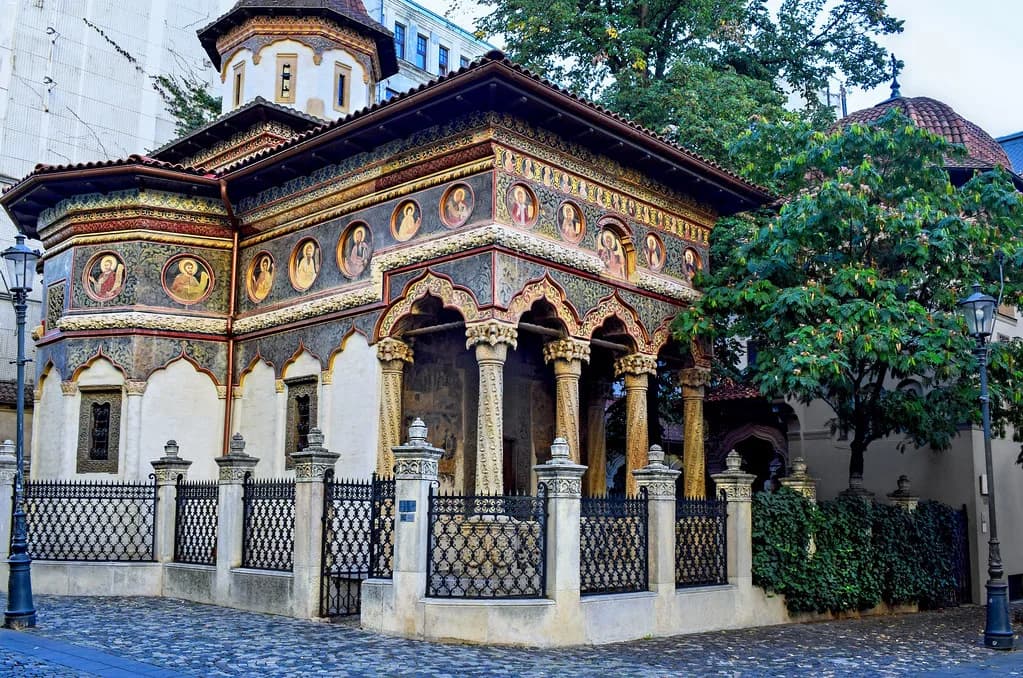
Older Bucharest churches are a separate story and much smaller, so keep the two apart when you plan a route. The National Cathedral is the big domed building on Spirea's Hill; the churches of the old centre belong to the city's historic core, which is covered in our Things to Do in Bucharest guide.
What the Bucharest cathedral is
The building is the People's Salvation Cathedral, known as the National Cathedral, and it stands on Spirea's Hill in Bucharest. Its October 2025 service consecrated the religious paintings inside, with thousands of worshippers attending and many more watching on screens outside. The idea of a national cathedral in the capital was first proposed in 1881, during the reign of King Carol I, though the building you see is a project of this century.
The cathedral belongs to the Romanian Orthodox Church, in a country where around 85% of people identify as religious. Treat a visit as a church visit: it is consecrated ground with an active congregation rather than a museum, and that shapes what you do inside, from where you walk to when you keep quiet.
The October 2025 opening and what is unfinished
The consecration in October 2025 marked the opening of the cathedral after 15 years of building work, with Romania's president and prime minister among those attending. Construction began in 2010 and the altar had already been consecrated in 2018, so the 2025 service capped a long build rather than starting something new.
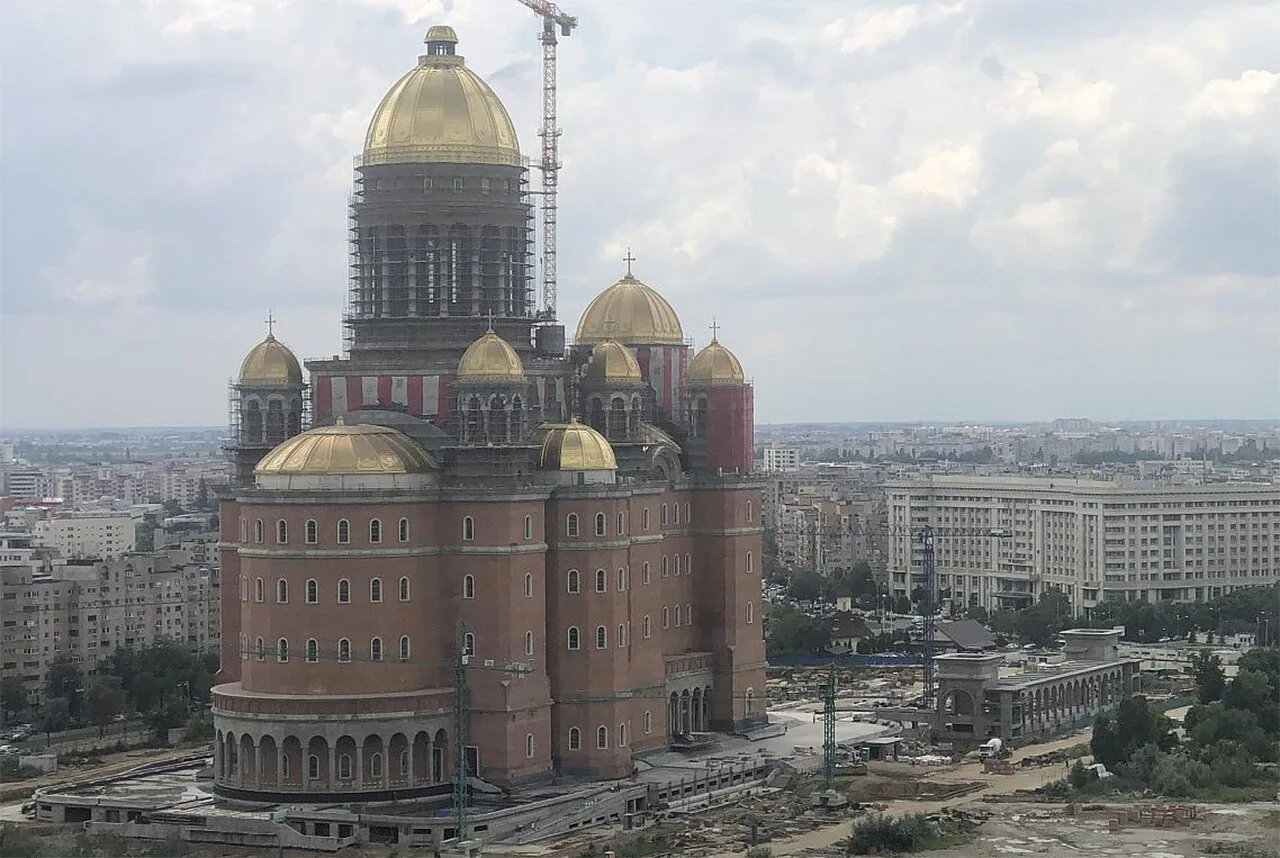
Some works were still to be completed when the cathedral opened, so expect a building that is largely finished but not entirely so. The reported cost reached about €270 million, most of it public money, and the expense drew criticism while Romania ran one of the EU's largest budget deficits.
Size and interior: the numbers
At its highest point the cathedral stands more than 125 metres tall, and the interior holds up to 5,000 worshippers. Gilded domes sit over the building, visible across the Bucharest skyline. Those figures are the ones to quote when you are describing the place to someone who has not been.
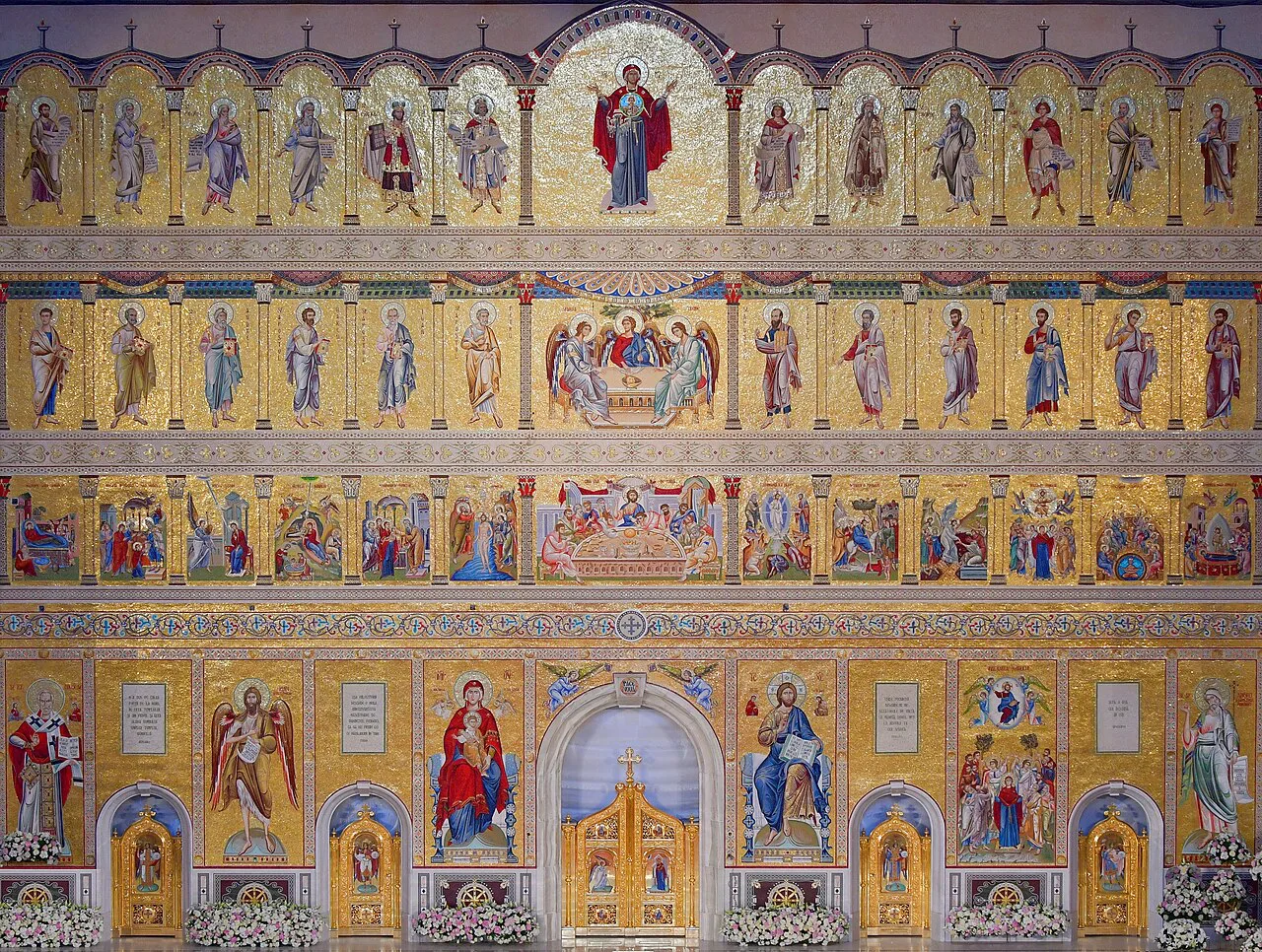
Inside, frescoes and mosaics depicting saints and icons cover 17,800 square metres, according to the cathedral's own website. The mosaic programme is the reason to step inside rather than just photograph the domes from outside. Give yourself time to look up: the highest work sits well above eye level, and the scale flattens in photographs.
Bloomberg reported the cathedral as holding more mosaics than anywhere else in the world, and DW described it as the largest Orthodox Christian church worldwide at its opening. DW's editor's note records that an earlier version of its story used the word biggest, so treat the superlatives as claims tied to those reports rather than settled facts. What you can see for yourself is the height, the capacity and the mosaic-covered interior.
Visiting a working Orthodox cathedral
The cathedral is a working church, so plan your visit around worship rather than the other way round. Check the cathedral's own website and the notice board at the entrance on the day for service times. If a service is under way, stand at the back and keep movement to a minimum.
Photography, dress and where you may walk are set by the church, and the safest guide is the behaviour of the people around you. Cover shoulders and knees, and keep voices low in the nave. The building is new, but the etiquette is that of any Orthodox church in Romania.
Where it sits in Bucharest
Spirea's Hill places the cathedral above the surrounding streets, so it works best as one stop on a longer walk rather than a stand-alone outing. Check the layout on a Bucharest map before you set out, so you arrive from the right side and do not double back on the climb.
Pair it with the historic core: Bucharest Old Town gives you churches, squares and cafés within a compact area. A route that takes in the old town first and climbs to the cathedral later keeps the walking logical and ends on the high ground.
If you would rather have the orientation explained as you go, a Bucharest walking tour covers the centre on foot and helps you place the cathedral in relation to the rest of the city. Book or turn up according to the tour company's own instructions, and check the meeting point before you set out.
What else to see nearby
The cathedral is one sight among many, and a Bucharest attractions guide sets out the rest of the city's stops so you can judge what fits alongside it. Build a short list rather than a long one: the walk up to Spirea's Hill takes time out of the day.
Allow most of a day for the cathedral, the old centre and one museum without rushing, and spread the centre over a longer stay if you have the time. Our guide to how many days in Bucharest shows how to pace it.
Is the cathedral worth the walk up Spirea's Hill?
Yes, if you want to see what 15 years and a reported €270 million of mostly public money built, and you are willing to treat it as a church rather than an attraction. The mosaics, the 125-metre height and the 5,000-worshipper interior are the draw, and some works were still unfinished at opening.
Skip it if your time in Bucharest is short and you would rather stay in the old centre, where the historic buildings cluster. Either way, confirm access and service times with the cathedral before you go.
Explore more Bucharest guides
Frequently Asked Questions
Is the People's Salvation Cathedral the biggest Orthodox church in the world?
Coverage of its October 2025 opening described it as the largest Orthodox Christian church in the world, with capacity for up to 5,000 worshippers inside. Treat the superlative as a claim made in those reports rather than something you can verify on site.
When did the Bucharest cathedral open?
The People's Salvation Cathedral opened in October 2025 after 15 years of construction, when its interior paintings were consecrated. Construction had begun in 2010, and the altar was consecrated earlier, in 2018.
Do you need tickets to visit the cathedral?
Treat it as a church visit rather than a ticketed attraction: it is a working Orthodox cathedral opened in October 2025, and access on the day depends on services and any remaining works. Check the cathedral's own site or the entrance notice before you travel.
Sources
Useful notes for your next trip
Optional updates to our guides.
You might also like
Continue reading
More guides you'll find useful