Bucharest City Break: A Two-Day Plan That Works
Plan a Bucharest city break with a two-day route through the Old Town, Revolution Square and the Village Museum, plus how to get around and what to skip.
On this page
A Bucharest city break works best as two days with a clear split: day one on foot through the Old Town and up Victory Avenue, day two for the Palace of the Parliament, Revolution Square and the Village Museum. Those three anchors sit in different parts of the city, so the plan below treats distance, not sight-counting, as the thing to solve.
This guide gives you the order for a Friday-evening arrival, where each cluster sits, how to move between them on the Metro and the Activ card, typical lei costs, climate averages for the booking months and the single out-of-town trip that genuinely fits. Food, bars and hotels stay out of it.
What a Bucharest city break gives you
Bucharest packs a walkable historic core, a monumental communist-era set piece and a large open-air museum into one city, which is why two days feels full rather than rushed. The Old Town and Revolution Square carry most of the atmosphere, while the Palace of the Parliament and the Village Museum give the trip its scale and its green space.
The city has a long record as a short-break destination: it grew as an alternative to larger, more expensive western European capitals, and its interwar elegance earned it the nickname Little Paris. It also holds a wide range of museums, parks and architecture within a compact centre, which is what makes a weekend realistic.

How to split two days
Day one belongs to the centre. Start in the Old Town around Lipscani, walk north-west along Victory Avenue past the Ateneul Român, and finish at Revolution Square, where the communism-era story is told on the spot. Keep the evening free for the Old Town itself, which is where the streets are densest and most atmospheric after dark.
Day two is the spread-out day. Take the Palace of the Parliament first thing, cross to Revolution Square if you did not cover it, then head north to the Village Museum for the afternoon. Trying to do Parliament and the Village Museum back to back without transport is the most common way to lose an hour to walking.
If you have a third day, give it to Primaverii Palace and the Arch of Triumph rather than adding more central sights. The fuller multi-day version, including how to slot in the churches and the parks, is set out in the three-day plan.
Where the Old Town sits and what you walk past
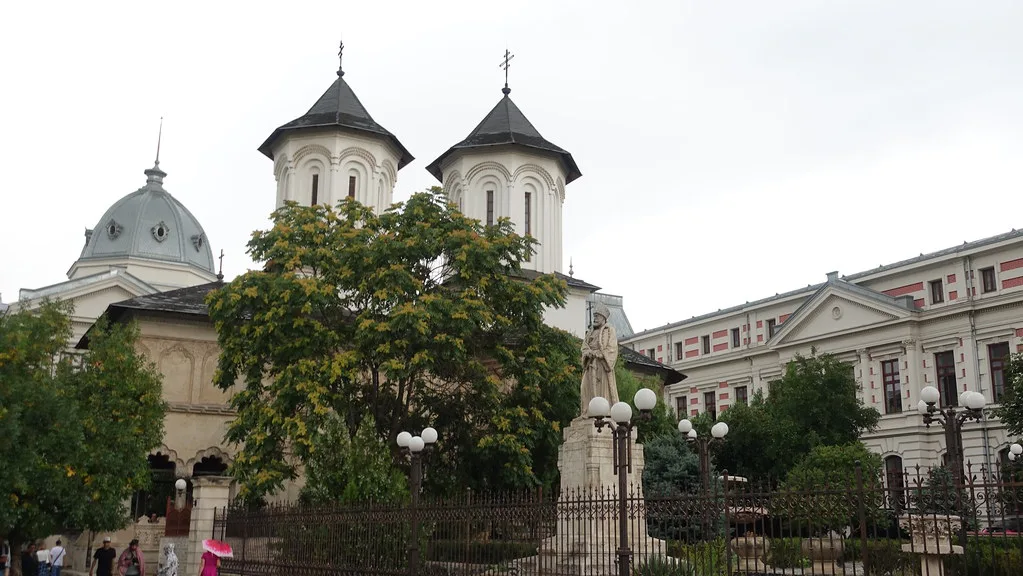
The Old Town is the historic core just south of Revolution Square and west of the Dâmbovița, threaded by Lipscani and the surrounding lanes. It is compact enough to cross on foot in twenty minutes, which makes it the natural base for your first evening rather than a place you need to travel to.
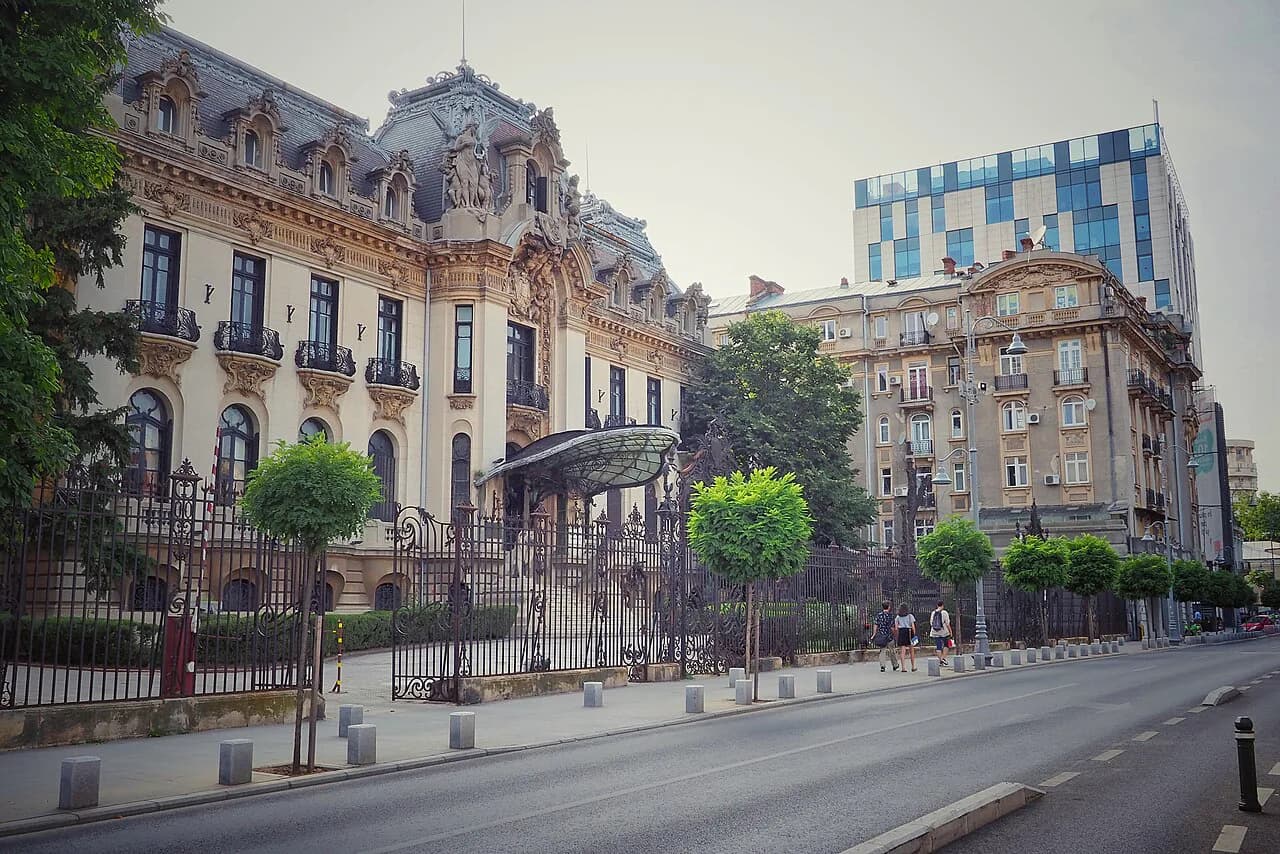
From the Old Town, Victory Avenue runs north-west towards Revolution Square, passing the Ateneul Român concert hall and the royal palace quarter. This is the spine of day one: it links the medieval street pattern to the neoclassical and Art Nouveau city in a single walk.
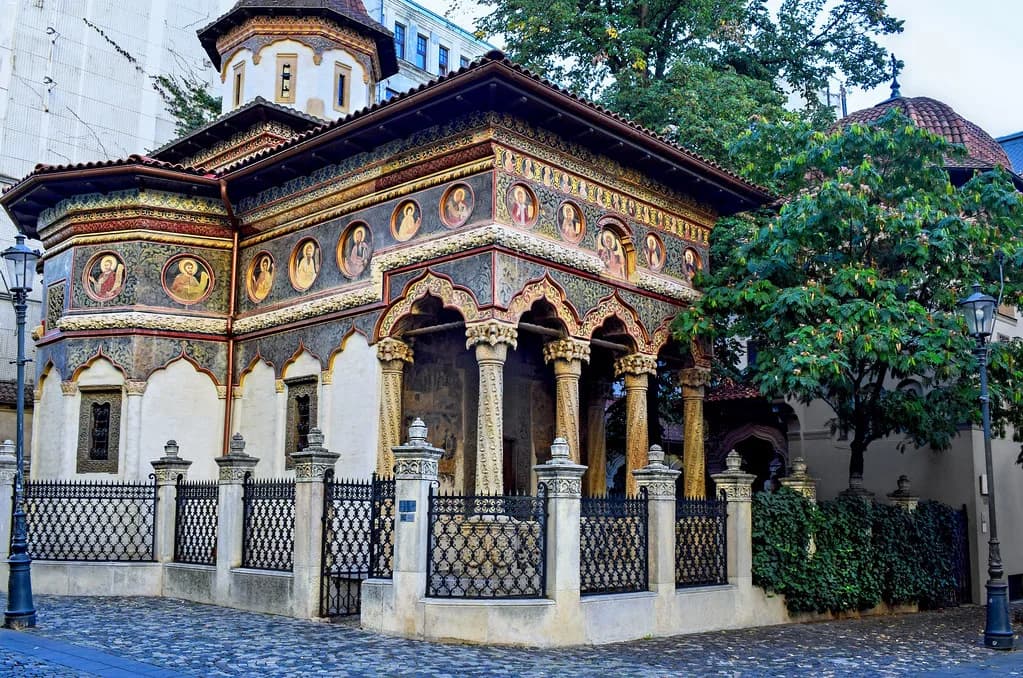
Bucharest's architecture is described as a mix of medieval, neoclassical, Art Deco and Art Nouveau buildings that survived the Ceaușescu era, and the Old Town has seen sustained restoration. Expect that mix on the walk: a church, a bank facade and a concrete block within a few minutes of each other.
The Palace of the Parliament: why booking shapes your day
The Palace of the Parliament is the largest administrative building in the world, and it is the anchor of day two rather than something you stumble into. Because entry runs on a set pattern rather than free wandering, book the slot before you leave and build the rest of the day around it, not the other way round.
Leave a clear half-day for it including the security queue and the walk to and from the entrance, then use the afternoon for something lighter. The current booking process and what the visit includes are worth checking directly with the palace before you fix your dates, since this is the one element of the trip that cannot be rearranged on the day.
Do not try to combine the palace with a morning train to Peleș on the same day. Parliament plus one central sight is a realistic day; Parliament plus a castle two hours north by train is not.
The Village Museum and Primaverii Palace
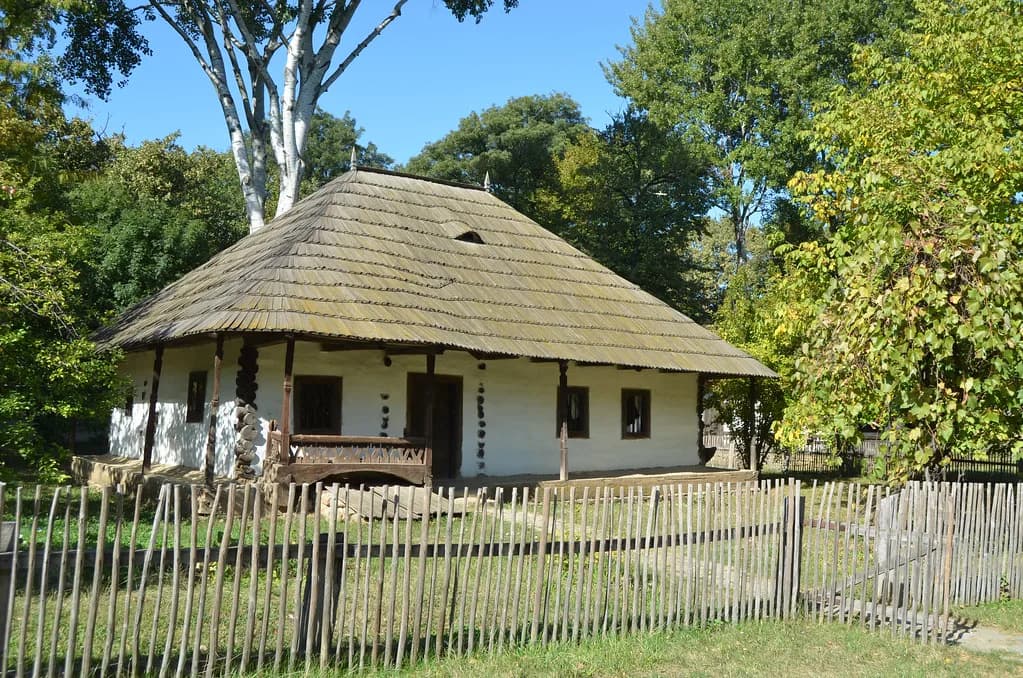
The Village Museum is the open-air counterweight to the stone city, and it pairs naturally with the northern end of your route. It is a place to walk slowly rather than tick off, so give it the bulk of an afternoon instead of squeezing it between two indoor sights.
Primaverii Palace, the former residence of Nicolae Ceaușescu, sits in the same northern half of the city and gives the trip its Ceaușescu-era context. Treat the two as a pair on day two or as your third-day plan, and check how entry to Primaverii is arranged before you go, as this is a timed-visit property.
If museums rather than open-air sites are your priority, the city's indoor collections cover art, history and the communist period in depth. The museum shortlist sets out which ones reward an hour and which need half a day.
Getting around: Metro, Activ card and walking
Bucharest has four Metro lines, and a rechargeable Activ card bought from a RATB kiosk covers the city's buses, trolleys and trams. For a two-day trip that means one card, topped up once, carries you between the Old Town, the Village Museum and the palace without buying a ticket for each leg.
Walking is the better choice inside the centre, where the Old Town and Victory Avenue fold into each other. Driving is described as stressful, so leave the car out of the plan and use rideshare apps such as Uber only for the longer hops or a late return.
The practical rule is to Metro between clusters and walk within them. If you want the orientation done for you on arrival, a guided walk on the first morning covers the Old Town and Revolution Square before you branch out on your own.
The sights are far enough apart that a map earns its place on your phone. The landmarks and station references, including where the metro stops sit relative to the Old Town, are gathered on the city map page.
What a day costs in lei
Budget restaurant meals in Bucharest come in at around 58 lei, and a domestic beer or coffee costs as little as 15 lei, with short taxi rides at roughly the same level. Those figures give you a working daily food and local-transport budget in the local currency, the leu (RON).
Package pricing is a separate question and moves with dates and departure airport. As an illustration of how the figures are quoted, a seven-night room-only package from London Stansted to Bucharest was listed at £240 per person for the 15 to 22 November dates shown on that page, with other hotels and later dates priced higher.
Add the palace and Village Museum tickets to the total once you have the current prices, since entry fees are the part of a Bucharest budget that changes most. Your card provider's exchange rate, not a fixed figure, decides what the lei spend costs you in pounds.
What weather to expect when you book
These are typical climate averages for Bucharest, not a forecast. October runs about 8°C to 19°C with low rainfall, November about 4°C to 12°C with moderate rain, and December about 0°C to 6°C.
Into the new year, January sits around -1°C to 7°C and February around -1°C to 8°C with very little rain, before March lifts to about 2°C to 13°C. For a walking-heavy two-day plan, October and March are the most comfortable of these months, while December to February suits museum and palace time more than long afternoons at the Village Museum.
Day trips that fit a short break
The one out-of-town trip that fits two days is Peleș Castle, about two hours north of Bucharest by train. It works as a full day on its own, so treat it as an alternative to day two rather than an addition to it.
If you would rather not organise the train, operators run organised days out of the city. TravelMaker lists a Peleș Royal Castle tour and a combined Peleș and Bran trip among its departures from Bucharest, alongside longer Transylvania breaks of two to four days for travellers extending the trip.
Book any of these only once your two city days are fixed, because a day tour consumes the whole day. The tour shortlist covers what each option includes and how long it runs.
What a Bucharest short break suits and what it does not
This trip suits travellers who want a compact historic core, a monumental set piece and a green afternoon without paying western European capital prices. It does not suit anyone hoping to see everything on foot: the Old Town, Revolution Square, the palace and the Village Museum are scattered, and the Metro does real work in the plan.
Two honest trade-offs. First, the central streets carry building works and restoration, so expect scaffolding along parts of the route. Second, the sources for this city lean heavily on restaurants, bars and clubs, and this plan deliberately leaves those out; if dining is your main reason for coming, plan it separately.
Is two days the right length for Bucharest?
Two days is the right length for a first Bucharest city break: one walking day for the Old Town and Victory Avenue, one structured day for the Palace of the Parliament, Revolution Square and the Village Museum. Add a third only if you want Primaverii Palace or Peleș Castle, not both.
Fix the palace slot first, buy an Activ card on arrival, and keep the lei figures above as your daily budget. Everything else in the plan can move by an hour without spoiling the trip.
Explore more Bucharest guides
Sources
Useful notes for your next trip
Optional updates to our guides.
You might also like
Continue reading
More guides you'll find useful