Cantacuzino Castle, Bușteni: Visiting the Castle and Gardens
Cantacuzino Castle in Bușteni: the 1911 house, its grounds and Bucegi views, how a visit fits a Prahova valley day, and the trade-off against Peleș.
On this page
Treat Cantacuzino Castle as a compact stop rather than a headline castle: a 1911 house at Bușteni with gardens and a Bucegi mountain panorama, open for visits all year round, which takes roughly an hour of your day. It works best folded into a Prahova valley run alongside Peleș Castle at Sinaia, which sits among the wider Castles in Transylvania, not as the reason for the trip on its own. This guide covers what you actually see, how the visit works, the honest trade-offs against Peleș and Bran Castle, and the road and rail approach through Bușteni.
What Cantacuzino Castle is and where it sits above Bușteni
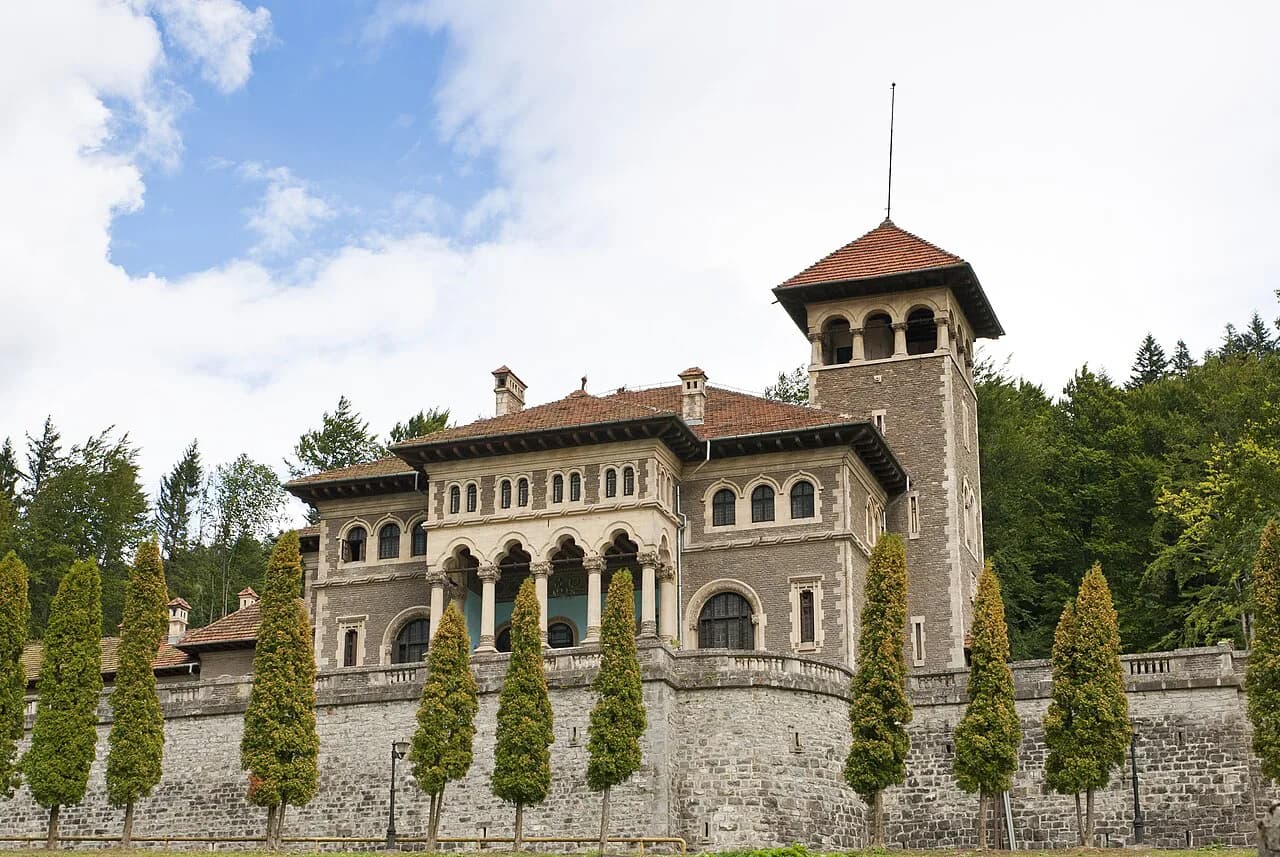
Cantacuzino Castle, or Castelul Cantacuzino, stands at Bușteni on the Prahova valley, below the Bucegi Mountains. The castle's own account describes it as a castle in Romania built in 1911, with a spectacular mountain panorama, open for visits all year round. Bușteni is a Prahova valley town on the DN1 road and the Ploiești–Brașov rail line, which is why the castle slots so easily into a day that already includes Peleș at Sinaia.
The setting is the point: the house sits against the Bucegi ridge, so the approach and the grounds give you the mountain view before you reach any interior. Arrive by car on the DN1 and you are on the valley road that links Sinaia, Bușteni and Brașov; arrive by train and Bușteni station puts you in the town itself. Either way, the castle is a short add-on rather than a destination in its own right, which is exactly how to budget it.
The building: the 1911 house and its setting
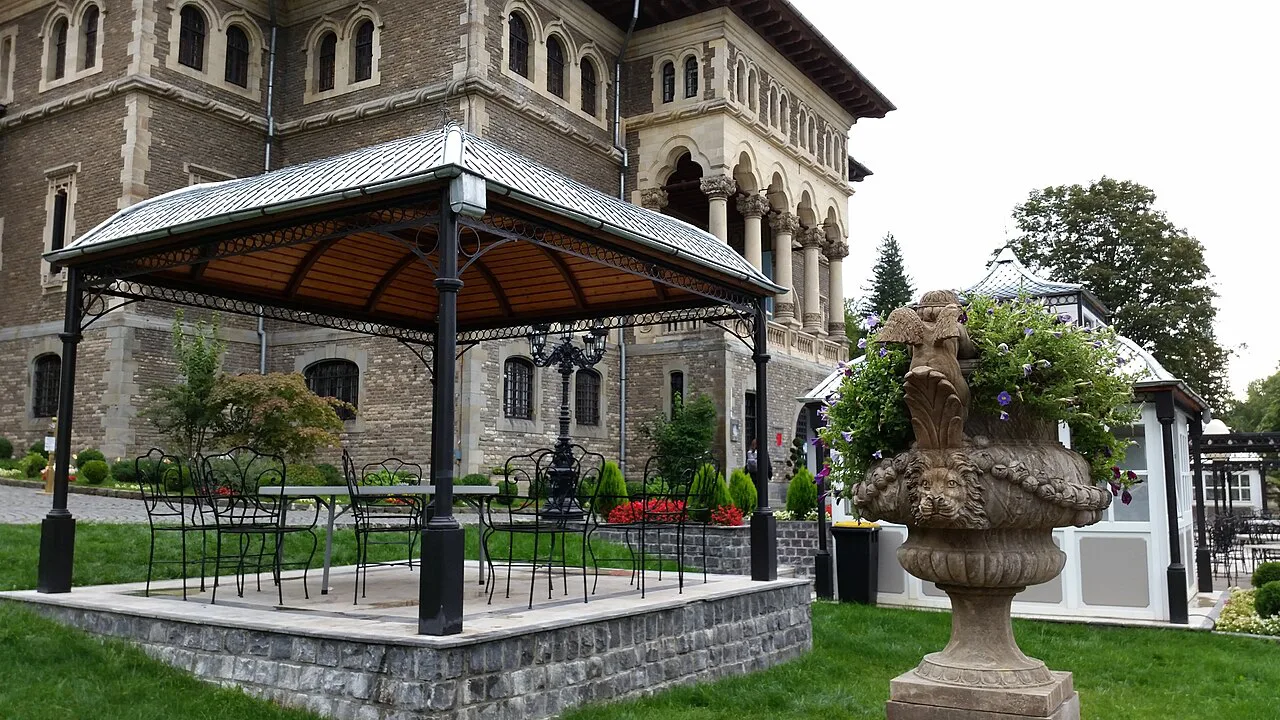
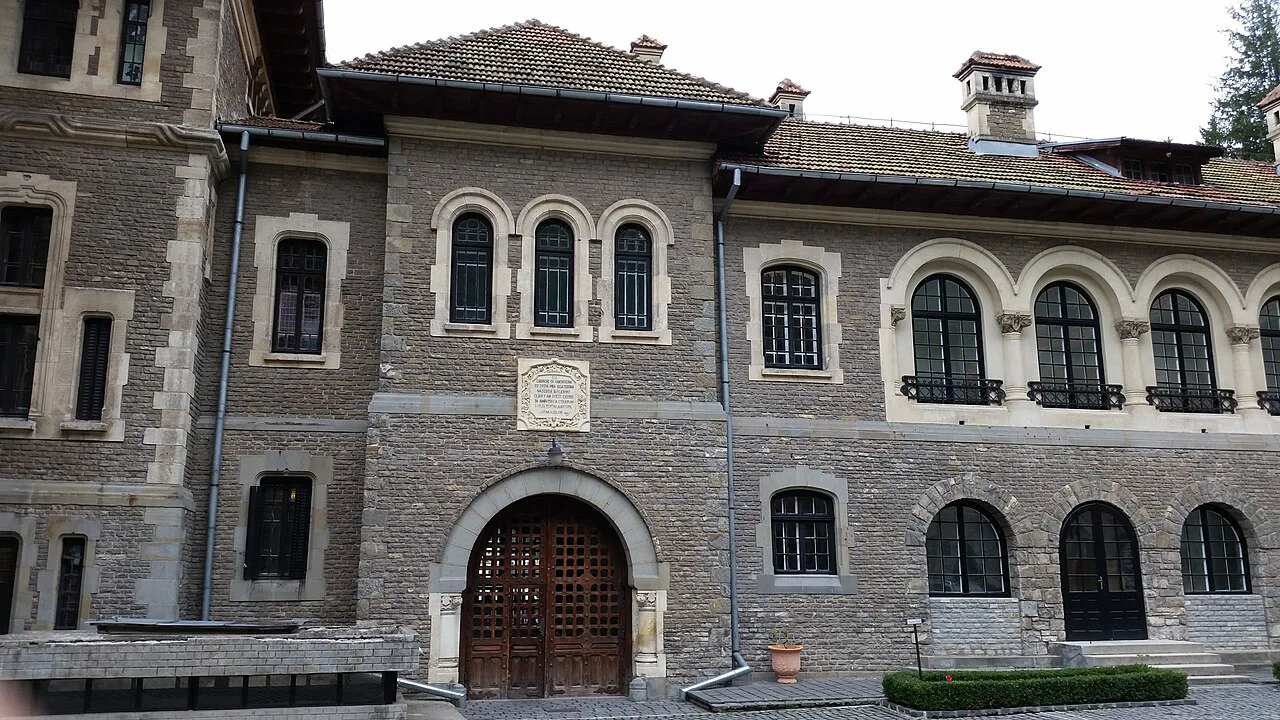
The house dates from 1911, and the architecture is the draw: an elegant villa-style building rather than a fortress, dressed in formal stonework and set in gardens. Descriptions of the castle emphasise its elegant architecture, the gardens and the views over the Bucegi Mountains, which tells you what to prioritise on a short stop. Do not come expecting ramparts, towers and a walled medieval circuit: this is a house and grounds, and the pleasure is in the detail of the facade and the framing of the ridge behind it.
Because the building is private in character, parts of it are used for weddings and private events, so a room or terrace can be closed off when you visit. The castle's own channels describe it as perfect for weddings and private events, which is worth knowing before you build a day around an interior. Check what is open on your date before you commit, and keep the grounds as your fallback rather than treating an interior tour as guaranteed.
The gardens and the Bucegi panorama from the grounds
The gardens are where most photographs come from: formal grounds with the Bucegi wall rising behind, and a sun terrace and garden that give you somewhere to sit once you have walked the paths. The castle's own framing of the experience is architecture, gardens and mountain views together, so give the grounds as much time as the house. A clear day transforms the stop; low cloud on the ridge flattens it to a garden visit only, which is the main risk with a fixed itinerary.
The site also operates as a private-events venue, which is useful to know if you want a quiet walk without a setup in progress. That dual role is the trade-off: a working venue can mean event setups, roped-off areas or a busier terrace on some days. Treat the gardens as the reliable part of the visit and the interior as the bonus.
Tickets and opening: what to confirm before setting out
The castle publishes that it is open for visits all year round, and that is the reliable fact for planning: the season is not the constraint on the Prahova valley. What a ticket costs in lei, the daily opening hours and whether interiors are running on your date are not things to guess at, so confirm them with the castle before you set out, especially if you are coming from Brașov for this alone. Booking ahead makes sense for a weekend or around public holidays, when private events are likelier to affect access.
How long a visit takes and whether it earns a slot in a Brașov or Prahova valley plan
Budget around an hour for the house and gardens, and up to two if you add a meal on the terrace. That makes it a half-stop, not a half-day: it slots neatly between Sinaia and Brașov on the DN1, or between a morning at Peleș Castle and an afternoon on the road. If you have only one day on the Prahova valley, Peleș, the best known of the Castles in Transylvania, is the stronger castle and Cantacuzino is the view-led extra.
The case for including it rests on what you want from the day: gardens, a mountain backdrop and a short walk, rather than state rooms and a long queue. The case against is time, since every hour here is an hour not spent at Peleș or on the road to Bran Castle. Travellers with a tight Brașov-to-Bucharest run should pick one valley castle and keep the drive relaxed.
Getting there: Bușteni on the Prahova valley line and by road on DN1
Bușteni sits on the DN1, the Prahova valley road that runs from Ploiești through Sinaia and Bușteni towards Brașov, so a car is the simplest approach and lets you stop at several castles in a day. Driving gives you the flexibility to combine Sinaia and Bușteni in one pass, but the DN1 carries heavy traffic in season, so allow slack rather than cutting the schedule fine.
By rail, Bușteni has its own station on the Ploiești–Brașov line, which puts the castle within reach without a car; from the station you continue into town to the castle entrance and its grounds. Check times for the valley service when you plan the day, because the castle's year-round opening does not mean trains run to your schedule. If you are coming from Bucharest, the train up the valley is the low-stress option and pairs naturally with a Sinaia stop.
Combining it with Peleș Castle and other Prahova valley stops
The natural pairing is Cantacuzino with Peleș Castle at Sinaia, a short drive or train ride down the same valley; Peleș carries the interiors and the scale, while Bușteni gives you the gardens and the Bucegi view. Add Râșnov Fortress or Bran Castle only if you have a full day and a car, because they sit further along the road towards Brașov and each takes its own time. Choose two stops, do them properly and leave the rest for another trip.
If the fortress circuit is your aim, work out Bran Castle tickets and opening before you commit the day, since it is the stop most likely to dictate timing. Pairing it with Bușteni in one loop is possible by car, but it turns a gentle valley day into a long one. Decide which stop matters most and let the other fill the gaps.
Who it suits, and the trade-offs against Bran and Peleș
Cantacuzino Castle suits travellers who value gardens, architecture and a mountain panorama over scale, and who are already moving along the Prahova valley. It is a poor fit if you want a fortress, a dungeon or a full castle tour, and it is the wrong choice if you have driven a long way specifically for it. Families with small children and anyone with limited mobility will find the grounds more rewarding than the interior on a short stop.
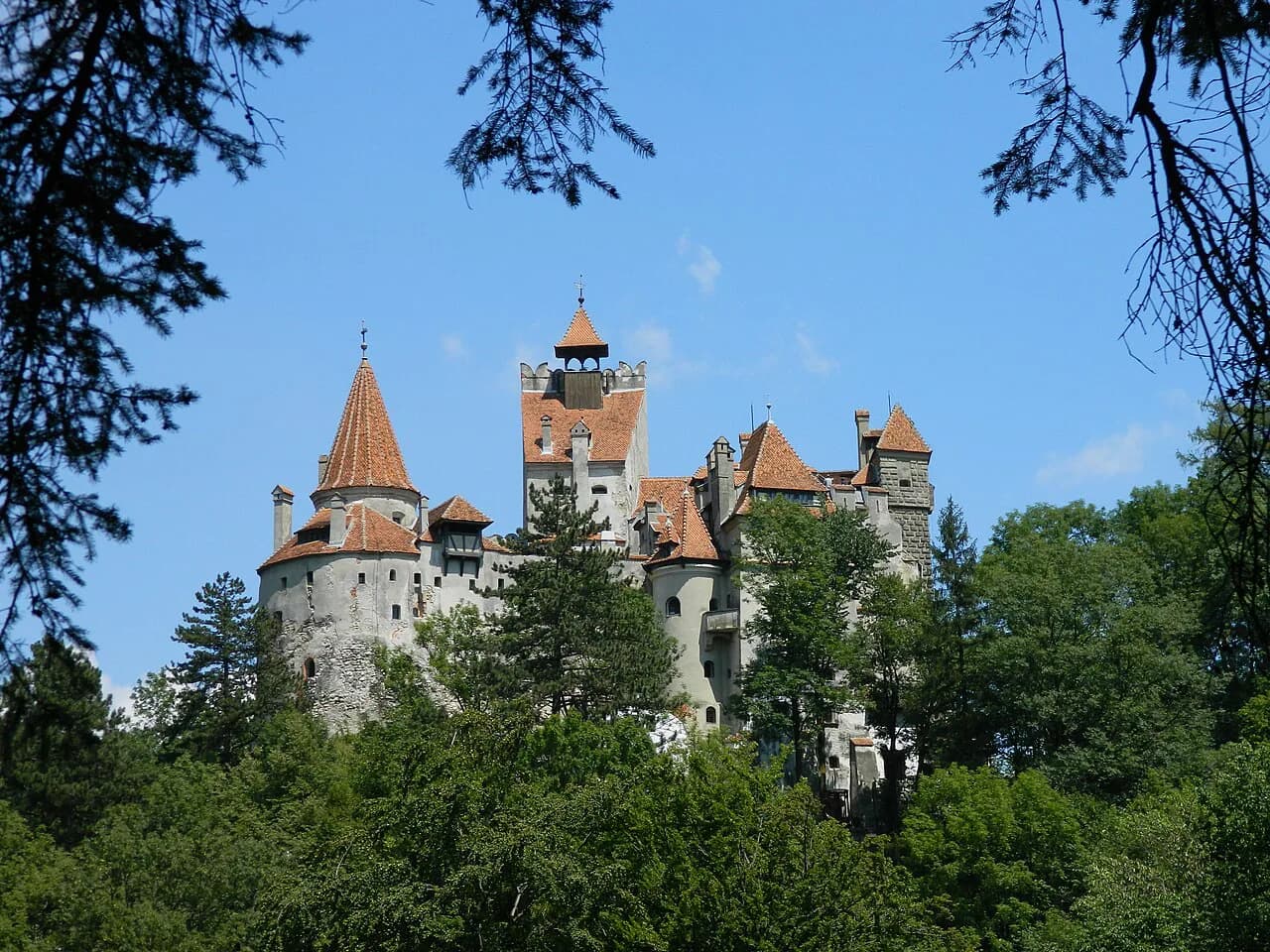
Against Peleș, Cantacuzino is smaller and less furnished; against Bran Castle, it carries no Dracula association and no medieval walls, so anyone chasing the Vlad the Impaler and Bram Stoker story should head to Bran instead, one of the castles covered in our Castles in Transylvania guide. That is the honest trade-off: a pretty, view-led stop that earns its hour on the way past, not a castle you cross the country for.
Which castle gets your valley day
Give Cantacuzino Castle an hour if your route already runs the DN1 or the Prahova valley line past Bușteni, and skip it if you are choosing a single castle for the day. Confirm ticket prices and opening hours with the castle before you travel, and keep your plans flexible around private events that can close parts of the house. Build the day around Peleș or Bran if you want scale and interiors, with Bușteni as the garden and mountain-view interlude.
Explore more Romania guides
Frequently Asked Questions
Is Cantacuzino Castle worth visiting?
Yes, if you are already on the Prahova valley and want gardens and a Bucegi mountain view rather than a long castle tour. It is a short stop of about an hour at Bușteni, best combined with Peleș Castle at Sinaia. It does not replace Peleș or Bran Castle if you want interiors, scale or the Dracula story.
Which is the oldest castle in Romania?
That is not something to judge from a single visit, and age claims need checking against each site's own published information. Cantacuzino Castle dates from 1911, so it is a modern house rather than a medieval fortress. If age is your criterion, look at the fortresses and citadels in Transylvania and compare their own published dates.
Does Romania have a lot of castles?
Romania has a wide spread of castles, fortresses and fortified churches, from Peleș Castle at Sinaia and Bran Castle near Brașov to Corvin Castle at Hunedoara and the Saxon fortified churches of Transylvania. Most travellers pick two or three along one route rather than trying to cover them all. Cantacuzino Castle is one small stop in that wider set.
Sources
Useful notes for your next trip
Optional updates to our guides.
You might also like
Continue reading
More guides you'll find useful