Dracula's Castle in Romania: Bran, Poienari and the Real Vlad III
Bran Castle is sold as Dracula's castle, but Bram Stoker never put his vampire there. Here is what Bran holds, where Vlad III built and was held, and how to visit.
On this page
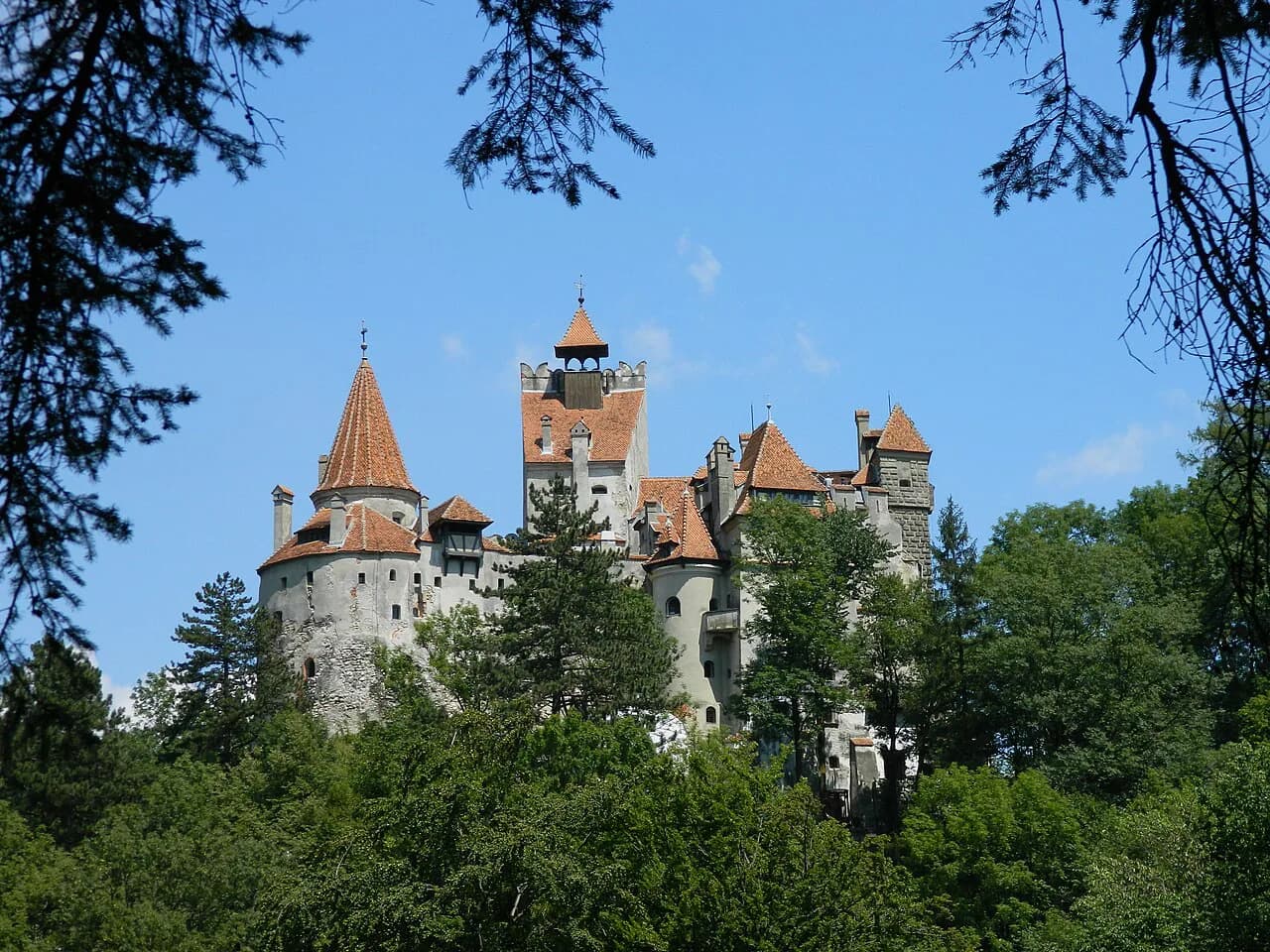
Bran Castle is the castle in Romania sold as Dracula's castle, and it sits above Bran village in Brașov County, at the mouth of the Rucăr–Bran passage. Give it half a day, arrive with a ticket option chosen in advance, and treat the vampire as marketing rather than history. This guide separates the novel from the prince, then covers tickets, the route from Brașov and the Vlad III sites that lie elsewhere.
Bram Stoker's Dracula was published in 1897, and the novel's Count belongs to fiction. The historical prince is Vlad III, known as Vlad the Impaler, and the sites associated with him are Poienari Fortress in the Făgăraș Mountains, Sighișoara and Corvin Castle. Bran's own visitor material leans on the Dracula legend, which is why the two get blurred.
Why Bran Castle is called Dracula's castle
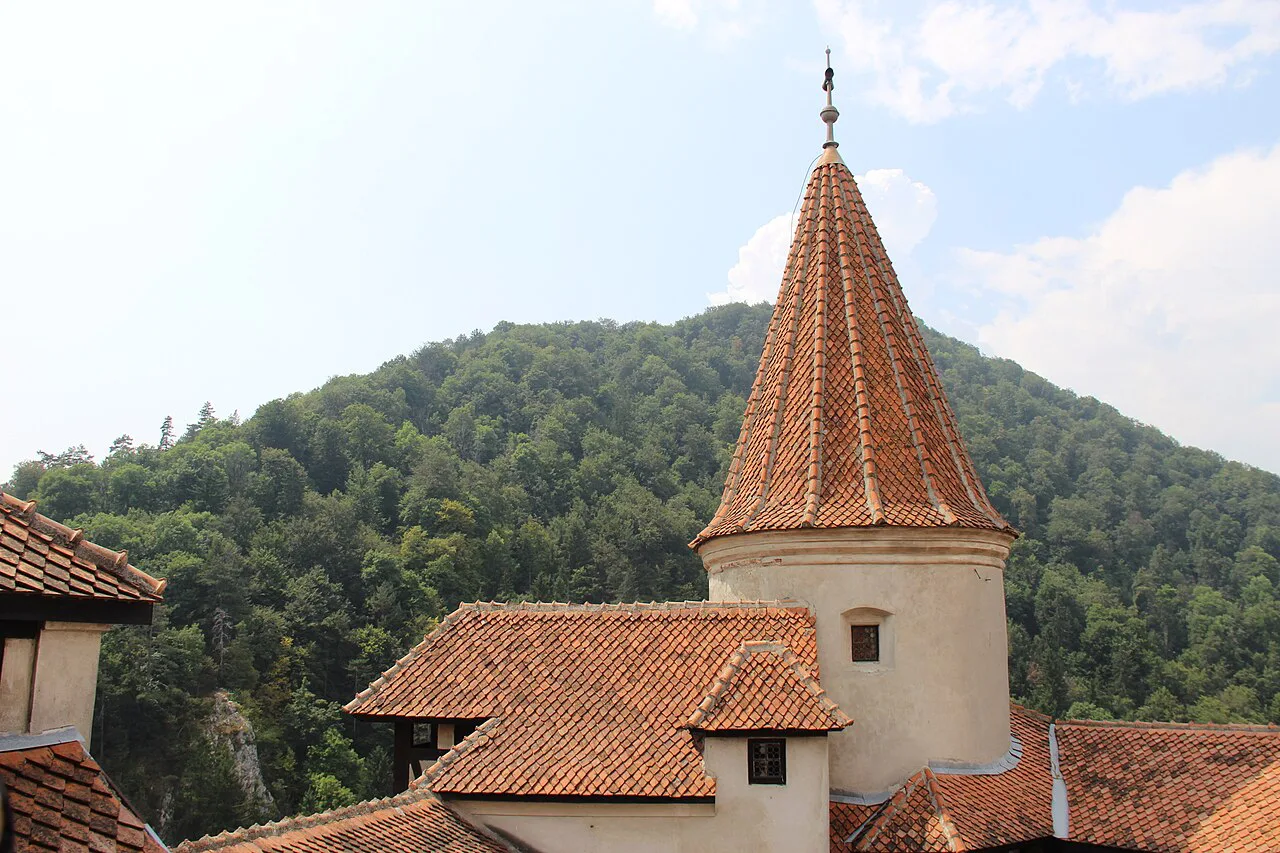
Bran's visitor site describes the castle as a medieval fortress on a rocky hill above a narrow mountain pass, and frames a visit around the Dracula legend as much as the building. That site is an independent ticket-marketing platform, not the castle administration, so treat its sales framing accordingly. In practice you tour a compact fortress with preserved interiors and museum displays rather than a Gothic horror set. The gap between the two is the main reason some visitors leave disappointed.
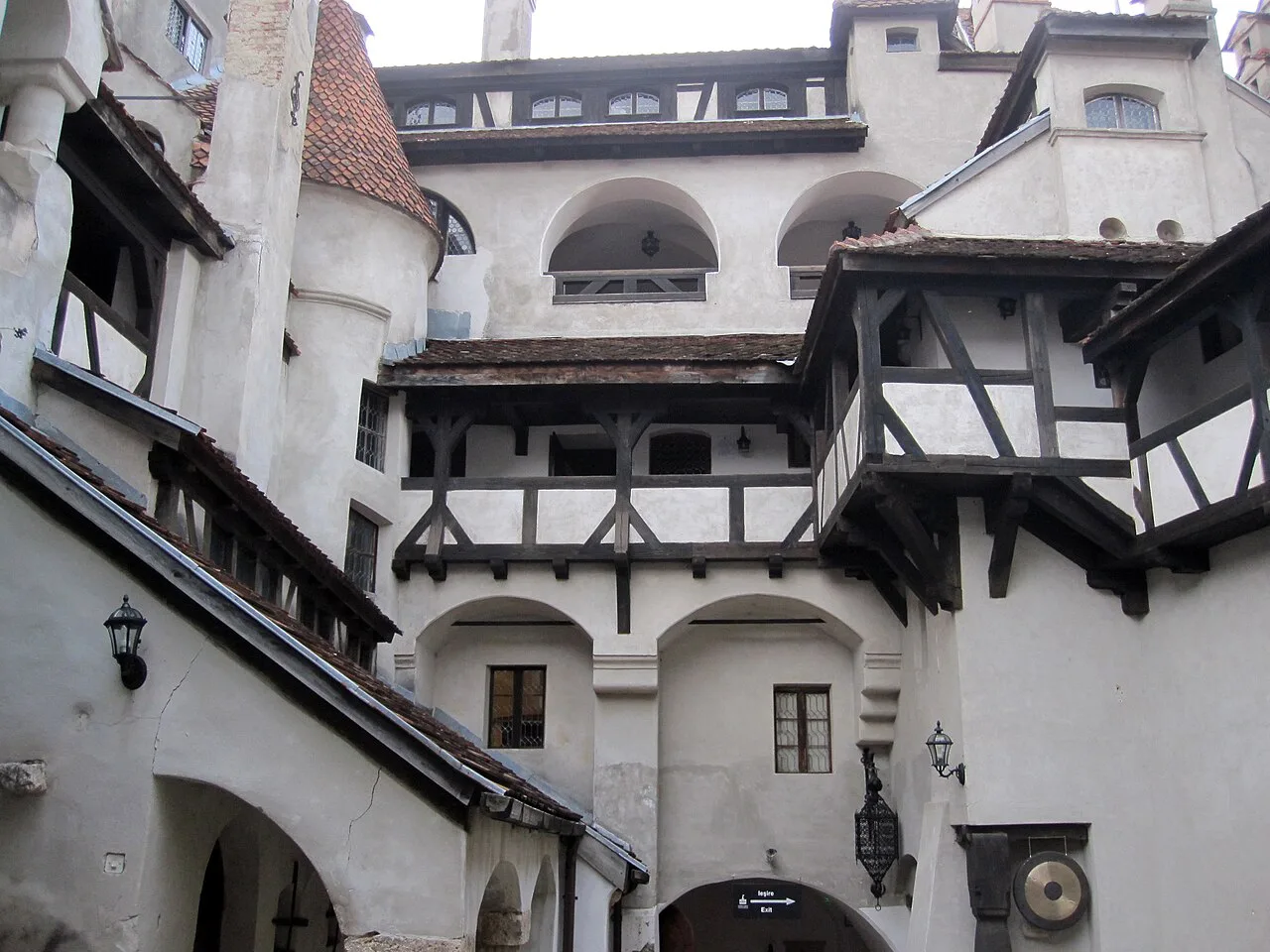
Travel accounts make the same point from the other direction: Bran is not where the vampire of the novel lived, and the association grew around a real medieval castle that became famous through the story. The castle courtyard greets you with souvenir stalls selling Dracula faces, fur vests and toy bows, which sets the tone before you reach the rooms.
Vlad III and Bran: what the connection actually is
The prince behind the Dracula name is Vlad III, a fifteenth-century Wallachian ruler whose reputation for impaling enemies gave him the name Vlad the Impaler. Accounts of his link to Bran vary: some place him in the area, and one telling has him held there for about two months rather than living in the castle. The safe reading is that Bran is a fortress with a Vlad association, not his residence.
The Wallachian prince and the vampire are best kept apart. Stoker wrote his novel in 1897, long after Vlad III's campaigns, and the novel's Count is a literary invention rather than a portrait of the prince. Read the background to the historical figure separately if you want the campaigns and the Order of the Dragon context.
Inside Bran Castle: what you actually see
The visit runs through a courtyard and into rooms that hold original woodwork, furniture and domestic objects from the castle's later occupants, including restored chambers from its time as a nineteenth-century royal residence. Look for the short doors, the secret stairway between floors and the weapons and armour displays, which make a self-guided walk easy to follow. A balcony over the courtyard is the natural pause before you climb.
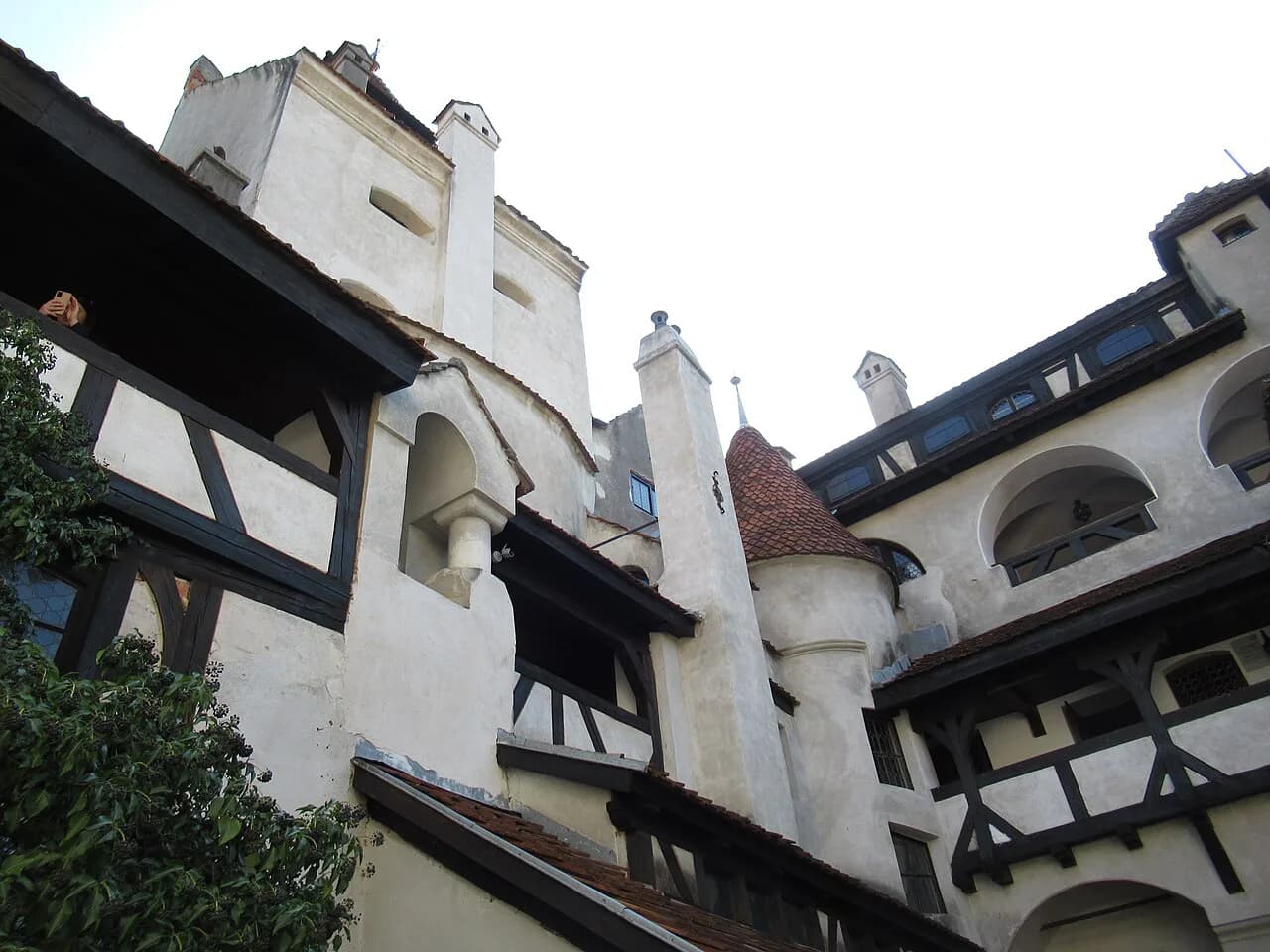
Narrow staircases lead up to the towers and battlements, where the views open over the Bran gorge and the surrounding hills. The climb is the part that shapes the visit: stairs are tight, and the castle is a hilltop building rather than a flat museum corridor. Allow more time than the room count suggests if anyone in your group dislikes confined steps.
Bran Castle tickets: what to budget
Bran sells entry on its own and in packages that add guided group access, transport from Brașov or combined passes with local museums, and the product details show which options cut waiting. Published figures in older trip reports are a rough guide at best, so check the current lei price on the ticket page before you commit. Bring the amount in RON rather than assuming card payment everywhere in the village.
A dated blog reported an adult entrance fee of RON40, which shows the order of magnitude but not what you will pay now. Treat every quoted figure you find online as a snapshot from the year it was written and confirm the current tariff at the source.
Opening hours and closing days at Bran
Opening times shift with the season: spring to autumn brings the longest days, winter hours are shorter, and older reports describe Monday opening at midday, later than the rest of the week. Last admission falls well before closing, so a late-afternoon arrival can fail. Work from the castle's own timetable for your date rather than a blog.
National holidays, restoration work and private events can all affect opening, and the castle's visitor information points you to the official pages for closures and special access dates. Plan the visit around a day you can move, and keep a fallback in Brașov if the castle closes.
Getting to Bran from Brașov
Brașov is the practical base. Buses and minibuses run between the city and Bran, and older reports describe a roughly 45-minute bus ride from Autogara Bartolomeu with a return fare of about RON14, a figure from the year it was written rather than today's. Timetables vary by season, so ask at the bus station or a tourist office on the day.
By car the drive from Brașov is short and gives you freedom to stop at nearby villages and viewpoints, but parking near the castle fills quickly in summer. Trains do not run to Bran itself: the rail hub is Brașov, and the final leg is by road, whether bus, taxi or an organised shuttle.
Getting to Bran from Bucharest
From Bucharest, Bran is a scenic drive of roughly three hours, which makes it a long day if you do nothing else. Most travellers pair it with Brașov and stay in the city rather than turning around at the castle gate. If you are driving, the Rucăr–Bran passage and the Bucegi and Piatra Craiului mountains frame the last stretch. For the ranges and base towns on either side of that drive, see this guide to the Carpathian Mountains in Romania.
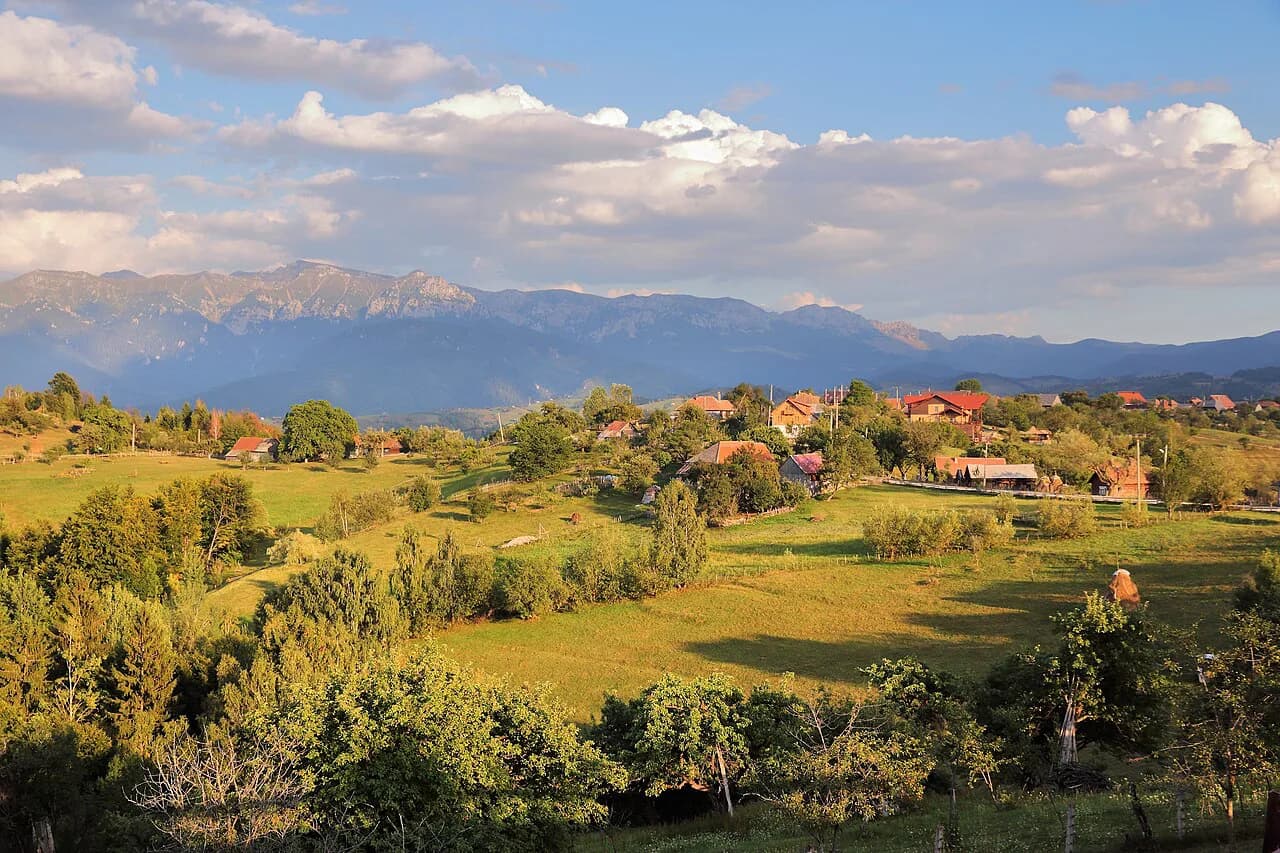
The mountains around Bran are part of the draw, and the Piatra Craiului ridge and Bucegi plateau shape the views from the towers. If the castle is your only stop, a car is the efficient choice; without one, the bus from Brașov keeps the day manageable.
How long to allow, and the viewpoint above the village
Budget two to three hours inside the castle and village, and add time for the uphill path through the trees to the viewpoint on the hill above Bran. From there the castle's full silhouette shows against the hills, which the rooms themselves cannot give you. The walk is short but climbs, so wear shoes that cope with a rough path.
The village around the castle has craft stalls and food stands, which makes a natural break before or after the tour. None of that requires a full day: most visitors see Bran as a half-day outing from Brașov.
Crowds at Bran
Bran draws heavy traffic, and a dated report put annual visitor numbers at up to 800,000, a figure from the year it was written. Whatever the current count, the pattern holds: the castle is a headline stop on the Romanian circuit and the courtyard and staircases feel it. Choose a weekday outside peak season if you want room to move.
The staircases and narrow rooms are where crowds bite, since groups bunch at the tower climbs and the balcony. Going against the flow, starting at the upper levels and working down, buys a little quiet. None of this makes the castle skippable, only worth timing.
Poienari Fortress: the Vlad III site in the mountains
Poienari Castle is the citadel in the Făgăraș Mountains that sources link to the real Vlad the Impaler, reached by a long flight of steps that one account puts at 1,480. That figure is the reason to think twice: this is a climb, not a museum walk, and the effort is the point. Treat it as a separate outing from Bran rather than a stop on the same afternoon.
The ruins sit above the Argeș gorge, and access is not a simple turn-up-and-walk-in affair; organised visits and local guidance are the usual route. If your interest is the historical prince rather than the vampire, Poienari carries more of the story than Bran's royal apartments do. Check how the site is currently being run before you build a day around it.
Other places tied to Vlad III: Sighișoara and Corvin Castle
Sighișoara is the other name that comes up, as the town associated with Vlad III's origins, and its citadel is a stop in its own right on a Transylvania itinerary. Corvin Castle at Hunedoara is a separate fortress with its own visiting arrangements. Neither substitutes for Bran, and neither should be sold to you as the vampire's home.
Snagov monastery, on its island in Snagov Lake north of Bucharest, fits a Bucharest day more easily than a Brașov one. Pairing Bran with Poienari, Sighișoara or Snagov means choosing by geography, not by legend.
Bran versus Poienari: which to choose
Bran gives you a restored interior, towers, royal rooms and a village with stalls, all reached by road from Brașov. Poienari gives you a ruin above a gorge and a climb of well over a thousand steps, with the effort built in. Time-poor or travelling with children, take Bran; chasing the historical prince, take Poienari.
If you want both in one trip, base yourself in Brașov, do Bran as a half day, and give Poienari a separate day with transport arranged. The two do not sit on the same road, and the step climb rules out squeezing it in after a castle tour.
Combining Bran with Râșnov and Brașov
By car, Râșnov fortress sits on the road between Brașov and Bran, which makes a natural three-stop day: Brașov's old town in the morning, Râșnov at midday, Bran in the afternoon. The Bran drive itself winds through forest and rolling hills, so allow extra time for the narrow road in peak season.
Without a car, the bus from Brașov to Bran is the practical spine, and Râșnov becomes a separate trip. Choose the car if you want two fortresses in one day; choose the bus if you would rather not drive mountain roads.
Which castle should you book?
Book Bran if you want the castle sold as Dracula's castle, with restored rooms, towers and an easy half day from Brașov. Book Poienari if the historical Vlad III is your reason for travelling, and accept the climb as part of it. Neither is the vampire's home, and knowing that before you go is what stops the let-down.
Whichever you pick, confirm the day's opening and current lei pricing at the source before you set out, since castle timetables and holiday closures change. Then build the day around the transport that exists: bus from Autogara Bartolomeu for Bran, a car for Poienari.
Explore more Romania guides
Frequently Asked Questions
Who owns Bran Castle today?
A travel blog reports that Bran Castle remains with the Romanian royal family and has operated as a museum open to the public since 2009. The castle's own visitor information is the place to confirm current arrangements before you travel.
Sources
Useful notes for your next trip
Optional updates to our guides.
You might also like
Continue reading
More guides you'll find useful