Communist Romania: Sites to Visit and What Happened, 1947–1989
What communist Romania was, how the regime rose and fell, and the Bucharest, Timișoara and Brașov sites that tell the story today.
On this page
Communist Romania covers the years 1947 to 1989, when the Romanian Communist Party ruled the country; the dictatorship fell in December 1989 after a revolution that turned violent, unlike the peaceful transitions elsewhere in Eastern Europe. This guide sets the regime's rise and collapse in order, then shows you where to see it in Bucharest, Timișoara and Brașov, with dates as cited sources give them.
The story runs in three phases: a brutal Soviet-style transformation from the late 1940s, economic growth from the 1960s to the mid-1970s, and worsening conditions in the late 1980s before the collapse. Knowing which phase a site belongs to stops the stops blurring into one grey decade, and it is why a 1987 protest in Brașov and a 1989 uprising in Timișoara deserve separate visits.
What communist Romania was
The communist period began in 1947, when Romania abandoned its monarchy and became the Romanian People's Republic under a party that had come to power step by step after the 23 August 1944 coup against Ion Antonescu. From 1948 the regime consolidated along Stalinist lines, and the death of Stalin and Khrushchev's rise in the USSR changed little in Romania itself.
A short thaw arrived only with a change of leadership in 1965, but the party kept its monopoly on power until 1989. Visiting today, that span is the frame for everything else on this page: the buildings, the memorials and the streets all belong somewhere between 1947 and that final December.
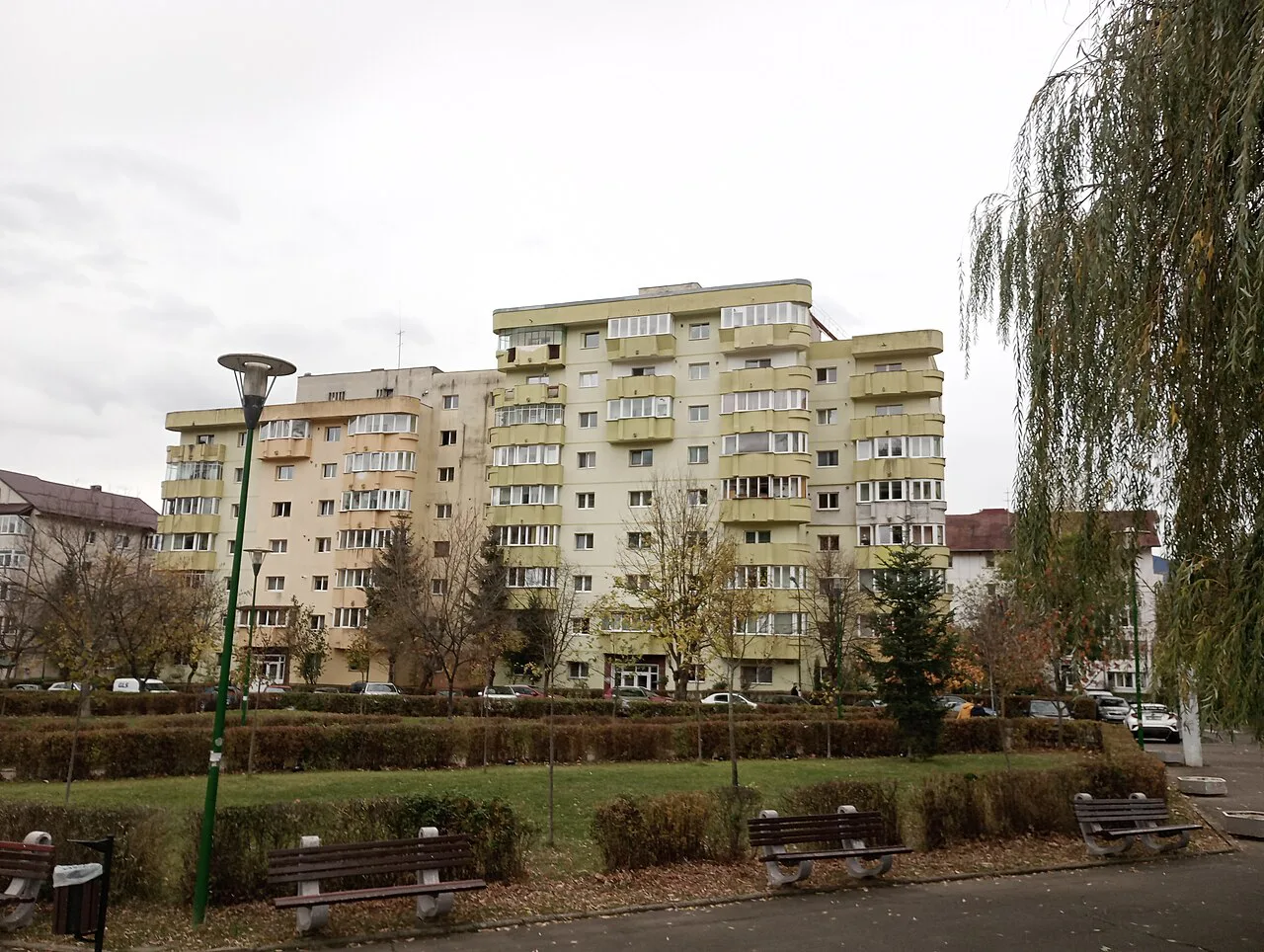
Is Romania still a communist country?
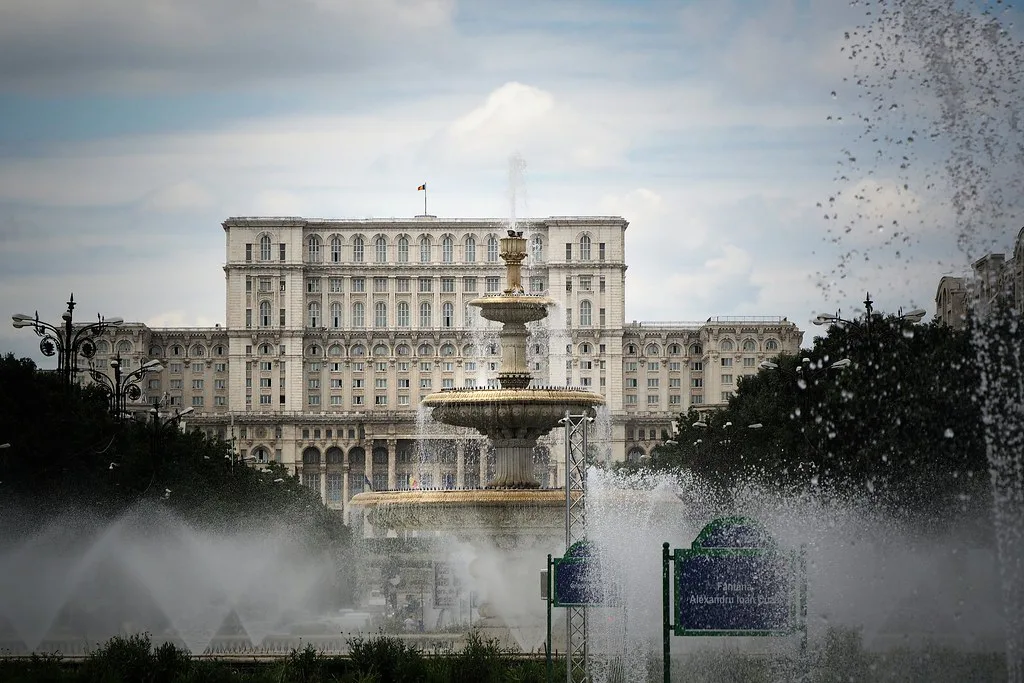
No. Party rule ended in 1989, and Romania is a democracy. Visitors sometimes ask because the Palace of the Parliament and the big boulevards of central Bucharest still carry the imprint of the Ceaușescu years, but those are buildings, not a political system.
When did Romania become communist? Romania became the Romanian People's Republic in 1947, when the monarchy was abolished after the communist party's gradual takeover following the 23 August 1944 coup. Party rule lasted until December 1989.
How did Romania get rid of communism? Through a revolution that turned violent in December 1989. It began in Timișoara on 16 December with the attempt to evict pastor László Tőkés, spread to other towns, and reached Bucharest, where Ceaușescu's helicopter left the Central Committee roof on 22 December.
Is Romania a communist or democratic country today? Romania is a democracy. The communist period ran from 1947 to 1989, and the buildings and memorials from those decades are historical sites rather than signs of the current political system.
For trip planning, treat communist Romania as a historical subject with physical sites, the way you would treat the GDR in Berlin. The sites reward people who know the rough sequence of events; without it, a boulevard is just a wide road and a memorial is just stone.
How the communists took power after 23 August 1944
In 1944, with the Red Army approaching, King Michael I overthrew Antonescu and Romania switched to the Allied side, but the country ended up in the Soviet zone of influence. The Romanian Communist Party, founded in 1921 and small after the repression of the 1930s and early 1940s, gained ground steadily rather than seizing power in one stroke.
The takeover was complete by 1947, when the monarchy was abolished and the People's Republic proclaimed. That date is the hinge for the whole period: anything you see labelled communist-era in Romania sits after it.
Gheorghiu-Dej, Ceaușescu and the break from Moscow
Gheorghe Gheorghiu-Dej led the party until 1965, when Nicolae Ceaușescu succeeded him and held office until 1989. From the early 1960s Romania became increasingly independent of Moscow without leaving the Warsaw Pact or the Council for Mutual Economic Assistance, and Ceaușescu's condemnation of the 1968 invasion of Czechoslovakia underlined that line.
That independence bought the regime real support at home in the 1960s, including among the intelligentsia, while domestic policy pushed Romanian names back onto streets and buildings. For a visitor, the period sets the later sites in context, and our guide to Ceaușescu sets the later places in order.
What life under Ceaușescu looked like
Support drained away as living standards fell while the leadership lived in visible splendour. In 1977 thirty-five thousand miners went on strike at Lupeni in the Jiu valley and the strike was crushed, with severe repressions against the strikers.
Ten years later, in November 1987, a strike and street demonstration in Brașov, driven mainly by economic conditions, was brutally dispersed by police. These two events are the best pre-1989 markers for understanding how the final year unfolded, and they are also why Brașov appears on this itinerary as more than a Saxon old town with a Black Church.
Timișoara, December 1989: Tőkés, the human chain and the first killings
The revolution started on 16 December 1989 in Timișoara, when security forces moved to evict the Protestant pastor László Tőkés from his home under a court ruling. A human chain of several dozen people formed around the house, growing to around 200 by the Friday night and swelling through Saturday as Romanians joined the ethnic Hungarians already there.
On the Sunday the crowd reached around 10,000, marched on the local government offices and occupied them, tearing down pictures of Ceaușescu and cutting the socialist emblem from the national flag. Water cannon and fire engines followed, then troops with bayonets and live fire; the regime's response in Timișoara killed about 120 people.
By the Monday the protests had spread across the region, with smaller demonstrations reported in Arad, Cluj, Oradea and Brașov while the security forces mobilised across Transylvania and the borders were sealed. In Timișoara today, the sites to look for are those tied to that December sequence rather than to the medieval squares most city breaks linger in.
Bucharest, 21–22 December 1989: the fall
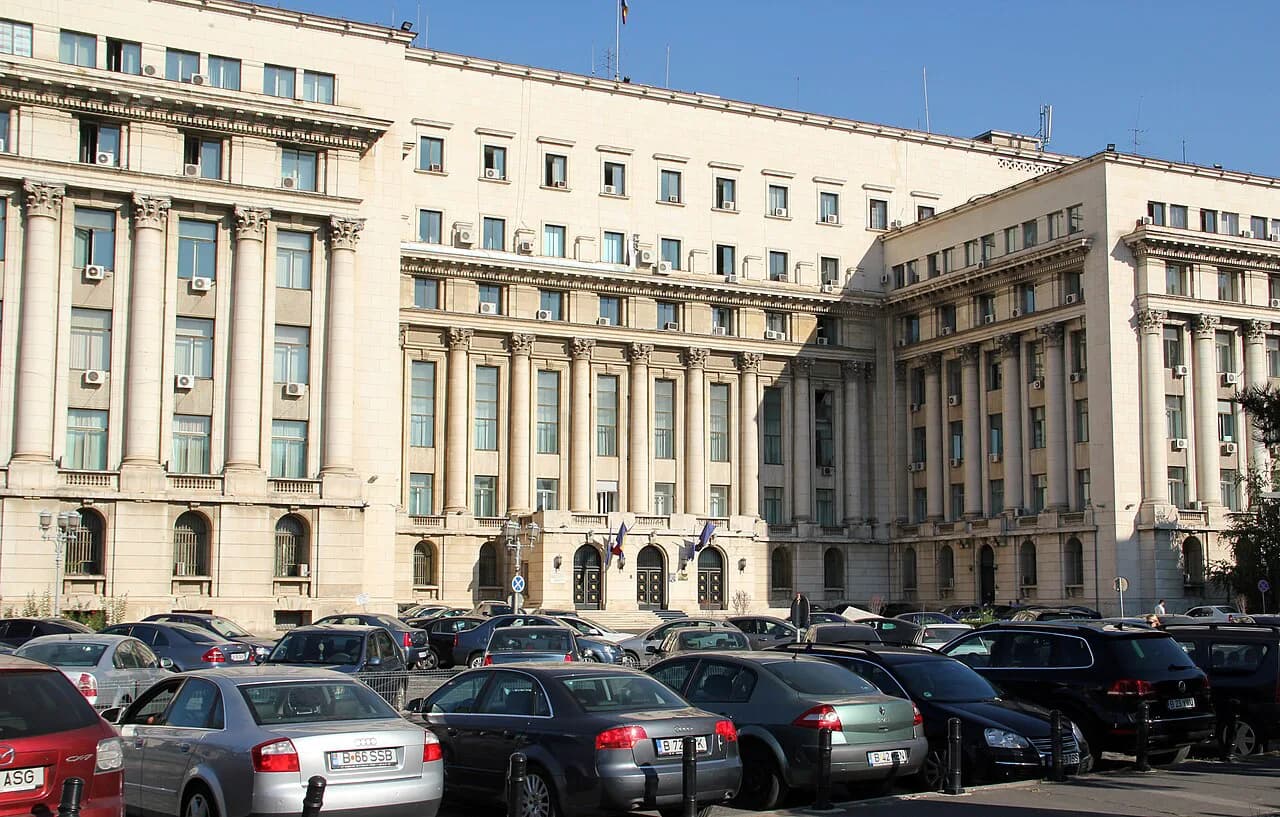
The protests reached Bucharest, where thousands gathered at Republic Square in front of the Communist Party Central Committee headquarters on 21 December 1989, and clashes followed. The symbolic end came on 22 December, when Ceaușescu's helicopter took off from the roof of the Central Committee building.
That sequence gives you a walking route through central Bucharest with a clear beginning and end, rather than a vague amble past grand facades. Framed as the coverage filed in December 1989, it also explains why so much of the city's political history sits in one compact central area you can cross on foot.
Where to see communist Romania in Bucharest
The most prominent communist-era sight in the capital is the Palace of the Parliament, and it is the one to plan around rather than drop into between other stops. Treat it as a scheduled slot in your day and confirm the visit arrangements with the institution before you travel.
Revolution Square carries the memory of December 1989 in the middle of the city, while the Central Committee frontage is where thousands gathered on 21 December. The Victims of Communism Memorial is listed among the country's communist-tourism sights, so pair it with those two rather than scattering the day across the city.
If you want the domestic side of the story rather than the official one, the Ceaușescu Palace in Bucharest shifts the focus to how the leadership lived, which is a different kind of sight from a parliament chamber. It is the second anchor for a Bucharest day built around the regime's official and private faces.
Timișoara: the streets of the December 1989 uprising
In Timișoara, the sites are tied to the December 1989 uprising: the pastor's house where the human chain formed, the local government offices the crowd occupied, and the memorial landscape that grew from that week. Walk them in the order the events happened and the city reads very differently from its baroque squares.
Timișoara sits in the far west of Romania, which makes it a natural stop on a route from Hungary or Serbia rather than a quick add-on to a Brașov-based trip. Give it at least a full day if the 1989 material is your reason for coming, and keep the rest of the city for the evening.
Brașov: the 1987 protest and the communist-era city
Brașov's place in this story is 1987, not 1989: the November strike and street demonstration, driven chiefly by economic conditions, was brutally dispersed by police. It is a separate event from the Timișoara uprising two years later, and mixing the two muddles both.
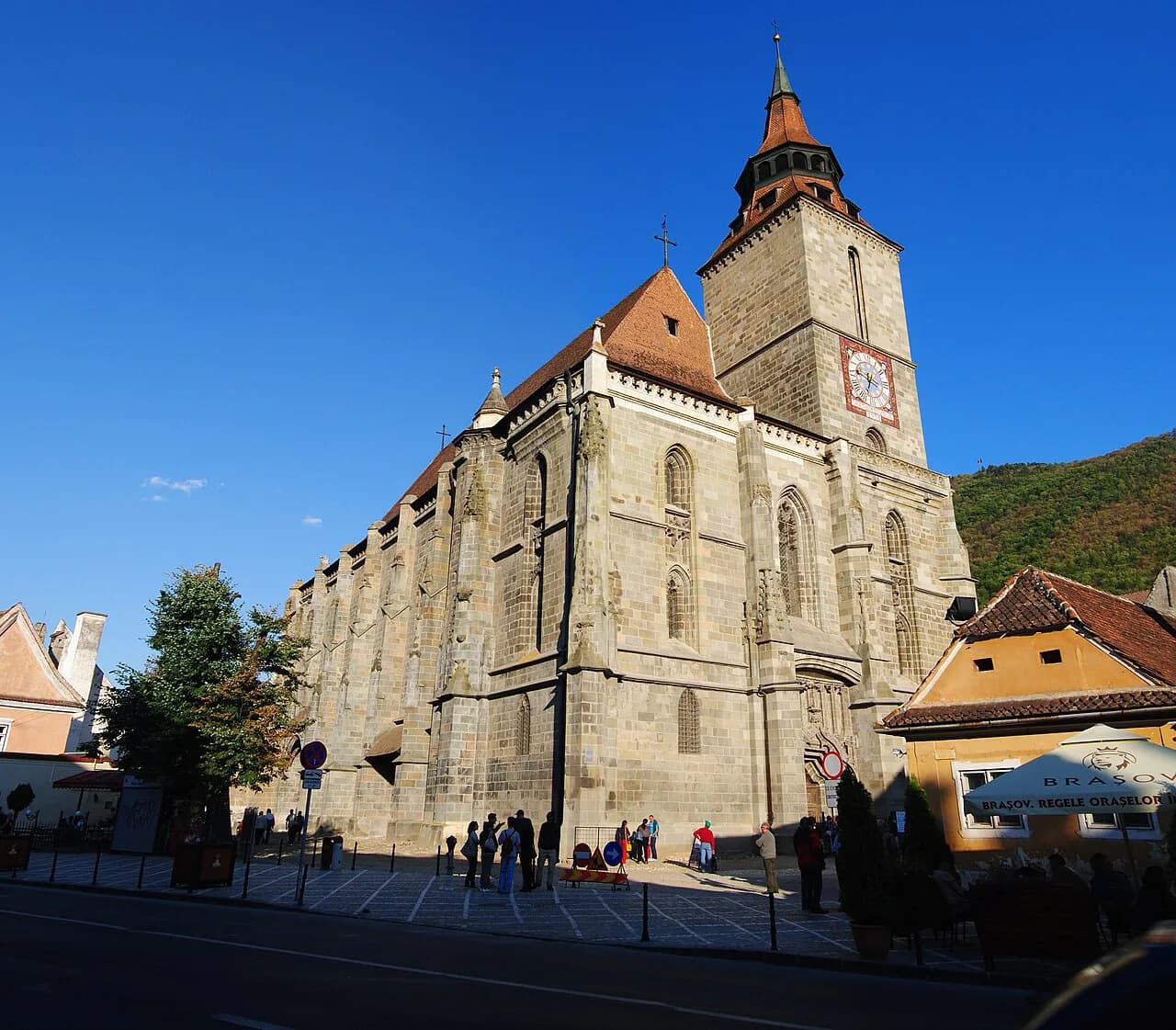
The city's communist-era fabric sits around a medieval core centred on Piața Sfatului (Council Square) and the Black Church, so you can read the two layers against each other in a single afternoon. Brașov also sits at the foot of the Carpathian Mountains, which keeps a town-and-mountain trip on one base.
The Sighet Memorial and the labour-camp history in the north
The Sighet Memorial in the far north of Romania addresses the repression of the early communist years, and it belongs to the first phase of the regime rather than the Ceaușescu years. It is the counterpart to Bucharest's official architecture: one shows what the state built, the other what it did to people.
Sighet is a long way from the Bucharest–Brașov–Timișoara axis, so plan it as its own stop in Maramureș rather than a day return. The Sighet Memorial sits in the town, which makes it the anchor for a stay in the region.
How to reach the main sites
Bucharest works on foot: Revolution Square, the Central Committee frontage and the main boulevards are close enough to link in one walk, with the Palace of the Parliament a short ride or a longer walk south. Build the rest of the day around the parliament slot rather than the other way round.
Timișoara and Brașov are both long rail journeys from Bucharest, in opposite directions, so a sensible order is Bucharest first, then one of the two, with Sighet as a separate northern leg. Check timetables and seat reservations with CFR Călători before you fix dates.
Booking and visiting practicalities
Before you travel, confirm the visit arrangements for the Palace of the Parliament and the Ceaușescu Palace directly with each one: how entry is arranged, any identification requirements and whether access is guided only. Neither is described in the sources used here, so do not build a fixed plan around assumptions.
Memorials and museums set their own hours and ticket prices in lei, and these change; check the official page for each site in the week before you go. For a sense of what a guided visit adds, the communist Bucharest guide sets out the options.
What the sites do not show
Much of the street-level record is gone or unmarked: the eviction that started the Timișoara uprising happened at a pastor's house, not at a monument, and the Brașov protest of 1987 is recalled in the record rather than in a dedicated site on this page. Reading the December 1989 coverage before you go fills in the sequence that a plaque cannot.
Expect gaps and be selective: two or three well-chosen sites with the dates straight beat a checklist of buildings. The sites reward a reader who knows that 1947, 1977, 1987 and 1989 are four different moments in one story.
Dracula and Vlad III are not part of this story
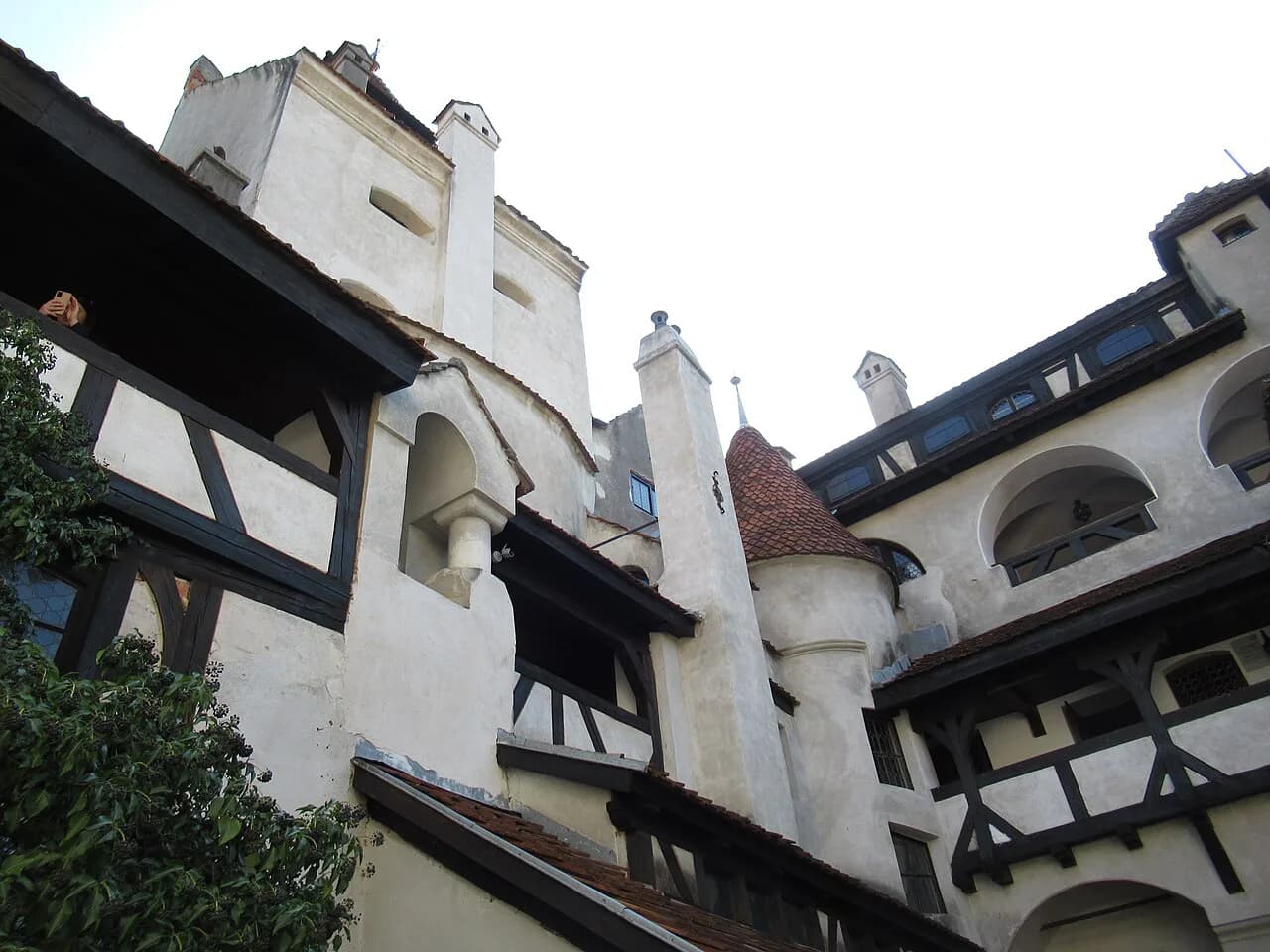
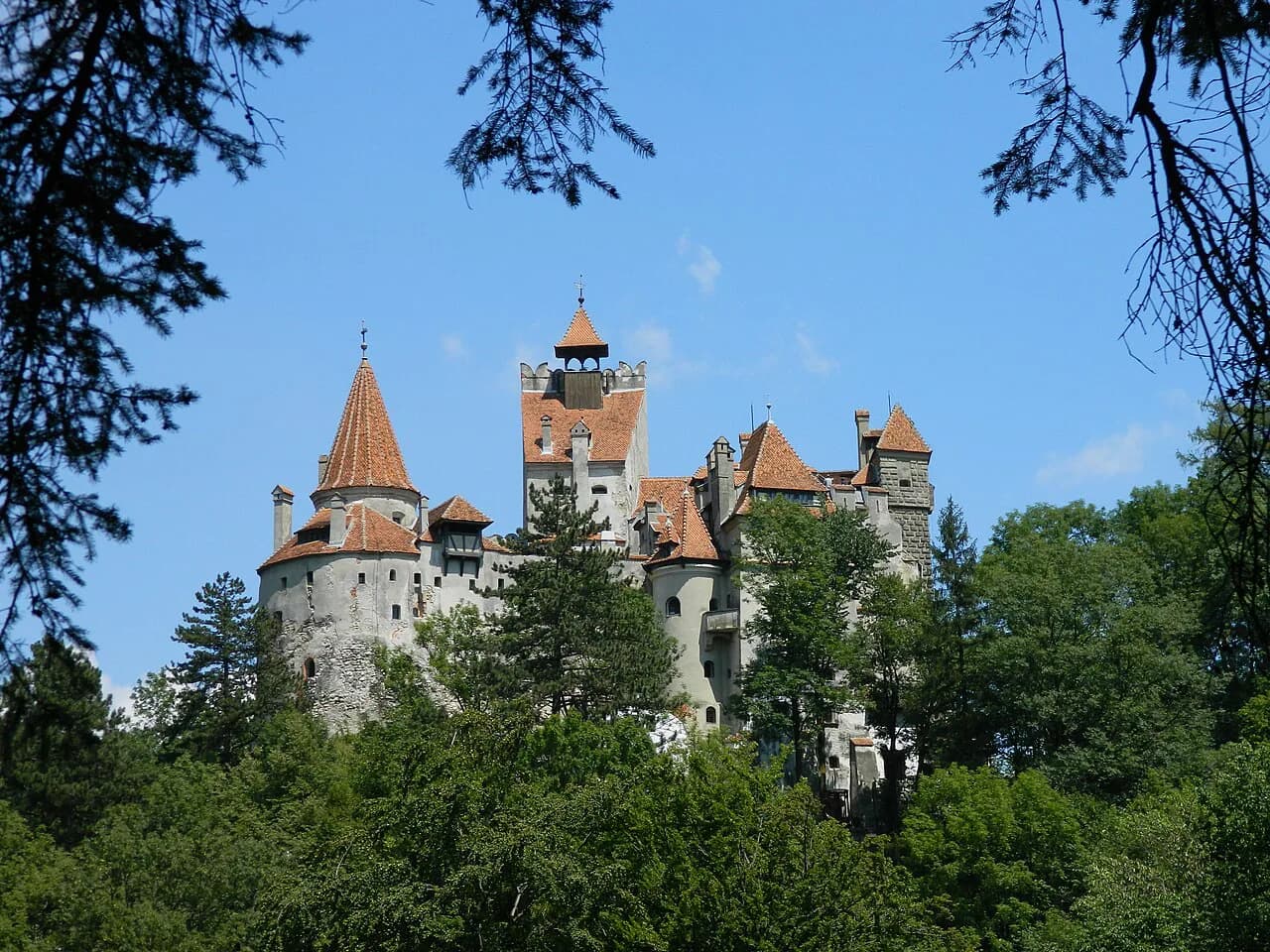
Bram Stoker's Dracula and the historical Vlad III belong to entirely different centuries from communist Romania, and no castle on this page is a Ceaușescu-era site because of a vampire connection. If you are adding a castle to a Romania trip, keep the fiction and the fifteenth-century ruler apart from the 1947–1989 material.
The two subjects sit on separate itineraries and separate reading lists. Mixing them is the single most common way visitors lose the thread of what happened in Romania between 1947 and 1989.
Which communist-era site should you build the trip around?
Build the trip around Bucharest if you want the regime's official face: the Palace of the Parliament and Revolution Square sit in a walkable centre, and the Ceaușescu Palace adds the domestic half.
Choose Timișoara if December 1989 is the part you care about most, and add Brașov for the 1987 protest and the medieval core in one stop. Sighet is a separate northern journey, worth its own nights rather than a detour.
Wherever you start, confirm the visit arrangements directly with each site before booking travel, then read the sequence of events in order so the buildings have something to attach to.
Explore more Romania guides
Frequently Asked Questions
When did Romania become communist?
Romania became the Romanian People's Republic in 1947, when the monarchy was abolished after the communist party's gradual takeover following the 23 August 1944 coup. Party rule lasted until December 1989.
How did Romania get rid of communism?
Through a revolution that turned violent in December 1989. It began in Timișoara on 16 December with the attempt to evict pastor László Tőkés, spread to other towns, and reached Bucharest, where Ceaușescu's helicopter left the Central Committee roof on 22 December.
Is Romania a communist or democratic country today?
Romania is a democracy. The communist period ran from 1947 to 1989, and the buildings and memorials from those decades are historical sites rather than signs of the current political system.
Can you visit the Palace of the Parliament in Bucharest?
The sources used here do not describe visitor access, so confirm the arrangements directly with the institution before you plan your day around it. It is a state building rather than a museum with open-door access, so treat it as a scheduled visit rather than a drop-in.
Sources
Useful notes for your next trip
Optional updates to our guides.
You might also like
Continue reading
More guides you'll find useful