Curtea de Argeș Monastery: What to See at the Cathedral
Curtea de Argeș Monastery is an early 16th-century Orthodox church built for Prince Neagoe Basarab. Here is what to see, the Manole legend and how to reach it.
On this page
Curtea de Argeș Monastery is an early 16th-century Romanian Orthodox church built under Prince Neagoe Basarab, and the main reason to stop in the town of Curtea de Argeș on an Argeș valley run. Allow around an hour to look properly at the exterior, the raised platform and the carved interior, rather than treating it as a photo stop. This guide covers what the building is, the two legends attached to it, and how to fit it into a drive towards the Făgăraș Mountains.
What Curtea de Argeș Monastery is
The monastery is a Romanian Orthodox church in Curtea de Argeș, in Argeș County, built in the early 16th century under Prince Neagoe Basarab. It is a monastery church rather than a cathedral in the everyday sense, though you will see the word used loosely in English guide listings. Treat it as a place of worship that happens to be one of the standout buildings of the Argeș valley, not a museum with a turnstile.
Commercial tour listings describe the church as a masterpiece of Romanian medieval architecture from the 16th century, built for Neagoe Basarab. The building is what visitors come for. No source gives a precise founding year, so work with the century rather than a date.
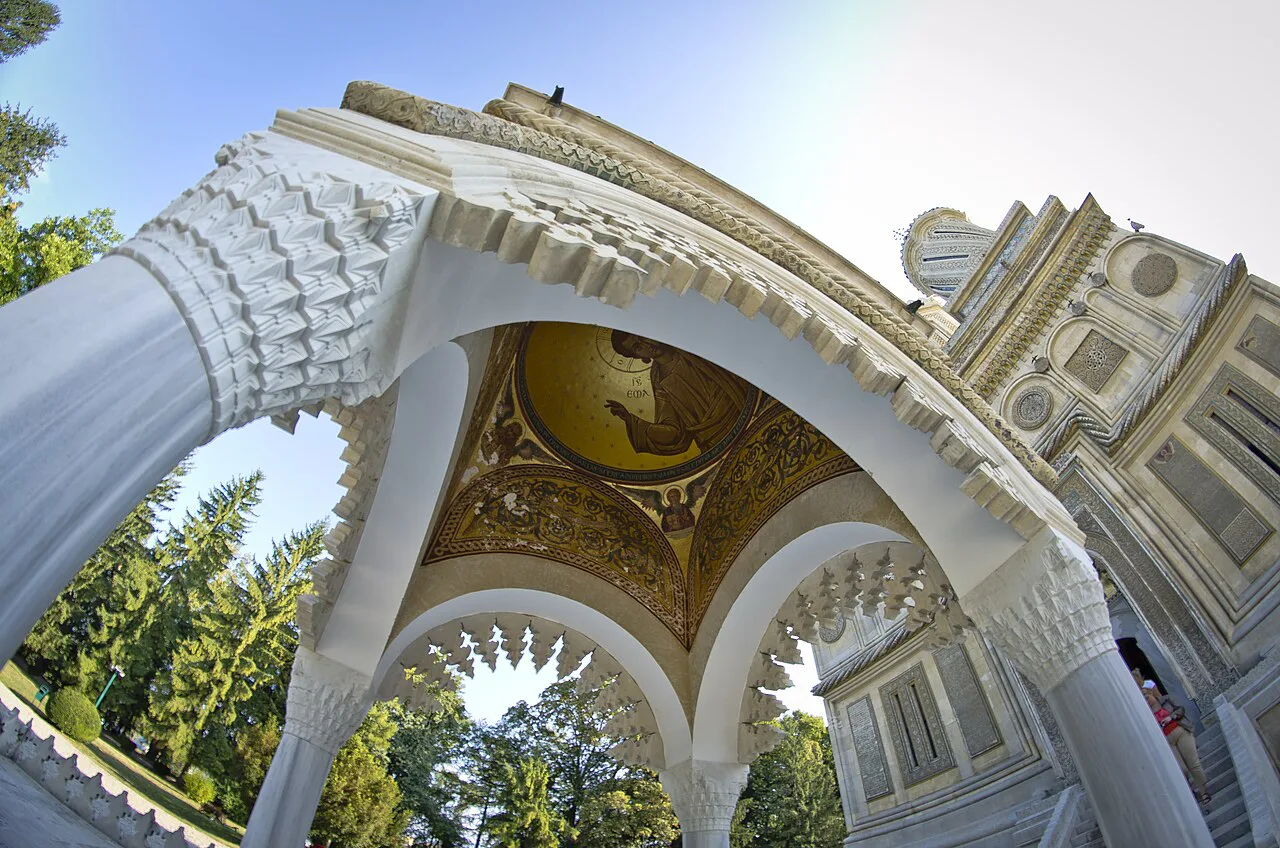
The building: Byzantine style with Moorish arabesques
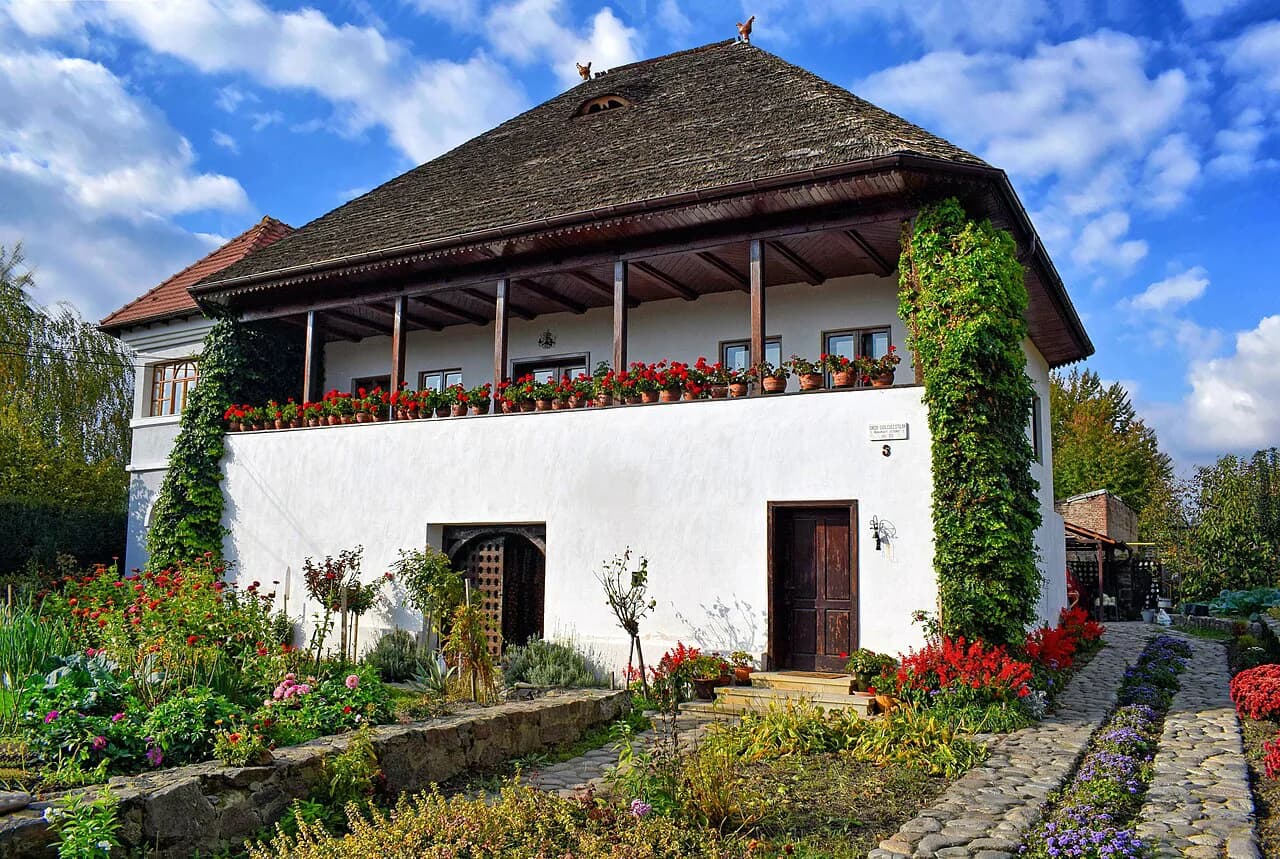
Architecturally, the church is Byzantine in style with Moorish arabesques worked into its decoration, and the overall effect is described as resembling a very large, elaborate mausoleum. That comparison is the useful one to carry in: the building reads as a monumental tomb-church rather than as a parish hall with a spire. Look at the carved stone detail around the openings and the way the ornament repeats, because the arabesque work is what makes the facade distinctive.
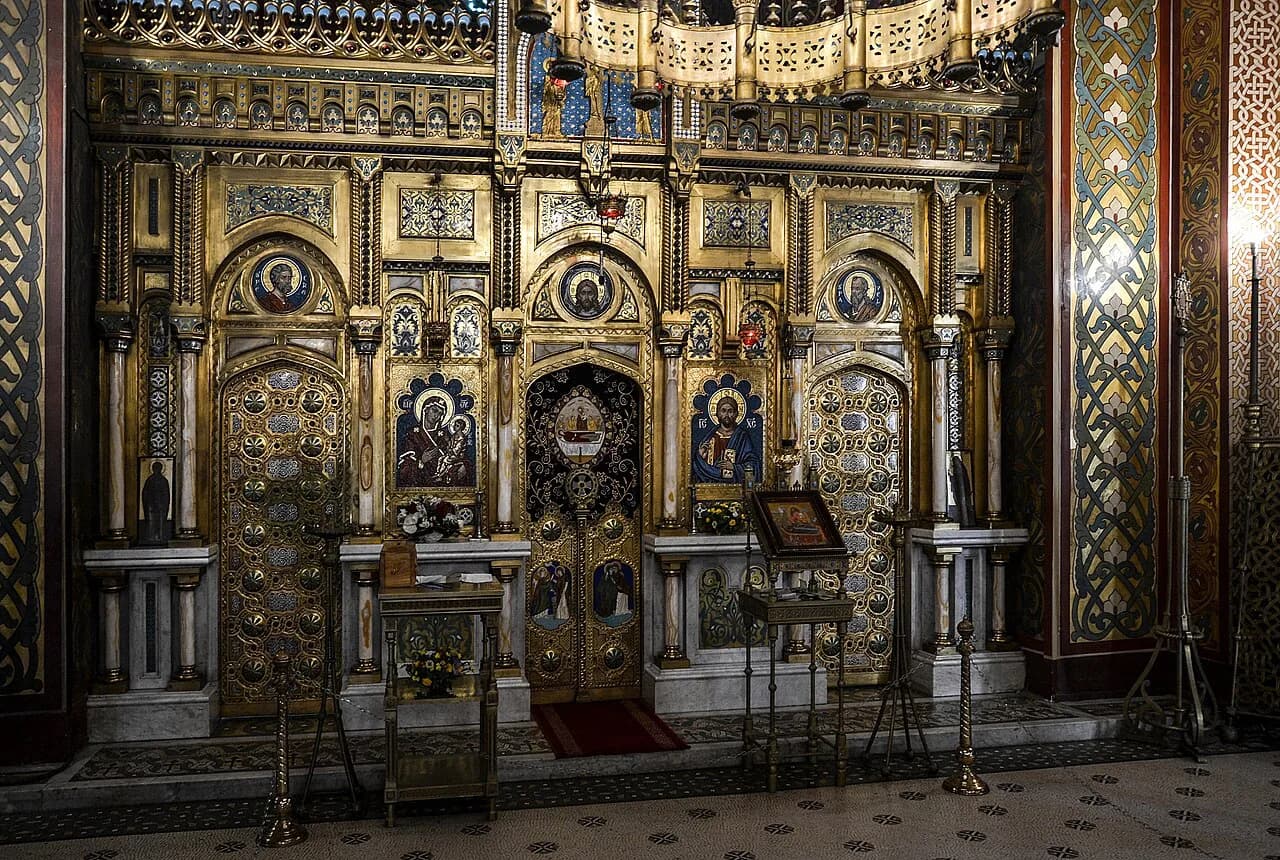
The interior rewards a slow look in the same way as the outside: read the whole church as a single decorative scheme rather than ticking off features. Photography, dress and service times are not documented in the sources used here, so check the notice at the entrance when you arrive and follow what the church asks of visitors. Behaving as you would in any working Orthodox church covers most of it.
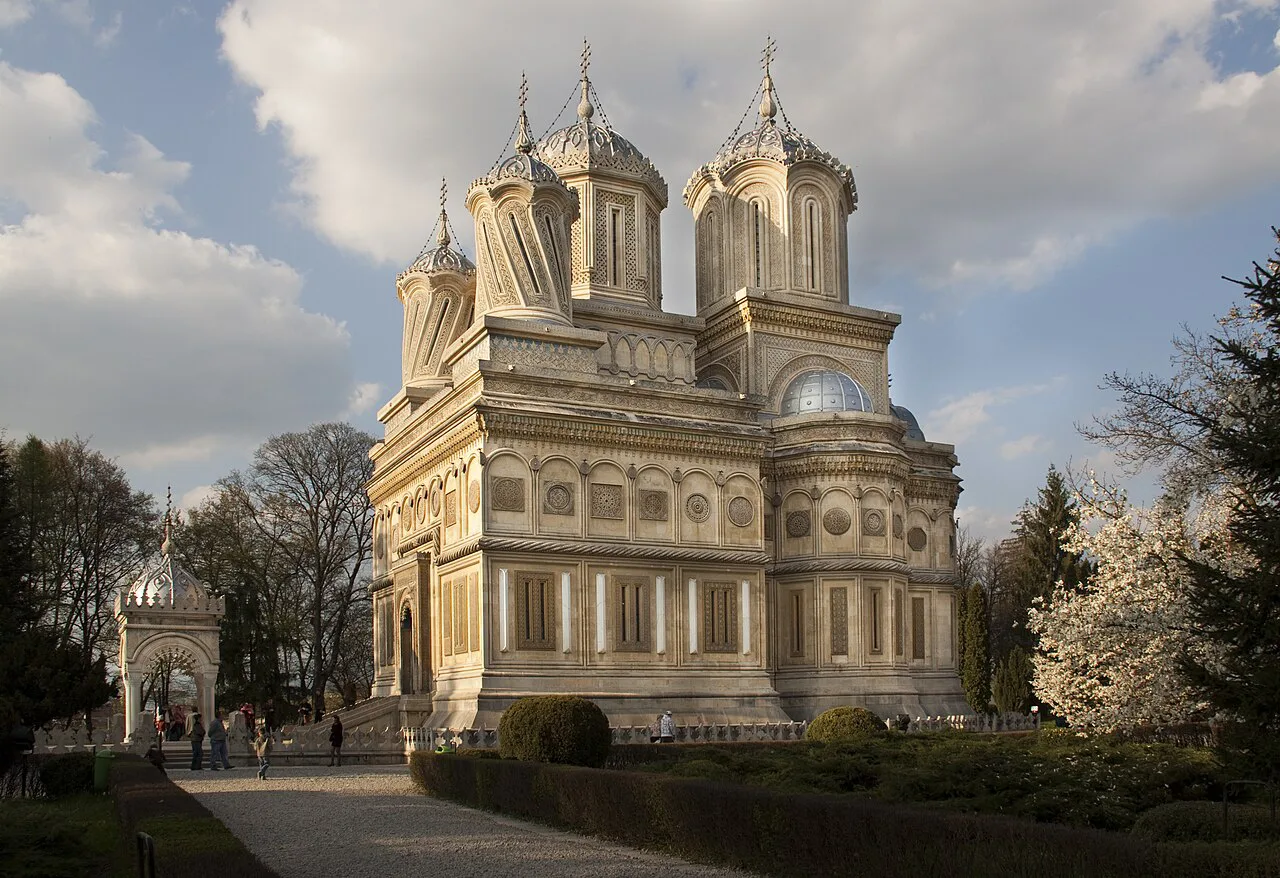
The raised platform and stone balustrade
One thing to notice on arrival is the setting: the monastery sits on a raised platform about 2.1 metres above the surrounding ground, encircled by a stone balustrade. That lift is why the church presents itself as an object on a stage rather than a building flush with the street. Walk the length of the balustrade before going in, and the proportions of the facade make more sense.
The legend of Master Manole and the masons
The best-known legend attached to the church concerns the architect Manole, employed by Prince Radu Negru. As the story goes, the walls would not stand, and the prince threatened Manole and his masons with death; Manole proposed the old custom of walling a living woman into the foundations, and the woman who first appeared the next morning was to be bricked in. The other masons warned their families, and Manole was forced to sacrifice his own wife, after which the church stood.
The legend continues that when Manole and his masons told the prince they could always build something greater, Radu Negru had them stranded on the roof. They made wooden wings and tried to fly off, and fell one by one; a clear spring named after Manole is said to mark where he fell. This is a legend, not recorded history, and it is worth telling it as such to anyone you are travelling with. Romanian poets have drawn on the Curtea de Argeș legends for material.
The Neagoe Basarab and Constantinople legend
A second legend gives the church a different origin: Prince Neagoe Basarab, while a hostage in Constantinople, is said to have designed a splendid mosque for the sultan and then returned to build the church here out of the surplus materials. That version sits alongside the Manole story rather than replacing it, and the two together explain why the building is often introduced through legend rather than documents. Keep both in your head as stories the site attracts, and treat the architecture as the evidence you can actually see.
Fitting the monastery into an Argeș valley drive
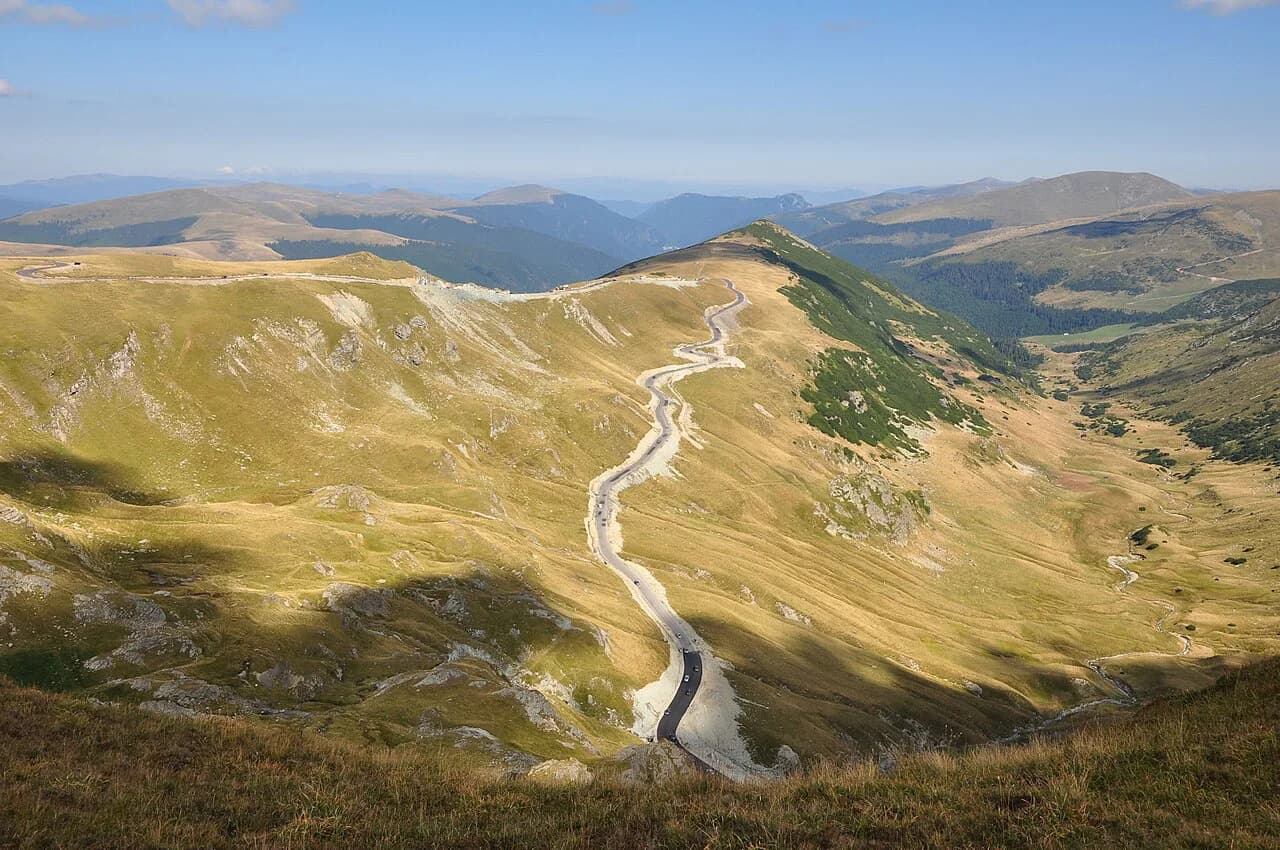
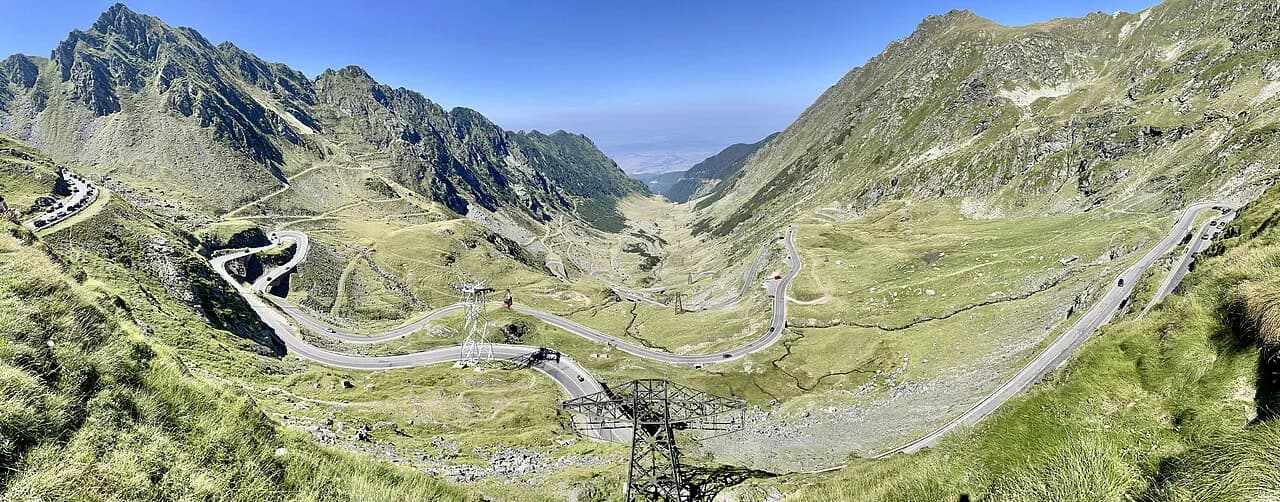
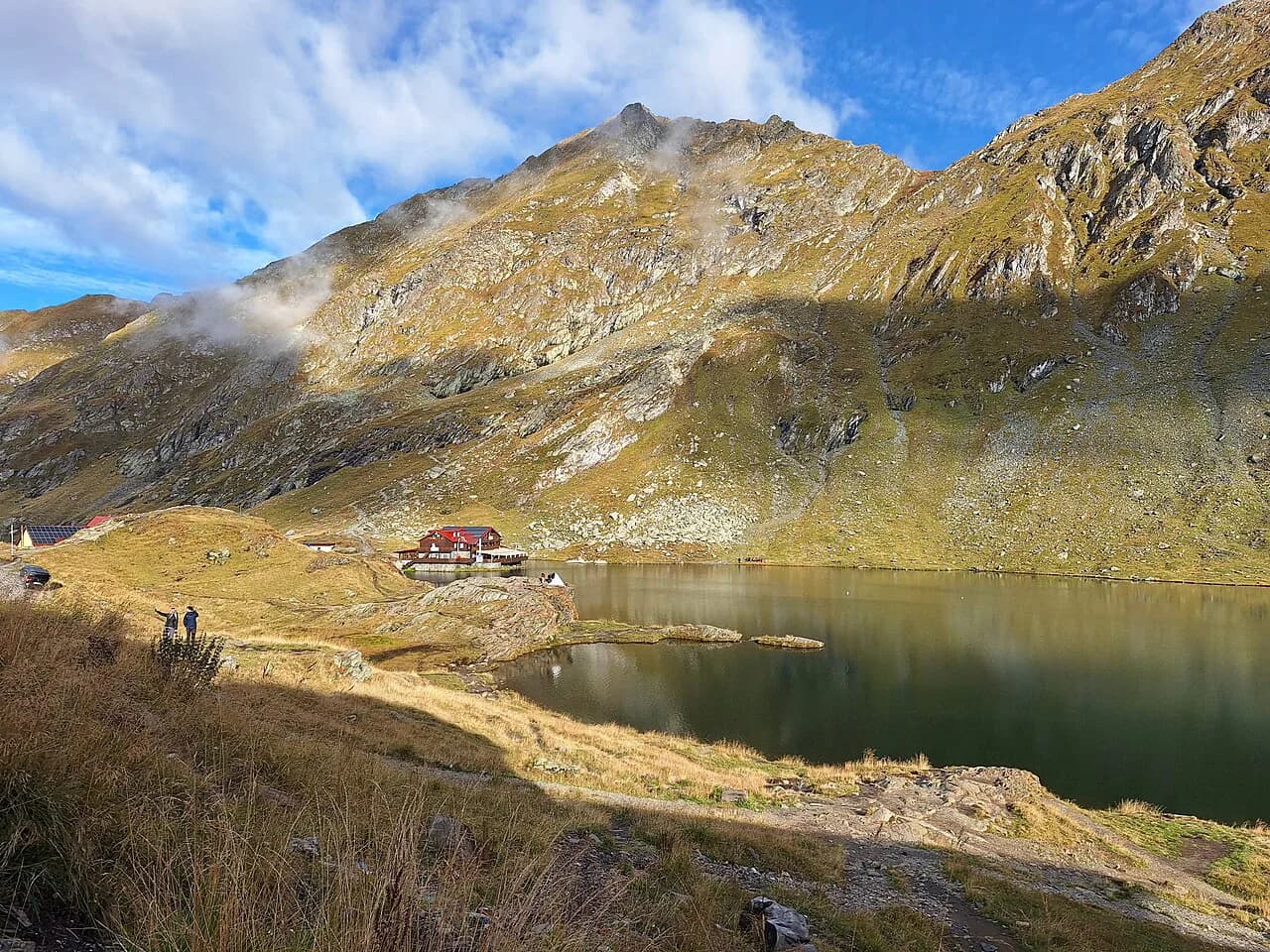
Curtea de Argeș works best as a stop on a drive up the Argeș valley rather than a destination on its own. Heading north from the town, the road climbs towards Lake Vidraru and then the Transfăgărășan, the mountain pass through the Făgăraș Mountains. Build the monastery into the front of that day, before the climb, so you are not rushing the interior to beat the light; if you continue over the pass, Bâlea Lake is the high stop on the way.
Beyond the monastery, an Argeș valley itinerary can run past Vidraru Dam and up to Bâlea Lake, high on the pass. If the weather turns or the road ahead is busier than expected, the monastery makes a sensible half-day on its own instead of a rushed through-stop. Check the state of the pass road before you commit to the full loop, since conditions change with the season.
Practical points for a church visit
No opening hours, entry prices, service times, dress code or photography rules are recorded in the sources used for this guide, so read the notices at the entrance and follow what the church asks. In practice that means arriving with time to read those notices and being ready to step back if a service is underway. Keep voices low, cover shoulders, and leave the camera alone where the church asks you to.
There is no need to book a guide to see the church, and no visitor facilities at the monastery are documented in the sources used for this guide. Read up on the Manole and Neagoe Basarab legends before you go, so the ornament on the facade has something to hang on. That preparation costs nothing and makes a short visit feel like a proper one.
Should the monastery be the first stop of the day?
Yes: make Curtea de Argeș Monastery the first stop of an Argeș valley day, before the climb towards Vidraru and the pass, because the church deserves an unhurried hour and the mountain road eats time. Allow for the raised platform, the balustrade and a slow read of the Byzantine and arabesque detail, then move on. If you only have half a day, keep the monastery and drop the high pass rather than trying to do both.
Explore more Transfagarasan guides
Frequently Asked Questions
Is Curtea de Argeș Monastery a cathedral or a monastery church?
The sources describe it as a Romanian Orthodox church and a monastery, built in the early 16th century under Prince Neagoe Basarab. English listings sometimes call it a cathedral, but it is a monastery church that visitors come to see for its architecture and the legends attached to it.
Do I need a ticket or a guide to visit Curtea de Argeș Monastery?
No ticket price or guided-visit arrangement appears in the sources used for this guide. Check at the entrance when you arrive; a guide is not necessary to understand the building if you have read up on the Manole and Neagoe Basarab stories beforehand.
How does the monastery fit with the Transfăgărășan drive?
It sits at the southern end of the Argeș valley, below Vidraru Dam and the climb to the pass, so it works as the first stop of the day rather than the last. Do the church early while you are fresh, then continue north towards the dam and the high road.
Sources
Useful notes for your next trip
Optional updates to our guides.
You might also like
Continue reading
More guides you'll find useful