Capra Waterfall on the Transfăgărășan: Where It Is and How to See It
Capra Waterfall sits beside the Transfăgărășan road in the Făgăraș Mountains, so you can see it without a hike. Here's where to stop and what to expect.
On this page
Capra Waterfall is the Transfăgărășan stop that asks nothing of your legs: it falls on the mountainside directly beside the road, so you see it from the car or from the verge. If you have limited time on the DN7C, this is the waterfall to bank without planning a walk. This guide covers where it sits in the Făgăraș Mountains, how to slot it into a drive, and how it compares with the trail to Bâlea Waterfall further up.
What and where Capra Waterfall is
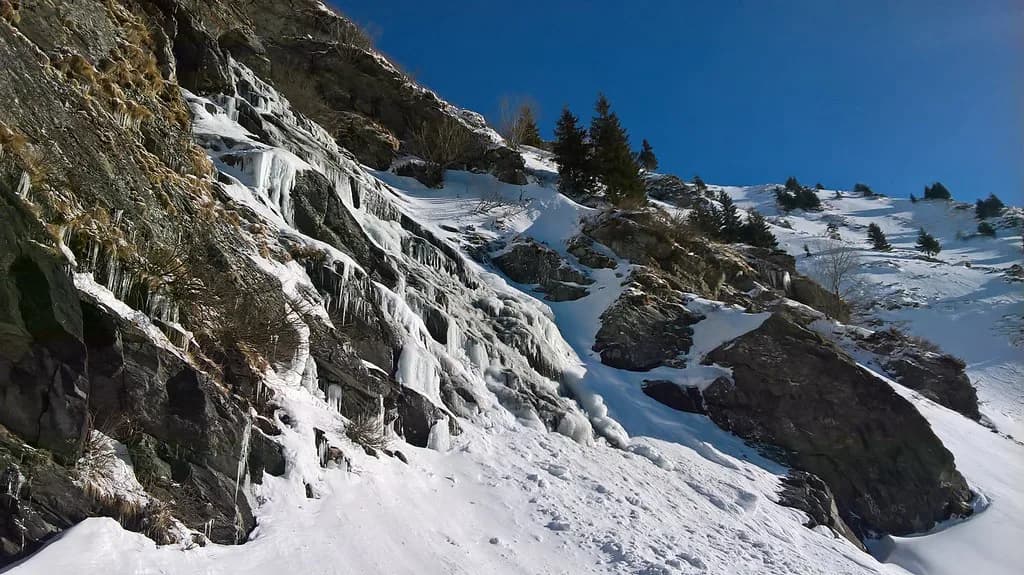
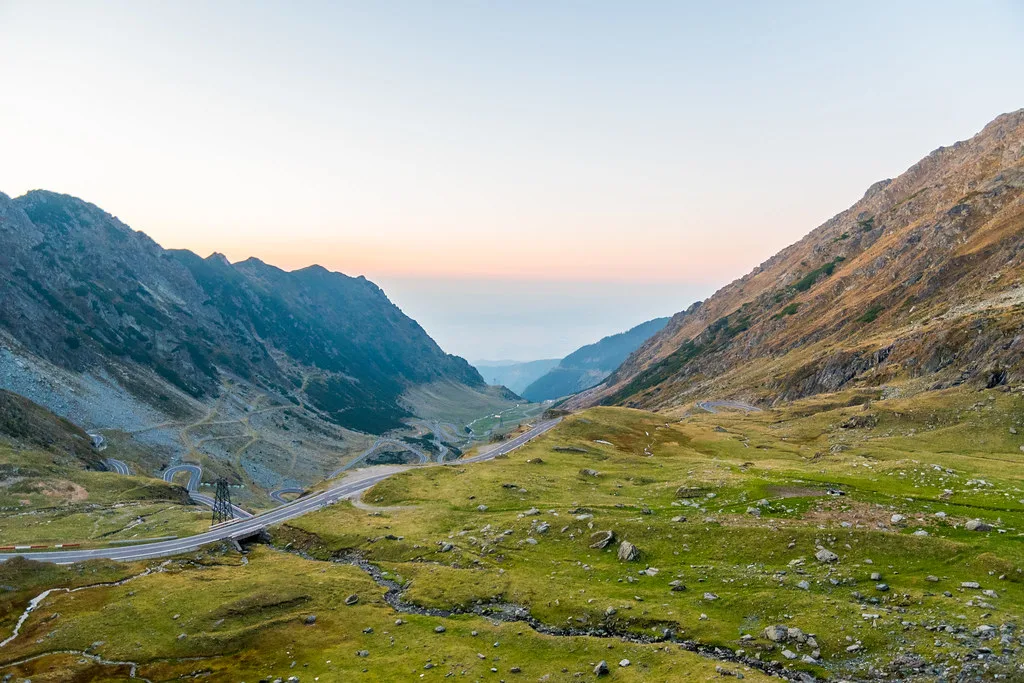
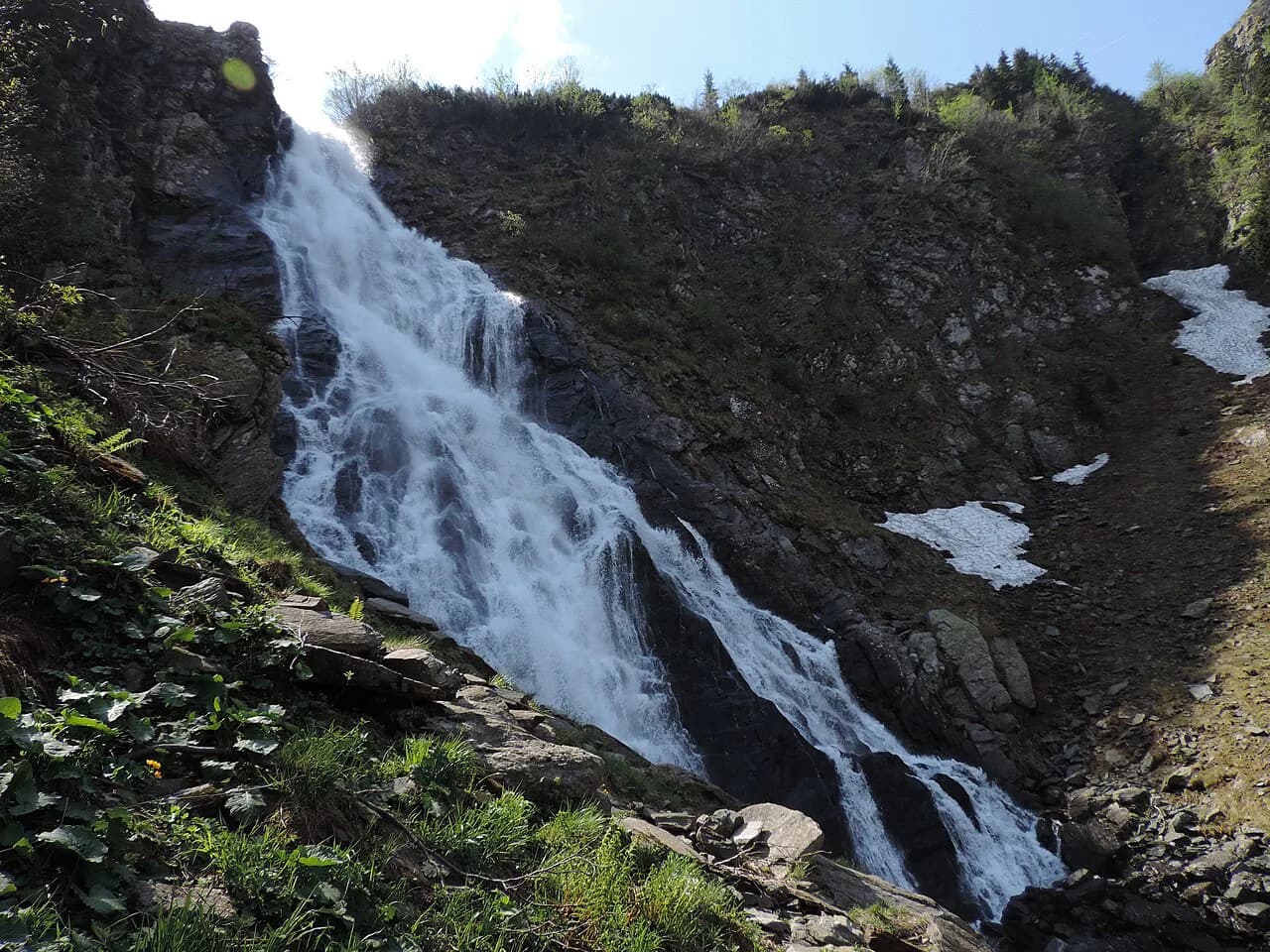
Capra Waterfall (Cascada Capra) drops down a rocky, grassy hillside in the Făgăraș Mountains, close to the line of the Transfăgărășan road. Because it hangs above the carriageway rather than at the end of a marked path, it reads as part of the drive rather than a separate outing. Photographs taken from the road show the fall framed by steep slopes, with the water breaking into white streams over the rock.
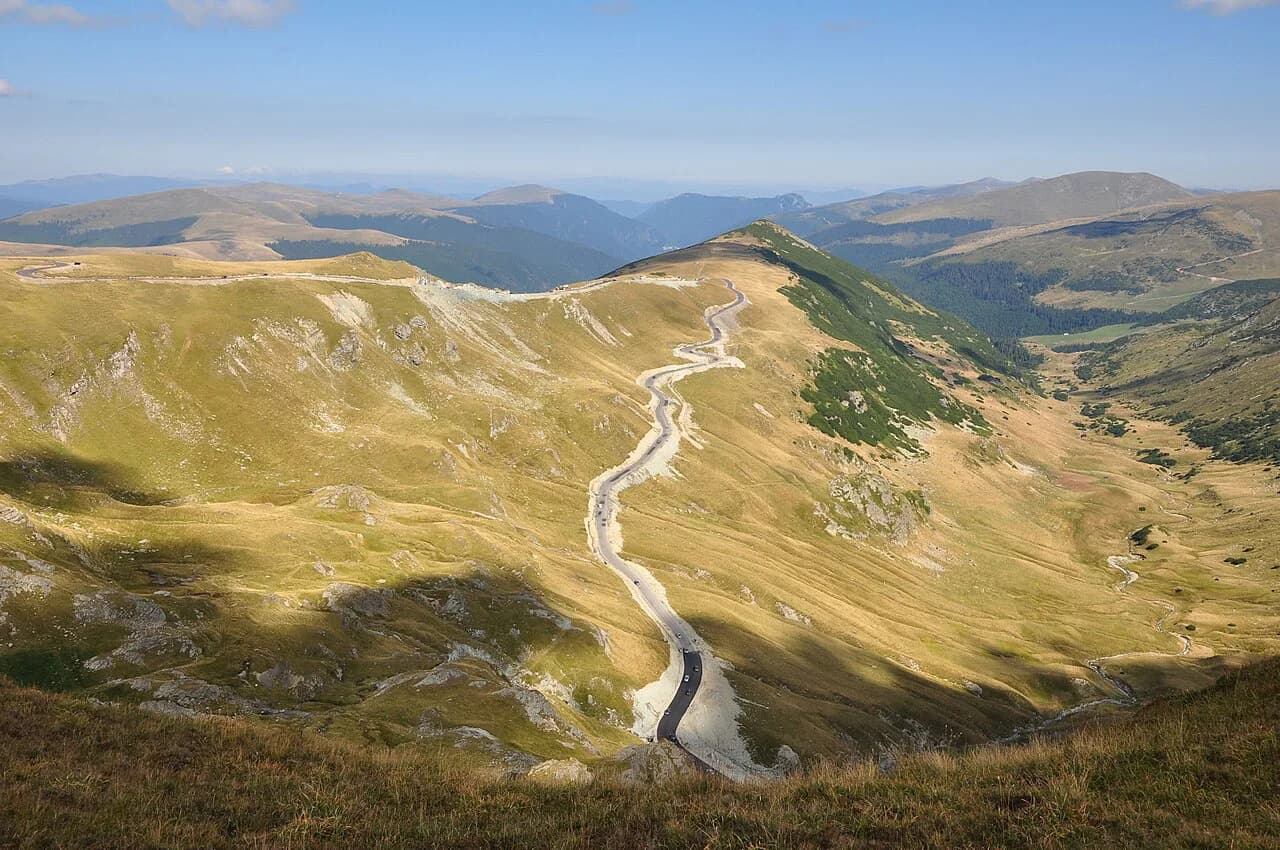
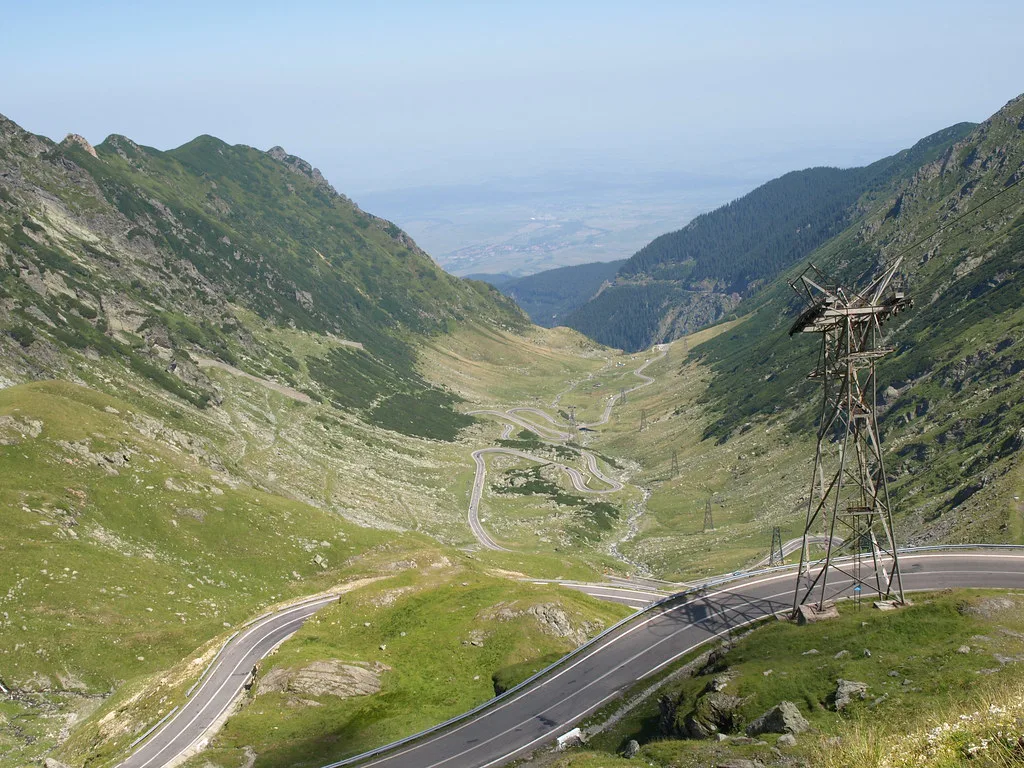
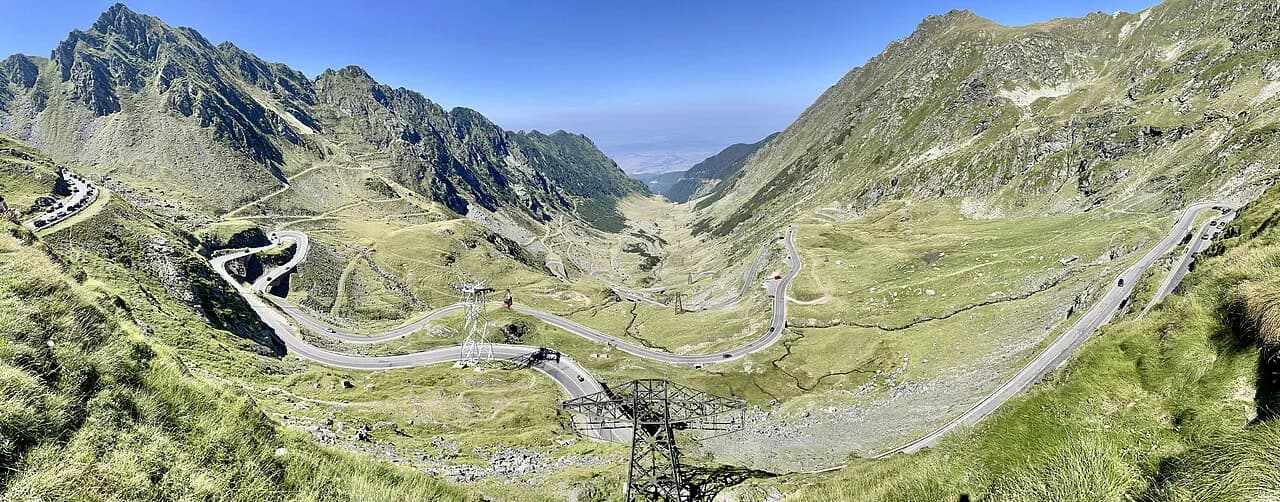
The road itself is DN7C, the Transfăgărășan, which cuts through the Făgăraș Mountains and links the Sibiu side with the Argeș valley. Capra belongs to the high, bare stretch where the scenery does most of the work and stopping points are few. Treat it as one frame in a longer sequence rather than a destination with facilities.
Why it suits travellers short on time
The appeal is simple: no trail, no climb, no route-finding. Capra is visible from the road, so a traveller with a tight schedule can see it in the time it takes to slow down and pull over. That makes it the sensible pick for anyone driving the Transfăgărășan as a scenic crossing rather than a walking day.
Compare that with Bâlea Waterfall, the better-known fall in the same massif, which needs a forest walk of roughly 3 km with about 300 m of ascent, on a narrow path with large uneven stones. Walkers report under two hours for the round trip, though the sign at the trailhead estimates 30 minutes, which proves optimistic when the path is busy. If your day is a drive, Capra gives you a waterfall for the price of a lay-by stop.
Where to pull in on the DN7C
Capra appears on the mountainside as you work along the high section of the DN7C, on the same run that takes in the Bâlea area. Approach it as a slow-driving stretch: keep your speed down, watch for cars braking ahead, and pull fully off the carriageway before you look up. The fall is above the road, so the view comes to you rather than the other way round.
Along the DN7C, the Bâlea cable-car area is marked by signs and by vendors selling pancakes and kürtős, and it is the busiest pocket of the road, with cars clustered around it. Give that stretch a wide berth when you want a calm pause and look for quieter sections of the pass for your stops.
How it fits into a Transfăgărășan drive
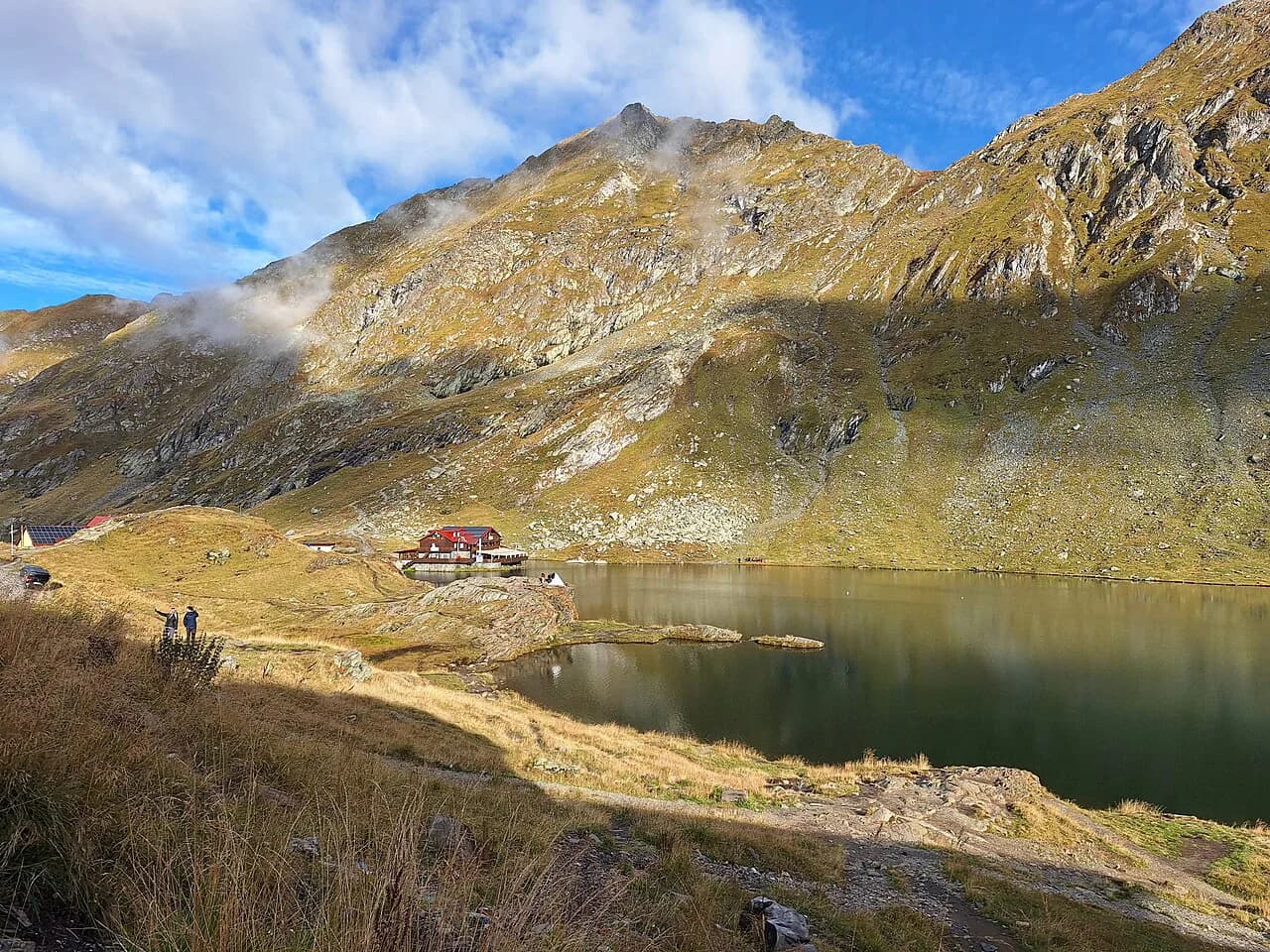
A workable shape for the day is a crossing of the Transfăgărășan with three pauses: Capra for the roadside waterfall, the Bâlea area for the lake and cable car, and one longer stop lower down. Capra takes minutes, so it never eats into the rest of the drive. Build the day around the driving, not around this single stop.
If you want a second waterfall without a climb, keep the Bâlea cascade in reserve; if you want the lake without the walk, the cable car runs up from Bâlea Cascada Chalet to Bâlea Lake. Both sit in the same busy pocket of the road, so pick one and accept the congestion. The details of what is running on the day are worth checking before you commit the drive.
The Vidraru Dam, which holds back Lake Vidraru, is a well-known landmark on the southern side of the Transfăgărășan, and Curtea de Argeș is a town at the foot of the drive. Both can give a mountain crossing a beginning or an end without needing a walk, and both sit within reach of the Transfăgărășan drive described here.
The Bâlea Waterfall trail as the alternative
Bâlea Waterfall is the fall you earn. The route starts from the Bâlea Cascada area and climbs through forest on a path marked with a red dot, narrow for much of its length and uneven underfoot, with few places where two people can pass. In July, walkers have reported waiting in line just to move forward, and a crowd at the fall itself.
The fall is worth the effort for walkers, dropping over 60 m at around 1,200 m altitude, and it can also be seen from the cable car on the way up to the lake. Boots matter: the path is stony and the climb is steady, with no level stretches to recover on. Anyone treating this as a stroll will find it harder than expected.
Practical trade-offs: crowds, queues and roadside congestion
The trade-off at Capra is that you share the road. The Bâlea pocket of the DN7C draws the heaviest traffic, with vendor stalls and parked cars concentrated near the cable-car signs, so a roadside stop there can mean waiting for a gap. Come early in the day or accept that the pass is a slow business in high season.
On the Bâlea trail, the bottleneck is the path itself: in peak summer, progress is dictated by the people ahead, and patience is part of the kit. If you dislike queueing on a mountainside, Capra from the road gives you the waterfall without the wait. Save the climb for a quieter day or an earlier start.
Is Capra worth the roadside stop?
Yes, if you are driving the Transfăgărășan and want a waterfall without a walk. Capra asks only that you slow down and pull off safely, and it costs you minutes rather than an afternoon. Walkers after a proper outing should head for the Bâlea Waterfall trail instead, boots on and patience packed.
Before setting out, check the state of the road and the opening dates for the pass, and what is running at the Bâlea Lake cable car and lake, since conditions on the Transfăgărășan change with the season. Knowing whether the high stretch is open decides whether this is on your route at all.
Explore more Transfagarasan guides
Frequently Asked Questions
Can you see Capra Waterfall without hiking?
Capra Waterfall is described as falling beside the Transfăgărășan road in the Făgăraș Mountains, so accounts present it as seen from the road rather than at the end of a walked trail. If you stop, pull off safely and keep clear of passing traffic.
How does Capra Waterfall compare with Bâlea Waterfall?
Capra is presented as a roadside view; Bâlea Waterfall needs a forest walk of roughly 3 km with about 300 m of ascent on a narrow, uneven path, and the route gets crowded in summer. Choose the roadside view if time is short, and Bâlea if you want a walk with a waterfall at the top.
Sources
Useful notes for your next trip
Optional updates to our guides.
You might also like
Continue reading
More guides you'll find useful