Transfăgărășan Bears: Why They Come to the Road and How to Stay Safe
Brown bears appear along the Transfăgărășan, often drawn by people feeding them. Here is why they come to the road and how to watch safely without attracting them.
On this page
Bears on the Transfăgărășan are usually a roadside encounter rather than a planned wildlife stop: brown bears come out of the forest near the carriageway, and the safest response is to stay inside your vehicle and keep the road clear. The drive is a high Carpathian crossing, so any sighting belongs to a mountain drive, not a zoo-style guarantee. This guide explains why the bears appear, how feeding and stopping change their behaviour, and which practical stops fit around a day on the road.
Why brown bears are seen along the Transfăgărășan
The Transfăgărășan crosses brown bear country in the Carpathian Mountains, and the road puts drivers within sight of animals that would otherwise stay deep in the forest. A private tour operator running bear-focused trips describes a good chance of encountering brown bears in their natural habitat along the drive, watched from a responsible distance. That wording is the honest expectation to plan around: a sighting is possible, not promised, and it depends on the road, the season and how people behave around the animals.
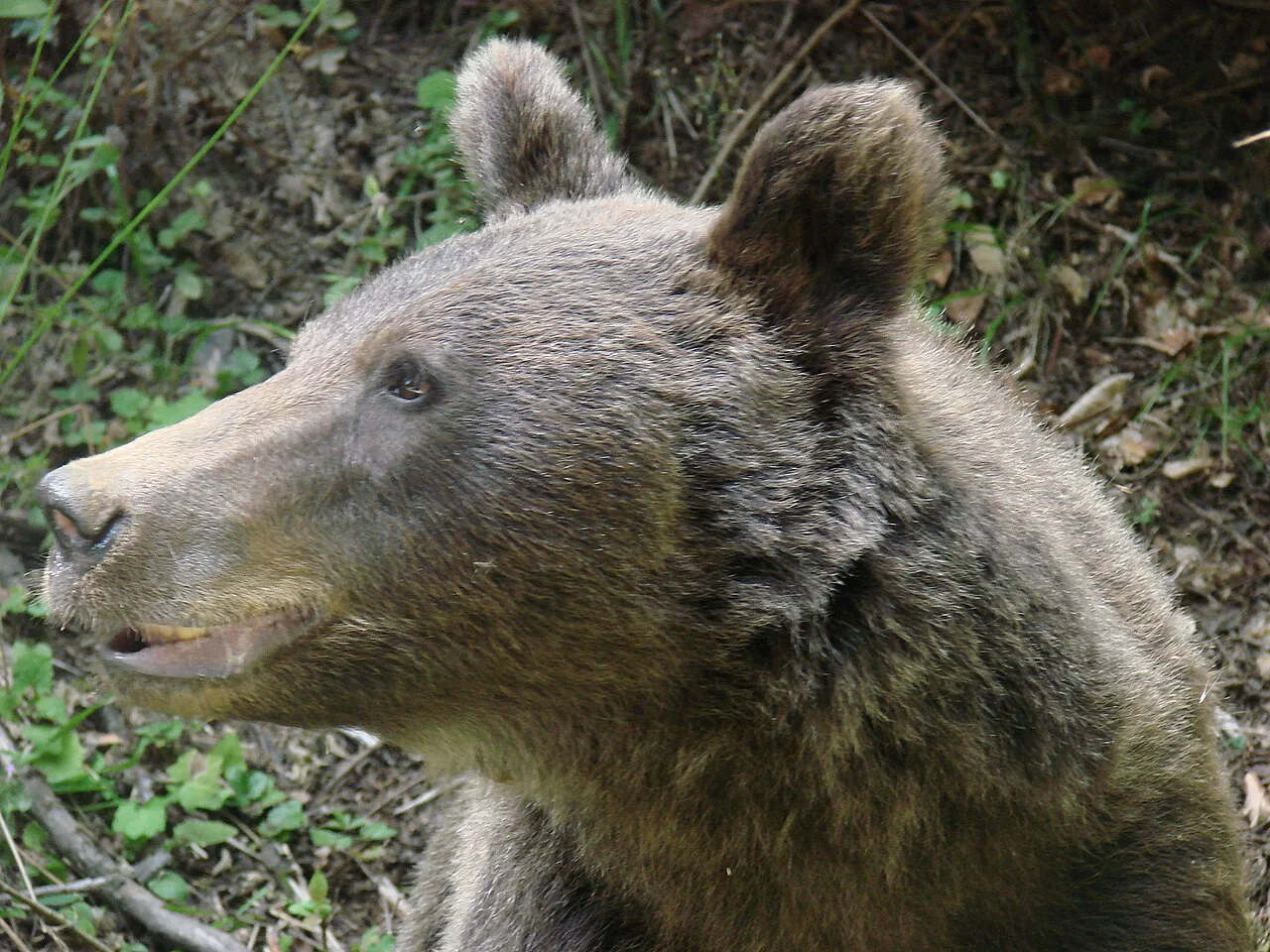
A driver's account of the same road describes brown bears as highly adaptable animals that thrive in varied conditions, which helps explain why the roadside edge and the forest behind it can both hold bears. Treat every bear as wild and unpredictable, whatever it appears to be doing. The practical consequence is simple: you watch from the car, you do not step out to close the distance, and you do not turn the road into a feeding stop.
The link between feeding, stopping and bears approaching cars
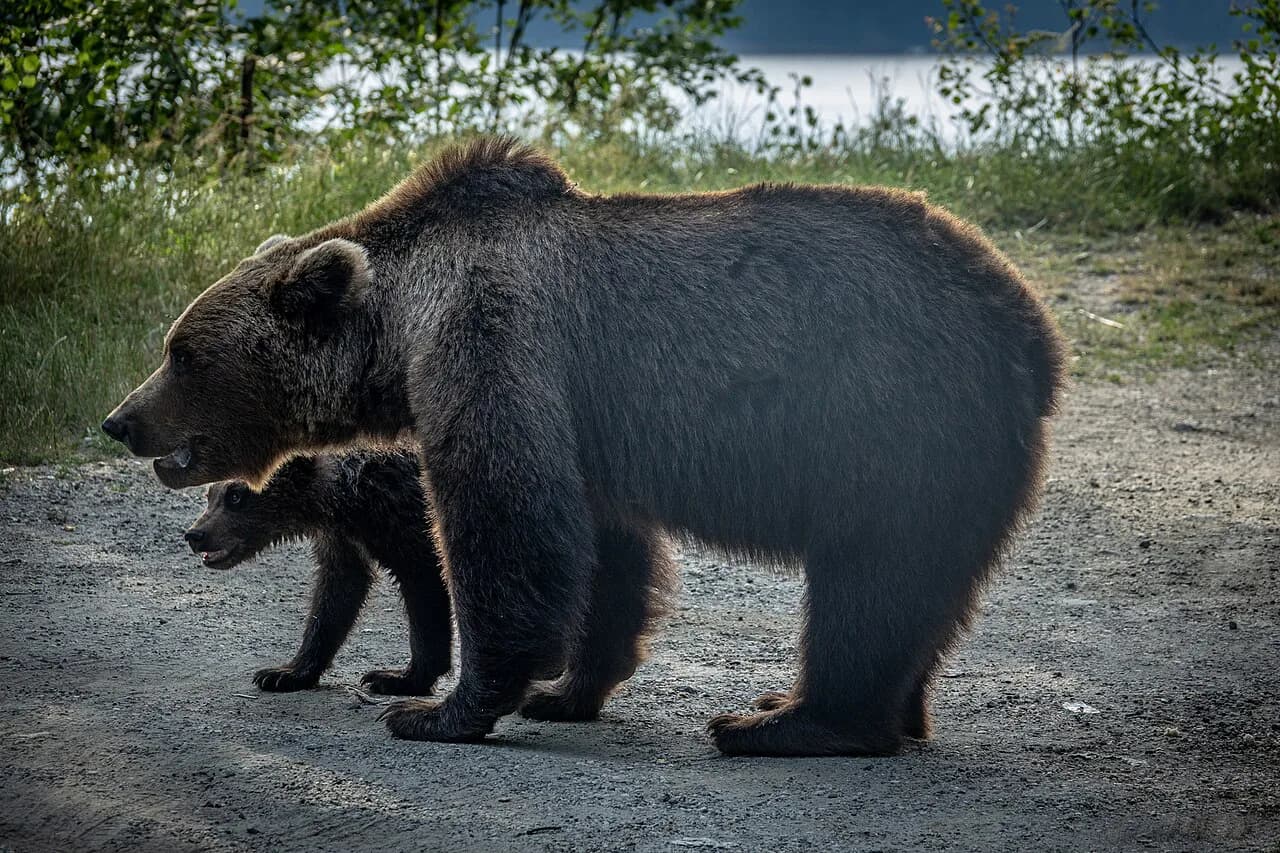
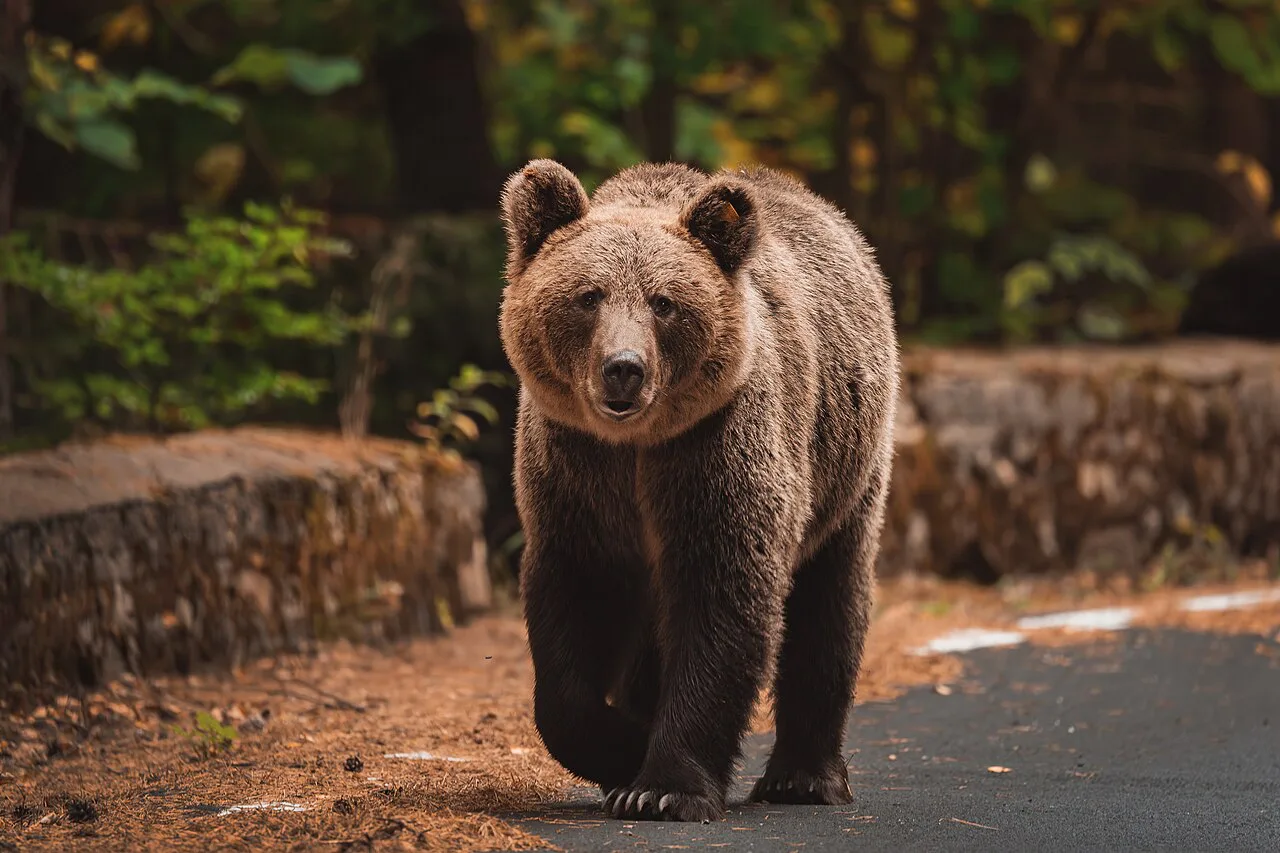
Bears approach vehicles because people feed them and stop for them, not because the road is a wildlife park. Reporting on the Transfăgărășan describes brown bears emerging from the forest and approaching motorists who had stopped to feed them, which turns a mountain drive into a food-conditioned encounter. Once a bear associates a stopped car with food, it loses caution around people, and the next driver inherits the problem.
Stopping in the carriageway is the other half of the problem: it blocks the road, bunches cars together and puts people in the space a bear may cross. If you want to watch, use a proper lay-by or pull-off where one exists and leave as soon as the animal moves towards the road. Never throw food, and never leave a window open with food in view. The verdict is blunt: no feeding, no stopping in the traffic lane, no stepping out for a close photo.
Road works and seasonal mountain drives
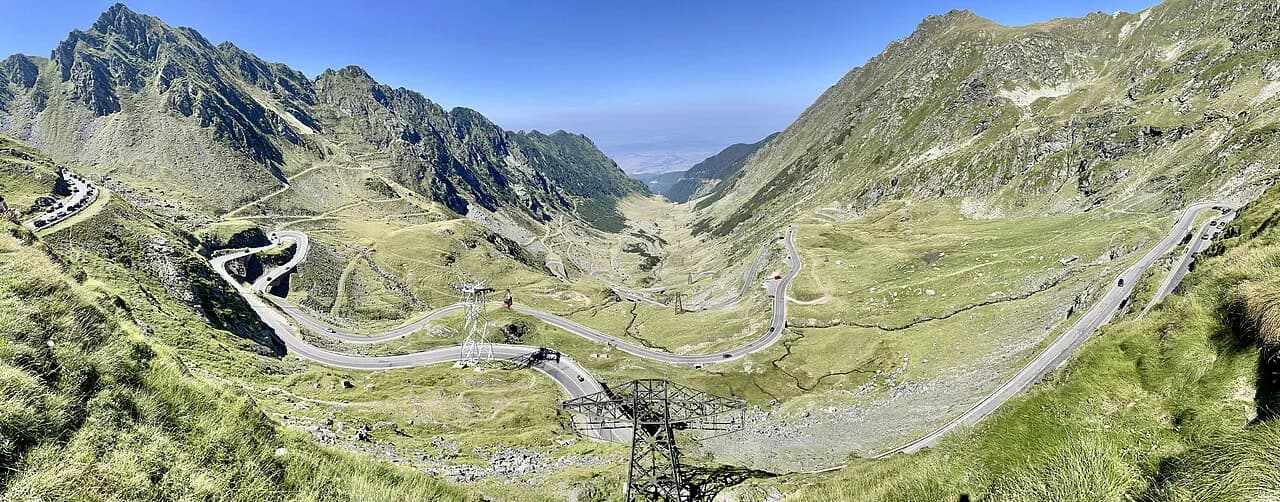
The tour operator sells its bear safari as a full-day drive along the Transfăgărășan and Bâlea Lake, with wildlife watching built into the route rather than scheduled at a fixed hour. Because the road is a high mountain crossing, the planning question is whether it is open for your dates at all, then whether you drive it when traffic is thinner. Check the Transfăgărășan opening status before you build a day around a sighting.
Photographs of bears by the roadside are the result of repeated feeding, and the Romania reporting shows how quickly bears gather where people stop to feed them: at one stretch of the road, at least 20 brown bears emerged from the forest and approached motorists who had stopped to feed them. Do not read a quiet stretch of road as a guarantee either way. The realistic expectation is a chance sighting on a mountain drive, with your behaviour determining whether the encounter stays brief and safe.
What to do if a bear approaches your car
Stay in the vehicle, keep the windows up, and do not feed the bear or leave the car to pose for a photograph. If a bear is on the road ahead, slow down, give it space and pass only when the way is clear; if it is beside you, keep moving gently rather than stopping to watch at close range.
If traffic has already stopped around a bear, keep your distance from the car in front, leave room to manoeuvre, and be ready to move on when the animal goes back into the forest. A guide-led tour removes the driving decisions but not the rule that you stay in the vehicle and keep food out of sight.
Responsible wildlife watching on the Transfăgărășan
Watch from a distance through the car window, keep food and drink inside closed bags, and take photographs only from inside the vehicle. The tour operator's guidance is to watch responsibly and respectfully, which means the bear's behaviour comes before your picture.
A bear-focused tour is not a guarantee of sightings, and the Crafted Tours Romania private tour page lists museum and attraction entrance fees as excluded, so budget separately for any stop you add. The driving is done for you, which is the main trade-off: less flexibility, more attention on the wildlife and the road. Check what the Crafted Tours Romania tour includes when you enquire instead of assuming tickets are bundled.
Poienari Castle and Vlad the Impaler on the same drive
Poienari Castle sits on the same route as the bear country, and the tour operator describes it as the fortress of Vlad the Impaler, the historical figure behind the Dracula stories. Keep the history and the fiction apart: Poienari is a real fortress on the drive, while Bram Stoker's Dracula is a novel. Build it in before or after the high section rather than stopping impulsively when you see a bear.
Bâlea Lake and Vidraru Dam stops on a Transfăgărășan day out
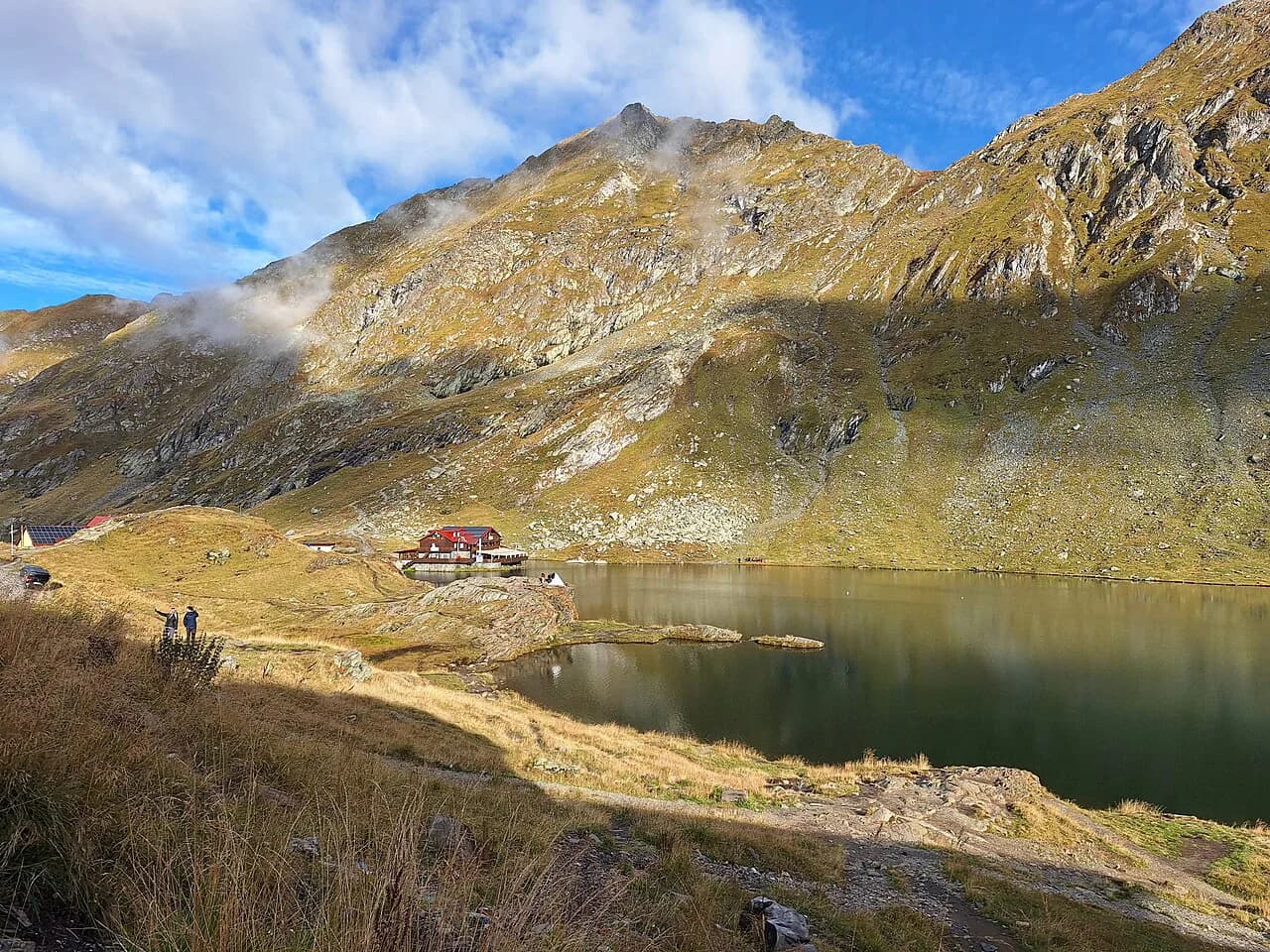
Bâlea Lake is the high-altitude glacial lake on the route, described by the tour operator as sitting at 2,034 metres, and it is the natural place to break the drive after the bear country. Vidraru Dam, built in the 1960s and over 160 metres high, is the other headline stop, with views over Lake Vidraru. Both are proper stops, not places to pull over in the carriageway for a bear.
Lake Vidraru and the dam are best treated as a separate viewpoint stop from the bear watching, and the tour route lists both alongside Curtea de Argeș Monastery. Curtea de Argeș Monastery, the burial place of Romanian kings and queens, is the calm end of the drive.
Bear-focused day tours from Bucharest: what they include
A bear-focused private tour from Bucharest, operated by Crafted Tours Romania, is a full-day drive with pick-up and drop-off from a centrally located hotel, transport in an air-conditioned vehicle and a professional local guide. Entrance fees to museums and attractions are excluded, so add tickets separately, and transfers from airport hotels or accommodation outside the centre cost extra. The tour prices are quoted per person by party size, and the winter closure of the Transfagarasan can affect dates, so check current prices and dates when you enquire with Crafted Tours Romania.
The tour is a sensible choice if you want the driving and the wildlife watching handled together, and a poor fit if you want to stop wherever and whenever you like. Either way, the rules do not change: stay in the vehicle, no food, no stopping in the carriageway. Book the tour for the road and the scenery, and treat a bear sighting as a bonus rather than the purpose of the day.
Book the drive, not the sighting
The Transfăgărășan is worth driving for the Carpathian Mountains, Bâlea Lake and the Vidraru Dam regardless of whether a bear appears, and that is the right way to plan it. Watch from the car, keep food out of sight and never stop in the carriageway, because feeding is what turns a wild bear into a roadside problem. Add Poienari Castle and Curtea de Argeș Monastery as separate stops with their own time and effort.
Explore more Transfagarasan guides
Frequently Asked Questions
What kind of bears live in Romania?
The bears you may see along the Transfăgărășan are brown bears, the wild species native to the Carpathian Mountains. The private tour operator describes the chance of spotting them in their natural habitat, and a driver's account notes that brown bears are adaptable animals found across a range of conditions. Keep your distance and treat any bear as wild.
What are the chances of seeing a bear on the Transfăgărășan?
The tour operator states there is a good chance of encountering brown bears along the drive, but that is not a guarantee and a sighting depends on the road, the season and how people behave. Do not plan the day around a guaranteed sighting. Treat the mountains, Bâlea Lake and the Vidraru Dam as the fixed points and a bear as a possible bonus.
What should I do if a bear approaches my car on the Transfăgărășan?
Stay in the vehicle, keep the windows up and do not feed the bear or leave the car for a photograph. Do not stop in the carriageway, and move on gently once the animal gives you room. Bears approach cars because people feed them and stop for them, so the safest response is the opposite of the behaviour that attracted the bear.
Sources
Useful notes for your next trip
Optional updates to our guides.
You might also like
Continue reading
More guides you'll find useful