Vidraru Dam: Visiting the Dam and Lake Vidraru on the Transfăgărășan
Vidraru Dam is a 166 m concrete arch dam on the Argeș River that creates Lake Vidraru. Here is what you see on the dam and how it sits on the Transfăgărășan.
On this page
Vidraru Dam is a concrete arch dam on the Argeș River, 166 m high, that holds back Lake Vidraru in the Făgăraș Mountains. Treat it as a stop on a Transfăgărășan drive rather than a half-day out: the crest walk and the valley view take a short time, while the road up from Curtea de Argeș or over from Cârțișoara is what fills the day. This guide covers where the dam sits on the DN7C, how to approach it from each end, when the road is passable, and which nearby stops are worth the extra time.
What Vidraru Dam is
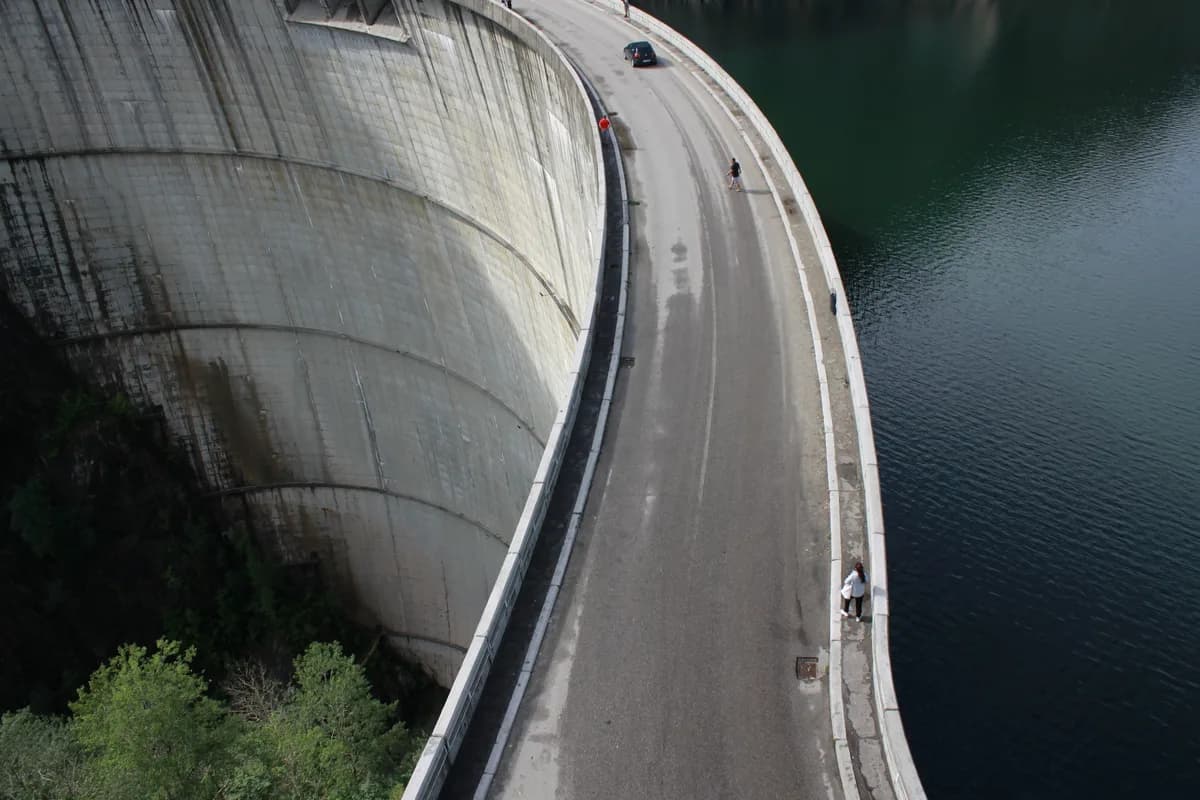
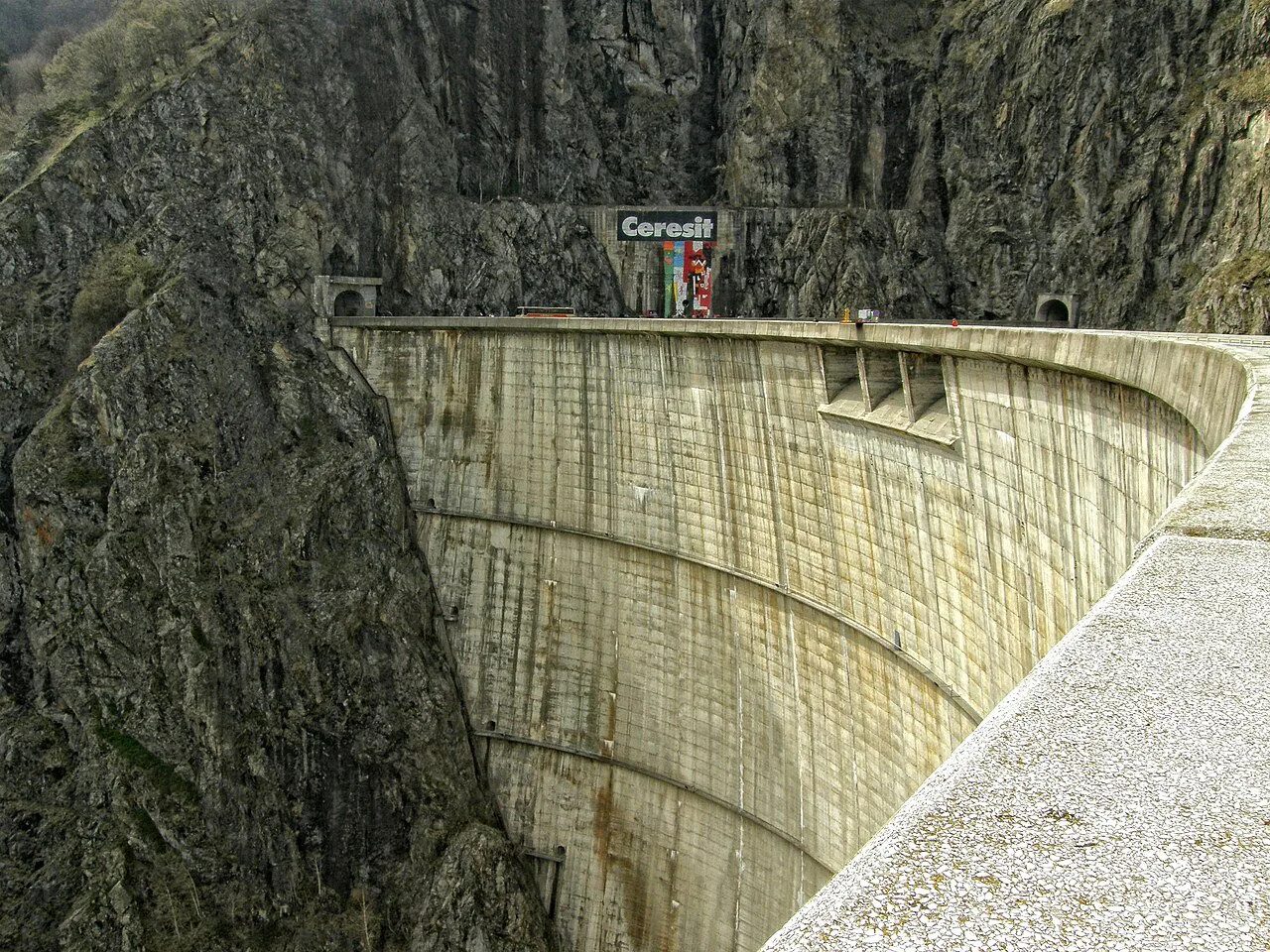
The dam is a concrete arch structure on the Argeș River that creates Lake Vidraru, the reservoir that fills the valley behind it. It stands 166 m high, and the reservoir stores 465 million cubic metres of water.
The dam was built between 1960 and 1966, with a tour description putting it at over 160 m and calling it an engineering marvel of the 1960s, which matches the scale you see from the road.
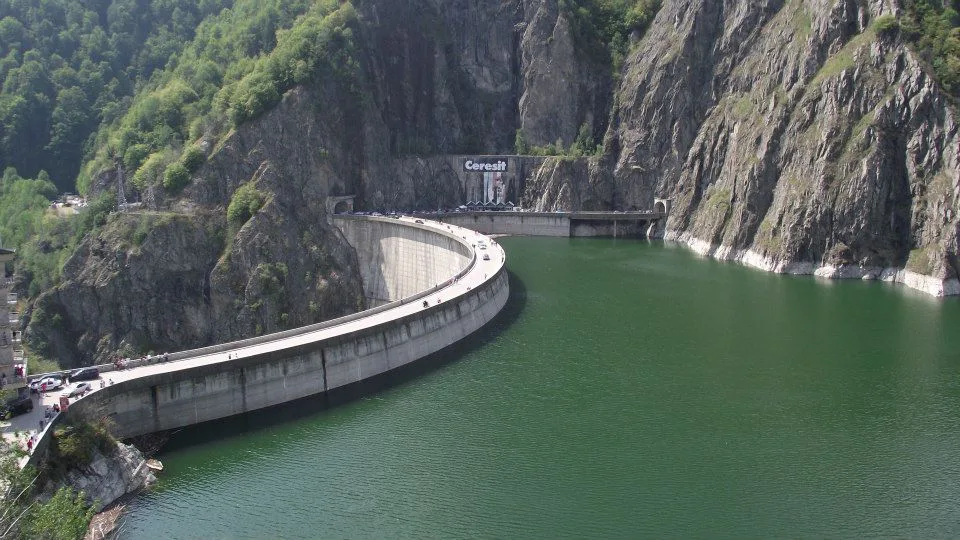
What the dam gives a visitor is the view: the curved wall dropping to the Argeș valley on one side and the long reservoir backed by pine-covered slopes on the other. That is the reason to stop, and no source gives a ticket price for seeing it from the road.
Where it sits on the Transfăgărășan
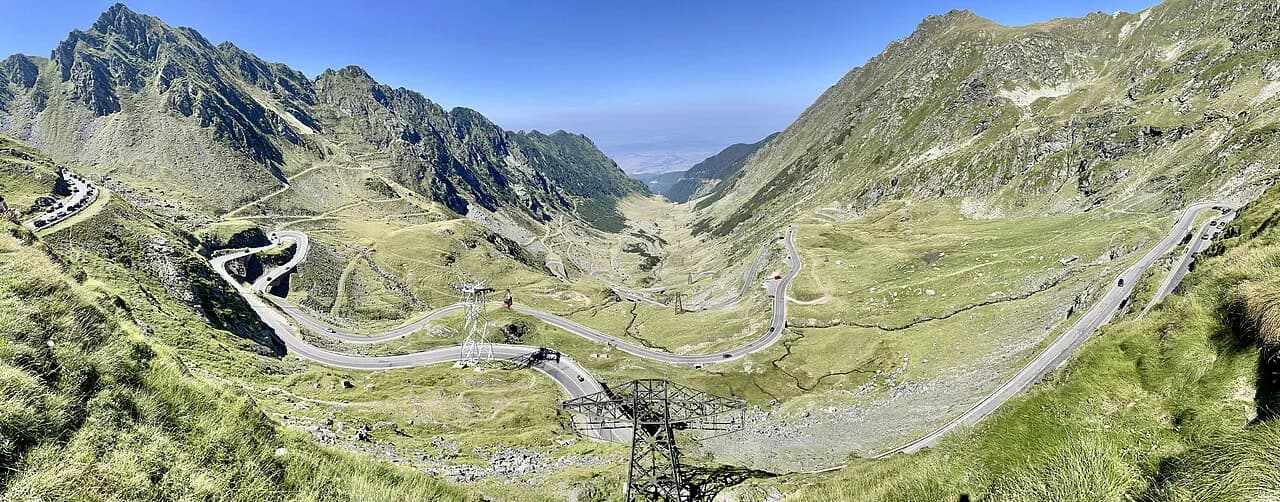
Vidraru sits on the DN7C, the road known as the Transfăgărășan, which links Curtea de Argeș in the south with Cârțișoara in the north. The full route runs 71 miles (114 km) through five tunnels, 27 viaducts and 831 small bridges, climbing from about 1,630 ft at Cârțișoara to almost 6,700 ft at Bâlea Lac.
For the dam, the southern approach is the natural one: you leave Curtea de Argeș, pass Poenari on its cliff and reach the dam wall before the road begins its serious climbing. Approaching from the north means coming over the high point at Bâlea Lake first and dropping to the dam later in the day.
Gateway towns are Curtea de Argeș and Pitești on the southern side, with Bucharest about 96 miles south of Curtea de Argeș, and Sibiu about 30 miles west of Cârțișoara on the northern side. Brașov sits roughly 65 miles east of Cârțișoara, so a Brașov base makes a longer but workable day of it.
Getting there by car
Driving up from Curtea de Argeș, the road follows the Argeș valley past the turn for Poenari Citadel, roughly 25 km north of town, before reaching the dam. The climb is steady rather than steep: the road was engineered for heavy military vehicles, so the gradient is gentle and the height is gained through hairpin bends.
Allow three hours for the route without stops, and a full day if you intend to walk the crest, climb to Poenari and pause at Bâlea Lake. That timing comes from the road itself, and traffic builds at weekends and in July and August.
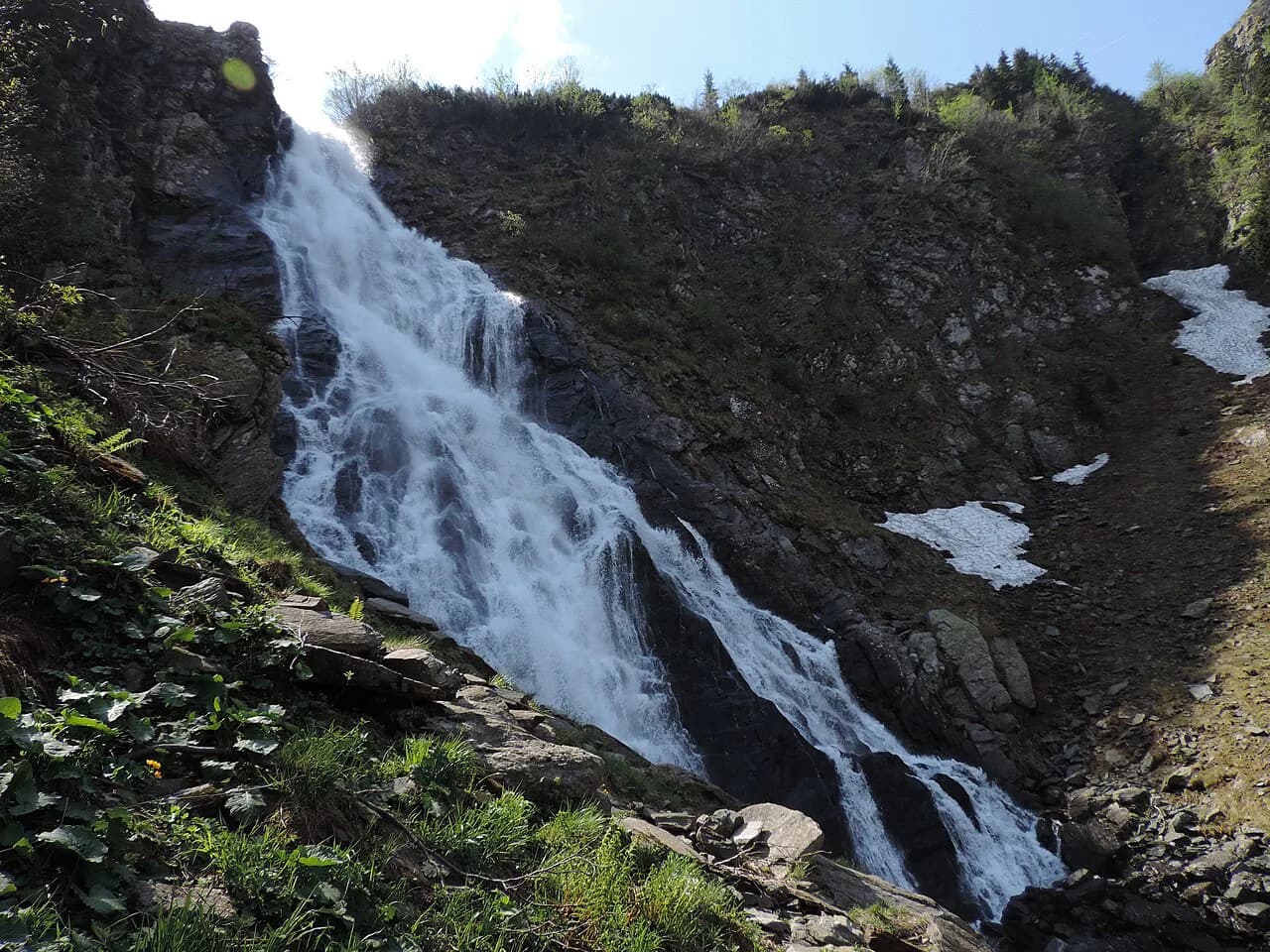
From the north, the approach runs from Cârțișoara up past Bâlea Cascadă and the tunnel, then down the far side to the dam. If you are working out which end to start from, the Transfăgărășan opening dates page covers how the seasonal window shapes a route planned from either side.
When the road is open
The DN7C is generally open end to end from 1 July to 31 October, weather permitting, with earlier reopening when snow has been cleared and there is no avalanche risk. The road authority announces an early reopening only 24 to 48 hours ahead, and actual dates move year to year: in 2025 it opened on 6 June and closed on 5 October, while in 2024 it ran from 7 June to 12 November.
If your trip falls outside the summer window, the road may be closed to through traffic for snow, so build the dam into a trip between June and October and hold the date loosely until the opening is confirmed close to travel.
The dam itself
A dam stop is short. The view down the Argeș valley and up the length of Lake Vidraru is what you come for, and it is a modest pause rather than a half day.
The pay-off is the contrast between the two sides: the thin line of the crest with the reservoir stretching away, and the drop on the downstream face where the river leaves the gorge. Drivers heading on to Bâlea Lake should keep some time in hand, because the climb from the dam to the lake is the most spectacular stretch of the route.
Wildlife is part of the drive here. Brown bears are sometimes seen from the road in the Carpathian Mountains, and responsible operators advise watching from a safe distance and respecting the animals rather than approaching them.
Poenari Citadel above the road
Poenari Citadel sits on a cliff above the Argeș valley on the approach to the dam, and reaching it means climbing close to 1,480 steps. The ruins are associated with Vlad the Impaler, the historical figure, not with Bram Stoker's fictional count.
Pairing Poenari with the dam works only if you accept the climb as the main effort of the day. The staircase is steep and exposed, so a party with mixed fitness or a tight schedule is better off viewing the fortress from the road and saving the time for Bâlea Lake.
Other stops on the same stretch
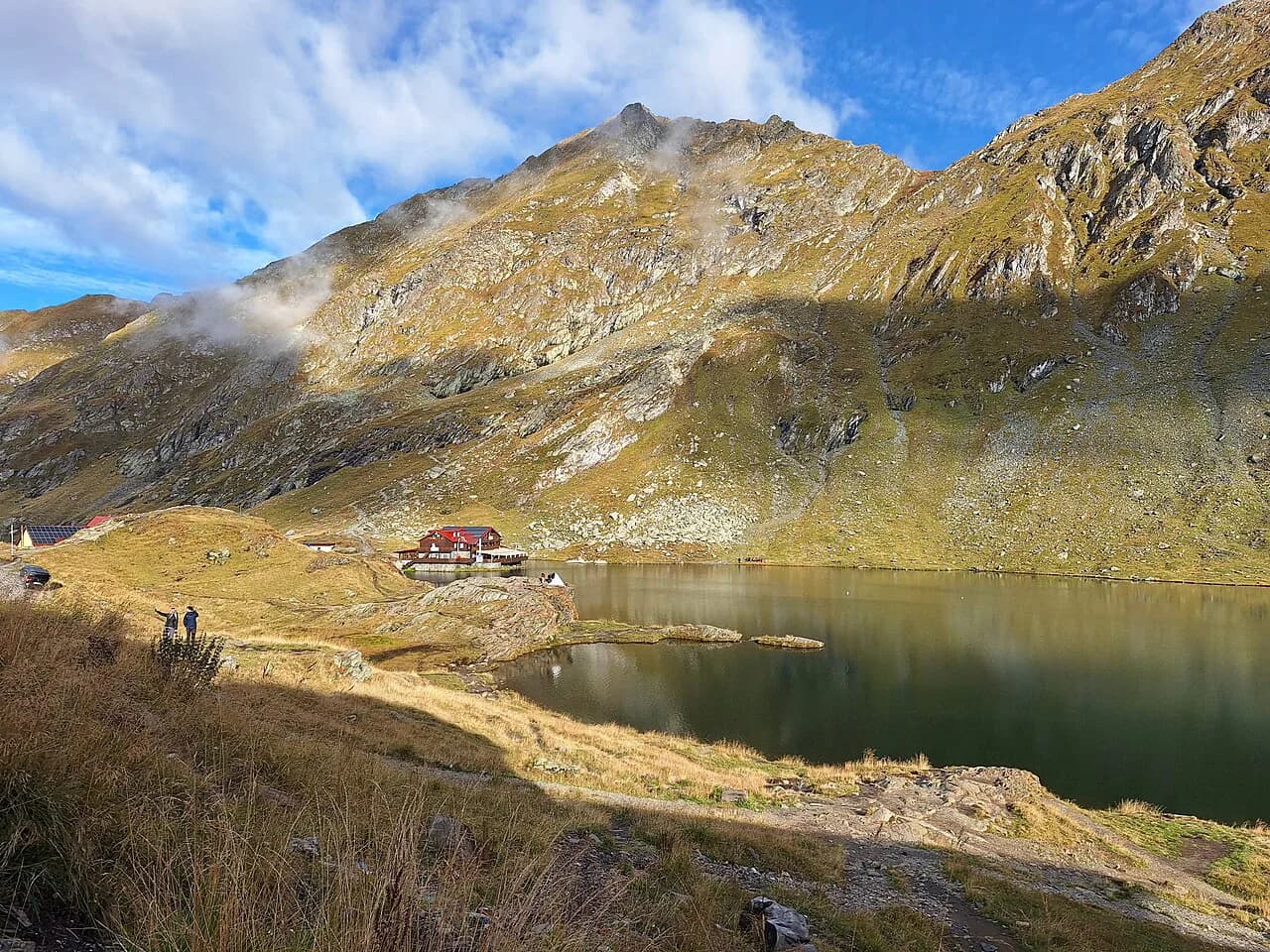
Bâlea Lake sits at the top of the pass at 2,042 m, and the drive from the dam up to it is the reason many people make the trip at all. The lake, the tunnel and the surrounding peaks deserve their own pause rather than a photo from the car.
At the southern end, Curtea de Argeș Monastery is the town's principal monument, founded in the early sixteenth century by Neagoe Basarab and used as the burial place of Romanian kings and queens. Its twisted towers and carved exterior make it a worthwhile hour before or after the drive; see our guide to Curtea de Argeș Monastery.
On the road itself, the usual pauses are the Vidraru Dam viewpoint and the lakeside cabanas higher up, where a stop for trout or a bowl of soup breaks the climb.
What a dam visit costs and what to book
No source supplies a ticket price for the dam itself, so plan to spend only on what you add: fuel and any cabana food stops. Carry lei for those stops and for anything you choose to go inside.
Organised day tours from Bucharest combine the dam with Poenari, Curtea de Argeș Monastery and the Transfăgărășan in a single day, with hotel pick-up and a guide. Entrance fees to museums and attractions are typically excluded from those tours, so budget separately for anything you go inside.
Should the dam be your main stop or a pause on the way?
Make the dam a pause, not the destination. Its crest and viewpoint give you the reservoir and the valley in a short stop, while the real content of the day is the climb to Bâlea Lake, the optional step count at Poenari and the monastery at Curtea de Argeș.
Plan the drive between June and October, start early from whichever end suits your base, and check the road status before you set out from a guide such as the Transfăgărășan page. If you want the bears and the driving handled for you, a guided day from Bucharest removes the route-finding and leaves you the views.
Explore more Transfagarasan guides
Sources
- TransFagarasan Scenic Drive in the Carpathian Mountains in Romania
- Bear safari on Transfagarasan road day trip - Crafted Tours Romania
- Curtea de Arges Travel Guide 2026: Top Attractions, Local Food & Travel Tips | Trip.com
- Visiter Curtea de Argeş : préparez votre séjour et voyage Curtea de Argeş | Routard.com
- Vidraru Dam
- VIDRARU DAM - All You SHOULD Know Before You Go (w
Useful notes for your next trip
Optional updates to our guides.
You might also like
Continue reading
More guides you'll find useful