Danube Delta Birds: Species, Places and How Birding Trips Run
A practical guide to birding in the Danube Delta and Dobrogea: species to expect, the channels and lakes boats visit, and how guided days are structured.
On this page
The Danube Delta and the surrounding Dobrogea region together form Romania's richest birding ground, and one working checklist for the area runs to more than 370 species recorded across the four seasons. That figure is compiled by a guiding operator from its own observations, rombird.ro reports and Dobrogea ringing-camp records rather than published by a reserve authority, so treat it as a practical target list. This guide covers what you can expect to see, which channels and lakes birding boats work, and how a guided day is put together.
Most birding trips start from Tulcea, where the Danube splits into its main branches and the boats leave. Read the Tulcea guide before you travel so you know how the town is laid out and where the embarkation points sit relative to the centre.
What birds live in the Danube Delta and Dobrogea
The species list covers water birds, waders, gulls and terns, raptors and woodland birds, which is why the Delta rewards several days rather than one outing. Discover Danube Delta, the team behind the checklist, keeps it updated with new records and removes species that have gone unseen for two decades, based on recent reports and guides' sightings.
A trip report from late April shows how varied a single day can be: hundreds of Great White Pelicans and Great Cormorants, Purple and Squacco Herons, Eurasian Spoonbills, a White-tailed Eagle, Marsh Harrier, Caspian and Pallas's Gulls, Caspian Terns and Black-winged Stilts within a few hours on the water.
Species presence shifts through the year, so match your dates to the birds you most want rather than counting on a single window. Bird Tour's archive of past departures shows trips running from late May into early June in different years.
Which species birders record most often on the water
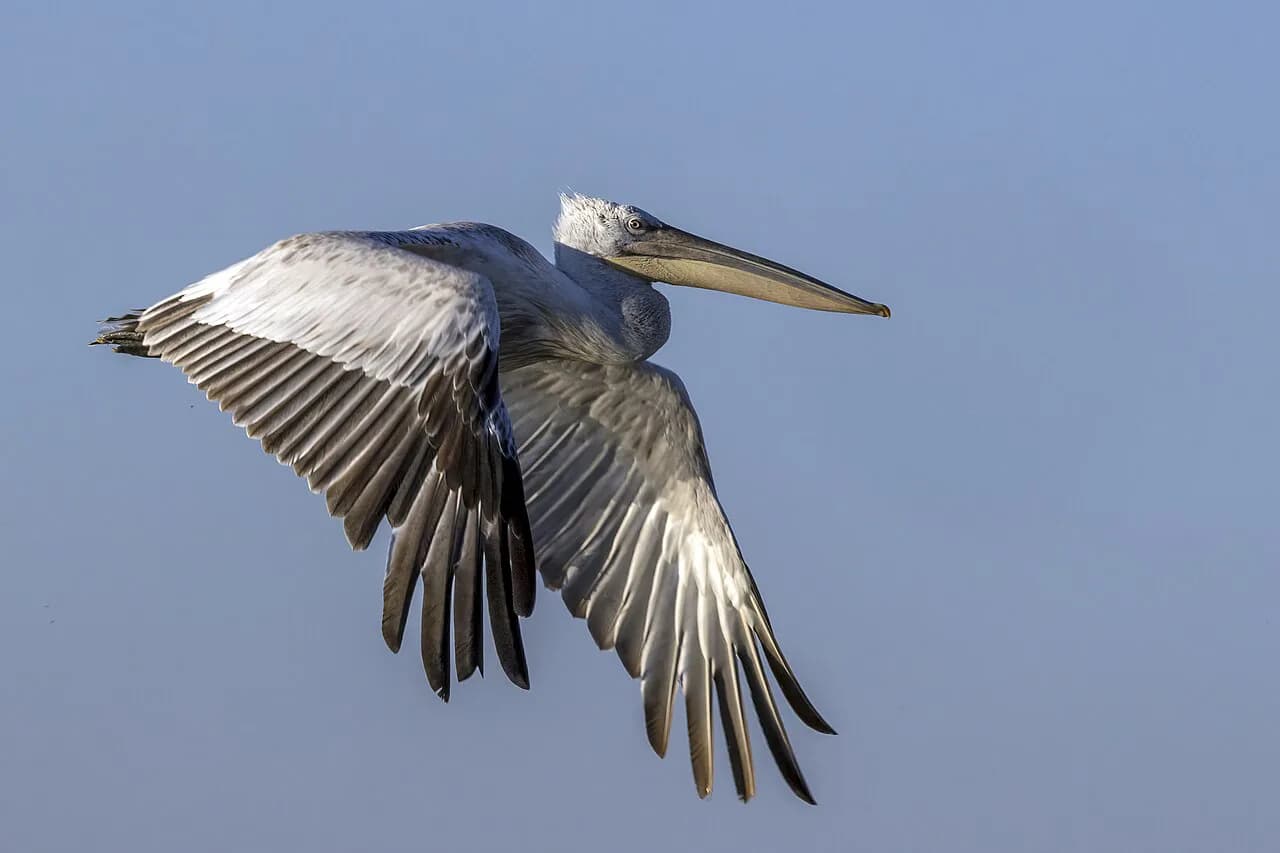
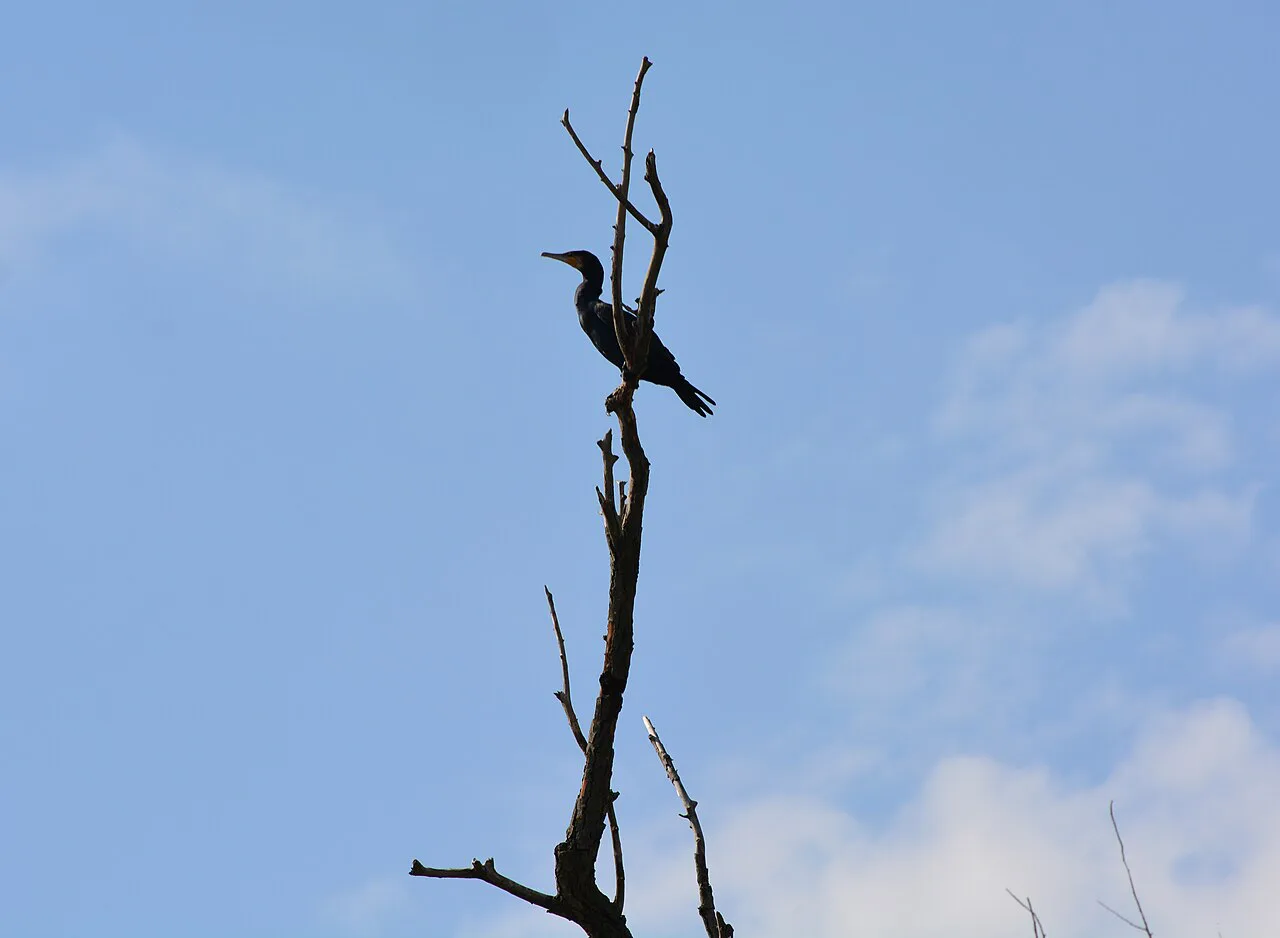
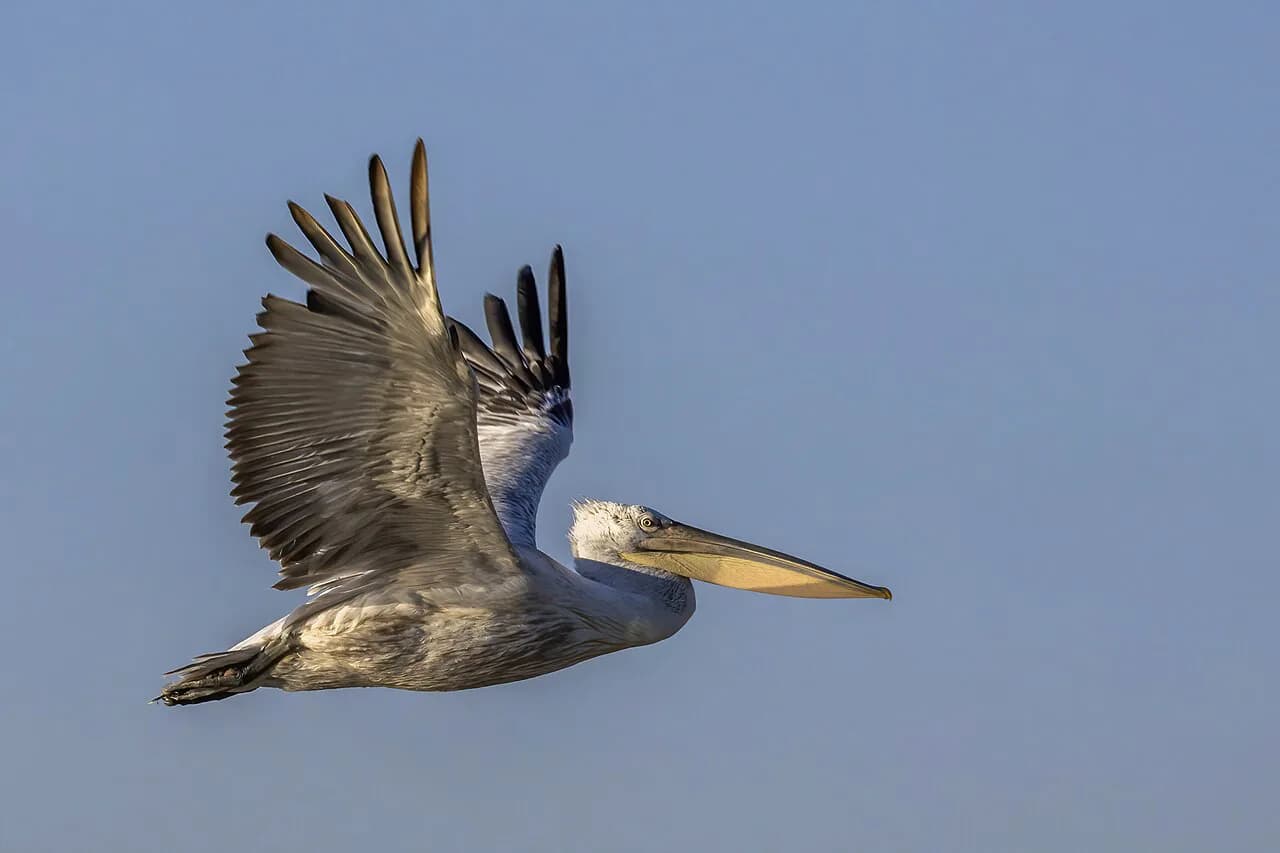
On open water the birds you notice first are the pelicans and cormorants, often in flocks of hundreds working the channels together. Gulls and terns follow the boats and gather at stopping points, so keep a pair of binoculars to hand even during a break.
Waders turn up on shallows and mud, sometimes in the middle of a channel rather than on a bank: the April report records Ruff, Common Sandpiper, Spotted Redshank and Northern Lapwing in small groups.
Woodland and scrub margins add a different set, including Great Tit and Common Pheasant. Birders who log sightings as they go, for example in eBird, build a personal record that helps when comparing days.
Pelicans and cormorants: the big flocks you notice first
Large concentrations of Great White Pelicans and Great Cormorants gather where channels open out and where old farmland has flooded. The April report describes running into hundreds, possibly thousands, of birds on a narrow channel near Mahmudia.
Pygmy Cormorant also appears in the Delta, usually singly or in small groups rather than the rafts of Great Cormorant. Scan the edges of reedbeds rather than the middle of the water for them.
Herons, egrets and spoonbills along the channels
Purple Heron and Squacco Heron favour vegetated channel edges, where they can be hard to pick out until they move. The April report logged several Purple Herons in a stretch of channel and two Squacco Herons as a first for the observer.
Eurasian Spoonbills feed in shallow water and were seen repeatedly on one day's route, though not always on the return leg. If spoonbills are a priority, ask your guide to build the day around the shallow areas they use.
Gulls, terns and raptors over the Delta
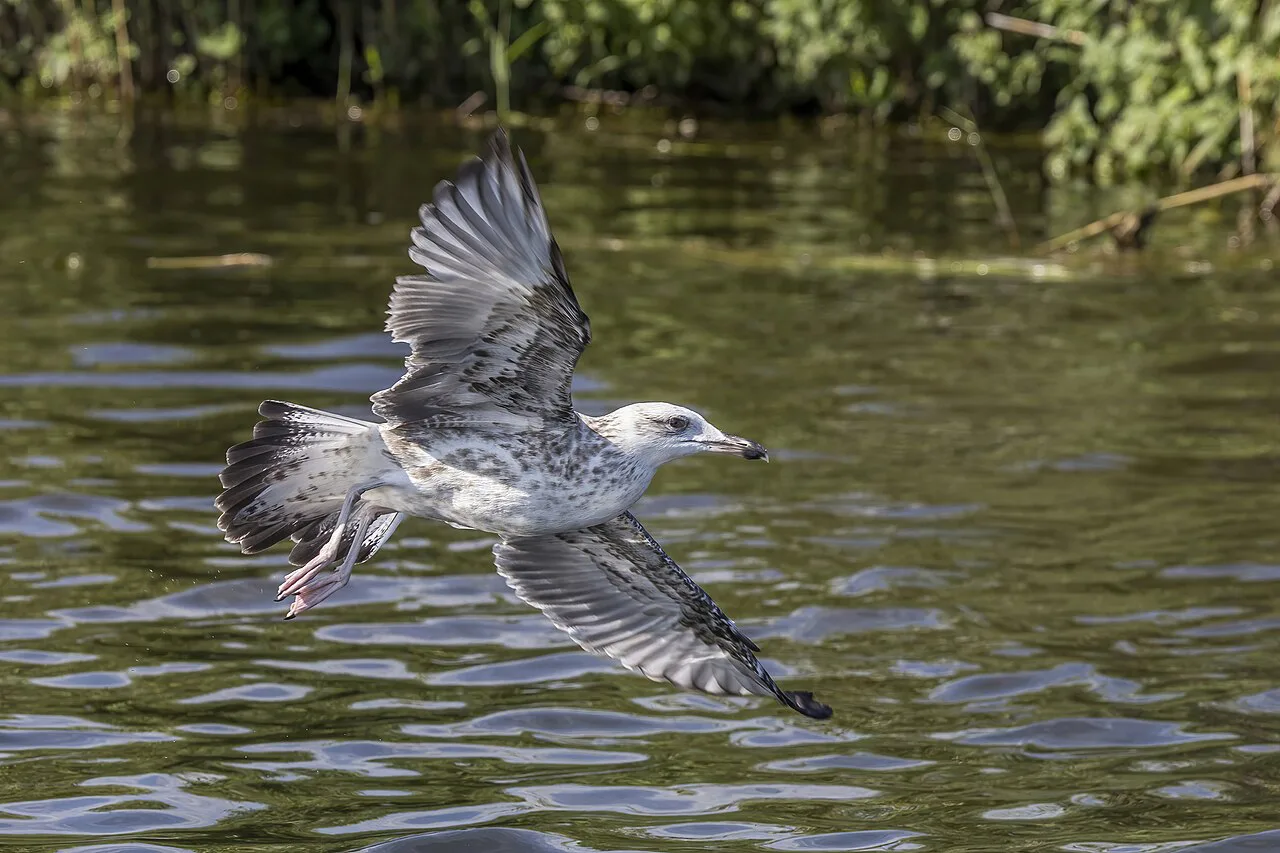
Telling Caspian Gull from Yellow-legged Gull comes down to details such as eye colour and the bill, and the confusion is common enough that a single observer in the April report had to change an identification once the dark eye was checked. Pallas's Gull, with its dark head, stands out when it appears among them.
Raptors hunt over the channels and fields: Marsh Harrier quarters low over the water, while White-tailed Eagle watches from trees along the bank. Both were recorded on the same day's outing in April.
Caspian Tern and Black Tern work the open water and the ponds behind stopping points, which makes the shore breaks worth taking slowly.
Where birding boats go from Tulcea and which branches they take
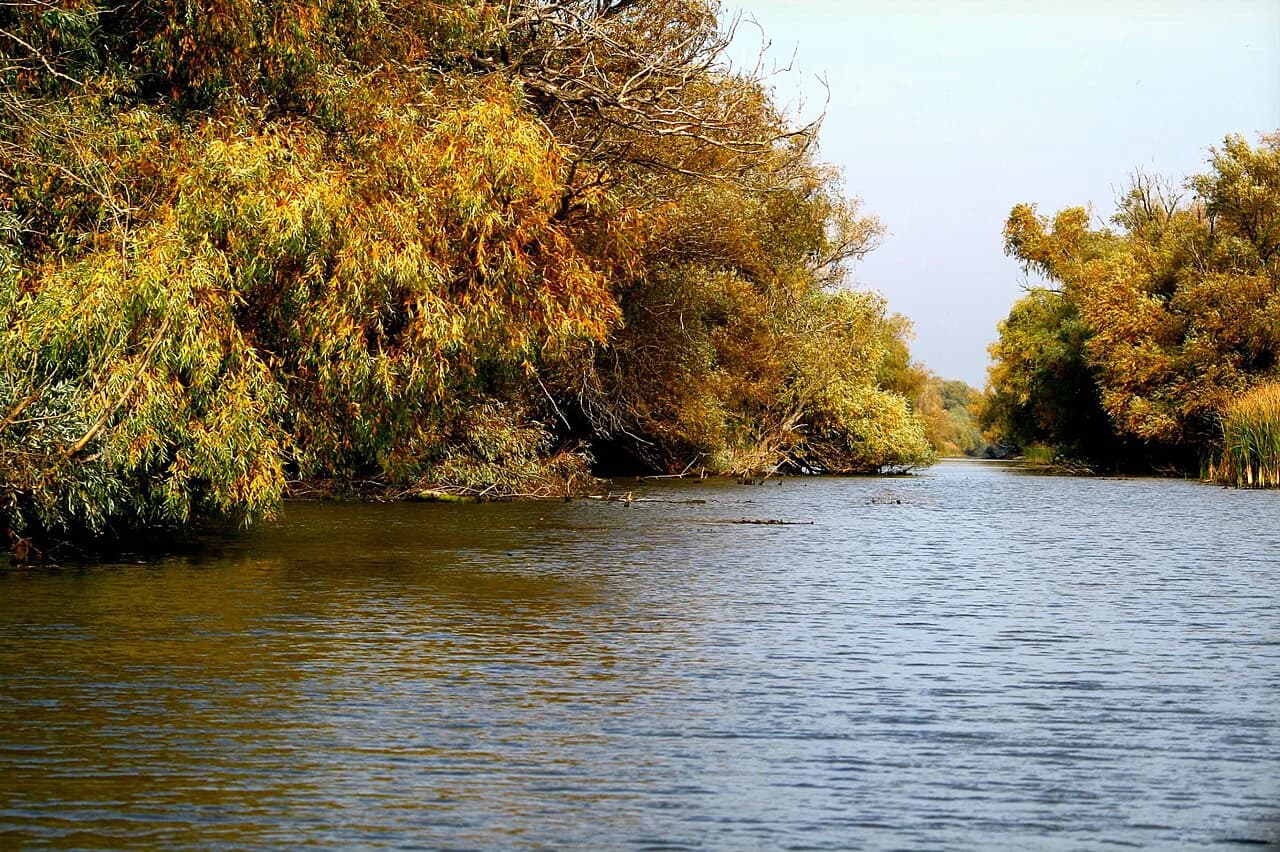
Boats leave from the marina at Tulcea and work the main branches and their side channels. A typical route heads out towards the Saint Georges Branch, turns north into narrower water, and links through the Litcov channel to the Carorman channel.
The Sulna Branch runs between the main Danube and the Saint Georges Branch towards the sea, and the guide's April route used it on the way back to Tulcea. Big river sections carry ships, so birding on those stretches is more about the banks and fields than the open water.
If you want to add the town where the river meets the sea to a Delta trip, the Sulina guide explains what is there and how it fits with a boat itinerary.
Carorman and the channels around it
Carorman is a stop rather than just a passage: boats go ashore, and there is a small pond behind the marina where Black-winged Stilts and waders feed. Walking to the old glass factory ruin nearby adds Great Tit, Shelduck and Caspian Tern.
Channels do not always cooperate: sections fill with fallen trees and overgrowth, and a boat may have to turn back rather than push through. On the April route the narrow channel turned north from Mahmudia became blocked and the boat turned around, costing time but not the day's sightings.
The lakes and old farmland turned wetland
Some of the best concentrations sit on former farming land that has reverted to wetland, known locally as the Gardens of the Netherlands. The April report found pelicans and cormorants there in numbers that are easy to underestimate when planning a route.
Villages such as Mila 23 sit deep in this landscape, and the Mila 23 guide covers what a stay there involves if you want to be on the water at first light without a long run from Tulcea.
How a guided birding day is structured
A full birding day starts well before dawn, with an early departure from the marina and a first logging session underway by early morning. Breakfast is usually taken early and the boat is moving soon after, so the first hours of light are spent on the water rather than in transit.
Guides combine birding with stops: a shore break at Carorman, a look behind the marina pond, and a walk to a ruin, before a faster run home on the main branch if the light or the day is running out. Ask whether the route includes Carorman if you want that mix.
Boat versus car-based birding: what each gives you
Boats reach channels, lakes and flooded farmland that have no road access, and they put you at eye level with birds on the water. The trade-off is that you depend on the guide's route and the state of the channels.
Car-based days work better for the coast and the Black Sea side of Dobrogea, where the same operator planned a separate car day after two boat days in April. Choose boat days for pelicans, spoonbills and channel herons, and a car day for coastal sites and farmland.
What to bring and how early starts work
A boat day is long and exposed, so bring layers, sun protection and a waterproof, and expect the first hours to be cold even on a mild spring morning. Binoculars, a scope if you have one, and a notebook or logging app make the day easier to review afterwards.
The April report mentions an eBird session started just after 8am and a 4.15am alarm, which shows how early a full day begins. Ask the boat's guide what time it leaves before booking accommodation in Tulcea.
Using a species checklist before you travel
Download a checklist and mark the species you most want to see, then ask your guide whether the route and season suit them. The Dobrogea and Delta list is a working document, updated with new records and trimmed of species not seen in the last 20 years, so it reflects what birders actually record now.
If your birding days are part of a longer trip along the river, the Danube River pages cover the wider region.
Which birding day to book
Book a boat day if pelicans, spoonbills and channel herons are the priority, and add a car day if you want the coast and farmland. Check current prices, departure time and whether Carorman is included before you commit, and take a checklist so you know what you are watching for.
Tour options and how they run are set out in the Danube Delta tours pages, which help you compare a boat day with a mixed itinerary.
Explore more Danube Delta guides
Frequently Asked Questions
Where is the Danube Delta located?
The Delta sits in eastern Romania, where the Danube splits into its main branches near Tulcea and flows towards the Black Sea. The surrounding Dobrogea region, including the coast, forms the wider birding area covered by the regional checklist.
What month is best for bird watching in the Delta?
There is no single best month, because the mix of species changes through the year. Published trip records show good sightings in late April, and operator departures also run in late May and early June, so match your dates to the birds you most want to see.
Sources
Useful notes for your next trip
Optional updates to our guides.
You might also like

Continue reading
More guides you'll find useful