Galați: A Practical Guide to Romania's Danube Port City
Galați is a working Danube port rather than a tourist town, with a long riverside promenade and a TV tower viewpoint. Here is what to see and how to reach it.
On this page
Galați suits a single full day, built around the Lower Promenade and the TV Tower, with the cathedral and the Science Museum filling the rest. It is a working port and industrial city in eastern Romania rather than a polished tourist town, so arrive expecting river traffic, wide streets and a skyline of workshops alongside the water. This guide covers how to reach it, how the centre is laid out, what each sight asks of your time, and how it fits a route toward the delta.
The city sits on the left bank of the Danube, roughly 250 km from Bucharest, and its station receives direct trains from the capital. It has no civil airport of its own, so most travellers arrive by rail or bus and continue overland.
What Galați is
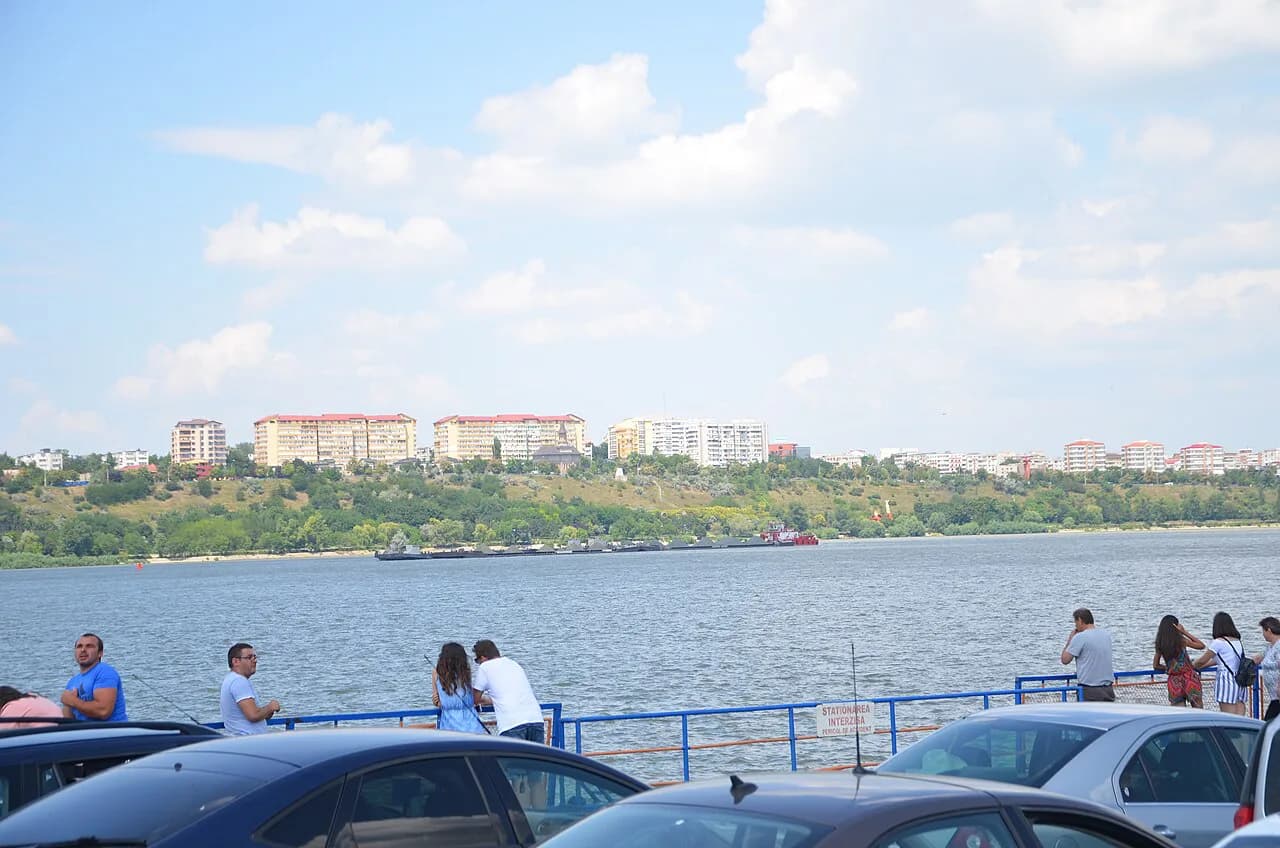
Galați is an industrial centre and river port on the Danube, documented since the 13th century and now home to around 249,000 people. Metallurgy and shipbuilding shape both the economy and the look of the place, which is why the centre mixes historical buildings, mid-20th-century ensembles and newer residential blocks. The river is the reason to come: a busy port on one side, recreational space on the other.
The metallurgical plant run by ArcelorMittal is the backbone of the local economy and dominates part of the urban landscape, including the view from the tower. That industrial presence is not hidden away, so treat it as part of the scenery rather than something to route around. The city is closely linked with neighbouring Brăila, and together they form the second-largest metropolitan area in Romania after the capital.
Air quality can suffer in calm weather because of the industry, which matters if you plan long hours outdoors. Wind is common on this open stretch of river, so a windbreaker earns its place at any time of year. Neither point should put you off a short stay, but they shape how you pace a day on the water.
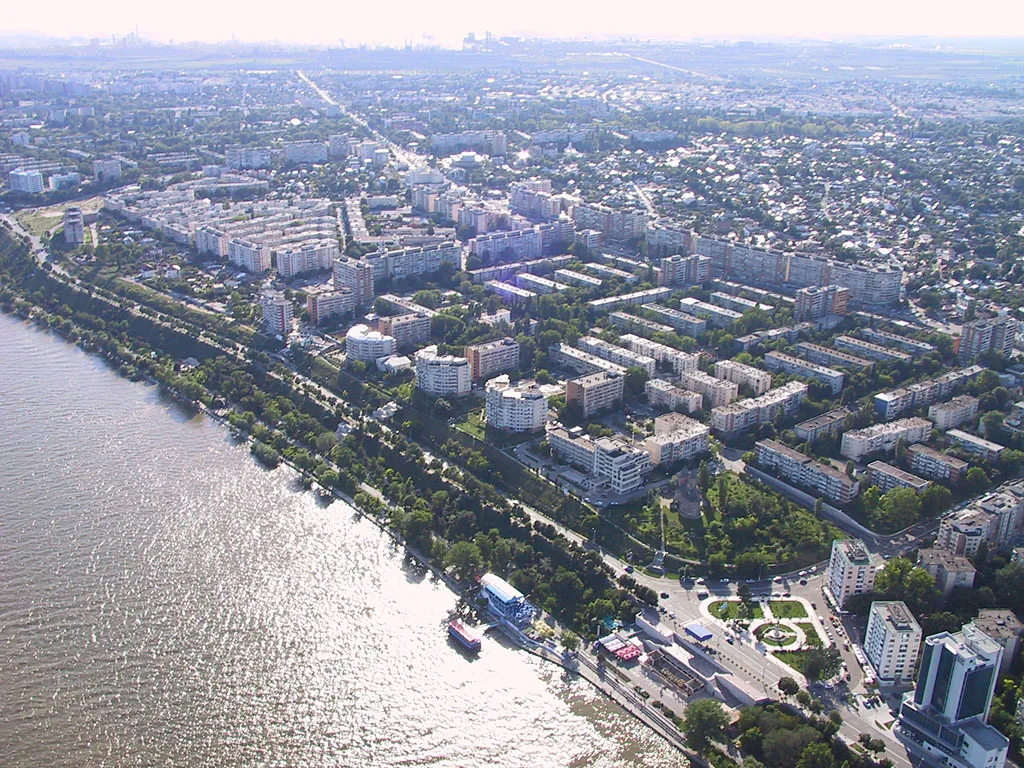
How to reach Galați
Trains from Bucharest take roughly four to five hours, and intercity buses cover the same corridor. Galați has no airport for regular civilian flights, so fly into Bucharest and transfer by rail or road, or use another regional airport and drive. Check current departures with CFR Călători before you travel.
The railway station accepts direct trains from the capital and from major cities in Transylvania, which makes Galați feasible as a stop rather than a dedicated detour. The Danube also carries river vessels on international routes, though cruise calls are not consistent enough to build a trip around. If you are heading onward toward the delta, compare the rail and road options to the gateway town before booking, since the two places sit on different branches of the route.
Getting around the centre
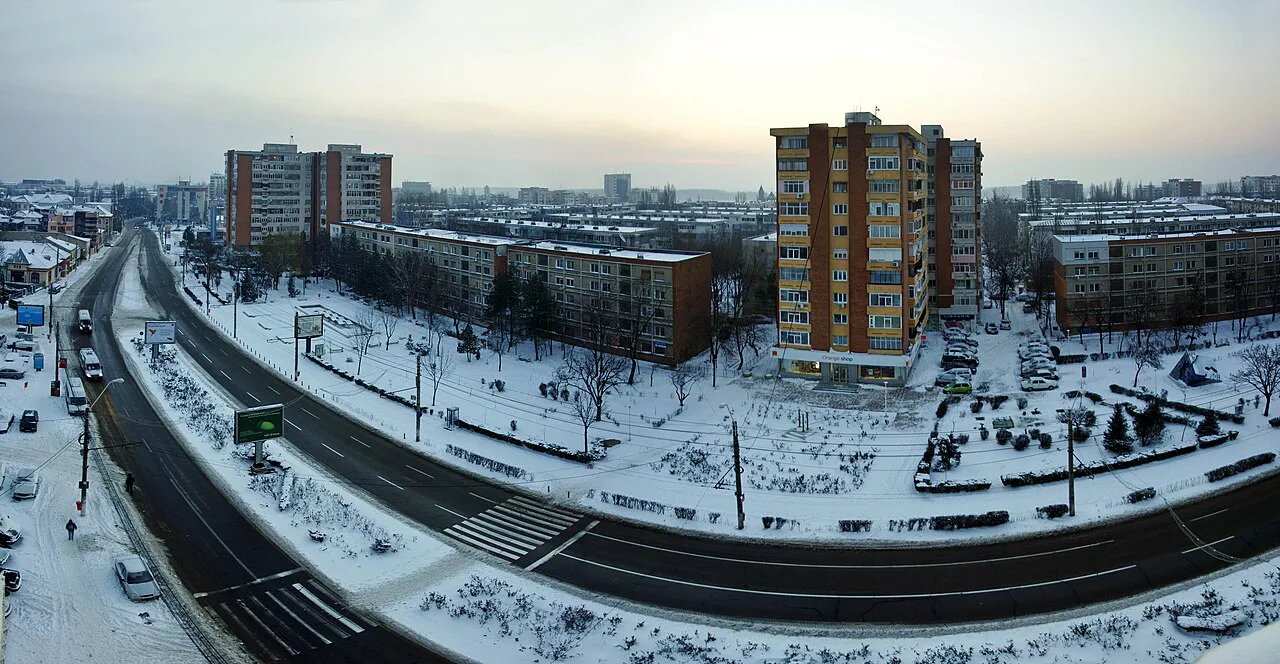
The named sights of a short visit — the Lower Promenade, the TV Tower, the cathedral and the Science Museum complex — sit in and near the centre, so the river and the core can be seen on foot. The Lower Promenade runs along the Danube, the TV Tower is a landmark visible from much of the city, and the cathedral and museums sit inland of the waterfront. A single day on foot covers the core comfortably; add time only if you want the botanical garden at a slow pace.
Walk the promenade first to get your bearings, then approach the tower for the overview, and save the museums for the afternoon. Keep the industrial panorama in mind: the tower view is described as taking in the metallurgical workshops as well as the water, and that is the honest appeal of the city.
Lower Promenade (Faleza Inferioară)
The Lower Promenade is the main reason to walk in Galați: a long stretch along the Danube with river breeze, modern metal sculptures and a steady flow of passing ships. It works as a break from city noise rather than a sight with a turnstile, so give it an hour or more and let the traffic on the water set the pace. This is where the port city makes sense as a place to be, not just to look at.
Come in the late afternoon for the light and the breeze, and bring a layer against the wind off the water. The promenade pairs naturally with the tower, since both look out over the same river. If your wider plan heads toward the delta, the same riverside habit carries over to the smaller Danube ports, and the Danube Delta Guide sets out how that water landscape is arranged.
The TV Tower (Turnul Televiziunii)
The TV Tower is the city's other landmark, an engineering structure described as having an observation deck giving a panorama over the Danube and the industrial landscape, including the workshops of the metallurgical plant. It is lit at night and becomes a reference point on the skyline. It appears at the top of visitor listings for the city.
The tower has a restaurant at height, described as a place to eat while looking out over the river. Its opening arrangements for the day you plan to go are worth confirming in the city before you build an itinerary around it. Plan the tower as the flexible part of the day, not the fixed one.
Cathedral of Galați and the churches of the centre
The Cathedral of Galați is one of the city's principal landmarks and appears among the sights visitors rank highest. It sits inland of the waterfront, so it slots into a walking route in the centre without a separate journey. Check about visiting at the door, since no opening hours are published in the guide.
Beyond the cathedral, the churches of the centre are worth an hour if you like ecclesiastical architecture, but they are not a reason on their own to extend a stay. Opening times are not published in the guide, so check at the door or with the tourist information point on the day.
Science Museum and Botanical Garden
The Science Museum and Botanical Garden combines a museum, an aquarium and garden space in one complex, which makes it the natural choice for a mixed group or a rainy half-day. It appears among the top visitor listings for the city. Allow a couple of hours if you want the aquarium and the garden both.
Opening days and any charges for the museum, aquarium and garden are not given in the guide, so confirm them at the entrance before you go. The garden is a seasonal pleasure: spring brings greenery early, and autumn stays mild and long in this part of Romania. Neither is a reason to skip the riverside, which remains the point of the city.
The central ensemble of 1956–1960
The architectural ensemble of the city centre was created between 1956 and 1960, combining classical forms with socialist modernism. It is not a single monument to tick off but the fabric of the streets you walk between the station, the cathedral and the river. Look at the ground-floor rhythm and the scale of the blocks rather than hunting for a plaque.
This period architecture explains why the centre feels wide and formal rather than medieval: Galați is a 19th- and 20th-century port, not a Saxon town. If you want that older street pattern, plan a separate stop elsewhere in Romania rather than expecting it here. The reward in Galați is the river and the working city, not an intact old quarter.
How long Galați needs
One full day covers the Lower Promenade, the TV Tower, the cathedral and the Science Museum complex at an unhurried pace, with time for lunch between them. Two days only make sense if you want to slow down on the river and add the botanical garden without rushing. Galați is not treated here as a base for the delta itself; it is a river-facing stop on the way.
If the delta is the goal, move on to the gateway town and arrange your waterborne excursions there, where boats, guides and permits are the local business. Galați gives you the Danube as a working river; the delta gives you the river as a wilderness. Treat the two as different trips joined by one route, and compare Danube Delta tours before you commit to a boat day.
Further stops along the delta reward a longer stay: the fishing village of Mila 23 and the Letea Forest sit deep in the water landscape and need their own transport and time. The town of Sulina, where the river meets the sea, is another onward leg worth planning separately. Galați is the practical first taste of the river rather than a substitute for any of them.
When to go
Summers are warm and sunny, with July and August averages near 25°C and frequent days around 30°C; June brings the most rain, while August is the driest month and the best for long walks on the promenade. Winters are usually mild, with a January average around 0°C and occasional short frosts. Autumn is long and pleasant, and September and October make good months for the riverside.
These are climate averages, not a forecast, so check the weather shortly before you travel. Spring arrives quickly, greening the parks from April, and the wind off the river is a constant.
Is Galați worth a stop on the way to the delta?
Yes, if you want a day of river, working port and a good viewpoint rather than an old-town stroll. Build the day around the Lower Promenade and the TV Tower, add the cathedral and the Science Museum complex, and confirm the tower's opening arrangements in the city. One night is enough to see the city properly without treating it as a holiday in itself.
Then continue toward the delta gateway at Tulcea and arrange the water part of the trip from there, where the boats and guides are based. If you want birds and channels rather than a port, the Danube Delta pages will serve you better than this one.
Explore more Danube Delta guides
Frequently Asked Questions
Does Galați have an airport?
Not for regular civilian flights. Travellers usually fly into Bucharest or another regional airport and continue by train, bus or car. The practical choice depends on where you are arriving from.
Can you go up the TV Tower in Galați?
The tower is the city's best-known viewpoint and has a restaurant at height. Its opening arrangements vary, so confirm them in the city before you plan a day around it.
How far is Galați from Bucharest?
About 250 km. Trains take roughly four to five hours, and intercity buses cover the same route. Confirm current departures with the operator rather than relying on any timetable printed in a guide.
Is Galați a good base for the Danube Delta?
It works as a river-facing stop on the way, not as a base for the delta itself. The practical gateway for boat trips and guided excursions is Tulcea, further downriver, where the operators and services are concentrated.
Sources
Useful notes for your next trip
Optional updates to our guides.
You might also like
Continue reading
More guides you'll find useful