Mila 23: Visiting the Danube Delta Fishing Village
Mila 23 is a fishing village deep in the Danube Delta, reached only by boat. Here is how to get there, what to see and how long the village needs.
On this page
Mila 23 is a fishing village in the heart of the Danube Delta, reached only by boat. It belongs to Crișan commune in Tulcea county and lies about 53 km from Tulcea, so every visit is planned around a boat departure rather than a drive.
This guide treats the village as a place in its own right: the landing, the old houses and boats, the church, and the canals and lakes you cross to reach it. It also sets out how a village stop fits into a longer delta day trip alongside Letea and Sulina.
What Mila 23 is
Mila 23 is one of the small settlements scattered through the delta, in Crișan commune, Tulcea county, in the Dobrogea region of south-eastern Romania. Around 15,000 people live across the delta's 28 villages and one town, Sulina.
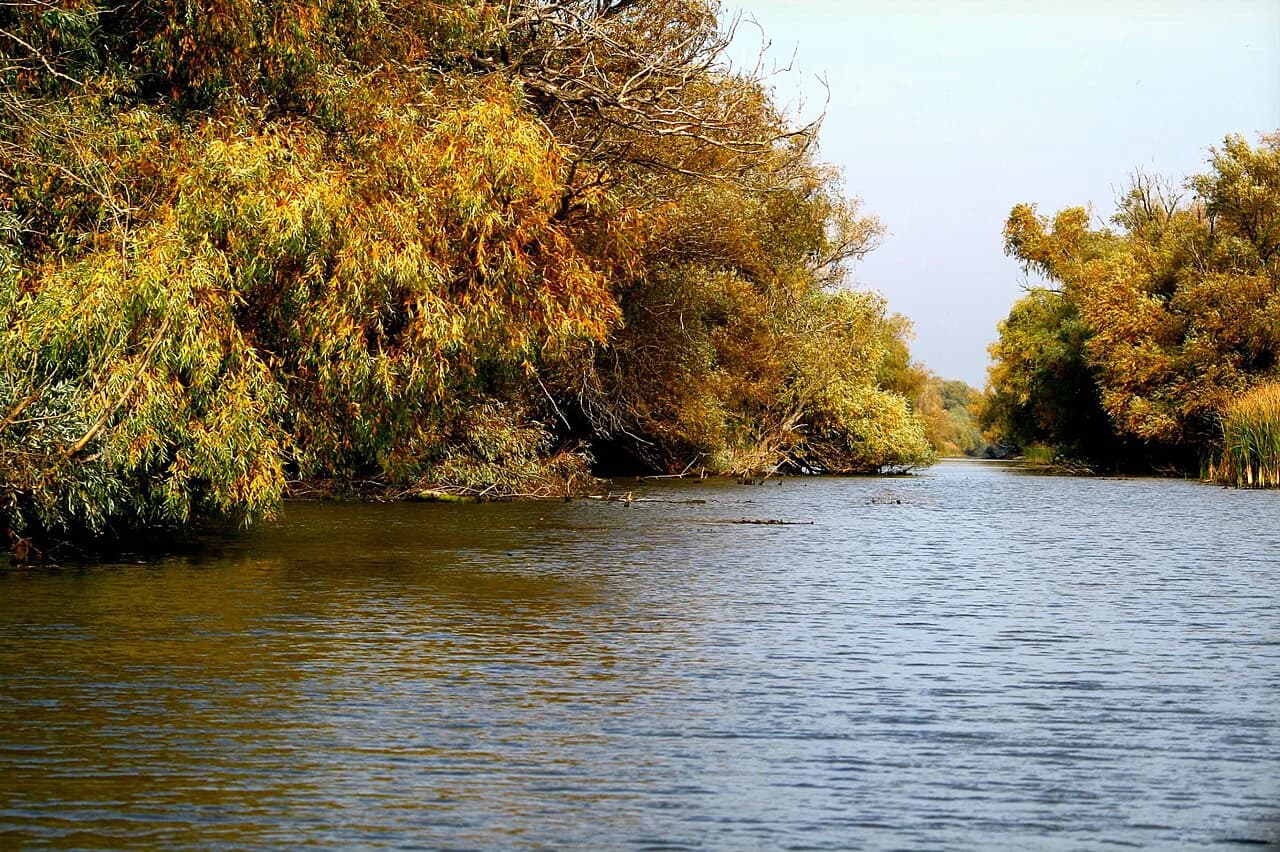
The village is a working fishing settlement rather than a resort, and life is tied to the water around it. The delta is a maze of canals bordered by thatch, willows and oaks, and more than half of the biosphere reserve is virtually intact.
Expect a quiet place with few facilities, where the boats at the landing are the centre of activity. Treat Mila 23 as somewhere to walk, look and slow down after the run through the reeds.
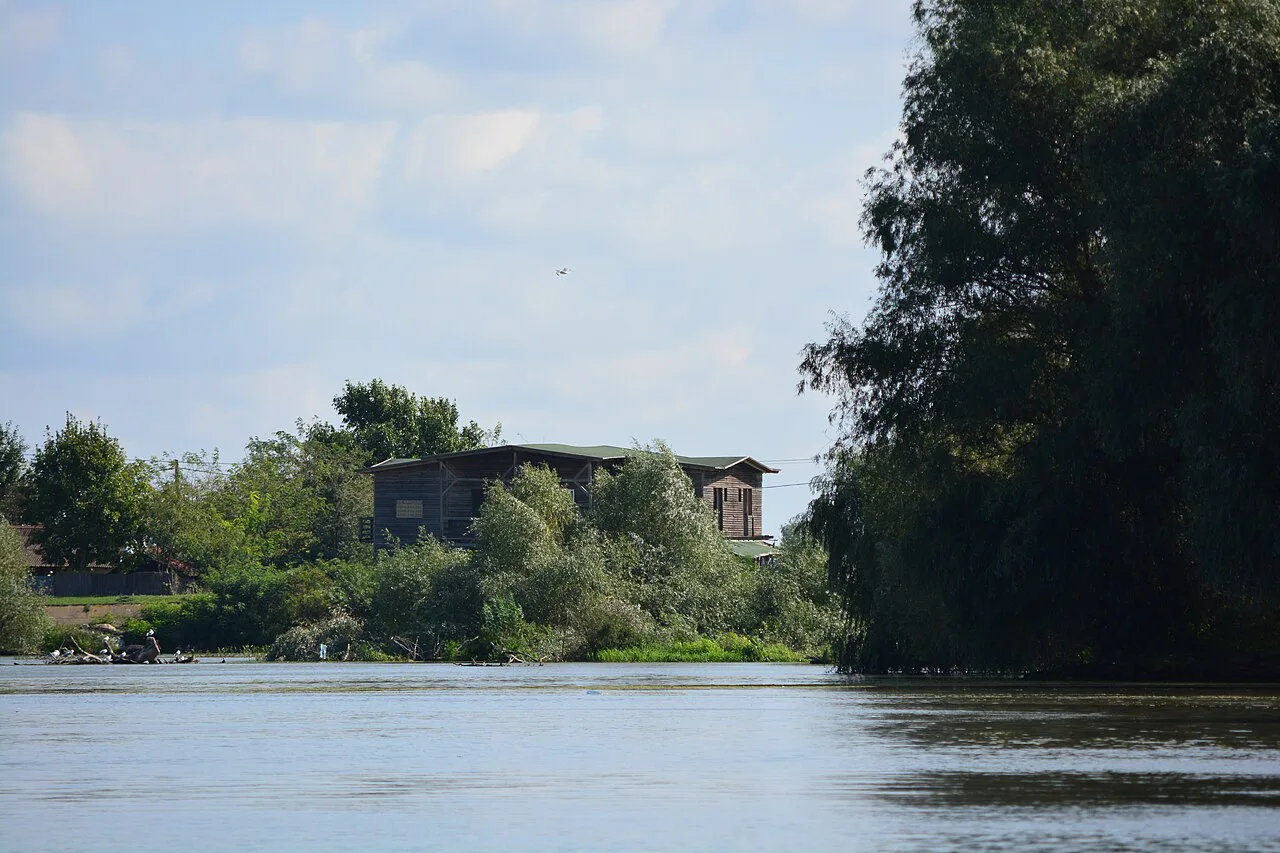
Where Mila 23 sits in the delta
Mila 23 lies roughly 53 km from Tulcea, the gateway town where most delta trips begin. That distance is measured on water, along the channels and lakes that thread through the reserve.
The delta forms around three distributaries of the Danube: Chilia in the north, Sulina in the middle and Sfântu Gheorghe in the south. Which arm your boat takes shapes what you see on the way.
For the wider geography, the Delta spans 580,000 hectares of wetland where the Danube meets the Black Sea. Reading the delta guide before you book helps you place Mila 23 against Letea, Sulina and Sfântu Gheorghe.
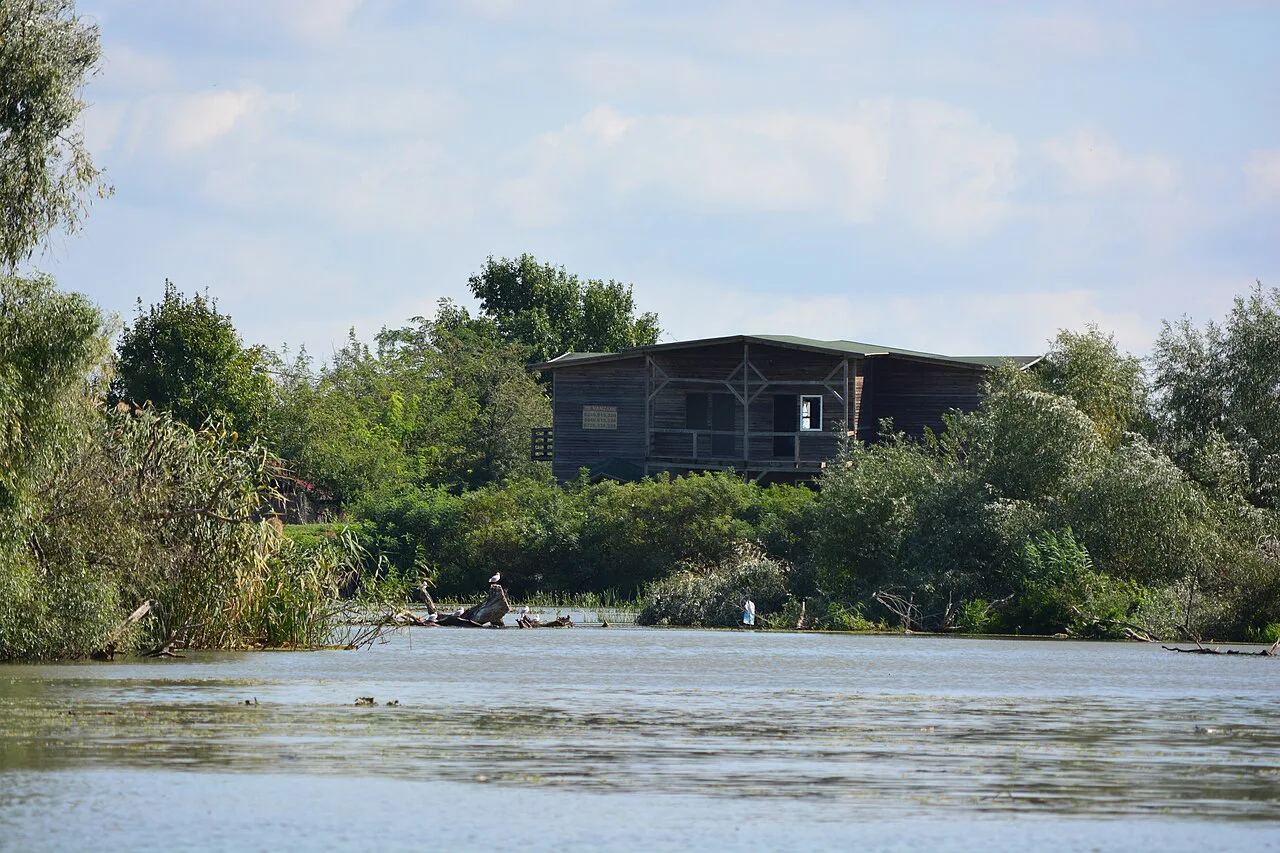
How to reach Mila 23
There is no road to Mila 23: the village is reached only by boat. Plan the journey from Tulcea, where the boat operators start their delta trips, and allow for the return leg in daylight.
Discover Danube Delta runs a private guided day trip to Mila 23 village lasting about six to seven hours, from April to October, for one to ten people. It leaves from Tulcea's Aval harbour.
If you are arriving in Romania by public transport, Tulcea is the practical base for boat departures. The Tulcea guide covers how the town is laid out and how to position yourself for an early start.
Several operators run day trips from Tulcea that combine the village with other delta highlights. Compare the Danube Delta tours on offer before committing to a date, because boat capacity and group sizes vary by trip.
What a guided day trip involves
A guided day trip to Mila 23 pairs time in the village with the boat journey through the canals and lakes. The private Mila 23 trip from Discover Danube Delta is quoted at 400 euro per trip for the 2026 season, for up to ten people.
Longer shared trips combine the village with other stops. Discover Danube Delta's shared Tulcea to Letea day trip runs roughly nine to ten hours and is listed at 80 euro per person for 2026.
Some operators run a single day covering Mila 23, Letea and the town of Sulina. That packages three very different places into one outing: a fishing village, a forest and a river port at the edge of the sea.
Sulina rewards its own stop, with the Danube meeting the Black Sea at the end of the Sulina arm. If a combined day feels rushed, splitting the villages across two days gives each one room.
What to see in the village
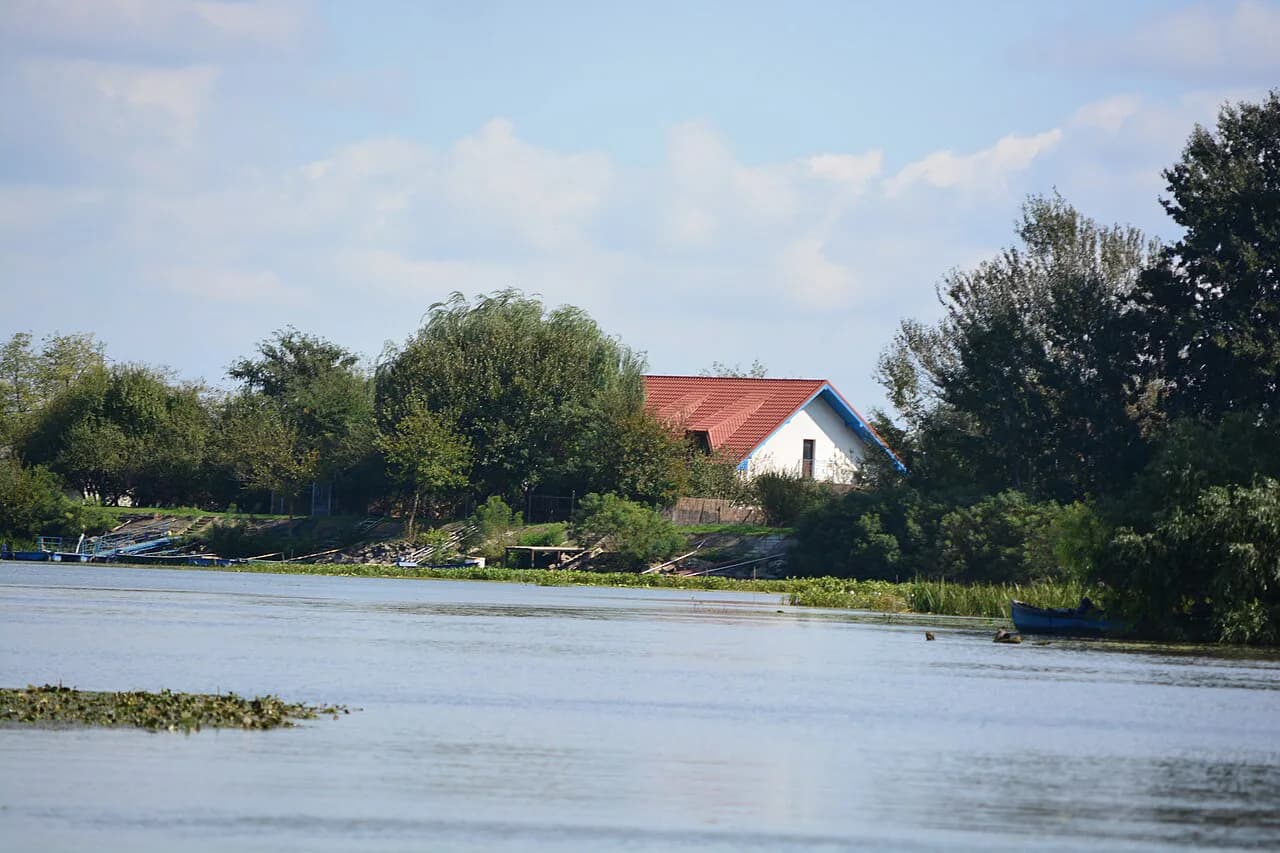
Mila 23 is a fishing village, and its appeal is the everyday fabric of the place: the landing, the painted houses and the boats drawn up along the water. Walk slowly rather than ticking off sights.
The village church and the older houses are the landmarks visitors head for, and the pace of a small settlement means you can cover them on foot in an hour or two. Keep to what you can see from the lanes and the waterfront.
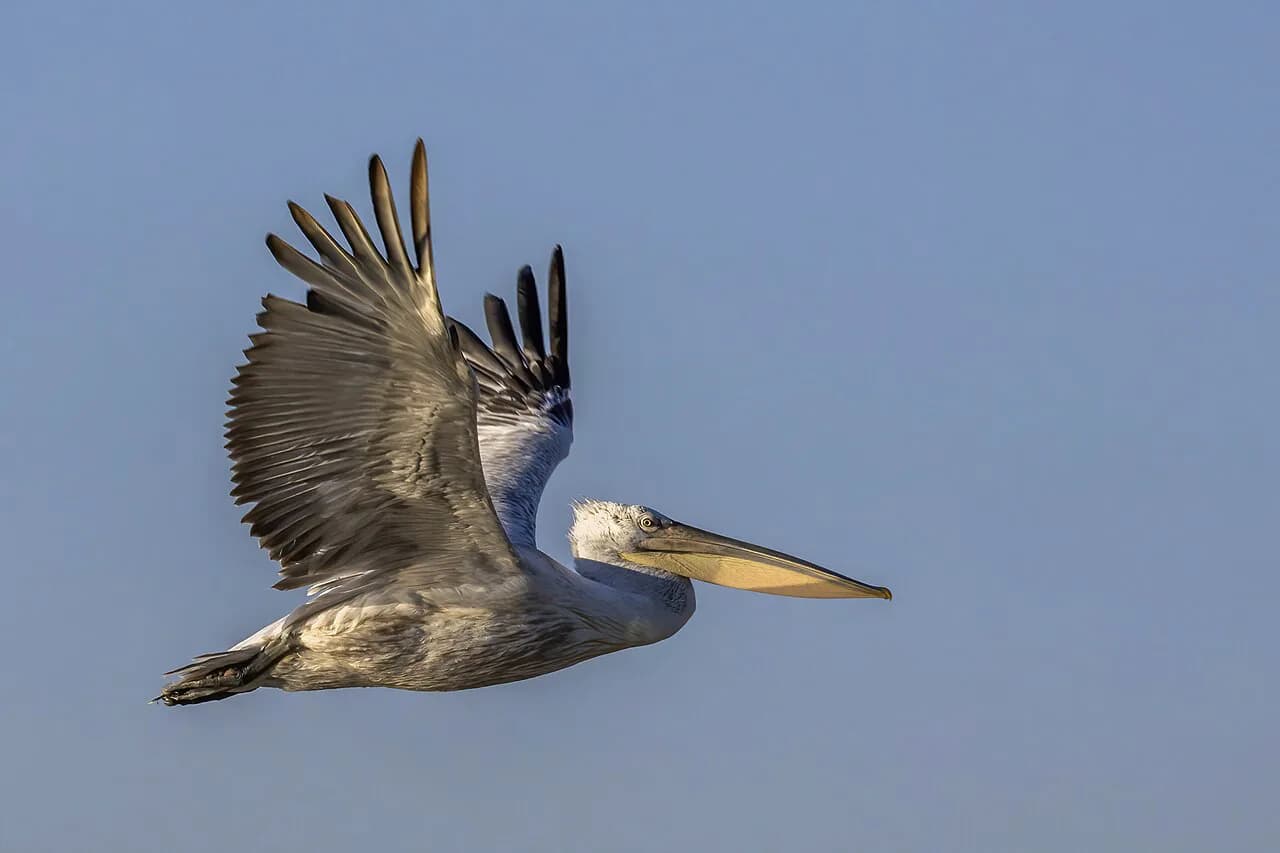
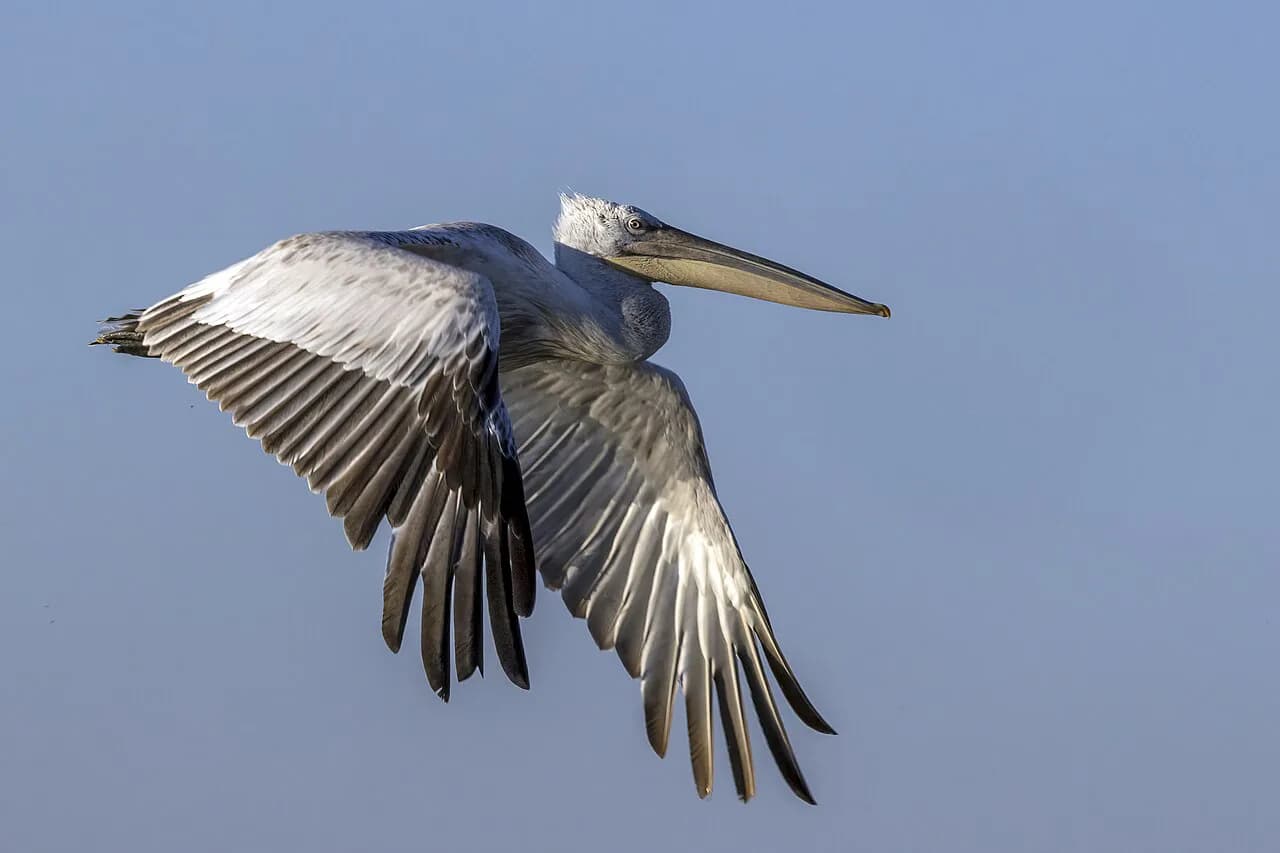
The surrounding water is part of the visit: herons, pelicans and cormorants work the channels, and the reed beds run for hectares. The delta guide counts around 300 species of birds in the reserve, and you pass through their habitat on the boat in.
How long to give Mila 23
A village stop of an hour or two is enough to walk the lanes, see the church and take in the waterfront on a day trip. That is the shape most visitors choose, since the boat ride is the main event.
Staying a night turns Mila 23 into a different place: the boats come back in, the day trippers leave and the village settles. The private day trip runs six to seven hours, so a night means arranging your own onward boat the next morning.
If you stay longer in the delta, the surrounding villages and the forest at Letea make a natural second day. Letea Forest's grazed woodland is another reason to plan more than one day on the water.
The delta around Mila 23
The run to Mila 23 crosses canals, shallow lakes and reed beds, and the reed bed here is the largest in the world at 240,000 hectares. The boat slows for bends and birdlife, so the journey is the sightseeing.
Wildlife is the reason many visitors come. The delta holds more than 50 kinds of fish and around 300 bird species, including white pelicans, Dalmatian pelicans, cormorants, white-tailed eagles and glossy ibises.
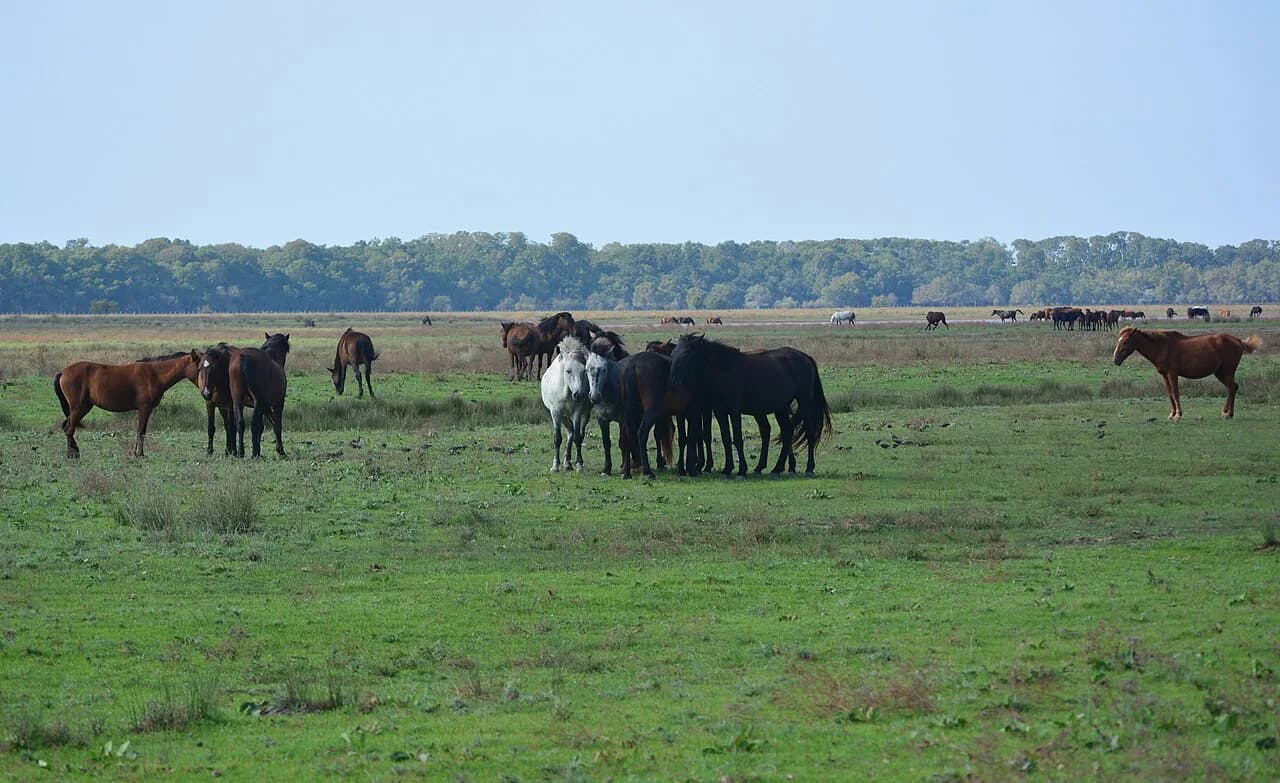
Rewilding work in the delta has supported species such as the golden jackal, and the white-tailed eagle has shown a remarkable comeback, while the woodland at Letea and Caraorman persists as grazed mosaic forest. Ask your guide what is active in the season you travel.
When to go
Discover Danube Delta lists its Mila 23 day trip from April to October, and its shared Letea trip from April to September. Those months are the scheduled season Discover Danube Delta runs the trips in, not a promise of conditions on any given day, so check current dates and prices before you travel.
Birdlife shifts through the year: Egyptian white pelicans arrive each spring to raise their young, and Arctic geese, including the red-breasted goose, arrive in late October and mid-November. Late spring and early autumn sit in the middle of both movements.
Summer brings heat and insects in the reed beds, and the open boats offer little shade. A hat, water and long sleeves are worth the weight in the pack.
Practical points for a village visit
Mila 23 has few facilities, so bring what you need for the day and carry your rubbish back out. Cash and a charged phone are sensible on a boat trip where shops are scarce.
Water levels worry some visitors, but small tourist boats are built for the delta and can navigate in as little as 30 to 40 cm of water. Commercial shipping is the traffic affected by low water, not the open boats that reach the village.
If your trip uses the southern channels, Murighiol is another place on the Tulcea county shore that appears in delta planning. Check departure points when you book, since operators use different harbours.
Is Mila 23 worth the boat trip?
Yes, if you want a working delta village rather than a resort, and you accept that the journey by boat is half the point. Give it a stop on a day trip, or a night if you want the village to yourself after the boats leave.
Book through an operator that lists Mila 23 by name, confirm the departure harbour and the season, and ask what the trip includes before you pay. The Danube Delta guide covers the wider delta so you can judge how Mila 23 fits your itinerary.
Explore more Danube Delta guides
Sources
Useful notes for your next trip
Optional updates to our guides.
You might also like
Continue reading
More guides you'll find useful