Danube Delta Guide: Getting There, Boat Trips and Birdlife
Plan a Danube Delta visit from Tulcea: how the channels, lakes and villages work, what you can see, how long to allow and what guided boat trips cost.
On this page
The Danube Delta is best seen on a guided boat from Tulcea, and one full day on the water is enough to understand why it repays the effort: reed beds, lakes and channels, plus pelicans, herons and cormorants in numbers. This guide explains how the delta is laid out around its three distributaries, how trips start at Port Aval, which villages and landfalls come up on a day trip, what the birdlife gives you, and how shared, private and per-boat pricing differ.
It is a wetland, not a museum, so plan around time on the water and accept that wildlife will not appear to order. The advice below uses published route descriptions and prices from the Tulcea-based operator Discover Danube Delta, and the delta's own geography from Romania Tourism and Rewilding Europe.
What the Danube Delta is and where it sits
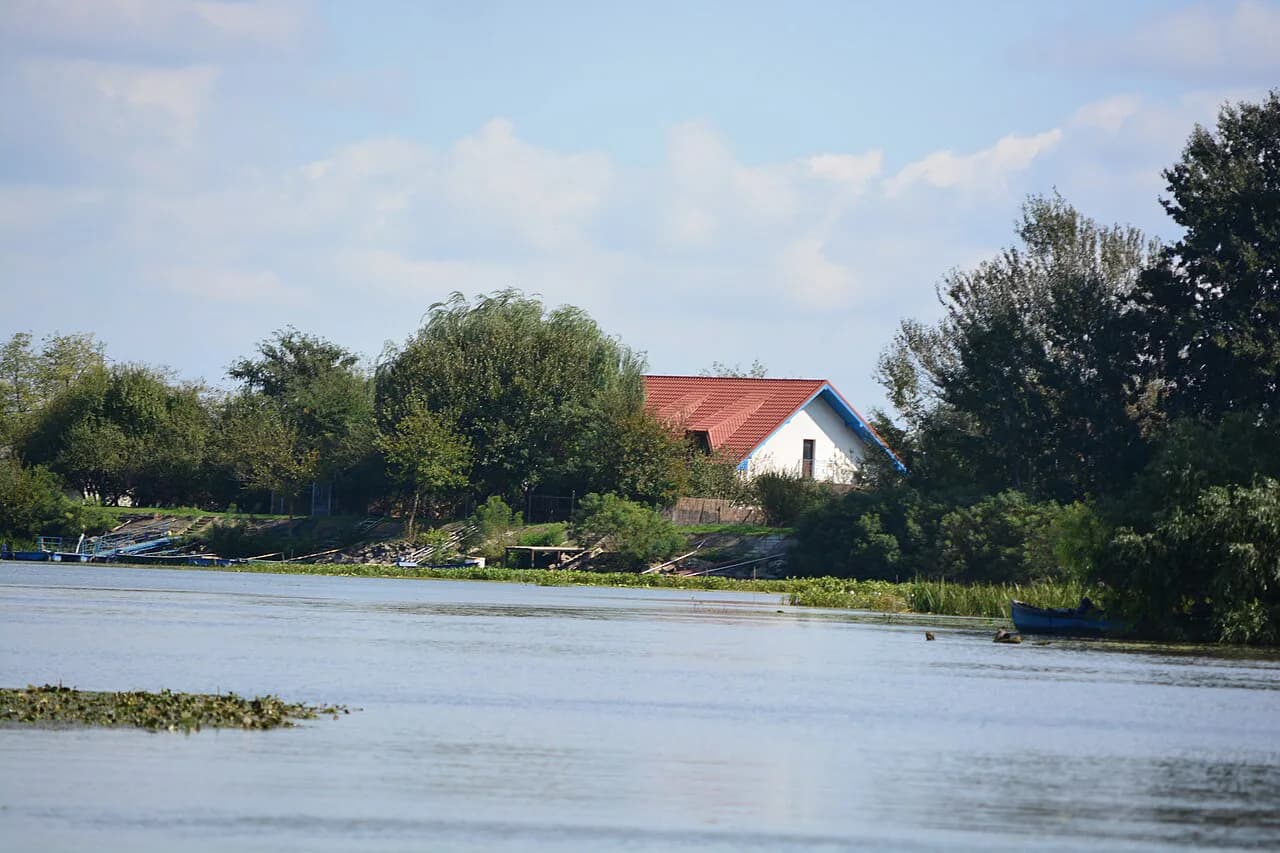
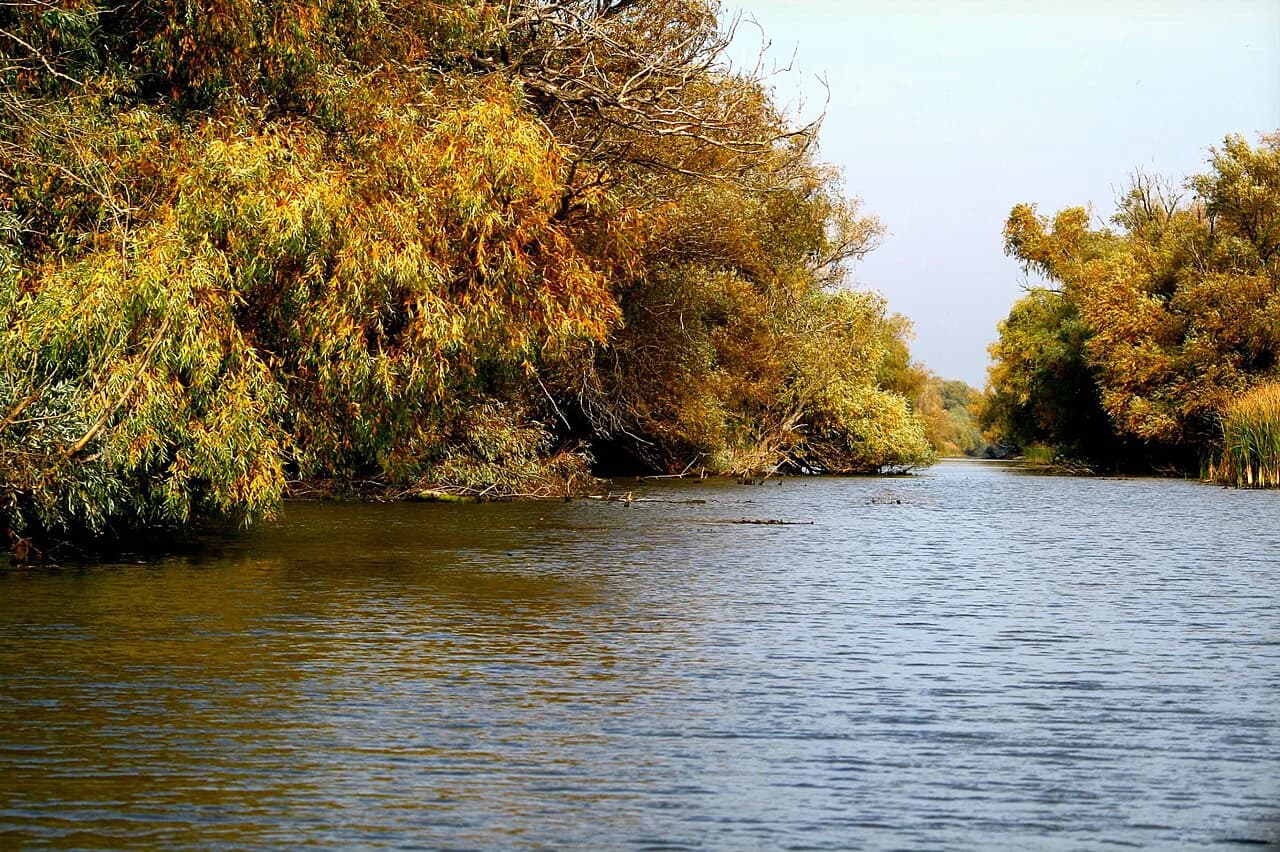
Just before the Danube reaches the Black Sea it splits into three main arms, Chilia in the north, Sulina in the middle and Sfântu Gheorghe in the south, and these distribute clay and silt across a low, waterlogged plain. Romania Tourism describes a huge area of rivers, canals, marshes, tree-fringed lakes and reed islands, with the delta still growing as sediment is deposited every year.
The protected core is a UNESCO Biosphere Reserve, and Rewilding Europe describes the delta as Europe's largest wetland area, at 580,000 hectares. It also holds some of Europe's few remaining grazed mosaic woodlands, at Letea and Caraorman, which is why a boat trip that includes one of those landfalls feels different from a pure open-water run.
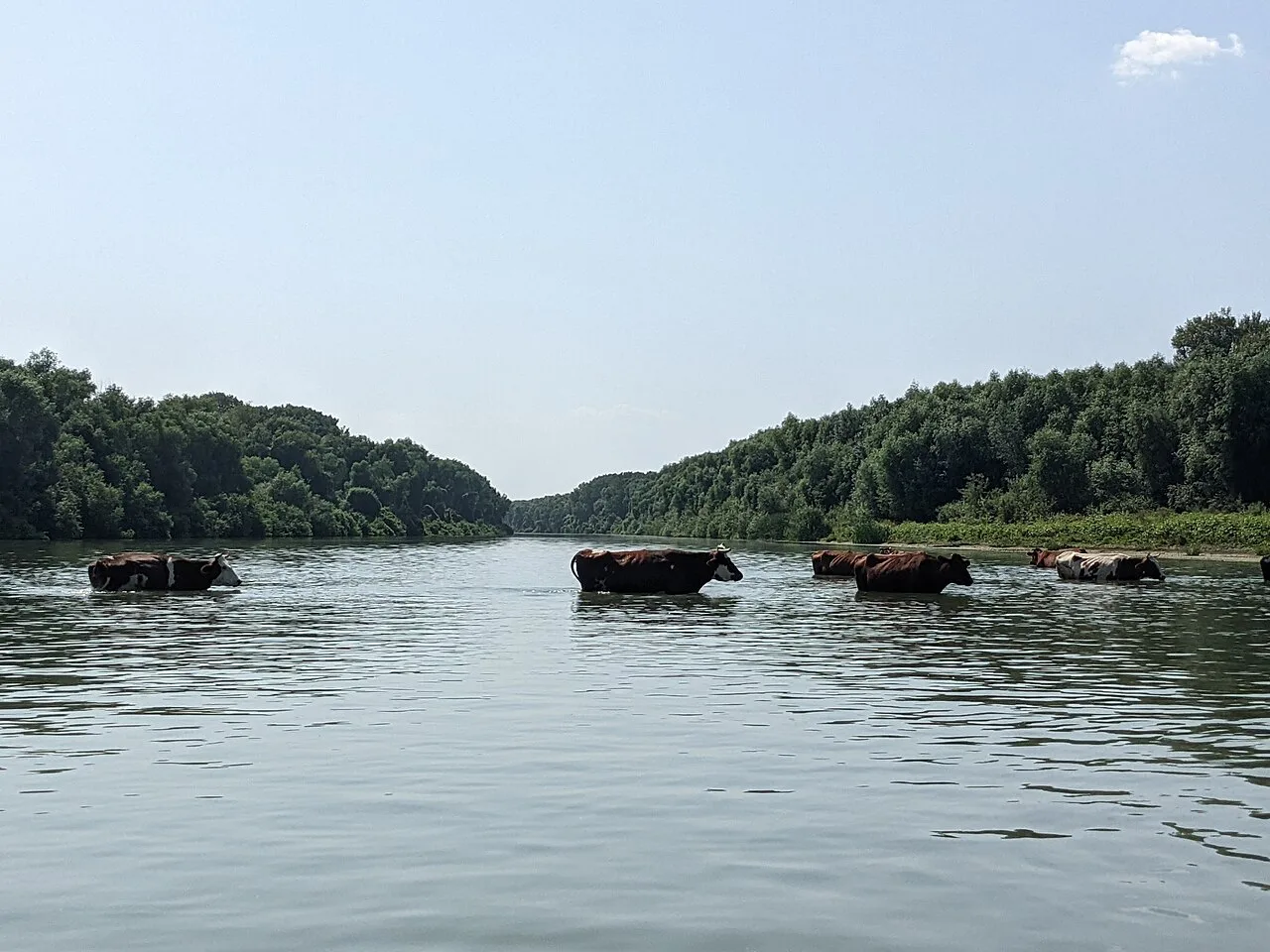
For a traveller the important consequence is scale: this is not a compact park you walk around, and almost everything of interest sits along water. Boats can navigate shallow channels that big vessels cannot, whatever the river level, so a low Danube is not by itself a reason to cancel a small-boat trip.
Sulina is the delta's main town, sitting where the middle arm, the Sulina branch, reaches the sea; read more in the separate guide to Sulina. Villages such as Mila 23 are reached on the water, not by road.
Tulcea as the gateway and how trips start
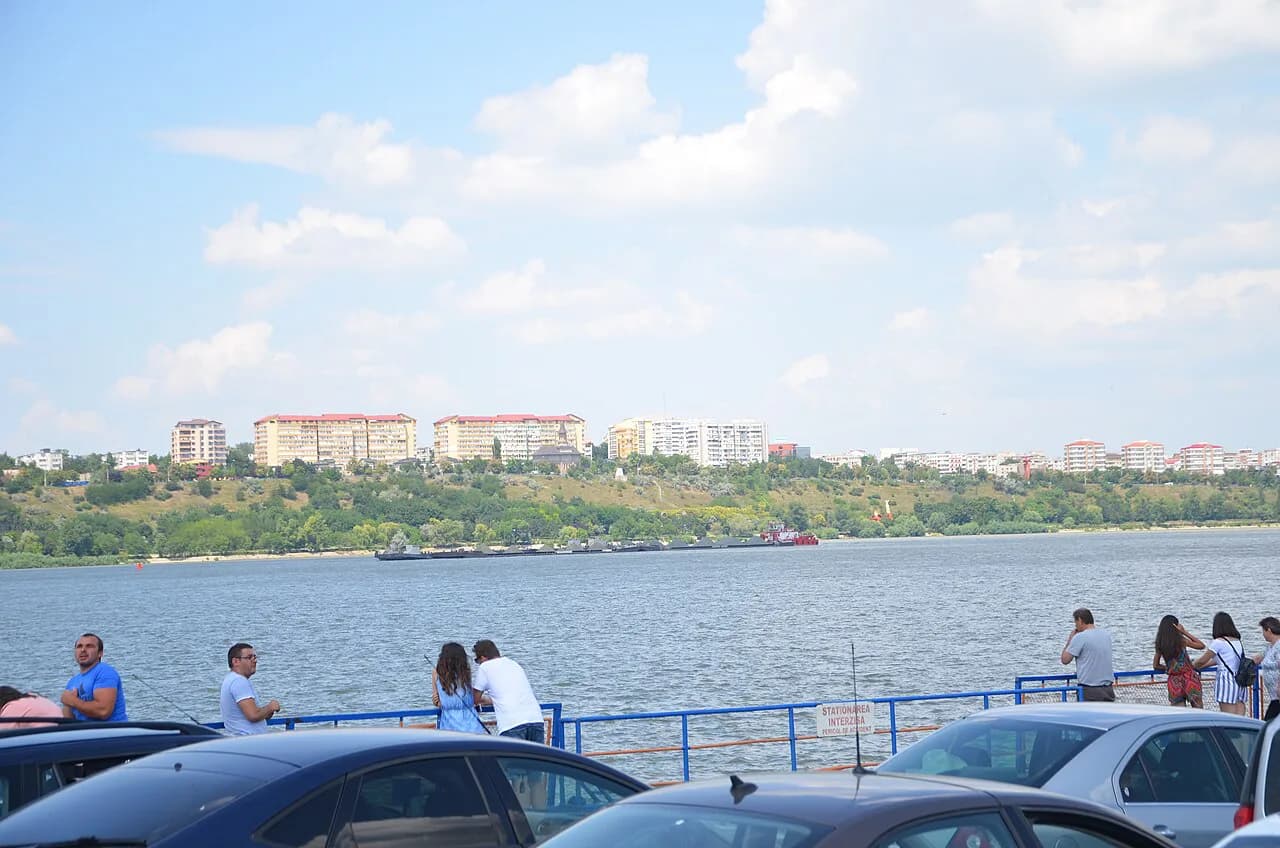
Tulcea is the practical base for most delta boat trips, and Discover Danube Delta runs its day trips from Tulcea's Port Aval, on the waterfront. That is where you meet the boat, so it is worth fixing a departure point in advance rather than assuming a town-centre pick-up. Check current departure times and prices with Discover Danube Delta before you travel.
Allow for the approach from Bucharest on the train or by road, which makes an early start from Tulcea much easier than a day trip from the capital. For the wider Danube ports, see the guides to Brăila and Galați, both historic river towns rather than delta landfalls.
If you want to compare operators, routes and group sizes rather than commit to the first boat offered, use the dedicated page on Danube Delta tours. The key question is whether you want a shared boat with a fixed route or a private boat with a route you can shape.
Channels, lakes and villages: what a boat trip actually covers
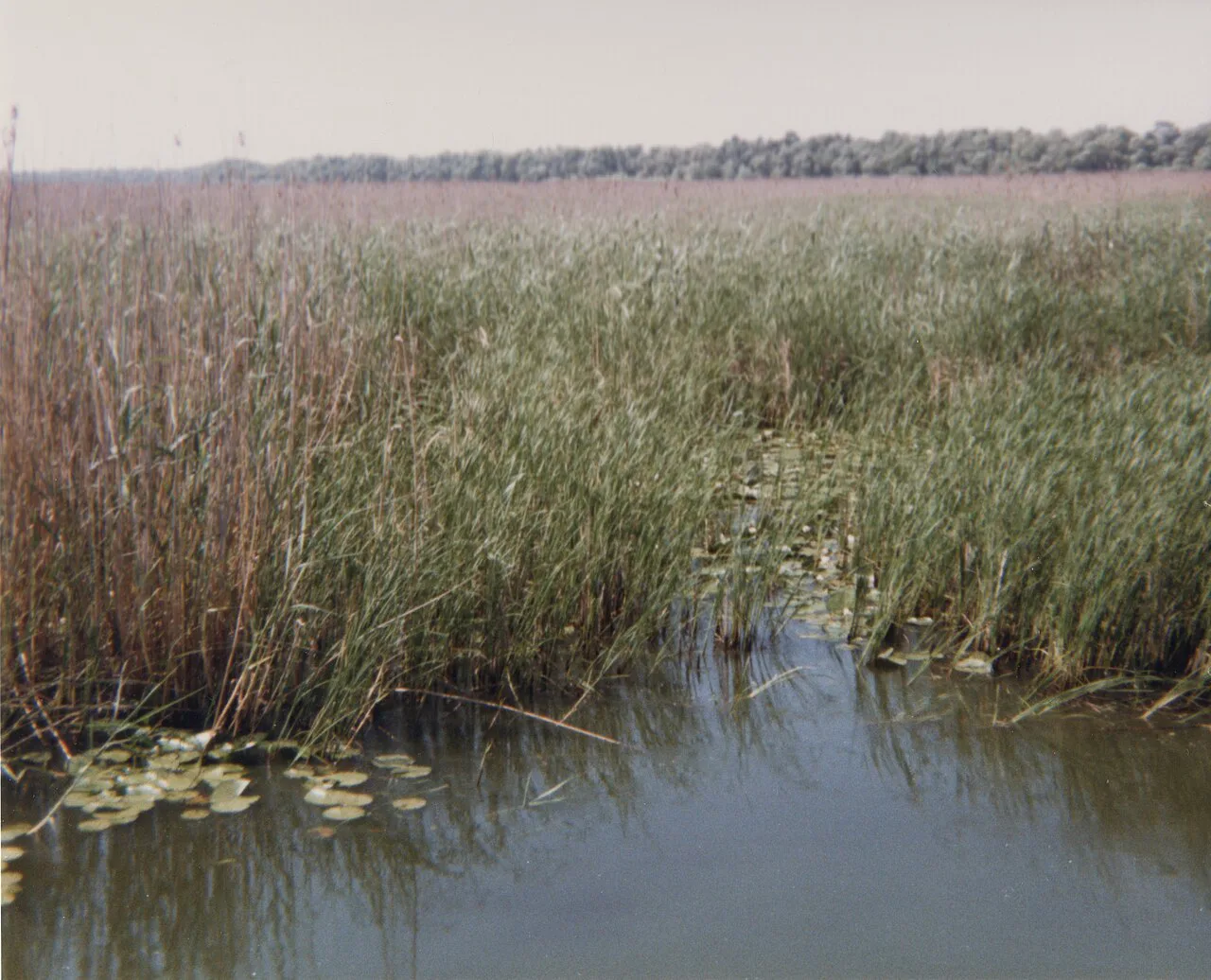
A day trip is a chain of channels, lakes and reed beds rather than a checklist of monuments, and Discover Danube Delta's shared Letea trip runs about nine to ten hours from Tulcea. That length is the honest trade-off: long stretches of slow travel on the water, punctuated by a village and a forest.
Mila 23 is a fishing village on the delta's waterways and is the destination of Discover Danube Delta's private six-to-seven-hour trip, which is enough for the channels around it without the longer run north. The separate guide to Mila 23 explains what the village itself offers once you arrive.
Letea is not just a village but the landfall for a subtropical-looking forest behind it, and this is where the shared day trip makes its stop. The Letea Forest guide covers the woodland and the village in more detail.
For the southern arm, the guide to Sfântu Gheorghe in the Danube Delta covers the settlement at the Black Sea outlet; the bird guide is the better place to plan a day around species.
Wildlife you can reasonably expect
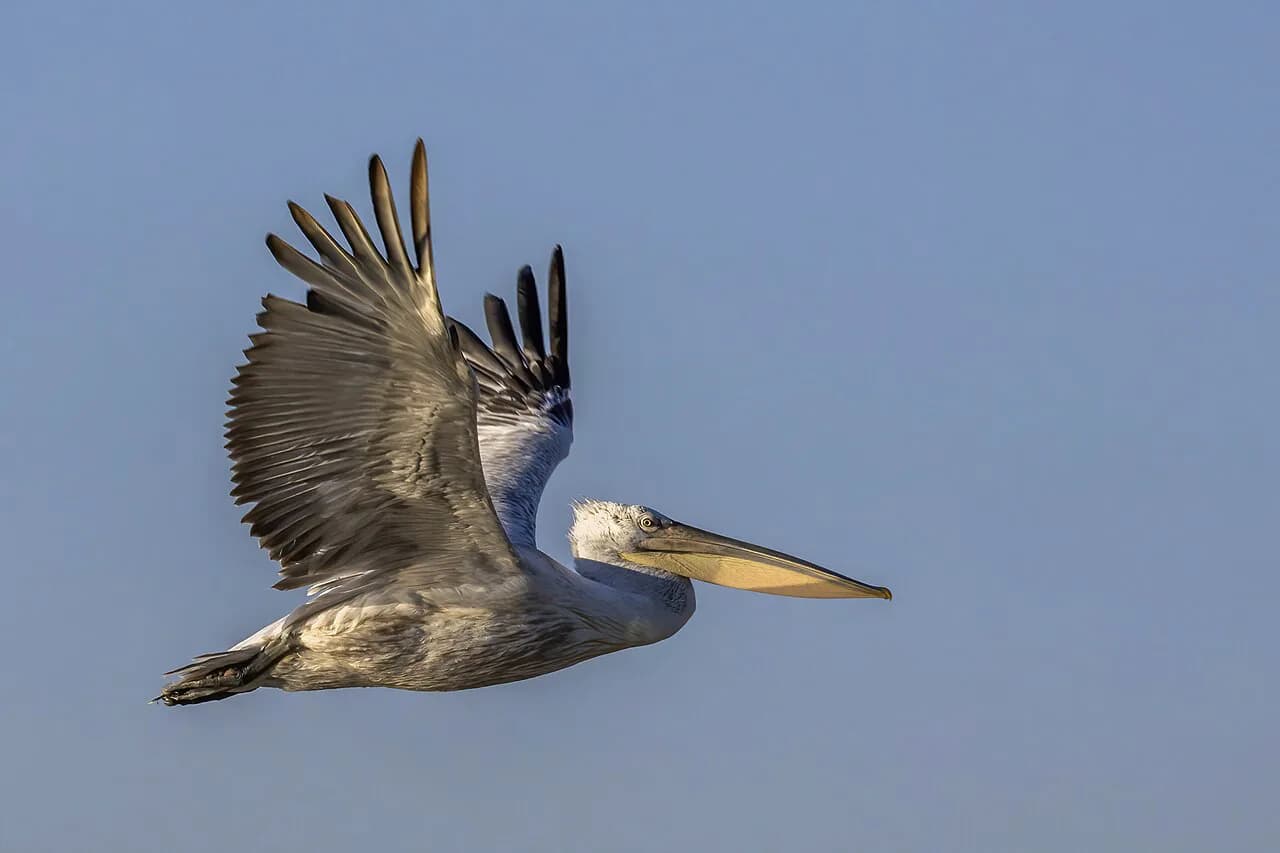
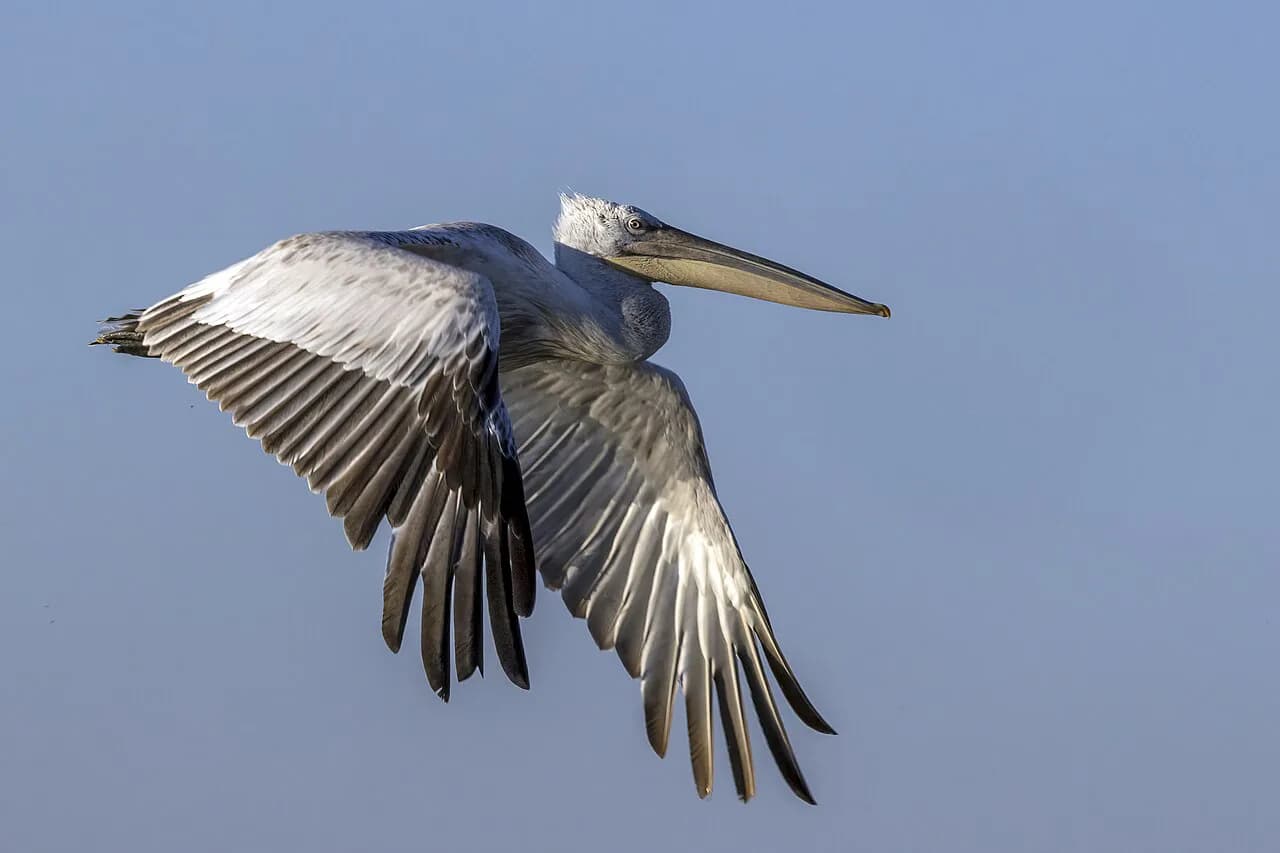
Romania Tourism describes the delta as a birdwatcher's paradise, with some 300 species present, including cormorants, white-tailed eagles and glossy ibises, plus both Dalmatian pelicans and white pelicans. Pelicans arrive in spring to breed, and the reed beds are the reason so many birds gather.
Red-breasted geese, which nest on the Arctic tundra, come in late October and mid-November, so a late-autumn trip is a different proposition from a spring one. Whether you actually see geese, pelicans or herons on a given day is not something a trip can guarantee.
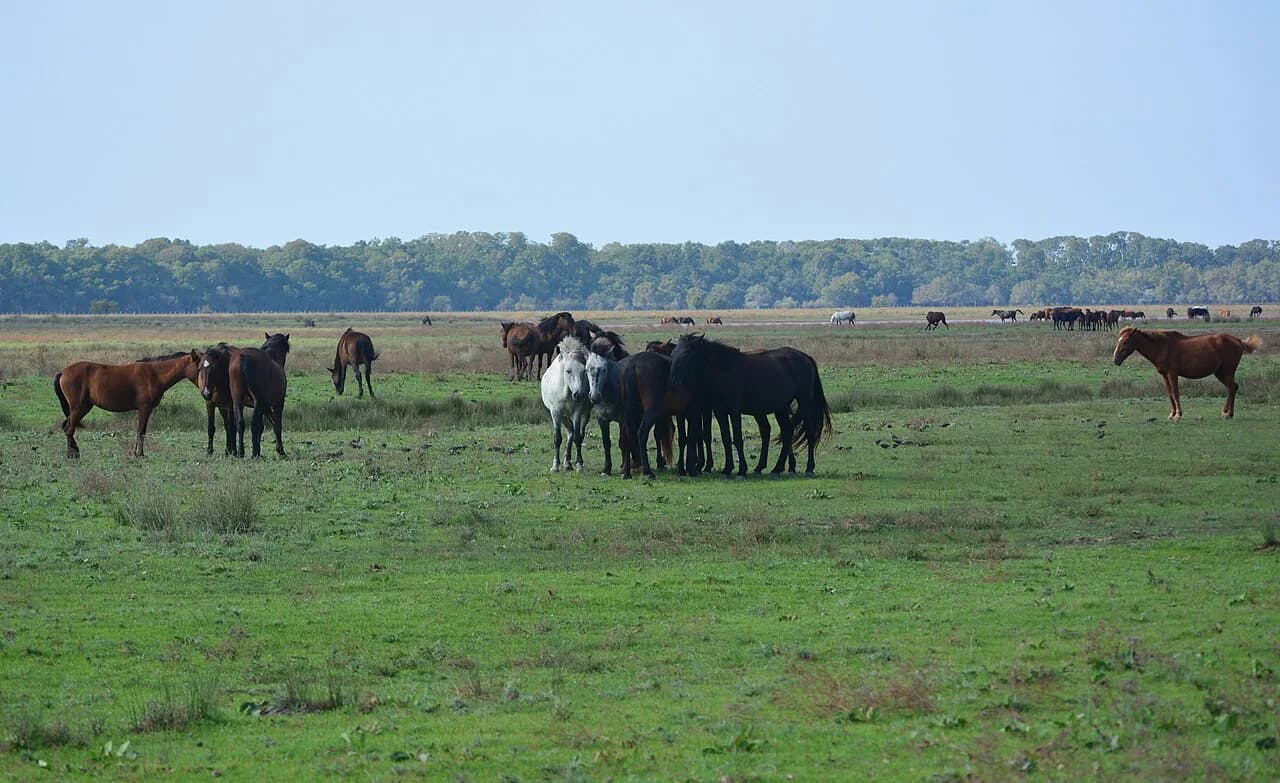
Birds are not the whole story: Rewilding Europe notes golden jackals in healthy numbers and white-tailed eagles making a comeback, and says the delta holds the largest number of fish species anywhere in Europe, including four species of sturgeon. If birds matter most, the dedicated page on Danube Delta birds gives a fuller species picture.
The guides at Discover Danube Delta run both a dedicated birdwatching day and a longer shared birdwatching tour, the latter from a boat built for the purpose with a professional birding guide. That is the better choice if you want to slow down and watch rather than cover distance.
Day trips versus staying inside the delta
The simplest split is this: a private six-to-seven-hour trip to Mila 23 suits a group who want a shorter day and their own boat, while a roughly nine-to-ten-hour shared trip to Letea adds distance and a second landfall. Choose on how much time you want on the water, not on which name sounds more romantic.
Staying inside the delta rather than in Tulcea buys quieter mornings and less tail-end transit, at the cost of arranging several boat legs. Discover Danube Delta's longer programmes bundle day trips into a multi-night stay, which is the easier version if you want depth without solving each leg yourself.
Infrastructure outside Sulina is limited, so plan round the boats you have booked instead of assuming you can improvise a crossing when you feel like it. Water levels affect commercial shipping more than shallow-draught tourist boats, according to Discover Danube Delta.
What guided trips cost
The clearest way to compare is to separate per-person from per-boat pricing. Discover Danube Delta advertises a shared guided Letea day trip at 80 euro per person, a private Mila 23 trip from 400 euro per trip, and a private birdwatching day from 500 euro per boat, all booked directly with that operator rather than as universal delta rates.
The private pricing explains itself once you divide it: a 400-euro boat split across a full group costs less per head than two shared places each, and you get the route you asked for. By contrast a birdwatching boat at 500 euro only makes sense if you care about birds more than distance.
Longer programmes scale up: Discover Danube Delta lists a shared four-day, three-night nature tour from 430 euro per person, a shared birdwatching tour of the same length from 550 euro per person, and a seven-night wildlife photo tour from 2,150 euro per person. These are euro packages from one company, not lei prices you will find at a ticket window.
The reserve authority sets any entry or permit fees for the delta itself, and Discover Danube Delta quotes boat and package prices rather than a reserve ticket. Ask Discover Danube Delta when you book whether a reserve fee applies to your route and how it is collected.
Birdwatching and photography trips
Specialist photography tours are built around light and quiet rather than distance, and Discover Danube Delta's shared photo tour of Mila 23 and Ultima Frontiera runs seven days and six nights for up to four people. That is a serious commitment of time, and the trade-off is fewer landfalls in exchange for sitting still with a long lens.
For a first visit, the private birdwatching day is the more sensible test: eight to ten hours from Port Aval with a professional birding guide, before you commit to a multi-day departure. If you hire a guide for a specific species, the Danube Delta birds page is the better briefing material.
Kayaking and slow boat travel
Discover Danube Delta also offers kayaking as a low-impact way to see the channels, which puts you closer to the water and to the birdlife than a covered boat does. The catch is range: you cover less ground, so a kayak day is best paired with a base inside the delta rather than a long return run from Tulcea.
Discover Danube Delta's boats cruise at medium and low speed in open boats precisely so that wildlife is not scattered by a fast wash. If you want a sense of how many villages and channels the delta holds, there are 28 small villages alongside Sulina.
Season and water levels
Discover Danube Delta advertises its day trips from April to October, with the Letea day trip running April to September, and its birdwatching day from April to October. Treat these as Discover Danube Delta's advertised operating season, not as reserve rules, and check what is running for your dates before booking flights or trains.
Discover Danube Delta addresses a common worry directly: reported low water levels on the Danube mainly affect commercial shipping, while its small boats can navigate in as little as 30 to 40 centimetres of water. So a news story about low river levels does not automatically mean a wasted trip, but it is worth asking Discover Danube Delta about your specific route.
If you want the red-breasted geese, aim for late October or mid-November, which is outside the main advertised day-trip window and so demands a bespoke arrangement. Spring and early summer give you the breeding pelicans instead.
Getting to Tulcea and onward into the delta
Tulcea is the end of the road and rail line before the delta, so the onward leg is always by boat. Book the boat first and build the journey to Tulcea around it, since the timings of the long runs to Mila 23 and Letea are fixed by Discover Danube Delta.
If you are approaching from the north, the guides to Brăila and Galați cover the Danube ports upstream; from Bucharest, the Bucharest Attractions page helps with the city end of the trip before you head east.
Many travellers combine a delta trip with Transylvania: Brașov is a long day's travel away but a natural next stop if you are flying home from Bucharest. If you add it, the Brasov Attractions guide helps you weigh which sights to book and which are free.
How long to allow and what a realistic one-day version looks like
One day on the water gives you a real taste of the delta, and a six-to-seven-hour private Mila 23 trip or a nine-to-ten-hour shared Letea trip is the realistic shape of it. The shared trip is better value per person but eats the whole day; the private trip is shorter and fits a group.
Two nights in Tulcea plus one full day afloat is the minimum that gives you a buffer, and three nights lets you add a second day for birdwatching or a village. Anything ambitious, like getting to Sulina or Sfântu Gheorghe, needs its own day and a return leg arranged in advance.
Remember that a boat day is long, exposed and slow: take sun protection, water and a layer for wind, and do not book a tight onward train. The reward is the channels, lakes and reed beds, and the birds that make the delta genuinely unlike anywhere else on the trip.
Which delta trip should you book?
Book the shared Letea day trip if you are travelling on a budget and want the full delta experience in one outing, and the private Mila 23 trip if you are a small group who want a shorter day and your own pace. Choose a birdwatching or photography departure only if birds, rather than scenery, are the point of the trip.
Base yourself in Tulcea, book your boat before you travel, and confirm the current price, meeting point at Port Aval and departure time with Discover Danube Delta. The nearby delta villages and the city guides for the wider region fill in the rest of the trip.
Explore more Danube Delta guides
- Brăila: A Guide to the Danube Port Town and Its Old Centre
- Danube Delta Birds
- Danube Delta Tours
- Galați: The Danube Port City and Its Riverside
- Letea Forest
- Mila 23: A Guide to the Danube Delta Fishing Village
- Murighiol
- Sfântu Gheorghe in the Danube Delta
- Sulina: the Danube Delta town where the river meets the sea
- Tulcea: Planning a Visit to the Danube Delta Gateway Town
Frequently Asked Questions
Is the Danube Delta worth visiting?
Yes, if you want wildlife and a landscape shaped by water rather than buildings. The delta holds reed beds, lakes and channels, and Romania Tourism describes it as a birdwatcher's paradise with roughly 300 species including pelicans, cormorants and white-tailed eagles. The honest trade-off is long days on a slow boat and no guarantee of which species will appear.
Is it safe to visit the Danube Delta?
Guided boat trips from Tulcea are the standard way to see the delta, and Discover Danube Delta states that low water levels affect commercial shipping rather than its shallow-draught tourist boats. Wear sun protection on an open boat and follow the guide's instructions on landfalls.
What are some interesting facts about the Danube Delta?
The Danube divides into three arms, Chilia, Sulina and Sfântu Gheorghe, before reaching the Black Sea, and Rewilding Europe describes the delta as Europe's largest wetland area at 580,000 hectares. Romania Tourism notes that around 15,000 people live in the delta across 28 villages and the town of Sulina. Red-breasted geese arrive in late October and mid-November from the Arctic tundra.
Sources
Useful notes for your next trip
Optional updates to our guides.
You might also like
Continue reading
More guides you'll find useful