Iași: What to See, How Long to Stay and Getting Around
Plan a city break in Iași with the Palace of Culture, the Three Hierarchs Church and Copou Park, plus how to get around and join a free walking tour.
On this page
Two full days covers Iași comfortably, with a third if you want the Jewish heritage sites and the Botanical Gardens without rushing. The city's main sights sit close together in the centre, and the northern Copou neighbourhood holds the park and gardens, so a visit splits cleanly into a lower-town day and an uphill day. This guide sets out the Palace of Culture and its four museums, the churches, the free Essential Iași walking tour, how long to stay and how to reach the city.
What Iași is and why it suits a city break
Iași sits in the Moldavia region and carries the nickname the City of a Hundred Churches, a label the churches in its centre make easy to believe.
The old centre is compact enough to walk, with the Palace of Culture as its landmark, the main churches a short stroll away and the commercial streets busy with students. For planning purposes Iași works much like Brașov: a historic core you cover on foot, with a few outlying sights that need a bus or a taxi.
How Iași is laid out: the centre, Copou and the seven hills
The city is built on seven hills — Copou, Cetățuia, Galata, Repedea, Bucium, Șorogari and Breazu — and that shape explains why some sights sit at the bottom of a climb and others on top. The Copou neighbourhood, with the park and Botanical Gardens, is the main uphill district visitors use.
Plan your days by neighbourhood rather than by list. The Palace of Culture and the central churches belong to one walking loop from Piața Unirii, while Copou Park and the Botanical Gardens sit a few miles north of the centre and repay a separate half-day. Our Iași Map sets out the centre and the Copou climb so you can see how the pieces fit, and the Iași.Travel Association's free two-hour English-language city-centre walk leaves from Piața Unirii by the statue, facing Hotel Traian, if you would rather be shown the loop.
The Palace of Culture and its four museums
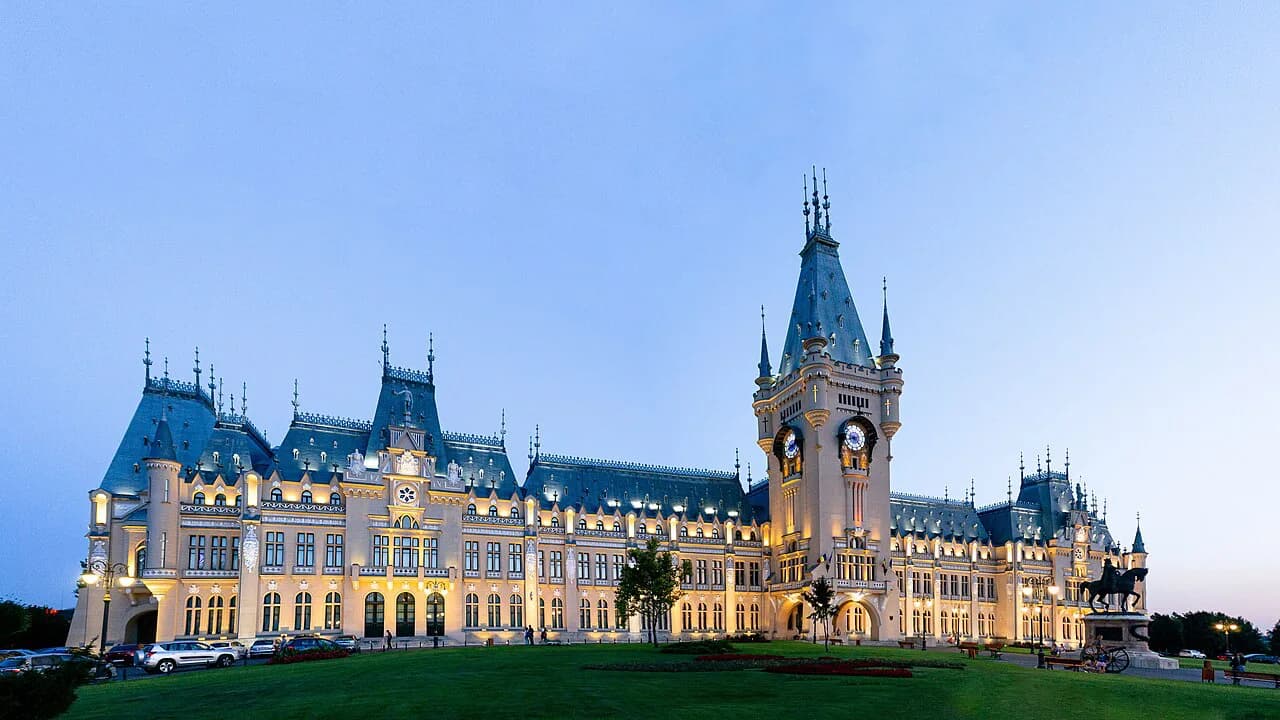
The Palace of Culture is the city's standout building: a neo-Gothic complex built in the early twentieth century that served for decades as the town's law court before becoming an arts complex.
Four museums share the building — the Ethnographic Museum, the History Museum, the Art Museum and the Science and Technical Museum — and trying to see all of them in one go is a mistake. Pick two: the Art Museum on the first floor holds masterpieces by Caravaggio and Veronese, and the History Museum displays a 70,000-year-old mammoth skull.
Treat the palace as a half-day rather than an hour. Ticket prices for each museum are set by the institutions themselves, so check the palace's own ticket desk or website before you go rather than relying on an old figure.
The churches: the Metropolitan Cathedral, Golia Monastery and the Church of the Three Hierarchs
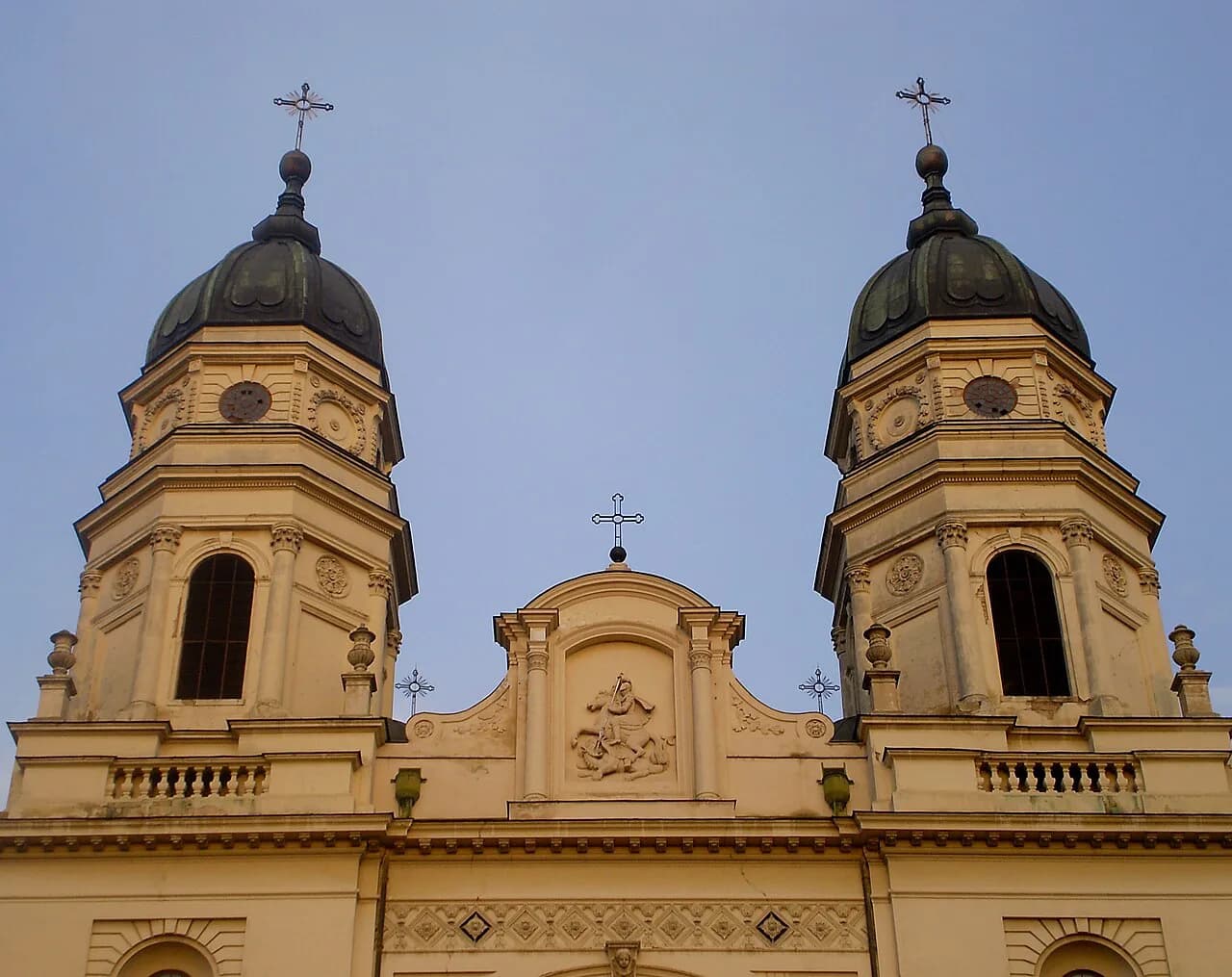
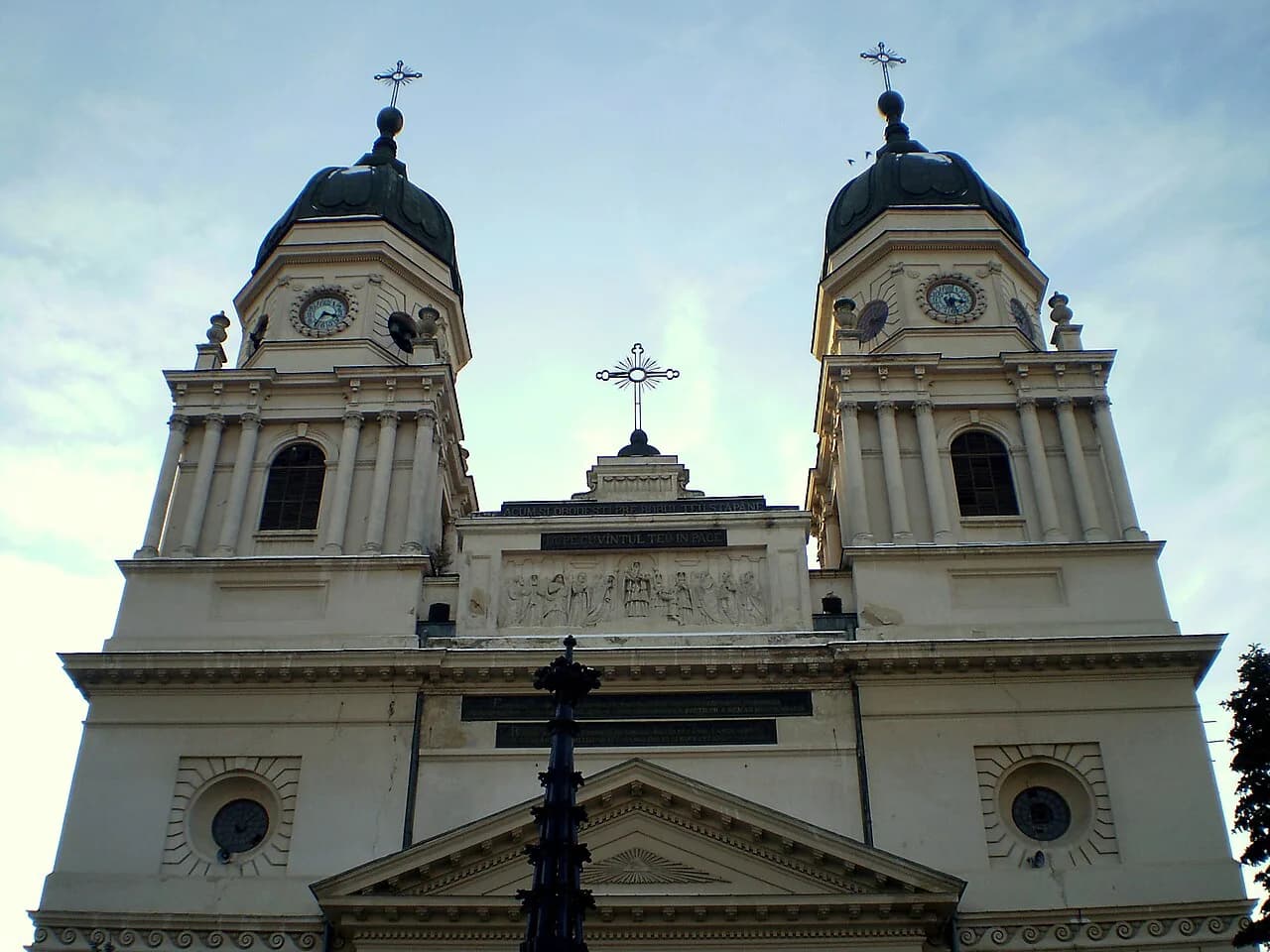
The churches are the reason for the nickname. The Moldavian Metropolitan Cathedral, Golia Monastery and the Church of the Three Hierarchs are the three that visitors should not skip, and all sit within reach of the centre.
Golia was built in the sixteenth and seventeenth centuries, when Iași was the capital of an independent Moldavia, and its walls and turrets still show that status. The tower rises about 30 metres and gives views over the city, and the interior carries centuries-old frescoes.
If you want to see more than the central three, the monastery routes take in the wider set; our guide to the iasi monasteries covers them in more detail. If painted churches are your priority across the country, our guide to Monasteries in Romania: Painted Churches, Etiquette and Routes sets out the routes worth building a trip around.
Iași's Jewish heritage: the Great Synagogue, the Jewish Cemetery and the Jewish Museum
Iași once had a thriving Jewish community, and the reminders are part of the city's story: the seventeenth-century Great Synagogue, the Jewish Cemetery on Mountain Hill and a Jewish Museum.
Allow a couple of hours for these and go in the morning, when the sites are quieter. Opening arrangements for the synagogue and museum change, so confirm before setting out.
Copou Park and the Botanical Gardens
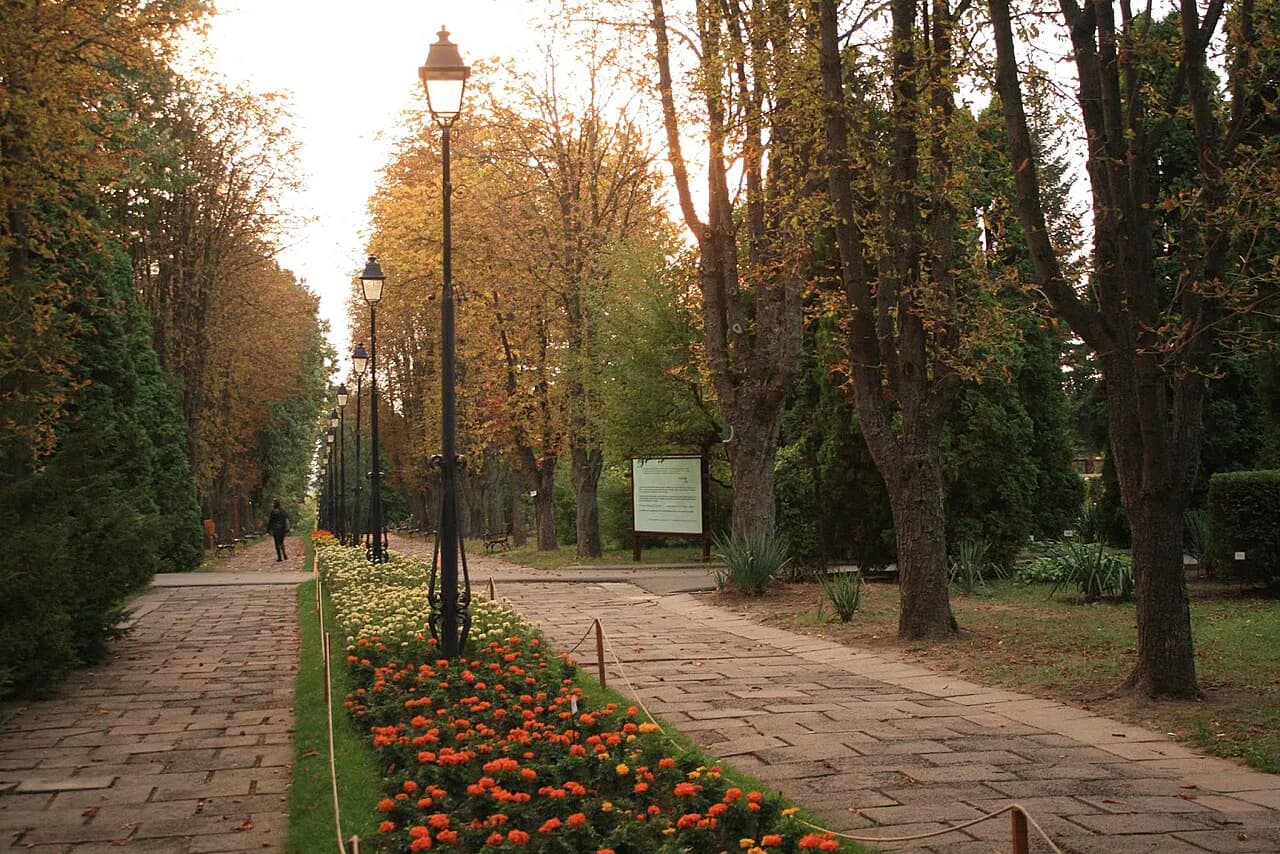
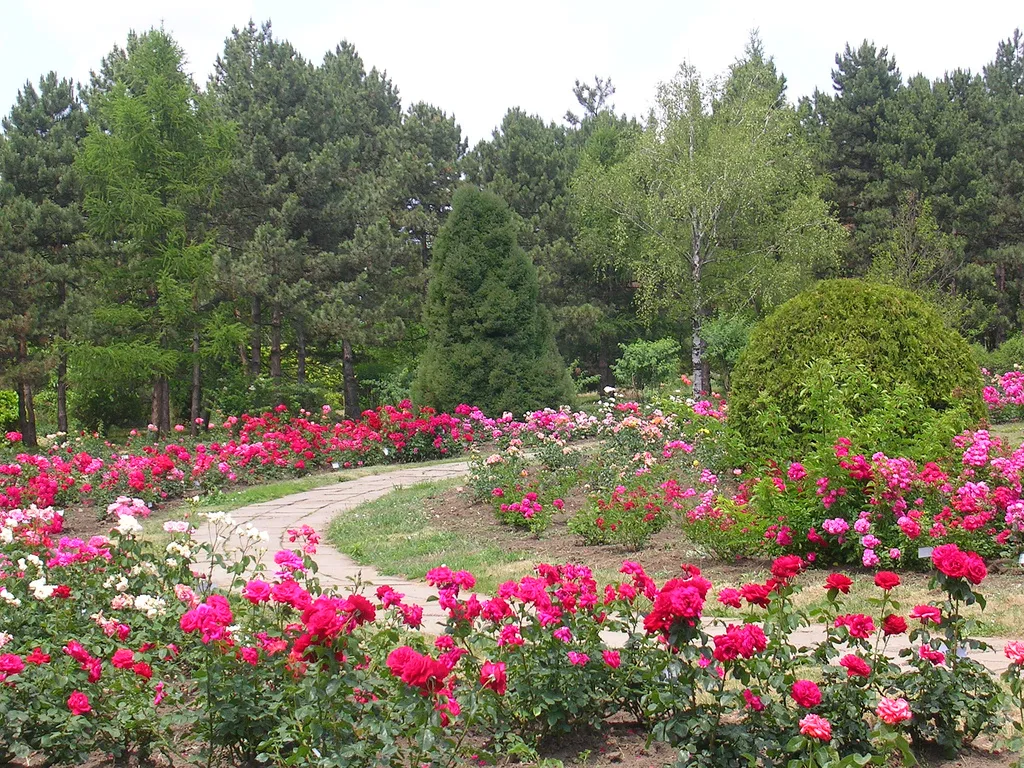
Copou Park and the Botanical Gardens give Iași its green, unhurried side. The gardens opened in 1856 and stretch across some 80 hectares in the leafy Copou neighbourhood a few miles north of the centre, with Romanian species, rose beds, greenhouses, orchids and carnivorous tropical plants.
The trade-off is time: getting there and back plus a proper walk eats half a day. Combine the gardens with Copou Park in one northward trip rather than making two journeys.
The Ateneul din Iași concert hall
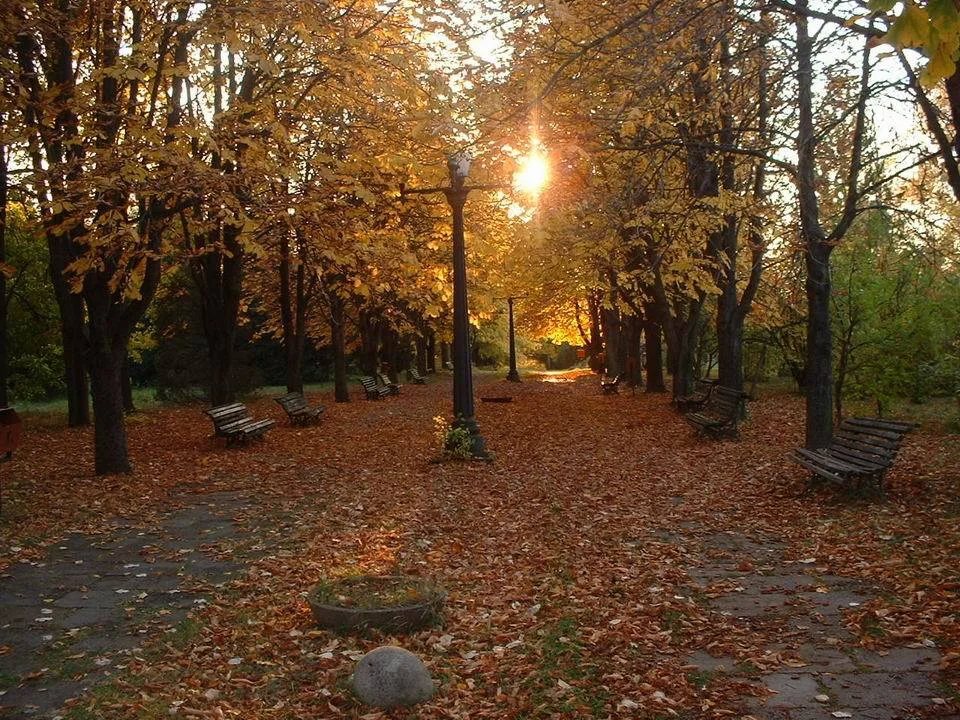
The Ateneul din Iași is a concert hall and cinema founded in 1920, opened with royal approval and fully renovated in 2016. It is worth a look even if you are not catching a performance, and it pairs naturally with the central churches and the palace on a walking loop.
The free Essential Iași walking tour: when it runs and where it starts
Essential Iași is a free two-hour walking tour in English through the old centre, led by people who live in the city rather than by an agency. In autumn 2026 it runs on Saturdays at 10:00 and Tuesdays at 18:00, meeting in Piața Unirii near the statue, facing Hotel Traian; it is free and needs no booking.
Changes are announced on the tour's Facebook page, so check there on the day. Slotting the walk into your first morning is a good use of time: it orients you for the rest of the trip, and you can write to the organisers if you want a different time or language. Our Iași Walking Tour page covers the central loop in more detail.
Seven themed routes across the seven hills
Iași.Travel has built seven themed routes across the hills, each with a map and an ordered list of sights: the Union Route, the Arts Route, the Communism Route, the Pilgrim's Route, the Jewish Route, the Romantic Route and the Active Route. The weekly walking tour stays in the centre and does not climb them, so the routes are what you use to explore beyond the old town.
How long Iași needs: one day, two days or a long weekend
With one day, keep to the centre: the Palace of Culture and two of its museums, the Metropolitan Cathedral, the Church of the Three Hierarchs and Golia, with the Essential Iași walk as your spine.
With two days, add Copou and the Botanical Gardens on the second morning, then the Jewish heritage sites or the Ateneul din Iași in the afternoon. A long weekend lets you take one of the themed routes and see the monasteries outside the centre. Our Iași Weekend itinerary sets out the two-day version in order, including walking times between stops.
How to reach Iași by plane and by train
Iași has its own airport, and the city is also served by rail, so both plane and train are workable ways in.
For flight connections and rail times, check the airport's and operator's own sites close to your travel date, since schedules change by season.
Getting around on foot
Most of what you came for is walkable. The centre loop from Piața Unirii covers the palace, the main churches and the Ateneul without any transport, and the free walking tour does it on foot in two hours.
Use a taxi or bus for the Copou climb to the Botanical Gardens, and plan the return before you set off so you are not hunting for a ride at dusk. Attractions beyond the city, such as the monasteries, need a car or an organised tour.
Practical points to check before you go
Museum ticket prices, church and synagogue opening times, and the walking tour's published schedule are the things most likely to have moved since any guide was written, so confirm them on the relevant site before you travel.
Two days in Iași: the shape of the trip
Give Iași two full days: the Palace of Culture and the central churches on the first, Copou and the Botanical Gardens on the second, and the free Essential Iași walk on a Saturday or Tuesday morning to set your bearings. If you have a third day, take one of the themed routes or the monasteries. For the wider set of sights, see the Iași attractions hub.
Explore more Iasi guides
Frequently Asked Questions
How do you pronounce Iași?
The Romanian spelling is Iași, and English-language guides commonly write it as Iasi. Pronounce the ș as a soft 'sh', and check any uncertainty about the vowel sounds with a local rather than relying on an English approximation.
Is Iași worth a city break?
Yes, if you want churches and museums rather than nightlife. The Palace of Culture and its four museums, the central churches and the green spaces in Copou fill two days without rushing, and the old centre is compact enough to walk.
Sources
Useful notes for your next trip
Optional updates to our guides.
You might also like
Continue reading
More guides you'll find useful