Iași Monasteries: Which Ones to See and How to Plan the Visits
Plan a circuit of Iași's monasteries and churches, from the Three Hierarchs Church to Golia and Cetățuia, with what each looks like and how to pace a day.
On this page
Iași's monasteries and churches anchor a city break here, and most of the big names sit within a walkable band of the old centre. Start with the Three Hierarchs Church and the Metropolitan Cathedral, then add Golia, and treat Cetățuia, Galata and Frumoasa as separate moves to the edges of the city. This guide groups them by position, describes what you actually see at each, and explains how to pace a day around them.
The city is a natural base for this kind of sightseeing because it packs a dense cluster of religious buildings into a compact centre. The wider trip-planning side, including how long to stay and how to get around, is covered in Iași: A Practical Guide to Romania's Cultural Capital. Here the focus stays on the churches and monasteries themselves and the order that makes them easiest to visit.
What Iași's monasteries and churches are, and why they anchor a city break
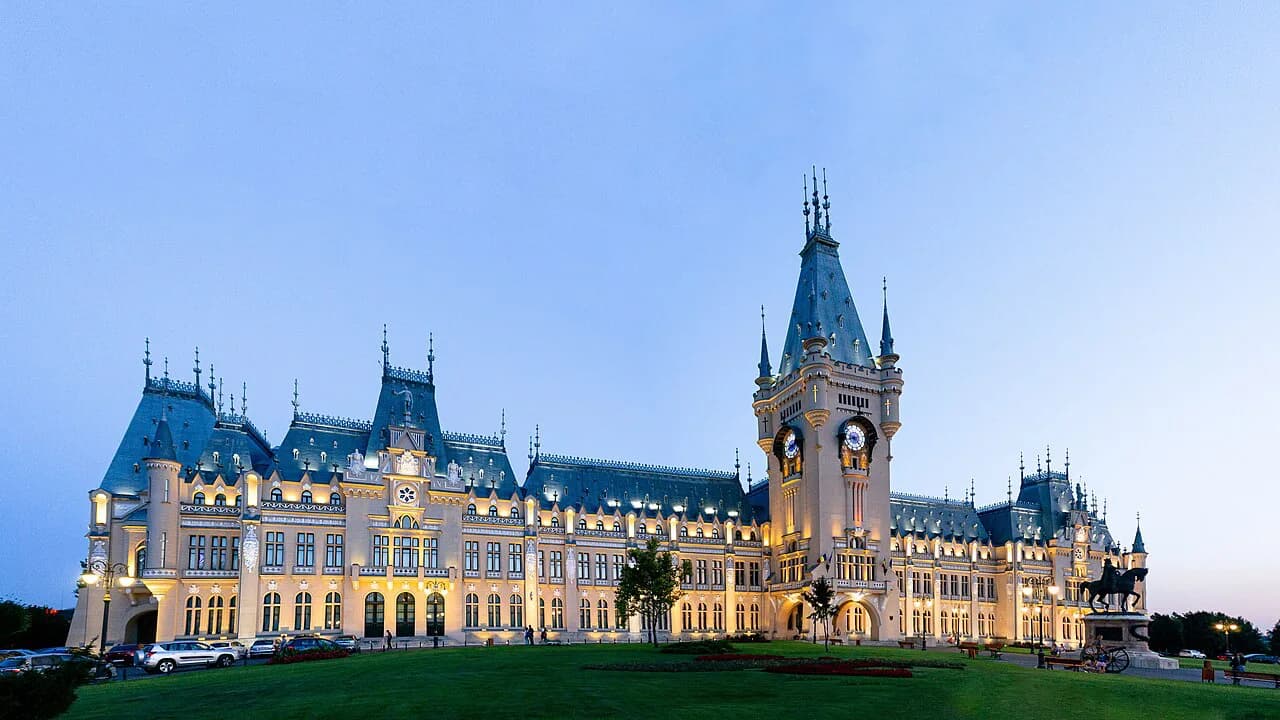
Iași holds a remarkable number of churches and monasteries alongside its civic buildings, and several of them are grouped close enough together to see on foot. The city is a noted educational centre with architecture that includes the Trei Ierarhi Church and the neo-Gothic Palace of Culture, which houses four museums covering history, technology, ethnography and art.
Because the religious sites are spread between the flat centre and the hills around it, the sensible approach is to sort them geographically rather than try to tick every one off. Two or three central buildings plus one hilltop monastery make a satisfying half-day, and you can drop the edge-of-city sites if time is short. Use the Iași Map to see how the centre, the western edge and Copou line up before you commit to a route.
The Three Hierarchs Church: facade, relics and its place in the old centre
The Three Hierarchs Church, Trei Ierarhi, is the building most visitors remember, largely for its exterior stonework. The church is where the relics of Saint Parascheva were transferred in 1641 under the Moldavian prince Vasile Lupu, which ties it directly to the city's main pilgrimage.
It sits in the central part of Iași, so it fits naturally at the start or end of a walk through the old centre. Pair it with the nearby civic and cultural buildings rather than treating it as a stand-alone stop, and allow time to look at the facade properly before you go inside. The wider set of city sights around it is gathered in Iasi Attractions: 11 Visitor Guides if you want to build a fuller day.
The Metropolitan Cathedral: layout, the shrine of Saint Parascheva and the October pilgrimage
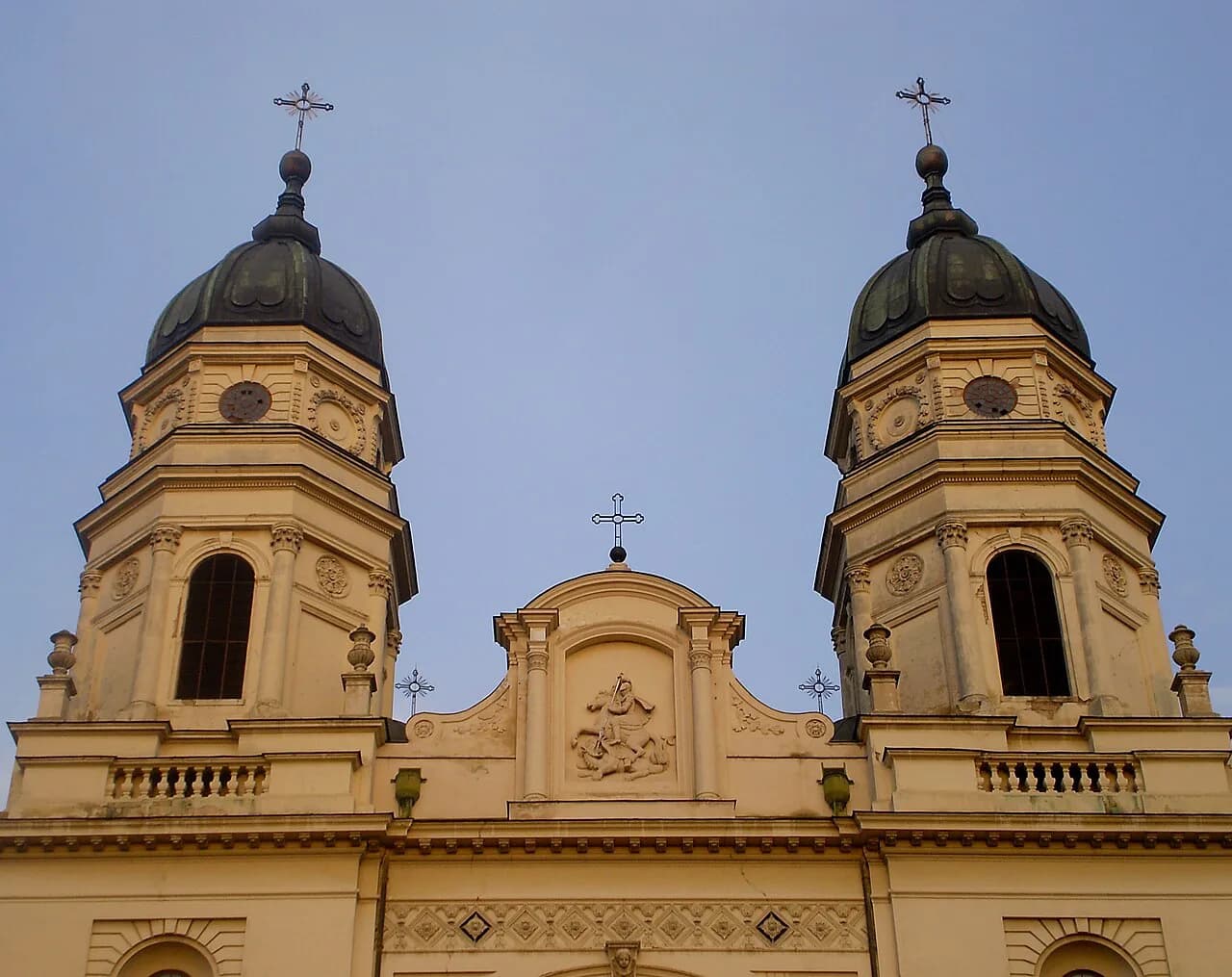
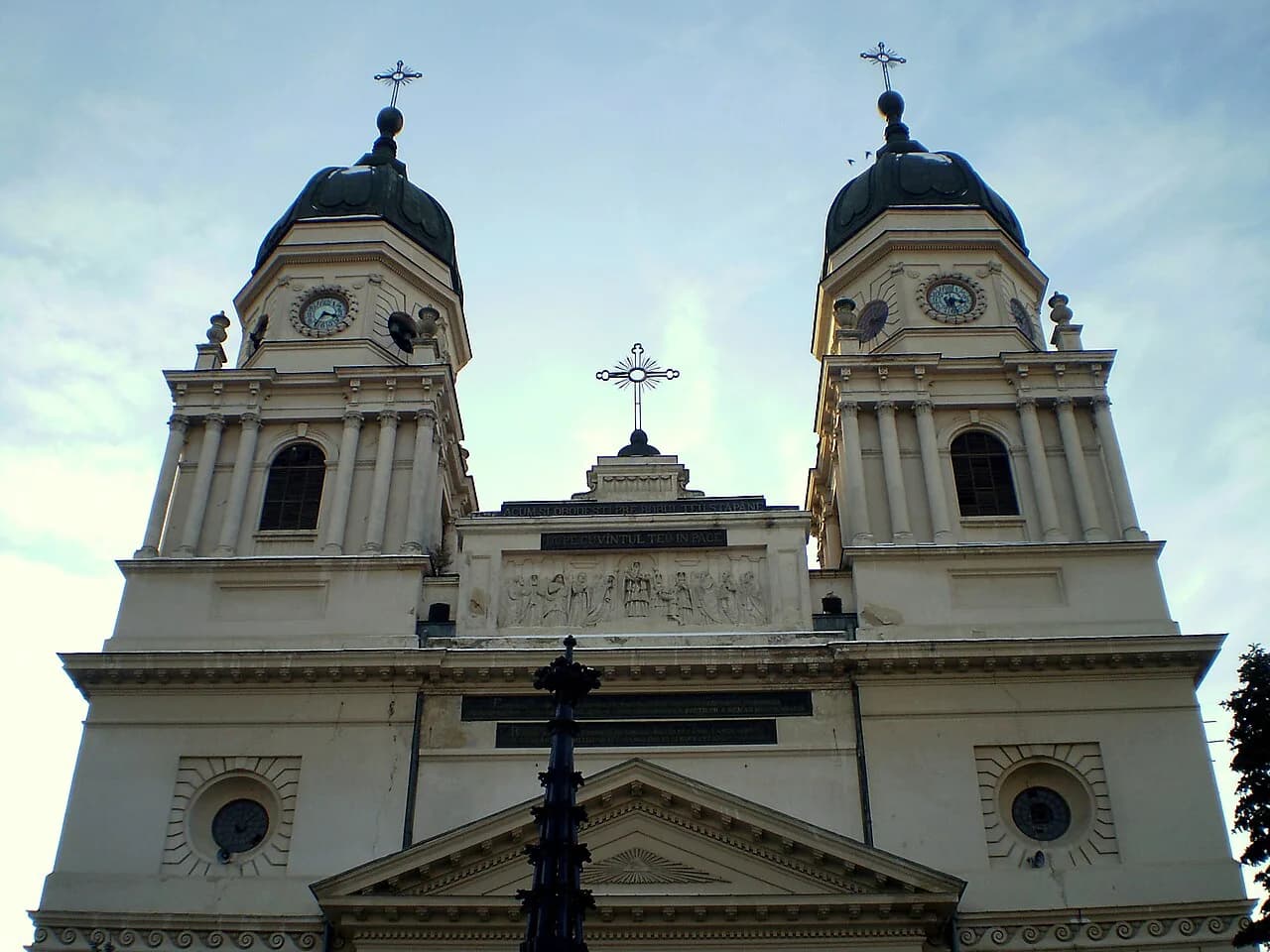
The Metropolitan Cathedral is the city's major religious focal point, and its draw is the shrine of Saint Parascheva. The relics have been kept at the cathedral for almost 400 years, and pilgrims come to venerate them, with the crowds concentrating around her feast day on 14 October.
That October date is the single biggest factor in how the cathedral feels when you arrive. The city also holds an annual festival, Sărăbătorile Iașiului, in the middle of October, when the pilgrimage to Saint Parascheva's relics draws very large numbers of people from Romania and abroad.
If you want a quiet look at the building and its setting, plan around that mid-October window rather than into it, and expect the area to be busy if you go during the pilgrimage. Inside, the visit is about the shrine and the cathedral's white baroque character rather than a long route through rooms. Allow a focused stop rather than a half-day here.
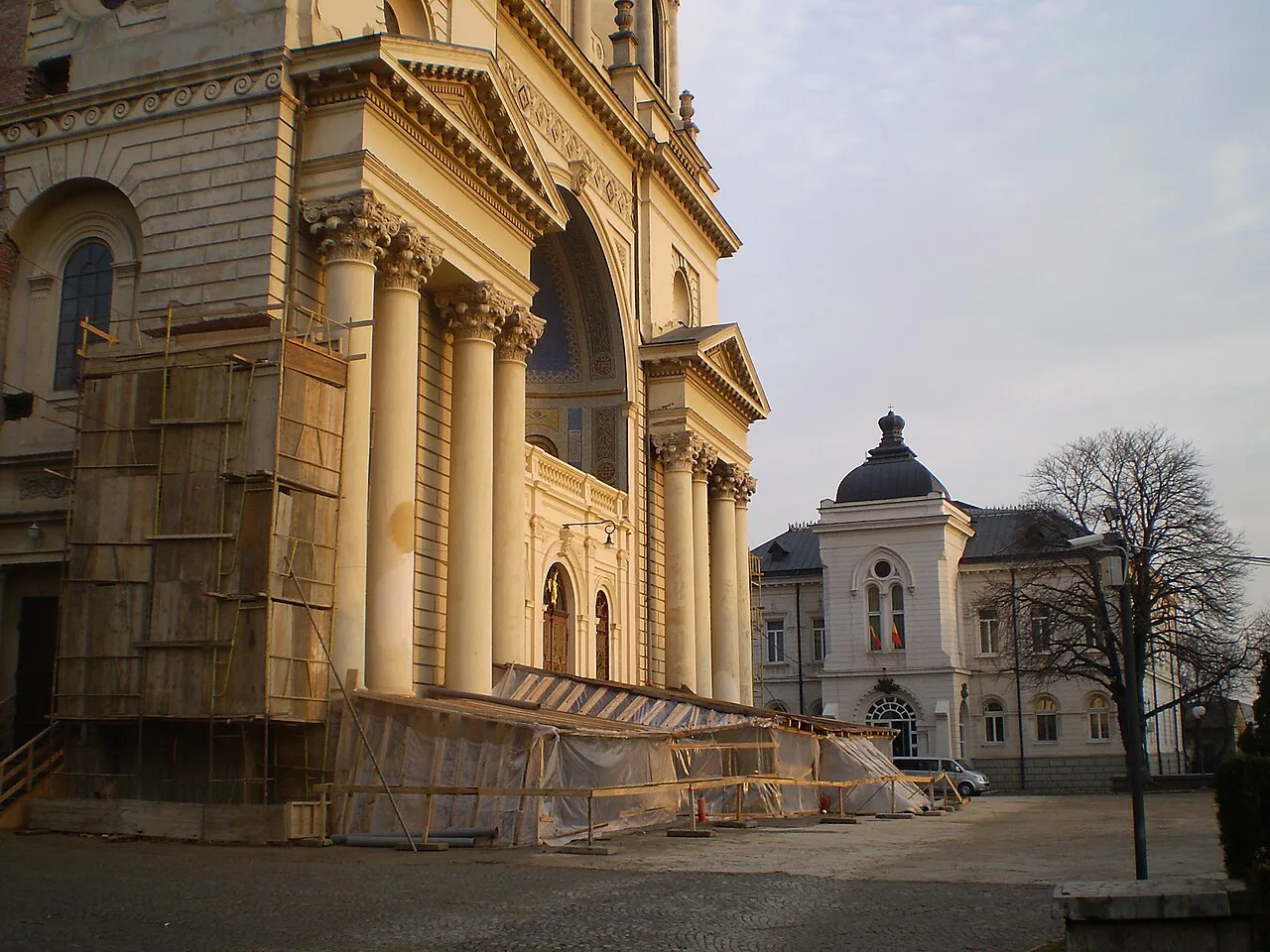
Golia Monastery: where it sits relative to the centre
Golia Monastery is one of the named religious sites in Iași and belongs on the central part of your circuit rather than the edges. It appears alongside the Metropolitan Cathedral, the Church of the Three Hierarchs and Saint Nicholas Church in the list of the city's main churches and monasteries.
The practical appeal is position: it sits close enough to the centre that you can walk between it and the cathedral without a detour across town. Build it into the middle of a walking day so it breaks up the stretch between the old centre and the streets around the Palace of Culture. If you would rather follow a set route, the Iași Walking Tour orders the central stops for you.
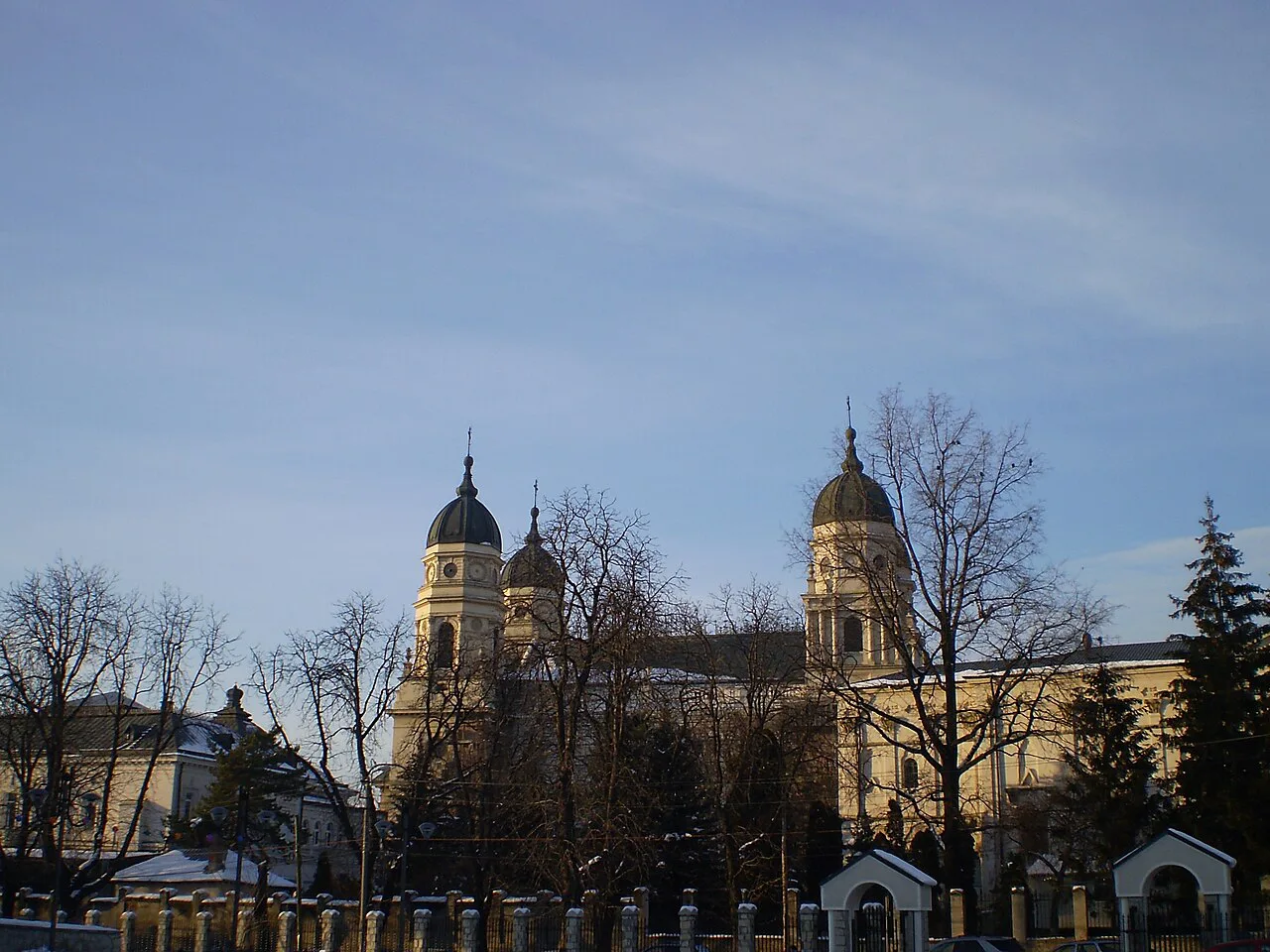
Cetățuia Monastery: a hilltop position above the city
Cetățuia Monastery is the one that changes the shape of your day, because its hilltop setting puts it above the city rather than in the flat centre. The climb is the trade-off: you gain the elevated position and the quieter feel that comes with being off the main sightseeing streets.
Treat Cetățuia as a separate move rather than something to squeeze between two central churches. Walk up, look around, and come back down on the same leg, or build it into an afternoon that also takes in Copou. Wearing proper shoes matters more here than on the flat streets of the centre.
Galata Monastery and Frumoasa Monastery on the western edge of Iași
Galata Monastery and Frumoasa Monastery sit away from the central cluster, on the western side of the city, which makes them a distinct outing. Both appear in the city's list of principal churches and monasteries, so they are worth the extra travel if you have a second day.
The realistic call is to see one of them, not both, unless you have a car or plenty of time. Pick the one that fits your route out of the centre and accept that the walk or ride there will take longer than the hop between the central churches. If your trip is short, spend the time on Cetățuia instead and leave the western edge for a return visit.
Putting a circuit together on foot: an order that links the Palace of Culture, the cathedral and the old centre
A workable order starts at the Palace of Culture, moves into the old centre for the Three Hierarchs Church and the Metropolitan Cathedral, and adds Golia on the way through. The palace holds four museums and sits near a park, so it makes a natural beginning or end to a religious-site day.
Keep the central cluster to a half-day and put Cetățuia or a western monastery in the other half, rather than trying to fit both ends of the city into one continuous walk. The compact route through the central stops is laid out in the Iasi walking tour, which saves you from backtracking. If you only have two days in the city, A Weekend in Iași shows how the monasteries fit alongside everything else.
Choose your walking order so the cathedral falls either early or late, since that is where you are most likely to meet a crowd. Fill the middle with the smaller central churches and a pause at the palace. That gives you a rhythm rather than a queue of similar interiors.
Copou Park and the literary monuments nearby, as a half-day add-on
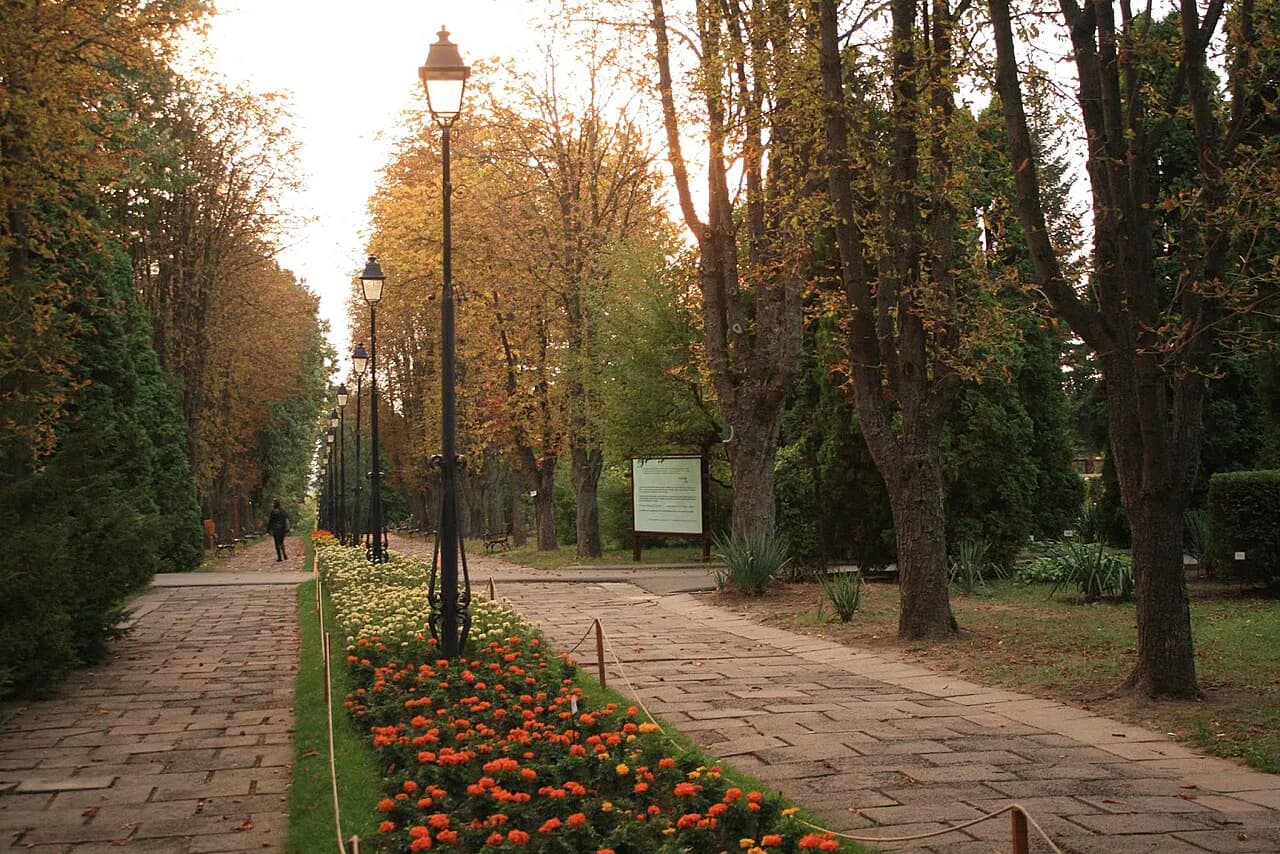
Copou Park lies above the university and works well as the second half of a day that began with the central churches. The park's main draw is Teiul lui Eminescu, the lime tree associated with the poet Mihail Eminescu, with a bust of the poet in front of it, and nearby stands the Obelisk of the Lions, a 15-metre stone column resting on four lions.
Copou Park was founded during Mihail Sturza's reign in 1835, expanded between 1849 and 1852, and lit with street lamps in 1860; the park also holds the Mihai Eminescu museum, opened in 1990.
Treat Copou as a gentler counterweight to the dense religious sightseeing rather than more of the same. It pairs naturally with Cetățuia, since both sit above the flat centre, and gives you a reason to spread the monasteries across two half-days.
Trade-offs: active worship, the October pilgrimage and how much time to allow
The central churches take minutes each, while the hilltop and western monasteries cost you travel time, so budget by location rather than by building. The clear pressure point is mid-October, when the festival and the pilgrimage to Saint Parascheva's relics bring very large numbers of visitors to the cathedral area.
These are active places of worship, so a visitor should fit the interiors around services rather than expecting monument-style opening hours. Komoot lists a short city loop linking the Three Hierarchs Monastery with the Metropolitan Cathedral and the Palace of Culture, useful if you want a rough sense of how the central stops connect on foot.
Decide in advance which two or three buildings matter most to you and protect the time for those, rather than counting how many you can reach. Leave the Bukovina painted monasteries, including Voroneț and Humor, as a separate trip out of the city, not part of an Iași day. Check the cathedral's own notices for service times before you set out.
Which monasteries make the cut for your Iași itinerary
For most visitors, the Three Hierarchs Church, the Metropolitan Cathedral and Golia form the core, with Cetățuia as the hilltop addition and Copou as the natural finish. Galata and Frumoasa are for a second day or a trip with a car, and the Bukovina monasteries belong to a different journey entirely.
Set your dates first: if you are travelling in mid-October, decide whether you want the pilgrimage atmosphere or a quieter visit, because that choice shapes everything else. Then fix your walking order around the cathedral, and use the Iași: What to See, How Long to Stay and Getting Around guide to fit the rest of the city around it.
Frequently Asked Questions
Is Iași nice for a short break?
It is a compact city with a dense cluster of churches and monasteries in and around the centre, plus the Palace of Culture and Copou Park, so a short break fills easily. Two or three central religious sites plus one hilltop monastery make a solid half-day, and the rest of the city fits around them.
Are the Bukovina painted monasteries part of a Iași visit?
No. Voroneț and Humor lie in Bukovina, outside the city, and are a separate trip rather than a stop on an Iași monastery circuit. Treat them as their own excursion if you have the time.
Sources
Useful notes for your next trip
Optional updates to our guides.
You might also like
Continue reading
More guides you'll find useful