Iași Map: Palace of Culture, Copou and the Monastery Hills
A visitor's map of Iași linking the Palace of Culture, Copou Park and the monastery hills, so you can group the sights into workable walking routes.
On this page
Iași is easy to read on a map once you see that it is three clusters rather than one long sightseeing list. The Palace of Culture sits at the heart of the centre, the churches crowd around it, and Copou Park sits on higher ground north of the centre with the botanical gardens nearby. This guide groups the sights by walking distance, separates the flat central streets from the hilltop monasteries, and explains how to fit the city into two days. Iași: What to See, How Long to Stay and Getting Around covers what to see and how long to stay.
Where Iași sits in north-eastern Romania and what the city map covers
Iași lies in north-eastern Romania and is one of the country's leading centres of academic and cultural life, with five universities and a long list of cultural figures. The city spreads across hills, with the commercial and monumental centre on lower ground and parks and monasteries rising to the north and south. A visitor's map therefore needs a central core, a northern green edge and outlying religious sites rather than a single tidy grid.
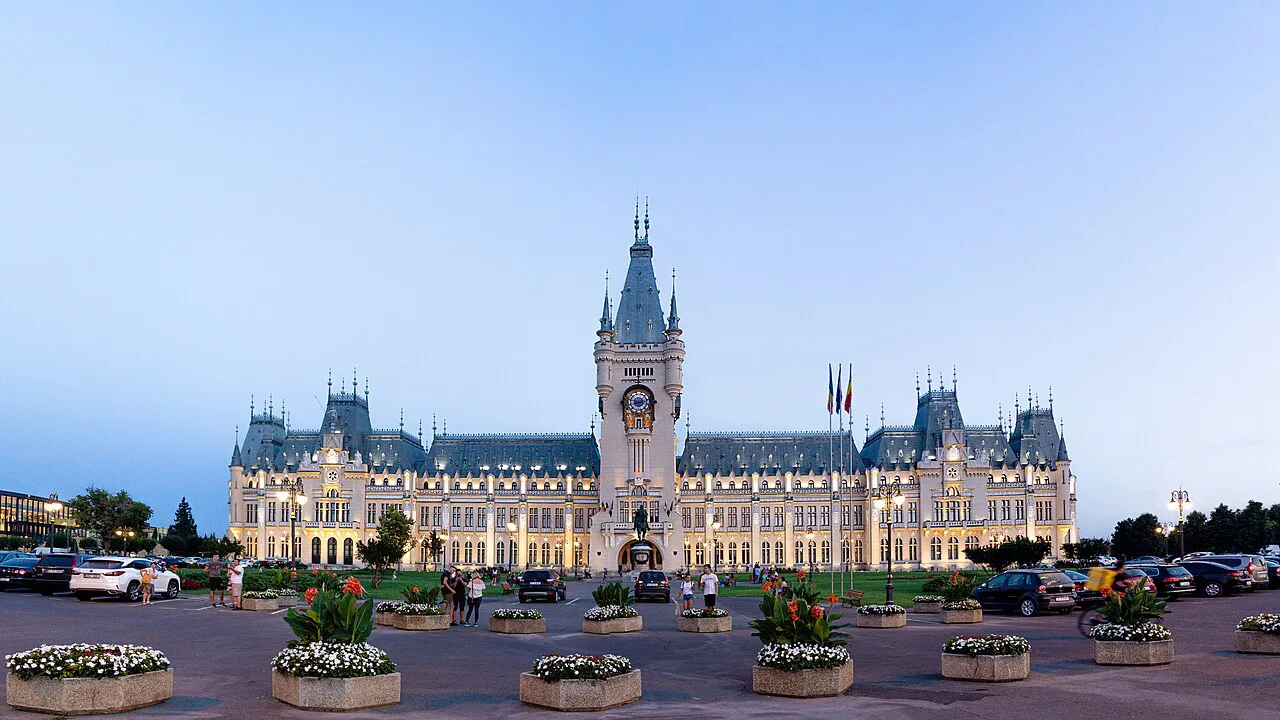
The centre in one line: Ștefan cel Mare Boulevard, the Palace of Culture and the National Theatre
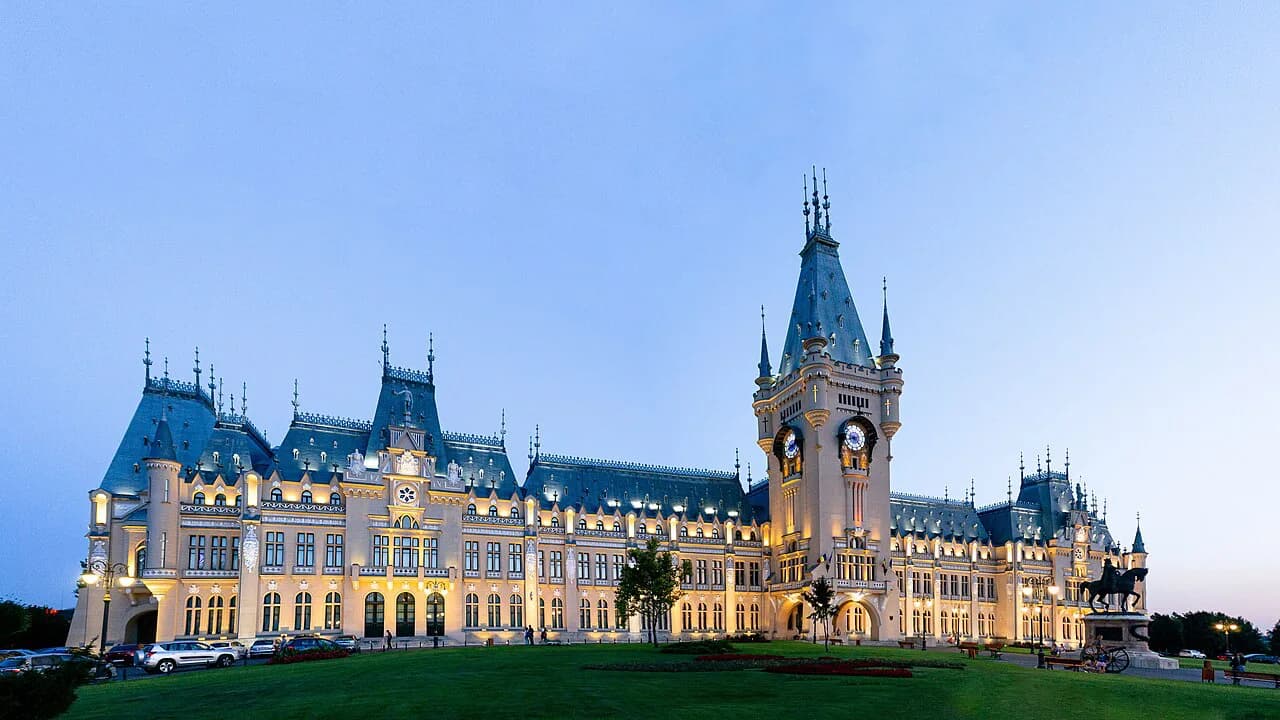
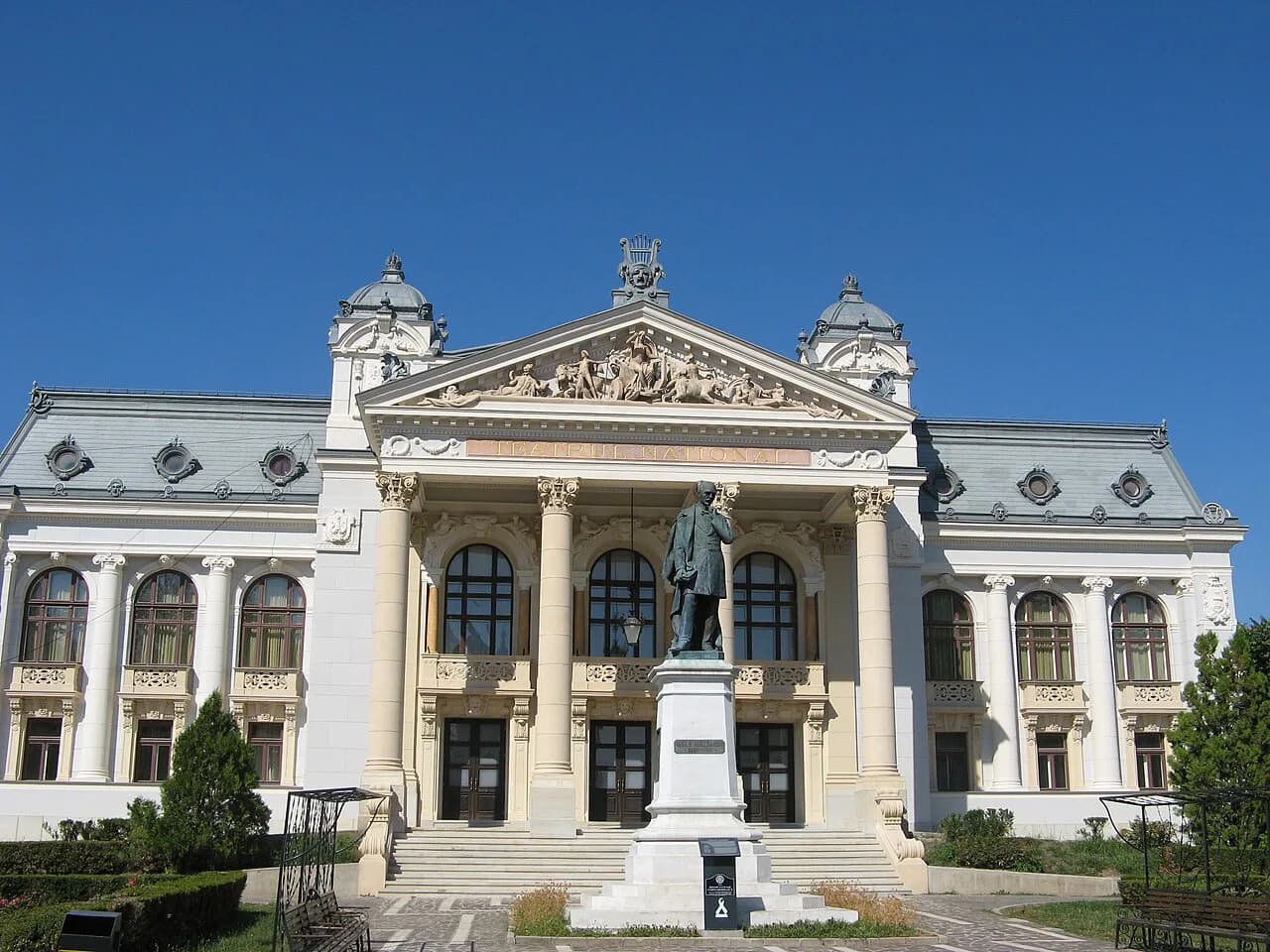
The backbone of the centre runs past the Palace of Culture, where the neo-Gothic palace, the Vasile Alecsandri National Theatre and the city hall sit close enough to see in one sweep. The city hall occupies the former Rosnovanu Palace, and the theatre was built in 1896 in the neoclassical style. Pause on the square in front before going anywhere else: it fixes the layout in your head.
Walkers tend to reach the centre from the Palace of Culture and work outwards, following the route to the early churches and only then deciding whether to climb towards Copou. The exact order depends on how much time you give the museums, but a simple day follows that line and finishes downhill at the churches. A full walking route from the palace to Copou is set out in the Iași Walking Tour: Palace of Culture to Copou on Foot.
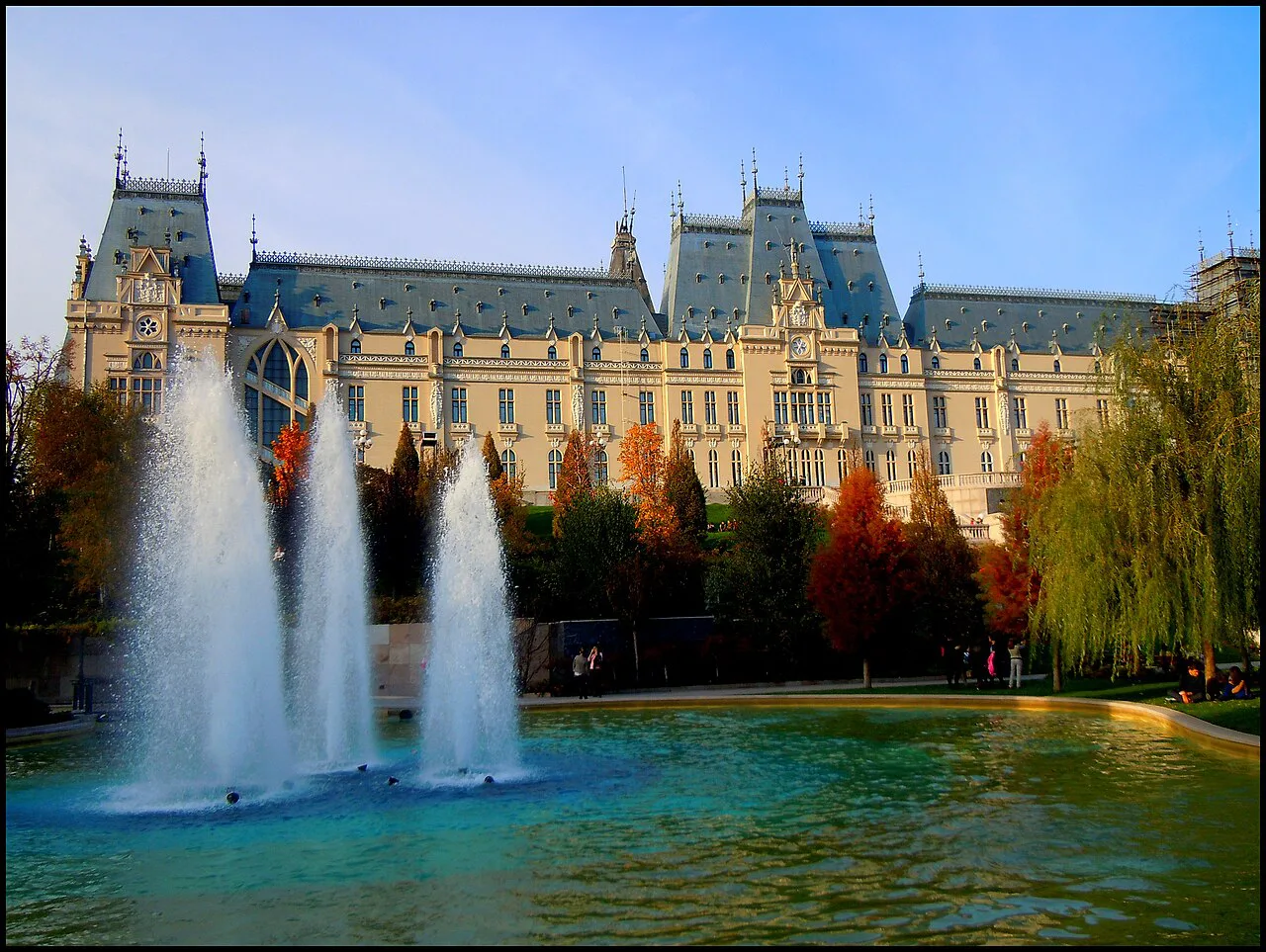
Palace of Culture: four museums under one roof and how much of the map it takes up
The Palace of Culture is a neo-Gothic building that houses four museums under one roof: the Art Museum, the History Museum, the Ethnographic Museum and the Science and Technical Museum. That concentration matters on a map, because one address fills a large block of time. For anyone mapping a visit, the palace is a visit in its own right rather than a brief photo stop.
Treat the palace as a single destination before you move on, rather than ticking off its museums between other sights. The Art Museum and the History Museum repay the most attention, with works by major painters and a very old mammoth skull among the displays, while the Ethnographic and Science and Technical collections work well as a second visit. Nearby you also have the former Rosnovanu Palace, now the city hall, and the National Theatre, so the palace square alone justifies a slow circuit.
Before setting out, check the palace's opening days and the ticket price, since the four museums are run together and a closed one changes the plan.
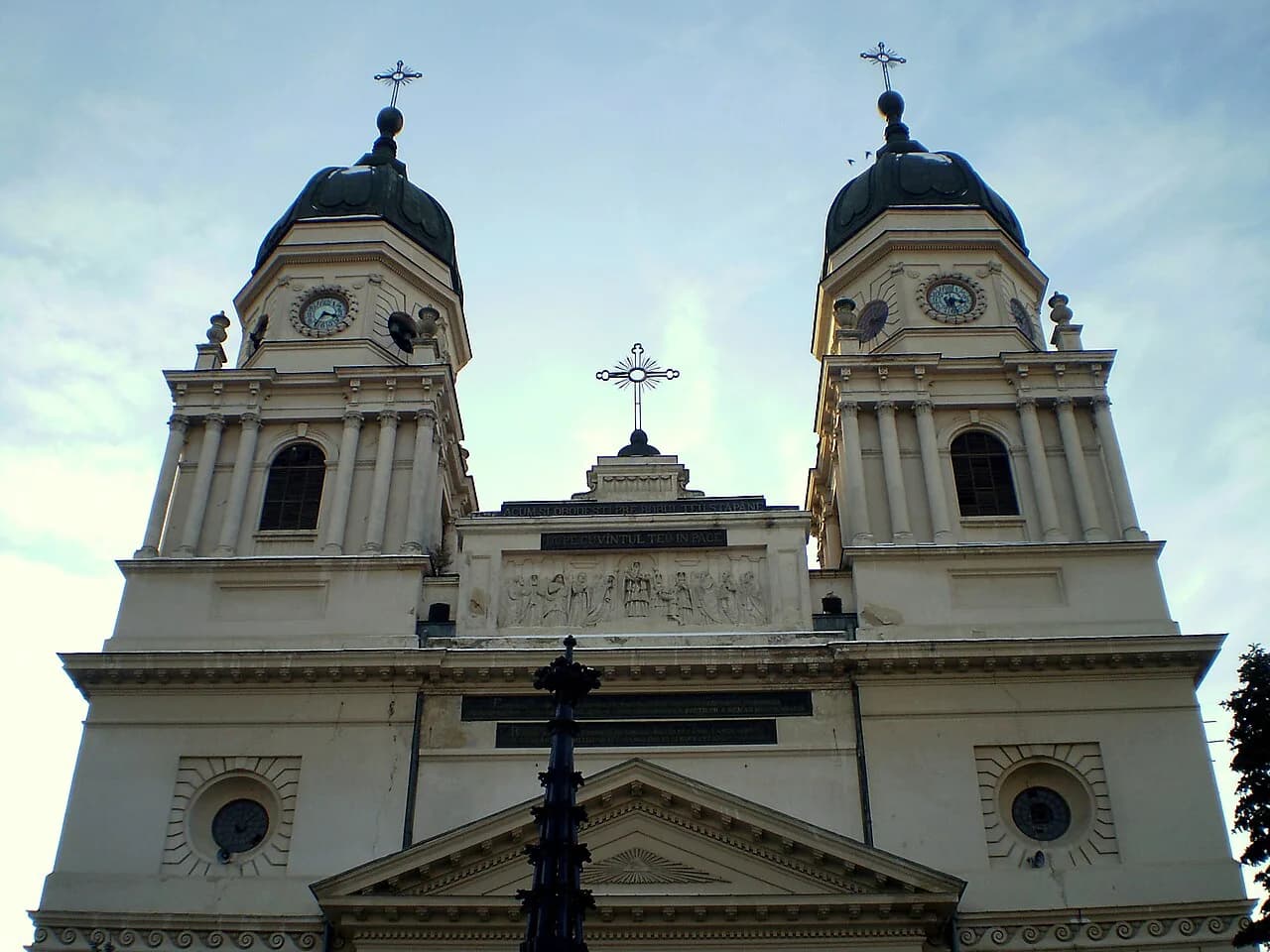
The churches cluster: Metropolitan Cathedral, Trei Ierarhi and Golia Monastery
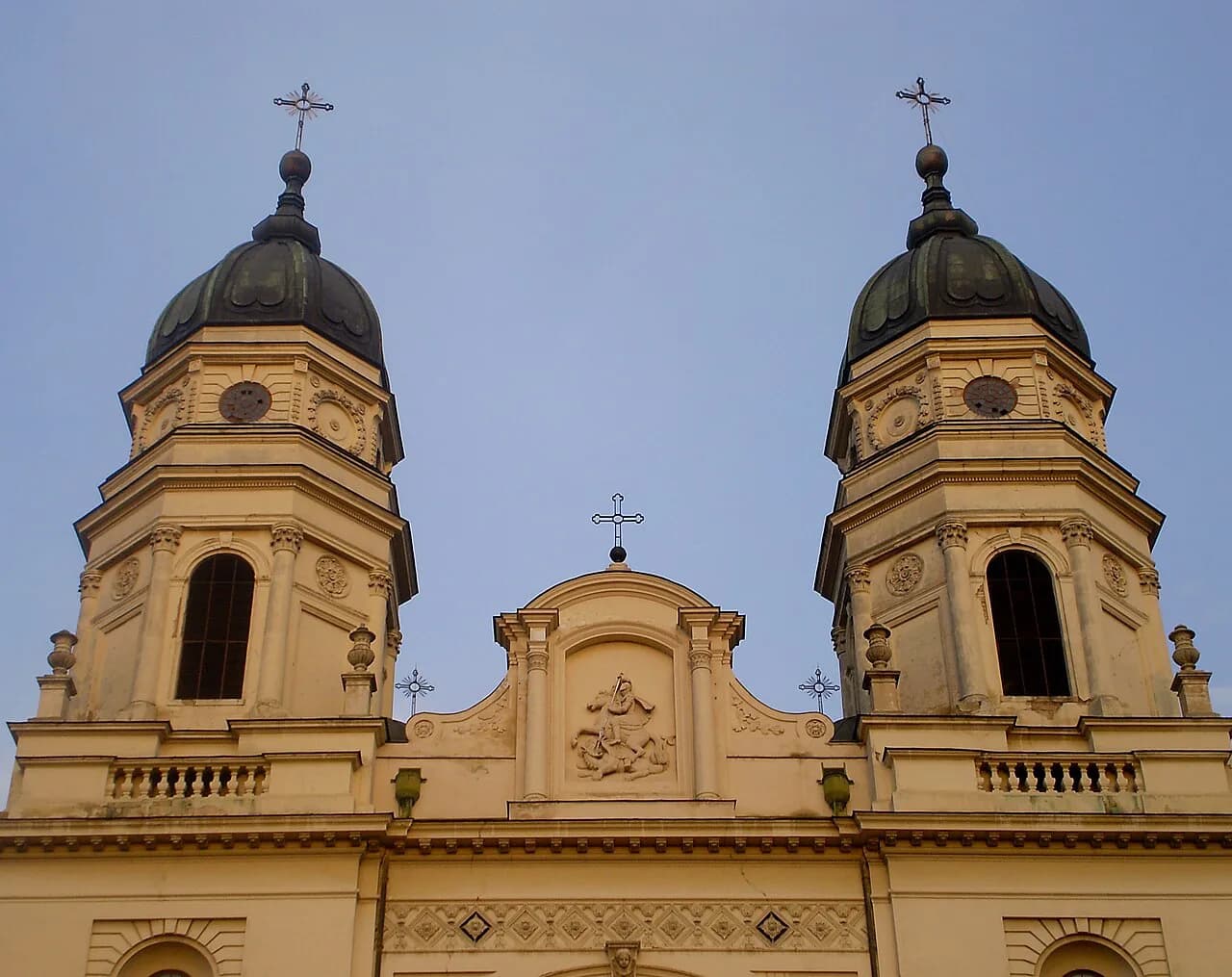
Iași's churches are the second cluster on the map, and the three that anchor it are the Metropolitan Cathedral, the Church of the Three Hierarchs and Golia Monastery. They stand close together in the centre, which lets you visit them on foot in a single loop rather than on separate trips. The city's 'City of a Hundred Churches' nickname reflects how many of them there are, and a casual stroll along the main streets will pass several you did not plan.
The Metropolitan Cathedral and the Church of the Three Hierarchs are the main stops for most visitors. Golia Monastery adds a different scale, with its walls, tower and frescoed interior; the collection of Iași monasteries covers which ones justify the extension and how to combine them.
Keep the churches and the palace together in a single walking block: you can move between them without transport, which is the main practical point of the map. If you plan to reach Golia from the palace, allow for the extra climb and check the monastery's visiting hours before you set off.
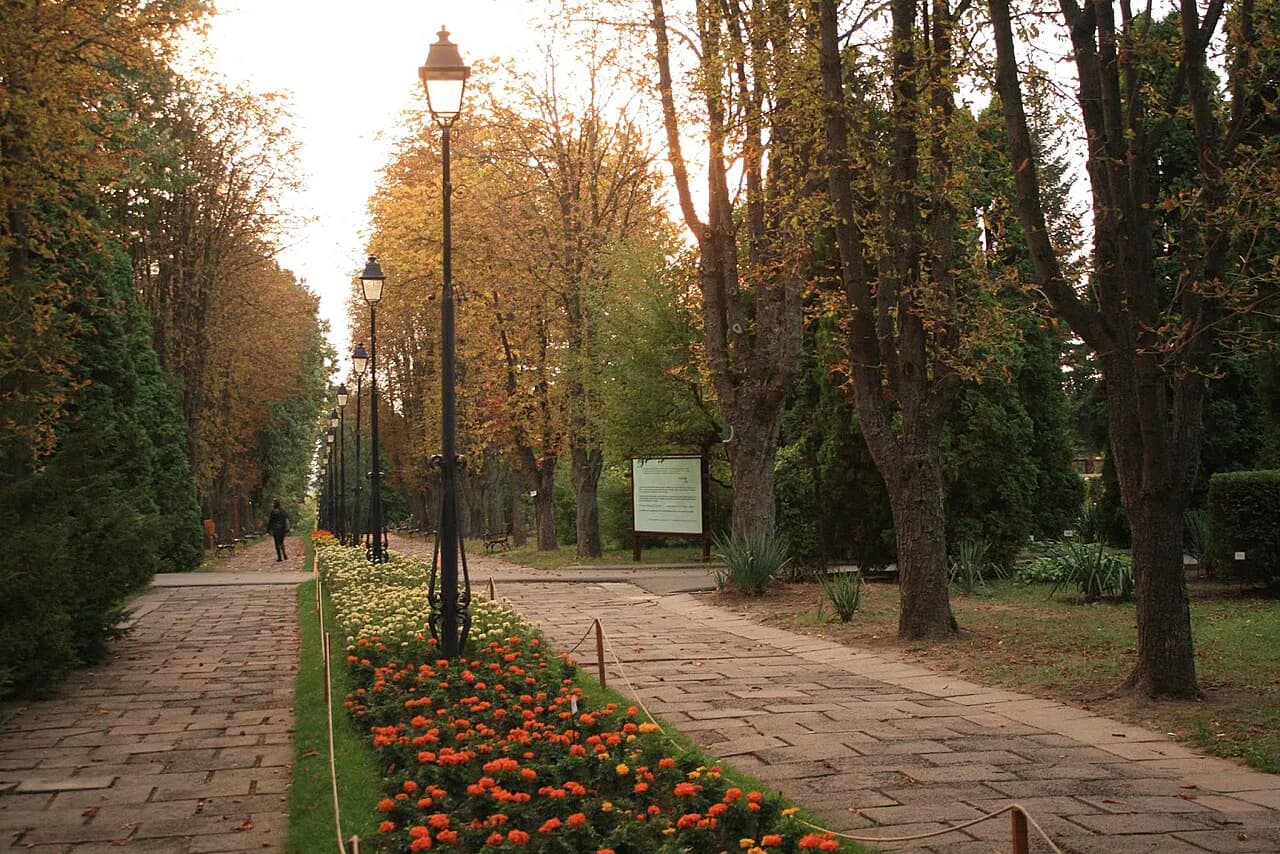
Copou Park and the botanical gardens north of the centre
Copou Park sits north of the centre, higher up, and is one of the city's main green spaces. It is a public garden whose lime-tree is associated with the poet Mihai Eminescu, with a bust of the poet in front of it and the path leading to the Obelisk of the Lions, a 15-metre stone column resting on four lions. The park was founded during Mihail Sturza's reign, in 1835.
The Botanical Gardens lie in the same Copou neighbourhood, a few miles north of the centre, and add a separate stop to the northern excursion; the gardens are reached from the park in the same walk rather than in a separate transport hop. Put both on the same day, so you are not climbing north twice.
For a map-based plan, Copou is an excursion, not part of the centre, so give it half a day and return downhill rather than trying to thread it between palace and churches. A two-day plan built around the centre and Copou is set out in the Iași Weekend Itinerary.
Walking between the centre sights: order and rough timings
The practical order for a centre walk is palace, then the churches, then the walk to Copou, with the botanical gardens at the far end. That route keeps you moving outward from the palace rather than doubling back. It also separates the flat central streets from the gradual climb north, which is the main thing a map will not tell you.
The numbers you need are not opening hours but how the sights relate. The palace takes the longest, the churches take the least, and Copou sits at the top end of the day; build around those three blocks, and add the monasteries if you have a second day.
Trams and the airport link, in brief
The centre is compact enough to walk between the palace and the churches without transport. For longer hops to the outer neighbourhoods, check local tram and bus routes and timetables before you travel.
Which side of the city to base yourself on for a two-day visit
For two days, base yourself near the centre, within easy reach of the palace and the boulevard: that puts the whole church cluster, the palace museums and the evening walk within reach without transport. Copou then becomes a morning or afternoon excursion north, not a second base. The main Iași guide covers the actual sights, hours and what to see for the rest of the trip.
If you only have one day, choose the centre, palace and churches, and treat Copou as the optional extra. Two days in the city are enough for the church cluster, the palace museums and the park without feeling rushed; three days start to allow for the monasteries or a longer look at Copou. A weekend plan that covers this ground in two days is in the Iași Weekend Itinerary.
Which cluster should you pick first?
Use the map to choose clusters, not a list of individual sights. Start at the Palace of Culture and the churches in the centre, and save Copou and the botanical gardens for a morning or afternoon on their own, so you are not walking uphill twice.
Explore more Iasi guides
Frequently Asked Questions
How do you pronounce Iași?
The word is roughly pronounced 'Yash', with a short, soft sound at the end; the ș is the Romanian sh.
Is Iași worth visiting for a city break?
Yes, for a city break built around churches, the Palace of Culture and Copou Park. It is less monumental than Bucharest or Brașov, but the compact centre makes it easy to cover on foot in two days.
Sources
Useful notes for your next trip
Optional updates to our guides.
You might also like
Continue reading
More guides you'll find useful