Miercurea Ciuc: Castle, Churches and a Town Guide
Miercurea Ciuc in Transylvania: Mikó Castle and its Székely museum, the centre churches, Șumuleu Ciuc and how long a visit needs.
On this page
Miercurea Ciuc needs about half a day for the town itself, plus an hour or two for the pilgrimage church at Șumuleu Ciuc two kilometres away, in Transylvania. The Harghita county town spreads across the Ciuc Depression at 655–730 m, between the Ciuc Mountains to the west and the Harghita Mountains to the east, on the left bank of the Olt.
This guide separates the two things most short guides blur: Mikó Castle, the 17th-century building, and the Székely Museum of Ciuc, the museum housed inside it. It then walks the centre on foot, follows the Olt valley and pass roads in, and shows where the town fits between Brașov, Sibiu and Sighișoara on a wider Carpathian trip.
Where Miercurea Ciuc sits
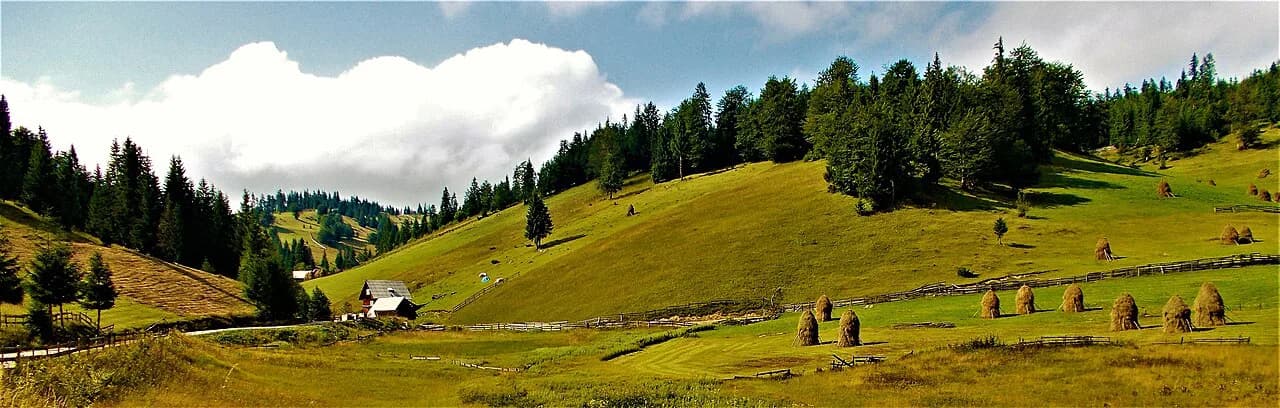
The town is the seat of Harghita county, set in the Ciuc Depression at an altitude of 655–730 m. The Ciuc Mountains rise on its western side and the Harghita Mountains on its eastern side, with the Olt running along the town's left bank. That basin position explains the layout: the built-up area follows the valley floor, and the mountains close the horizon on both sides.
The Olt valley carries a north–south road, while the east–west routes cross the Carpathian passes at Vlăhița and Ghimeș. The old town grew up at that crossing, which is why the centre feels like a junction town rather than a grid. If you are travelling between Brașov and the Székely Land, you pass through rather than around it.
How the town is laid out
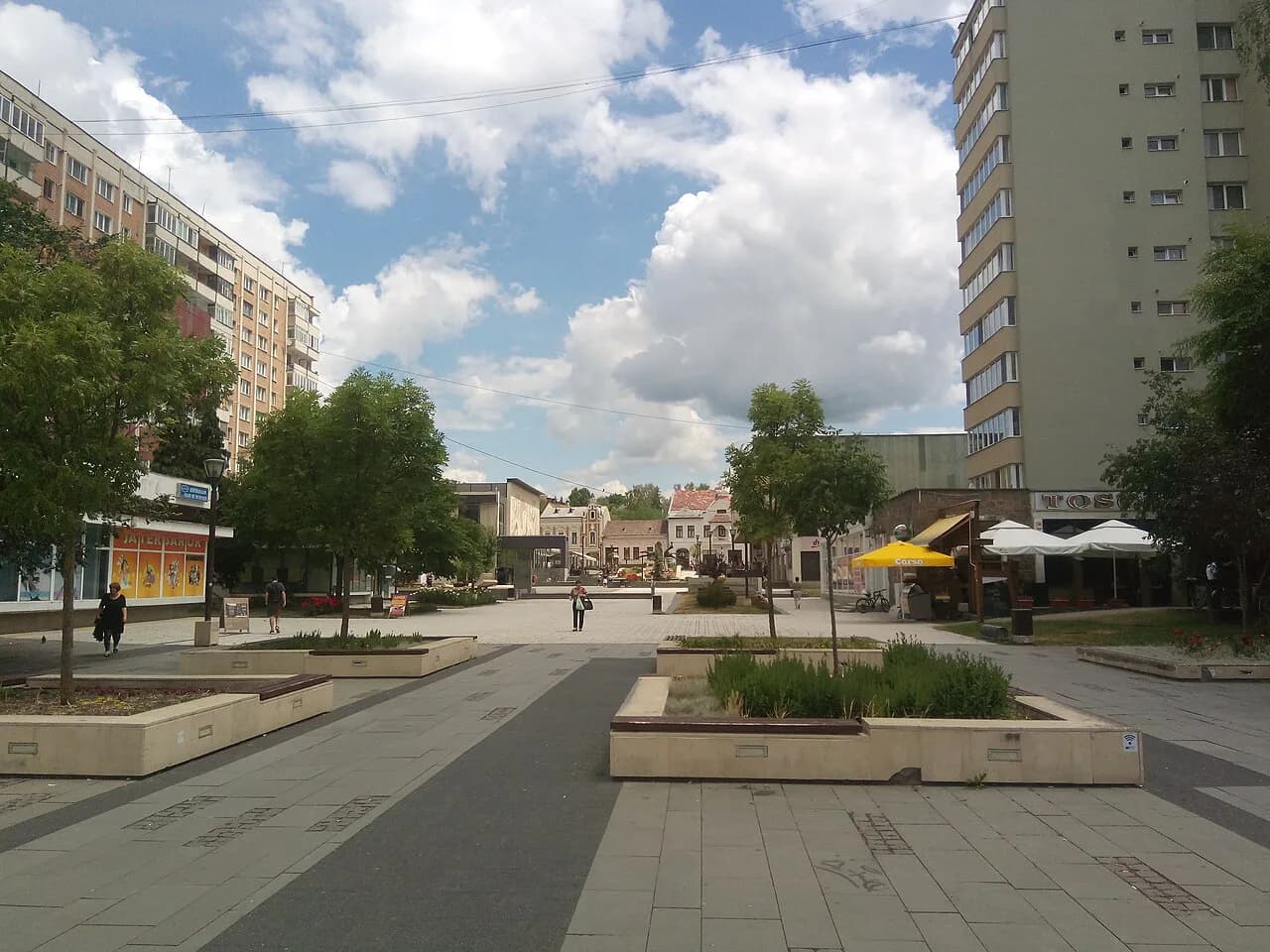
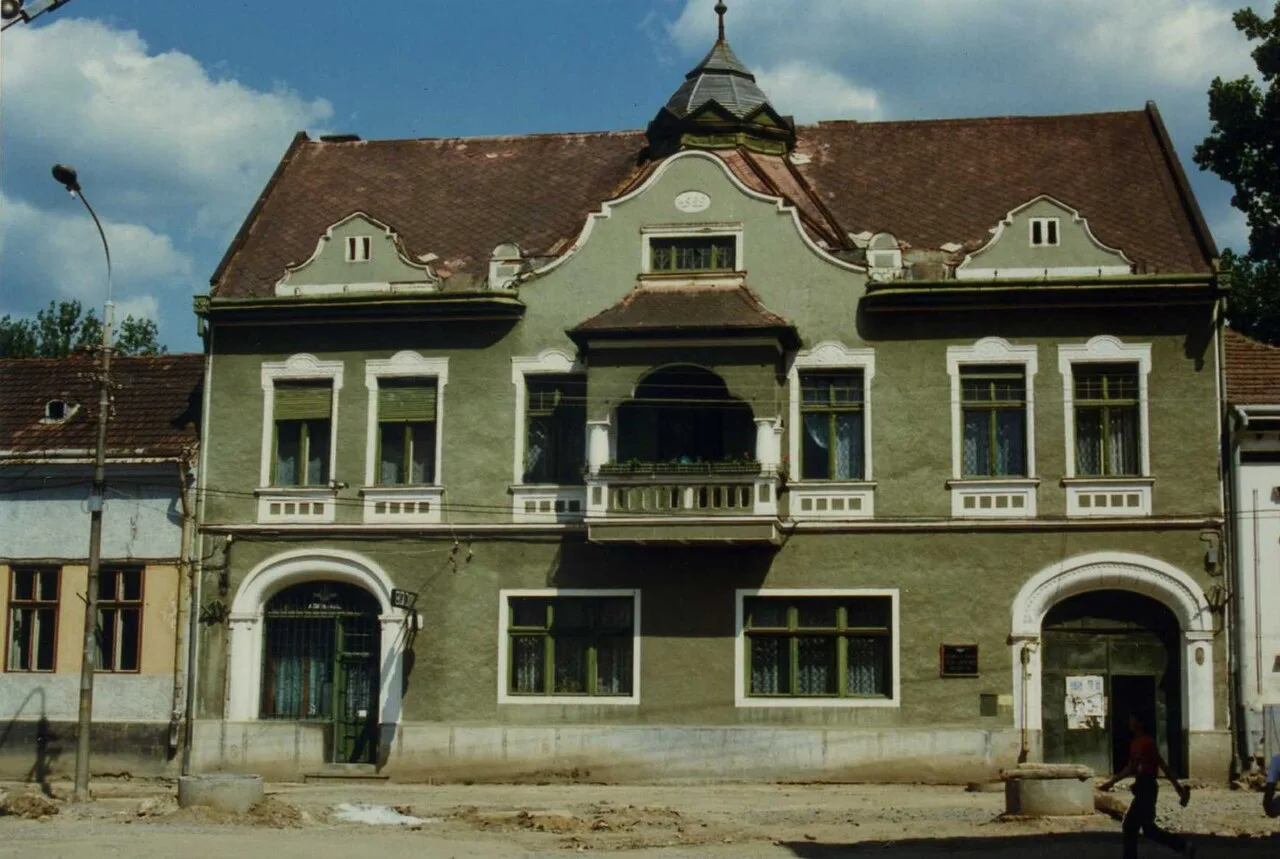
The centre is compact enough to walk in an hour or so. Two streets frame the oldest quarter: Petőfi Sándor and Körösi Csoma Sándor. The Vigadó building stands at their corner, and most of the named sights sit within a few minutes of that point, so you do not need a car to see the town centre.
The Olt valley road runs roughly north–south on the town's edge, and the pass roads come in from east and west. Arriving by car, you enter on one of those axes and reach the centre quickly. On foot, use the Petőfi Sándor and Körösi Csoma Sándor corner as your reference point and work outwards.
Mikó Castle and the Székely Museum of Ciuc
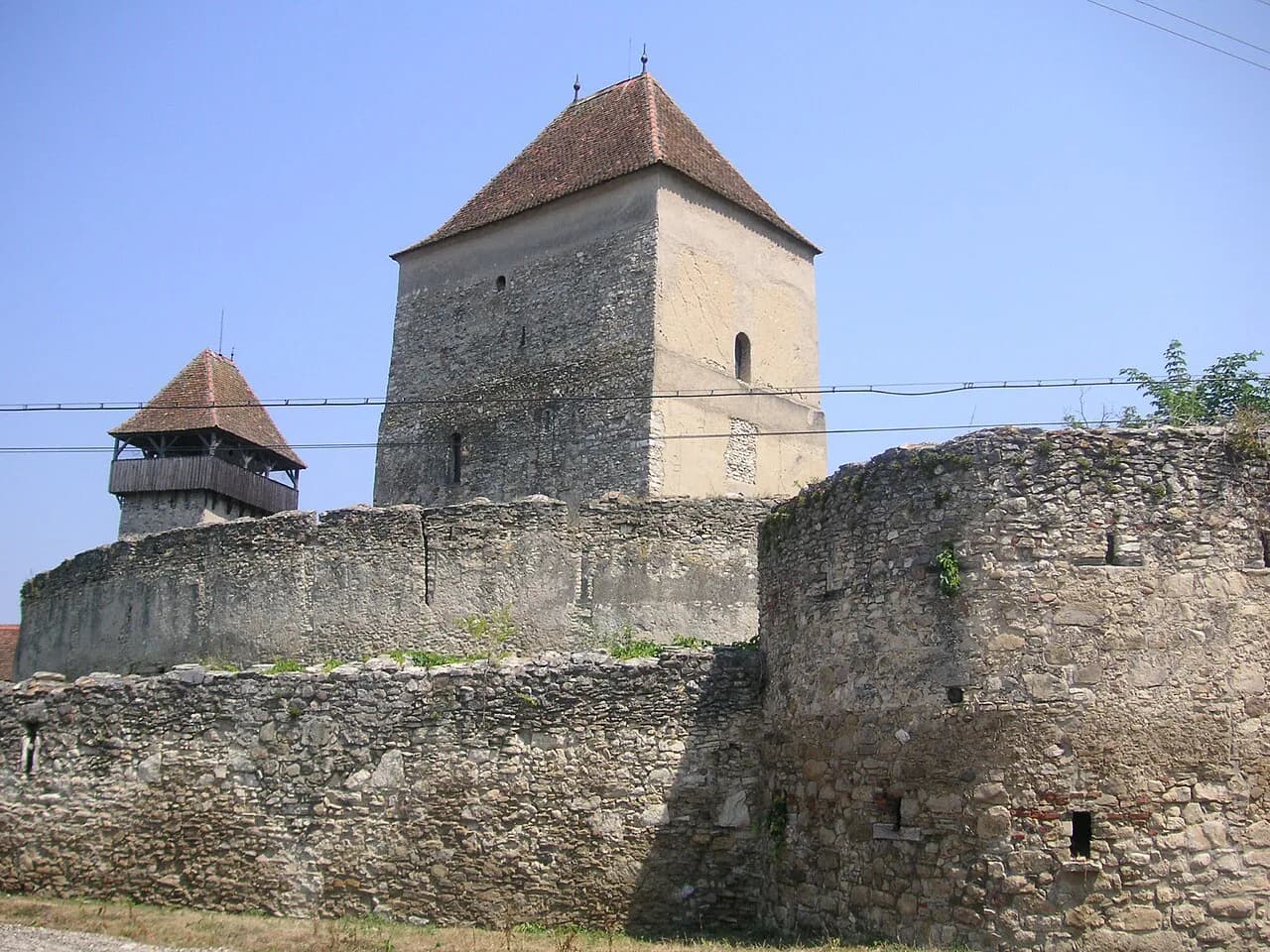
Mikó Castle is the town's principal monument, built in the late Renaissance style in 1631 by Ferenc Hidvégi Mikó, a counsellor to Prince Gabriel Bethlen. It has a regular geometric plan and Italian-style bastions, and from 1764 it served as a barracks for imperial troops before the Székely regiments were reorganised.
The castle was fully restored in 1970 and now houses the Székely Museum of Ciuc, so the 17th-century building and the museum inside it are one visit, not two. The museum as an institution dates from 1950, and it holds material from the Székely Museum Association founded in 1876. Keep the two dates straight: the castle is 17th-century, the museum collection is 19th- and 20th-century.
What the museum shows is local life rather than royal interiors. Its ethnographic exhibition, 'Trecerea timpului in Ciuc – Scene din viata populara de toate zilele', covers peasant life in the 19th and 20th centuries, with woodworking workshops such as carpenters, joiners and wheelwrights, farm tools and rural domestic life.
The museum also includes the Nagy Imre Gallery at Jigodin. The castle holds images and documents telling the town's 400-year history, which adds context if you are visiting other Harghita and Ciuc settlements afterwards. Check the museum's current opening days and ticket price in lei before you go, since these change with the season.
The Vigadó and the centre streets
The Vigadó is the Secession-style building at the corner of Petőfi Sándor and Körösi Csoma Sándor streets, built in 1904. Over its life it has housed banks, restaurants and gaming rooms, and it now belongs to the local council. It is a landmark for orientation even if you only see it from outside.
The building is in a rehabilitation project, so plan on the exterior and the streets around it rather than an interior visit. Walk Petőfi Sándor and Körösi Csoma Sándor and you pass the shops and civic buildings that make up the centre. This is the part of town to wander without a fixed route.
Churches of the centre
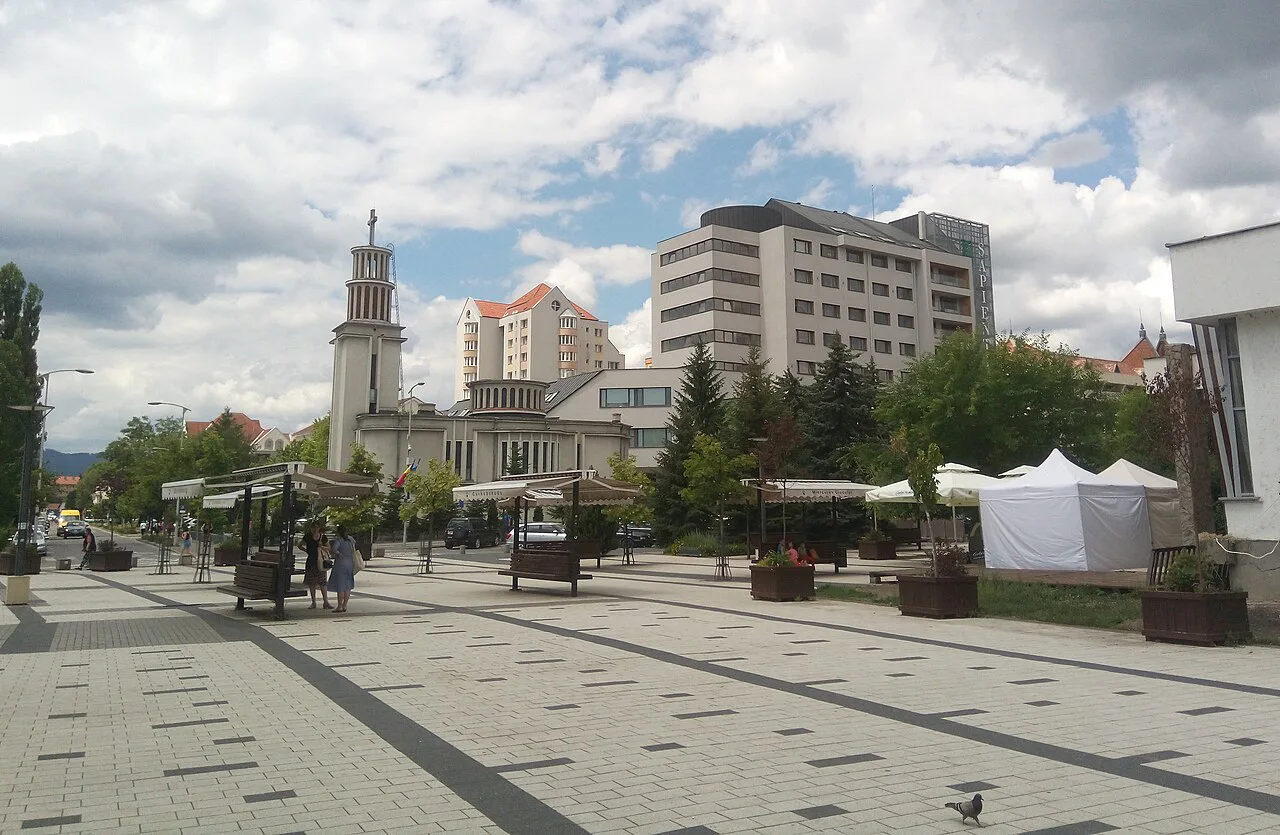
The Roman Catholic Church of the Holy Cross, Biserica romano-catolică Sfânta Cruce, is one of the centre's named churches. The Orthodox Cathedral of St Nicholas, Catedrala ortodoxă Sf. Nicolae, is the other main one to look for. Both sit within the walkable centre near the streets above.
The Orthodox Church of Saints Peter and Paul, Biserica Sfinții Apostoli Petru și Pavel, is also listed among the town's sights. Together with the two above, it gives you a short church circuit in the centre. Pair them with the Vigadó corner so the walking stays compact.
Other named landmarks
Beyond the churches, the town's list of sights includes the former county council building, the Palace of Justice and the Márton Áron High School. These are civic and educational buildings rather than museums, so treat them as architectural points on a walk through the centre.
Șumuleu Ciuc, two kilometres out
Șumuleu Ciuc is the one nearby place worth the extra detour: a pilgrimage church about 2 km from town. It is the reason many visitors come to Miercurea Ciuc in the first place, and the short distance makes it an easy addition rather than a separate day.
Because the church is so close, you can combine it with the town centre in a single afternoon. If you are driving, it is a short hop from the centre; on foot it is a manageable walk. Check the church's own opening arrangements for the day you visit rather than assuming it is always open.
Getting there by car
From Bucharest the road route runs 266 km via Ploiești, Brașov and Băile Tușnad. From Brașov it is only 100 km on the same route, which makes Miercurea Ciuc a natural extension of a Brașov stay. These are road distances, not journey times, so build in stops.
From Timișoara the distance is 471 km, via Lugoj, Deva, Sebeș, Sibiu, Mediaș, Sighișoara and Odorheiu Secuiesc. That is a long day on the road, but the chain passes through some of Transylvania's most rewarding country. If you are working through a Transylvania map, the town sits on the eastern edge of that circuit.
How long to allow and a short walking route
Half a day is enough for the town: Mikó Castle and the Székely Museum, the Vigadó corner, the churches, and a walk along Petőfi Sándor and Körösi Csoma Sándor. Add an hour or two for Șumuleu Ciuc, and you have a comfortable full day. If you are on a Transylvania itinerary, one night gives you time to see both without rushing.
Start at the castle, walk to the Vigadó corner, then follow the centre streets to the churches and civic buildings. Finish with the drive or walk to Șumuleu Ciuc. The order works because the castle orients you to the town's history first, and the streets afterwards make more sense.
Where it fits in a wider trip
Miercurea Ciuc sits between Brașov and the Székely Land, within reach of Băile Tușnad and the Harghita Mountains. It is a sensible stop if you are driving east from Brașov towards Odorheiu Secuiesc or Târgu Mureș. From the town you can reach the painted monasteries of southern Bucovina or head south to Brașov and Bran Castle on another leg.
Treat it as a half-day stop rather than a destination in its own right. Pair it with a Transylvania tour that includes the Székely Land, or add it to a self-drive route through the Carpathians. It is not a substitute for Brașov or Sibiu, but it adds a different region to the trip.
What to expect from the climate
The basin setting gives Miercurea Ciuc a distinctive microclimate. In summer, temperatures rarely rise much above 20°C, which is why the town is comfortable in July and August when larger cities are hot. The surrounding spruce forests and clean air are part of the appeal, not just the sights.
These are typical summer figures rather than a forecast, so treat them as a guide to what to pack, not a daily promise. The same microclimate means cool evenings even in midsummer. Bring a layer for the evening and plan indoor sights for the middle of the day.
Is Miercurea Ciuc worth the stop?
Yes, if you are already driving through eastern Transylvania. Mikó Castle and the Székely Museum of Ciuc, the Vigadó corner and the centre churches fill half a day, and Șumuleu Ciuc adds a pilgrimage site two kilometres out. It will not replace Brașov or Sibiu, but it gives the Székely Land a proper place on your route.
Check the museum's current opening days and ticket price in lei, and the church's opening arrangements, before you set out. Build the town into a driving route via Băile Tușnad or Odorheiu Secuiesc rather than making it a separate trip.
Explore more Transylvania guides
Sources
Useful notes for your next trip
Optional updates to our guides.
You might also like
Continue reading
More guides you'll find useful