Shopping in Bucharest: What to Buy and Where to Find It
A practical guide to shopping in Bucharest: the central streets, malls, design shops and the traditional crafts and souvenirs actually worth buying.
On this page
For most visitors, shopping in Bucharest means two things: a wander through the central streets around the old town for souvenirs and browsing, and a targeted stop at a handful of design-led shops and galleries. Bucharest is also a good place to buy traditional arts and crafts and antiques, which is the strand to prioritise if you want something you could not buy at home. This guide covers which streets and areas to walk, what the covered București Mall offers, which crafts are worth the money, and how to slot shopping into a short city break.
Where to shop in Bucharest: the quick answer
Match the area to your goal rather than trying to cover everything. Central streets and the old town suit browsing, souvenirs and a general sense of the city; București Mall suits a single efficient stop for mainstream shops and a meal; the design stops clustered around Palatul Universul and the streets near Cișmigiu suit anyone hunting contemporary furniture, eyewear or Romanian labels. Craft and antique buying is its own errand and deserves a separate slot rather than being tacked onto a mall trip.
Two days is enough to cover one strand properly and dip into a second. If you are in Bucharest for a short break built around the main sights, treat shopping as an afternoon rather than a day, and read the rest of our things to do in Bucharest coverage before deciding how much time to give it.
Shopping streets in central Bucharest: what you'll find on each
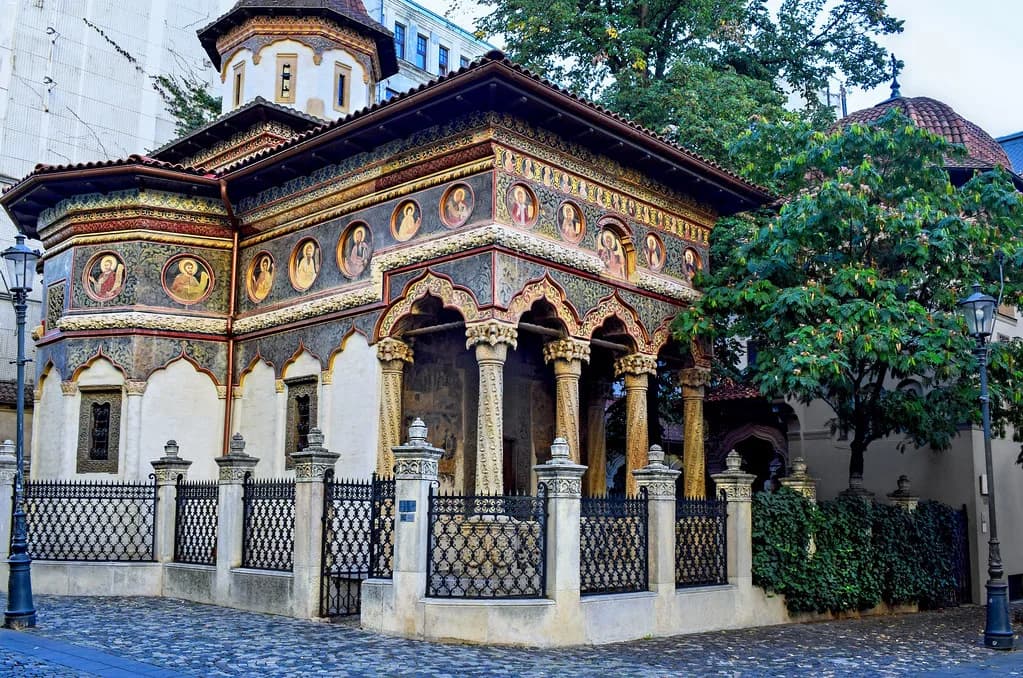
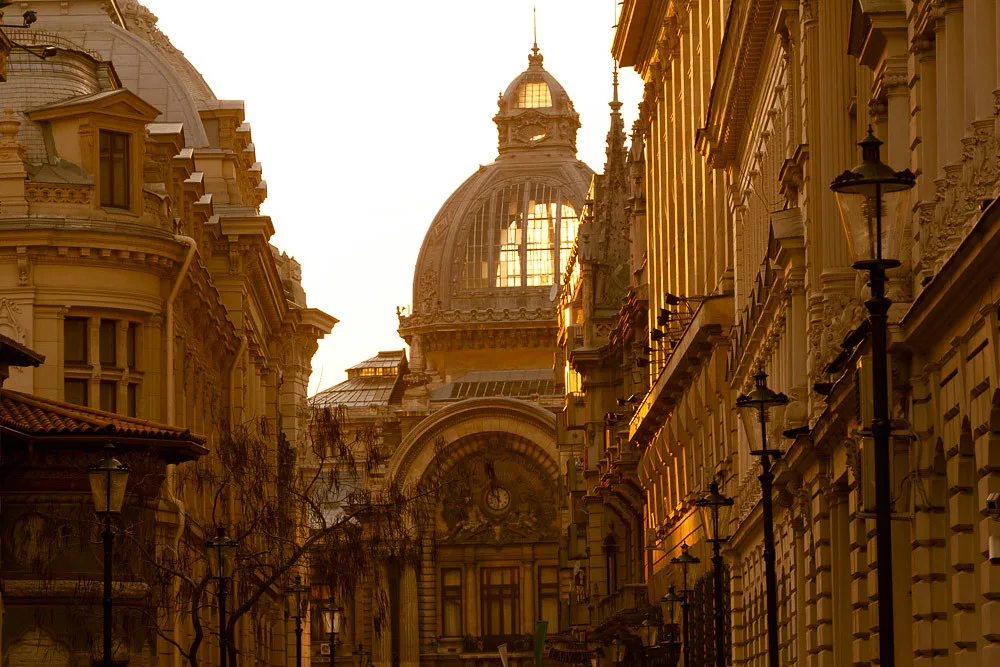
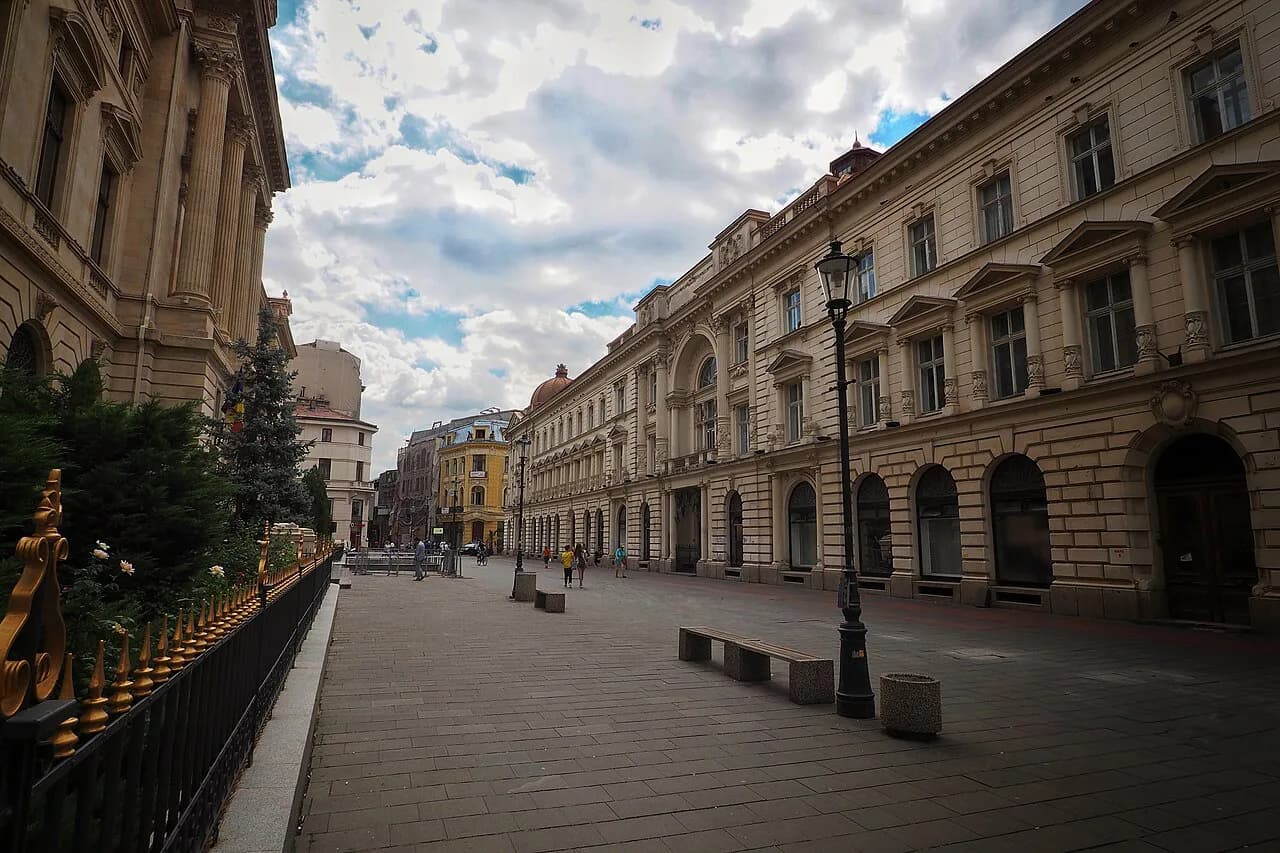
The old town is the obvious starting point for browsing: a dense grid of streets where souvenir shops, cafés and small stores sit side by side, and where you can cover a lot of ground on foot in an hour or two. Set out in the morning, before the area fills up, and look for Bucharest Old Town beyond the first row of shops.
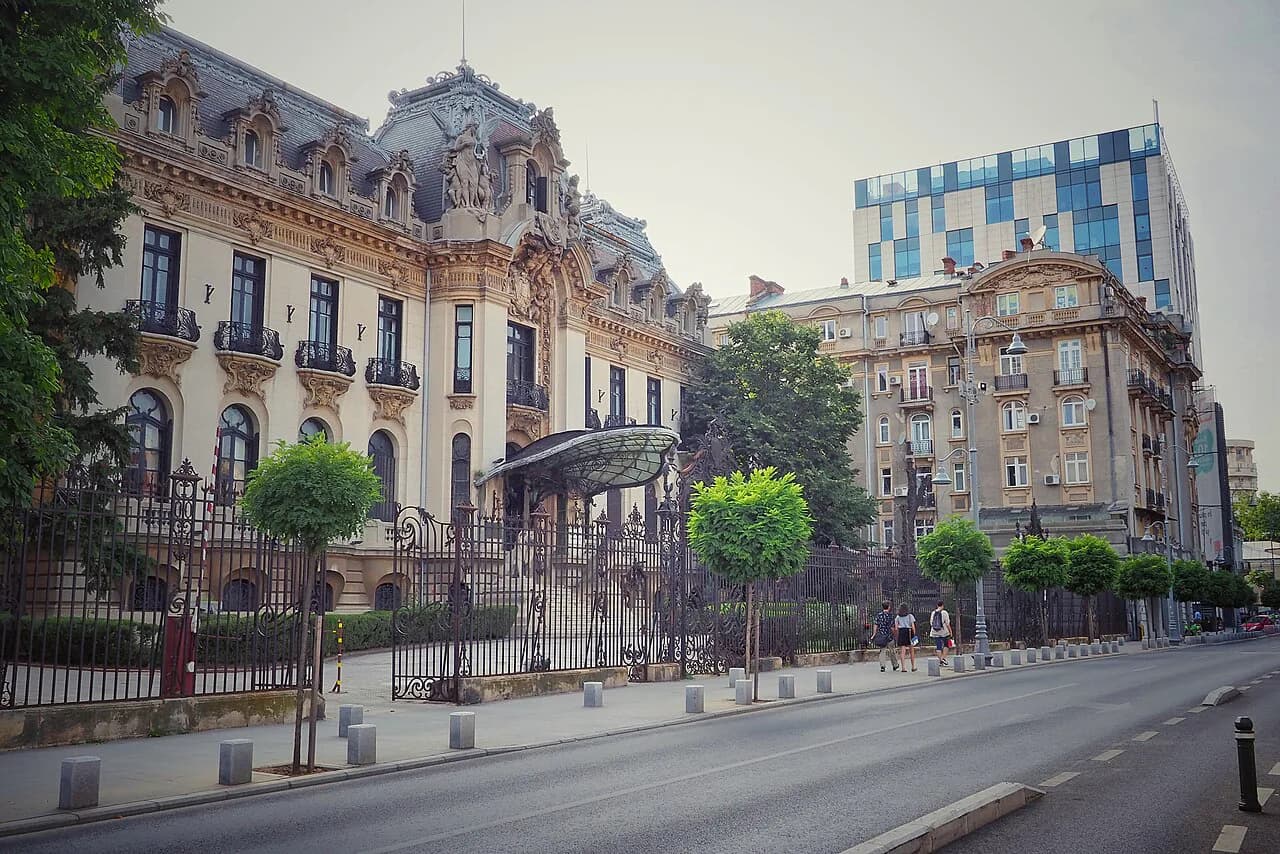
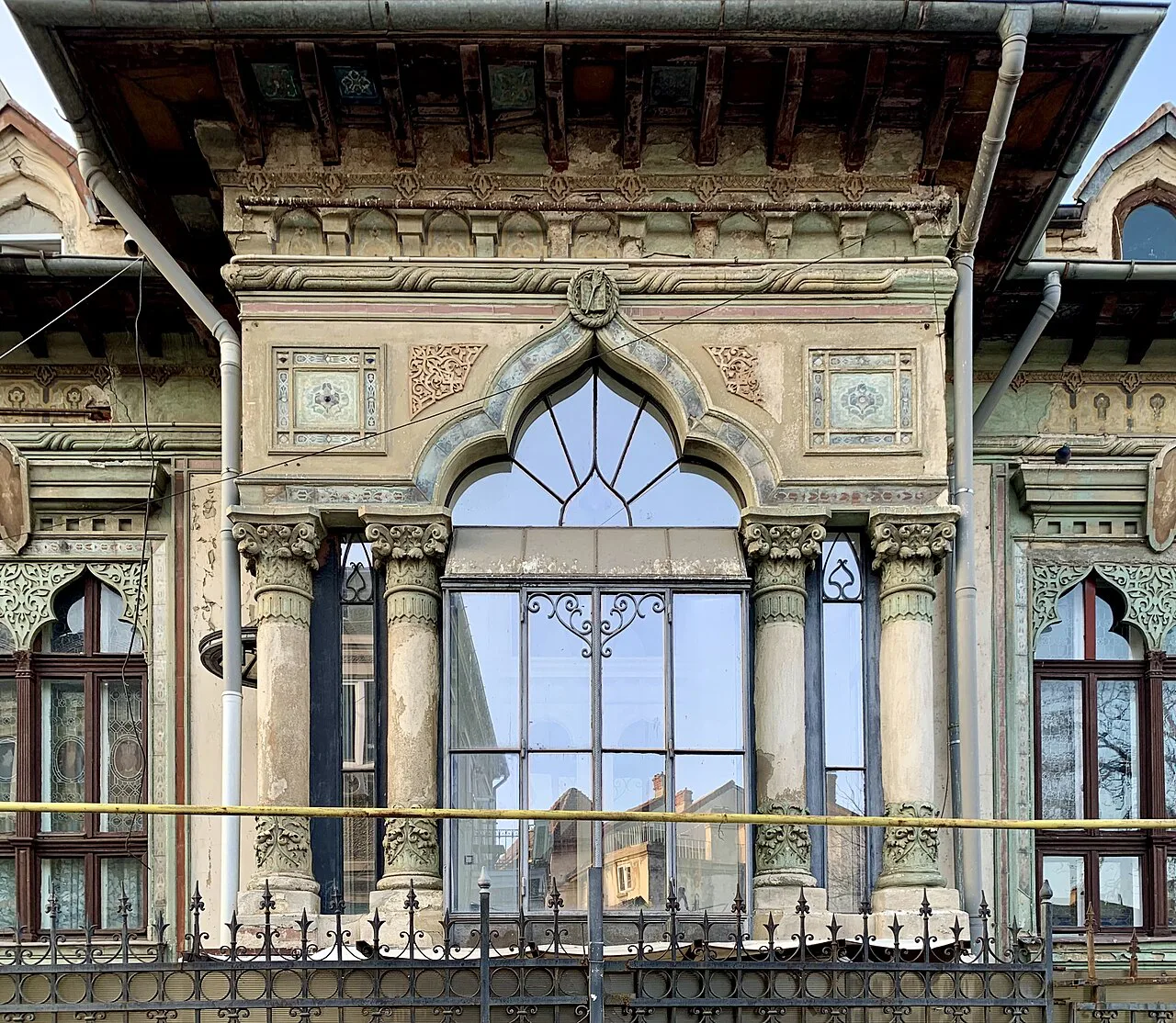
North and west of the old town, the streets around Cișmigiu Gardens and the Grădina Icoanei neighbourhood change character. Grădina Icoanei is defined by 19th-century Belle Époque villas, tree-lined streets and a small French-style park, which makes it the most pleasant area for an unhurried walk between one or two shops rather than a concentrated shopping session.
Calea Dorobanți, further north, is a residential and embassy street with neighbourhood cafés rather than a retail strip; it is where you go for a slow breakfast before shopping rather than for the shops themselves. Use a Bucharest map to string these areas together, because they are not adjacent and walking between them takes real time.
Malls and covered shopping: București Mall and what it suits
București Mall is the practical covered option, described as housing more than 70 stores, 15 restaurants and a supermarket. That mix makes it the sensible choice for a rainy afternoon, for anything you forgot to pack, or for a group where not everyone wants to browse the same things.
Visitors report it as clean and easy to navigate, with a range of restaurants and shops and a journey of roughly ten minutes from the centre and old town. Treat that as a rough orientation rather than a timetable, and allow longer if you are travelling at a busy time of day.
What a mall will not give you is anything distinctly local. If your only shopping stop is București Mall you will come away with the same brands you find at home, so pair it with at least one central street walk or a craft purchase to make the trip worthwhile.
Traditional crafts and souvenirs: what is actually worth buying
Bucharest is a good city for traditional arts and crafts and for antiques, which is where to put your budget if you want something that will not turn up in a British chain store. The distinction that matters is between handwork and imported trinkets: ask where a piece was made, and be wary of anything that appears in every shop window on the same street.
Textiles and embroidery, pottery, painted eggs and carved wood are the categories most associated with Romanian craft, and they travel well if you pack them carefully. Larger pieces of furniture or heavy ceramics are a false economy on a short break unless you have arranged shipping, so keep to what fits in hand luggage.
For antiques, condition and provenance matter more than price. Ask what you can about age and origin, pay in lei (RON), and get a receipt; a piece bought quickly on a browsing walk is hard to return once you are back home.
Design and independent shopping: Palatul Universul, Lunet, ENTRANCE, Aparterre and The Edit
Bucharest has a small, concentrated design scene that is worth seeking out if you buy few things but choose them carefully. Palatul Universul, a former newspaper building, now holds independent art spaces and studios including Salonul de Proiecte, and it is the natural first stop for contemporary work.
Nearby, Lunet Signature Store presents eyewear in an unconventional concrete setting, and ENTRANCE next door carries a tight edit of contemporary fashion and Romanian design labels. Both are small; the pleasure is in looking rather than in volume, so do not plan a long visit around them.
Further out, Aparterre shows collectible design and contemporary furniture, with limited-edition pieces from local and international designers, and The Edit offers a similarly curated selection. Neither is a casual browse-and-buy stop, so go knowing what you are looking for.
These stops are drawn from one designer's 48-hour route through the city rather than a comprehensive retail directory. Use them as a starting cluster and keep walking: this part of Bucharest rewards wandering between addresses more than ticking off a fixed list.
Practical points: opening days, cash and lei (RON)
Prices are quoted in lei (RON), and card payment is common in malls and larger shops, but carry some cash for markets, craft sellers and small studios. Opening days and hours vary by shop type: a mall keeps long daily hours, while independent studios and galleries often open later in the morning and close on specific weekdays.
Rather than assume a Sunday opening, check the specific shop's own listing before you travel across the city for it. That matters most for the design stops and smaller galleries, where a wasted trip is easy to avoid with one look at the shop's page or a call ahead.
Romanian VAT refund rules apply to goods you export, but you need the paperwork at the till and at the border, so decide before you pay. Ask the shop assistant what they need from you at the point of purchase, since the requirements are easier to meet there and then than afterwards.
Where shopping fits into a short Bucharest visit
Shopping works best as a late-afternoon block rather than a whole day. Give the morning to the main sights, take a late lunch, then spend two or three hours walking the old town or heading north to the design shops, and keep the evening free.
If your city break runs to three days, dedicate one afternoon to crafts and antiques and treat the rest of the trip as sightseeing. Our 3 days in Bucharest itinerary sets out a sightseeing sequence you can slot a shopping afternoon around without losing the main stops.
One caution on timing: several of the design stops sit well outside the old town, so group them into a single northern loop rather than walking back and forth. A guided approach helps here, and a Bucharest free walking tour will orient you on the street layout before you set out on your own.
Which shopping strand suits your trip
If you want one thing to remember the city by, spend your time on crafts and antiques and give the malls a miss. If you want contemporary design, build a half-day loop around Palatul Universul and the streets near Cișmigiu Gardens. If you are travelling with people who just want shops and a meal under one roof, București Mall covers that in a single stop.
Whatever you choose, keep it to one area per outing and check the specific shop's hours before setting off. That is the difference between a productive afternoon and a lot of walking past closed doors.
Explore more Bucharest guides
Sources
Useful notes for your next trip
Optional updates to our guides.
You might also like

Continue reading
More guides you'll find useful