
Natural History Museum Sibiu: A Visitor's Guide

Treat Sibiu's Natural History Museum as a short, focused stop in the old centre rather than the anchor of a day: allow roughly an hour and slot it between the squares. This page covers where it sits, how to walk to it, what to expect from the collections, how to pace the visit and which nearby sights to combine with it.
The practical details are the part to fix before you set out. The museum's programme and ticket prices belong to the museum itself, so confirm them on its official listing or at the entrance on the day rather than relying on a planning figure here.
What the Natural History Museum in Sibiu is, and where it sits in the old centre
This page covers a natural history museum in Sibiu for travellers who want a science stop rather than another art gallery. The museum's own details — address, entrance, opening days and tickets — are not confirmed here, so treat the practical points below as orientation and check current information directly with the museum.
Keep it distinct from the city's History Museum, which is a different institution with its own building, displays and hours. The two are often confused in English-language searching, but they serve different interests and you should choose between them on subject matter.

Where it is in the old centre
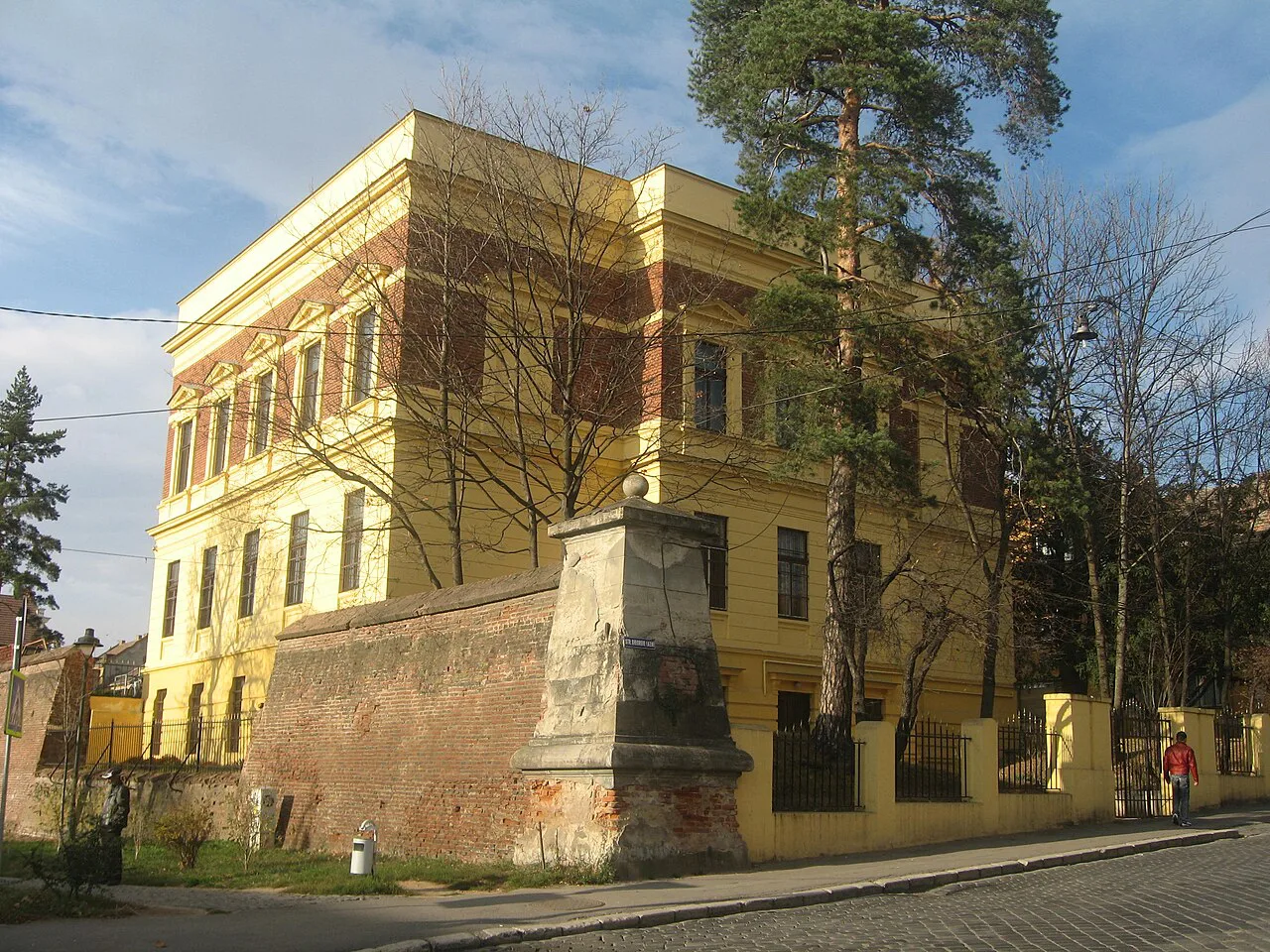
The museum is in Sibiu's old centre, within walking distance of Piața Mare (Large Square). If you are already touring the pedestrian core, you can reach it on foot without needing a bus, tram or taxi.
Use Piața Mare and the surrounding streets as your orientation points: the lanes of the old centre are short and largely pedestrian, so an offline phone map is enough. If you are arriving by train, walk north from the station into the old centre and pick up the route from Piața Mare.
For the exact street address and entrance, check the museum's own listing before you go. Ask at the entrance or a nearby information point if the door is not obvious from the street.
What to expect from a visit
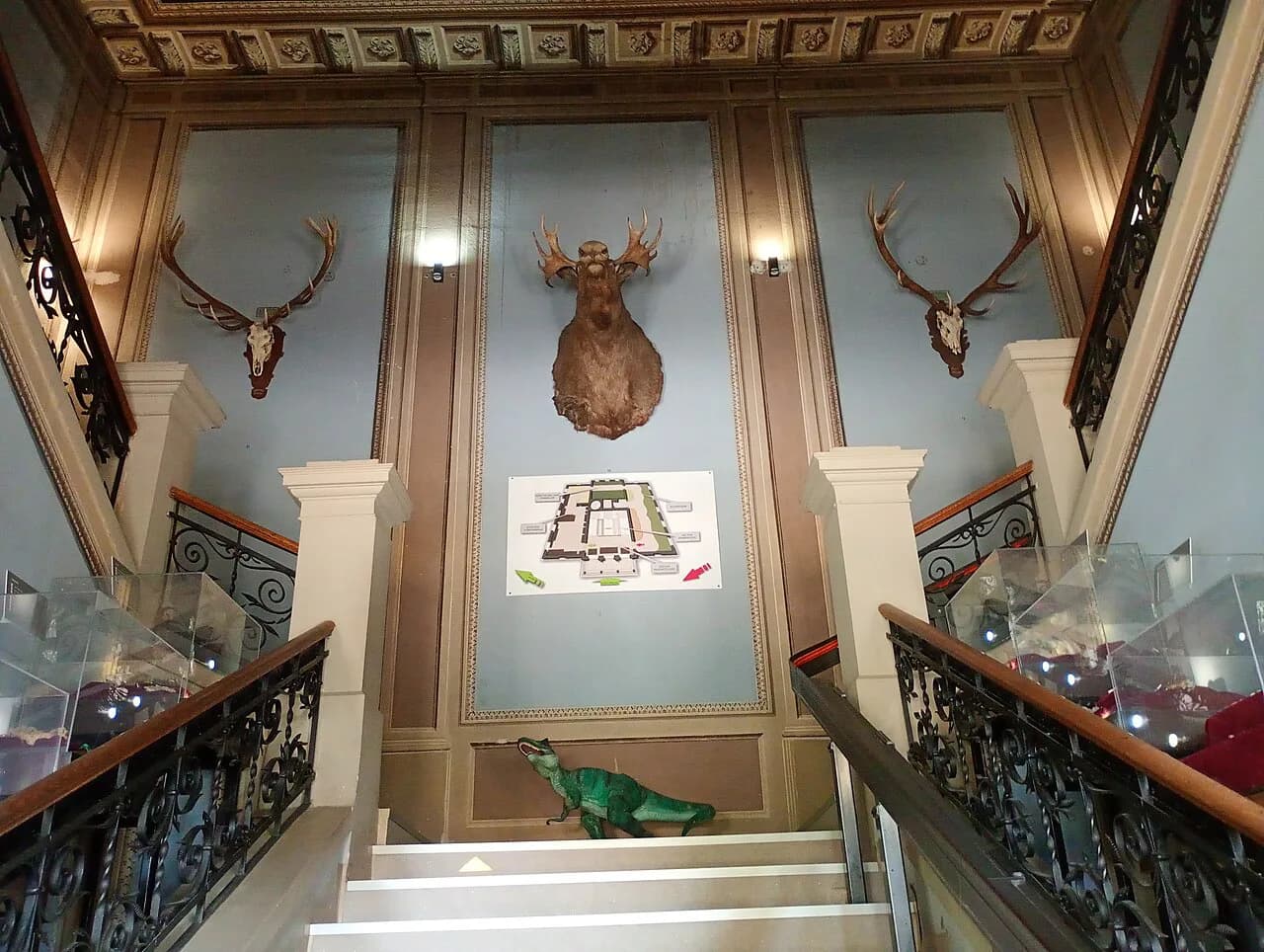
Expect a traditional natural history display of the kind found in Romanian municipal museums, with specimens in glass cases that reward close looking rather than a quick sweep. Labels may be in Romanian, so slow down at the cases that interest you.
The scale of the museum is compact, which is part of its appeal: you can see the whole display without the legwork of a national museum. Do not expect the breadth of a major capital-city institution.
Photography rules, temporary displays and any hands-on areas change, so treat them as things to check at the desk. Do not build a visit around a specific exhibition you have read about elsewhere without confirming it is on.
How long to allow, and how to pace the visit
Budget about an hour for the displays, or ninety minutes if you read the labels carefully and linger. That is short enough to fit between a morning in the squares and an afternoon elsewhere in the centre.
Pace it in two passes: a quick circuit to see the layout, then a slower return to the cases that caught your eye. This works better than reading every label in order, especially if you are visiting with children who tire of glass cases quickly.
If you have only a half-day in Sibiu, this museum is the kind of stop you add rather than build the day around. Give the remaining time to the squares, the towers and the Brukenthal collections.
Tickets and opening hours: what to confirm before you go
Opening days, hours and admission charges are set by the museum and change with the season and with temporary exhibitions. Check the current programme at the entrance or on the museum's official page on the day you plan to visit, and carry some cash in lei as a backup.
Any reduced rates, and the categories that qualify for them, are set by the museum. Ask at the desk rather than assuming your home-country concession card will be accepted.
Combining it with nearby sights in the old centre, including the History Museum and the Brukenthal Museum
The History Museum makes the most natural pairing if you want a second museum in the same morning. It sits at Str. Mitropoliei 2 in the Casa Altemberger, opposite the Evangelical Church, and is part of the Brukenthal Museum; it opens April to September from 10:00 to 18:00 and October to March from 10:00 to 18:00, closing on Mondays and Tuesdays, plus Wednesdays in the winter months.
Inside, the building spreads displays over three floors, from a basement lapidarium with Roman-period pieces to a coin collection in the tower, with a strong section on the nineteenth-century Romanian national movement and a collection of glass ornaments from the Sibiu region. That gives you a clear contrast with the natural history displays if you are choosing one over the other.
For art, the Brukenthal National Museum is the obvious neighbour, housed in a palace with paintings and antique furniture. It rewards a longer slot than a compact natural history museum.
On the walk between them, the Bridge of Lies (Podul Minciunilor) is a short detour and a useful landmark for meeting up. Save the open-air ASTRA Museum of Folkloric Traditional Civilization for a separate half-day, since it sits outside the centre and needs its own transport plan.

Is it worth it for a short city break? An honest trade-off
On a two-night break, a compact natural history museum is an easy filler rather than a must-see. Its modest size means it will not dominate your day, but it also will not compete with the Brukenthal or the fortified churches if you only have time for a couple of indoor stops.
Choose it if you are travelling with children, if you have already seen the art collections, or if you want a quiet hour out of the crowds on the squares. Skip it if your priority is Saxon architecture, painted monasteries or the castles beyond the city, which need whole days of their own.
Which Sibiu museum should you choose?
Pick a natural history museum for a relaxed hour with specimens, and pick the History Museum if you want the Casa Altemberger setting, the coin tower and the nineteenth-century Romanian story. Both are walking distance from Piața Mare, so the real decision is time and subject, not transport.
Whichever you choose, confirm the day's opening hours and ticket price at the museum itself and leave slack in your plan for the squares, the Bridge of Lies and a coffee stop in between.
Explore more Sibiu guides
Frequently Asked Questions
Is the Natural History Museum in Sibiu free to enter?
No free-entry arrangement is confirmed here. Whether admission is charged, and which categories qualify for a reduction, are set by the museum, so check its official listing or ask at the ticket desk before you go.
How long does it take to walk around the Natural History Museum in Sibiu?
Plan for around an hour to see the displays at an easy pace, or up to ninety minutes if you read the labels closely. It is a compact museum, so it fits comfortably between other stops in the old centre.
Is the Natural History Museum in Sibiu good for children?
A compact natural history museum with specimens in cases generally suits children better than a large gallery, but the museum's own facilities and any hands-on areas are unconfirmed here. Check at the desk whether anything is aimed at younger visitors on the day.