
Pharmacy Museum Sibiu: What to See at the Museum of Pharmacy

The Pharmacy Museum in Sibiu is a three-room collection in a 1568 Gothic townhouse on Piața Mică (Small Square), and it needs less than an hour unless you read every document case. It opened in 1972 and brings together more than 6,600 exhibits from pharmacies and medical institutions across 32 Romanian cities. This page covers where it is, the layout room by room, how long to allow and what the ticket costs, so you can decide whether to fit it in.
What the museum is and where it sits in Sibiu
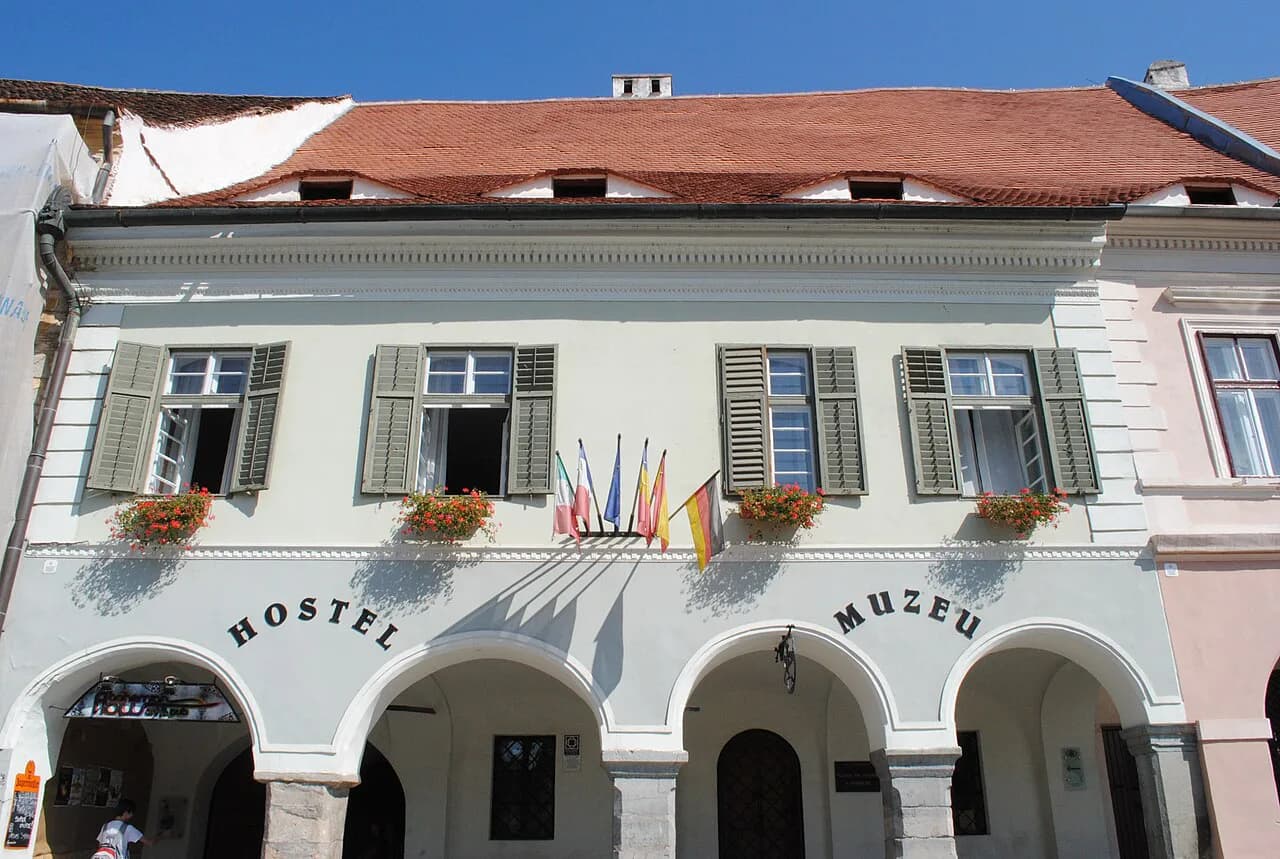
The Museum of Pharmacy occupies a historical house in the Small Square dated to 1568, with Gothic and Renaissance elements visible at the entrance. Inside, the collection covers the 16th to 19th centuries, so expect cabinets, instruments and glassware rather than interactive displays or demonstrations. If you are building a museum-heavy day, it pairs naturally with the wider Sibiu Attractions: 12 Visitor Guides, which lists the other civic and religious sights within walking distance.
The building is the first thing to notice: the house itself is part of the exhibit, and the city guide dates it to 1568. Once inside, the rooms are small enough that you can see the whole collection in sequence without doubling back. A visit is therefore a single loop through three rooms, and there is no garden or courtyard to extend it.

Where it is: Piața Mică 26 and the Brukenthal museum network
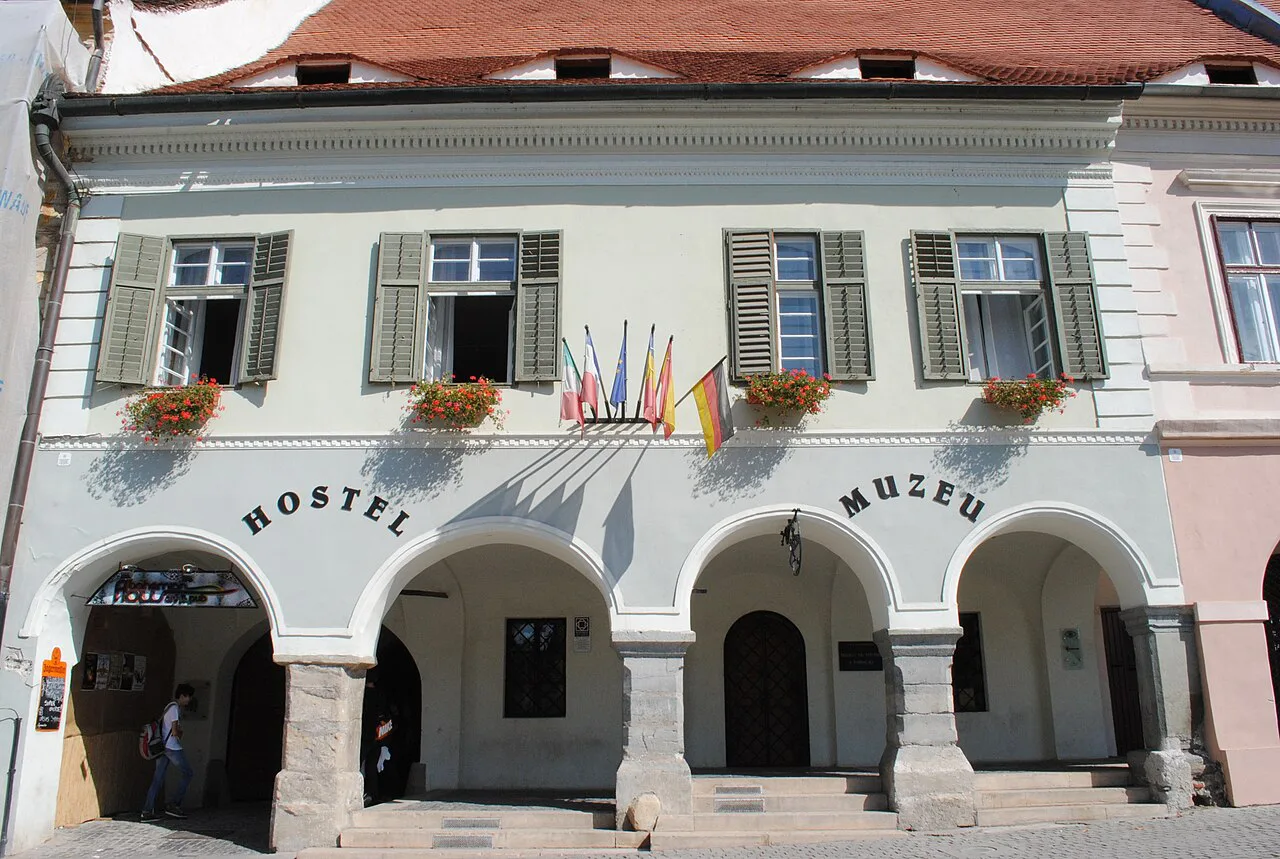
The city guide gives the address as Piața Mică nr. 26 (Small Square 26), which puts the entrance on the square itself, a short walk from the Bridge of Lies (Podul Minciunilor), Sibiu. Use that as your walking target: the museum is on the Small Square, not inside the surrounding blocks. The Brukenthal museum site lists its network address as Piața Mare nr. 4-5, which is the palace’s own headquarters address rather than the pharmacy door.
If you plan to combine the museum with the Brukenthal Museum, Sibiu’s main art collections, check entry points for each building on arrival, since one ticket window does not serve both. The museum sits within the Brukenthal national museum network, but its published address differs from the network’s headquarters listing of Piața Mare nr. 4-5. Carry both references on your phone so you can ask at either desk if the pharmacy door is closed.

How to get there and which entrance to look for
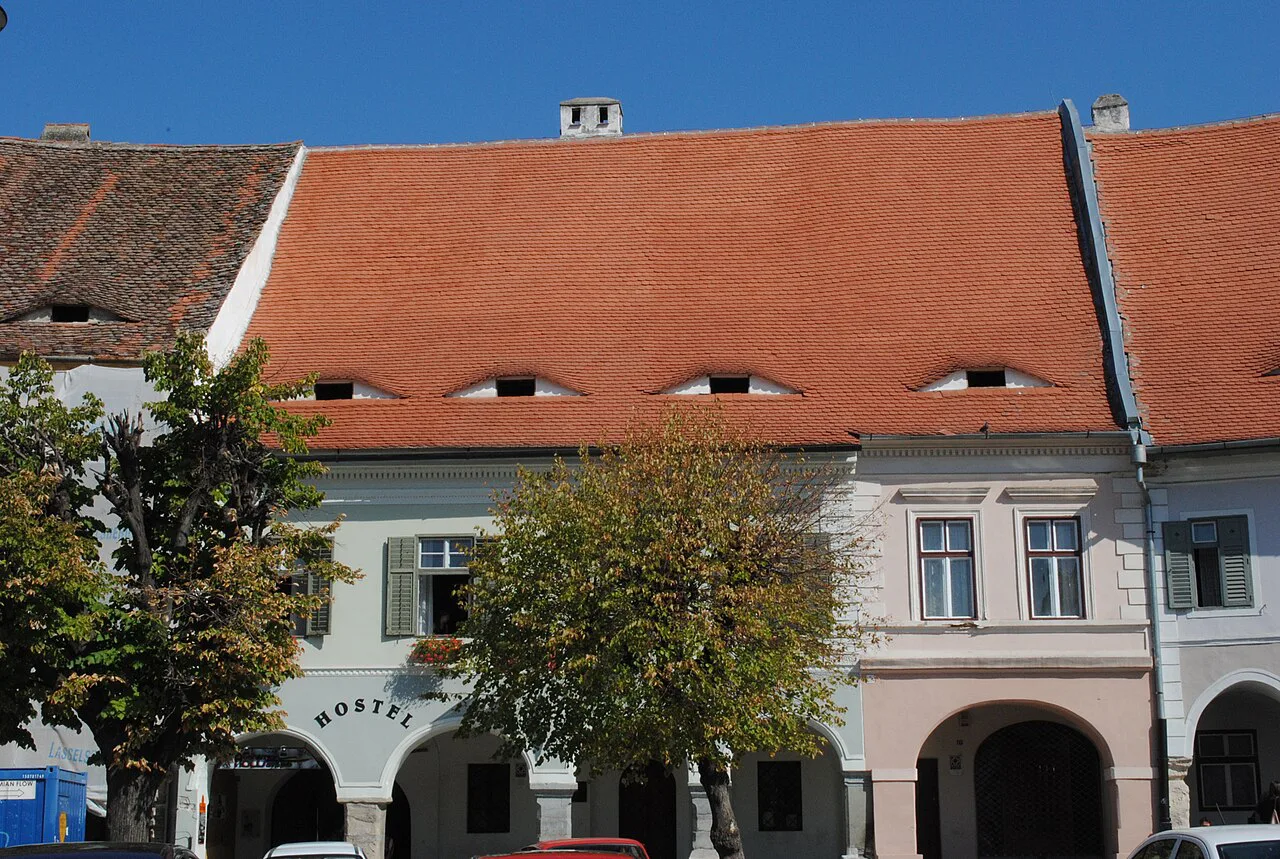
On foot, aim for Piața Mică and look for the house number 26 on the square’s arcaded frontages; the Gothic and Renaissance details make the building identifiable once you are close. From Piața Mare (Large Square), the Small Square is the next open space south, reached through the passage beside the Council Tower Sibiu (Turnul Sfatului). The whole walk between the two squares takes minutes, so this is not a trip that needs a taxi.
If you approach from the Bridge of Lies, Sibiu, the museum is a short continuation along the Small Square rather than a detour. Because the Brukenthal site gives the network’s headquarters address while the city guide gives Piața Mică nr. 26, ask at the museum desk if you cannot find number 26 straight away. There is no published visitor car park for the museum, so arriving on foot from the old centre is the straightforward option.
What you see first: the oficina and its Viennese cabinets
The first room is the oficina, the traditional dispensing room of a pharmacy, set up to show how medicines were displayed rather than prepared. Its furniture was ordered and made in Vienna in 1902 for the pharmacy then trading as “La vulturul Negru” (The Black Eagle). The cabinets and labelled recipients are the point of the room, so slow down and read the labels rather than walking straight through.
The Brukenthal museum describes the exhibition as following a classic apothecary pattern, with an oficina, a laboratory, a medical kits hall and a homeopathy sector. That structure is useful to know before you go in, because it tells you the visit is organised by function rather than by chronology. You will not find preparation benches in the oficina, since the room was for storing and showing products.
The bronze pestle of 1597 and other objects in the collection
The standout single object in the first room is a bronze pestle dated 1597, used in the preliminary stages of preparing medicines. It is the oldest item in the collection, which makes it the one exhibit worth seeking out if you are short of time. The pestle sits among the instruments rather than in a separate treasury case, so check the display cases along the walls.
The corridor room: surgical kits, scissors and microscopes
A narrow corridor leads from the oficina to the second room, where medical instruments, surgical kits, scissors and microscopes are displayed alongside illustrations taken from old documents and publications. This room shifts the subject from shopkeeping to medical practice, so it rewards a different kind of attention: look at the kits and the printed material together. The corridor is genuinely narrow, which is worth knowing if you are visiting with a large bag.
The laboratory: balances, mortars and distillation equipment
The laboratory section shows how medicines were made, with balances of various types, mortars and pestles, crushing and grinding machines, filters, distillation devices and metal and ceramic vessels. Laboratory glassware is displayed too, so the room explains the process rather than just the finished products. This is the densest part of the collection for anyone interested in equipment, and it is where you are most likely to spend extra time.
The homeopathy room and its 2,900 exhibits
The third and last room is given over to homeopathy, a practice the city guide records as popular in Sibiu, with Samuel von Hahnemann working in the city for over a year as secretary to Baron Samuel von Brukenthal. The homeopathic collection numbers over 2,900 exhibits, including kits and phials transferred from the former “Angel’s” Pharmacy. Documents on pharmaceutical activity are shown here as well, including the first edition of the Roman Pharmacopoeia published in Bucharest in 1862.
Because this room is about a single practice, it will either hold your attention or feel like the quickest of the three. Read the display labels rather than the cases alone; the kits and phials are small, and the context is in the text. It is also the last room, so it is a natural place to decide whether to continue to another museum nearby.
How long to allow and what slows a visit down
Allow around 30 to 45 minutes for the three rooms, or closer to an hour if you read the documentary material in the corridor and homeopathy rooms. What slows a visit is reading rather than walking: the rooms are compact, and you will not cover much floor. The collection is largely cases and instruments, so anyone expecting hands-on displays should choose a different museum in the city.
The narrow corridor between the first and second rooms is the main pinch point, and it will feel tighter when the museum is busy. Visit earlier in the day if you want the oficina to yourself, since that room is the first stop for most people. The museum is a single-floor sequence, so there is no long climb or outdoor section to add to the time.
Ticket price and opening days
The Sibiu city guide lists the adult ticket at 16 RON and opening from Wednesday to Sunday, 10:00 to 18:00, with Monday and Tuesday closed and the last ticket sold at 17:30. Treat that as the published rate rather than a guarantee for your dates, and confirm at the desk before travelling. Arriving after 17:30 leaves no time to buy a ticket under those hours.
Opening hours and prices can change between seasons, so check the current details on the day you plan to visit. The museum sits inside the Brukenthal network, whose site publishes visiting hours and ticket prices for its departments. Ask at the desk about card payment, since the published page does not state a card rule.
Nearby: Piața Mare, the Brukenthal Palace and the Lutheran Cathedral
Step out of the museum and you are already between two squares: Piața Mare (Large Square), Sibiu is a couple of minutes north and holds the Brukenthal palace and the city’s main civic space. The Lutheran Cathedral in Sibiu is a short walk beyond the Large Square, and its tower is the obvious next stop if you want a view over the old centre. These are separate admissions, so budget your time rather than expecting one ticket to cover them.
For a different scale of collection, the ASTRA Museum of Folkloric Traditional Civilization spreads across an open-air site outside the old centre and takes half a day rather than half an hour. Closer in, the Museum of History Sibiu (Casa Altemberger) and the natural history museum Sibiu both sit within the old town, so you can chain two indoor visits in one afternoon. Keep the pharmacy museum as the short stop and let the others carry the rest of the day.
Who will get the most out of it
This museum suits travellers interested in the history of medicine, pharmacy and domestic craft, and anyone who enjoys period interiors and labelled collections. It also works well for a rainy hour in the old centre, since it is compact and entirely indoors. It is less suited to children expecting buttons to press, or to anyone who wants a large museum with a route through many galleries.
If your priority is art, the Brukenthal National Museum, Sibiu holds the larger collections and will take more of your day. If your priority is the city’s squares and towers, the pharmacy museum is a worthwhile short addition between them rather than a destination in itself. Decide based on whether the 1902 cabinets and the 1597 pestle sound like your kind of thing.
Is the Pharmacy Museum worth an hour in Sibiu?
Yes, if you want a compact, old-fashioned collection in a 1568 house and you are already walking the Small Square. The three rooms take well under an hour, the 1597 bronze pestle and the Viennese cabinets are the objects to look for, and the 2,900-item homeopathy room rounds it off. Go on a Wednesday to Sunday, aim to arrive before the 17:30 last ticket, and confirm the day’s hours at the desk.
Explore more Sibiu guides
Frequently Asked Questions
How much is the ticket to the Pharmacy Museum in Sibiu?
The Sibiu city guide lists the adult ticket at 16 RON. Check the current rate at the desk before you travel, since published prices can change.
Is the Pharmacy Museum open on Mondays?
No. The published hours are Wednesday to Sunday, 10:00 to 18:00, with Monday and Tuesday closed and the last ticket sold at 17:30. Confirm the day’s opening before setting out.