Ceaușescu: the Bucharest Sites Linked to His Rule
Nicolae Ceaușescu led Romania from 1965 until his overthrow and death in 1989. Here are the Bucharest sites linked to him and what each one asks of you.
On this page
Nicolae Ceaușescu led Romania from 1965 until his overthrow and death in 1989, and the places most closely linked to him are concentrated in Bucharest. A single day can take in the Palace of the Parliament, the former Central Committee building and the square around it, while the Primăverii mansion and his grave sit away from the centre and reward a separate leg. This guide puts them in a realistic order, separates the sites you see from the street from those that need a booked tour, and flags the security checks and lei tickets involved.
What happened to Ceaușescu
Ceaușescu led Romania from 1965 until his overthrow and death in 1989, which is why the sites below carry such weight for visitors.
The Ceaușescu decades sit inside the wider story of one-party rule in Romania, which shaped the cityscape of Bucharest as much as any individual building. If you want the longer arc before you arrive, our guide to Communist Romania sets out the period and its legacy.
Treat the sites as evidence rather than spectacle. The architecture, the balcony and the grave each record a decision made by the state, and knowing that they are state buildings with security, queuing and booked entry will save you time on the day.
Which Ceaușescu sites you can visit in Bucharest
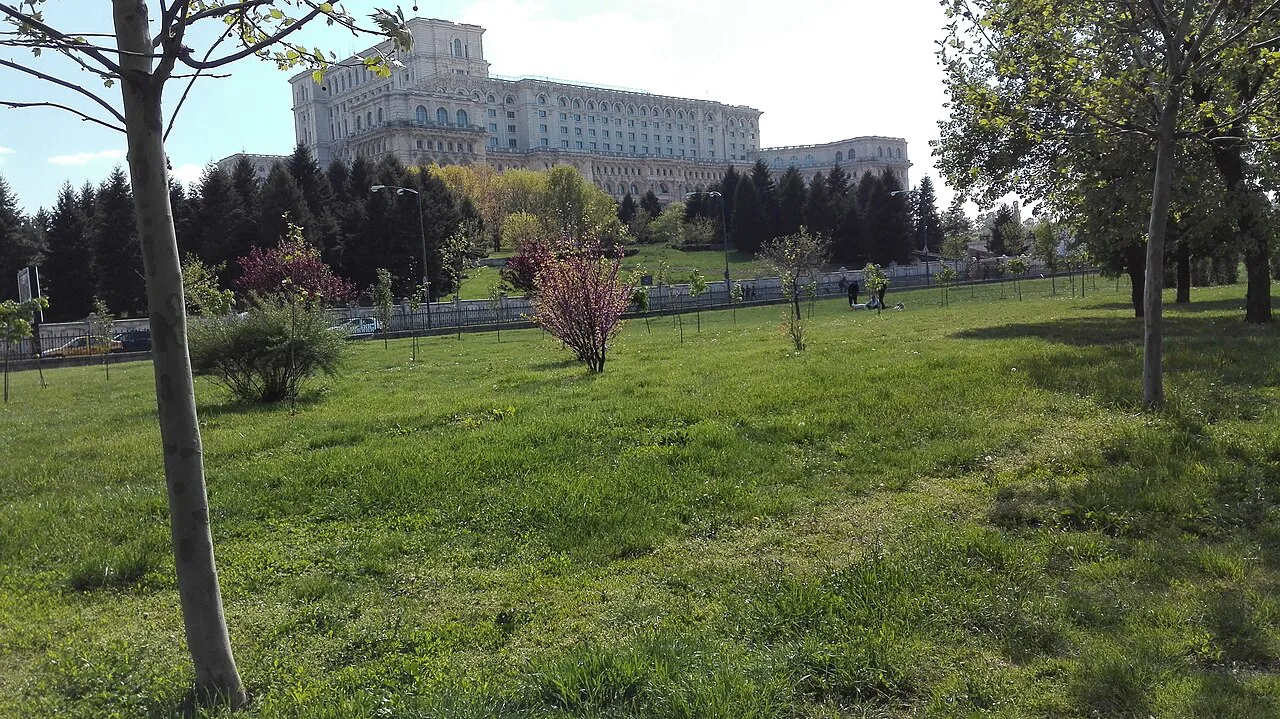
Four Bucharest places are commonly grouped in a Ceaușescu-themed day: the Palace of the Parliament, the Primăverii mansion in the north of the city, the former Central Committee building on Piața Revoluției, and the grave. The first two involve interior visits that need advance planning; the Central Committee building is seen from the street; the grave is an outdoor stop.
A sensible order is the Palace of the Parliament first thing, while you are freshest for the long interior route, then a metro ride north to Primăverii, and the Central Committee building on the way back into the centre. The grave sits away from the centre and works best as a final taxi or tram leg. Fit three sites comfortably; four is tight if any visit runs long.
Bucharest's sights divide neatly along metro lines, and the same map that serves the Ceaușescu sites covers the rest of the city. The Romania tourism regions and cities directory lists Bucharest among the main cities and links through to practical transport information for planning the day.
The Palace of the Parliament: the centrepiece
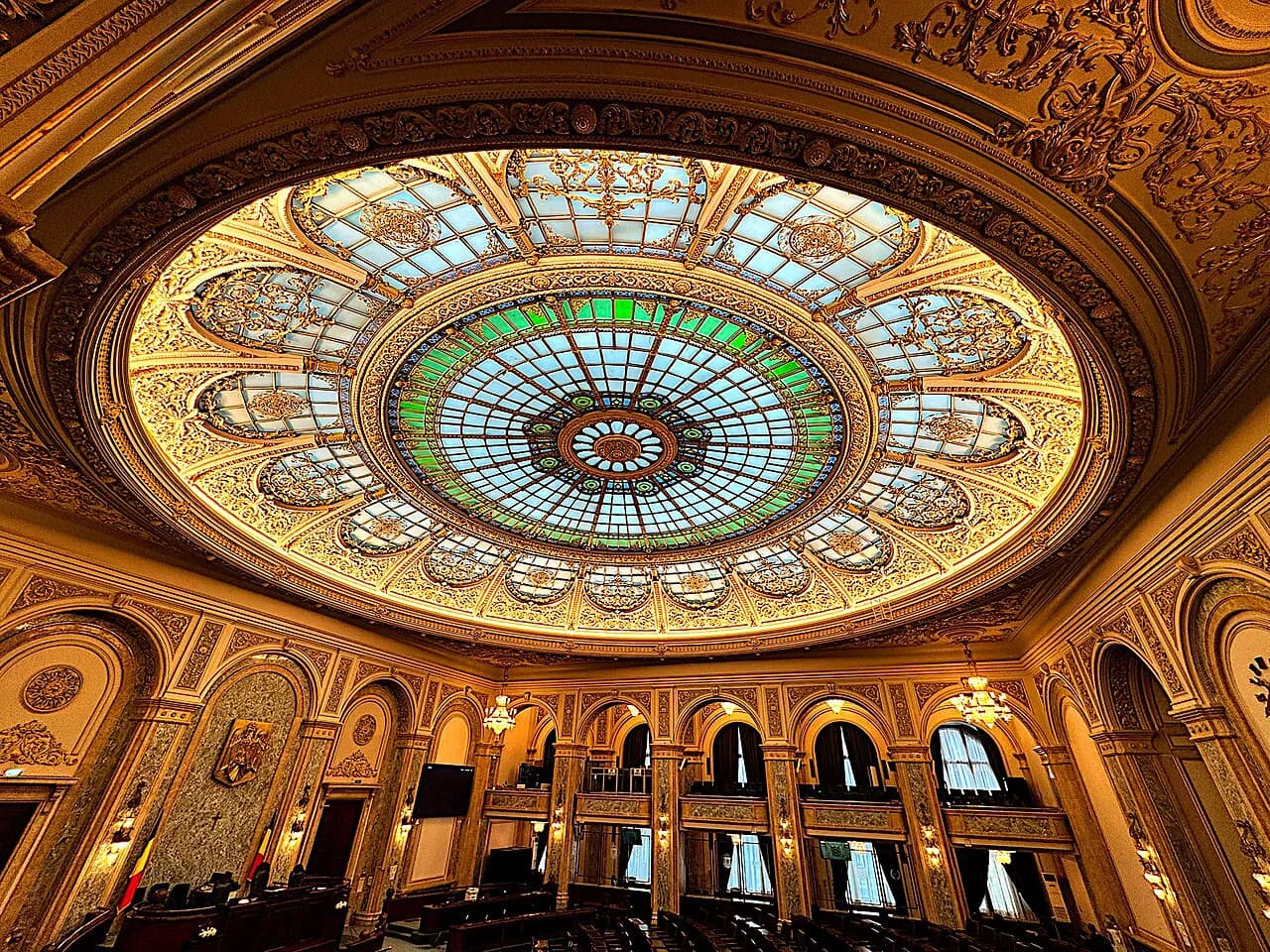
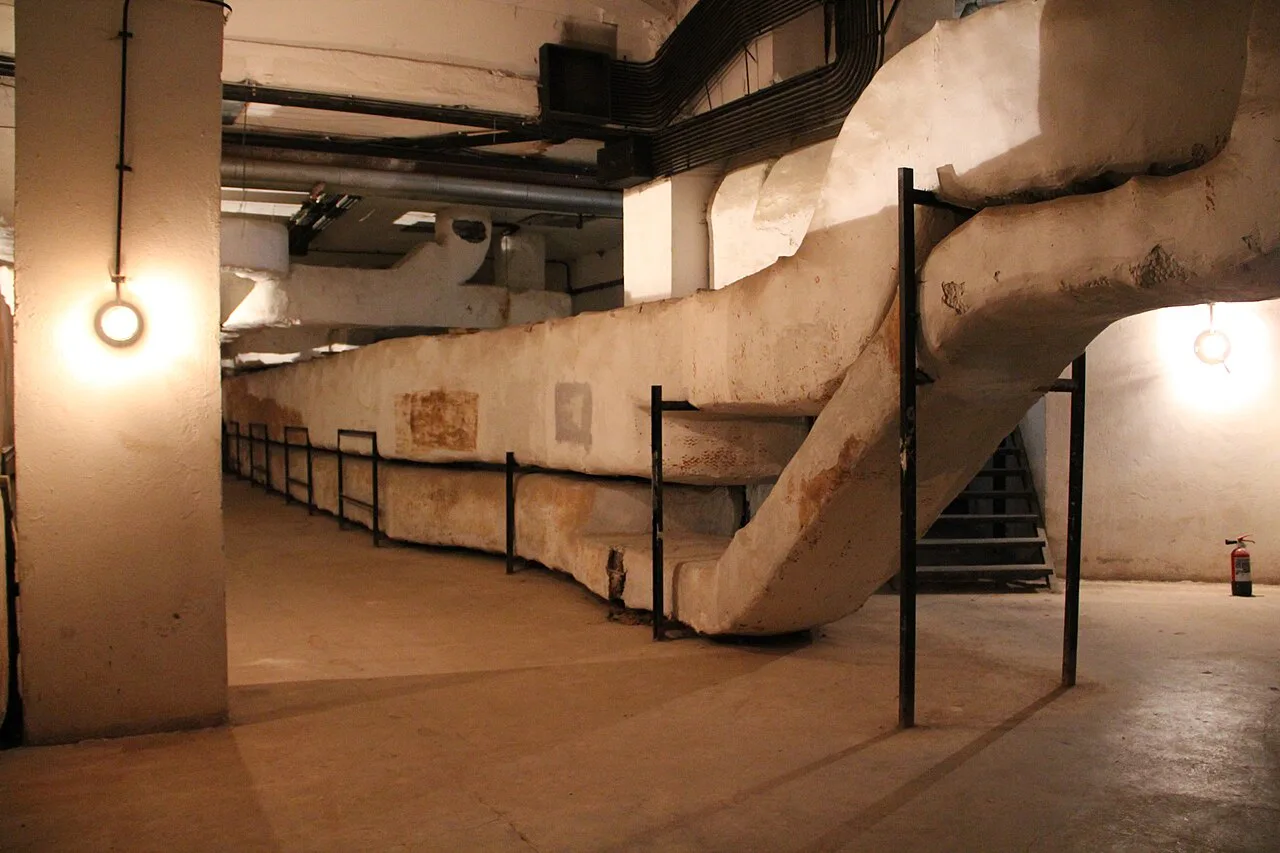
The Palace of the Parliament is the building most visitors associate with Ceaușescu, and it anchors any day built around him. It is visited on scheduled guided tours rather than by wandering at will, so plan around a booked slot and check the current arrangements with the building before you travel.
Inside, expect a long route through halls and chambers with a guide setting the pace, so allow more time than the tour itself suggests. Check the current arrangements and booking calendar with the building before you travel.
From outside, the scale is best judged from Bulevardul Unirii, the long boulevard that frames the approach. Walk it once in each direction if you can: the facade reads differently from a distance and from the ceremonial approach.
Primăverii mansion: the site to book ahead for
The mansion in the Primăverii neighbourhood, north of the centre, is the one site on this list to sort out before you leave home. It is the former Ceaușescu residence, and visitor numbers are controlled, so check the current visiting arrangements and book in advance where offered.
Our guide to the Ceaușescu Palace in Bucharest covers the rooms, the visit format and how to plan the booking around the rest of a city break.
Allow an hour for the mansion itself and another for the journey from the centre, which is a straightforward metro ride plus a short walk. Combine it with the nearby Primăverii and Herăstrău area rather than doubling back into the city between stops.
The Central Committee balcony
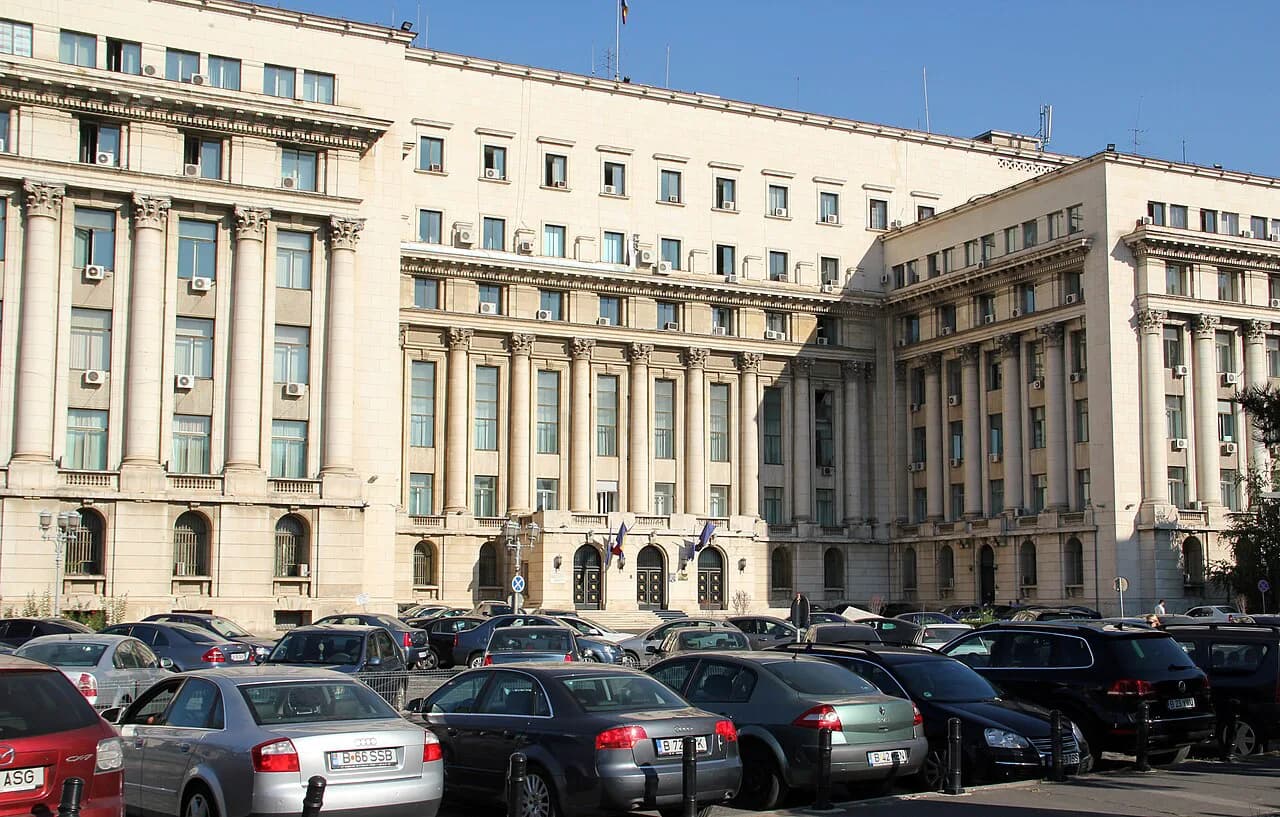
The former Central Committee building on Piața Revoluției is where the 1989 crowds gathered, and its balcony is the image most people carry of the revolution. The building is viewed from the street; stand where the crowd stood and read the facade.
Approach from Calea Victoriei, which brings you onto the square from the south and gives the building its full context. Ten minutes on the spot is enough; the value is in the position rather than the detail, and it slots neatly between the palace and the metro.
If you want the events of December 1989 explained properly, our account of the Romanian Revolution of 1989 covers what happened in the square and across the country.
Ceaușescu's grave
Ceaușescu's grave is in Bucharest, and it is a straightforward outdoor stop rather than a museum. There is no interior to queue for, which makes it the simplest site to add to a day once you allow the transport time to reach it.
Take a taxi or a tram from the centre rather than trying to walk it. The grave is a quiet, contested place rather than a visitor attraction, so keep the visit short and the tone measured.
Pair it with a wider look at how Romania commemorates the period. The Sighet Memorial, in the north of the country, records the victims of communist repression and balances a Bucharest day built around state architecture.
Getting between the sites: walking versus metro
Walking works for the centre: the Palace of the Parliament, Bulevardul Unirii and Piața Revoluției sit within a manageable loop of each other. Use the metro for Primăverii and for the grave, because both sit outside that loop and a taxi in traffic costs you more time than the train.
Buy a day pass for the metro rather than single tickets, and keep lei cash for the grave leg if you take a tram. Allow 20 to 30 minutes between the palace and Primăverii including the walk at each end, and leave the middle of the day free for the longest interior visit.
A guided Bucharest communism tour can replace some of the walking with a vehicle and a narrator, which suits a short stay. The trade-off is cost and a fixed itinerary; the self-guided version gives you the square and the boulevard at your own pace but not the interiors.
How long each site needs
Budget the Palace of the Parliament as half a morning once security and the tour are counted, the mansion as an hour plus travel, the Central Committee square as ten minutes, and the grave as a 45-minute round trip. That totals roughly a full day, so build in slack in case a tour runs late or a security queue builds.
The trade-off is depth against coverage. A scheduled tour gives you the interiors and the guide's account but pins you to a slot; a self-guided walk gives you the balcony, the boulevard and the grave in a flexible order but leaves the palace and mansion untouched inside.
If you have only half a day, choose the palace plus the square and skip Primăverii rather than rushing all four. If you have two days, split the state buildings from the mansion and the grave and use the second day for the rest of the city.
Practical points: tours, security and tickets
The palace and the mansion both involve security checks and time-fixed visits, so carry photo identification, arrive before your slot and book ahead where the option exists.
Prices and opening hours change, so check the current lei tariff and the day's schedule on the official pages for the Palace of the Parliament and the Primăverii mansion. A guidebook's figures can lag behind the ticket desk.
Keep the visit neutral in your planning: this is a route through public buildings and a grave, not a theme park. No tour operator, café or shop is recommended here, because the day works on the buildings themselves.
Which sites to book first
Sort out the Primăverii mansion and the Palace of the Parliament first, since both are tied to fixed slots, then build the rest of the day around those two fixed points. The Central Committee square and the grave need no booking and can move if a visit overruns.
If your dates are firm, reserve the palace and the mansion before booking travel; if they are not, plan the trip around the mansion's availability rather than the other way round. Either way, check the current lei tickets and opening days on the official pages in the week before you go.
Explore more Romania guides
Frequently Asked Questions
How was Ceaușescu overthrown?
His rule ended in revolution in December 1989, when he was overthrown and died. The former Central Committee building on Piața Revoluției, where the crowds gathered, is the Bucharest place to see that moment in context; our account of the Romanian Revolution of 1989 explains the events.
Did Romanians like Ceaușescu?
The sites themselves record the end of his rule rather than its popularity, and a single answer would flatten a divided memory. Visit the Central Committee square and the grave to see how the period is marked, and read a historical account of his rule before you go.
What did Ceaușescu do to Romania?
He led the country from 1965 until his overthrow and death in 1989. For the wider period, see our guide to Communist Romania.
Sources
Useful notes for your next trip
Optional updates to our guides.
You might also like
Continue reading
More guides you'll find useful