Sighet Memorial: Visiting the Former Prison and Museum
The Sighet Memorial fills a former prison with museum rooms in its old cells. Here's what the exhibits cover and what to expect on site.
On this page
The Sighet Memorial is best understood as two things: a museum inside a former prison in Sighet, and an institution that also runs a research centre and exhibition space in Bucharest. If you are planning a stop in Maramureș, the prison building is the part you visit, and you should allow time for a sequence of small rooms rather than one open gallery.
This guide covers where the site sits, how the cells are used as exhibition rooms, what the displays deal with, the history of the prison between 1950 and 1955, and the Paupers' Cemetery 2.5 kilometres away. It also explains the virtual tour and the Bucharest side of the institution, so you can decide what fits into your trip.
What the Sighet Memorial actually is
The Memorial to the Victims of Communism and to the Resistance was created and is administered by the Civic Academy Foundation, founded by the writers Ana Blandiana and Romulus Rusan. The institution combines the Sighet Museum with the International Centre for Studies into Communism, which is based in Bucharest. That split matters when you are planning: the cells you walk through are the museum, while the research work in Bucharest is a separate part of the same organisation.
The museum opened in 1997 in a former communist political prison, and the European Heritage Label listing records that the Romanian state had declared the Memorial a site of national interest the same year. The label was awarded in 2018. Treat those as historical markers of how the site has been recognised rather than as practical visitor information. For context on where this fits in the wider story of the period, the memorial sits within the broader landscape of sites connected to communist Romania, from Bucharest's civic buildings to the smaller museums around the country. If you are building a route around that theme, Sighet is a natural northern anchor.
Sighet itself sits in Maramureș, in the far north of Romania, and the prison is the anchor of a visit here rather than a stop on a castle circuit. The Maramureș region's towns and villages are the practical base for anyone coming specifically for the memorial.
Where the prison is and how the site is laid out
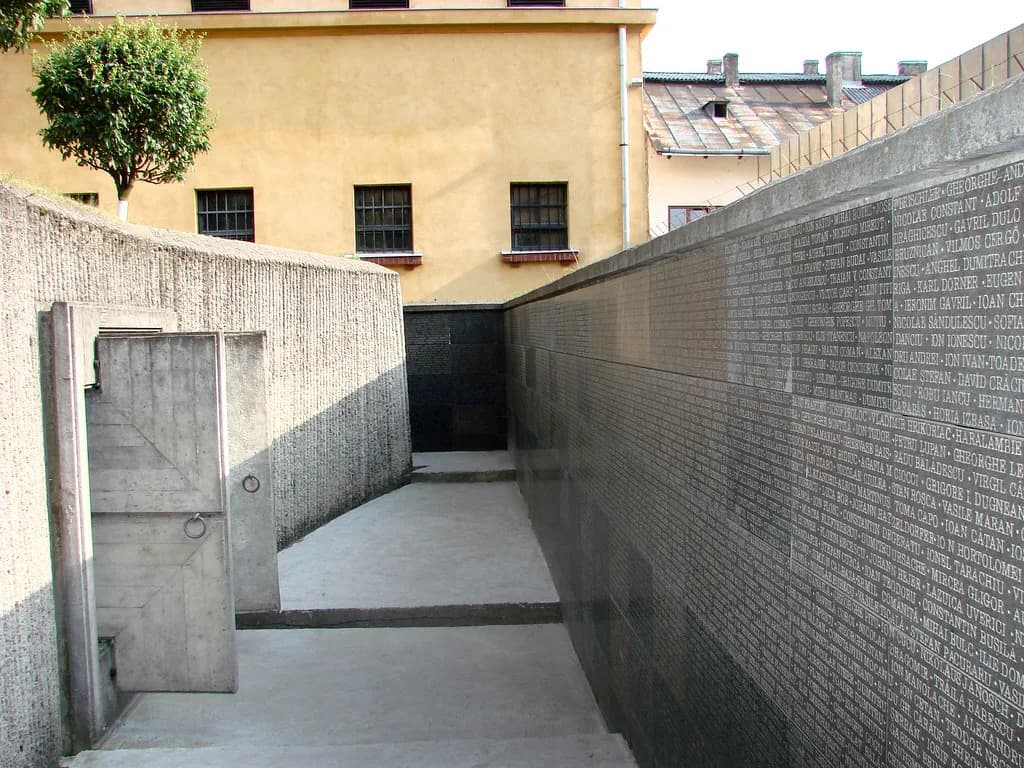
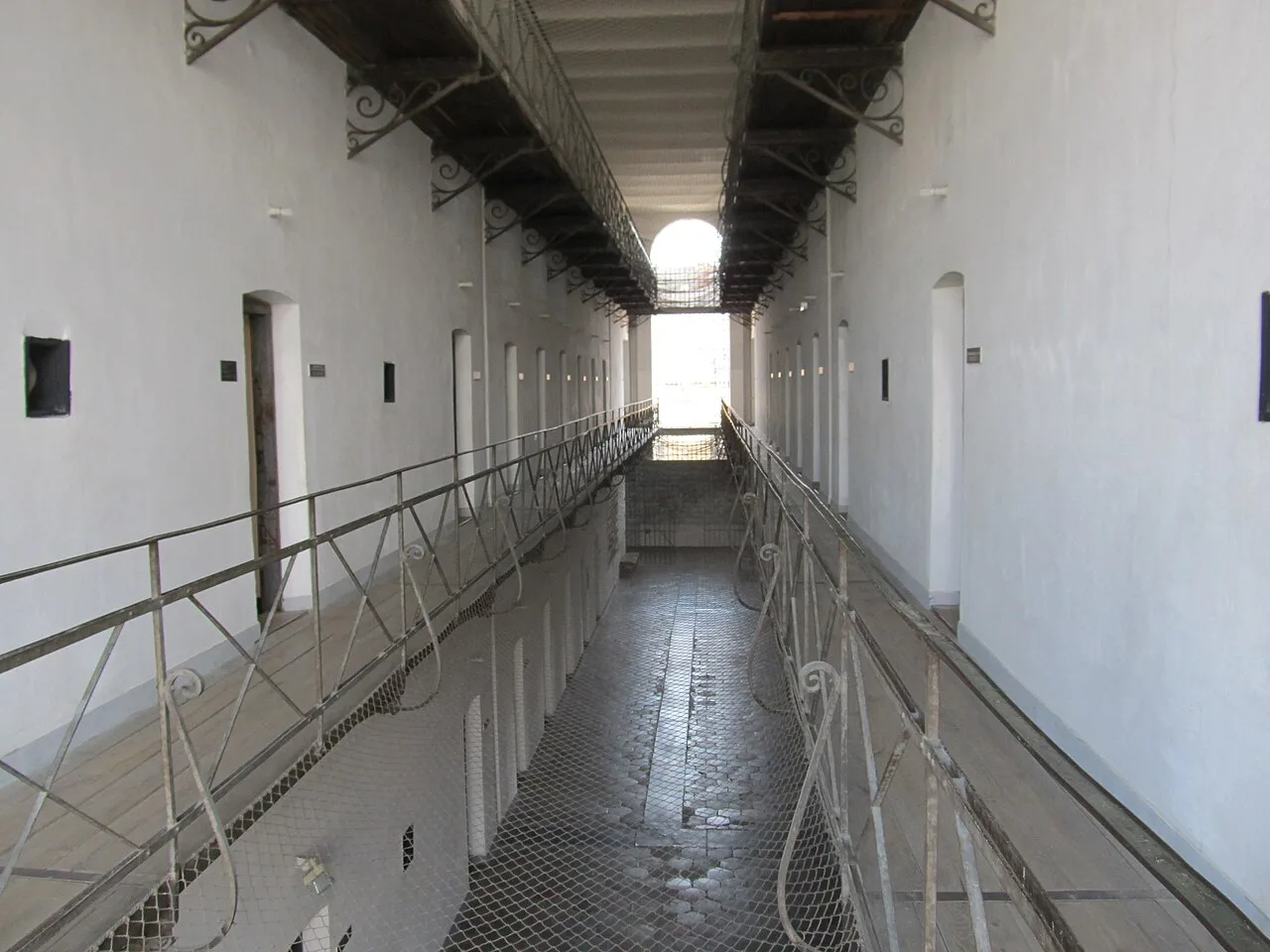
The museum occupies a former prison building in Sighet, and the layout follows the original structure: corridors lined with individual cells, each converted into a museum room. There is no single hall where the whole story unfolds; you move from cell to cell, and the sequence carries the narrative.
That arrangement changes how you visit. Rooms are small, doorways are narrow and you will be standing close to display cases, so a slow, steady pace works better than trying to cover everything at once.
Because the exhibits are spread across many rooms, plan your entry point and exit rather than drifting. The ground floor, first floor and second floor are each treated as distinct sections, which gives you a natural way to break the visit into three stages.
What the cells contain
Each cell has been turned into a museum room dealing with a thematic or chronological aspect of communist repression, including the destruction of the rule of law and its replacement with a totalitarian system. The displays look beyond Romania as well, tracing how repression operated in other communist countries in Eastern Europe. The result is an exhibition you read and absorb room by room rather than a single chronological sweep.
The prison between 1950 and 1955
Between 1950 and 1955 the prison held members of the political, cultural, economic and religious elite of interwar Romania. That detail is the key to reading the exhibits: the people imprisoned here were part of the country's established professional and intellectual life before the war, and the memorial is built around their detention.
The building had also been used for common criminals until 1970, which places the political imprisonment within a longer history of the site. Keep the two uses distinct as you move through the rooms, because the memorial's focus is on the political and resistance story.
How many rooms there are and how long to allow
The museum today has 60 rooms, spread over the ground floor, first floor and second floor. That number is the most practical planning figure available: sixty small rooms, each with text and exhibits, adds up to considerably more time than the floor area suggests.
Allow at least half a day for a considered visit, and more if you read the panels in full. The rooms are dense with documents, photographs and realia, so a rushed walk-through gives you little. If you are combining Sighet with other stops in Maramureș, put the memorial first in the day when your concentration is freshest.
The Paupers' Cemetery
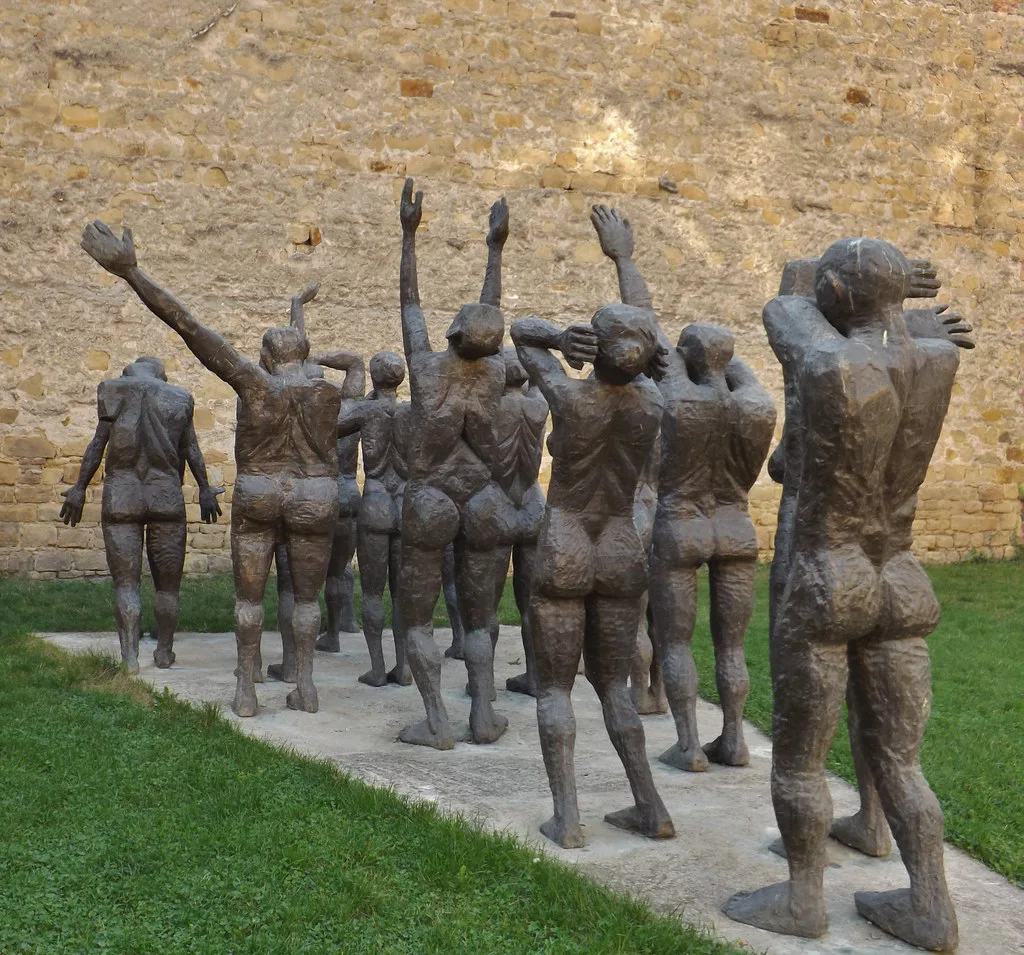
The Paupers' Cemetery is a separate part of the memorial, 2.5 kilometres from the former prison. Prisoners who died in the prison from 1952 onwards were buried there secretly at night. A park of memory has been created on the site, commemorating not only those who died in the Sighet prison but all those killed by the communist regime in Romania.
Because it sits outside the prison building, decide in advance whether you will include it; it needs its own transport or walk and is not something you pass through on the way out of the museum. Visitors who want the full picture should treat the prison and the cemetery as two stops rather than one.
Works of art and the space for recollection
Works of art donated by their authors are part of the memorial's profile, and the site also includes a space for recollection and prayer. These give the visit somewhere to pause, which matters in a building where the rooms are heavy with documentation.
The prison site also has a conference room and an information point for the Council of Europe. The Council of Europe took the Memorial project under its aegis in 1995, which is why you will see European institutions referenced alongside the Romanian story.
Virtual tour, guided tours and the Bucharest exhibition space
Virtual tours of the memorial are available, covering the ground floor, first floor and second floor. They are useful if you want to prepare before travelling or if Sighet is not on your route; they also let you see how the cell rooms are arranged before committing to a visit.
Guided tours of the museum are organised, and school groups and university students visit as part of educational programmes. The Memorial runs these visits alongside its exhibitions and the Sighet Summer School, and the National Ministry of Education's "School Differently" programme brings thousands of schoolchildren from all over the country each year. If you want a guided visit, check current tour times and dates with the Memorial when you arrive or in advance.
Who the memorial suits and how to approach it
The memorial suits travellers who want to understand the mechanics of communist rule rather than walk through a conventional history museum. The cell-by-cell format is intimate and demanding, and the subject matter is not light. It is not a quick photo stop, and it works poorly as an add-on at the end of a long driving day.
Approach it as the main event of a morning or afternoon. Read the room themes as you go, keep the 1950 to 1955 imprisonment in mind, and leave space afterwards rather than scheduling something immediately. If your wider trip is themed around the period, Bucharest's sites connected to Ceaușescu make a deliberate contrast with this small-town prison.
Should the Sighet Memorial be on your route?
Include it if you are travelling through Maramureș and want a serious, room-by-room account of repression in Romania and beyond. Skip it if you are after a short stop, because sixty cell rooms reward time you may not have. Decide whether to add the Paupers' Cemetery when you plan the day, since it sits 2.5 kilometres from the prison and needs its own slot.
Before you go, check the museum's own pages for the current visiting programme, any entry charge and how to arrange a guided tour, as these are not fixed here. Build the rest of your route around the memorial rather than squeezing it in, and the visit will make far more sense.
Explore more Romania guides
Frequently Asked Questions
Is the Sighet Memorial the same as the Sighet Museum?
No. The Memorial is the institution, made up of the museum housed in the former prison in Sighet and the International Centre for Studies into Communism in Bucharest. When people talk about visiting the Sighet Memorial, they usually mean the prison museum, which is the part open to visitors.
Do you need a guided tour to visit the Sighet Memorial?
Guided tours of the museum are organised, and educational programmes bring school groups and university students, but you can also move through the cells on your own, reading the themed or chronological displays as you go. Ask about a guided visit when you arrive or in advance rather than expecting a set departure time.
How far is the Paupers' Cemetery from the prison?
It is 2.5 kilometres from the former prison. Prisoners who died in the prison from 1952 onwards were buried there secretly at night, and a park of memory now commemorates them and others killed by the communist regime in Romania.
Sources
Useful notes for your next trip
Optional updates to our guides.
You might also like

Continue reading
More guides you'll find useful