Romanian Revolution: What Happened in 1989 and Where to See It
How the 1989 Romanian Revolution began in Timișoara and ended in Bucharest, with the squares and memorial sites where visitors can follow the events today.
On this page
The Romanian Revolution ran for ten days in December 1989, from the first protests in Timișoara on 16 December to the execution of Nicolae Ceaușescu and his wife on Christmas Day. It ended Ceaușescu's dictatorship and, in DW's description, was the bloodiest revolution of the Eastern Bloc. This guide follows the events city by city and names the buildings where they happened, so you can walk the same ground.
The narrative is split deliberately: Timișoara holds the opening days and the declaration that the city was free, Bucharest holds the rally, the gun battles and the trial. Most of the sites are working churches, opera houses and public squares rather than ticketed museums, and the page says plainly which is which. For the wider picture of the period, start with our guide to communist Romania.
What the Romanian Revolution was and when it happened
The revolution was a sudden popular uprising against Ceaușescu's dictatorship, arriving without the roundtable negotiations that eased the transition in other Eastern Bloc states. Open Society Foundations describes the overthrow as marked by extreme violence, beginning in early December in the western city of Timișoara. Protests led first by members of the region's ethnic Hungarians soon drew in students and others.
The sequence matters for a visitor planning a route. The Timișoara protests escalated into shootings on 17 December; the capital's turn came on 21 December at a mass rally, followed by fighting in central Bucharest on 22 December. Ceaușescu and his wife fled by helicopter, were arrested, and were tried and shot on 25 December. Plan Timișoara first and Bucharest second if you want the story in order.
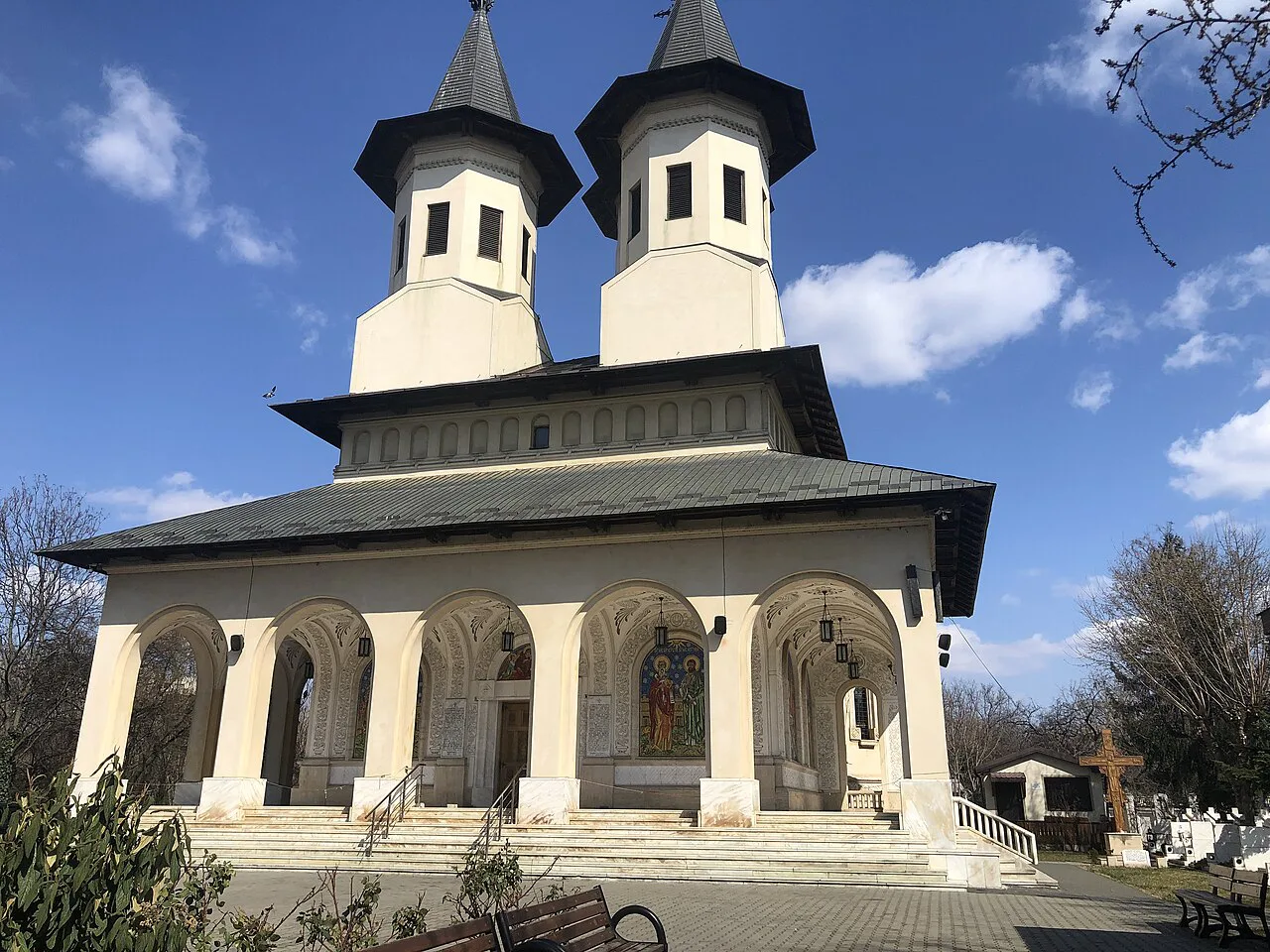
Where the revolution began: the Reformed Church in Timișoara
The starting point is the Reformed Church where Pastor László Tőkés preached sermons critical of the regime and tried to stay close to his congregation. When word spread that Tőkés was to be transferred to another parish, people gathered outside in protest; the next day, 16 December, many more came and marched through the streets. The church is an active place of worship, not a museum, so treat it as a building you look at from the street unless you are attending a service.
When did Romania have a revolution? In December 1989. Protests began in Timișoara on 16 December, police opened fire on demonstrators on 17 December, Ceaușescu's Bucharest rally turned against him on 21 December, and he and his wife were tried and executed on Christmas Day.
Can you visit the places where the Romanian Revolution happened? You can visit the buildings and squares in Timișoara and Bucharest, but most are working churches, an opera house and public spaces rather than museums. The Memorial of the Revolution in Timișoara and the Freedom 1989 photographic exhibition are the places built to explain the events.
How long do you need for the revolution sites in Timișoara? Half a day on foot covers the Reformed Church, Victory Square with the Opera House, and the Memorial of the Revolution, with short distances between them. Add time at the memorial if you want to read the displays properly.
Timișoara is the westernmost city in Romania, which is part of why the story sits so naturally on a short city break there. City guide Vlad Stefan, who leads Timișoara Free Tours, begins his account of the revolution at this church before moving on to the square where the crowds gathered. That order — church, then square — is the simplest way to walk the opening of the revolution in an afternoon.
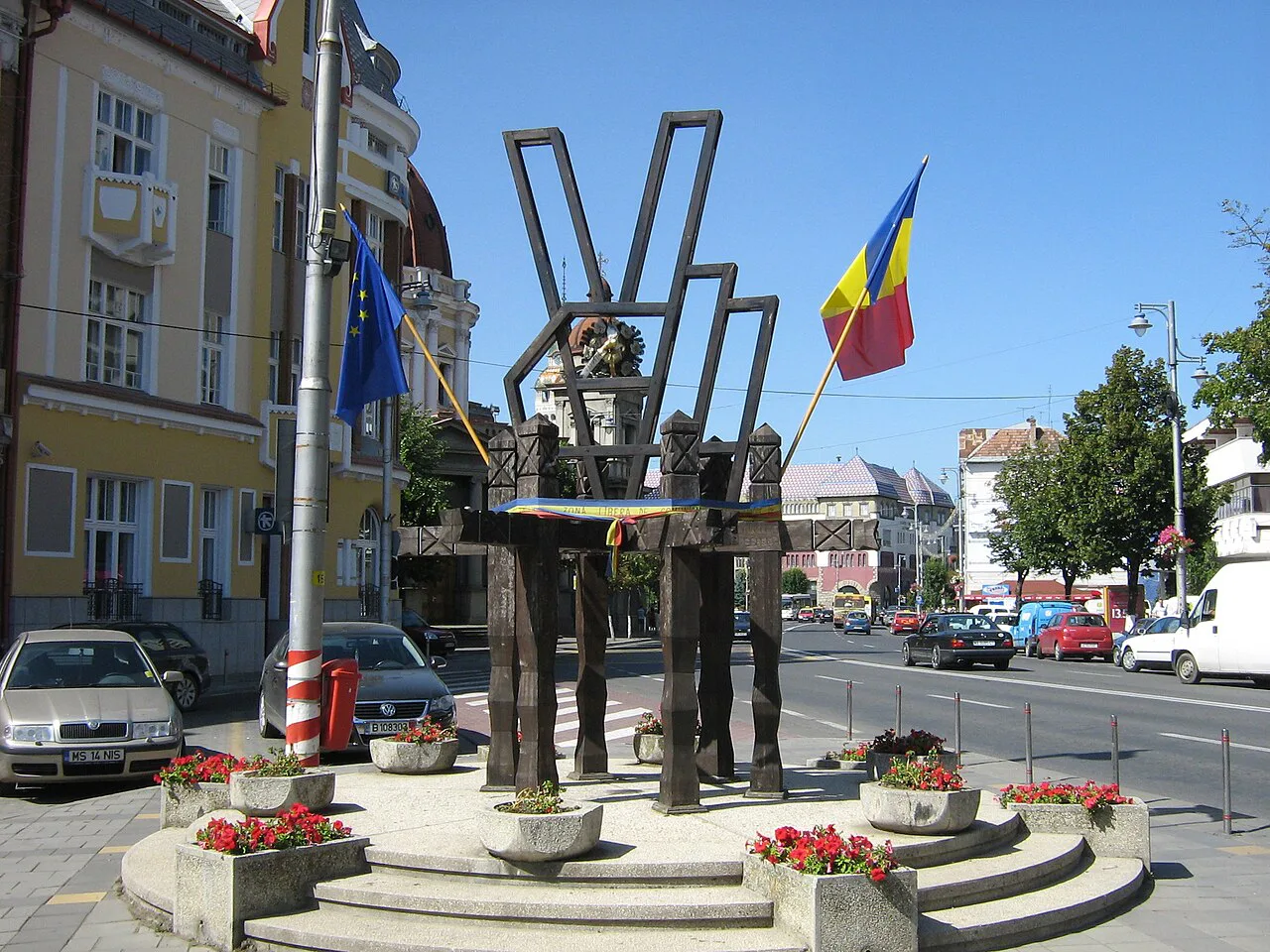
16 December 1989: the march, the chants and the first shots
On 16 December the crowd marched through the streets chanting against communism and against Ceaușescu. The next day, police opened fire on demonstrators. The state media stayed silent about the trouble, a detail worth keeping in mind when you read the timeline boards or memorial plaques: much of the country learned what was happening late or not at all.
Photojournalist Constantin Duma was in the city and photographed an ammunition distribution point at about four in the afternoon, with the first fatalities following shortly after. His photographs of those days form the exhibition Freedom 1989. Look for it in Timișoara rather than Bucharest; it is the visual record of the opening days.
The Memorial of the Revolution in Timișoara
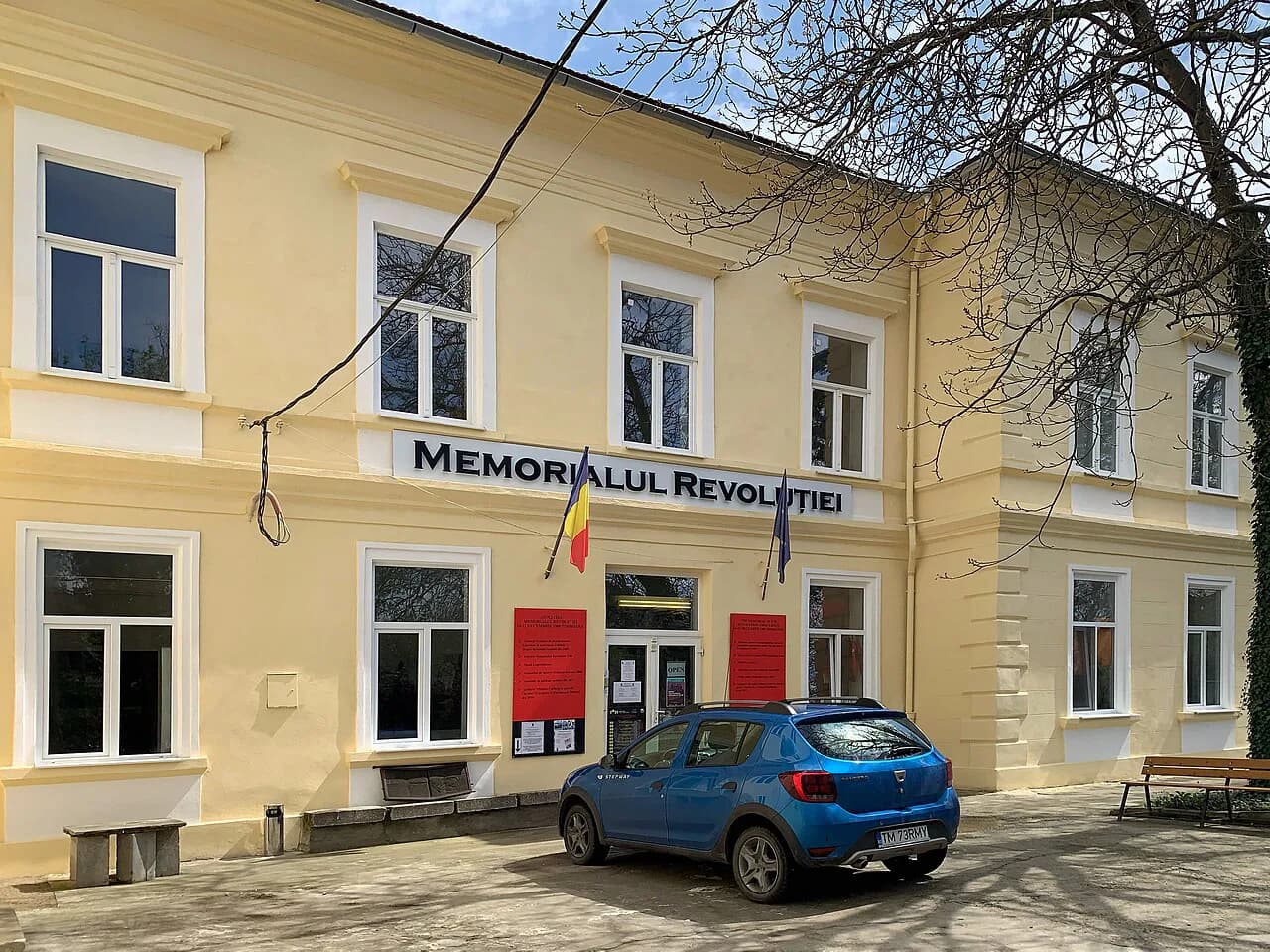
The Memorial of the Revolution in Timișoara is led by Dr Gino Rado, who was on the streets himself in December 1989 and who frames the memorial's purpose as passing the events on to people born afterwards. It is the one site in the city built explicitly for visitors who want context rather than a passing glance at a facade. Allow time for it rather than treating it as a photo stop.
Check opening days, entry terms and any ticket price directly with the memorial before you travel, since these change and are not fixed here. If your interest runs to the regime's own buildings rather than its opponents' memorials, our map of Ceaușescu sites covers the other side of the story.
Opera House on Victory Square: the city declared free
The Opera House on Victory Square is the most important site of the revolution in Timișoara. On 20 December 1989 protesters occupied the square, with estimates running from tens of thousands to as many as 100,000 people present. From the balcony of the Opera House a group founded the Romanian Democratic Committee of Timișoara and declared the city free of communism.
This is a working opera house and a public square, so there is no ticket to buy to stand where the crowd stood; you come for the building and the scale of the space. Read the plaque, look up at the balcony, and picture the square filled. It is a five-minute stop unless something is on, which is precisely why it pairs well with the memorial on the same day.
21 December in Bucharest: the rally that turned
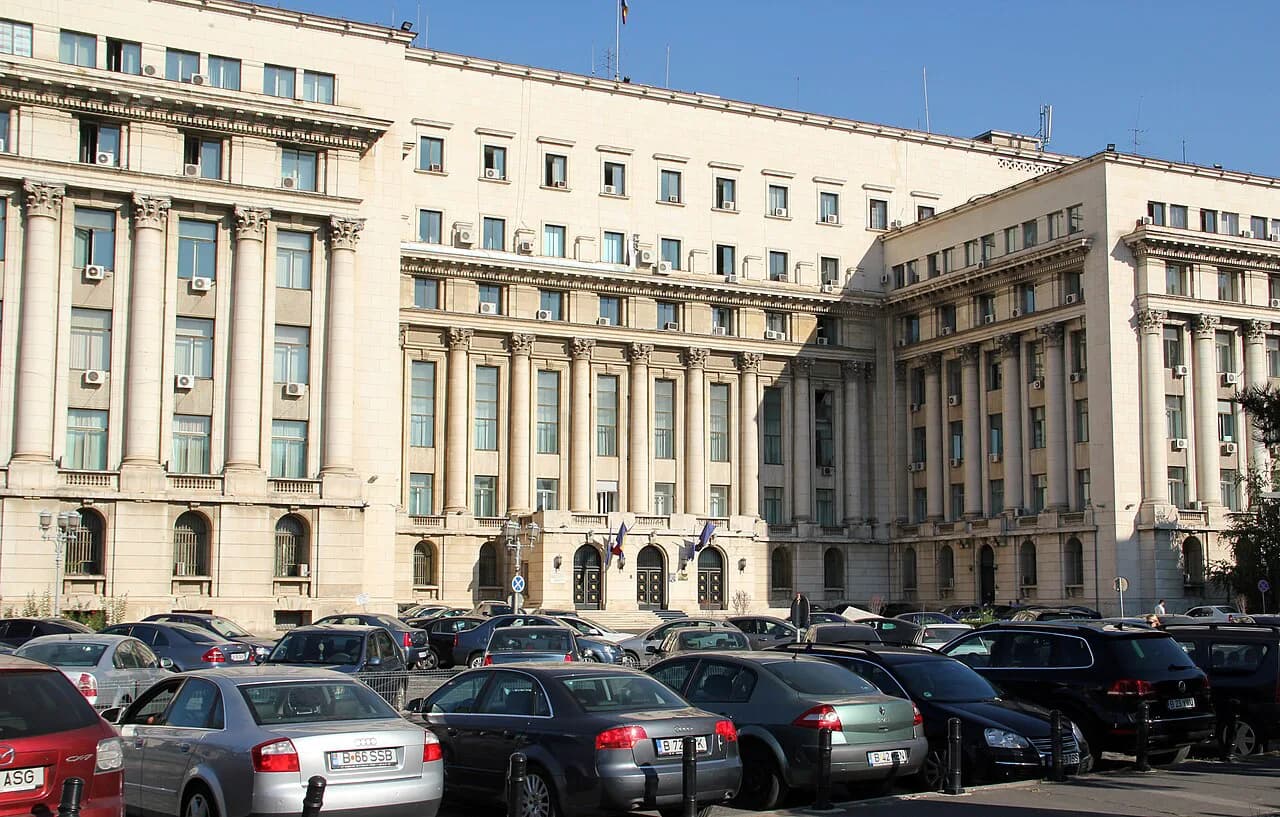
With state media silent on Timișoara, Ceaușescu sought to rally support with a mass gathering in the capital on 21 December. Instead he was booed and heckled, and protests erupted in the heart of the city. That reversal is the hinge of the whole story, and it happened in front of a building most visitors already have on their Bucharest list.
The rally belongs to the same central Bucharest stage as the Palace of the Parliament, the vast late-communist building that dominates the city's communist-era landscape. Seeing both on the same day gives you the regime's architecture and the moment its authority cracked.
22 December: gun battles in central Bucharest
On 22 December members of the police and army joined the protests and fought gun battles in the centre of Bucharest with the Securitate, Ceaușescu's secret police. Ceaușescu and his wife fled by helicopter but were stopped and arrested. Central Bucharest, then as now, is a compact area of wide squares and boulevards, which is why so much of the fighting happened within walking distance of each other.
A guided walk helps here, because the buildings themselves give little away and the events took place across an area rather than at a single address. A Bucharest communism tour can tie the rally, the fighting and the flight together in a couple of hours with the chronology fixed in your head.
Christmas Day 1989: the trial and execution
After a brief show trial on Christmas Day, Ceaușescu and his wife were executed by a firing squad. The speed is the detail that stays with people: within four days of the Bucharest rally, the regime was over. Britannica's account of the period weighs how far the events were a spontaneous popular uprising and how far a conspiracy against Ceaușescu, a question that shaped how Romanians have argued about 1989 ever since.
For visitors, the execution closes the timeline rather than marking a place to stand. The visitable traces of the regime itself, from the grand projects to the leader's own residences, are gathered in our Ceaușescu guide and the Ceaușescu Mansion in Bucharest.
Walking central Bucharest today
Central Bucharest is where the revolution's final days are easiest to follow on foot, since the rally, the protests and the gun battles all happened in the same core. Start with the square where the 21 December gathering took place, then walk the surrounding streets with the chronology in mind: rally, heckling, protests, fighting, flight. Two to three hours covers it comfortably at an unhurried pace.
Some of what you pass is a working institution rather than a memorial, so expect plaques and street-level markers more than exhibitions. Pair the walk with a museum visit if you want interpretation, and check current opening days and ticket terms on the day.
Visiting Timișoara's revolution sites on foot
Timișoara's sites fit into a single half-day on foot: the Reformed Church where the protest began, Victory Square with the Opera House, and the Memorial of the Revolution. The distances are short and the order is chronological, which makes it the better city for anyone who wants the revolution as a walkable story. Bucharest then supplies the ending.
If you only have time for one city, choose by what you want: Timișoara for the beginning and the memorial, Bucharest for the climax and the larger stage. A guide adds most value in Bucharest, where the events are spread across a district; in Timișoara the buildings speak more clearly on their own.
Practical trade-offs: memorials, working buildings and context
Set expectations before you go. The Reformed Church and the Opera House are working buildings you view from outside, Victory Square is a public space, the memorial and the Freedom 1989 exhibition are the places built to explain, and central Bucharest is a district rather than a site. That mix is the honest picture, and it is why the two cities together work better than either alone.
Romania's communist-era history runs well beyond 1989, and the Sighet Memorial in the north holds the record of the repression that came before the revolution. If the revolution is your entry point into the period, it is the natural next stop after Bucharest and Timișoara, and it reframes what the crowds of December were reacting against.
Which city should you start with?
Start in Timișoara if you want the revolution from its first day, with the Reformed Church, Victory Square and the memorial within a compact half-day walk. Start in Bucharest if your interest is the collapse itself, the rally, the fighting and the flight, all in the centre of a capital you were probably visiting anyway.
Whichever you choose, confirm opening days and entry terms for the memorial, the exhibition and any museum before you build your day around them, since the fixed facts are the dates and the buildings, not the timetables. Then walk it in order: 16 December in Timișoara, 21 and 22 December in Bucharest.
Frequently Asked Questions
When did Romania have a revolution?
In December 1989. Protests began in Timișoara on 16 December, police opened fire on demonstrators on 17 December, Ceaușescu's Bucharest rally turned against him on 21 December, and he and his wife were tried and executed on Christmas Day.
Can you visit the places where the Romanian Revolution happened?
You can visit the buildings and squares in Timișoara and Bucharest, but most are working churches, an opera house and public spaces rather than museums. The Memorial of the Revolution in Timișoara and the Freedom 1989 photographic exhibition are the places built to explain the events.
How long do you need for the revolution sites in Timișoara?
Half a day on foot covers the Reformed Church, Victory Square with the Opera House, and the Memorial of the Revolution, with short distances between them. Add time at the memorial if you want to read the displays properly.
Sources
Useful notes for your next trip
Optional updates to our guides.
You might also like
Continue reading
More guides you'll find useful