How Many Days in Bucharest? What 1, 2 and 3 Days Cover
Two days in Bucharest covers the Palace of the Parliament, Revolution Square, the Old Town and Stavropoleos Monastery. Three days adds a museum and Cișmigiu Gardens.
On this page
Two days is the right answer for most visitors to Bucharest: it covers the Palace of the Parliament, Revolution Square, the Old Town and Stavropoleos Monastery without rushing, and leaves room for Cișmigiu Gardens and one museum. One day works only if you accept a tight core of sights, and three days pay off if you want a second museum, Cărturești Carusel and the Piața Obor farmers' market. This guide sets out what each length of stay actually covers, how to group the sights so the walking stays sensible, and where the day plans strain.
How many days in Bucharest you actually need: the short answer
Plan two full days. The sights that define a first visit sit close enough together to pair up: the Palace of the Parliament and the People's Salvation Cathedral on one side, Revolution Square and the museums around it, and the Old Town with Stavropoleos Monastery and Bulevardul Elisabeta on the other. A two-day itinerary built this way keeps you from crossing the city twice. If you have only one day, cut the outlying stops rather than trying to compress everything.
Three days suits travellers who want depth rather than more ground: a second museum, a slow morning in Cișmigiu Gardens, and the Piața Obor market, which sits away from the centre. Our things to do in Bucharest guide maps the individual sights if you want to build your own order around these day plans.
What one day in Bucharest covers: Palace of the Parliament, Revolution Square and the Old Town
Start at the Palace of the Parliament, which a two-day itinerary describes as the second largest administrative building in the world after the Pentagon, and take the interior tour rather than circling it. Walk on to the People's Salvation Cathedral nearby, then head to Revolution Square (Piața Revoluției) for the Revolution Memorial and the former Royal Palace, which now houses the National Museum of Art of Romania. Lunch fits naturally in the Old Town, where the cafés and restaurants cluster.
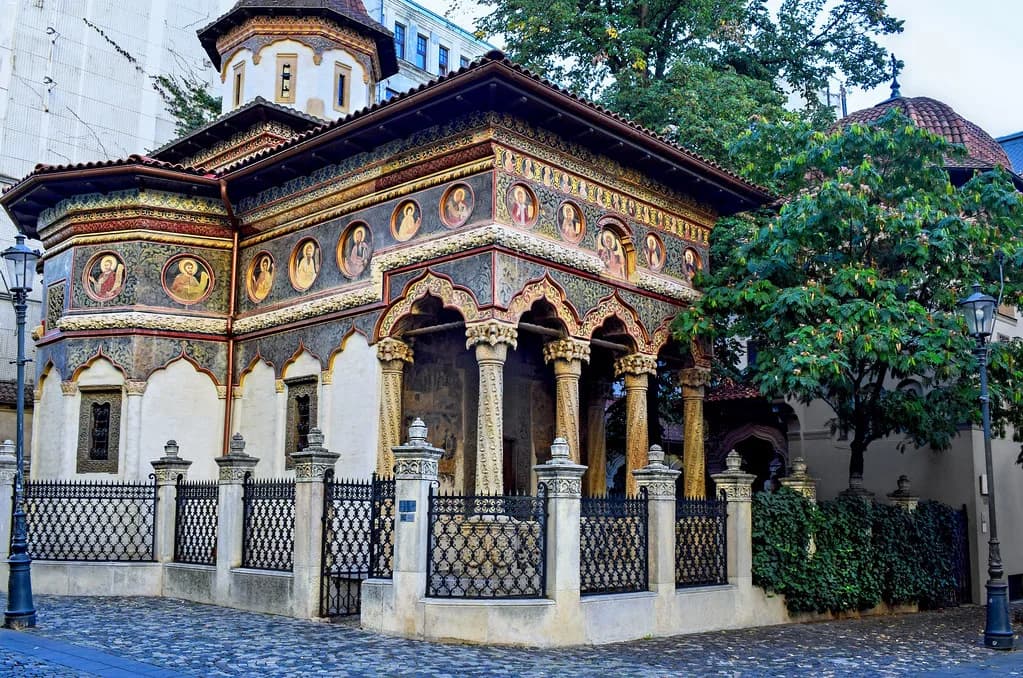
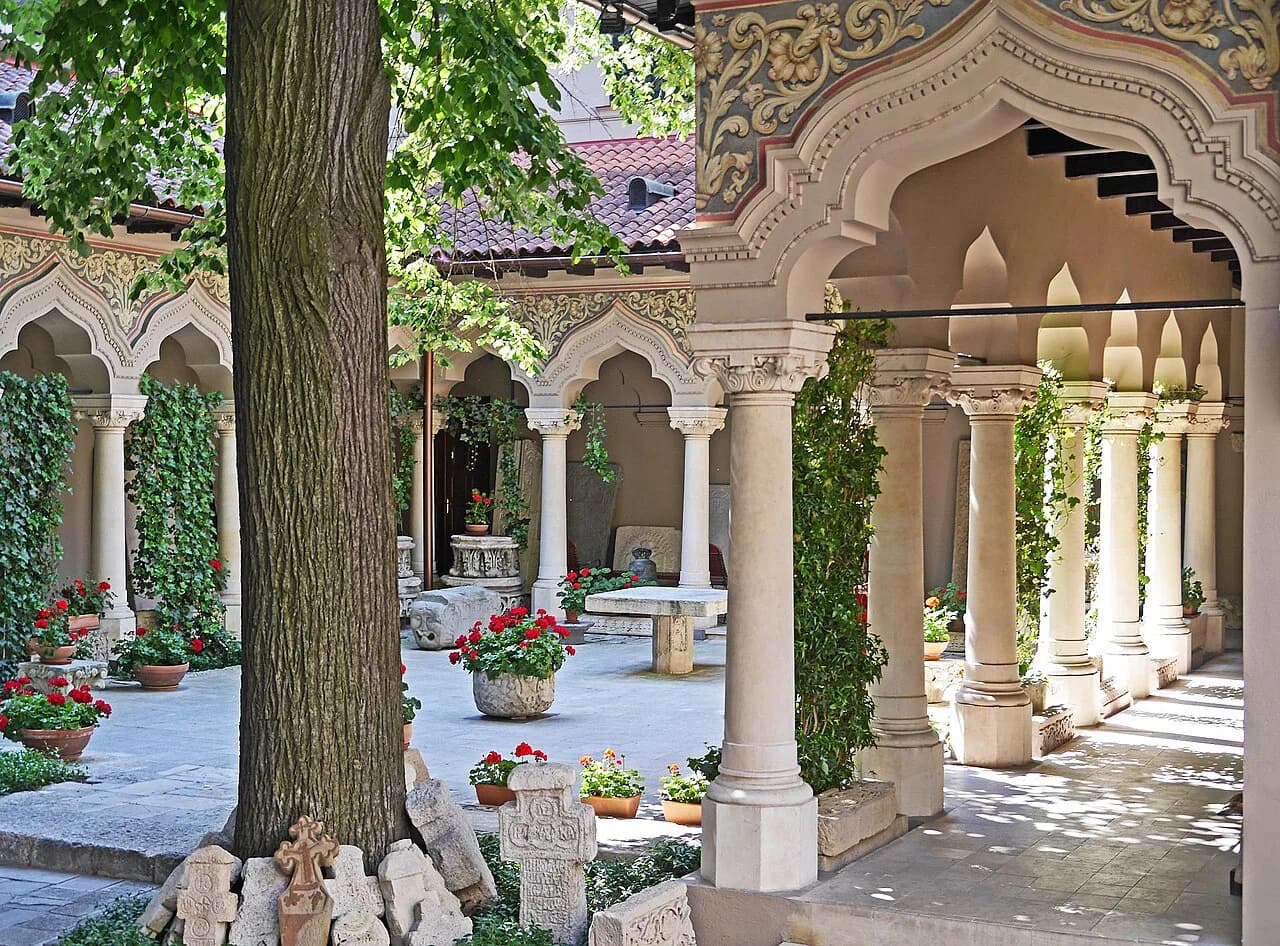
Spend the afternoon in the Bucharest old town and around Stavropoleos Monastery, an 18th-century Orthodox monastery with an intricate exterior and a quiet courtyard. Bulevardul Elisabeta, the Avenue of Heroes, runs nearby and strings together shops, cafés and historic buildings, so you can walk it without a detour. If you have energy left, Cărturești Carusel, a designed bookstore, is the lightest way to end the day.
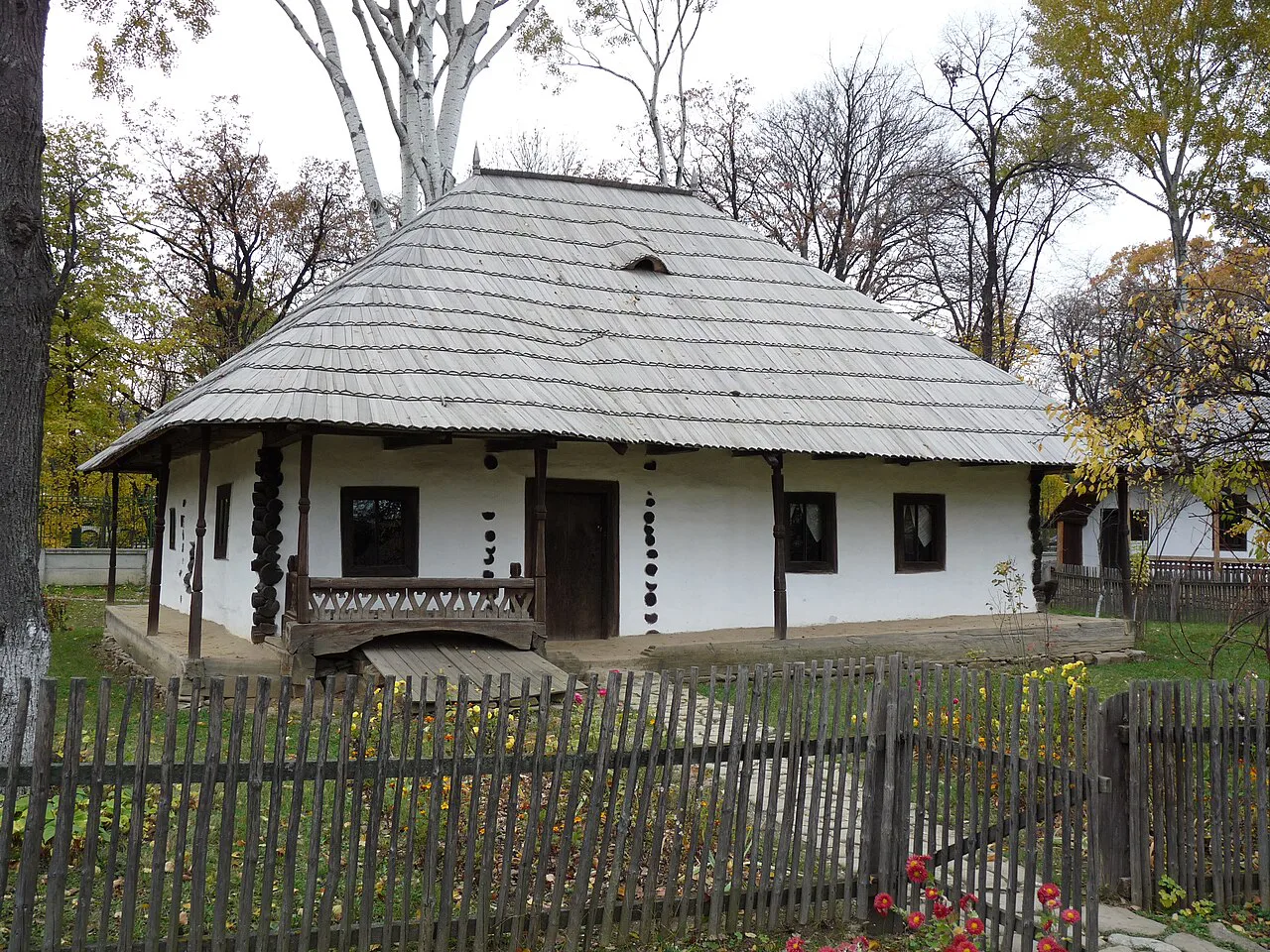
Where the one-day plan strains: the Parliament tour and the walk to the Arcul de Triumf
The Palace of the Parliament is the pinch point. Official tickets for the interior are not sold directly through the palace online: you buy same-day tickets in person or reserve by phone a day in advance, while third-party guided tours can be booked further ahead and cost more. Build the rest of a one-day visit around whichever slot you secure, not the other way round.
The Arcul de Triumf is the second casualty. It sits in the middle of a traffic circle away from the Old Town and Parliament cluster, so on a single day it competes directly with the monastery, the gardens or a museum, and it usually loses. Give it to a two-day or three-day visit, or accept that one day in Bucharest means the centre only.
What two days add: Stavropoleos Monastery, Cișmigiu Gardens and a museum
The second day lets you slow down. Give the morning to Cișmigiu Gardens, walking the paths or renting a paddleboat on the lake, then return to the Old Town for lunch. The afternoon goes to a museum: the National Museum of Art of Romania if you want European and Romanian painting, or the National Museum of Romanian History if you prefer artefacts and mediaeval treasures. Either fits a half-day without hurrying.
If a museum is not your priority, use the time for the Piața Obor farmers' market, which gives a more everyday view of the city than the central squares. Our guide to museums in Bucharest helps you choose between the collections if you are undecided. Two days also leaves slack for a themed walking tour, which is the quickest way to make sense of the communist-era architecture around the centre.
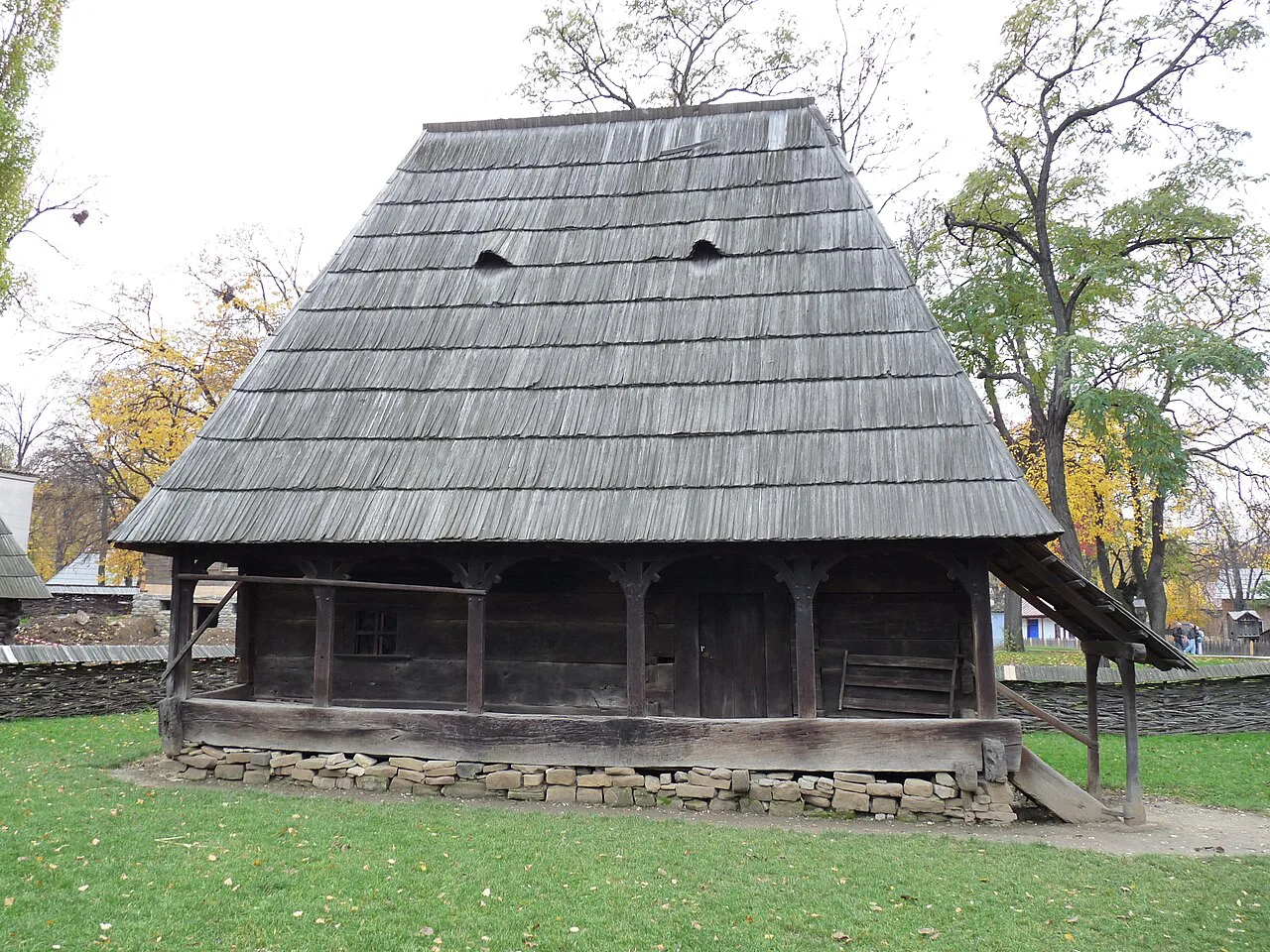
Two-day order that keeps walking sensible: Old Town, Lipscani and Bulevardul Elisabeta together
Group the centre on one day: Stavropoleos Monastery first, then Bulevardul Elisabeta and Cărturești Carusel, then the Old Town in the late afternoon and evening, with Lipscani and Strada Covaci as the axis. Everything on that loop is walkable and needs no transport planning. Keep the Palace of the Parliament, the cathedral and Revolution Square for the other day.
That division matters because the Parliament sits away from the Arcul de Triumf, and trying to link the two on foot eats the time you wanted for the interiors. A Bucharest map makes the distances obvious before you commit. If you would rather follow a fixed route through the old streets, a Bucharest walking tour covers the same ground with context.
What three days add: a second museum, Cărturești Carusel and Piața Obor
A third day is about choice, not coverage. Pick the museum you skipped on day two: art at the National Museum of Art of Romania, history at the National Museum of Romanian History, or something quirkier such as the Romanian Kitsch Museum. Then use the remaining hours for Cărturești Carusel and the Piața Obor market, both of which reward an unhurried visit rather than a dash.
Three days also give you room for a half-day out of the centre without losing the city itself. A Bucharest day tour can take you to nearby places, but treat it as one addition rather than the point of the trip. If you prefer to keep the third day in town, our 3 days in Bucharest itinerary sets a fuller order for the same sights.
When Bucharest works as a base rather than a stop
Bucharest earns two or three nights of its own, not just a transit stop before Brașov or the castles. The centre holds enough for a full two-day programme, and the third day justifies itself once you add a museum and the Obor market. Shorter visits work for travellers passing through en route elsewhere, but one day leaves the Arcul de Triumf and the gardens out entirely.
If your trip is built around a short stay rather than a longer route, our Bucharest weekend guide matches the two-day plan above to a weekend break. For the individual buildings, from the cathedral to the former Royal Palace, the landmarks guide gives each one its own page.
Practical constraints: booking the Parliament interior and choosing a walking tour
The one booking that genuinely shapes a Bucharest itinerary is the Palace of the Parliament interior. Because same-day tickets are issued in person or by phone a day ahead, a one-day visit depends on getting a slot that leaves the afternoon free. Third-party tours solve the timing problem at a higher price and let you plan weeks out.
For walking tours, pick by theme rather than by length. A general introduction suits a first morning, while a communist-history tour explains the buildings around Revolution Square and the Palace of the Parliament as you pass them. Confirm the meeting point and start time directly with the tour company, since schedules change with the season.
Two days or three?
Book two days in Bucharest unless you have a specific reason for more. Two days cover the Parliament, Revolution Square, the Old Town, Stavropoleos Monastery, Cișmigiu Gardens and one museum at a comfortable pace. Add a third only for a second museum, the Piața Obor market and Cărturești Carusel, or drop to one day if you are content to skip the Arcul de Triumf and the gardens.
Explore more Bucharest guides
Frequently Asked Questions
Is two days in Bucharest enough?
Yes, for the main sights. Two days let you tour the Palace of the Parliament, see Revolution Square and the People's Salvation Cathedral, walk the Old Town and Stavropoleos Monastery, and still fit Cișmigiu Gardens and one museum. What you give up is the Arcul de Triumf and a second museum.
Can you see Bucharest in one day?
Only the centre. A single day covers the Palace of the Parliament interior, Revolution Square and the Old Town, but the Parliament tour timing controls the rest of the day, and the Arcul de Triumf sits too far from the centre to add comfortably.
What should I add with a third day in Bucharest?
Choose the museum you skipped, either the National Museum of Art of Romania or the National Museum of Romanian History, then use the remaining time for Cărturești Carusel and the Piața Obor farmers' market. Both reward a relaxed visit rather than a quick stop.
Sources
Useful notes for your next trip
Optional updates to our guides.
You might also like
Continue reading
More guides you'll find useful