
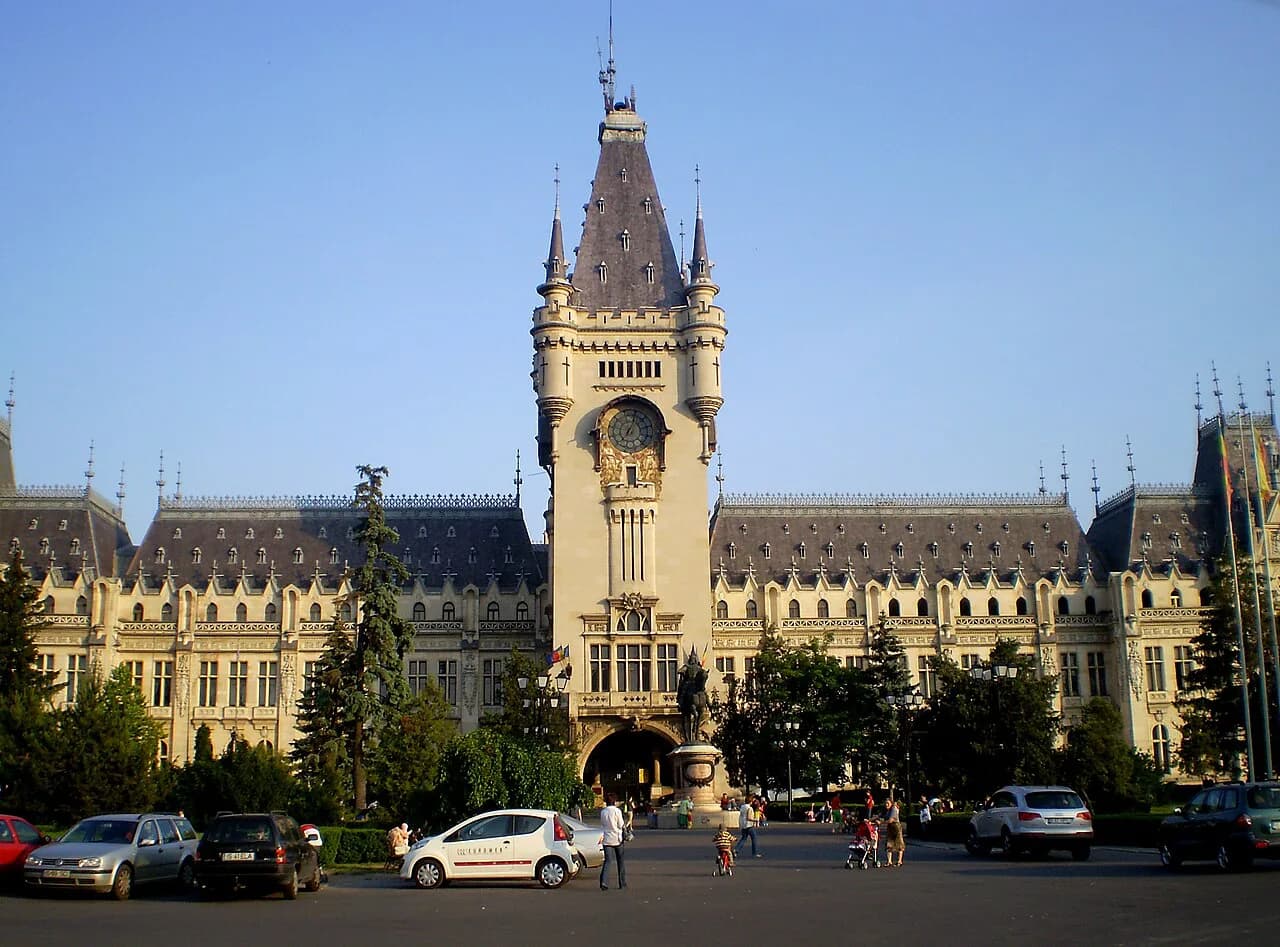
Palace of Culture (Palatul Culturii), Iași: a Visitor's Guide

The Palace of Culture (Palatul Culturii) is the centrepiece of a visit to Iași and holds four museums under one roof: the Ethnographic Museum, the History Museum, the Art Museum and the Science and Technical Museum. It stands in the middle of the city, so you can reach it on foot from the main hotel streets and combine it with the churches and squares around it. This guide covers where the building sits, how to walk there, what is inside each museum, how long to give the Palace, and what to see nearby.
Treat the Palace as a half-day rather than a quick photo stop if you want more than one collection. The Art Museum and the History Museum are the two most travellers single out, and they reward different moods: paintings upstairs, a prehistoric skull and regional history below. Everything else in central Iași, from Golia Monastery to the Metropolitan Cathedral, fits around that block of time.
What the Palace of Culture is
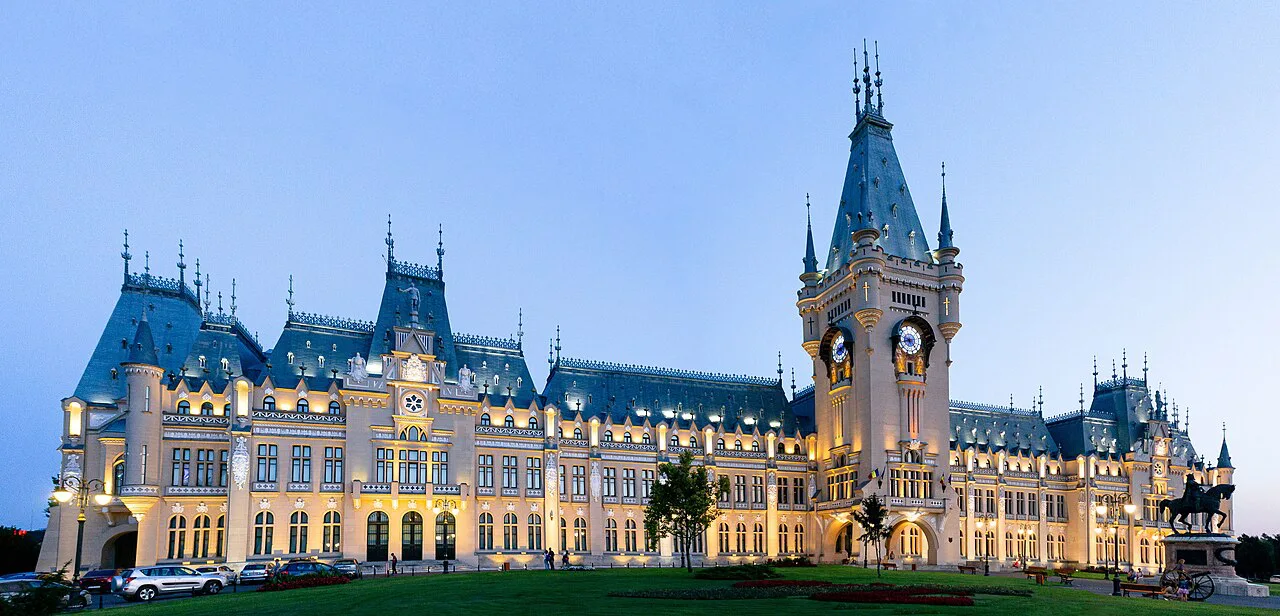
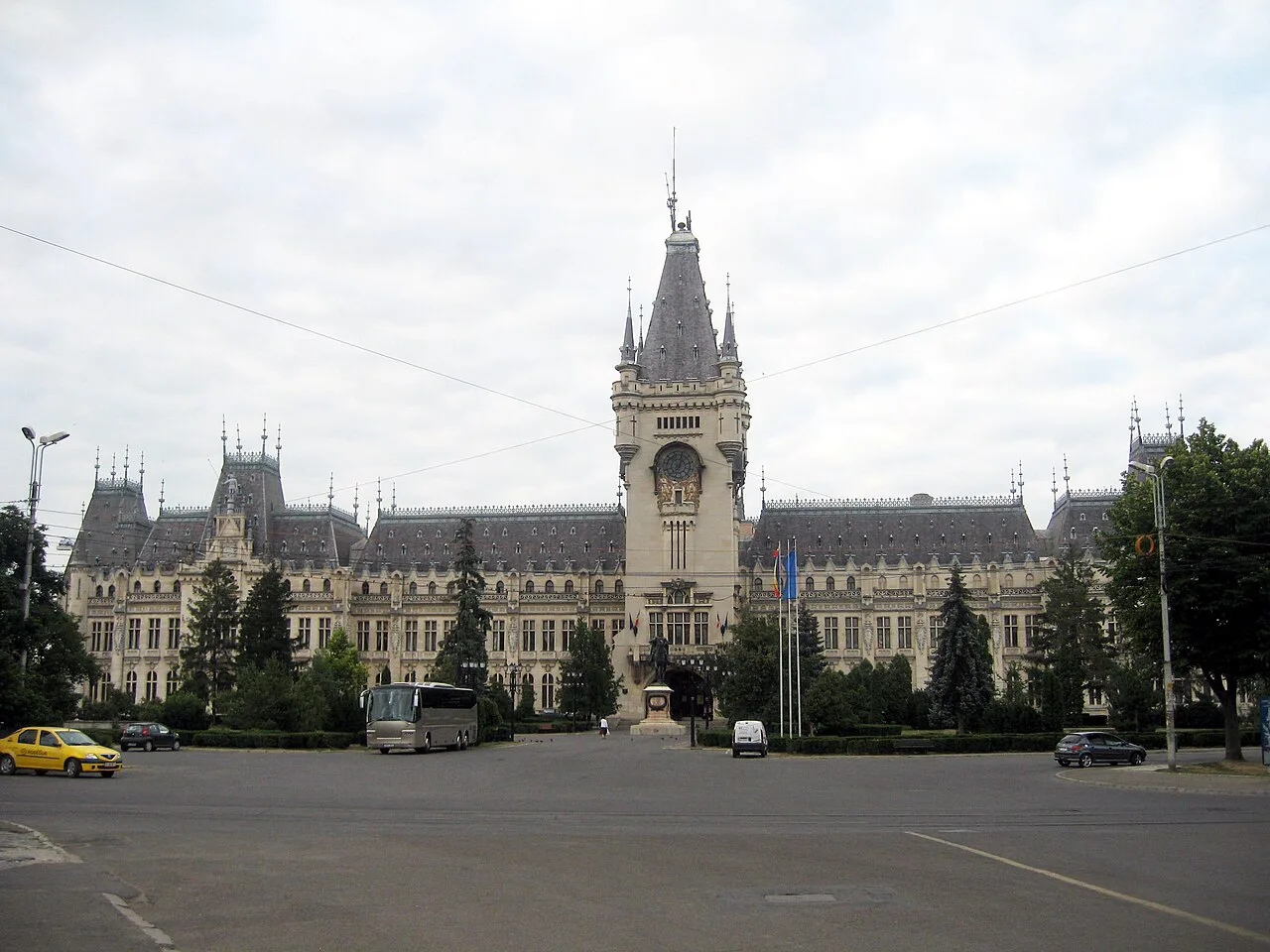
The Palace of Culture is a neo-Gothic building in central Iași that now functions as a cultural complex rather than a single museum. Built between 1906 and 1925, it long served as the city's administrative and justice palace before being converted into the arts complex that anchors the Moldavian region's cultural life today. Four museums occupy the building: the Ethnographic Museum, the History Museum, the Art Museum and the Science and Technical Museum.
The palace rose on the perimeter of the former medieval Moldavian princely court, so the building sits on ground that was already the seat of power in Iași centuries before it was built. That layered setting is part of why the Palace works as a starting point for the city: the historic core, the main squares and the biggest churches are all within a short walk.
The building is also the obvious orientation point for a first day in Iași, and the wider Iasi Attractions: 11 Visitor Guides collection shows how the other sights fit around it. If you are still deciding how long to give the city itself, start with the practical overview of Iași before you fix your days.

Where it sits and how to reach it on foot
The Palace stands in the centre of Iași, close to the main civic buildings and the shopping streets, so most travellers reach it on foot from hotels in the historic core. Walking is the sensible default: the surrounding streets are dense with churches, the national theatre and the city hall, and you will pass several of them on the approach.
If you arrive by train, the city's main station is west of the centre and the Palace is a straightforward walk or short taxi ride from there; KAYAK's Iași guide covers the plane and train options for getting into the city in the first place. The historic centre around the Palace was partly rebuilt during the Communist period, so expect a mix of older architecture and later blocks rather than an unbroken old town.

The four museums inside
The Ethnographic Museum covers the material culture and rural traditions of the Moldavian region, and it is the natural pick if folk costume, craft and village life interest you more than fine art. The History Museum holds the regional story from prehistory to the modern period, and it is where the palace's most quoted object sits. The Art Museum occupies the first floor and is treated as the centrepiece of the complex, while the Science and Technical Museum rounds out the four with a collection on technology and applied science.
Before you travel, check the Palace of Culture's own website and the individual museum pages for which collections are open on your dates and for any closure for conservation or refurbishment. That single check saves the common disappointment of arriving for one specific gallery and finding it shut.
What to see first: paintings and the mammoth skull
Start in the Art Museum if you have a taste for Old Masters. The palace's art collection is described as holding masterpieces attributed to big names including Caravaggio and Veronese, displayed on the first floor of the building. Treat the labels as the authority on attribution and read them as you go: the value of the visit is in seeing the works in a Romanian palace setting, not in ticking off a checklist of Italian painters.
Then cross to the History Museum, where the object most often mentioned is a mammoth skull dated to around seventy thousand years ago. It is a compact, memorable collection rather than a sprawling national museum, which makes it a good follow-on when your concentration is already partly spent. If you have children with you, this is the room they will remember.
How long to allow
Budget two to three hours for two museums and a good look at the building itself, and four hours or more if you intend to see all four collections properly. The Art Museum alone can absorb an hour and a half if you read the labels and linger, while the History Museum is quicker unless the prehistoric and medieval material pulls you in. The Ethnographic and Science and Technical museums are the ones to drop first if time is tight, not because they are weak but because the art and history collections are the ones travellers come for.
If you only have one museum in you, pick the Art Museum for paintings and the History Museum for objects, and spend the remaining time walking the exterior and the surrounding streets. The Palace is a photogenic building from outside, and the plaza in front gives you the full neo-Gothic facade without a ticket.
Tickets and opening hours
Admission terms are set museum by museum, and the Palace of Culture publishes its arrangements through its own channels. Confirm the current position for your dates before travelling, since a gallery can close for conservation.
Golia Monastery nearby
Golia Monastery is a short walk from the Palace and makes the best pairing with it: a walled complex with towers and centuries-old frescoes inside its church. The monastery was built in the sixteenth and seventeenth centuries, when Iași was the capital of an independent Moldavia, and its walls still read as a defensive enclosure rather than a decorative one. Architecture-minded visitors often rate it above the Palace for atmosphere.
The tower climb is the reward beyond the courtyard, but check on site whether it is open that day before committing your legs to it.
Metropolitan Cathedral and Trei Ierarhi within walking distance
The Metropolitan Cathedral is a few minutes' walk away and is the city's principal Orthodox church, a white baroque building with a plaza in front that fills with pilgrims around the feast of Saint Parascheva in October. The relics of Saint Parascheva are kept there, and the annual pilgrimage draws very large crowds, so check the calendar if you want a quiet visit rather than a spectacle.
The Church of the Three Hierarchs, Biserica Trei Ierarhi, is the other essential stop in the same cluster: a seventeenth-century church with an intricately carved stone facade that is unlike anything else in the city. It is associated with the Moldavian prince Vasile Lupu, who transferred relics of Saint Parascheva there in the 1640s before they moved to the cathedral. The two churches plus Golia make a natural two-hour walk after the Palace.
Copou Park for a spare half-day
If you have a spare afternoon, walk north to Copou Park, a public garden founded in the 1830s that holds Eminescu's lime-tree and the Obelisk of the Lions, a fifteen-metre column on four lion figures commemorating the constitutional laws.
The Botanical Gardens sit further north in the Copou neighbourhood, opened in 1856 and spread over eighty hectares, with rose beds, greenhouses, orchids and carnivorous plants.
Is the Palace worth half a day in Iași?
Yes, if you take it as a building plus two museums rather than a single attraction. The Art Museum and the History Museum give you the strongest contrast, and the neo-Gothic exterior and central position make the Palace a natural anchor for a day that continues to Golia Monastery and the Metropolitan Cathedral.
Check the official Palace of Culture site for opening days before you go, then plan the rest of your Iași days around it, so you have the city's best single sight done properly rather than rushed.