Lower Town Sibiu: What to See Below the Old Centre
The Lower Town of Sibiu is the quarter of narrow lanes and passages below the historic centre. Here is what to walk to and how the two levels connect.
On this page
Sibiu's Lower Town is the quarter of lanes and small squares that spreads below the historic centre, a short descent from the upper squares rather than a separate trip. Treat it as the second half of a city walk: see the set-piece sights on the upper level first, then drop down through the Passage of Stairs and wander the streets the city itself lists.
This guide names the Lower Town streets in Sibiu's street record, explains how the two levels connect, pairs the descent with the Upper Town sights worth seeing on the same outing, and is honest about what the quarter does not offer.
Where the Lower Town sits in Sibiu
Sibiu runs on two levels. The historic centre around Piața Mare (Large Square) and the streets beside it sits on the upper level, and the Lower Town, Orașul de Jos, spreads out below it. The city's street record keeps the Lower Town entries as a single group, which makes it easy to see which streets belong to this quarter and which belong to the upper centre.
Practically, this means you do not travel to the Lower Town; you walk down into it. Plan the descent for the middle of a city day rather than as a standalone excursion, and expect the return leg to be uphill.
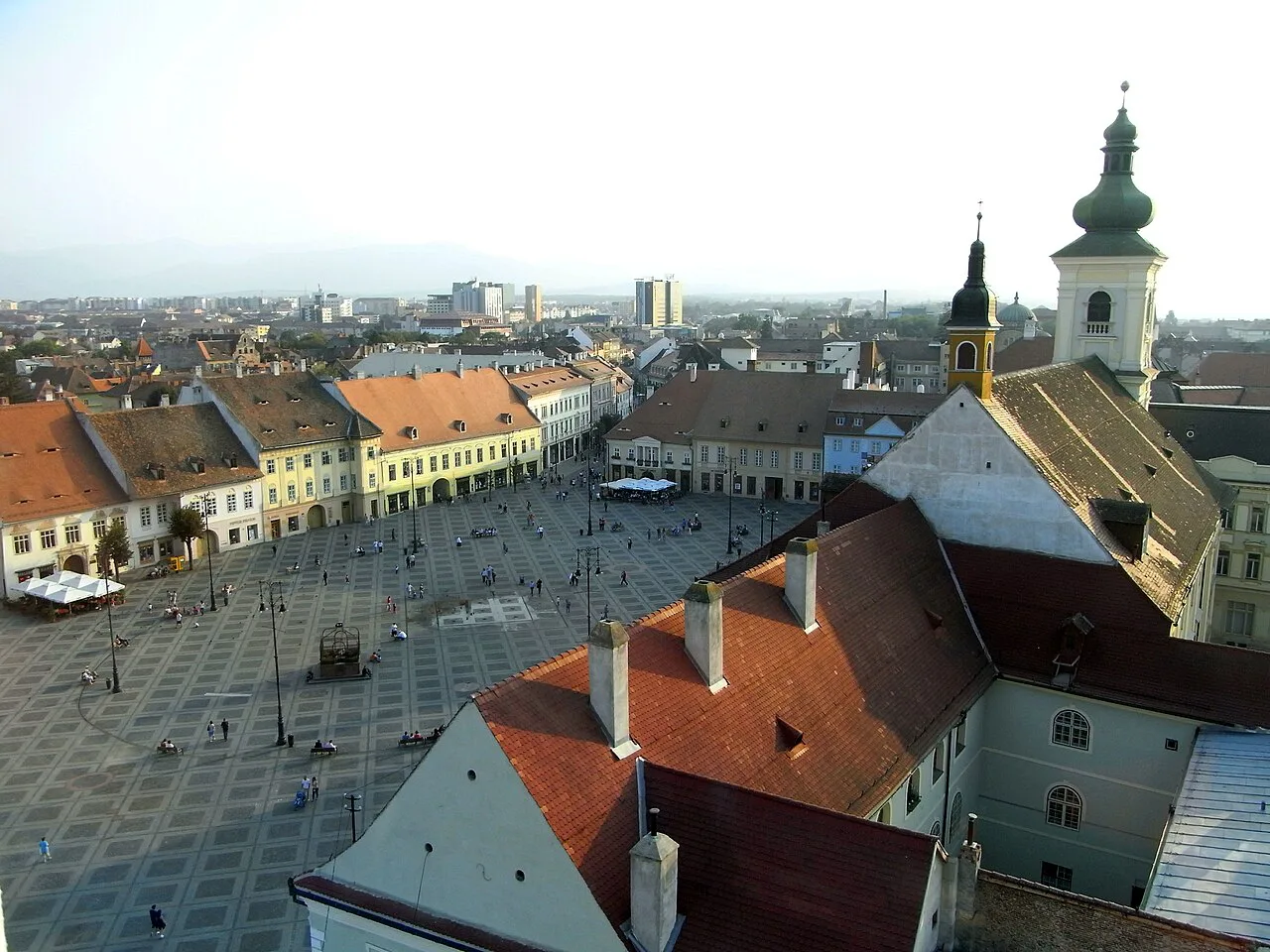
Walking down: Pasajul Scărilor (Stairs Passage) and the connecting streets
The Passage of Stairs, Pasajul Scărilor, is the link between the two levels to look for first. It appears in Sibiu's own street record alongside the squares and lanes below, so use it as your descent and let the other names orient you once you are down.
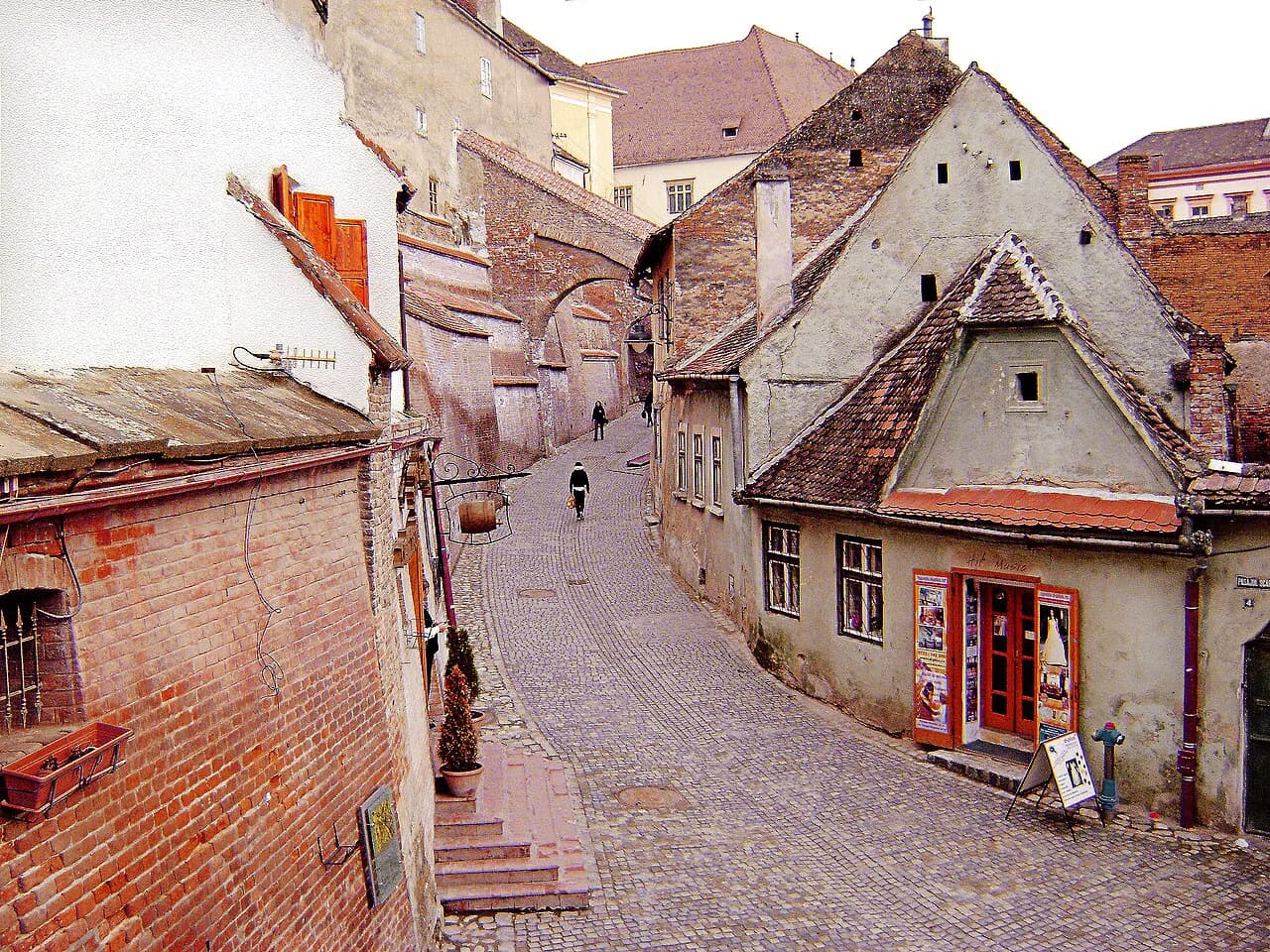
Take the passage slowly and look at how the route is built rather than treating it as a photo stop. The value of the Lower Town is in the sequence: arches, steps and lanes that funnel you from the formal upper squares into a tighter street pattern. Build the rest of the walk around that shift in scale.
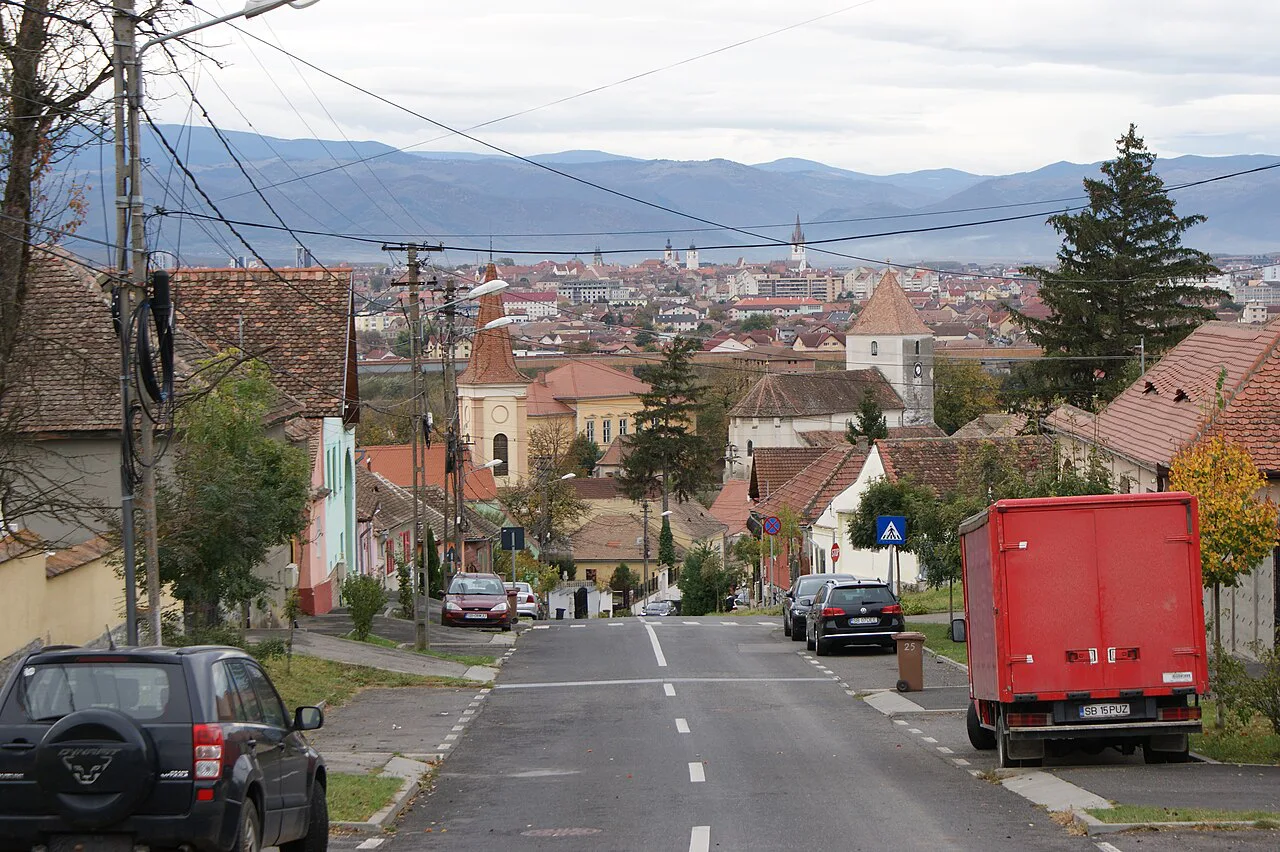
Streets and squares to pick out on the way
Four names anchor a short Lower Town circuit: Piața Armelor (Armelor Square), Piața Aurarilor (Aurarilor Square), Pasajul Scărilor and Strada Azilului. All four appear in Sibiu's street record for the Lower Town, so you can check a name against the official list before setting out.
Use the squares as turning points rather than destinations. Walk from one to the next through the lanes between them, and treat any street that appears on the city's list as fair game for a detour. The names are the useful part: they tell you what the quarter is called locally, which helps when reading signs and maps.
What the Lower Town actually looks like
Visitors describe the Lower Town as a labyrinth of narrow streets where houses stand almost like walls, with a character that feels closer to a small Italian town than to the formal squares above. That description matches what the street layout suggests: tight lanes, close-set buildings and a slower, residential pace.
The centre of Sibiu as a whole is known for its cobbled streets, elegant old buildings and winding alleys, with surviving stretches of the medieval wall and defensive watchtowers to look out for as you walk. Keep an eye out for those fragments as you move between the two levels, since they sit within the city rather than in a separate monument site.
Set your expectations honestly: this is a quieter quarter with fewer set-piece sights than Piața Mare. Its reward is atmosphere and street pattern, not a ticketed attraction on every corner.
Adding the Upper Town to the same walk
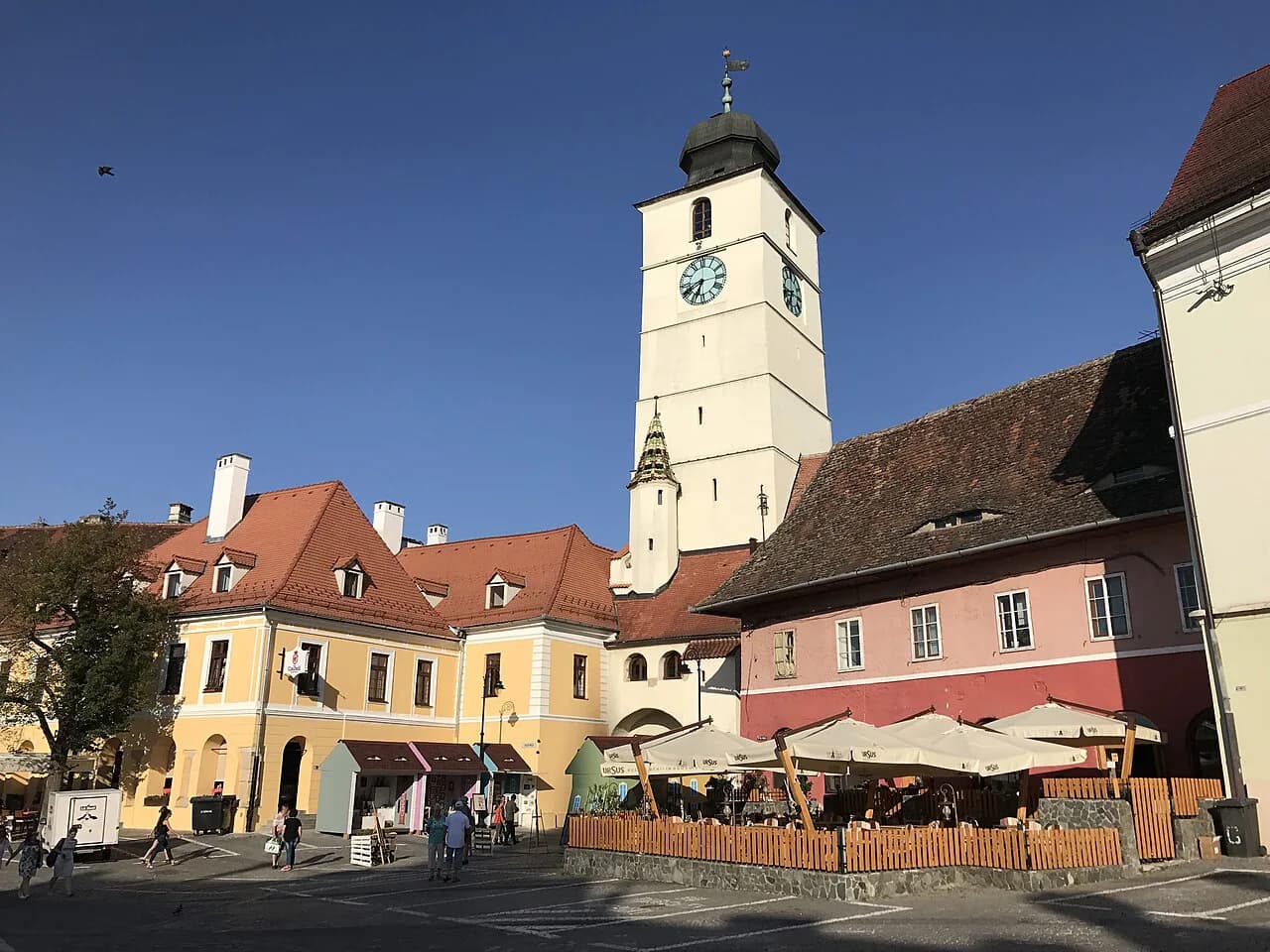
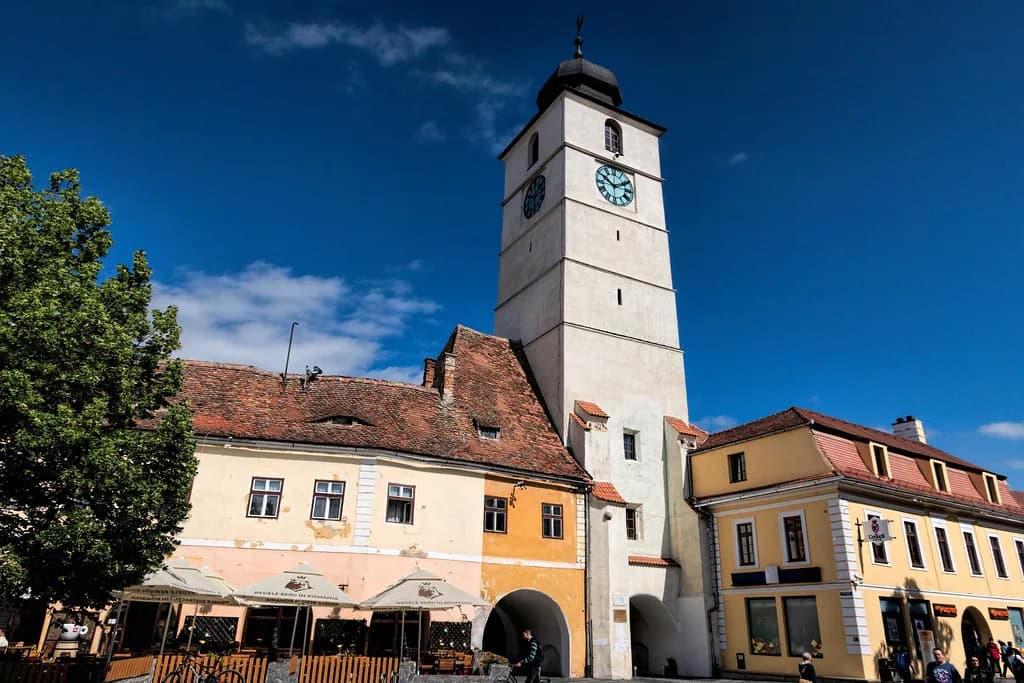
Build the outing around Piața Mare, where Brukenthal Palace holds an art museum and the Council Tower gives views over the city towards the Făgăraș Mountains. Both sit on the upper level, so see them before you descend, then let the Lower Town close the walk.
The Orthodox Metropolitan Church, built in the early twentieth century and modelled on the Cathedral of St Sophia in Istanbul, is worth a stop for its frescoed interior and mosaic dome. Its golden chandeliers and central dome make it the most ornate interior on this route, so allow time inside rather than just walking past.
If you want the upper level in more detail, the Sibiu old town guide covers the squares and set-piece sights there, and it pairs naturally with the descent described here.
How long the Lower Town takes on foot
Give the Lower Town an hour or so of unhurried walking and fold it into a half-day city route rather than treating it as a separate visit. The descent, a loop past the two squares and the lanes between them, and the climb back up is a compact piece of ground; the time goes on looking, not distance.
If you want more than the streets, the ASTRA National Museum Complex is an open-air museum of Romanian peasant life spread over 96 hectares with more than 400 traditional structures, including mills, wooden churches and homes. It sits outside the historic core, so plan it as a separate block of time rather than squeezing it into the Lower Town circuit.
Getting to Sibiu and down into the centre
Sibiu lies about 270 kilometres north-west of Bucharest, and the train from Bucharest is followed by a trolleybus into the city centre. The city also has air links to Bucharest, Munich, Stuttgart, Vienna and Madrid, which makes a city break feasible without a car.
Once in the centre, the Lower Town needs no ticket, no booking and no transport: it is reached on foot from the upper squares. That is the main practical advantage of adding it to a Sibiu itinerary, and the reason it fits neatly around fixed opening times elsewhere in the city.
What the Lower Town does not have
This is a residential quarter of streets and squares, not a shopping or dining destination in its own right, and searches for Lower Town shops and restaurants are better answered by the wider city. The same applies to cafés, bars and nightlife, which belong to the upper centre and to Sibiu generally.
There are no ticket prices or opening hours to plan around here, because the Lower Town is public street. Check the city's street record for the current list of names if you are building a route, and use the rest of the city for anything that needs a ticket or a table.
Should the Lower Town be on your Sibiu route?
Yes, if you are already seeing Piața Mare and the upper squares: the Passage of Stairs and the lanes below cost you an hour and change the way you read the city. Skip it only if your time in Sibiu is down to a couple of hours and the ticketed sights come first.
Walk down through the Stairs Passage, loop past Piața Armelor and Piața Aurarilor, follow a lane or two, and climb back for the Council Tower view. That route gives you both levels of Sibiu without a single booking.
Explore more Sibiu guides
Frequently Asked Questions
Do you need a ticket for the Lower Town of Sibiu?
No. The Lower Town is a public quarter of streets and squares reached on foot from the historic centre, so there is nothing to buy and no opening times to work around. Any ticketed sight, such as a museum on the upper level, is separate and should be checked directly with the venue before you go.
How do you get from the Upper Town to the Lower Town?
Walk down. The Passage of Stairs, Pasajul Scărilor, is the connecting route to look for, and the lanes listed in Sibiu's street record lead on from there. Allow for the climb back up, which is the harder half of the walk.
How much time should you give the Lower Town?
About an hour of unhurried walking covers the descent, the two small squares and a few lanes. It works best as the second half of a city walk that starts in Piața Mare, rather than as a separate outing.
Sources
Useful notes for your next trip
Optional updates to our guides.
You might also like
Continue reading
More guides you'll find useful