How Many Days in Sibiu? 1, 2 or 3 Days Planned
One day in Sibiu covers the squares, the Council Tower and the Bridge of Lies. Two days add the Brukenthal and ASTRA; three add a day trip beyond town.
On this page
Two days in Sibiu is the right answer for most travellers. The first day covers the free old town on foot, and the second takes in the paid museums that sit away from the squares. One day gives you the centre only, while a third day makes sense when you want a base for the villages and castles around the city. This guide splits what one, two and three days actually cover, how the centre is laid out, and where a day trip fits.
Sibiu is a citadel city of cobbled streets, medieval squares and surviving fortifications, which is why a walking day goes a long way here. The compact centre means you are not losing hours to transport between sights, so the real question is how much museum time you want.
The short answer: one day or two?
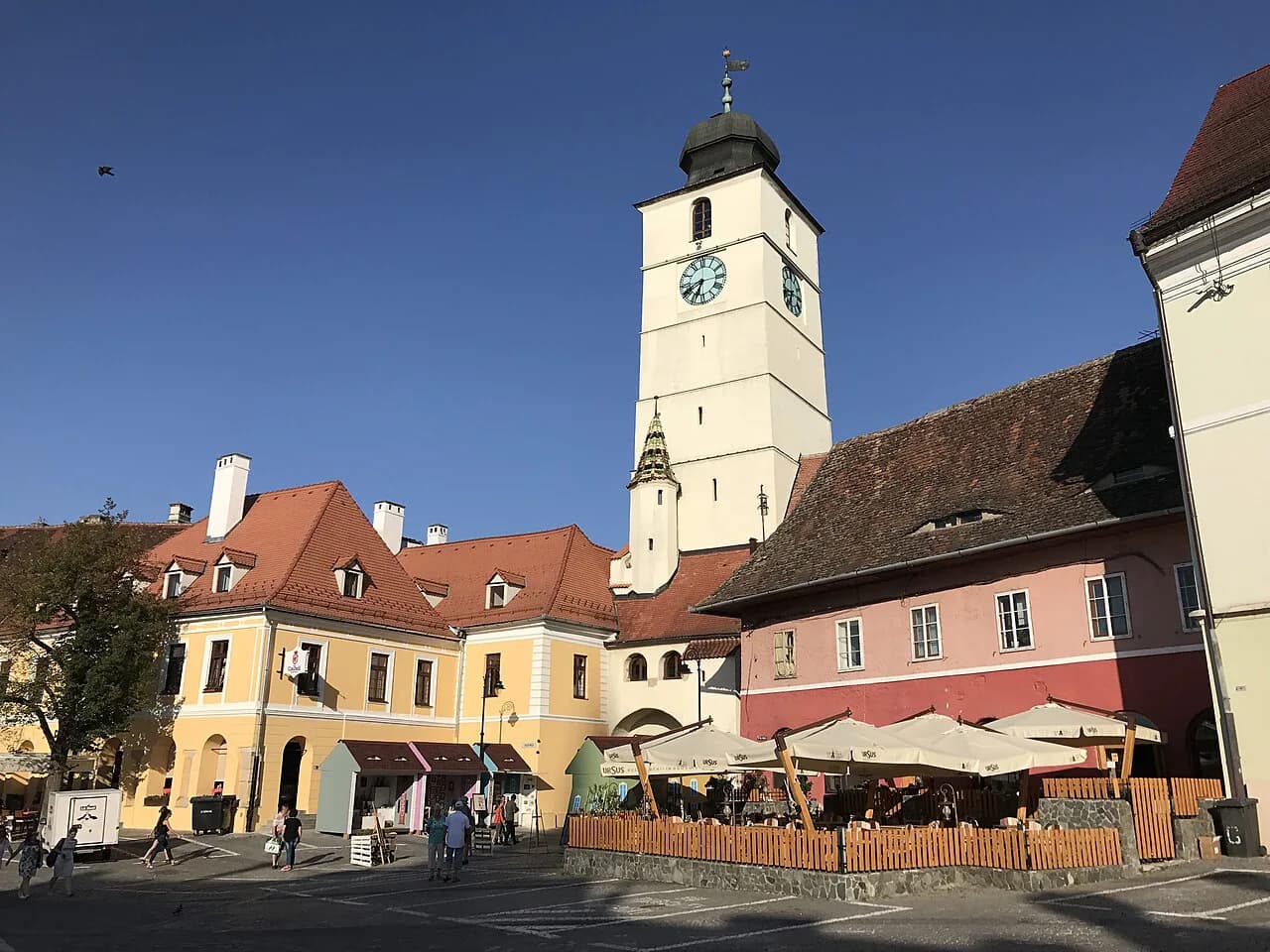
One day covers the core: Piața Mare (Large Square), Piața Mică (Small Square), Turnul Sfatului (the Council Tower) and the Bridge of Lies, plus a wander past the houses with eyes. That is a full day on foot without rushing, but it leaves the museums for next time. If you have only a single day, keep the squares and the tower and cut the museum interiors.
Two days let you add the Brukenthal Palace on Piața Mare and the ASTRA National Museum Complex, which sits outside the centre and deserves its own half-day. Expedia describes the open-air museum as spread over 237 acres (96 hectares) with more than 400 traditional structures, including mills, wooden churches and homes. Treat it as a half-day commitment rather than a stop-off between squares.
The centre was restored after Sibiu shared the first European Capital of Culture title with Luxembourg in 2007, which explains the tidiness of the main squares. That restoration is also why the old town rewards slow walking rather than a checklist. Plan your day around streets and viewpoints, not just named sights.
What one day in Sibiu covers
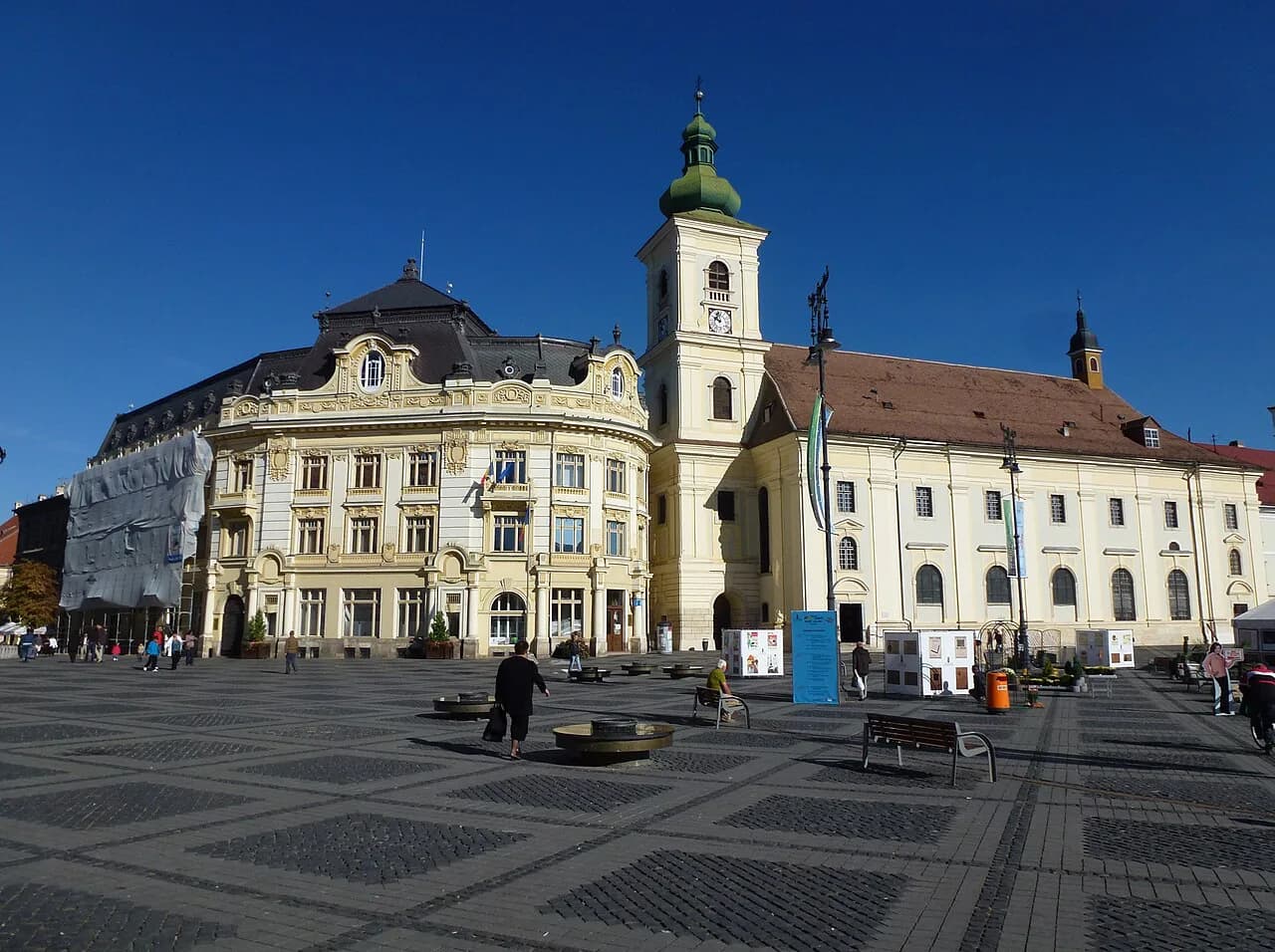
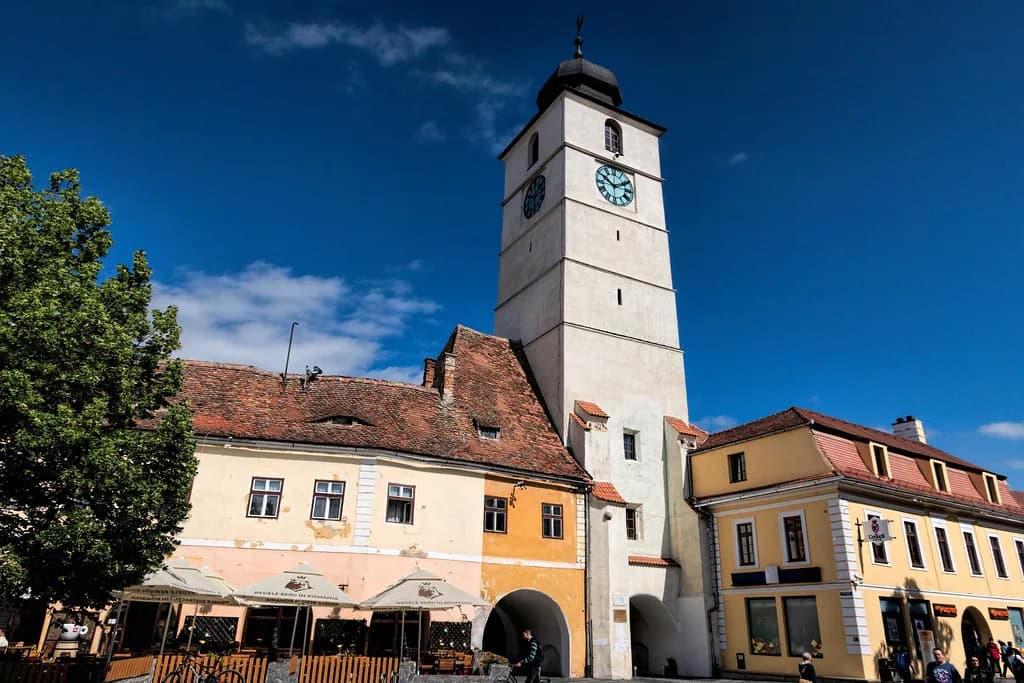
Start in Piața Mare, the city's main square, ringed by colourful medieval buildings and landmarks including the Brukenthal Museum and the Holy Trinity Roman Catholic Church. A passageway under the 13th-century Turnul Sfatului links it to the smaller Piața Mică, so you can walk the two squares as one loop. Climb the Council Tower for views over the rooftops towards the Făgăraș Mountains.
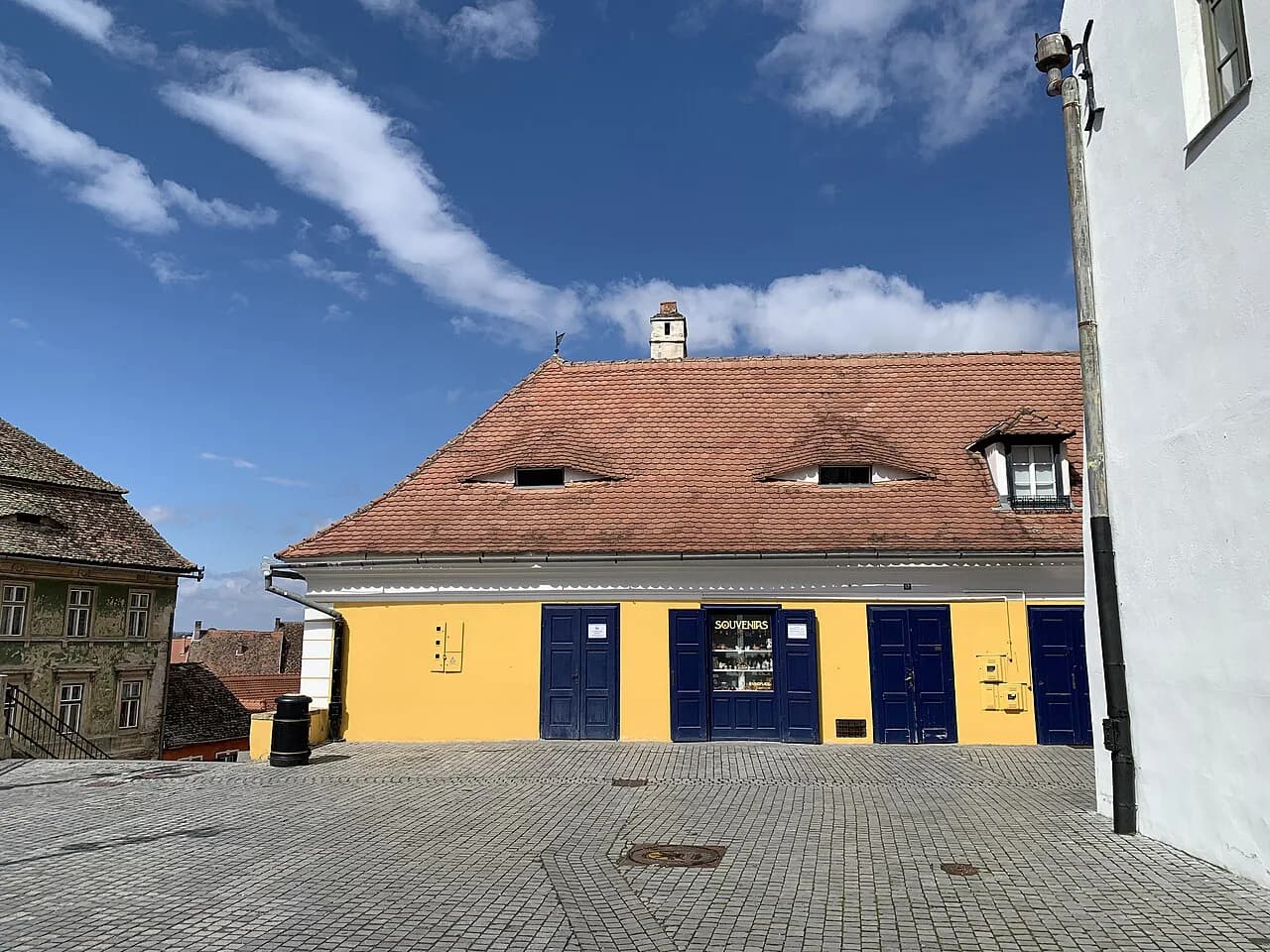
Then look up. The Eyes of Sibiu are small roof windows that resemble half-open eyes, and they appear on the older houses across the centre. They began appearing around the 15th century and became more widespread in the 19th, and they are more prominent in Sibiu than in other Transylvanian towns. Allow time to look above the shopfronts rather than only at street level.
Finish with the Bridge of Lies and the lanes of the lower town, which sit below the main squares and are easy to miss if you stay on the ridge. The Holy Trinity Orthodox Cathedral is free to visit and has a richly decorated interior, so it fits a walking day without adding a ticket to your budget.
Why two days suit Sibiu better
The second day belongs to the Brukenthal National Museum and the churches. Brukenthal Palace on Piața Mare holds one of Romania's top art collections, and it is a two-to-three-hour visit if you engage with it rather than pass through. Pair it with Saint Mary Evangelical Cathedral, the Lutheran church whose tower is another climb in the centre.
The ASTRA National Museum Complex fills the rest of the day and should not be squeezed into an afternoon. It is an open-air museum of Romanian peasant life with mills, wooden churches and farmhouses spread across the site, so walking shoes matter more than a timetable. Check the current opening days at the museum entrance before you commit, since the complex runs seasonal hours.
If you would rather not spend a whole half-day at ASTRA, the Altemberger House history museum is a compact alternative in the centre. Either way, the second day is where Sibiu stops being a pretty square and starts being a city with a collection worth your time.
What a third day adds
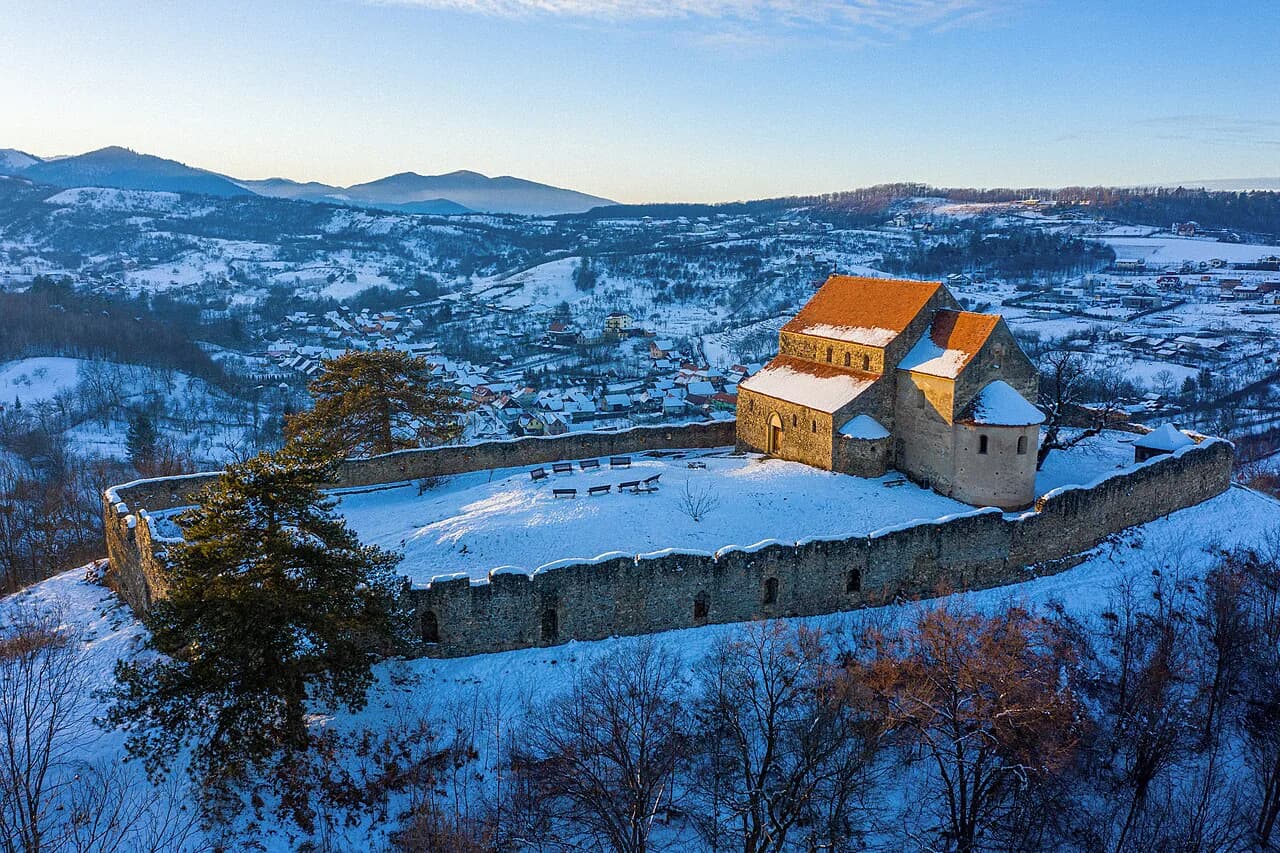
A third day is best spent outside the city walls. Cisnădioara, with its hilltop church on Dealul Sfântul Mihail, and Rășinari are close enough to reach and back in a day, and both give you the Saxon and pastoral countryside that the city grew out of. Sibiel, known for its glass icons, is another village option on the same side of Sibiu.
Avrig, on the road towards Făgăraș, pairs Brukenthal's summer palace with a small town stop and suits travellers who want a longer, slower loop by car. Without a car, keep the third day local and use it for the lower town and the streets you skipped on day one.
Sibiu as a base or a stop
Sibiu sits 170 miles (270 kilometres) northwest of Bucharest, and Expedia's advice for reaching it from the capital is the train followed by a trolleybus into the centre. That distance is why a day trip from Bucharest does not work: the return journey eats the day. Use Sibiu as a stop on a longer Transylvania route, or as a base of two or three nights.
Organised day trips reach Sibiu from Brașov and from Cluj-Napoca, which suits travellers without a car who do not want to spend the trip on public transport. A Bucharest departure is not realistic for a single day. If you are weighing up Brașov against Sibiu for a short break, Brașov sits closer to Bran and Râșnov and works well for a castle-focused trip, while Sibiu works better as a walking city.
Where the days go: walking times in the centre
The centre is walkable end to end. Piața Mare, Piața Mică and the Bridge of Lies sit within a few minutes of each other, so a morning covers the squares, the tower and the cathedral without transport. Use a Sibiu map to see how the upper and lower town connect before you set out, because the stairways and passages between them are the part visitors miss.
The ASTRA museum is the one sight that needs planning: it lies outside the centre and takes a bus, tram or taxi to reach. Budget a half-day including travel, and do not schedule it against a train departure.
If you only have one day: what to cut and keep
Keep the two squares, the Council Tower and the Bridge of Lies, and walk down into the lower town for an hour. Cut the Brukenthal interiors if time is tight, and skip ASTRA entirely: it does not fit a single day alongside the centre. A cathedral visit is quick and free, so keep the Holy Trinity Orthodox Cathedral in and drop a museum instead.
Houses with eyes and the hidden stairways cost nothing and take minutes, so they belong in any one-day plan. The trade-off is museum depth: a single day gives you the city's look, not its collections.
Two days, then decide on the third
Book two nights in Sibiu and plan one free walking day and one museum day. Add a third night only if you want Cisnădioara, Rășinari or Avrig, or if you would rather slow down than move on. Check museum opening days when you arrive, since ASTRA and the Brukenthal do not run to the same schedule.
Explore more Sibiu guides
Frequently Asked Questions
Is Sibiu worth visiting for a city break?
Yes. Sibiu has a compact, restored old town with two main squares joined by a passage under the Council Tower, a set of museums including the Brukenthal and the ASTRA complex, and surviving medieval fortifications. It works well as a two-day city break or as a base for the villages around it.
How many days in Brașov is enough?
Brașov is usually given two to three days because Bran and Râșnov castles sit close by and pull time away from the town itself. Sibiu needs less transport and more walking, so two days there covers more of the centre than two days in Brașov would.
Can you visit Sibiu as a day trip from Bucharest?
It is not realistic. Sibiu lies about 270 kilometres northwest of Bucharest, and the train plus a trolleybus into the centre takes a large part of the day each way. Organised day trips run from Brașov and Cluj-Napoca instead, and a night or two in Sibiu is the better use of the journey.
Sources
Useful notes for your next trip
Optional updates to our guides.
You might also like
Continue reading
More guides you'll find useful