Transfăgărășan Opening: When the Road Is Open and How to Check
The Transfăgărășan opens only for the summer months. Here is how the opening window works, how to check the road's status, and what to plan around it.
On this page
The Transfăgărășan is open only from June to October, so any drive over its high section has to be planned inside that summer window. The road climbs through the Făgăraș Mountains to a 2,042 m tunnel at Bâlea Lake, and the same stretch is closed for the rest of the year. This guide covers how the opening is announced, what the drive involves, and what you can still reach from either end when the pass is shut.
The summer-only opening window
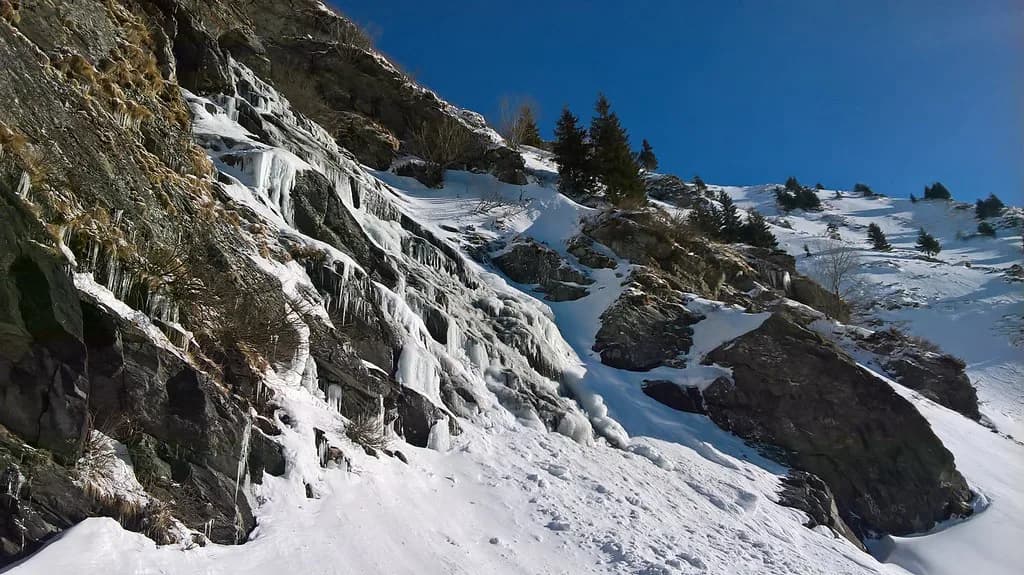
The highway is fully open only from June to October, when snow and ice are off the high bends and the Capra Tunnel is clear. Outside that window the road can be shut for months, and the closure applies to the mountain section rather than to the towns at either end. Planning a trip in July or August gives you the widest margin at the top of the pass.
The road stretches 152 kilometres from Băscov, near Pitești, through Curtea de Argeș and over the mountains to Cărțișoara. That length matters for planning because the usable season at the highest point is narrower than at the lower approaches. A late-May or early-October attempt may find the top still closed even when the valley roads are clear.
How the annual opening is announced
The opening is announced each year by the Brașov Regional Directorate of Roads and Bridges, the roads authority responsible for the route. In 2025, the announcement came in early May and reported an opening within the following two weeks, earlier than usual. That example shows the pattern: the date is set each season rather than fixed in advance, so you check it rather than assume it.
A single opening announcement does not guarantee the road stays open. Weather can force temporary closures even inside the June to October window, and the authority's statements are the ones to follow for the current position. Check the roads authority's announcement close to your travel date rather than relying on a date from a previous year.
What the highest point means for a drive
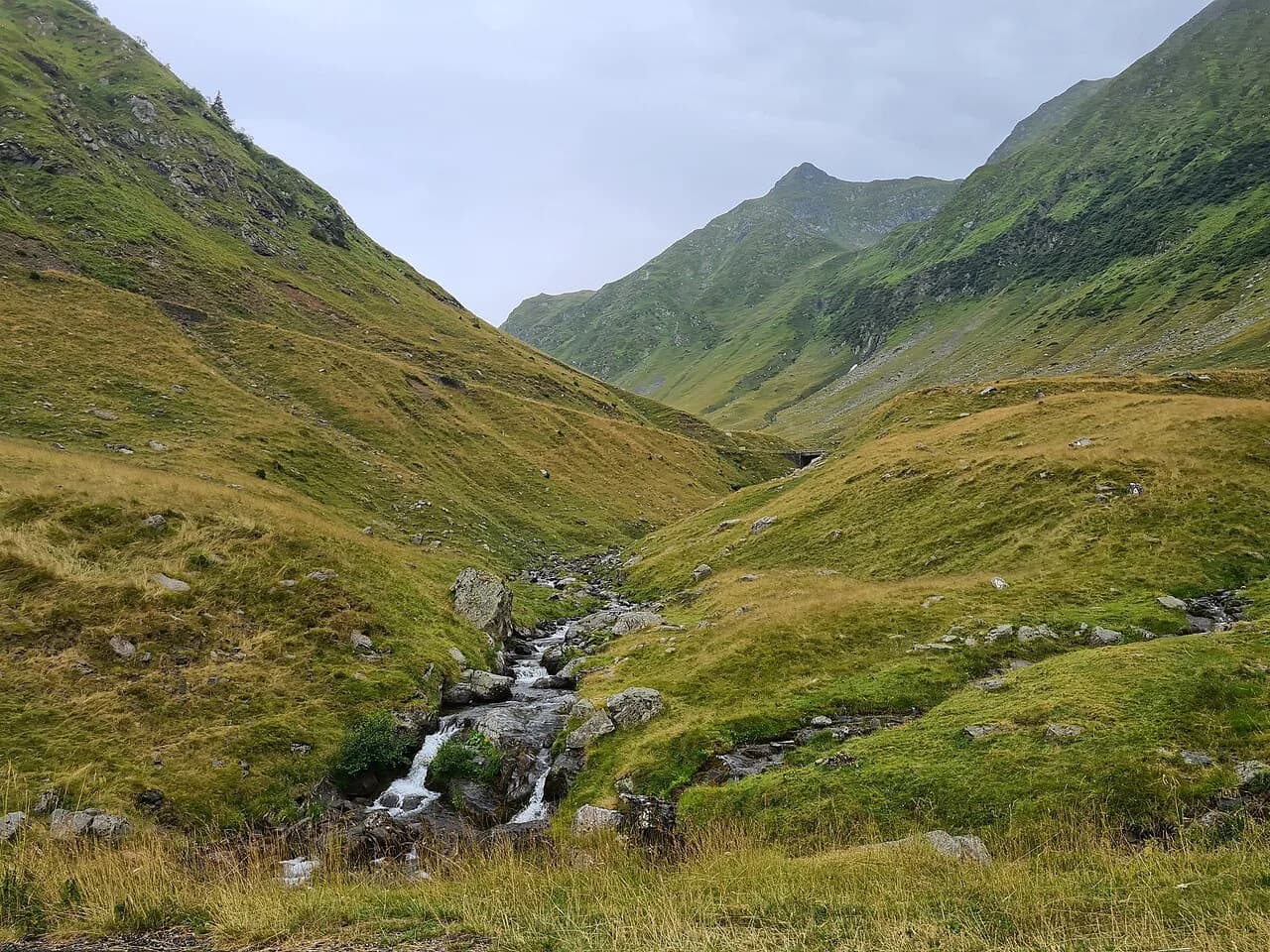
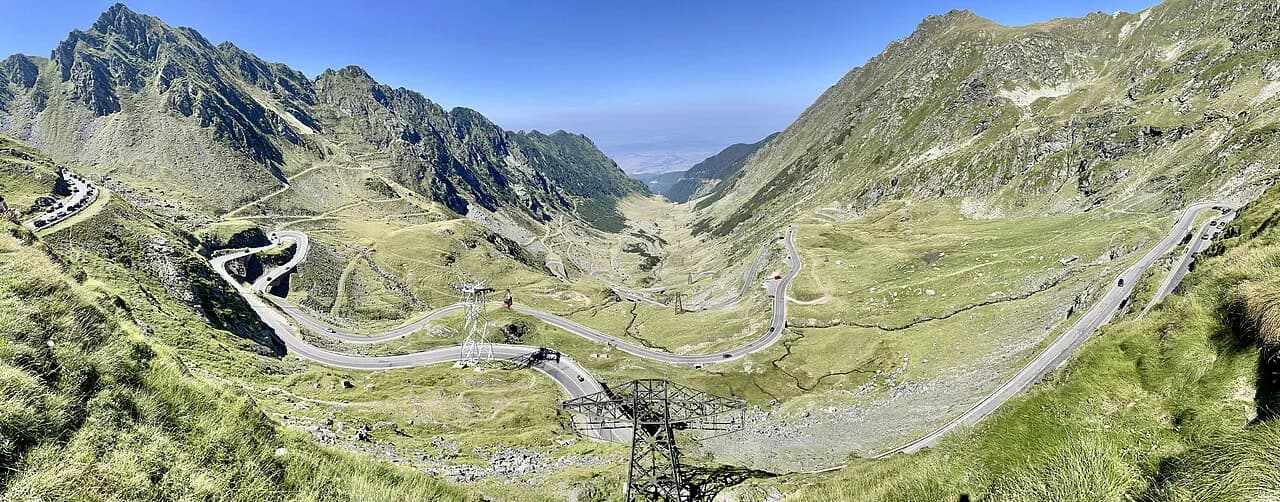
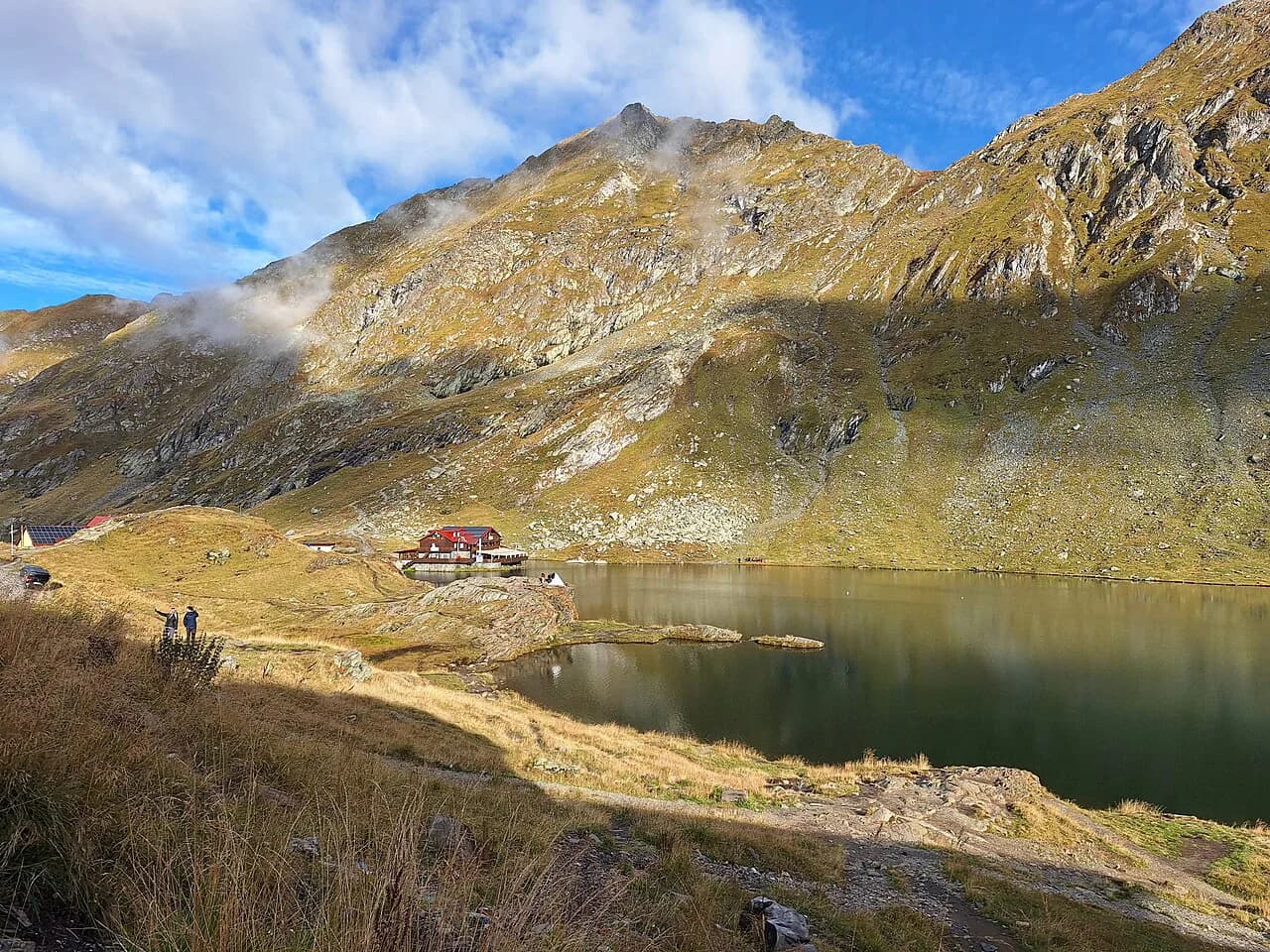
The road's highest point is the 890 m Capra Tunnel at 2,042 m, which links the northern and southern sides at Bâlea Lake. The climb to that altitude is what makes the season short and the drive slow: hairpins, short tunnels and steep gradients keep average speeds down. Build the day around reaching the tunnel and the lake rather than around covering distance quickly.
The Transfăgărășan is not the highest road in Romania; the Transalpina further west reaches 2,145 m, so if altitude is the aim, compare the two before committing. The Transfăgărășan remains the one with the tunnel at the top and the lake beside it. Treat the pass as a scenic mountain drive rather than a quick cross-country route. For the practical details, see the Transalpina.
Where the road starts and ends
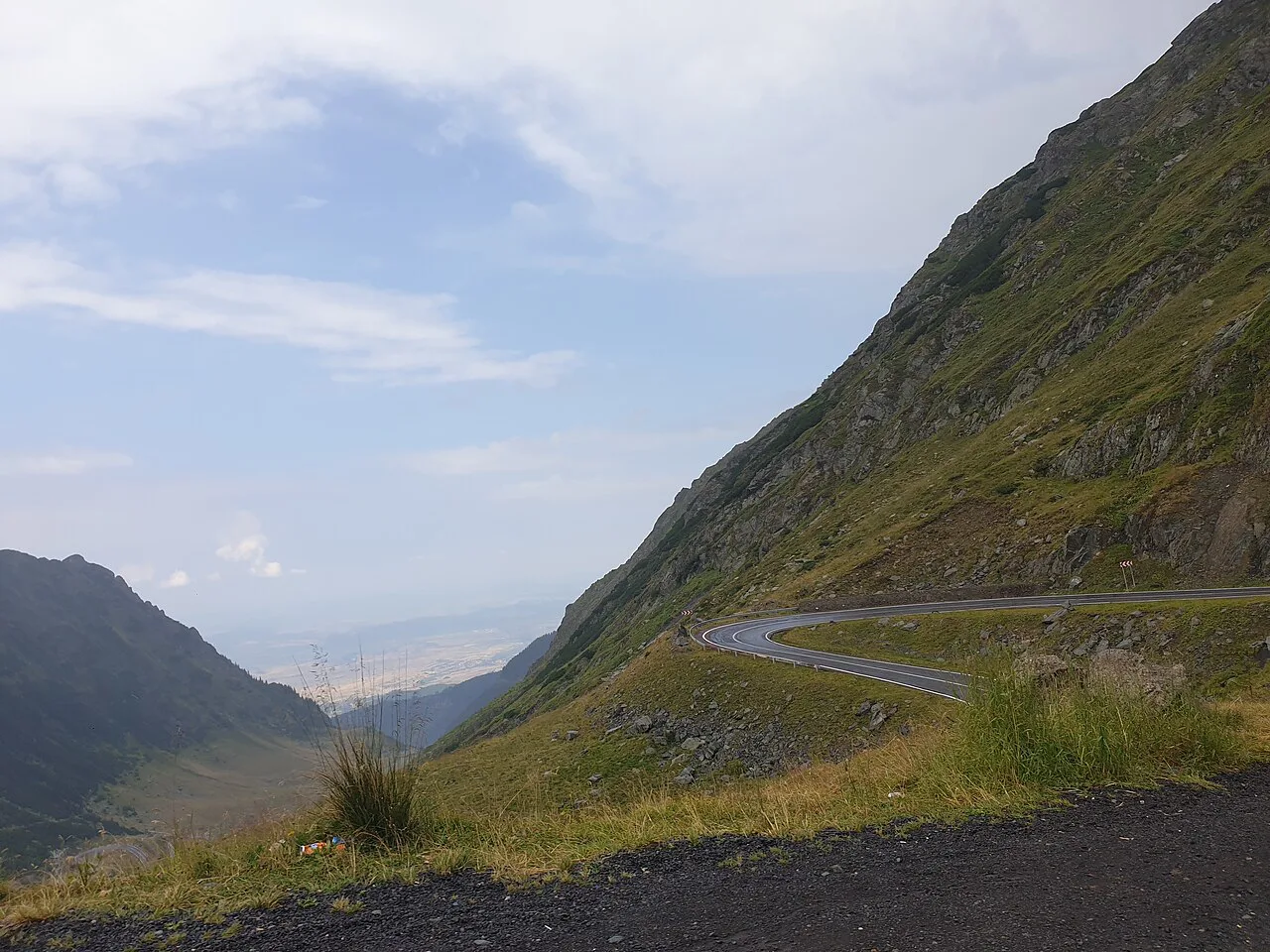
The DN7C officially becomes the Transfăgărășan at Albestii de Arges, a small village 6 km north of Curtea de Argeș. From Bucharest, the practical approach is the A1 motorway to Pitești, then north through Curtea de Argeș and on to Albestii de Arges. The tarmac to the pass begins after that village, so the southern end of the drive is a valley road before it becomes a mountain one.
At the northern end, the road finishes near Cărțișoara, which puts you on the Transylvanian side of the mountains. Driving the full route in one go means committing to a long day with the tunnel in the middle, so decide early whether you want the through-drive or an out-and-back from one side. The northern approach is the shorter run to the lake if you are coming from Sibiu or Brașov.
The southern approach: Curtea de Argeș, Poienari and Vidraru Dam
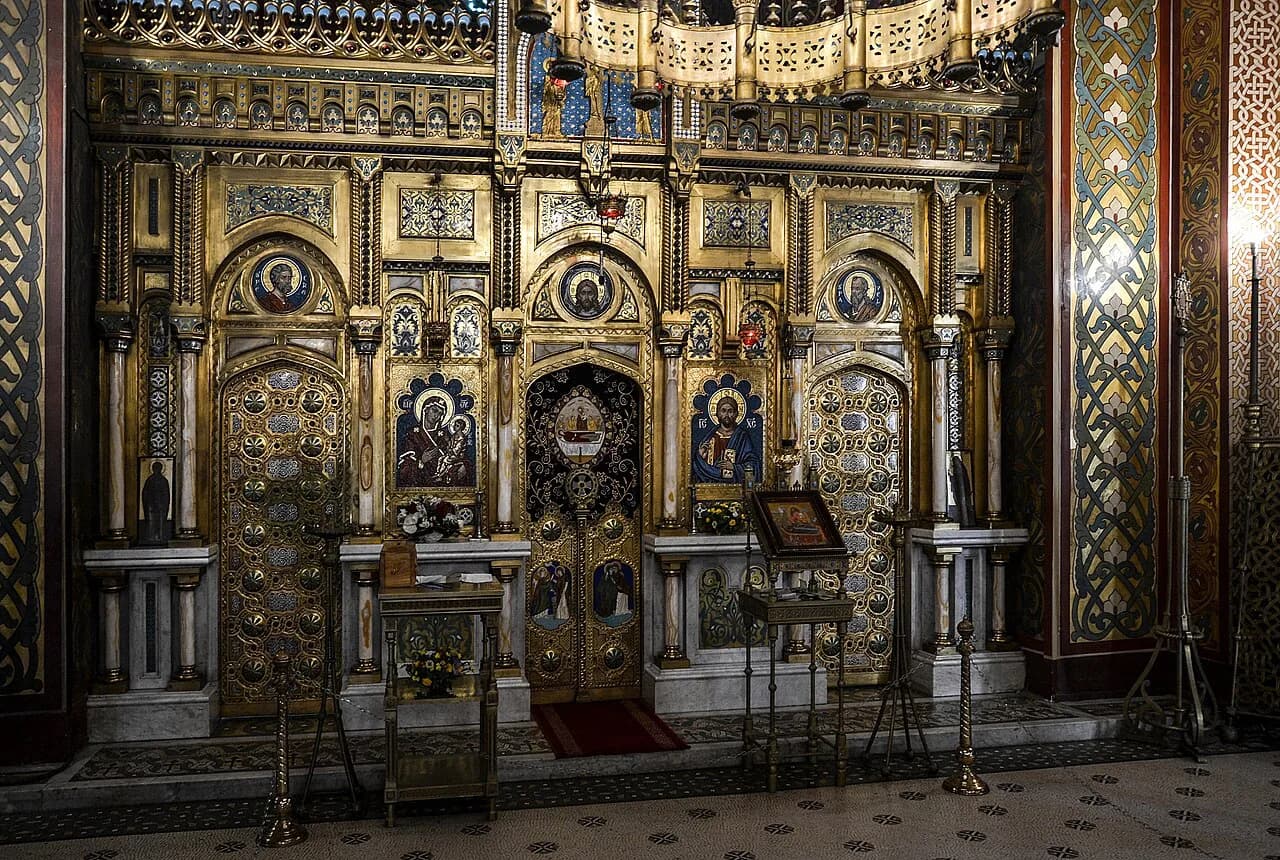
Curtea de Argeș is the natural first stop, 38 km north of Pitești. The Princely Court ruins are open 10:00–17:00, and the cathedral of the Curtea de Argeș Monastery, built between 1514 and 1526, stands a short distance north of the town on the way to the pass.
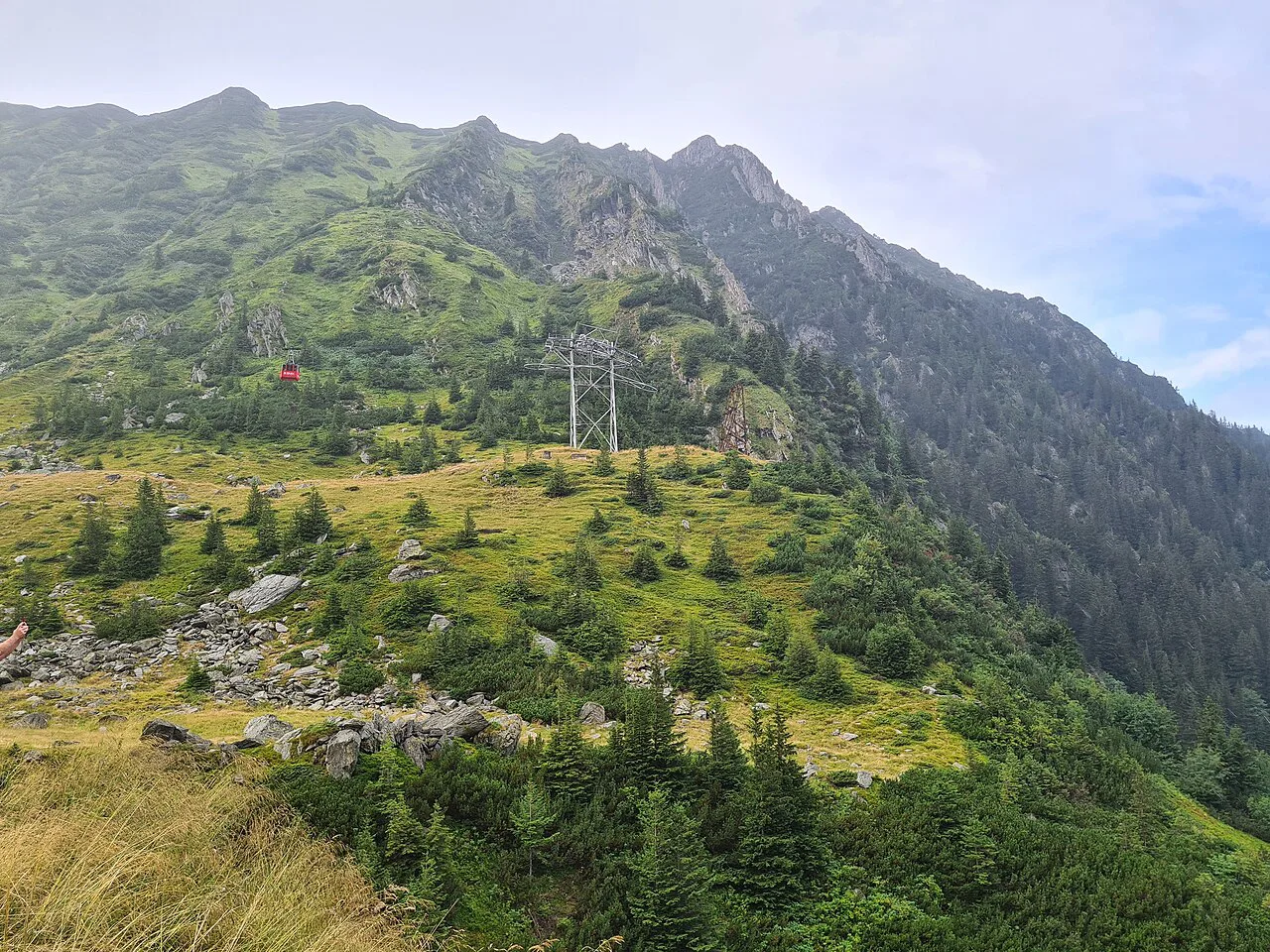
Past Albestii de Arges, the road passes Căpățânii Pamântului, the last village before the serious hairpins, and the ruins of Poienari castle sit high to your left. Visiting Poienari means a climb of more than 1,500 very steep steps, so it is a demanding detour rather than a quick photo stop. Bran Castle, often marketed as Dracula's lair, was never Vlad's home; Poienari is the site with the historical connection.
Further on, the road crosses the top of the Vidraru Dam, completed in 1966, with views over Lake Vidraru. In summer there are 30-minute boat trips on the lake at 10 lei per person, with departures arranged ad hoc depending on visitor numbers, so July and August weekends are the safest bet for a place. The dam is also where the climb to the tunnel begins in earnest.
What you can still reach when the high section is shut
When the tunnel section is closed, the southern approach still gives you Curtea de Argeș, Poienari and the Vidraru Dam, all below the seasonal closure. That makes a worthwhile day out from Bucharest outside the June to October window, as long as you accept that you will not cross to the northern side. Check locally how far up the valley the road is open before setting out.
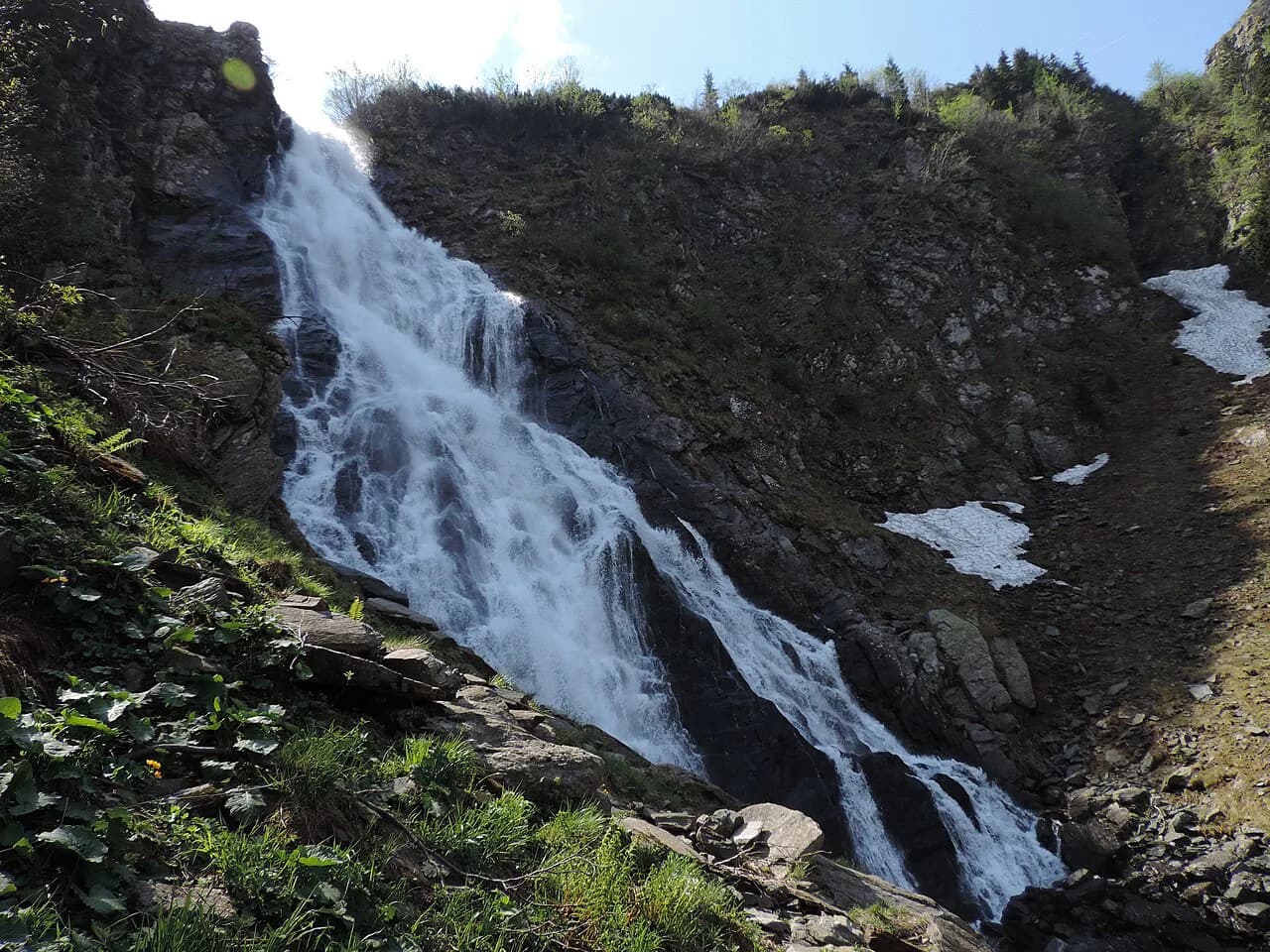
From the northern side, the road up towards Bâlea Lake and the Bâlea Cascadă chalet area is the usual objective when the pass is shut. The waterfall and the lake area sit at the Transylvanian end, which is why a northern out-and-back is the shorter option for anyone based in Sibiu or Brașov. The tunnel itself is the part that closes, so plan to turn round below it.
How long the drive takes
Do not treat the 152 km as a motorway distance. Hairpins, short tunnels and the climb to 2,042 m mean a full day if you stop at Curtea de Argeș, Poienari and the dam, and a long half-day if you drive straight through. A June or September crossing gives you more room before the light goes.
Checking the road's status before you set out
Check the roads authority's latest announcement in the days before you drive, and again on the morning if the weather has turned. The opening is set each season, so a date that worked in a previous year tells you the pattern but not the current position. Carry warm layers even in summer, because the tunnel at 2,042 m is markedly colder than the valleys.
Is the Transfăgărășan worth planning around the window?
Yes, if you can travel between June and October and want the tunnel, the lake and the full crossing. If your dates fall outside that window, the southern approach through Curtea de Argeș, Poienari and the Vidraru Dam still fills a day, and the northern run to Bâlea Lake gives you the high scenery without the tunnel. Decide which side you are driving from first, then check the authority's current announcement before you commit.
Explore more Transfagarasan guides
Frequently Asked Questions
Can I drive the Transfăgărășan outside June to October?
The road is fully open only from June to October, and the tunnel section at the top is closed outside that window. The lower approaches at Curtea de Argeș and around the Vidraru Dam on the southern side, and the Bâlea Lake area on the northern side, are the parts to plan around when the pass itself is shut. Check the roads authority's current announcement before you go.
Who announces the Transfăgărășan opening each year?
The Brașov Regional Directorate of Roads and Bridges announces the opening. In 2025 the announcement came in early May and reported an opening within the following two weeks, earlier than usual. The date is set each season, so check the latest statement rather than relying on a previous year's timing.
Sources
Useful notes for your next trip
Optional updates to our guides.
You might also like
Continue reading
More guides you'll find useful