
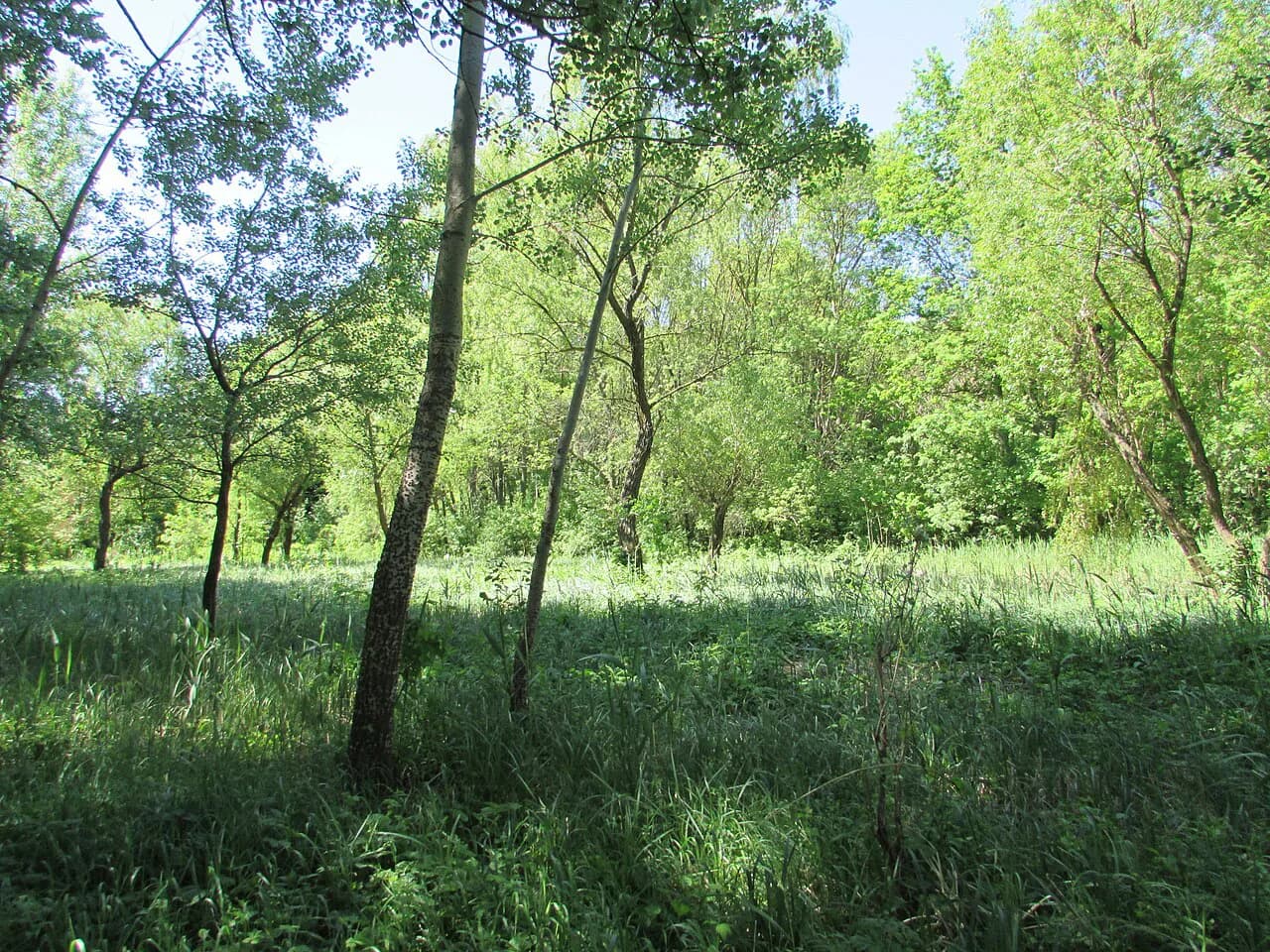
Botanical Garden Iași: What to See at Anastasie Fătu

The Anastasie Fătu Botanical Garden deserves an hour or two of a Iași trip, especially if you are already heading up to Copou. It is a working university garden rather than a municipal park, founded in 1856 and organised into ten main sections, so it rewards a little planning rather than a wander through the gate.
This page covers where the garden sits, how to reach it from the centre, what the sections actually contain, how long to allow and which nearby sights fit the same afternoon. Visitor information sits on the garden's own university page, linked below where it belongs.
What the Anastasie Fătu Botanical Garden is
This is the botanical garden of Alexandru Ioan Cuza University, named after Anastasie Fătu and run as an academic institution with research and teaching functions alongside its public role. That origin explains the layout: collected and labelled plant groups arranged for study, rather than bedding displays laid out for postcards. Expect to read labels and look closely rather than simply stroll.
The garden was founded in 1856, and it is described as Romania's oldest university botanical garden. That pedigree is the reason to give it time: the collection has been built up over more than a century and a half, and the ten-section arrangement reflects that accumulation rather than a single modern design.
If you want the wider context of what else Iași holds, from churches to museums, start with Iasi Attractions: 11 Visitor Guides and pick the garden as one item on a short list rather than the whole day.
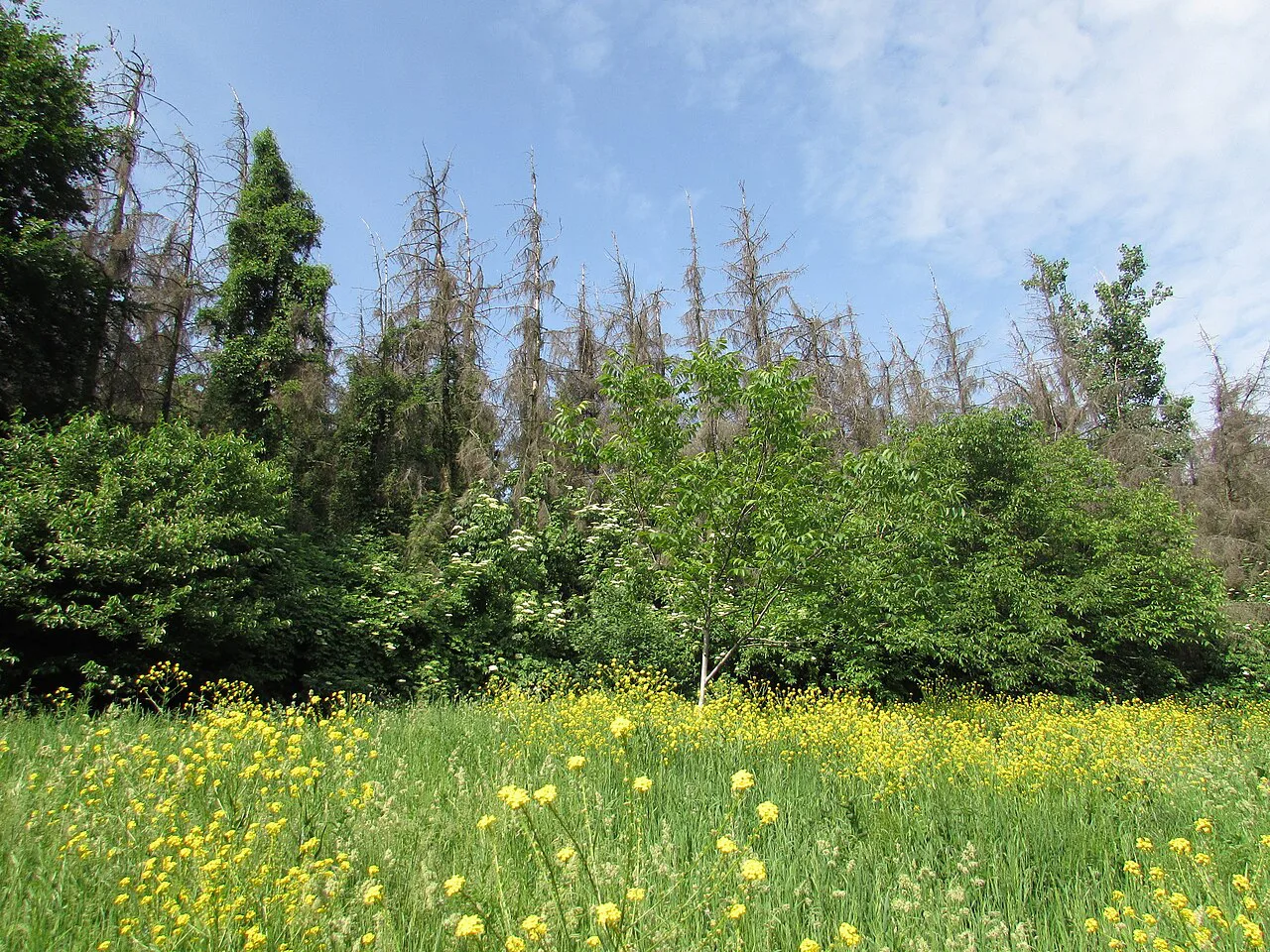

Where the garden is and how to reach it from central Iași
The garden sits in Copou, the uphill neighbourhood north-west of the city centre, close to the university's Copou campus and the park of the same name. It is not on the main tourist circuit around the Palace of Culture, so treat it as a deliberate trip rather than something you pass.
From the centre, the straightforward approach is uphill along the Copou corridor, on foot if you have the legs for the climb or by taxi or bus to the Copou area. Walking takes long enough that you should pair the garden with Copou itself rather than planning to dash back down and straight into another museum.
If you are weighing up how the city fits together before you commit, the practical guide to Iasi sets out the centre, Copou and the older quarters so you can see where the garden falls.
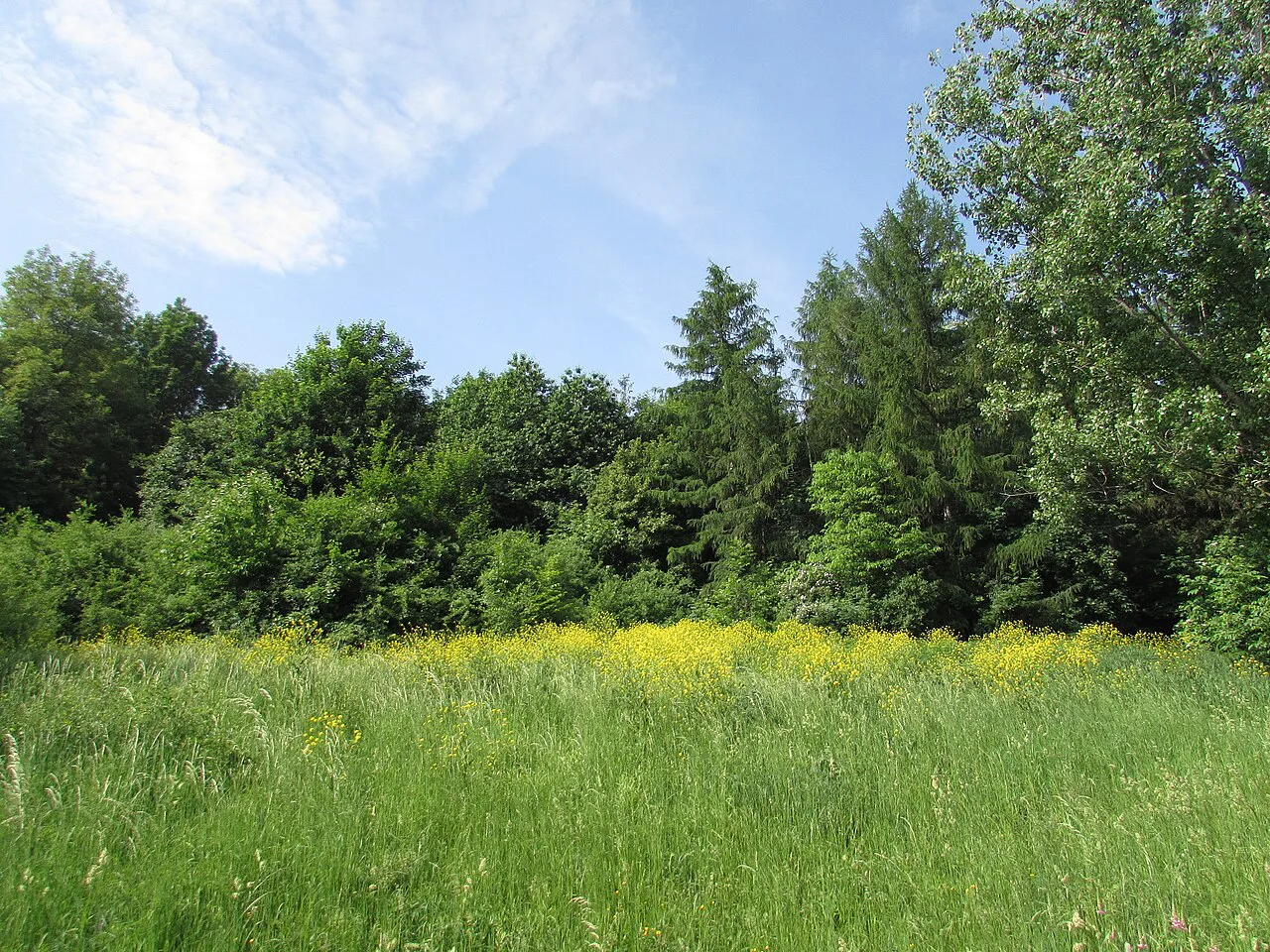

The ten sections and what you walk through
The garden is divided into ten major sections with thousands of plant taxa between them, which is the single most useful fact for planning a route. Rather than trying to cover everything in one go, pick two or three sections that interest you and walk those properly, then let the rest go.
In practice this means choosing the collections that interest you and reading the labels as you go, rather than trying to tick off every grouping. Because the arrangement is by collection type, a route that jumps between sections in no particular order wastes more time than it saves.
Walk the sections you have chosen slowly and read the signage; the value here is in identification and comparison, not in covering ground. If you are travelling with someone who wants a park bench and a view rather than plant labels, split up and meet at the gate.
How long to allow and the pace that works
How long you spend is your own call rather than a fixed figure, so decide in advance how much you want to read. A focused two-section walk at an unhurried pace fills the time you give it; allowing much longer only makes sense if you are seriously interested in the collections, because the garden's draw is depth rather than spectacle.
The best pace is slow and selective: choose your sections at the entrance, walk them in one pass and resist the urge to double back. Late morning works well because you arrive fresh for the uphill walk and still have the afternoon free for the centre.
Season shapes the visit, and spring and early summer give you the most to look at in the outdoor plant groups. If flowers are the main reason for coming, time the trip around what is actually in bloom rather than around any fixed date.
Tickets, opening hours and seasonal displays
Opening hours and ticket prices for the Grădina Botanică „Anastasie Fătu” belong on the university's garden page, which is the page to check before you set out. That page also carries the garden's contact details.
The garden is run as part of Alexandru Ioan Cuza University, so its visiting arrangements and any seasonal planting follow the university's own published programme rather than a town-hall park timetable. Check the garden's page before you travel, then decide whether anything running changes your timing.
The garden's draw is the collection itself, so plan around the sections rather than around buying ahead or payment logistics. The programme page is the place to confirm the current visiting arrangement before you set out.
What to see nearby when you leave
Copou Park is the obvious next stop, a short walk from the garden gate and an easy way to round off the uphill half of the day. It works well after the garden because you have already done the climb and can take the park at a gentler pace.
The Mihai Eminescu Museum and the Muzeul Literaturii Române Iași both sit in the Copou area and pair naturally with a garden visit if you want a literary afternoon. Each is a separate visit with its own hours, so check them before setting out.
If you would rather head back down into the centre, the metropolitan cathedral and the Palace of Culture make a strong late-afternoon pairing and are close to each other. The Muzeul de Istorie Naturală Iași is another option for anyone who wants more natural history after the garden.
For the older religious architecture, the Trei Ierarhi Church, Golia Monastery and Cetățuia Monastery are all in the lower city and reward a separate walk. The Muzeul Universității in Iași rounds out a university-themed day if the garden's academic side interests you.
Is the garden worth the walk up to Copou?
Yes, if you give it a focused hour or two and treat it as a university collection rather than a city park. Pick two or three of the ten sections, walk them in one pass and accept that you will not see everything; that is the honest way to enjoy it.
Pair it with Copou Park and one of the Copou museums and the climb pays for itself; come up for the garden alone on a tight schedule and you may feel the effort was not matched. Check current opening hours and ticket prices on the garden's page before you go.