
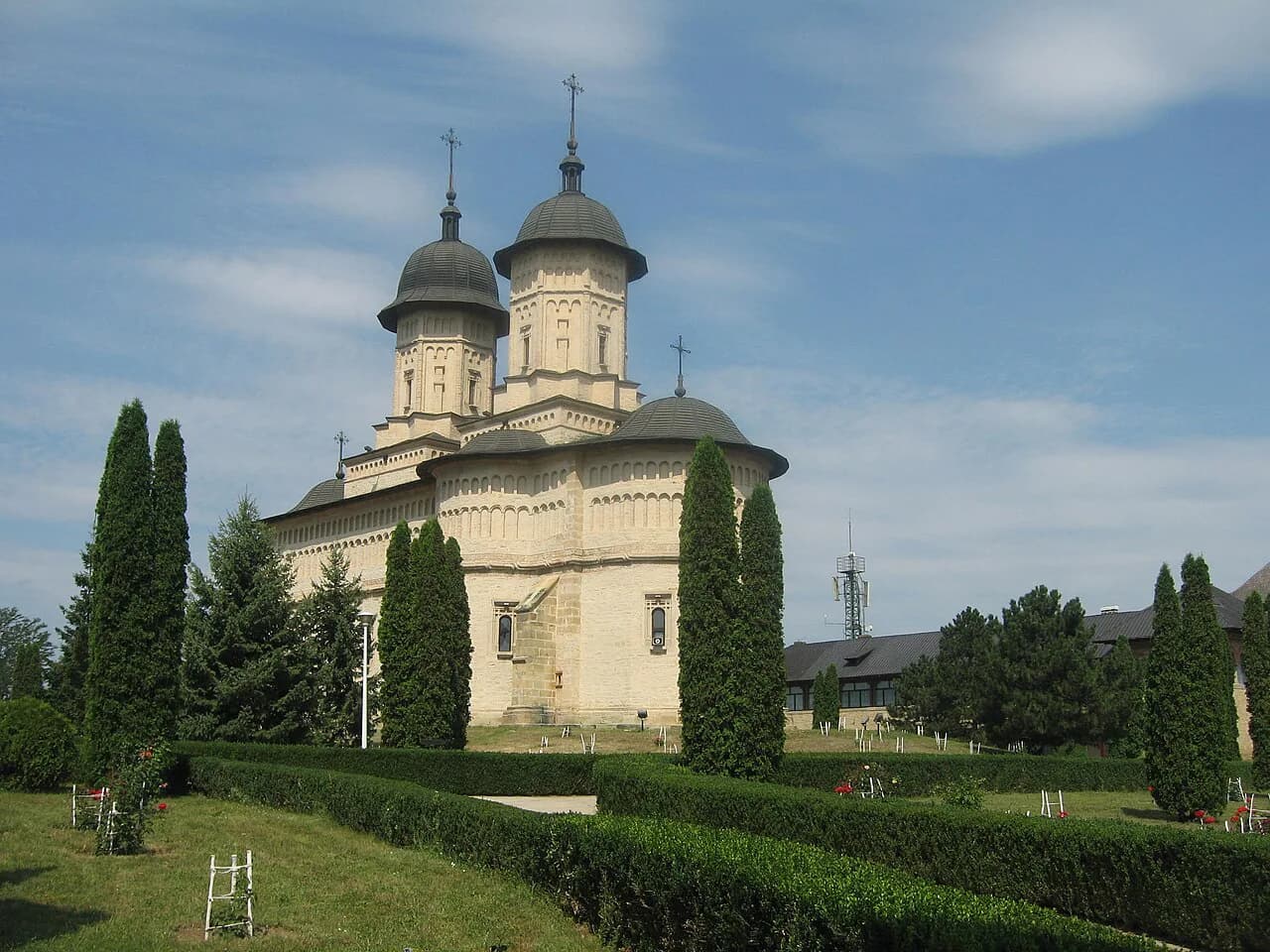
Cetățuia Monastery (Mănăstirea Cetățuia), Iași: What to See on the Hill

Cetățuia Monastery (Mănăstirea Cetățuia) is an Orthodox monastery on Cetățuia Hill above Iași, built in the 17th century by Prince Gheorghe Duca. It is a compact hilltop stop rather than a full afternoon: you go up for the walled complex, the quiet and the view back over the city, then come down to the centre. This guide covers where it sits, how to get up the hill, what to look for once you are there and how to slot it into a day in Iași.
What Cetățuia Monastery is and where it sits in Iași
The monastery stands on top of Cetățuia Hill, on the edge of the old Moldavian capital. That hilltop position is the whole point of the visit: the walls, the church and the courtyards sit above the city rather than in the street grid, so arriving means climbing or driving up. Prince Gheorghe Duca founded the complex in the 17th century.
Because it is a religious site, dress and behaviour follow Orthodox convention: shoulders and knees covered, quiet in the church, and no photography where a notice forbids it. Check locally on the day rather than turning up in beach clothes. If you are building a short list of sights, the monastery works best as one deliberate stop on the wider set of Iasi Attractions rather than as the anchor of a whole day.
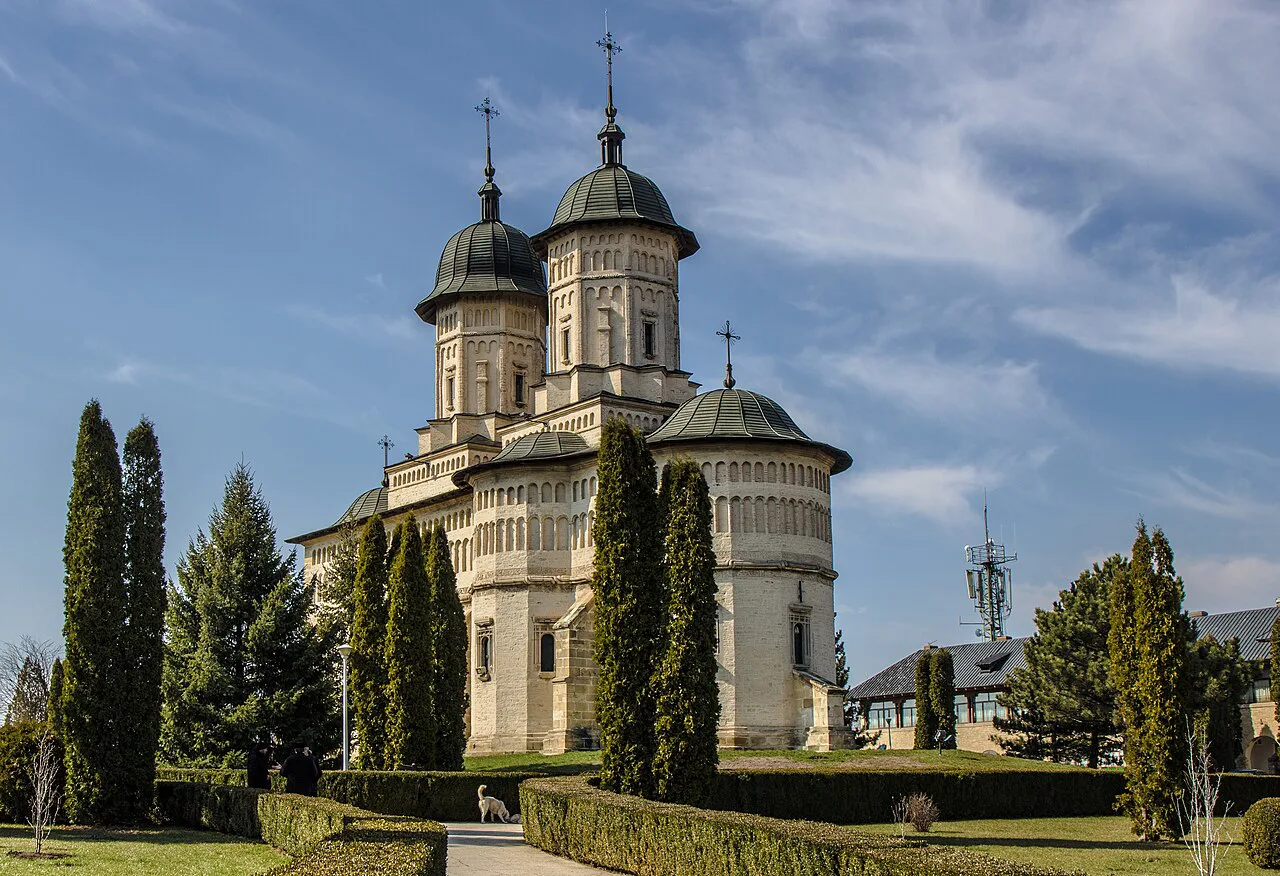

Getting to the monastery on Cetățuia Hill
For most visitors the choice is a taxi or ride-hailing car up and a walk back down, or a full walk in both directions if the weather is cool and you have the legs for it. The climb is the trade-off: walking costs nothing but takes time and sweat, while a short cab ride saves the ascent and leaves you fresh for the monastery itself. Ask the driver to wait or arrange a pickup, because the hilltop has no rank of cars waiting for fares.
Iași is reachable by plane and by train, with the airport and the main station both feeding into the city centre. If you are arriving from Bucharest or another Romanian city, sort out your rail or air leg first and treat the monastery as a half-day within the city stay.
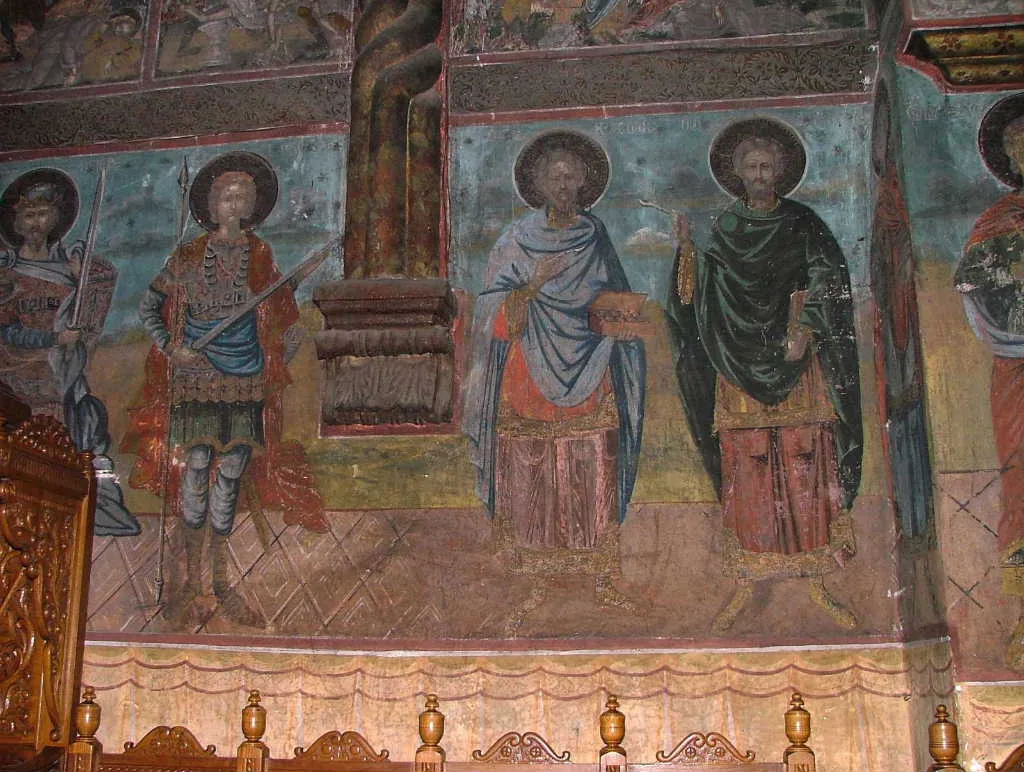

What to see at the monastery: the 17th-century complex and the hilltop setting
Inside the walls, the principal church is the reason to come: frescoed interiors, icons and the standard Orthodox layout of iconostasis and nave. The monastery church at Cetățuia is a separate foundation from the city's better-known shrines, so do not expect the crowds that gather at the Metropolitan Cathedral, where pilgrims come for the relics of Saint Parascheva. Give the church itself twenty to thirty minutes, and rather more if a service is under way and you want to stay for it.
Around the church, look at the defensive enclosure, the gate and the auxiliary buildings that make the monastery read as a small fortress on the hill. This is the architecture that gives Cetățuia its character: walls built for a hilltop site, not a city parish church squeezed between streets. Walk the perimeter slowly and the visit makes sense as a single coherent complex.
The view over Iași from Cetățuia Hill
The hilltop setting pays off in the outlook: from the monastery grounds you look down over the city's rooftops and church towers rather than across a street. Bring the visit to the viewpoint at the end, when you have seen the church, and use it to orient yourself for the rest of the day.
It is also the reason to come in the morning or later in the afternoon rather than at midday, when the light flattens and the heat on the exposed hill is at its worst. Confirm access times locally before planning a visit.
How long to allow and how to pair it with the centre
Budget two to three hours door to door from the centre: the transfer or walk up, forty-five minutes to an hour at the monastery, and the descent. The visit itself is short; the hill is what takes the time. If you are walking both ways, add an hour and start earlier in the day.
Back in the centre, the obvious pairing is the Palace of Culture (Palatul Culturii), Iași, with its four museums, which fills the indoor half of a day when the weather turns. Its four collections are the History Museum, the Art Museum, the Ethnographic Museum and the Science and Technical Museum, all under one roof, so one visit covers several hours of looking.
The contrast is deliberate: a quiet walled monastery on a hill in the morning, a large civic palace in the afternoon.
For a flatter stop in the city core, the Metropolitan Cathedral (Catedrala Mitropolitană), Iași, takes far less effort to reach than the hill and sits among the central streets you will already be walking. Use it on the same day if you want city churches without another climb, and read up on the building before you go in.
Opening hours, tickets and services: where to check before you go
Hours vary with the liturgical calendar, and the church may be closed to visitors during services. Check the monastery's own notices or ask at the gate on the day; do not rely on a guidebook printed years ago. For the rest of the city, from the Palace of Culture to Copou, see this overview of Iași.
Nearby sights to add on the same outing
On the way back down, Copou Park (Parcul Copou), Iași, is a natural add-on: a public garden with shade, the Eminescu lime-tree and the Obelisk of the Lions, reached from the University area below the hill. It gives you a rest stop and a different kind of green space after the walled monastery.
If you want a second monastery in the same day, Golia Monastery, Iași, is in the lower city and combines a tower and frescoes with far less climbing than Cetățuia. Pair them only if you have a car or are happy to take taxis between the two.
Is Cetățuia worth the climb?
Yes, if you treat it as a short focused stop: a 17th-century Duca foundation, a walled hilltop complex and a city view for two to three hours of your day. Skip it if your time in Iași is one rushed day and you are already committed to the Palace of Culture and the central churches. Either way, take the taxi option seriously on a hot day and check opening hours and service times locally before you set off.