
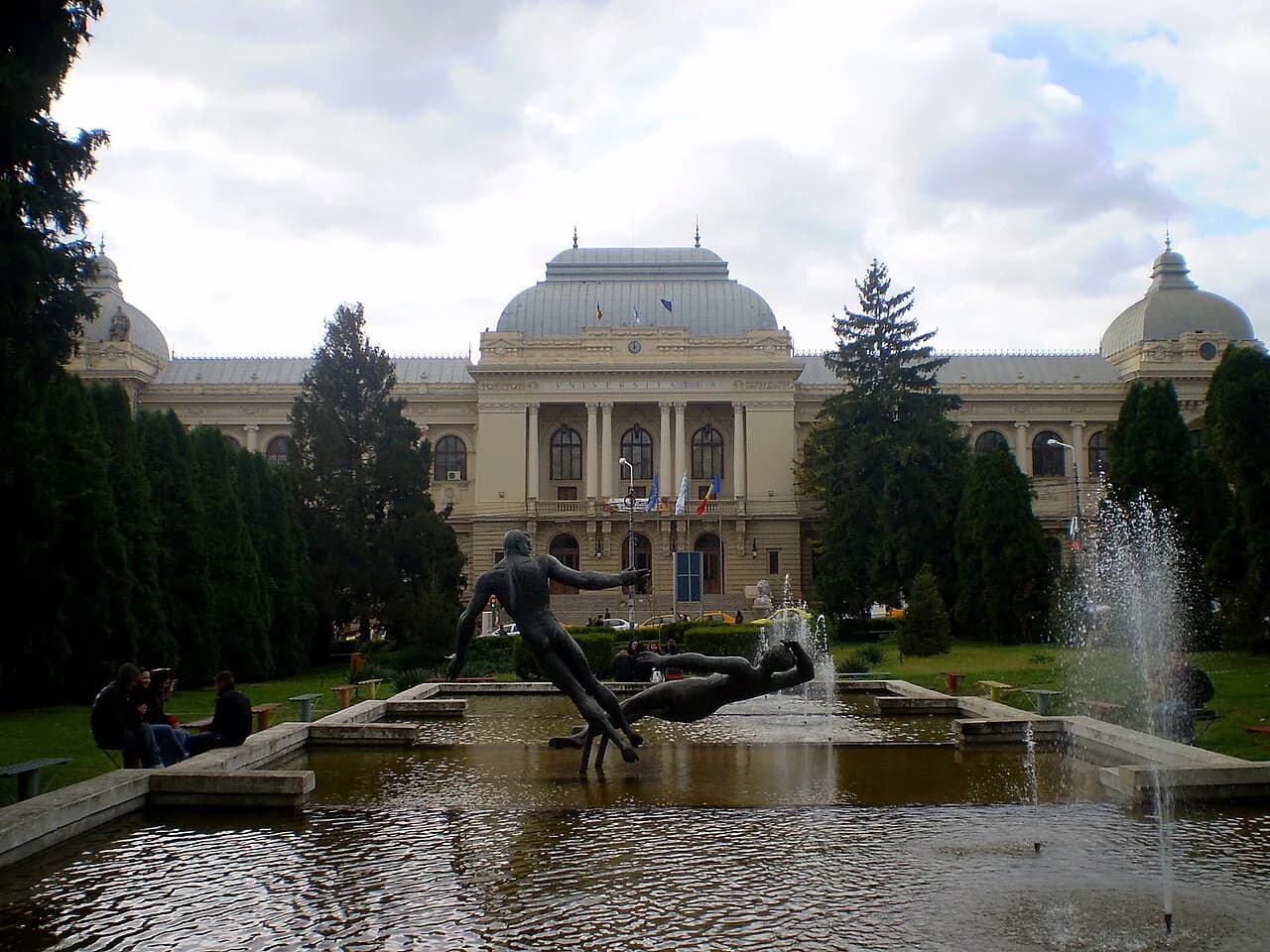
Muzeul Universității in Iași: What You'll See and How to Reach It

Muzeul Universității is worth a short stop rather than a half-day: a compact university collection on Strada Titu Maiorescu 12 in Iași, in the Copou area above the centre. It holds Cucuteni civilisation artefacts and university heritage objects, and visiting is free. This page covers where the museum sits, how to walk to it, what the displays contain and how long to allow.
What Muzeul Universității is and where it sits in Iași
The museum belongs to Universitatea „Alexandru Ioan Cuza” and carries its name. The existing museum was built on earlier academic collection work begun by scholars including Teohari Antonescu and Orest Tafrali, and it continues the collecting that started with the Museum of Antiquities set up in 1916 for finds from Cucuteni excavations and Greek Black Sea sites.
Since the university bought and fitted out the early twentieth-century house on Strada Titu Maiorescu, the collection has been shown there as a single concept. The new space was inaugurated on 26 October 2010, timed to the celebrations of the university's 150th year, and the reopened museum brought the Cucuteni material and the university heritage objects back together.
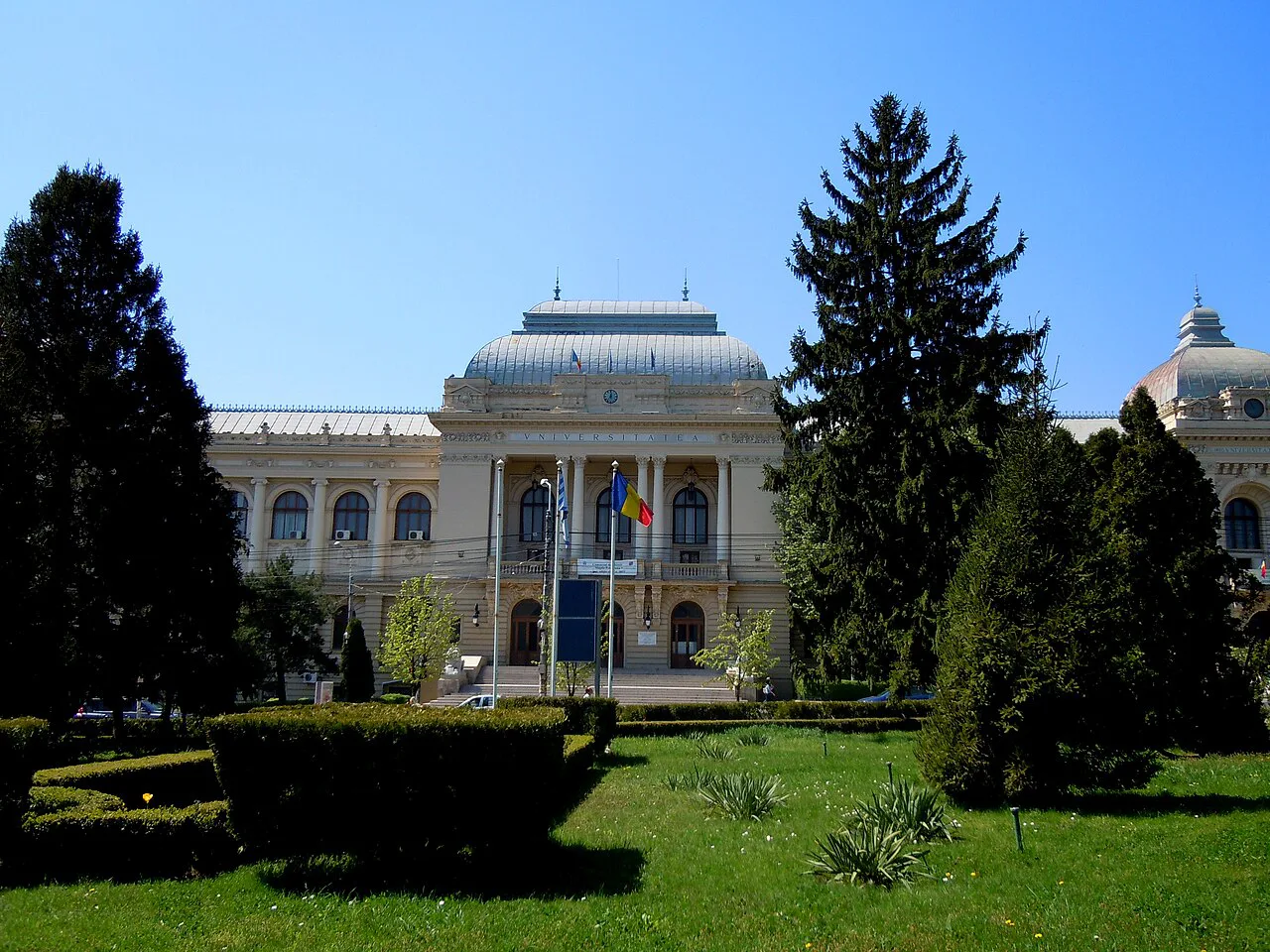

Address on Strada Titu Maiorescu and the Copou setting
The full address is Strada Titu Maiorescu 12, Iași 700460. The museum sits inside the Copou quarter, the university district on the hill above the city centre where the main university buildings and the library are clustered, so it fits naturally into a walk that starts from Copou rather than from Piața Unirii.
Treat Copou as the reference point when planning: the museum is a street address in a residential-academic block, not a building on a main square, so watch the street numbers rather than looking for a grand facade. If you are assembling a wider shortlist of stops north and south of Copou, the wider Iasi Attractions: 11 Visitor Guides set helps you judge what else deserves the time.
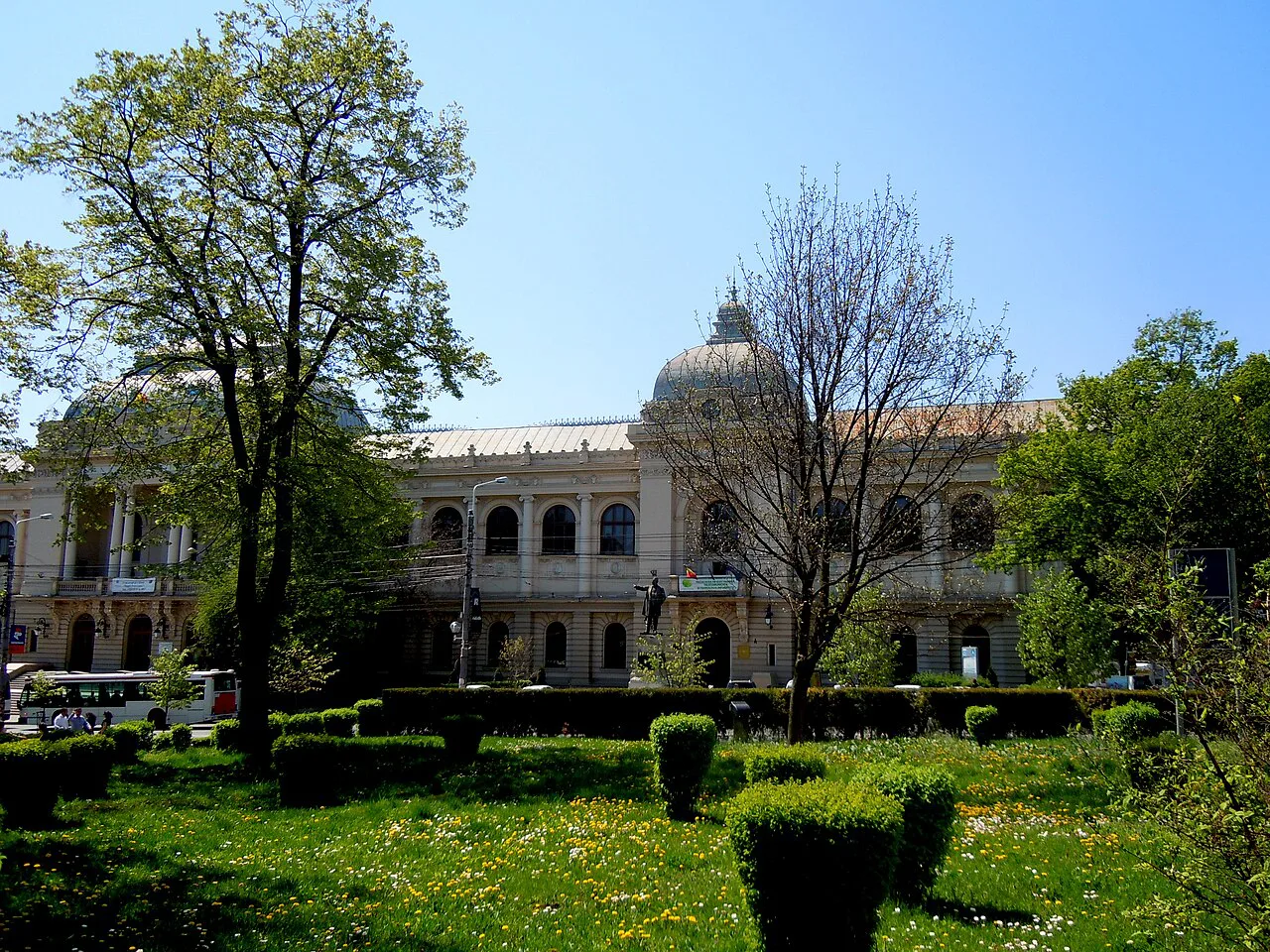

How to reach it on foot from the Copou area
On foot, aim for Copou first and then close in on Strada Titu Maiorescu. The university museum is a short add-on to a Copou loop rather than a separate outing, so the sensible plan is to combine the walk up with the other Copou addresses on your list and keep the museum as a 30–45 minute insert.
For orientation on the city as a whole, the guide to Iași: What to See, How Long to Stay and Getting Around sets out how the centre, Copou and the palace area relate to each other before you commit to a route.
What the permanent displays cover: Cucuteni material and university heritage
The display runs on two strands. The first is material from the Cucuteni civilisation, the prehistoric culture whose painted pottery was excavated in the region and which anchored the old Museum of Antiquities from 1916. The second is university heritage: documents, printed works and artefacts tracing the institution's teaching and research.
After the Second World War these academic collections passed into the custody of the Museum of History of Moldavia, today the Complexul Național Muzeal „Moldova”, under the Ministry of Culture, before the university assembled its own museum again. Knowing that helps you read the cases: this is a university memory collection as much as an archaeology display.
Objects and figures named in the exhibition, from the 1960 exhibition to the 2010 reopening
The museum traces directly to a 1960 centenary exhibition, opened on 29 October in a hall of the old university palace and built in three parts: schooling in Moldavia before 1860, the university's history from 1860 to 1944, and post-war university heritage objects. It became permanent in 1985 for the 125th anniversary, and a Senate decision in 1980 had already approved a museum of the institution.
The 1960 display presented scientific contributions by professors including Grigore Cobălcescu, Petru Poni, A. D. Xenopol, Alexandru Philippide, Garabet Ibrăileanu, C. I. Parhon, Mihai Ralea and George Călinescu. The interim museum was laid out in 31 display cases, arranged by theme and period, in the Copou palace building before the move to Strada Titu Maiorescu.
How long to allow inside
Allow 30 to 45 minutes. The collection is arranged thematically and chronologically in a house-sized space, so there is no long gallery to work through, and the Cucuteni cases plus the university heritage section are the two blocks that take the time.
Add the museum to a Copou half-day rather than making it the reason for the trip. If your main interest is archaeology on a larger scale, put the Palace of Culture, Iași collections on a different slot and keep this visit short.
Entry: visiting is free, with the museum's current status noted
Visiting Muzeul Universității is free. The museum's own page carries the ticket information alongside the address, and the visiting programme section currently states that the museum is temporarily closed, so plan the Copou walk on the assumption that the interior may not be available and check the museum page before travelling.
The museum's page shows the temporary closure in place of a visiting programme, with no reopening date given, so plan around Copou itself until the programme returns. Traveller reviews on the museum's Tripadvisor page describe the collection but do not settle whether the interior is open.
Nearby in Copou to pair with a visit
Copou Park, Iași is the obvious pairing: the park gives you a reason to be in the quarter even if the museum door is shut, and it keeps a failed visit from wasting the trip uphill. The university's other Copou collections, such as the Museum of Natural History Iași, sit in the same part of the city and can take the slot if the university museum is unavailable.
If you are staying in the centre and want one Copou-plus-centre day, finish with the Metropolitan Cathedral, Iași and the palace area on the way back down. The Botanical Garden Iași is a further Copou option when you want more time outdoors than indoors.
Practical questions visitors ask before going
Two things decide the visit: whether the interior is open, and whether you are already heading to Copou for something else. If both answers are yes, go; if the museum is your only reason for the climb, hold it until the visiting programme is restored and check the university museum page the week you travel.
The museum is a university institution, and the university's own entry confirms the museum as one of its collections, which is why the university page, not a city tourism listing, is the place to confirm its status.
Should you add the university museum to your Iași plan?
Yes, if you are already walking in Copou and want a free, short look at Cucuteni material and a century of Iași academic life. No, if it would be the sole reason for the trip while the museum's page still shows it temporarily closed.
Build the morning around Copou Park and the museum, keep the visit to under an hour, and confirm the museum's status on the university page before you set out.
Explore more Iasi guides
Frequently Asked Questions
Is Muzeul Universității in Iași free to visit?
Yes. The museum's own page states that visiting the Museum of the University is free, and that is the figure to rely on rather than anything quoted elsewhere. Because the same page currently shows the museum temporarily closed, check that the interior has reopened before you build a morning around it.
Is the university museum in Iași currently open?
The museum's page lists it as temporarily closed and gives no reopening date or visiting hours. Do not plan around a confirmed opening until that page changes, and treat Copou Park or the nearby university collections as the fallback for the same walk.
What can I see inside Muzeul Universității?
Two strands: Cucuteni civilisation material tied to the old Museum of Antiquities, and university heritage objects, documents and printed works from the institution's history. The displays follow themes and chronology, drawing on the 1960 centenary exhibition and its later permanent form.