Borgo Pass (Tihuța Pass): Where It Is and the Dracula Connection
The Borgo Pass in Dracula is Romania's Tihuța Pass on the DN17 at 1,201 m. Here is where it sits, how travellers reach it and what the junction actually is.
On this page
The Borgo Pass is the name Bram Stoker used in Dracula for a Carpathian crossing; the corresponding real pass is the Tihuța Pass, Pasul Tihuța, in the Eastern Carpathians on the DN17 at 1,201 m. It is a mountain road crossing with buildings at the summit, not a castle with a ticket desk. This guide covers where the pass sits, how the novel's name relates to it and how to work it into a town-and-castle trip.
What the Borgo Pass is
The pass is a road crossing in the Eastern Carpathians, where the DN17 joins the Dornelor Depression with the lower ground to the west. The summit stands at 1,201 m, which is high enough for the weather to feel different from the towns on either side. Treat it as a point on a drive rather than a destination with an entrance.
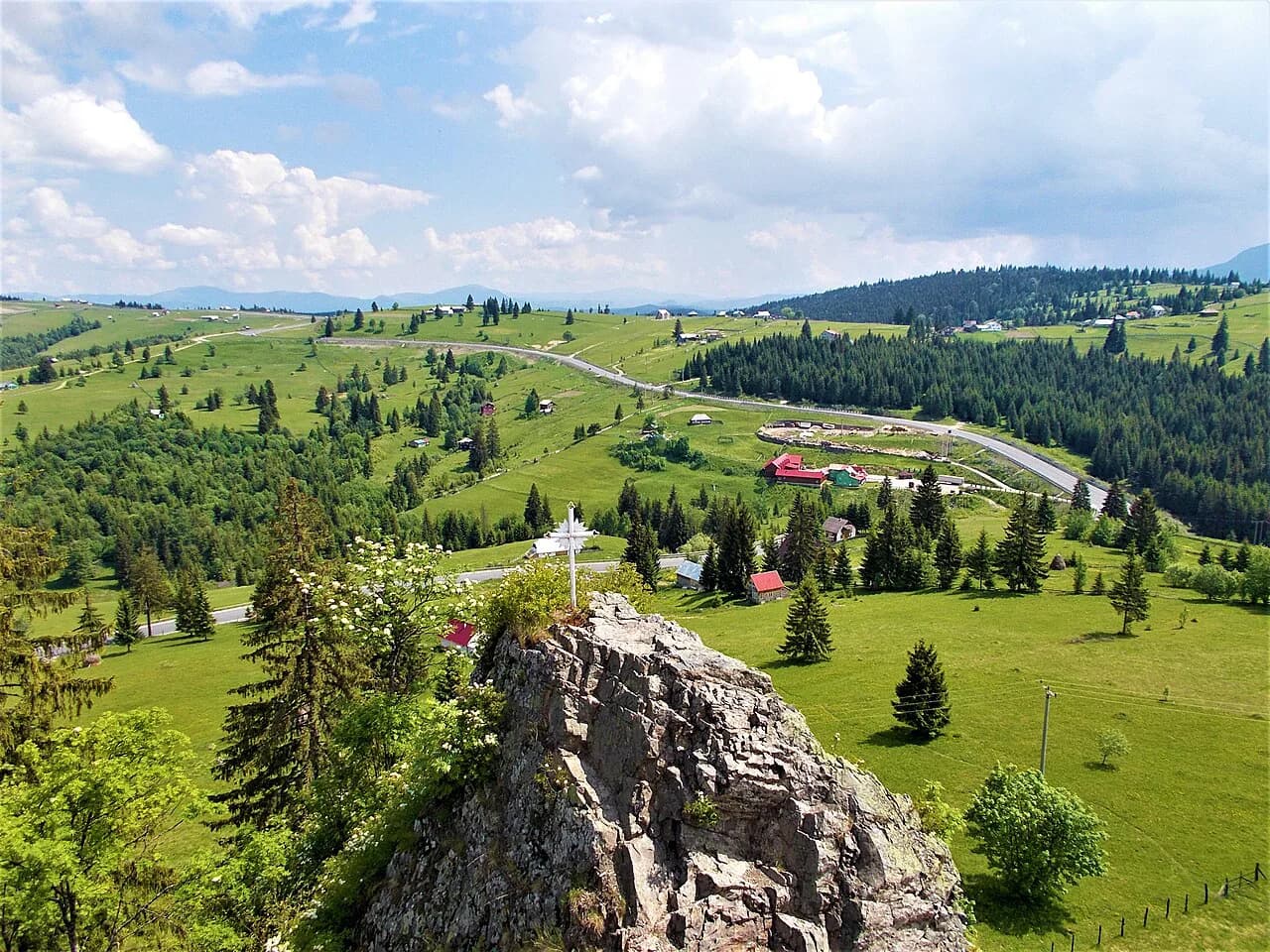
What you see from the road is the pass itself: a mountain saddle with outcrops and open views, and a cluster of buildings at the top. There is no old town, no square and no circuit of sights. Plan your time around the drive up and a stop at the summit, not a half-day visit.
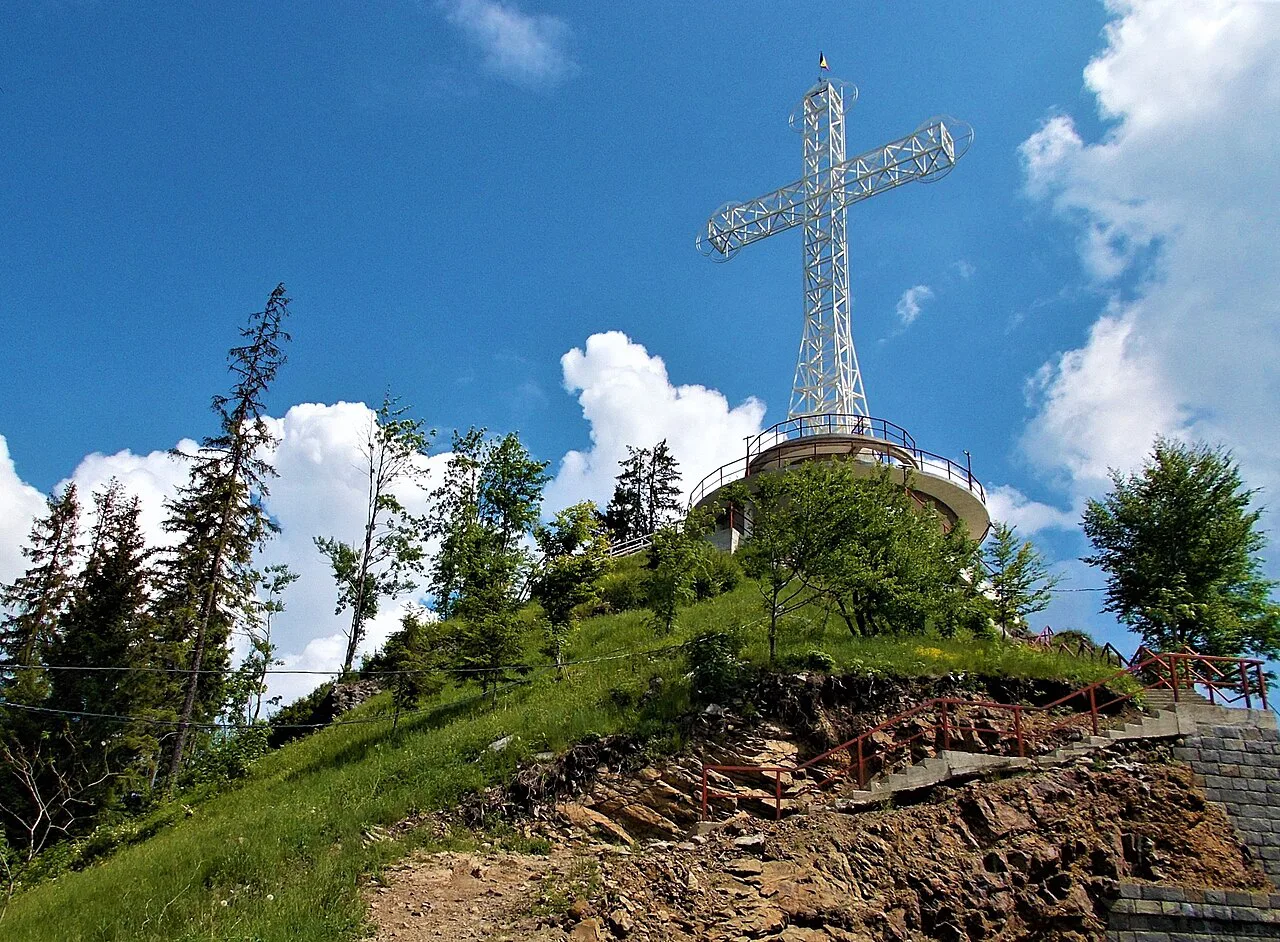
Borgo Pass versus Tihuța Pass
In the novel the summit's buildings are identified as the Tihuța Pass, also known as the Borgo Pass in Dracula, so the two names describe the same place: Borgo is Stoker's name in the book, Tihuța the Romanian name on the map.
Where is the Borgo Pass? The Borgo Pass is the name used in Dracula for the Tihuța Pass, Pasul Tihuța, in the Eastern Carpathians on the DN17 at 1,201 m. It is reached by road, most easily from the Bistrița side.
What is the pass in Dracula? In the novel, the Borgo Pass is a Carpathian crossing on Jonathan Harker's journey, and the castle in the story is a separate place from the pass. The real crossing is the Tihuța Pass, whose summit buildings are known as the Borgo Pass because of the book.
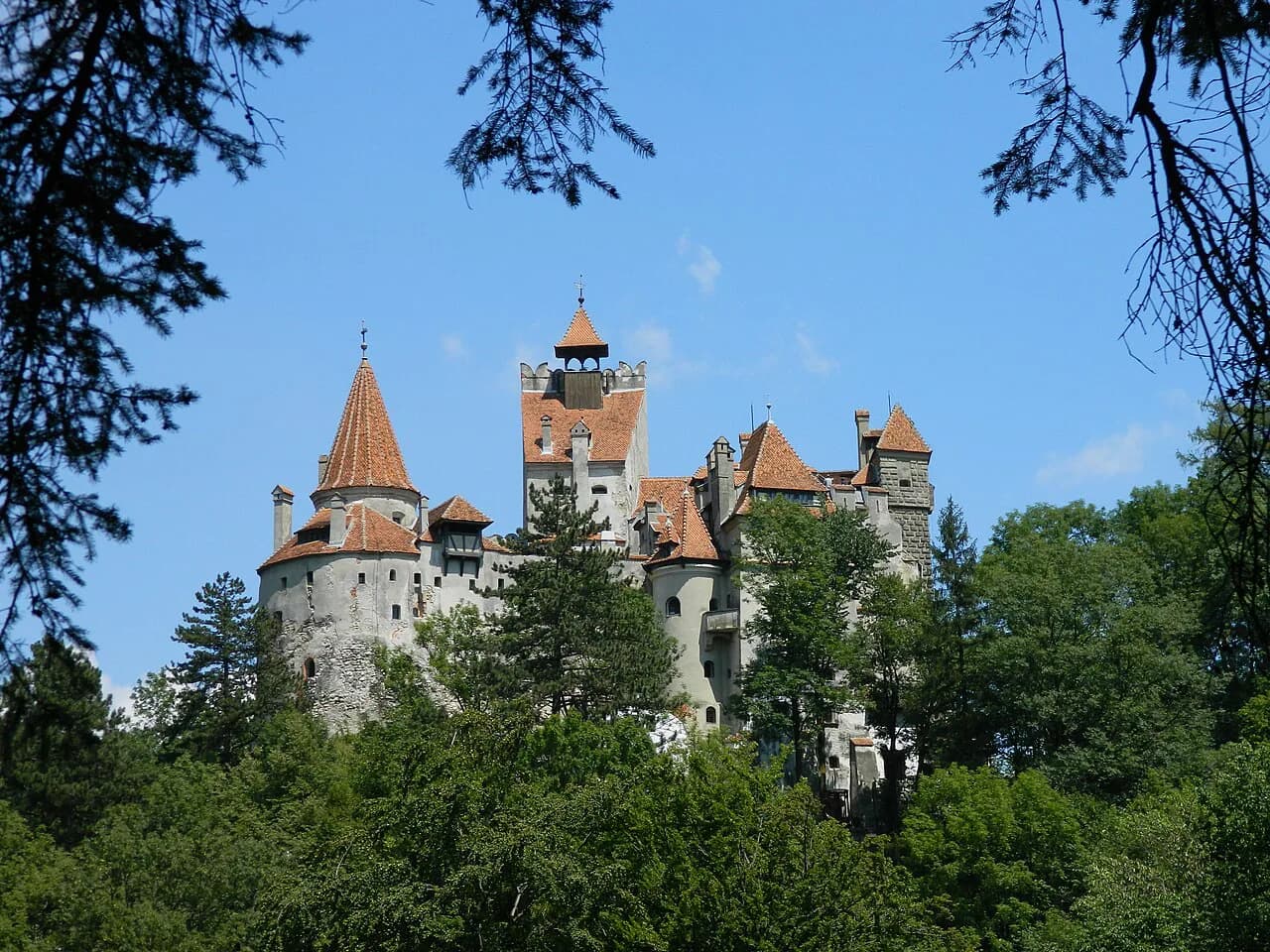
Stoker's novel places its own Borgo Pass in the Carpathians as a stage on Jonathan Harker's journey, and the castle in the story is a separate place from the pass. Do not arrive expecting to find Dracula's castle at the summit; the fictional castle is elsewhere in the book and the real pass is a road crossing. If the castle is your priority, read up on Dracula's Castle in Romania before you fix the route.
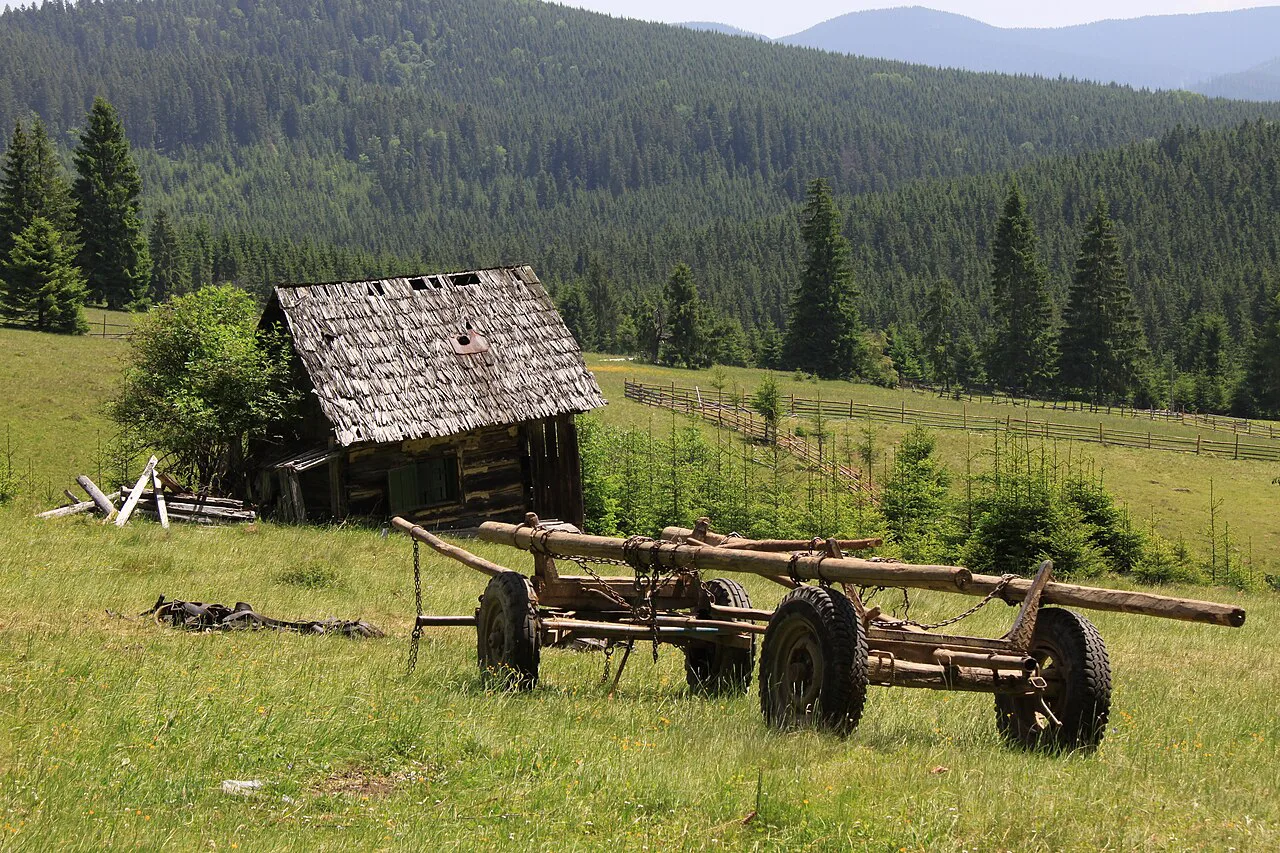
Where it is
The pass sits in the Eastern Carpathians on the DN17, the road that links the Dornelor Depression with the hill country below. Approach it from the Bistrița side through the Bârgău Mountains, or from the Dornelor basin to the east. Wherever you start, the final stretch climbs to the 1,201 m summit.
The nearest town of any size for most visitors is Bistrița, which makes a sensible base if the pass is one leg of a longer circuit through Transylvania. Build the pass into a driving day rather than trying to reach it by public transport, because the point is the road over the top. Check road conditions locally before setting out, as mountain weather changes quickly at this height.
Bistrița is the staging point most travellers use for the pass, rather than a substitute for it. Spend the night there, drive the DN17 over the summit the next morning and continue east. That keeps the climb in daylight and leaves the afternoon free for the Dornelor side.
The Dracula connection
The pass appears in Dracula as the Borgo Pass, which is why it turns up in Dracula itineraries. The connection here is literary rather than historical: the novel's castle is a separate place from the pass, and the historical figure often linked to the name, Vlad the Impaler, belongs to a different story far from this road.
Keep Stoker's fiction and Vlad III Drăculea apart when you plan. The novel is a Victorian invention; Vlad III is a historical ruler, and his story belongs to a different route from this pass. If you want the historical side of the name, that is a separate trip.
Travellers who want to see how the names have been commercialised should look at the wider Dracula's Castle in Romania picture, where the novel, the historical Vlad III and the real fortresses sit side by side. It helps you decide which sites deserve your days. The pass is one stop on that map, not the centre of it.
What is at the pass today
Photographs of the summit show mountain buildings grouped at the top of the pass, the kind of roadside stop associated with a crossing of the Carpathians. The image record labels them as the Tihuța Pass, also known as the Borgo Pass in the novel Dracula. What the buildings offer — rooms, opening hours, whether anything is trading — is not confirmed here, so check directly before you rely on any of it.
Expect a roadside stop rather than a visitor attraction: a place to park, look out over the Carpathians and take a photograph at the summit. If you are travelling with someone who expects a castle, set expectations before you set off.
Getting there and what to expect
The pass is reached by road on the DN17 at 1,201 m, so the drive is the visit. Come with a car or as part of an organised tour. Confirm your route and any roadworks with a current map before you leave.
Mountain roads at this height can be slow in poor weather and the summit can sit in cloud while the valleys are clear. Give yourself more time than the distance suggests and avoid a tight connection at the far end. A flexible day with the pass as the midpoint works better than a rushed dash.
Tours that include the pass are sold as package itineraries rather than stand-alone tickets, and Carpathian Travel Center lists it among its destinations with multi-day packages that include transport, hotels and guiding. Compare the full itinerary rather than the pass alone. Details and current terms are on the Carpathian Travel Center's Borgo Pass page; check current prices and dates before booking.
Is it worth adding to a town-and-castle trip?
Yes, if you are already driving through northern Transylvania and want a mountain crossing with a literary hook. No, if you are based in Brașov and hoping for a short detour: the pass is far enough north that it needs its own day and a change of base. Weigh it against Râșnov Fortress, which sits close to Brașov and fits easily into a town day, and the wider story behind Dracula's Castle in Romania.
The other classic Dracula stop, Poienari Castle, is a climb above the Argeș gorge and suits travellers who want steps and a ruin rather than a road summit.
If you want a guided version of the castle circuit instead, a Dracula's castle tour will usually combine Bran with other sites in a single day from Brașov. Read the itinerary closely to see whether the pass is included or whether it is sold as a separate multi-day package. The two products are not interchangeable.
Should the Tihuța Pass be on your route?
Add the Tihuța Pass if your trip already takes you through northern Transylvania and you enjoy a mountain road with a story attached. Skip it if your days are built around Brașov and the castles to its north, where Bran and Râșnov give you more for less driving. Either way, treat the summit as a stop, not a sight in its own right.
Explore more Romania guides
Frequently Asked Questions
Where is the Borgo Pass?
The Borgo Pass is the name used in Dracula for the Tihuța Pass, Pasul Tihuța, in the Eastern Carpathians on the DN17 at 1,201 m. It is reached by road, most easily from the Bistrița side.
What is the pass in Dracula?
In the novel, the Borgo Pass is a Carpathian crossing on Jonathan Harker's journey, and the castle in the story is a separate place from the pass. The real crossing is the Tihuța Pass, whose summit buildings are known as the Borgo Pass because of the book.
Sources
Useful notes for your next trip
Optional updates to our guides.
You might also like
Continue reading
More guides you'll find useful