Snagov Monastery: The Island Church North of Bucharest
Snagov Monastery sits on the only island in Snagov Lake, in Ilfov county north of Bucharest. See the church, the tomb said to be Vlad III's, and plan a short stop.
On this page
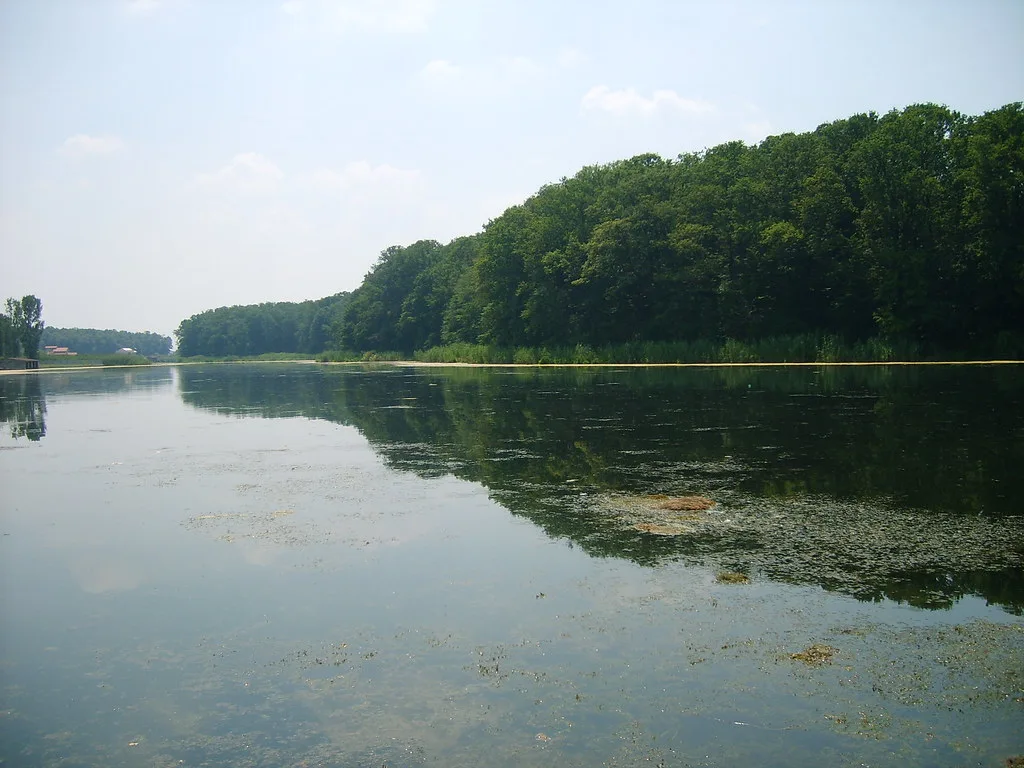
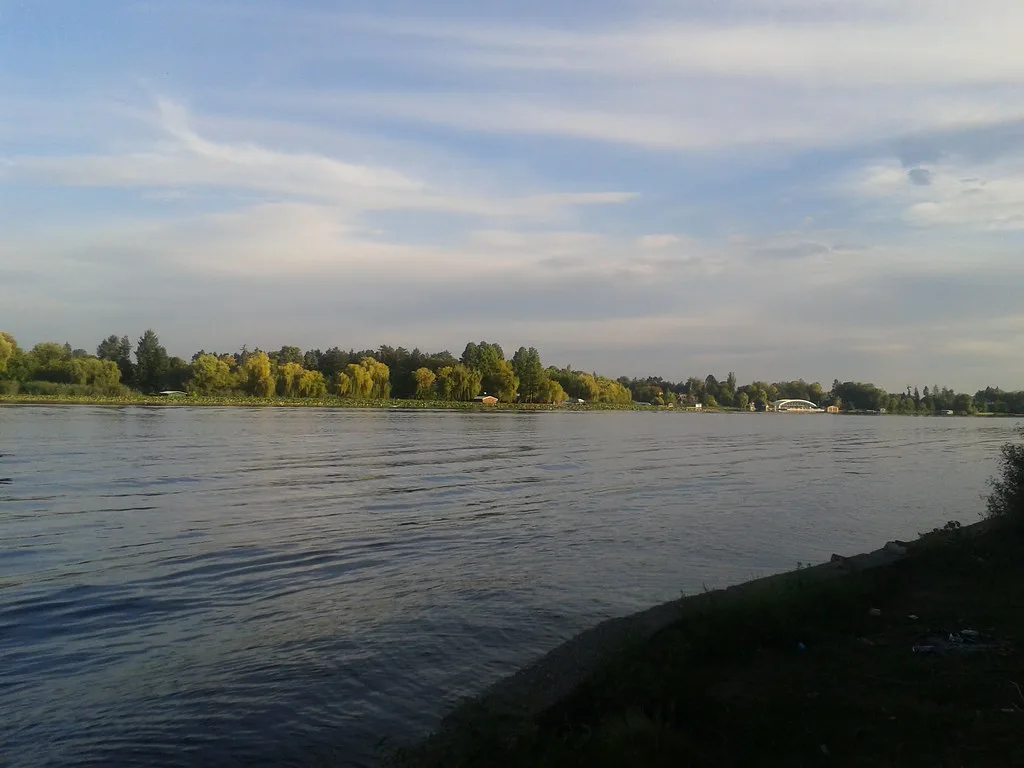
Snagov Monastery is a religious complex on the only island in Snagov Lake, north of Bucharest. Its setting is the reason to come: a church on an island in a freshwater lake, founded in the early 15th century. This guide covers what stands on the island, the tomb said to be Vlad III's, and how to plan a short stop. If castle legends are your reason for travelling, Dracula's Castle in Romania is a separate story built around Bran.
Treat the monastery as a short stop attached to a Bucharest stay, not a substitute for Bran or Poienari. The journey to the lake and back sets the pace, so the outbound and return trip matter more than the time you spend inside the church.
What Snagov Monastery is
The monastery occupies the only island in Snagov Lake. Its foundation is dated to the early 15th century, and the monastic site has been a religious centre on the lake ever since. Visitors come for the island setting as much as for the church itself, so plan the trip around the water.
The site sits well outside Bucharest, in Ilfov county, so you are leaving the city rather than stepping round the corner. That distance is the main planning constraint: a lake crossing plus road travel on each side eats into a day. Allow for it before you add the monastery to an itinerary.
If you are weighing this against the country's better-known castle stops, read it for what it is: a church on an island, not a fortress. Romania's regions and cities are spread widely, and Snagov is best paired with Bucharest rather than with a Transylvanian loop.
The tomb said to be Vlad III's
Inside the church, a tomb is said to be the final resting place of Vlad Țepeș, the Wallachian ruler also known as Vlad III. A visitor listing records the tomb as the site's Vlad Țepeș connection; it is a tradition attached to the site rather than a settled identification. Read the tomb as a story the monastery tells about itself, and keep the history straight.
Vlad III was a real 15th-century prince whose raids and harsh rule made him a feared and celebrated figure in Wallachia. He is a separate person from the vampire in Bram Stoker's novel, which is fiction built on later legend. Keep the two apart when you talk about what you saw on the island.
Stoker's Dracula never visits Snagov in the novel, and the vampire count is not the historical voivode. If the tomb is what draws you, the wider story of the historical figure and the fiction that grew around him belongs to a different page.
The church and buildings you see on the island
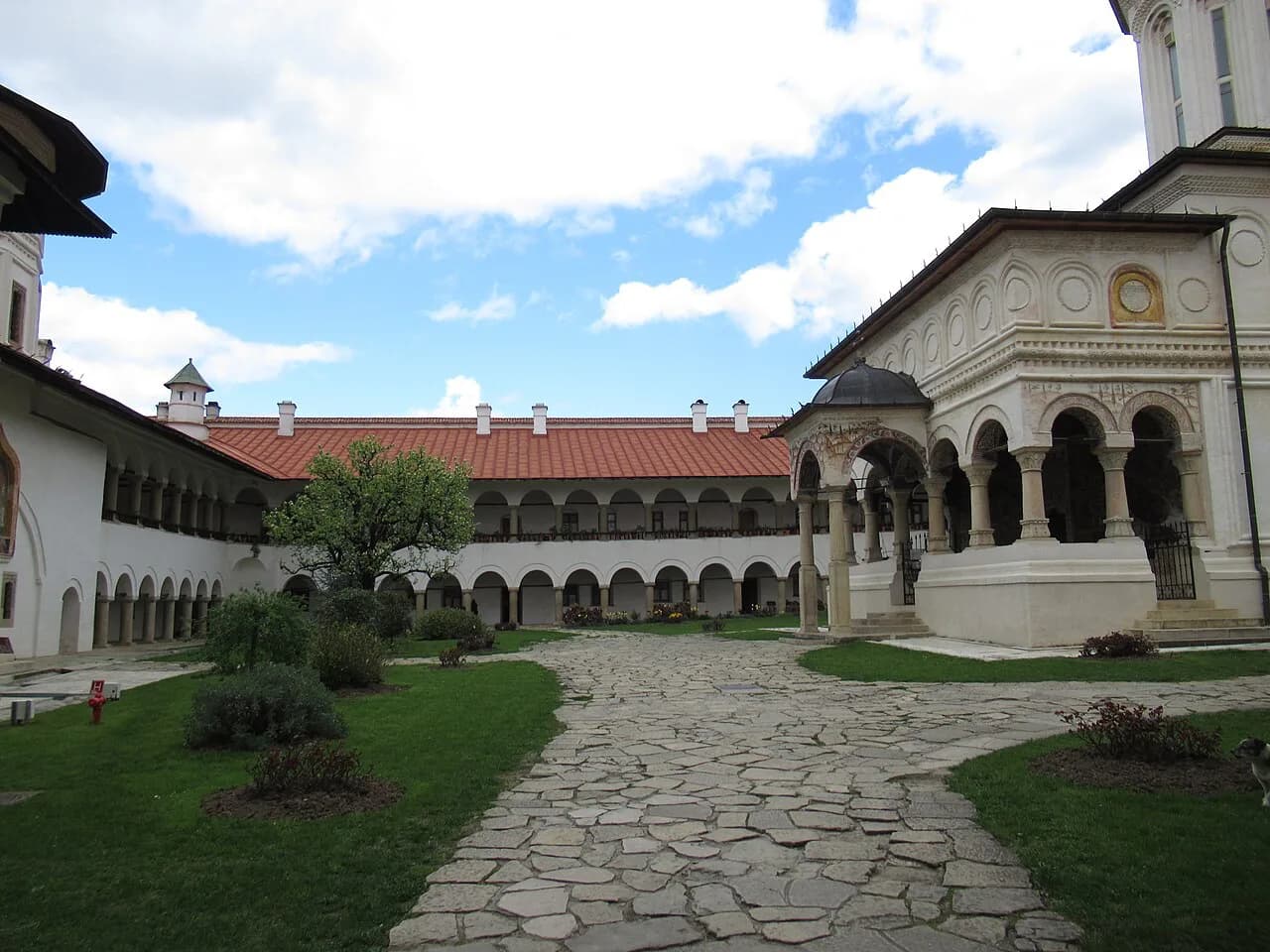
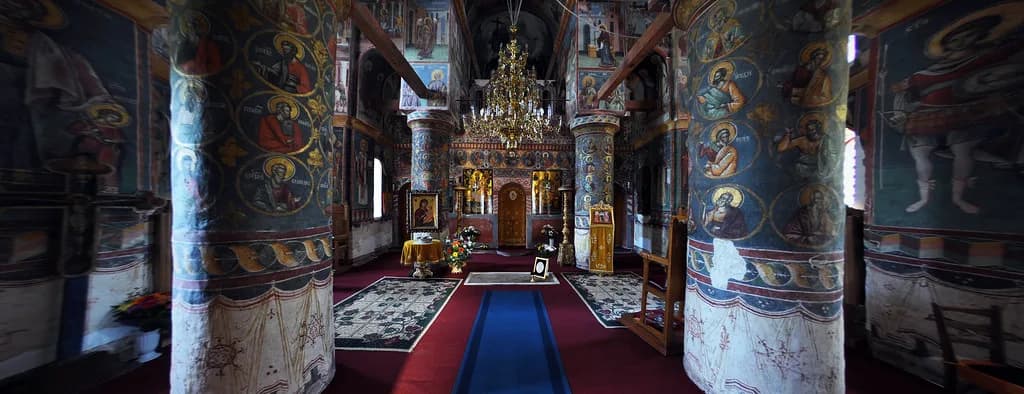
The core of the visit is the church, with its painted interior and the tomb marker inside. Expect a compact complex rather than a sprawling monastic town: walls, a small courtyard and the church, all enclosed on the island. The pleasure is in the setting and the quiet, not in a long checklist of buildings.
The monastery's origin is placed in the early 15th century, which is before Vlad III's time, so the building you see is older than the story of the tomb. Treat the tomb as a tradition the site presents rather than as a settled fact of Vlad III's burial.
Because the buildings are few and close together, the church interior and the lake views do most of the work. Photographs from the shoreline are as rewarding as the ones inside. Go in expecting a short, atmospheric stop, and you will enjoy it more.
How to reach Snagov Lake from Bucharest
Snagov lies north of Bucharest in Ilfov county, and the monastery is on the lake's island rather than on the shore road. You need road transport to the lake and then a way across to the island. Confirm the current arrangements with whoever runs the crossing before you set out.
A hired car or taxi gives you the most control over timing, because you are not tied to a bus or train timetable at either end. Arrange your return in advance; a crossing that leaves you waiting is the classic way to lose an afternoon.
The monastery is not on a town's doorstep, so it pairs poorly with a day built around a city centre. If you are spending your stay in Bucharest and want a short stop without a lake crossing, plan the monastery as the day's main outing rather than an add-on between city sights.
Opening hours and how long to allow
A visitor listing quotes visiting times of 7:30 AM to 1:00 PM and 2:30 PM to 6:00 PM. Treat those as indicative rather than guaranteed, especially outside the main season. Confirm the hours before committing to a departure.
The midday gap matters: arriving at the lake in the early afternoon can mean waiting for the monastery to reopen. Build your day around either the morning or the later afternoon slot.
Time on the water is the variable you cannot compress. Add the road journey from Bucharest, the crossing out, the visit and the crossing back, and the outing takes up a good part of a morning or afternoon. Do not schedule it immediately before a flight or a train.
What to expect on a short stop
This is a contemplative site, not a theme park: a walled church, a courtyard and lake water on every side. The constraint is the crossing. If crossings are running infrequently on the day you go, you may spend more time waiting than looking.
The honest trade-off is that Snagov offers atmosphere rather than scale. It will not match a full castle day, and it is not meant to. Come for the island, the church and the tomb tradition, and treat the rest of the day as your own.
If you want a castle with a Dracula connection and a serious walk, Poienari Castle in the Argeș gorge is the more demanding option, reached by a long flight of steps. Snagov asks almost nothing of your legs. Choose according to the day you want rather than trying to fit both into one.
Nearby: Stavropoleos Monastery in Bucharest
The monastery holds a compact walled complex, so the church interior and the lake views do most of the work. Photographs from the shoreline are as rewarding as the ones inside. Go in expecting a short, atmospheric stop, and you will enjoy it more.
Because the visit is short, resist the urge to bolt it onto a city-centre morning. Give the lake crossing and the church their own half-day, and the rest of your Bucharest plans will keep their shape.
Is the Snagov crossing worth it?
Snagov Monastery earns its place on a Bucharest itinerary if you want an island church and the tomb said to be Vlad III's, and you are content with a short outing. It is a poor fit for anyone hoping for a castle experience or for a visit squeezed between other fixed bookings. For the historical figure behind the tomb tradition, see the guide to Vlad the Impaler.
Arrange the road transport and the crossing together, aim for the morning or the later afternoon slot, and confirm the visiting hours before you leave the city. That leaves you free to enjoy the island rather than manage it.
Explore more Romania guides
Frequently Asked Questions
Is Snagov Monastery free to enter?
No entry price is stated in the visitor information available. Ask at the monastery gate on arrival about any charge or combined arrangement.
Can you walk to Snagov Monastery?
No. The monastery stands on the only island in Snagov Lake, so you need to arrange a crossing. Agree a return time before you set out.
Is Vlad the Impaler buried at Snagov Monastery?
A tomb inside the church is said to be his final resting place, and that is how the site presents it. The connection is a tradition rather than a confirmed identification, so treat it as the monastery's own story.
Sources
Useful notes for your next trip
Optional updates to our guides.
You might also like

Continue reading
More guides you'll find useful