Poienari Castle: Vlad III's Ruined Fortress and the Climb
Poienari Castle is a ruined fortress linked to Vlad III, reached by a stiff climb above the Transfăgărășan. Here is what to expect and how to get there.
On this page
Poienari Castle is a ruined stone fortress on a cliff above the Transfăgărășan, and the climb is the visit: you come for broken walls, a hard ascent and the valley below, not for furnished halls. Vlad III is the ruler most closely tied to the site, which is why it sits in the same conversation as Dracula's Castle in Romania. This guide covers what survives, how much effort the ascent takes, how to reach the castle by car or on an organised tour, and how it compares with Bran.
What Poienari Castle is and where it sits
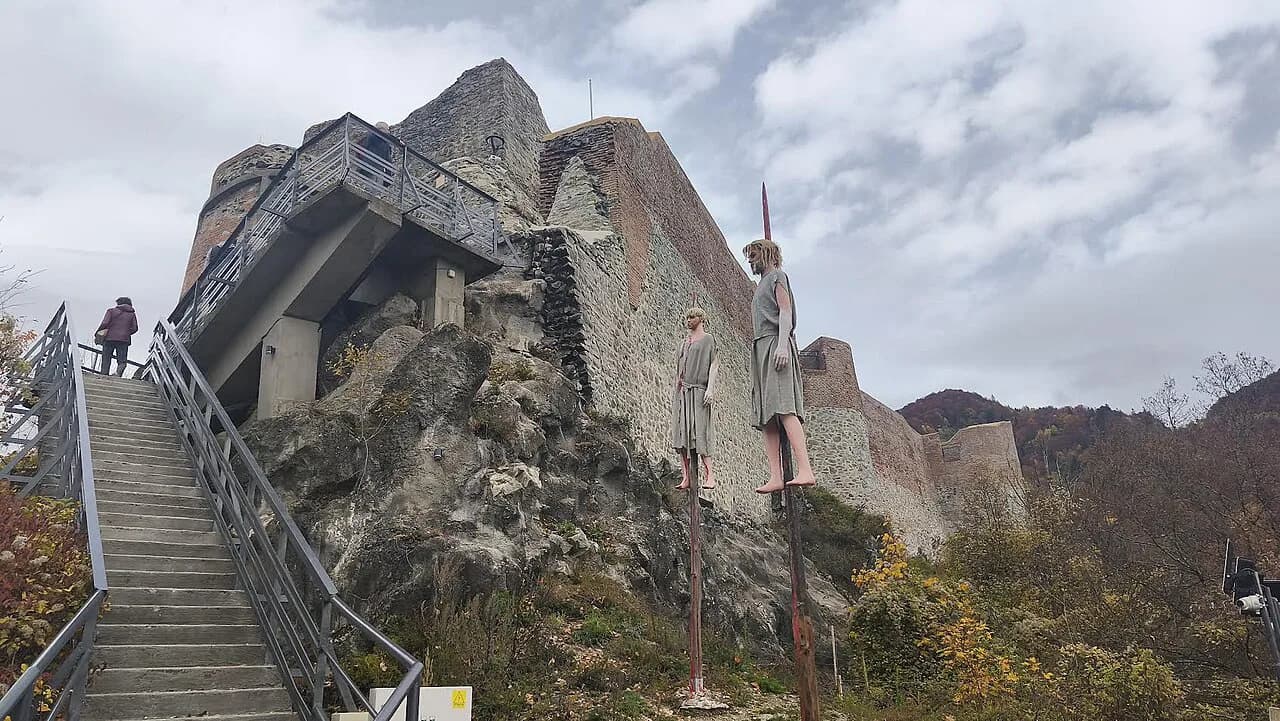
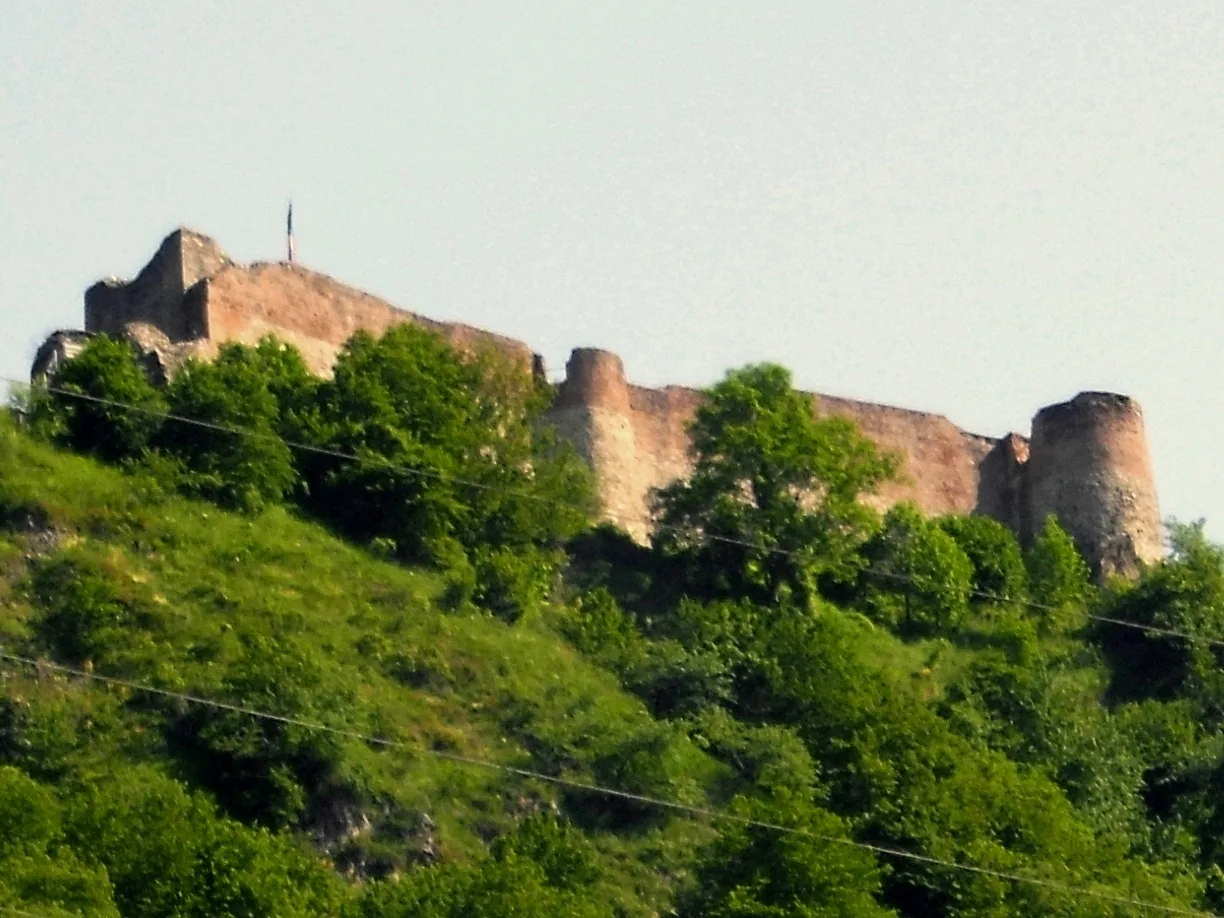
Poienari is a ruined fortress, not a restored castle with rooms to walk through. It has been described as destroyed by time, neglect and natural events, so set expectations at bare masonry and open ground rather than exhibits. The position does the talking: it commands the valley of the Transfăgărășan, the mountain road that most visitors use to approach it.
The name appears both as Poienari and, in much English-language material, as Poenari (Cetatea Poenari); treat them as the same place when you search or book. Tours departing Bucharest pair the fortress with Târgoviște, the former royal court, and the climb to the ruins on the same day, which shows how the site is normally sold: as one stop on a Vlad-themed route rather than a standalone destination.
Vlad III and Poienari: what the links actually are
Project Expedition presents Poienari as Vlad III's castle, and builds a multi-day Dracula-themed route around exactly that: Sighișoara as his birthplace, Poienari as his castle, Corvin Castle as the place where he is said to have been imprisoned, and Snagov Monastery as his final resting place. That framing is the tour operator's historical narrative, and it is a reasonable map of the Vlad story rather than a claim that he lived at every stop.
Keep the historical Vlad III apart from Bram Stoker's fictional Count Dracula. The vampire is fiction, while the prince is a documented ruler, and Stoker's novel is the source of the Count rather than of any real fortress. If you want the historical thread pulled straight, read up on Vlad the Impaler before you go, because the ruins carry few modern displays to interpret him for you.
The climb: steps, effort and how long to allow
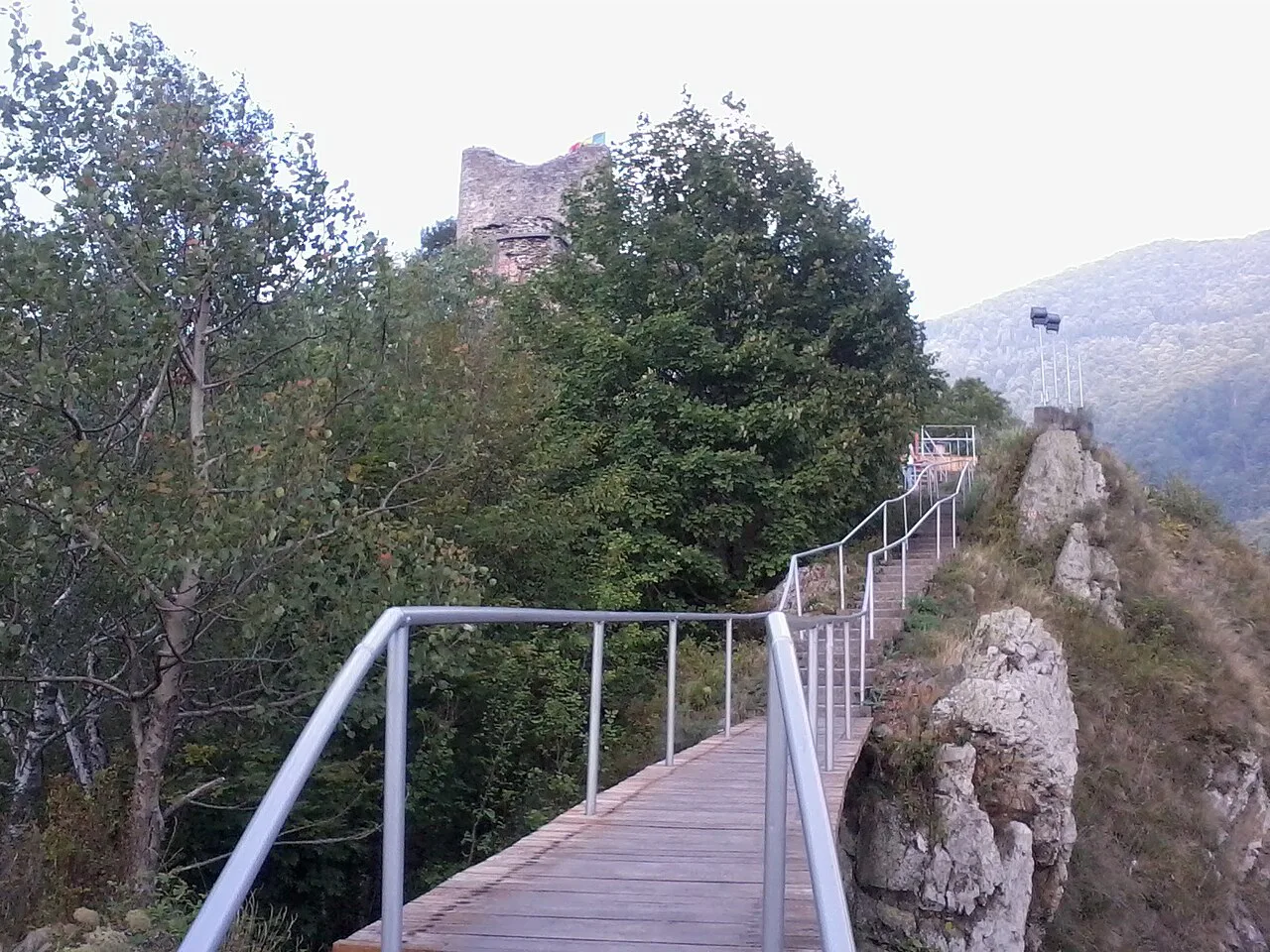
The ascent is steep and continuous, and it is the part of the day that decides whether you enjoy Poienari. Descriptions of the site stress climbing to the top of crumbling ruins rather than strolling through a courtyard, and that is the right mental picture. Anyone with knee trouble, a fear of heights or a tight schedule should weigh it honestly against a castle you can walk into at road level.
Allow more time than the distance suggests, because the climb sets the pace and the ruins reward a slow look once you are up. Wear shoes with grip and carry water; the path is not a stroll and the weather at altitude changes faster than in the valley. Build the climb into the day rather than treating it as an add-on before lunch, because a rushed ascent on tired legs is how people end up disappointed by a site that is genuinely striking when taken at its own pace.
What survives of the fortress and the views
Expect bare stonework rather than signposted rooms: the fortress is described as crumbling and destroyed by time, neglect and natural disasters, so the visit works best for travellers who like reading a site from its shape and its setting. The payoff is the outlook over the valley and the road, which is the photograph most people come away with.
Getting there: car, tours and the Transfăgărășan approach
Most independent visitors arrive by car along the Transfăgărășan, the mountain road that runs past the foot of the site, and that road is itself the reason many people are in the valley. The site sits more than two and a half hours north of Bucharest, so a there-and-back day from the capital is long and leaves little slack for the climb.
The mountain road is a high-altitude route, so treat it with respect and check conditions for the days you plan to drive before committing, with a lower-altitude alternative in mind. Parking and access arrangements are handled on site; budget for an entrance fee without assuming a figure, and confirm arrangements when you arrive.
If you are based in Brașov County rather than Bucharest, Poienari works as a mountain-road excursion on a clear day, while Bran is the easier half-day from the city itself. The two fit different days rather than one crowded itinerary, and choosing between them comes down to whether you want a climb and a ruin or a castle you can tour at street level.
Tours from Bucharest that include Poienari
Day tours from Bucharest combine the royal court at Târgoviște with the climb to the ruins, which solves the two practical problems at once: the drive and the route-finding on the mountain road. That format suits travellers without a car, but it also sets the pace, so check the itinerary for how much time is allowed at the fortress, with current prices and departure dates confirmed by the tour company.
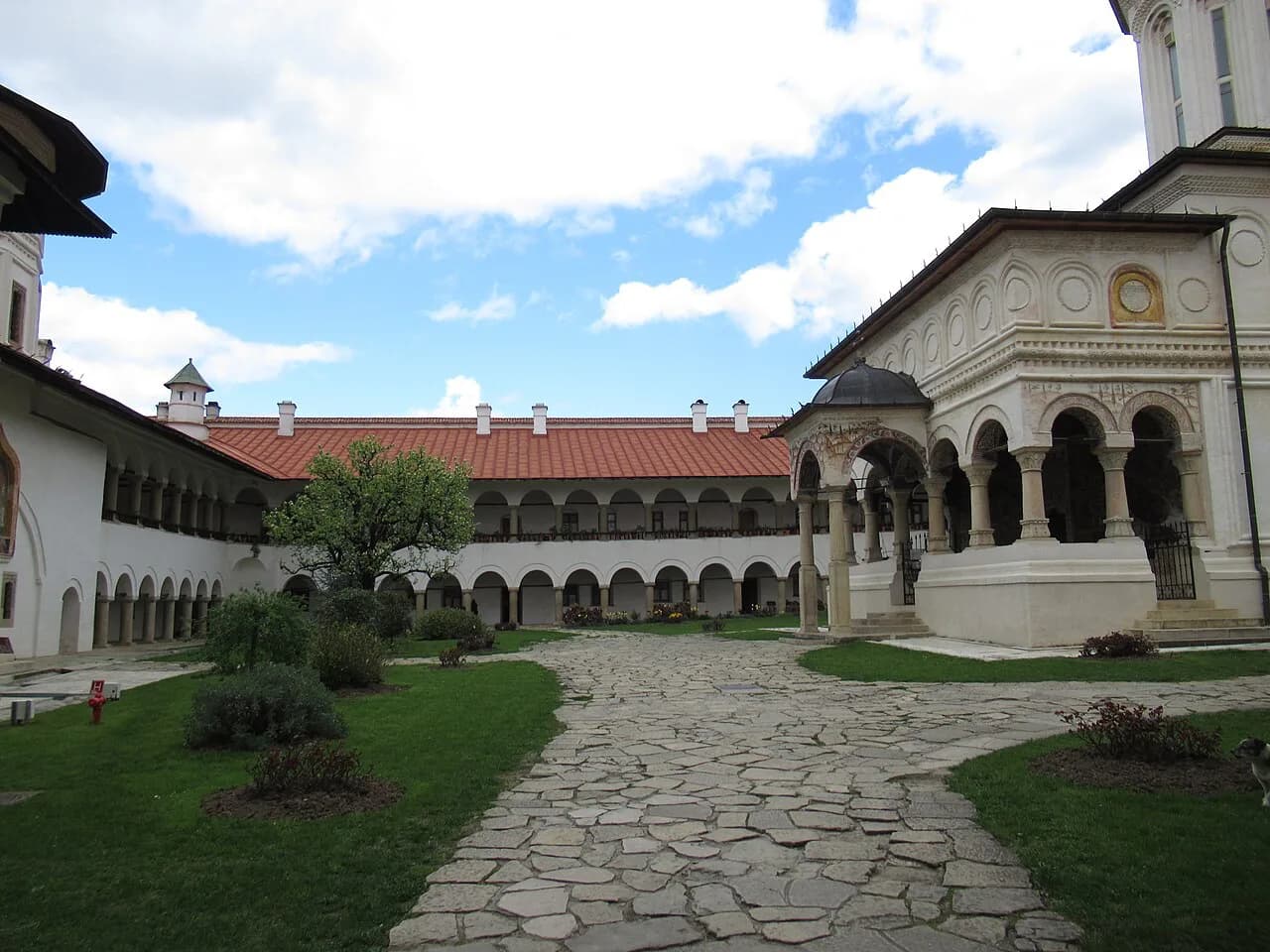
Longer Dracula-themed trips string Poienari together with Sighișoara, Corvin Castle and Snagov Monastery over several days. That is the efficient way to see the Vlad-linked sites in one go if they are the point of your trip, and it removes the need to plan each leg yourself. Compare what each operator includes and how much walking is scheduled, because the fortress is the most physical stop on those routes.
Read the tour company's inclusions carefully before paying, particularly whether entry fees, the Târgoviște visit and a guide at the ruins are part of the price. Where the listing is vague on any of those points, ask the company directly before booking.
Practical constraints: season, weather and wildlife
Altitude and exposure make Poienari a fair-weather visit. The climb is unpleasant in rain, so keep a flexible day in your plan if the fortress matters to you. Thunderstorms on an exposed ridge are a genuine reason to turn back.
This is mountain terrain, so treat the path and the weather with basic care: keep your footing on wet stone, stay within the marked route and follow any on-site warning signs rather than treating them as decoration.
Bran Castle and Poienari: which Dracula-linked castle to pick
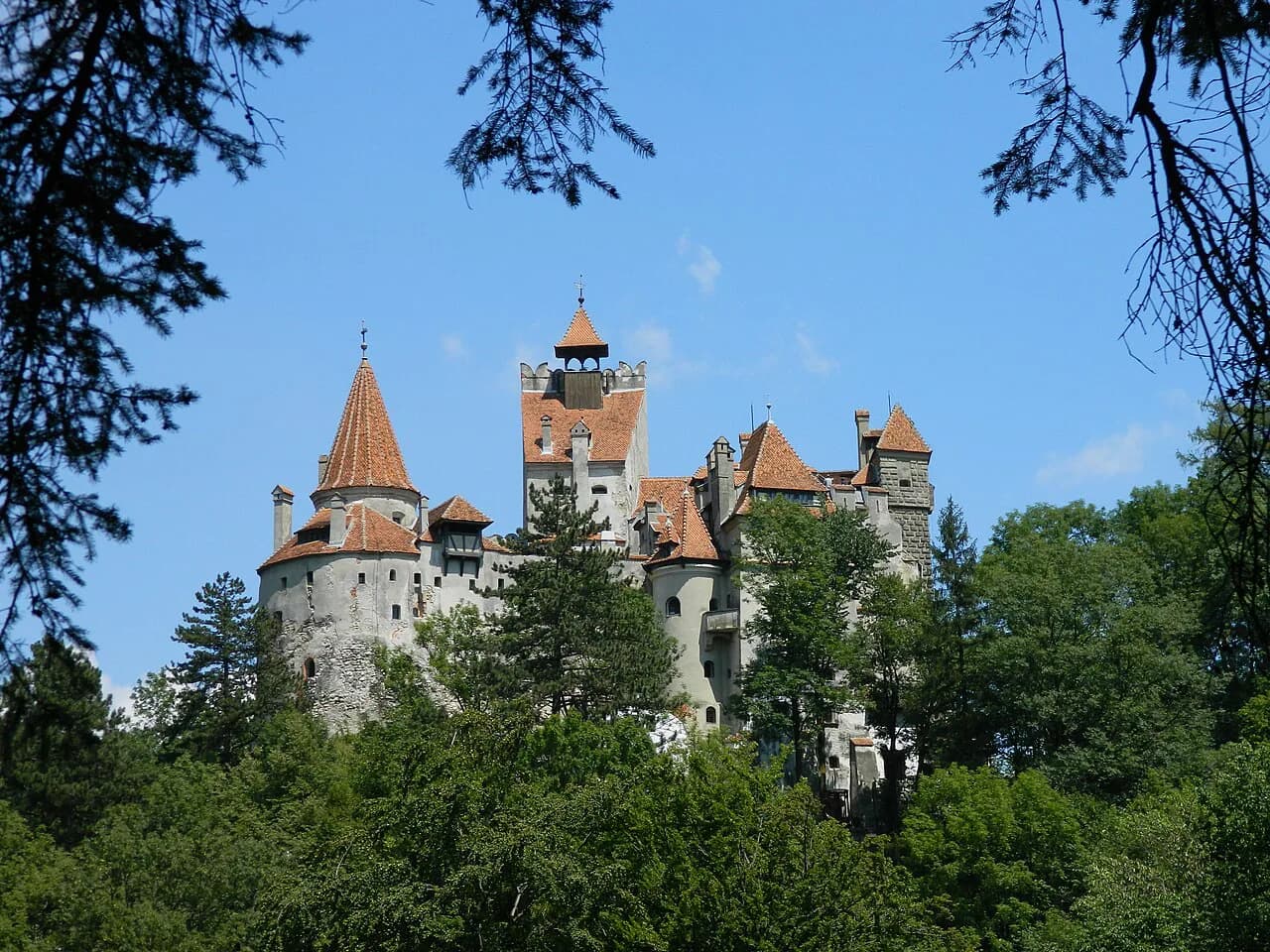
Bran is the castle tourists know from the Dracula industry; Poienari is the ruin most closely tied to Vlad III in the tour itineraries. They are different experiences, and neither is the fictional castle of the novel. If you want rooms, displays and a straightforward visit, choose Bran; if you want a climb, ruins and a mountain setting, choose Poienari.
Bran runs Halloween events that are a different draw again from a summer climb at Poienari. If your trip falls around that period, decide early which of the two you are building the day around, because they pull at different times of year and different energies.
Where Poienari fits into a Brașov or Bucharest trip
From Bucharest, Poienari is a full day out if you drive yourself and a long one on a tour; from Brașov, it is a mountain excursion that can share a day with the Transfăgărășan road itself. Either way, build the day around the climb and the drive rather than around a list of stops. It is worth reading about Bistrița if you are planning a wider northern loop, though the fortress sits on the Transfăgărășan rather than on that route.
There is a broader Vlad trail if you want to follow the historical figure rather than the novel: Sighișoara for his birthplace, Poienari for his castle, Corvin Castle for the imprisonment tradition, and Snagov Monastery for his final resting place. Snagov makes a short stop near Bucharest and pairs well with a Târgoviște day, so it is worth knowing about even if you skip Poienari.
If your interest is the novel's geography rather than Vlad III, the Borgo Pass is the place to read about next, and it has nothing to do with the climb above the Transfăgărășan. Choose your thread before you build the route, because the sites that satisfy one curiosity rarely satisfy the other.
Is Poienari worth the climb for you?
Poienari earns its place if you want the historical Vlad III, a mountain road and a ruin you have to work for. It is the wrong choice for anyone who wants a furnished castle, easy access or a quick stop between two other sights, and Bran serves those travellers far better. Decide which of those two days you actually want, then build the route around the climb rather than squeezing it in.
Explore more Romania guides
Frequently Asked Questions
Did Vlad the Impaler live in Bran Castle?
Tour material links Vlad III to Poienari as his castle, Corvin Castle as a place of imprisonment and Sighișoara as his birthplace; it makes no such claim for Bran. Bram Stoker's novel is the source of the Count as a fictional vampire, so keep that fiction apart from the historical Vlad III when you choose where to go.
Is Dracula's Castle real in Romania?
There is no single castle that matches the novel. The fictional castle is Stoker's invention, while the fortresses sold to visitors are real places with their own histories, including Poienari and Bran. Decide whether you want the historical Vlad III sites or the literary trail, because they overlap only partly.
Sources
Useful notes for your next trip
Optional updates to our guides.
You might also like

Continue reading
More guides you'll find useful