How Many Days in Brașov? What 1, 2 and 3 Days Cover
One to two days covers Brașov's old town; a third is for Bran or Peleș. Here is what each length of stay fits in, and when Brașov works as a base.
On this page
One to two days is enough to see Brașov, and a third is worth adding only if you want a castle day at Bran or Peleș. The city itself is compact and walkable, so the real question is how much of your trip you want to spend on the surrounding sights. This guide breaks down what one, two and three days actually cover, how to reach Brașov from Bucharest, and when it makes a better base than a stop.
How many days in Brașov: the short answer
Plan on one full day for the old town and two if you want the towers, gates and Tâmpa as well. A third day belongs to a castle: Bran Castle sits about forty minutes from the city, while Peleș Castle at Sinaia is roughly two hours away by train. Beyond that, extra days are about using Brașov as a launchpad rather than seeing more of Brașov.
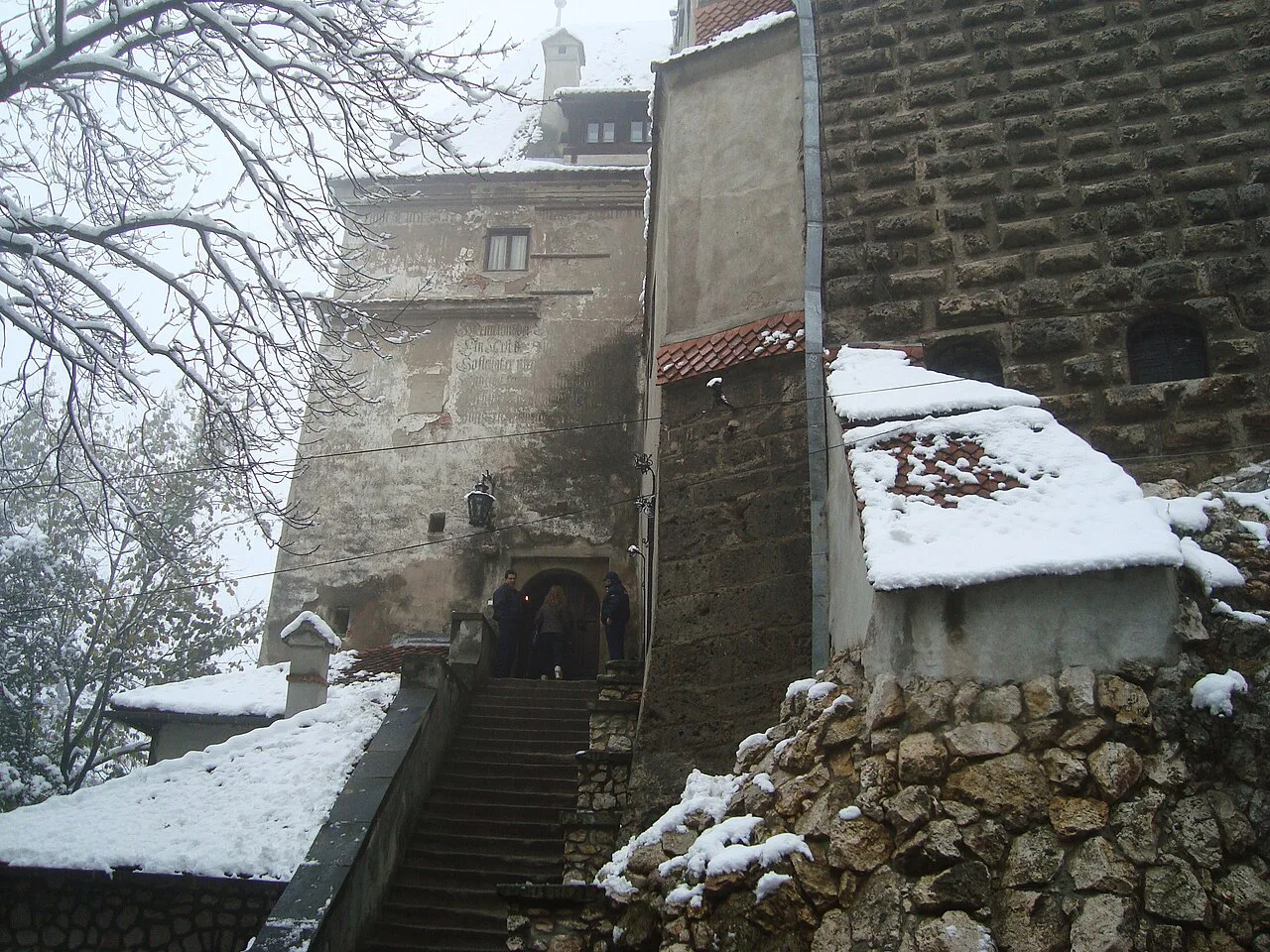
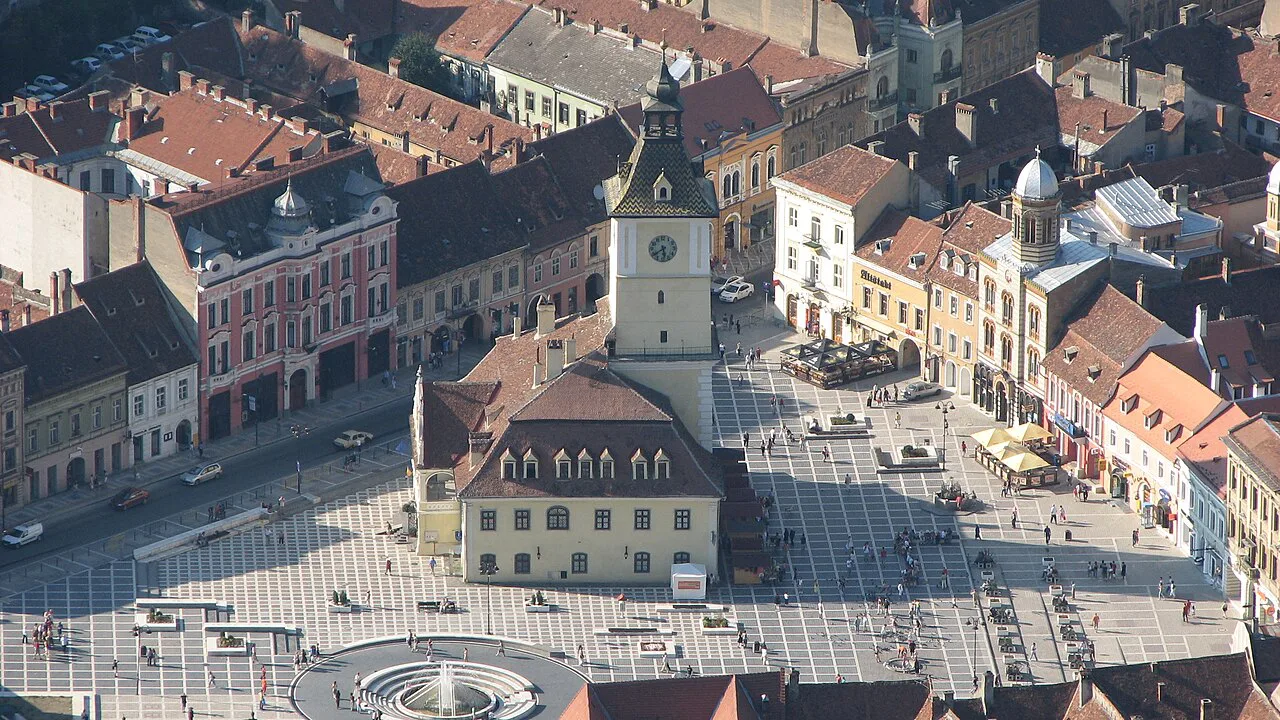
What one day in Brașov covers: Piața Sfatului, the Black Church, Strada Republicii and the old walls
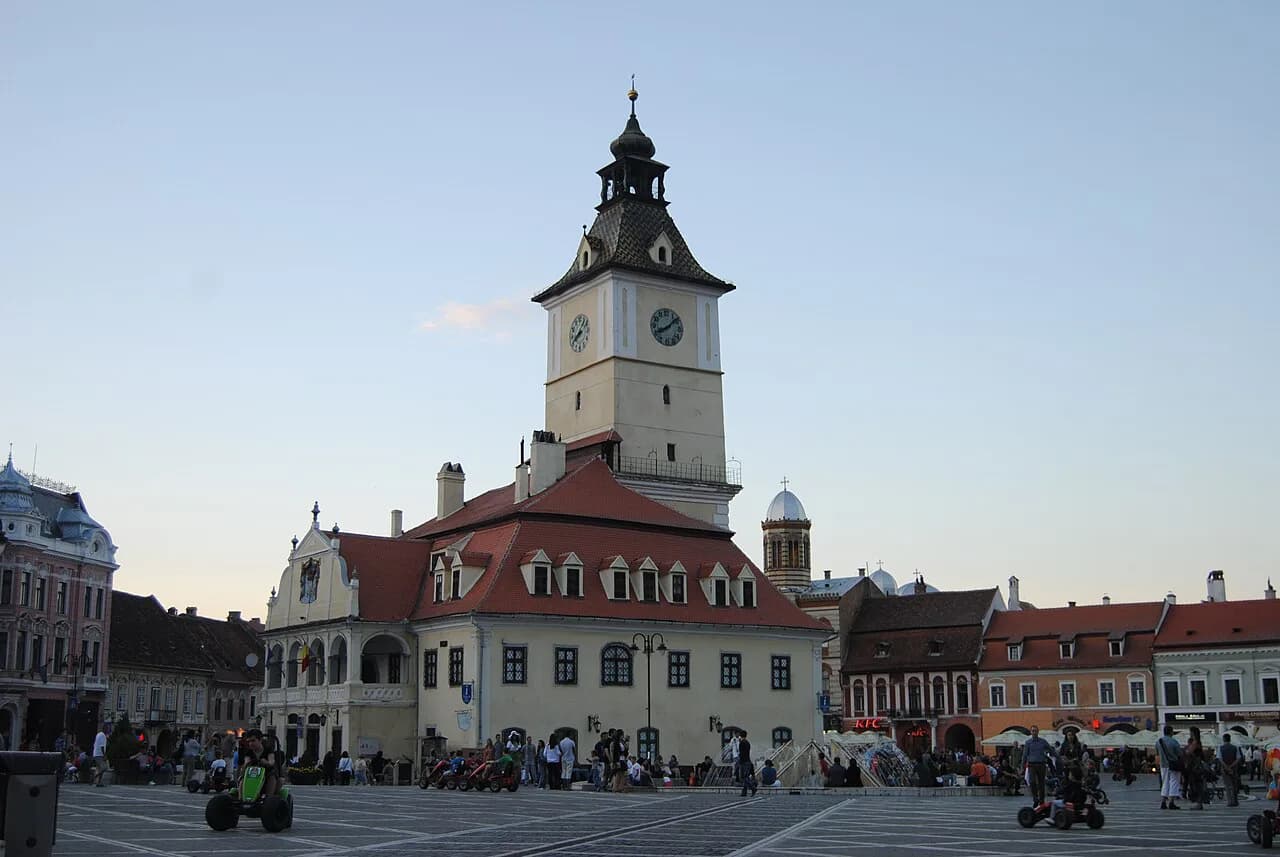
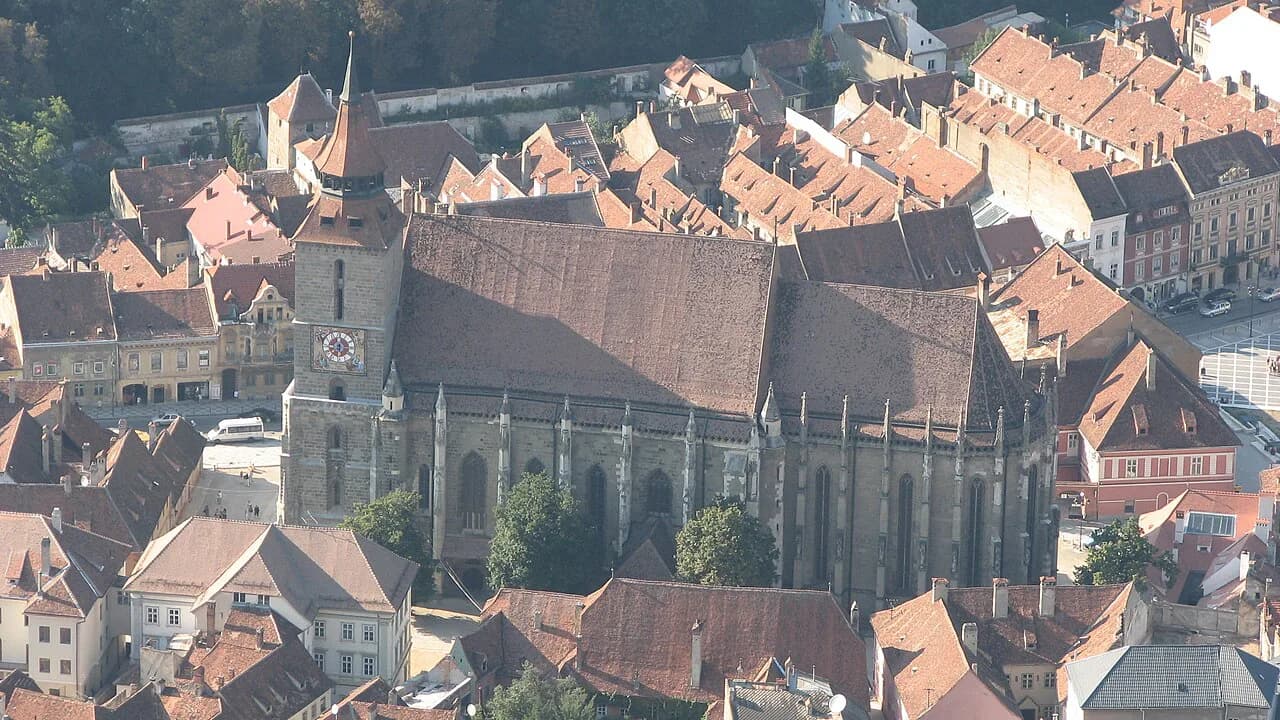
Start in Piața Sfatului, the main square, where the History Museum occupies the 15th-century Council House and the Black Church stands a short walk away. Strada Republicii, the pedestrian spine of the centre, links the square to the rest of the old town and makes an easy orientation route. Our Brasov old town guide maps the same circuit street by street if you want a fixed order.
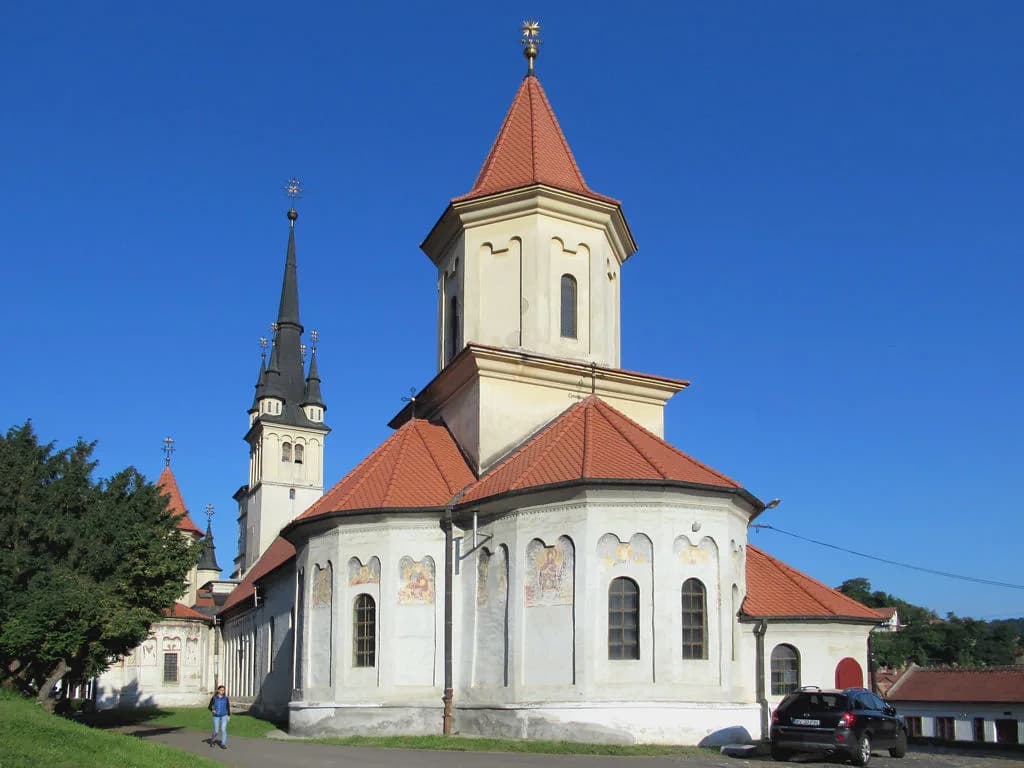
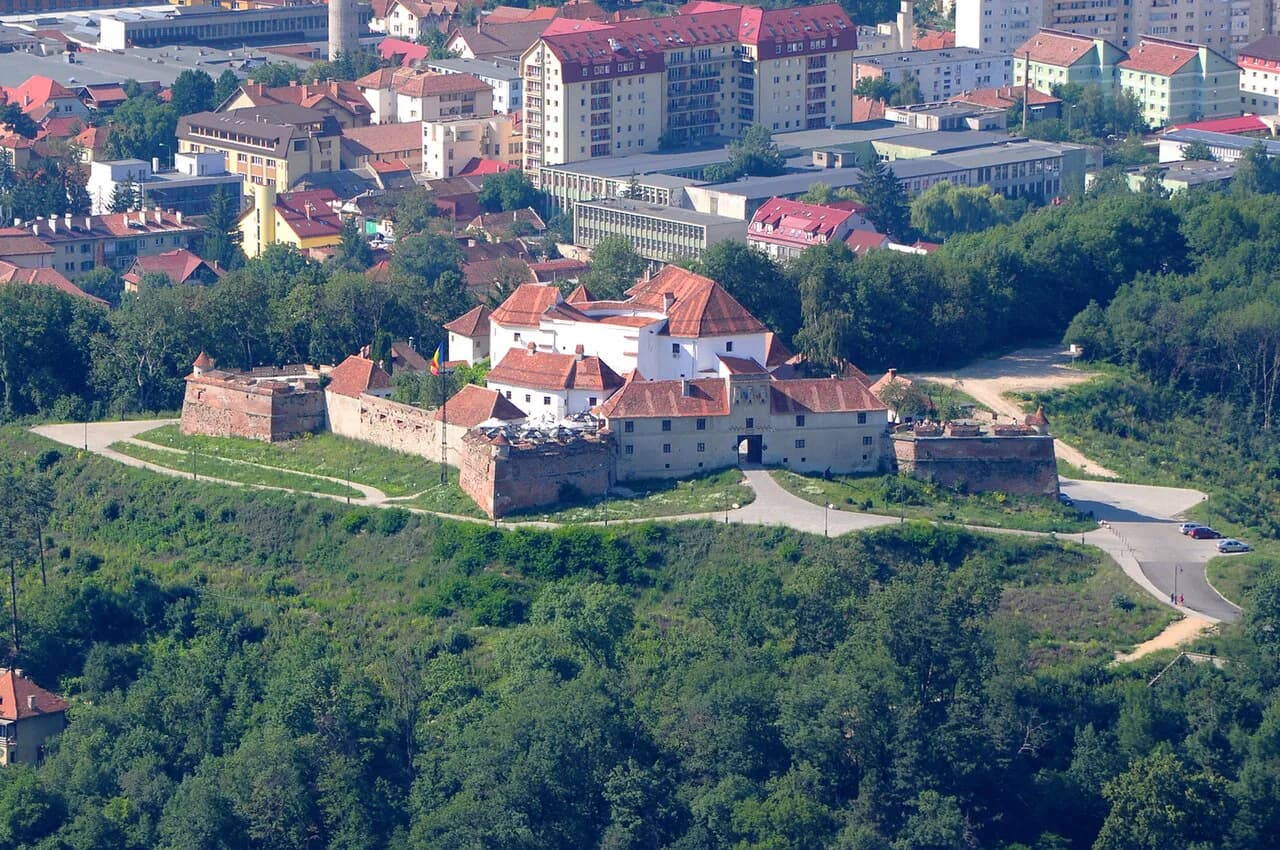
After lunch, follow the reconstructed fortified walls and the Schei district, where the First School and the painted St. Nicholas Church sit side by side. A self-guided circuit of this kind fills a day comfortably without any transport. If you would rather have the route planned for you, a Brasov walking tour covers the same ground with the names attached.
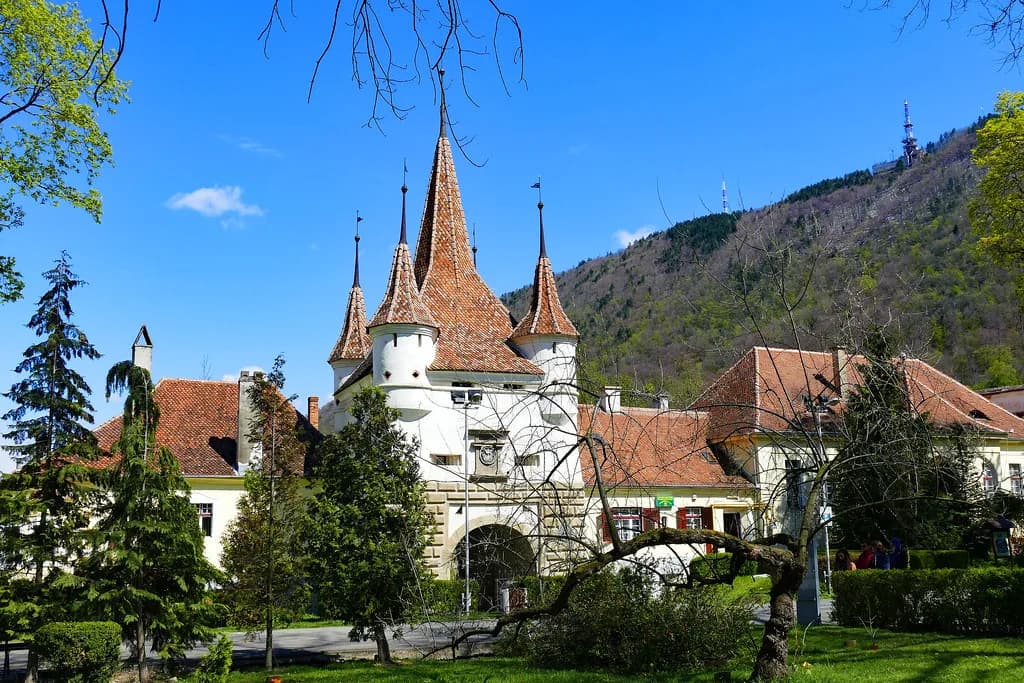
What a second day adds: Strada Sforii, Catherine's Gate, Weaver's Bastion, the Black and White Towers, Tâmpa
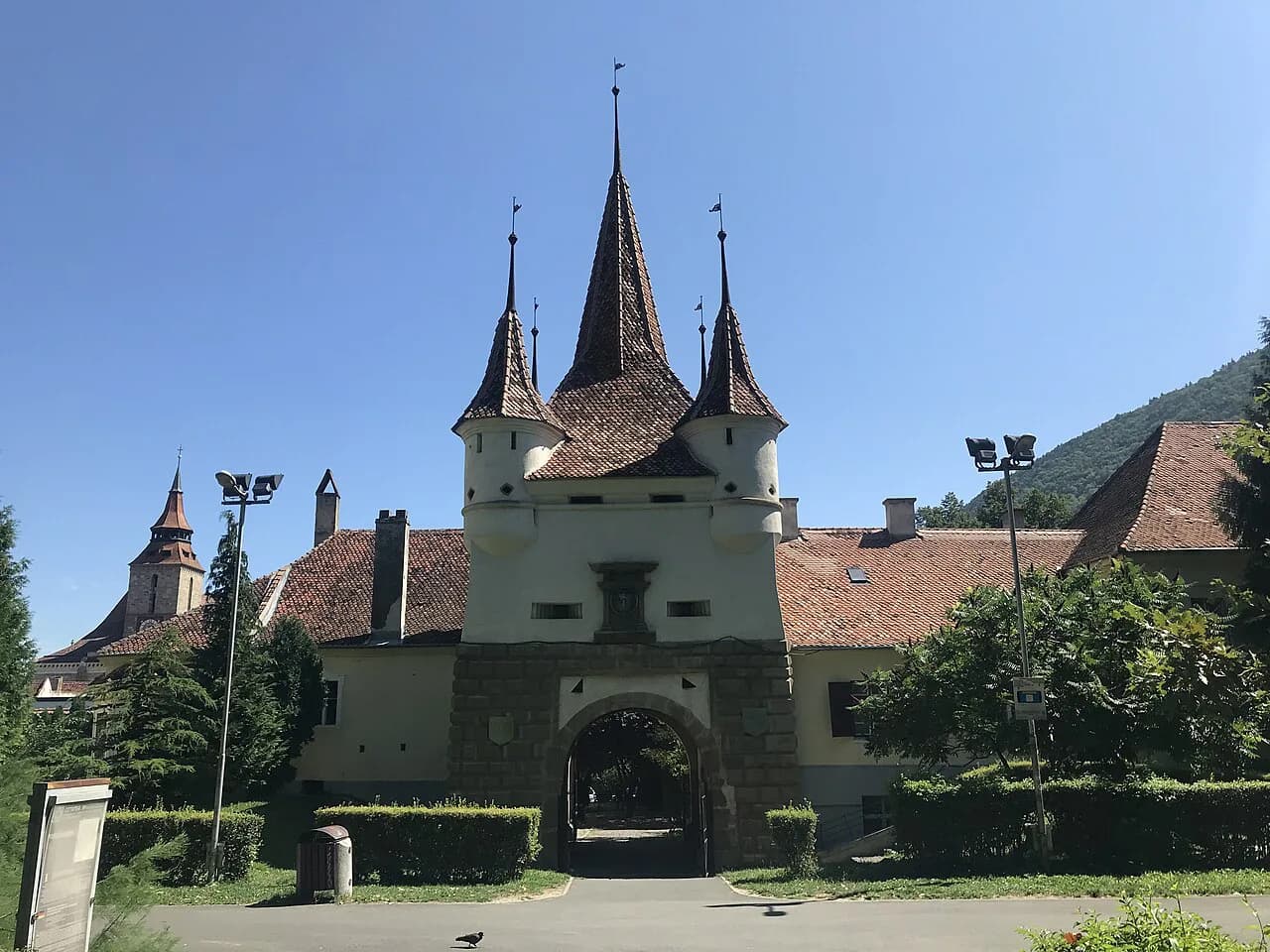
The second day is for the details a first-day circuit skips: Strada Sforii, Catherine's Gate and Weaver's Bastion, plus the Black and White Towers that once guarded the city against Tartar and Turkish attacks, though the towers close in winter. Allow time to climb Tâmpa, the small mountain in the middle of Brașov, by cable car or on foot; in winter the short daylight catches people out at the top.
Two museums fit neatly into a morning here. The Art Museum and the Ethnography Museum together took about an hour and a half, which leaves the afternoon free for the towers or the hill. Our pick of the Museums in Brașov Worth Your Time explains what each collection actually holds.
What a third day is for: Bran Castle or Peleș Castle at Sinaia, and the travel time each takes
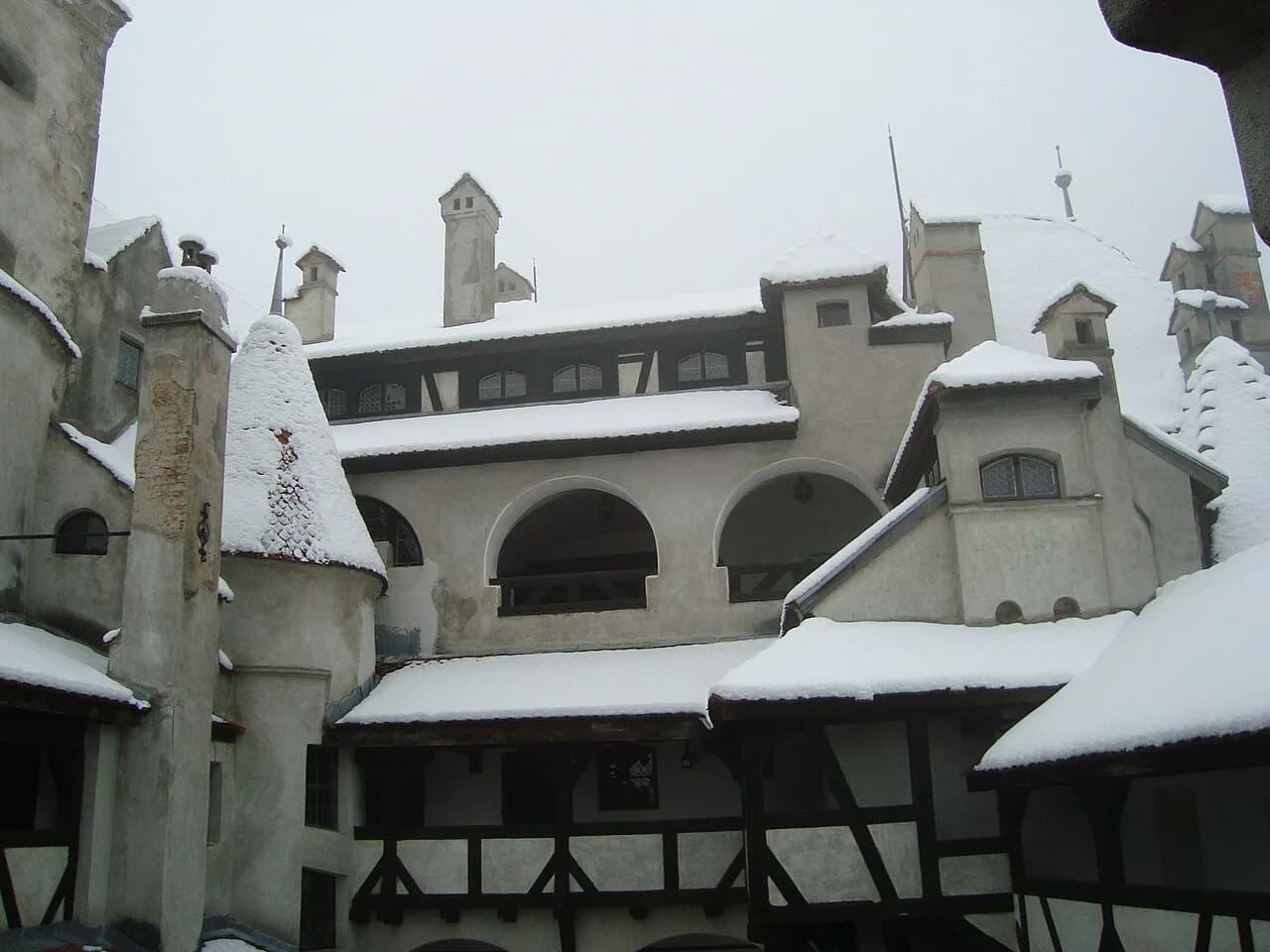
Give the third day to one castle, not both. Bran Castle is less than an hour from Brașov and markets itself heavily on the Dracula name, though the castle has nothing to do with the character: Bram Stoker's Dracula is fiction, and Vlad III's link to the building is an imprisonment. Expect gift stalls pushing the vampire story hard outside the walls.
Peleș Castle at Sinaia is the other option, about two hours away by train, and it was once the summer residence of the Romanian royal family. The interior is what separates it from other European palaces, so budget your time inside rather than on the journey. Train times and castle opening days change by season, so check current schedules and opening hours with the castle site before you commit a day.
Getting there: train from Bucharest versus a guided day trip
The train from Bucharest to Brașov takes roughly three hours each way, which eats most of a day trip before you have seen anything. An organised tour from Bucharest bundles Peleș, Bran and a short city walk into one long day instead, at the cost of doing everything at someone else's pace. The train suits travellers staying overnight; the tour suits those with a single spare day.
Staying in Brașov versus treating it as a day trip from Bucharest
Staying in Brașov buys you mornings and evenings in the old town, which is when the squares are quietest and the mountain light is best. Coming from Bucharest in a single day means three hours on a train in each direction plus the castle run, and very little of Brașov itself. If Brașov is the point of the trip, sleep here; if it is one stop on a Bucharest break, book the tour.
Using Brașov as a base for Sibiu, Sighișoara and Sinaia: the trade-off
Brașov works as a base for Sibiu, Sighișoara and Sinaia because most trips are two or three hours away, leaving a full day at the far end. The trade-off is that each of those days begins and ends with a long transfer, and you see the destination in a compressed block. Treat the base idea as a way to avoid changing hotels, not as a way to see more.
With more time, a scenic drive on the Transfăgărășan becomes possible as a long day out from the city. Keep it as a single excursion rather than stacking it onto a castle day.
Fitting Brașov into a longer Transylvania trip
On a longer Transylvania circuit, two nights in Brașov is the sensible allocation: one full day in the old town and one for a castle. Three nights only pays off if you want the second day of towers and Tâmpa as well as Bran or Peleș. Our things to do in Brasov guide lists the sights to fill whichever version you choose.
If you are weighing Brașov against other Carpathian towns for a fixed number of nights, remember that Brașov's advantage is the castle day, not a larger old town. Sighișoara and Sibiu reward their own overnight stays rather than day trips.
Two days, or three?
Book two days in Brașov and add a third only for Bran or Peleș. If you are coming from Bucharest with one spare day, take the organised tour rather than the three-hour train each way; if you are sleeping in Brașov, keep the castle day separate from the old town day. That split is what makes the trip feel unhurried.
Explore more Brasov guides
Sources
Useful notes for your next trip
Optional updates to our guides.
You might also like
Continue reading
More guides you'll find useful