Romania Bears: Watching Safely in the Carpathians
How bear watching works in Romania's mountains: ranger-led trips from Brașov, what responsible operators do, and the safety rules to follow if you meet a bear.
On this page
Romania's brown bears live in the Carpathian Mountains, and the responsible way to see one is on a small, ranger-led watching trip into protected forest rather than at a roadside feeding spot. This guide explains where the bears are, why population estimates vary so much, how organised watching works, and exactly what to do if you meet a bear on foot.
Most visitors base themselves in Brașov or the mountain towns around it, where operators run evening and early-morning wildlife observation sessions. It helps to know how the region fits together before you plan, so keep a Transylvania map to hand when you compare departure points.
What brown bears in Romania are and where they live
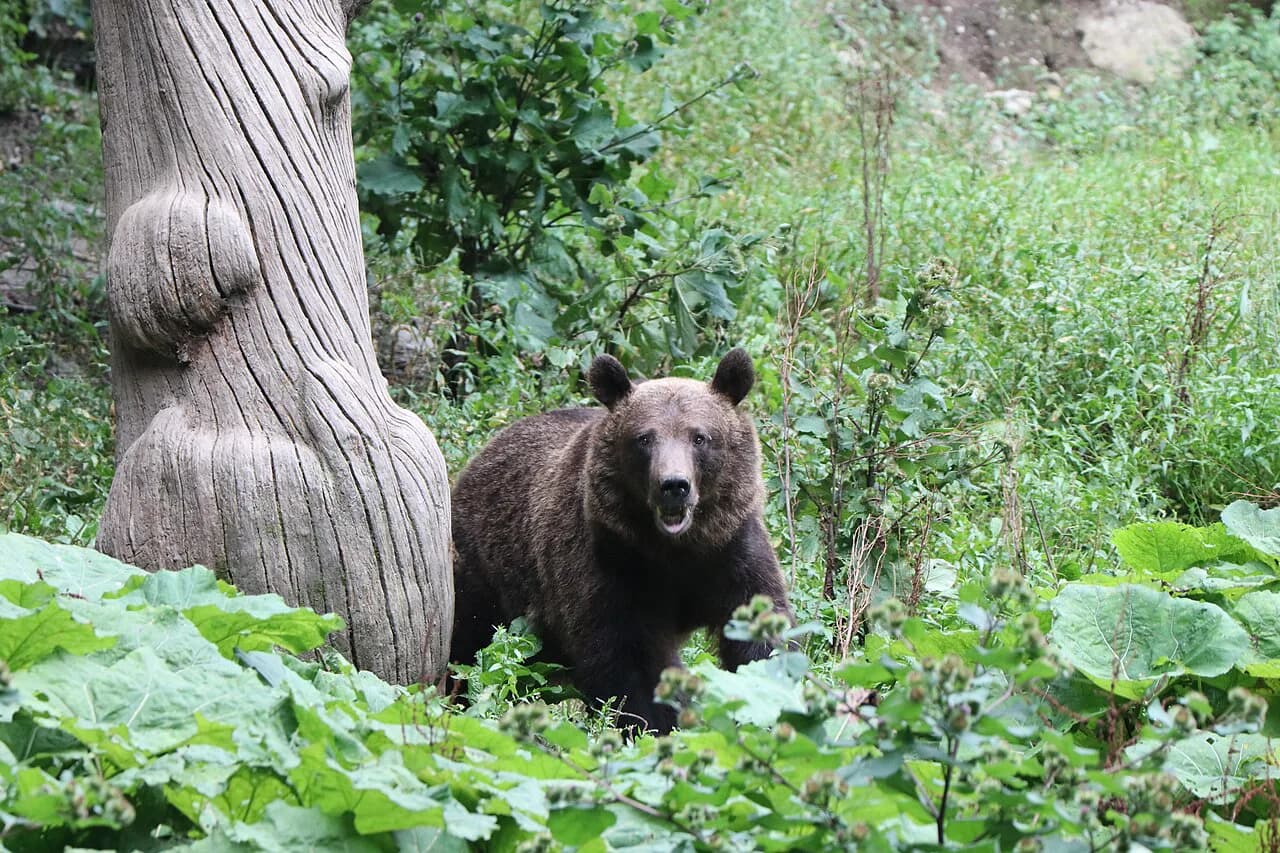
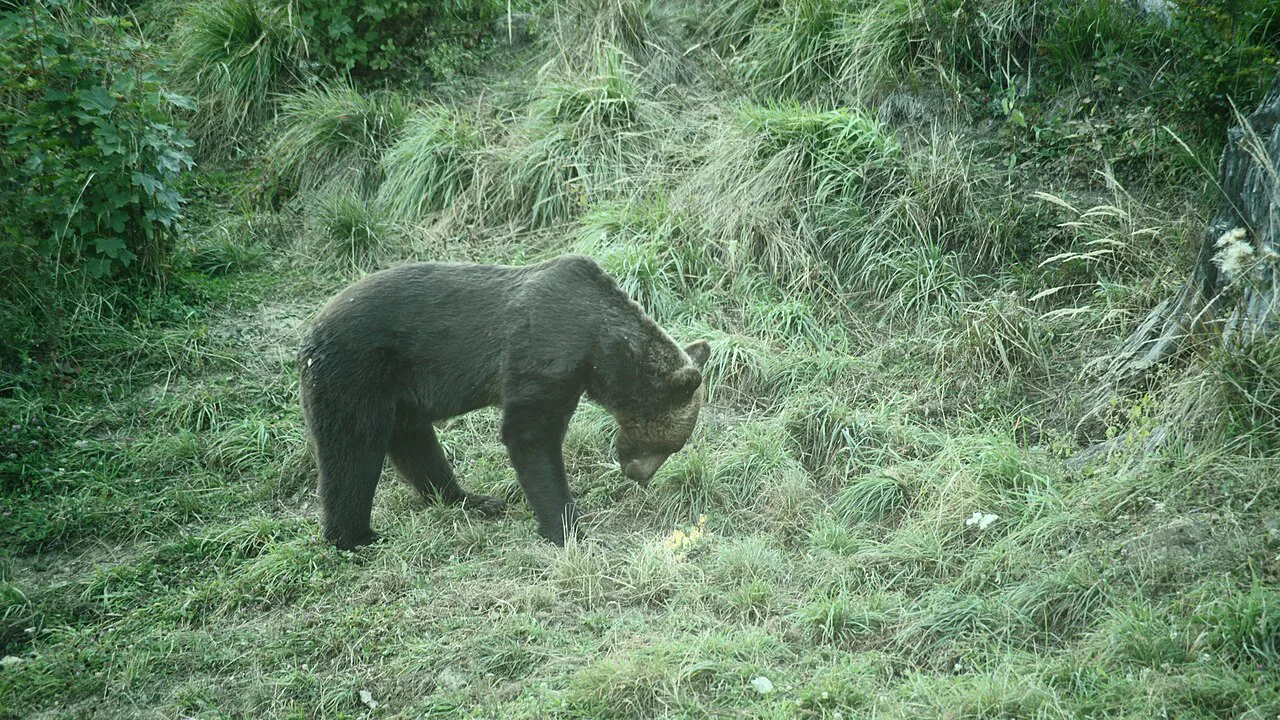
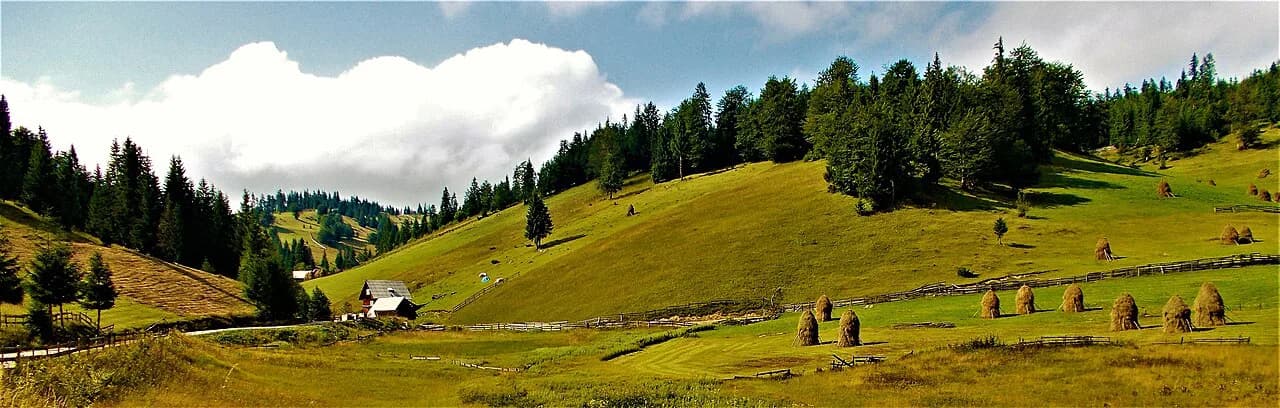
The brown bears of Romania are wild animals of the Carpathian forests, alpine meadows and rocky ground, not park exhibits. They forage on berries, roots, insects, fish from mountain streams and honey from wild hives, and their seasonal movements between elevations create natural corridors across protected areas.
In practical terms this means bears are present in the mountains around Brașov and in the wider ranges covered by the Transylvania guide, with separate bear safety advice published by the Bucegi Natural Park above Bușteni and Sinaia. Seeing one is a matter of habitat, season and quiet, not of driving to a known lay-by.
How many bears there are, and why estimates vary so widely
Traditional estimates put Romania's bear population at about 6,000, while DNA-based studies by the country's Forestry Research Institute indicate between 10,419 and 12,770 individuals from more than 24,000 samples collected over three years. The wide gap comes from method: tracking can double-count animals that travel far while foraging, whereas genetic markers in hair and faeces identify individuals.
Treat any headline figure as an estimate rather than a count of animals you will encounter. A high national number does not mean bears are queuing at the trailhead, and a low one does not make a forest walk risk-free.
What bear watching in Romania actually involves
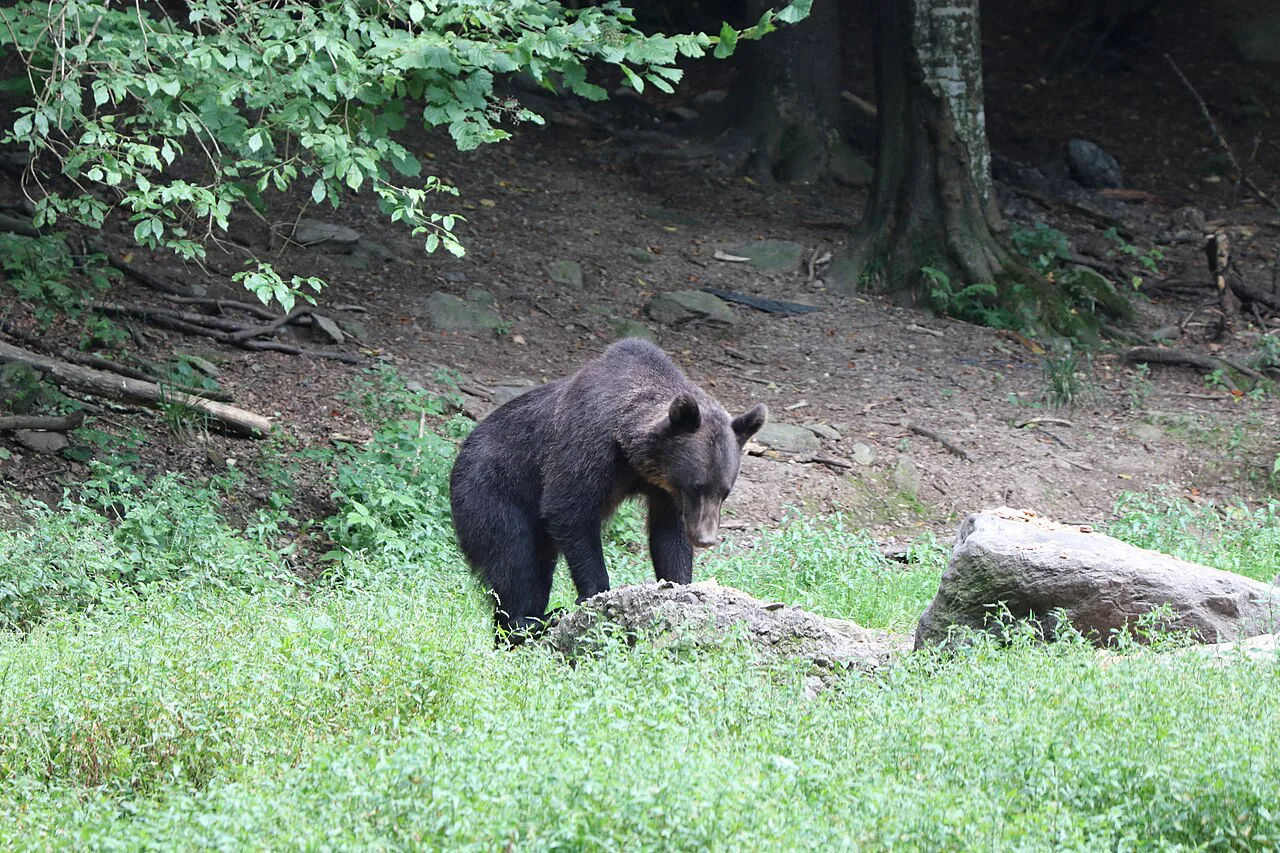
Organised watching is quiet observation from a respectful distance inside protected forest, led by professional forest rangers or local experts who know the ground. Operators run small-group programmes from the Brașov area, and their outings follow protocols designed to keep people safe and the animals undisturbed.
Book through a licensed operator rather than an informal guide, ask how many people will be in the group, and confirm that watching happens from a hide or fixed viewpoint where the animals are not baited or chased. The strongest programmes describe zero-disturbance practice and a contribution to conservation work.
No reliable tour prices, departure times or season dates are published in the material here, so check those directly with the outfitter before you commit and budget in lei (RON). If you are building watching into a wider trip, slot it around your Transylvania itinerary rather than trying to squeeze it into a travel day.
Guided watching near Brașov and in Transylvania's forests
Brașov is the natural base for watching in the forests around the city and the Bucegi range, and it also sits within easy reach of day trips to Bran Castle and Peleș Castle. Wildlife sessions usually run at dawn or dusk, so a day combining a castle visit with an evening hide works better than two fixed attractions in one afternoon.
If you prefer a guided structure for the whole region, a Transylvania tour can arrange watching alongside castle and village stops. The Apuseni Mountains in the Western Carpathians are another option, but they are far from Brașov and need their own travel day.
Entry to the Bucegi Natural Park costs 10 RON per adult and covers three months, payable online or in cash to a ranger, and it is separate from any tour fee. The park's visitor centre in Bușteni opens 9:00–15:00 at weekends from May to October and is closed from November to April.
Why ranger-led trips and quiet observation matter
Rangers read the terrain and the animals, keep group noise and movement controlled, and know when to hold back rather than close in. That discipline is what separates a wildlife experience from a roadside scrum, and it protects the Bears' natural behaviour as much as the visitors.
Feeding bears, including by leaving food at picnic areas, draws animals towards people and creates the conflicts that end badly for both sides. Carry food properly, keep picnic and camping areas clean, and never try to feed a bear.
Bear sanctuaries and rehabilitation: what a sanctuary visit is and is not
The bear sanctuary near Zărnești holds over 100 rescued bears across 69 hectares of natural forest, giving a home to animals once kept in circuses, zoos or private ownership. It is a place to see rescued bears in large enclosures, not a wild watching location; you can read more in our guide to the Libearty bear sanctuary.
Do not expect the hide-and-forest experience of a watching trip at a sanctuary. Go for the conservation story and the sight of bears behaving naturally in a large space, and book a separate ranger-led session if a wild encounter is what you came for.
Bear safety rules if you meet a bear
The Bucegi Natural Park's guidance works as a sequence, and the first rule holds in every case: do not panic and do not run. If you spot a bear at a distance, stay calm, give it space, retreat slowly and never approach it for any reason.
If the bear has not noticed you, retreat without drawing attention and avoid sudden movements or loud noises. If it has noticed you, keep movements slow and deliberate, speak firmly so it knows you are human, make yourself look bigger, and stay together with your group while keeping eye contact and avoiding turning your back.
A bear standing on its hind legs is checking its surroundings, not preparing to attack.
What to do if a bear approaches or attacks
If a bear approaches, stand your ground, make noise by clapping and shouting, and drop items from your pack while retreating to distract it. Bear spray is the park's advised response if the animal comes within 6 to 9 metres, aimed slightly downward towards its face and adjusted for wind.
Many charges are bluffs, so stand your ground and use spray if the bear closes in. If contact happens, fight back with anything available and aim for the eyes and nose.
Preventing encounters: groups, noise, food, dogs and daylight
Walk in groups, make your presence known in dense vegetation, keep dogs on a lead, and stick to marked trails in daylight. Bears are less likely to approach larger groups, and a leashed dog will not lead one back to you.
Store food properly, keep picnic and camping areas clean, and give a bear room to pass rather than standing in its path. If you are planning a longer stay in the mountains, Transylvania holidays work best when a watching session sits alongside towns and castles, leaving the forest to the animals at dusk.
Is a bear watching trip worth adding to your Transylvania plan?
A ranger-led watching session is worth one evening of a Transylvania trip if you want to see brown bears on their own terms, and it pairs naturally with Brașov and the Bucegi range. Treat sanctuaries as a separate conservation visit, and never expect the two experiences to be interchangeable.
Weigh it against a castle day: Peleș Castle and Bran Castle are fixed visits, while wildlife is never guaranteed, so build the watching session in as a bonus rather than the reason for the trip.
Explore more Transylvania guides
Sources
Useful notes for your next trip
Optional updates to our guides.
You might also like
Continue reading
More guides you'll find useful