Sibiel, Romania: The Village of Painted Glass Icons Near Sibiu
Sibiel is a small village in Mărginimea Sibiului, known for its museum of icons painted on glass. Here is what to see and how to get there.
On this page
Sibiel is a half-day village stop from Sibiu, built around one clear draw: the Museum of Icons on Glass, which the Sibiu county tourism site describes as holding the largest collection of its kind in Transylvania. Everything else in the village is small and slow — a stone church, a fire station with old equipment, a blacksmith's workshop, orchard lanes and a ruined fortress above the valley. This guide separates those into decisions with their own time costs, starting with the museum, then the church, then the optional walks, and finally how to get there from Sibiu. For the wider city base, see Things to Do in Sibiu.
What Sibiel is and where it sits
Sibiel is one of the villages of Mărginimea Sibiului, the pastoral region south of Sibiu that the county tourism authority describes as a landscape of wooded ridges, sheep farming and rural tourism. In 2015 the region received a European Destination of Excellence distinction for tourism and gastronomy, which is the context for Sibiel's small tourism economy. Most residents now work in rural tourism, according to the same authority. That matters for planning: the village is set up for visitors, but at village scale.
The village sits in the hills south of Sibiu, in the same belt as Săliște, Fântânele, Rășinari and Gura Râului, all listed as Mărginimea Sibiului villages on the county tourism site. Săliște matters practically because it holds the tourist information centre that handles requests for the blacksmith's workshop in Sibiel. If you are building a wider Sibiu trip, check the things to do in Sibiu before committing a day to the villages.
The Museum of Icons on Glass
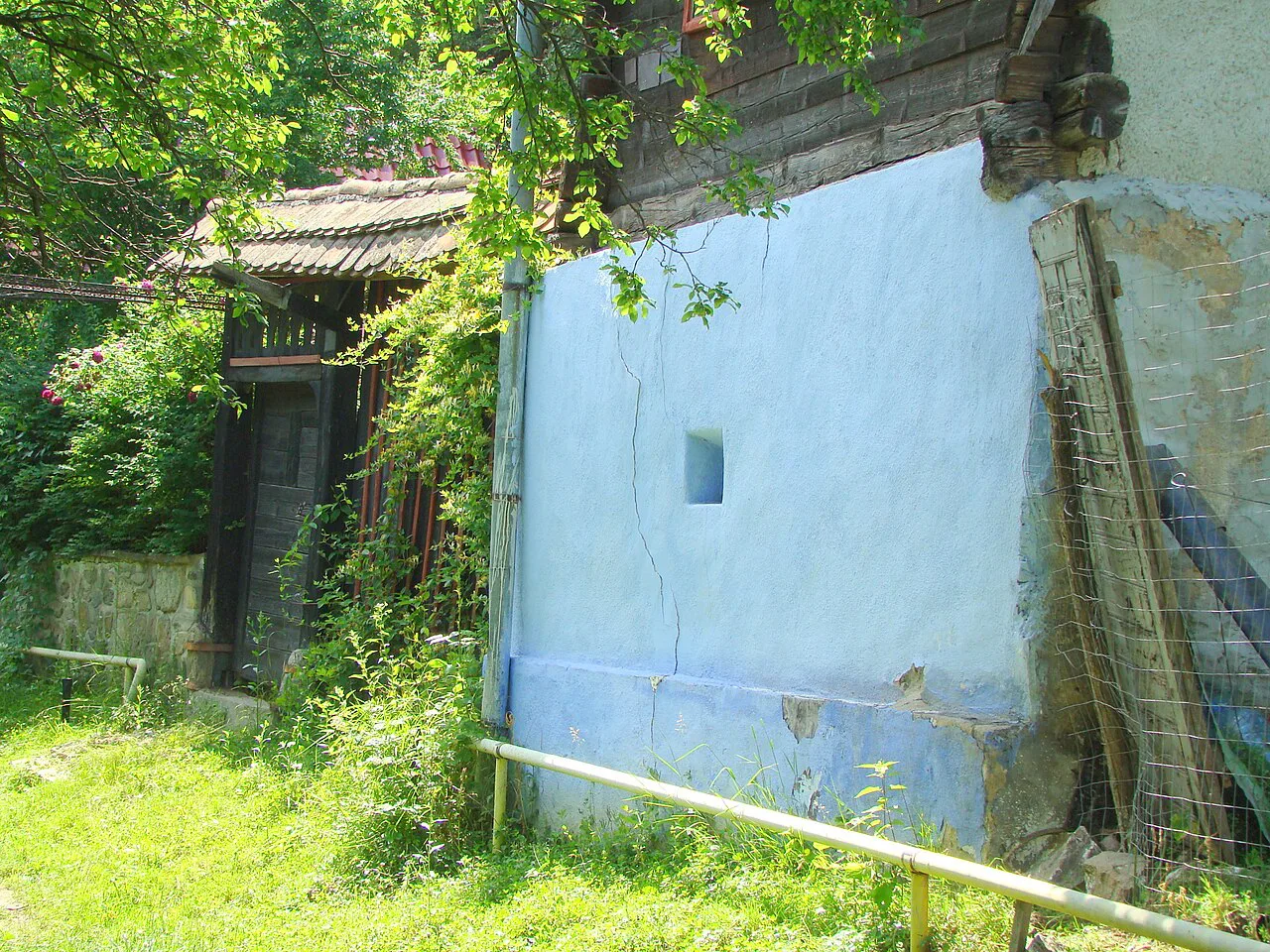
The museum of icons painted on glass is the reason most visitors come. The county tourism site calls it the village's best-known sight and describes it as holding the largest collection of glass icons in Transylvania — a claim that applies to Transylvania, not to Romania as a whole. Icons on glass are painted from the reverse of the pane, a Transylvanian peasant craft, and the museum is the place to see the technique gathered in one collection.
The site does not publish ticket prices or opening hours for the museum, so check at the tourist information centre in Săliște or with your accommodation before you go. Budget around an hour inside if you read the labels; the collection is small enough to see properly rather than skim. Pair it with the church next door so the two visits form one block of your morning.
The Church of the Holy Trinity and its 1765 date
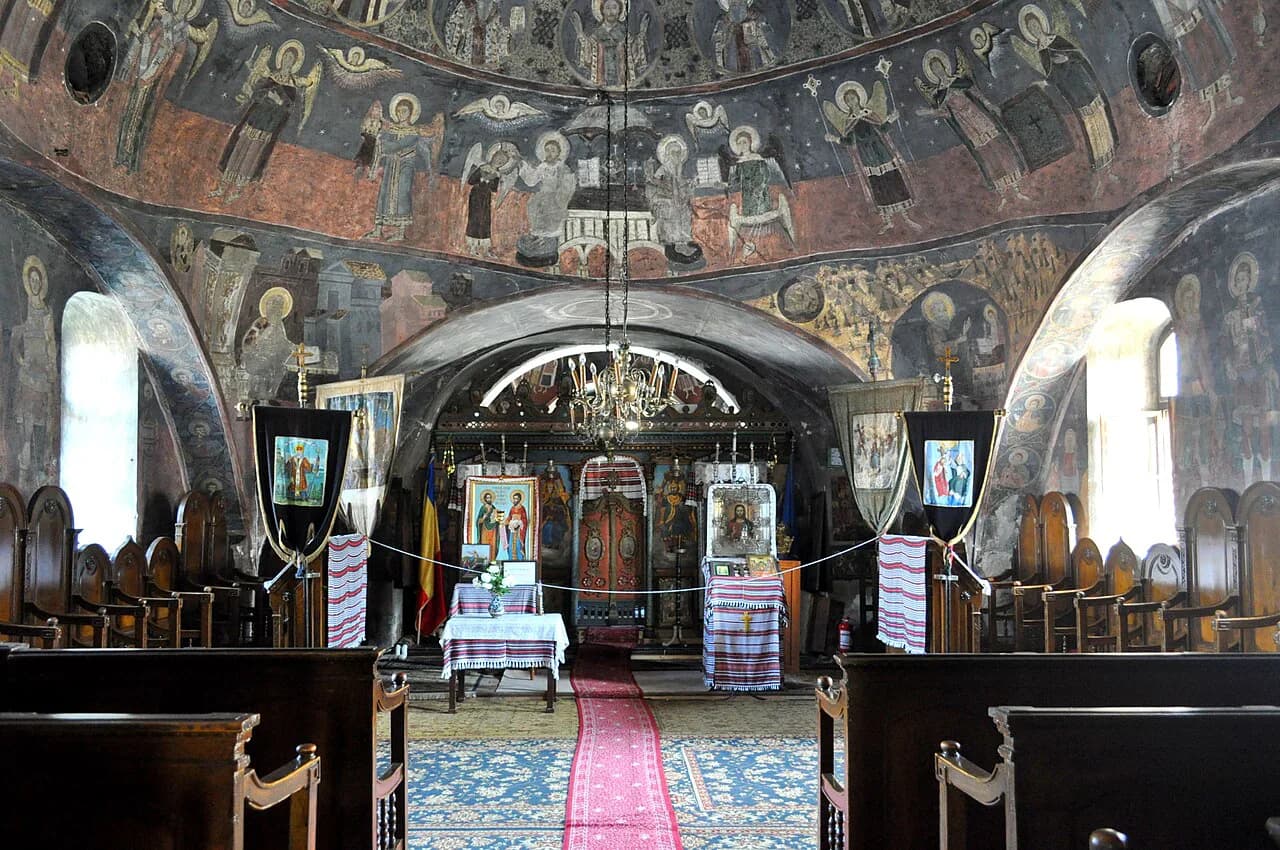
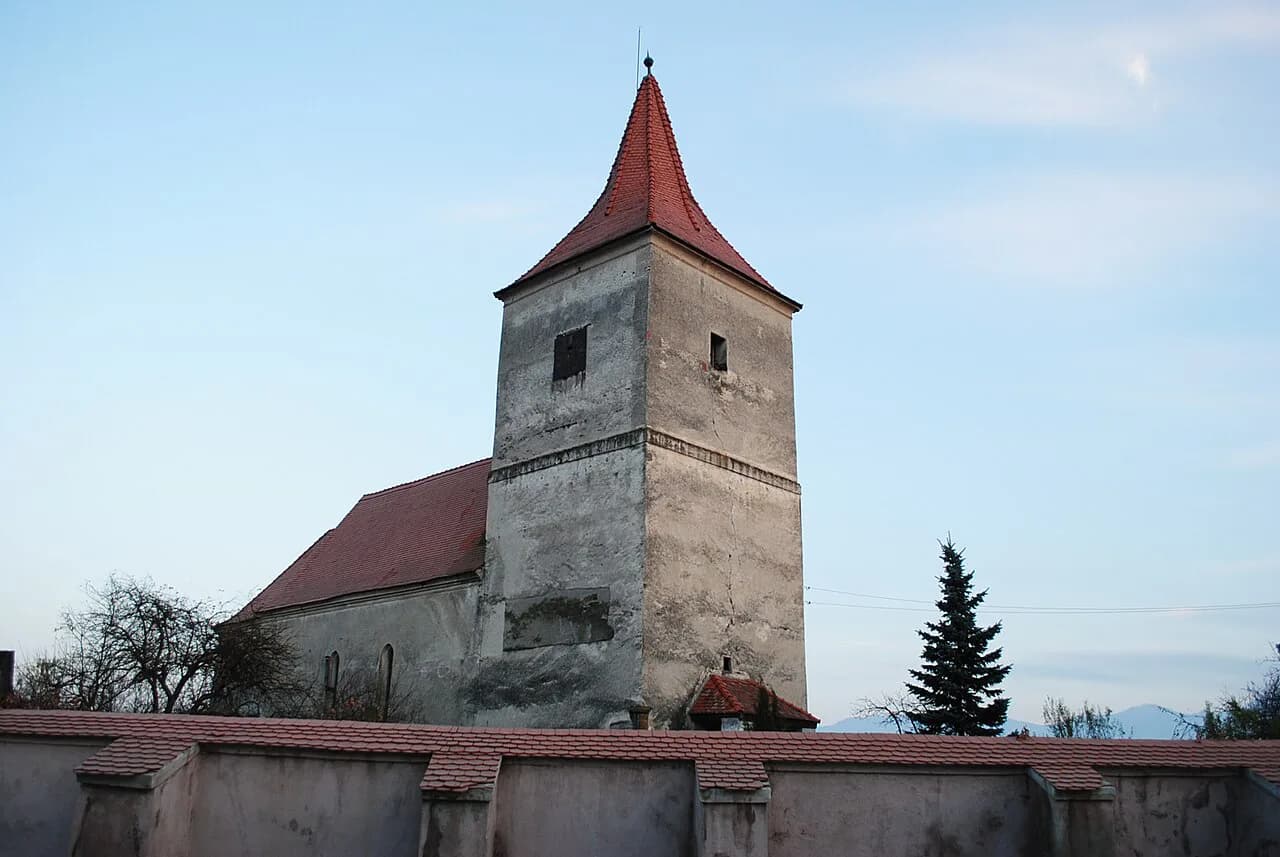
The Biserica „Sf. Treime” (Church of the Holy Trinity) is the village's other fixed sight. The county tourism site dates its construction from 1765 and calls it a monument of art. It also notes one of the few old cantorial seats surviving in the country, a detail worth looking for inside. The church sits at the edge of the village, so it works as the start or end of a short loop.
Allow twenty to thirty minutes for the church and its surroundings. If church architecture is your interest, the museums in Sibiu and the city's own places of worship give you a fuller picture of the region's religious building. Sibiel's church is a village church, not a cathedral-scale monument, so treat it as a complement rather than a destination in itself.
The old fire station and the blacksmith's workshop
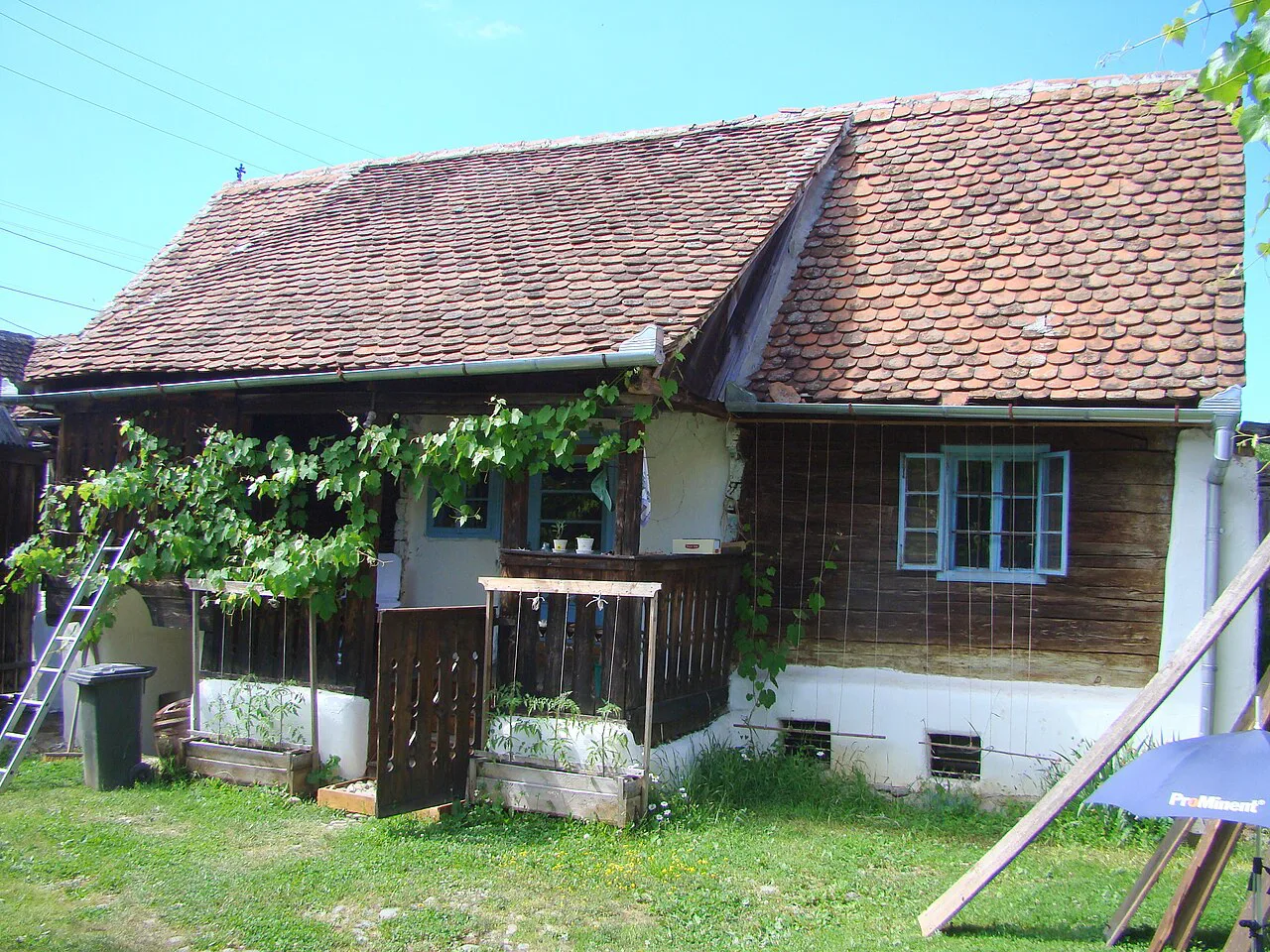
Two small sights sit off the main lane. The fire station on Strada Râului holds old equipment from the late nineteenth century, including hand pumps, horse-drawn pumps and tanks, as the county tourism site describes it. It is a ten-minute look rather than a museum visit. The blacksmith's workshop, the covăcia lui Ion Petra, can only be visited with a prior request to the tourist information centre in Săliște, and the site ties access to your stay in Sibiel. Do not turn up expecting the door to be open.
The fire station and blacksmith's workshop are worth seeking out only if you have already covered the museum and church and have time left. The request route through Săliște means the workshop needs planning before you leave Sibiu, not on arrival. Make the call or email a day ahead if the workshop is the part you care about.
The ruined Salgo fortress and the walk up
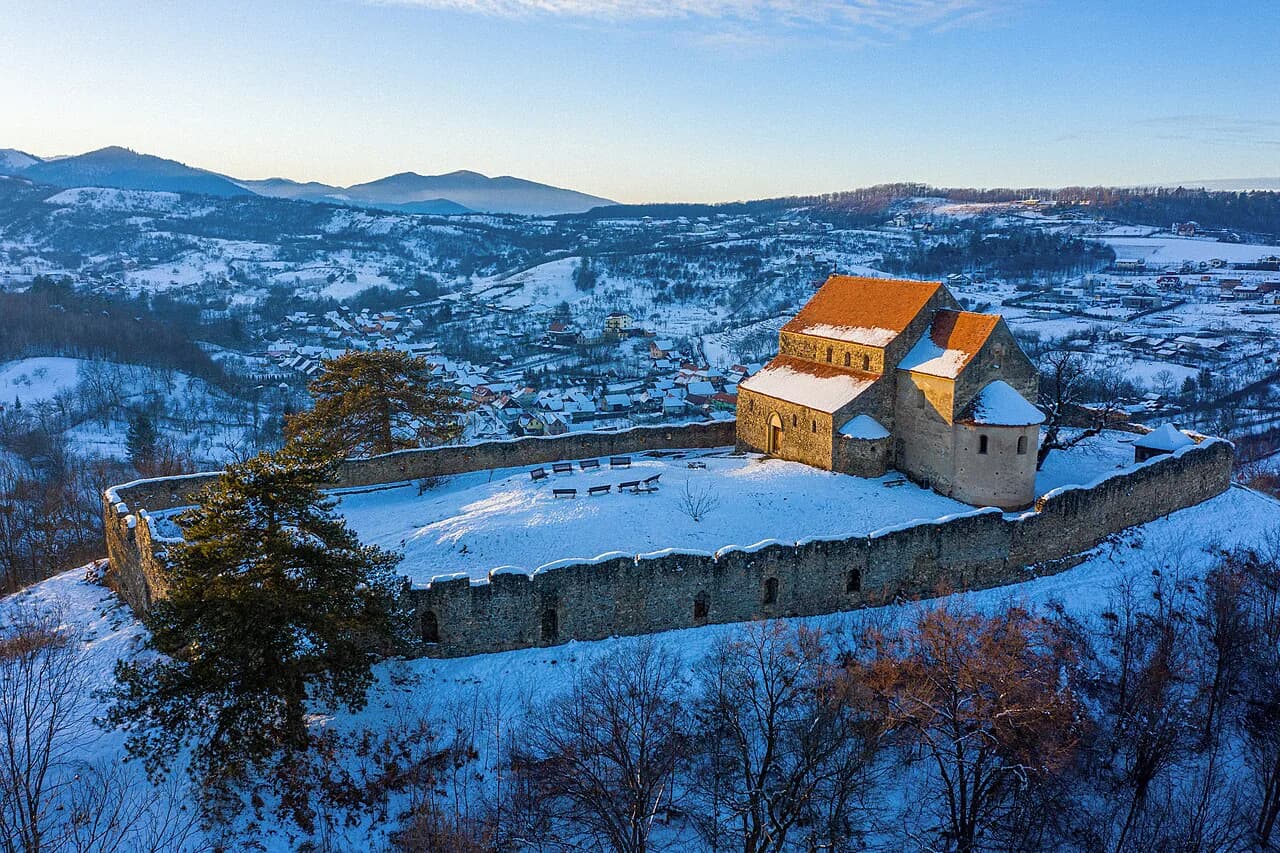
The ruins of the former Salgo fortress sit above the village, and the county tourism site lists a circuit route, Sibiel pe la Cetate, that takes in the ruins. It is an optional add-on rather than a core sight. The site gives no condition, safety or access details for the ruins, so treat the path as a village walk and wear footwear that copes with rough ground.
A second listed route runs from Sibiel to La Mănăstire and on to the former Fântânele cabana, which gives you a longer option if the weather holds. Both are walks from the village rather than hikes that need a guide. If you are staying in Sibiu and want a walking plan for the city itself, the Sibiu walking tour covers that separately.
The traditional orchards and old apple and pear varieties
Sibiel's surroundings hold traditional orchards with old local apple and pear varieties, some over a hundred years old, according to the county tourism site. The site recommends a walk through the orchards around the village and notes apple fairs in Sibiel and Fântânele where producers bring the local varieties. The fairs are described in general terms, so do not plan a trip around a date without confirming it with the tourist information centre in Săliște.
The orchard walk is a good fill-in if you arrive before the museum opens or want to stretch your legs after lunch. It is flat, informal and unfenced in places, so keep to the tracks. Take a map of the wider area if you plan to link Sibiel with Săliște or Fântânele on foot.
How to get to Sibiel from Sibiu
The county tourism site lists Sibiel under Mărginimea Sibiului and gives Sibiu transport pages for travel by train, car and coach, but it does not publish a timetable for the Sibiel run. Check the Sibiu transport pages for current services, or ask at the tourist information centre. By car you follow the road south through the villages; by train you need to confirm which station stop serves Sibiel before you set out.
Sibiel is close enough to Sibiu to work as a morning or afternoon out, and its position in the village belt means you can combine it with Săliște or Rășinari on the same drive. The old town in Sibiu is the natural base for the trip; the Sibiu Old Town guide covers the centre, while Cisnădioara gives you another small village with a walk above it.
How long Sibiel needs and whether it works as a half-day
Plan a half-day from Sibiu: an hour at the museum, half an hour at the church, and the rest on the village lanes, the fire station and the orchard walk. The ruined fortress adds time and needs dry weather and proper shoes. If you want the blacksmith's workshop as well, build the Săliște request into the plan a day ahead.
The village does not fill a full day on its own, and the county tourism site does not market it as one. Combine it with a second village if you have a car, or keep it as a short rural half-day between city days. Prices and opening hours for the museum and church are not on the county tourism page, so check before travelling. If you need a Sibiu map for the wider route, that page covers the city's layout.
Is Sibiel worth the half-day from Sibiu?
Yes, for the museum of icons on glass and the Church of the Holy Trinity. The two together justify the trip from Sibiu, and the village lanes and orchard walk fill the rest of a morning without pressure. Go for the museum first, because the rest of Sibiel is small and the collection is the part you cannot see in the city.
Skip Sibiel if your Sibiu days are already full and you would rather spend them in the old town. The village is a short rural stop, not a full day out, and the ruined fortress and orchard walk are optional add-ons that depend on weather and footwear. Confirm museum hours and any workshop request in Săliște before you go.
Explore more Sibiu guides
Frequently Asked Questions
Do I need to book the blacksmith's workshop in Sibiel in advance?
Yes. The workshop, the covăcia lui Ion Petra, can be visited only with a prior request to the tourist information centre in Săliște, and access is tied to your stay in Sibiel. Make the request before you leave Sibiu so the visit fits your half-day.
Can I see Sibiel without a car?
Possibly, but confirm the service first. The Sibiu county tourism site lists travel by train, car and coach but does not publish a Sibiel timetable, so check the transport pages or ask the tourist information centre before relying on public transport. With a car you can also link Sibiel with Săliște or Rășinari.
Sources
Useful notes for your next trip
Optional updates to our guides.
You might also like
Continue reading
More guides you'll find useful