Transylvania Itinerary: A 5–7 Day Loop by Car or Train
Build a Transylvania itinerary of five to seven days, with Brașov, Sighișoara and Sibiu as bases, realistic train and car times, and Bran and Râșnov on one bus day.
On this page
Plan five to seven days for a Transylvania loop built on three bases: Brașov, Sighișoara and Sibiu, with Cluj-Napoca added at the northern end if you have the full week. Two nights in Brașov, one in Sighișoara and two in Sibiu give you a working route without long daily drives. This itinerary writes the travel time into each day so the hops are planned, not improvised.
The loop sits in the centre of Romania, and Brașov, Sibiu and Cluj-Napoca each have an airport, so you can start at whichever end suits your flight. Trains connect all three cities through CFR Călători, though services can be slow and delayed, so leave slack around any connection onto a booked flight. Check the towns and their spread on the Transylvania map before you fix the order. A hire car adds flexibility in the villages but costs you in the cities, where old-town parking is the real constraint.
How many days a Transylvania loop needs, and what to drop for four
A comfortable loop needs five days at a minimum, and seven lets you add Cluj-Napoca without rushing the middle. The four-day version drops Cluj-Napoca and runs Brașov to Sighișoara to Sibiu and back, which keeps every transfer under a half-day.
Do not try to squeeze three bases and Cluj-Napoca into four days. Romanian trains and roads are slower than their distances suggest, so a day that looks light on the map fills up with platforms and car parks. Take the cut instead of racing through towns you paid to see.
Choosing your bases: Brașov, Sighișoara, Sibiu and Cluj-Napoca
Brașov is the most popular base because the old town is compact on foot and sits within day-trip range of Bran Castle, Sinaia and the Transfăgărășan road. It is also the busiest, so book the Bran day early in the trip rather than last.
Sibiu rewards depth over breadth, with a walkable old town around Piața Mare that feels medieval rather than renovated for visitors. Sighișoara works best as a single night between the two rather than a day trip from Brașov, because the drive there and back eats a full day. Cluj-Napoca is the northern anchor, useful as a start or finish point rather than a mid-loop stop.
Getting in: which airport to fly to, and the transfer to your first base
Cluj-Napoca's Avram Iancu airport is the most convenient entry for a northern start, with direct routes from several European hubs. Sibiu's airport drops you straight into the heart of the region, and Brașov's newer airport is worth checking if you plan to base there. Bucharest Henri Coandă has the widest flight selection and works if you want a night in the capital first.
From Bucharest, allow roughly three hours to Brașov by train or about two and a half hours to Sibiu by car. The faster Bucharest Nord to Brașov InterCity services take around two and a half hours, and Bucharest to Cluj runs roughly five to six hours depending on the service. Treat these as planning figures rather than a timetable, and do not book a tight onward connection.
Days 1–2 in Brașov: the squares, the Black Church and the Tâmpa walk
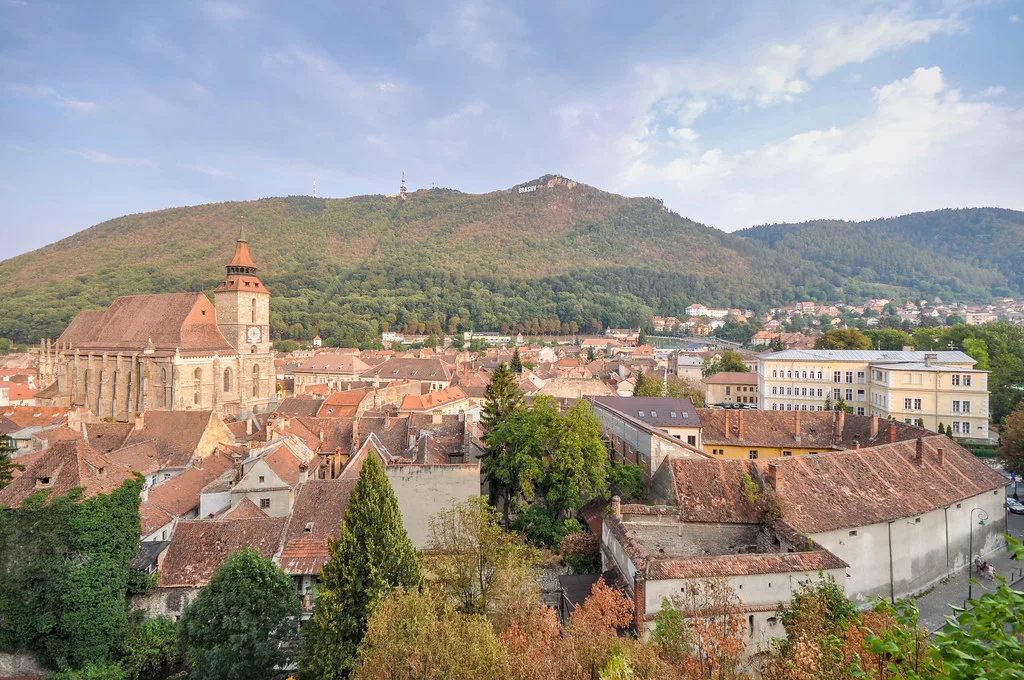
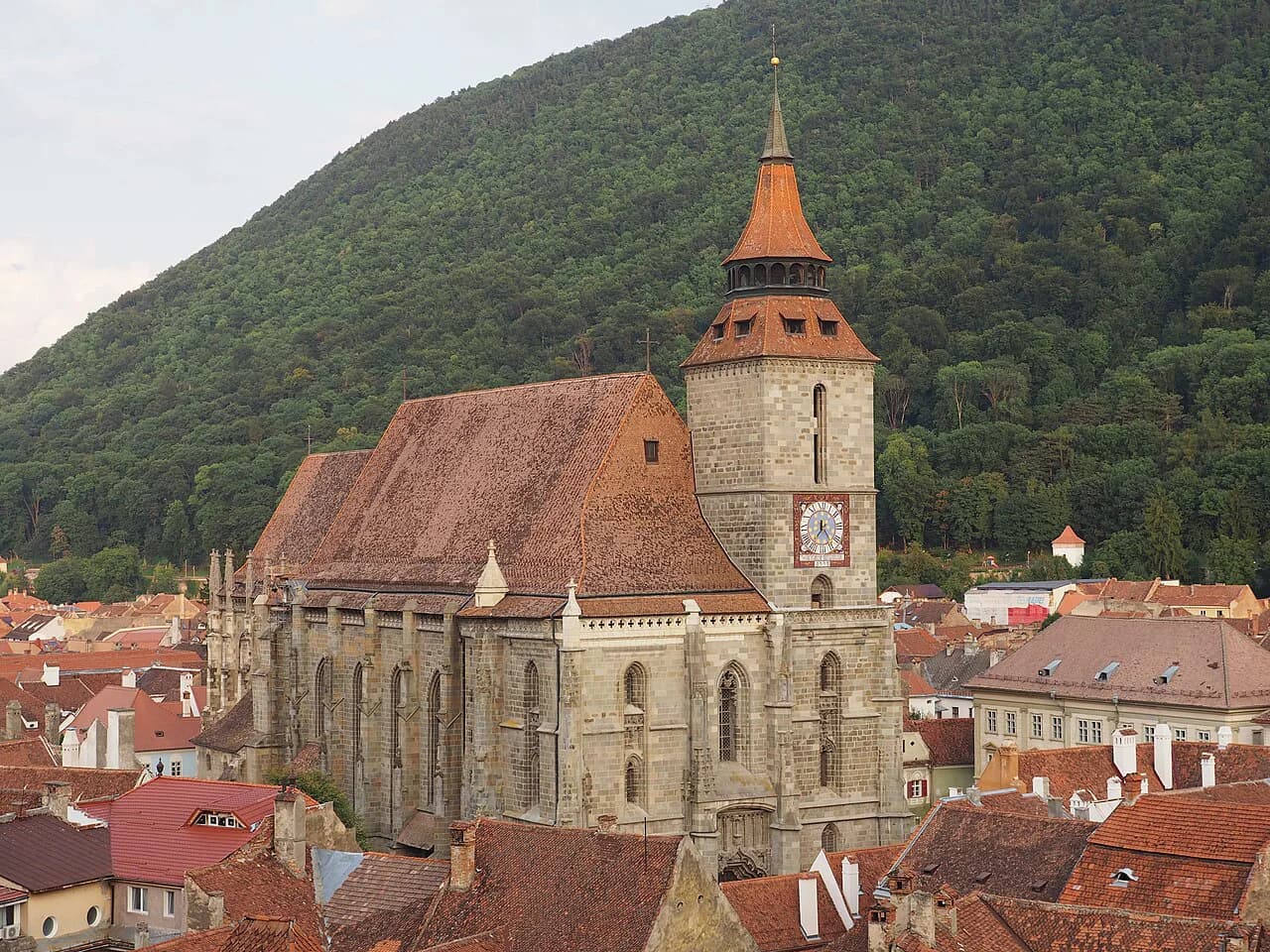
Brașov's old town centres on Piața Sfatului, with the Black Church, Biserica Neagră, a short walk away. Give the church interior a proper look, then walk the former fortification line above the old town to the Black Tower and the White Tower, both of which give you views back over the roofs.
The BRAȘOV sign on Tâmpa is a legitimate viewpoint, roughly a 40-minute walk up from the old town. Do it on your second afternoon rather than your first morning, when you still have the energy for the church and the towers. While you wander, look for Strada Sforii, the narrow lane known as Rope Street, near the old town centre.
A Bran and Râșnov day from Brașov on one bus
Run Bran and Râșnov as a single day from Brașov, because the same bus from Autogara 2 serves both and the trip takes under an hour each way. Go to Bran first while it is quieter, then take the short hop on to Râșnov.
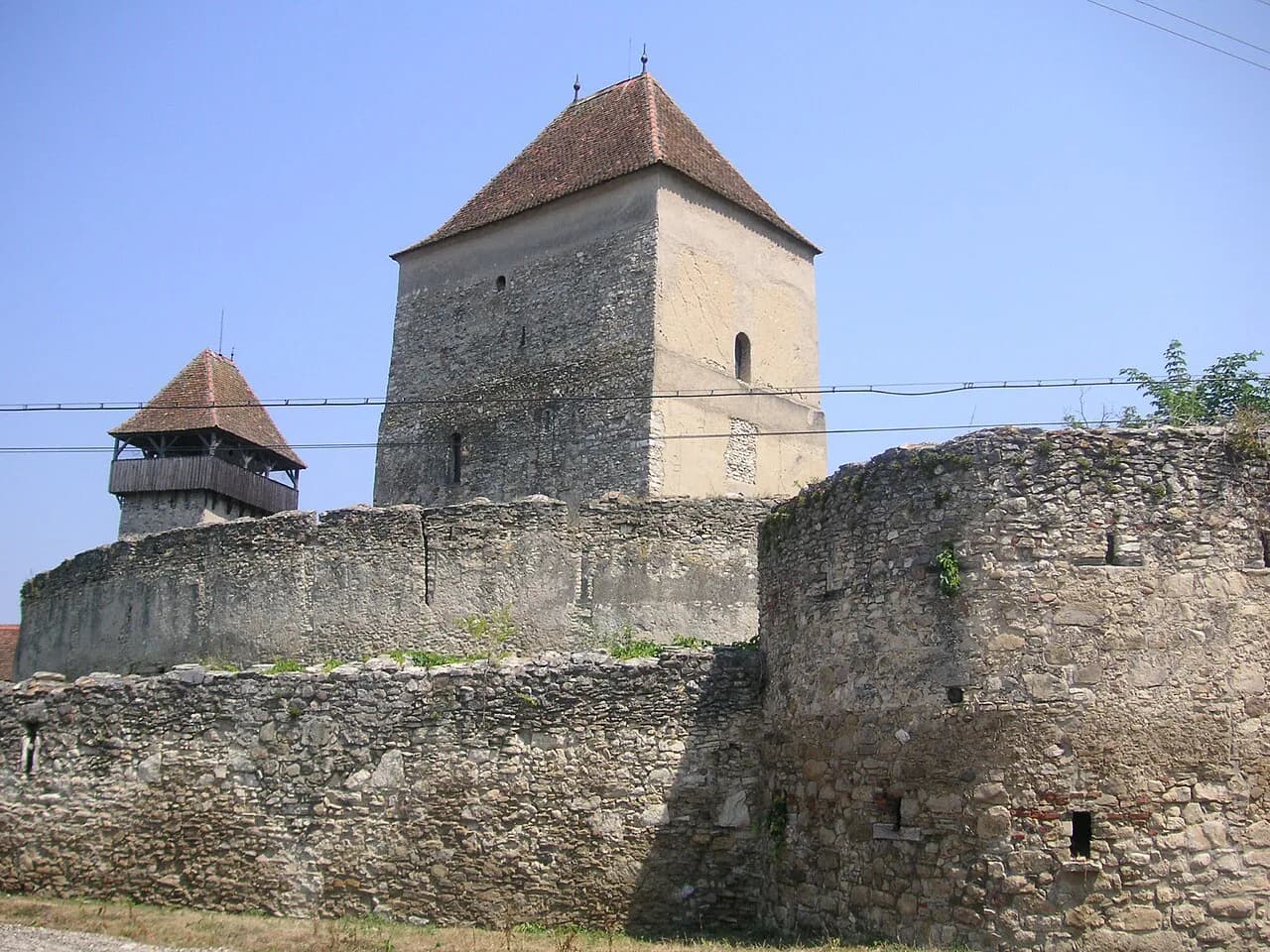
At Râșnov, the citadel sits on a hill above town and the climb from the bus stop is a walk in its own right, so wear shoes that cope with it. Inside, some structures are ruined while the bulk of the fortifications still stand, and the towers give wide views over the plain. Finding the entrance can confuse first-timers, so follow the signed path rather than cutting up through the houses.
At Bran, separate Bram Stoker's novel from the historical Vlad III. Bran has almost no proven connection to Vlad Țepeș, and the fortress he actually used was Cetatea Poenari, a ruined hilltop stronghold about 90 km south-west that requires a climb of some 1,480 steps. Bran is worth the visit on its own terms, but go knowing what you are seeing.
Adding Sinaia and Peleș Castle from Brașov
Sinaia is 45 km south of Brașov along the E60/DN1, about 40 minutes by car or a direct train from the city. Peleș Castle, the neo-Renaissance royal summer residence, is the reason most people make the trip, so set aside two hours minimum for the interior.
In July and August, entry queues at Peleș can run to one to two hours, so book ahead and start early. If you are on the train, match your return service before you go in rather than hoping for a convenient one later. Ticket prices and opening days change, so check them on the castle's official pages before you commit the day.
Sighișoara as a night between Brașov and Sibiu
Sighișoara deserves a night, not a day trip, if you want the citadel without the coach crowds. Arrive in the late afternoon, walk the walled centre in the evening, and leave after breakfast for Sibiu.
The town also hosts a medieval festival in July, which is worth planning around if the dates suit you, but check the current year's dates before booking. A single night covers the citadel comfortably; two would be padding unless you plan to use it as a base for the surrounding villages.
Sibiu: Piața Mare, the Brukenthal National Museum and the old town on foot
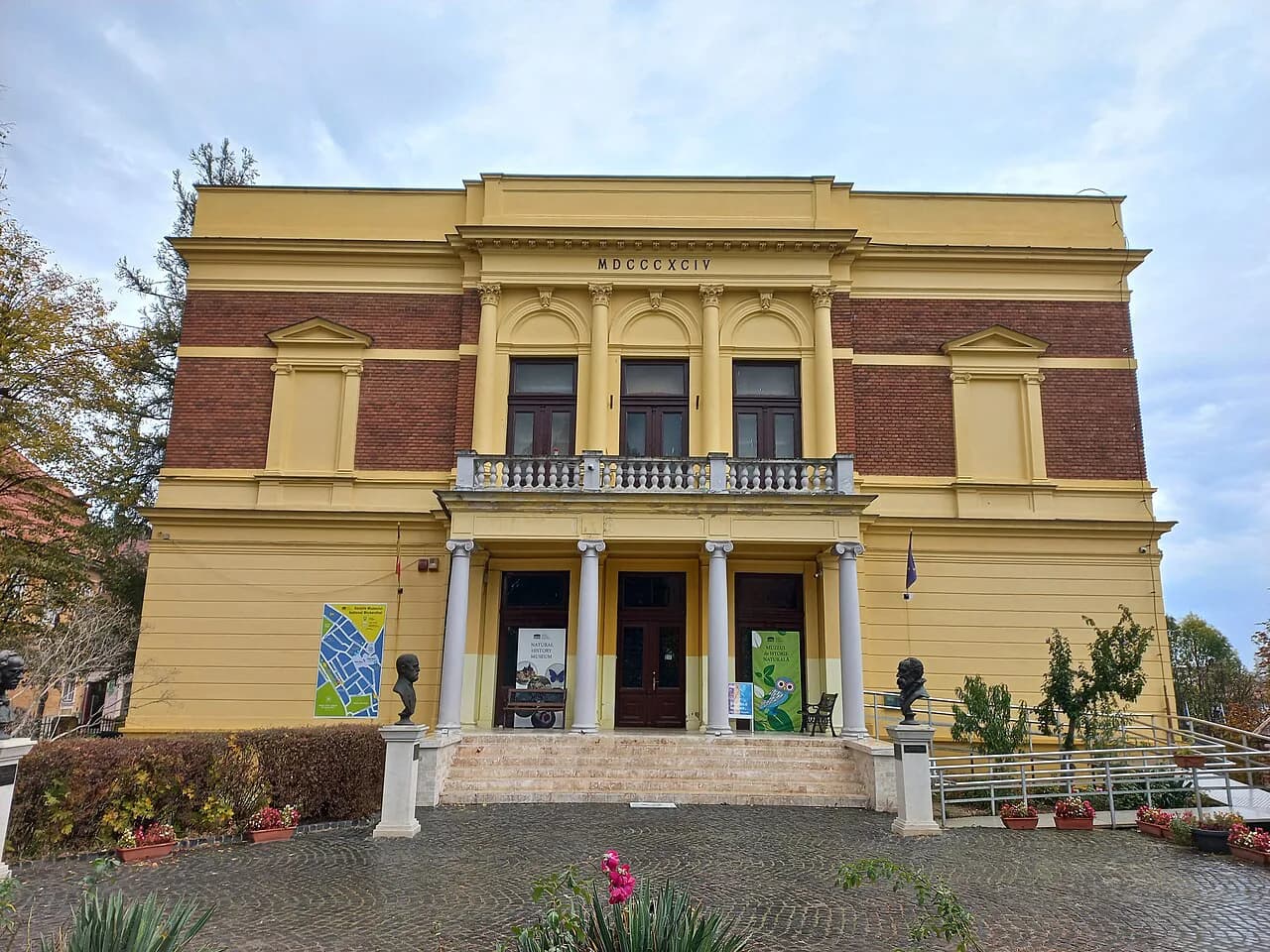
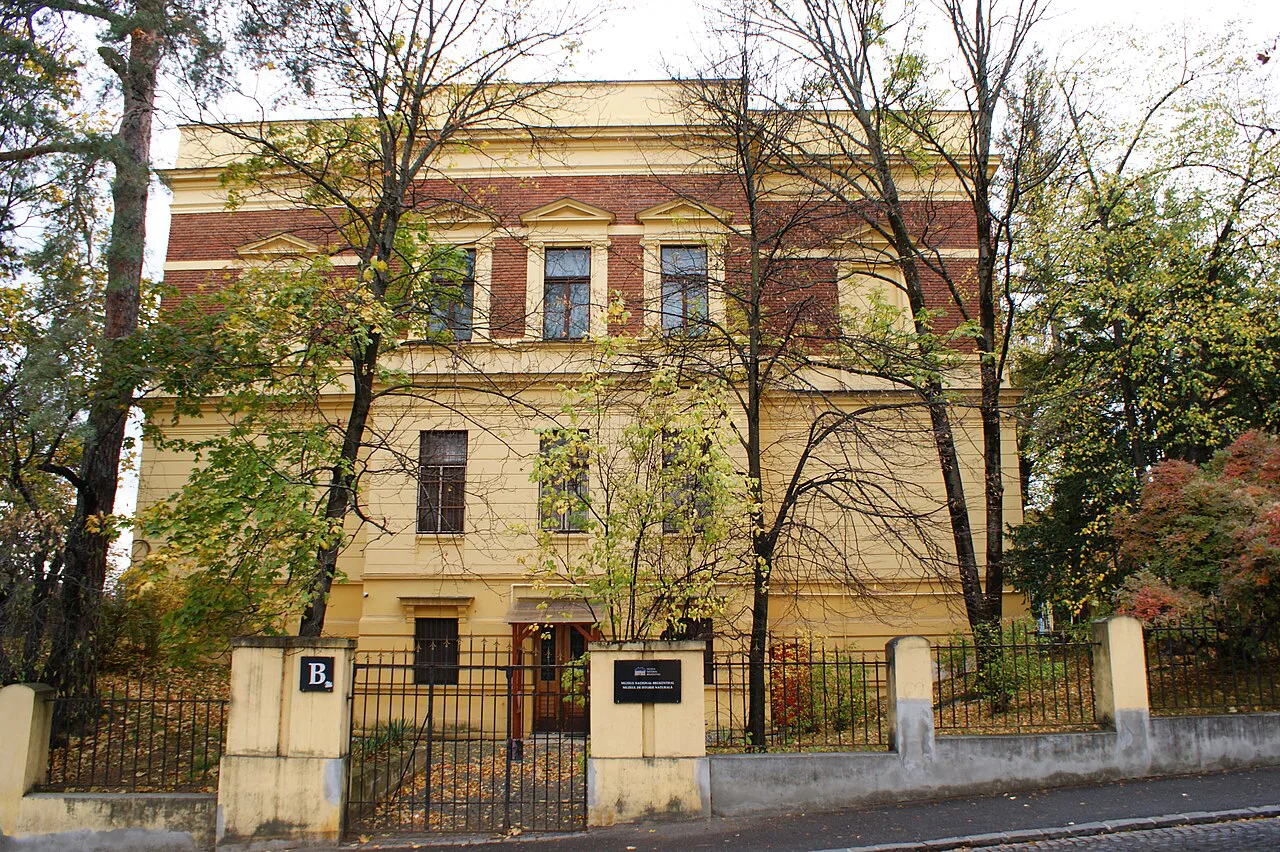
Sibiu's old town is compact around Piața Mare, which makes it the easiest base of the trip to explore on foot. Give the Brukenthal National Museum a proper half-day: it is unhurried and under-visited compared with the castle queues further east, and it has a free-entry day each month that the museum publishes.
Use the second Sibiu day for the streets rather than another museum, and keep the pace slow. If you want to see more of the region's smaller towns, treat Sibiu as the gateway rather than spending both days inside the ring road.
Cluj-Napoca as the northern end or start
Cluj-Napoca works best as the northern anchor of the loop, so you either fly in there and work south, or finish there and fly out. From Bucharest, the rail hop runs roughly five to six hours, which is a half-day you should plan rather than squeeze.
If your route runs north of Cluj, Târgu Mureș makes a sensible stop between the northern end of the loop and the towns further south. It is a working city rather than a museum piece, which makes a change from the walled towns further south.
Getting around: trains, buses and when a hire car pays off
CFR Călători trains connect the major cities, but Romanian trains are slow and sometimes delayed, so plan around the journey rather than against it. On intercity routes, bring food and book a seat in advance. FlixBus runs between Bucharest and several Transylvanian cities, and local maxi-taxi minibuses fill the gaps between smaller towns.
If you hire a car, the DN1 and the A3 motorway from Bucharest towards Cluj are well maintained, but secondary roads in the mountain zones need patience and a car with decent suspension. City-centre parking in Brașov and Sibiu is the main friction, so pick accommodation with a space rather than circling. In cities, public transport is efficient, especially the Bucharest metro, if you add the capital to either end.
Where the car earns its place: Peleș, the Saxon villages and slower roads
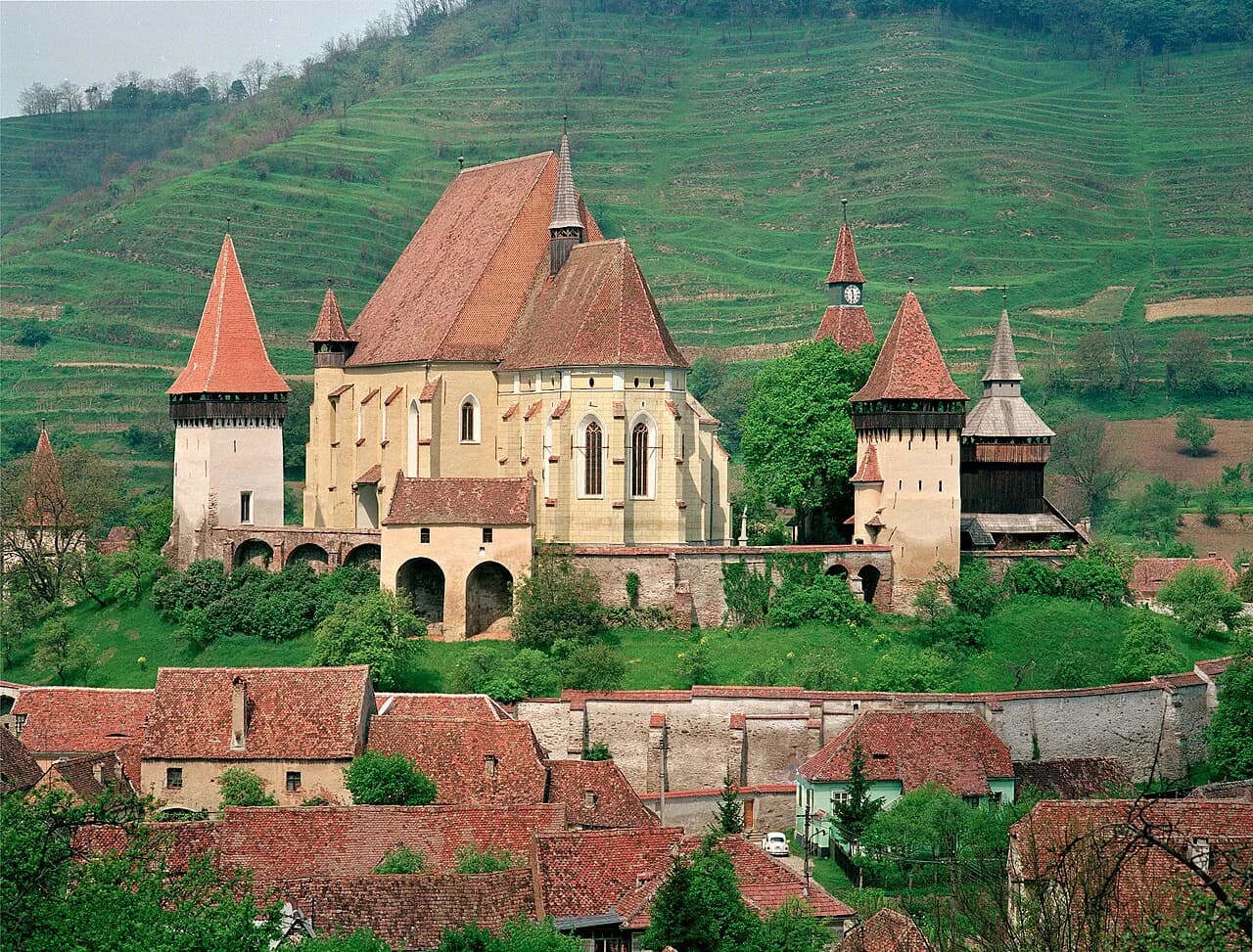
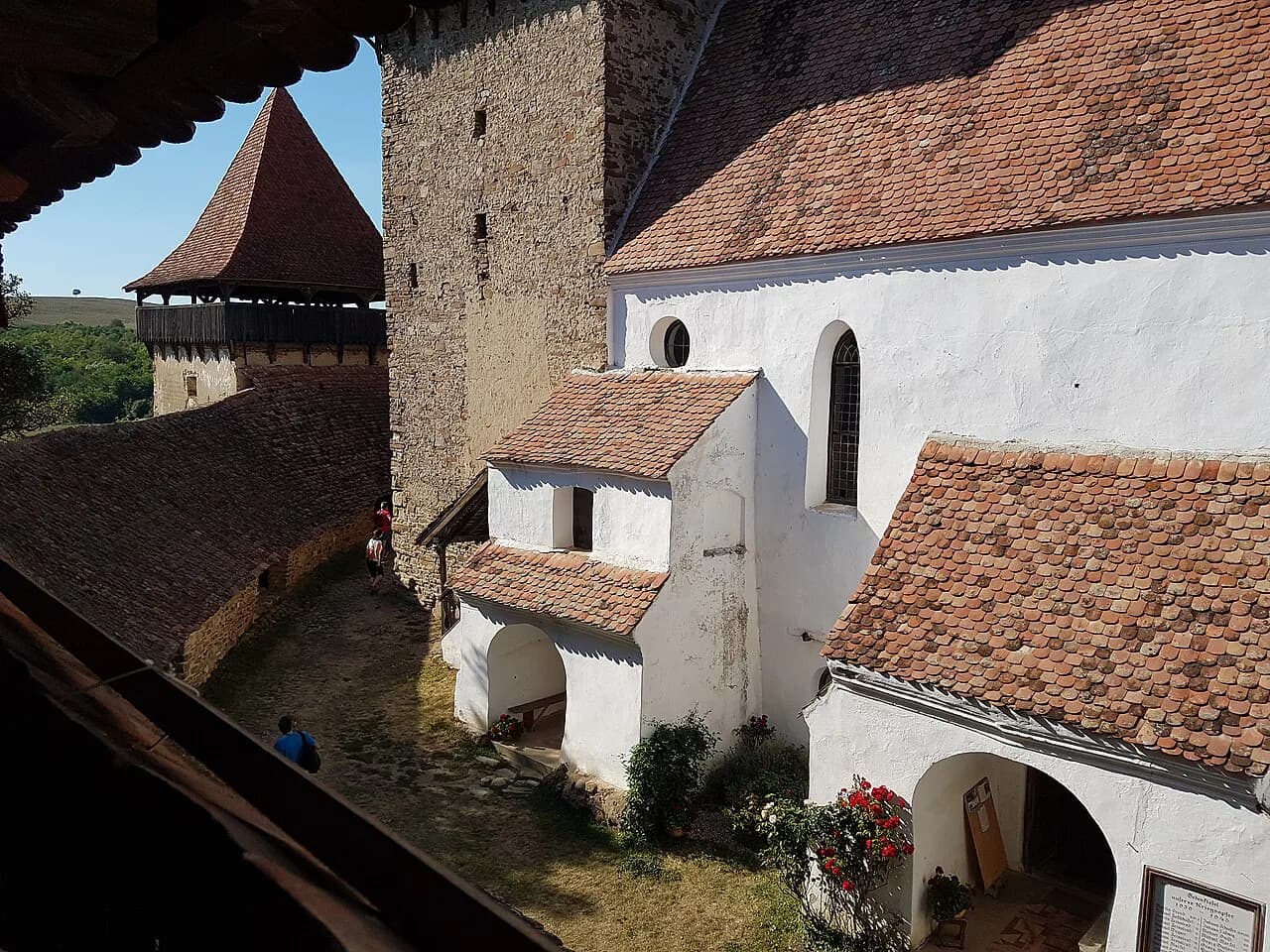
A car pays for itself on the Saxon village circuit, where buses are thin and the prettiest places sit off the main routes. If you want to see the fortified churches and villages, allow a full day with the car rather than trying to fit them between trains.
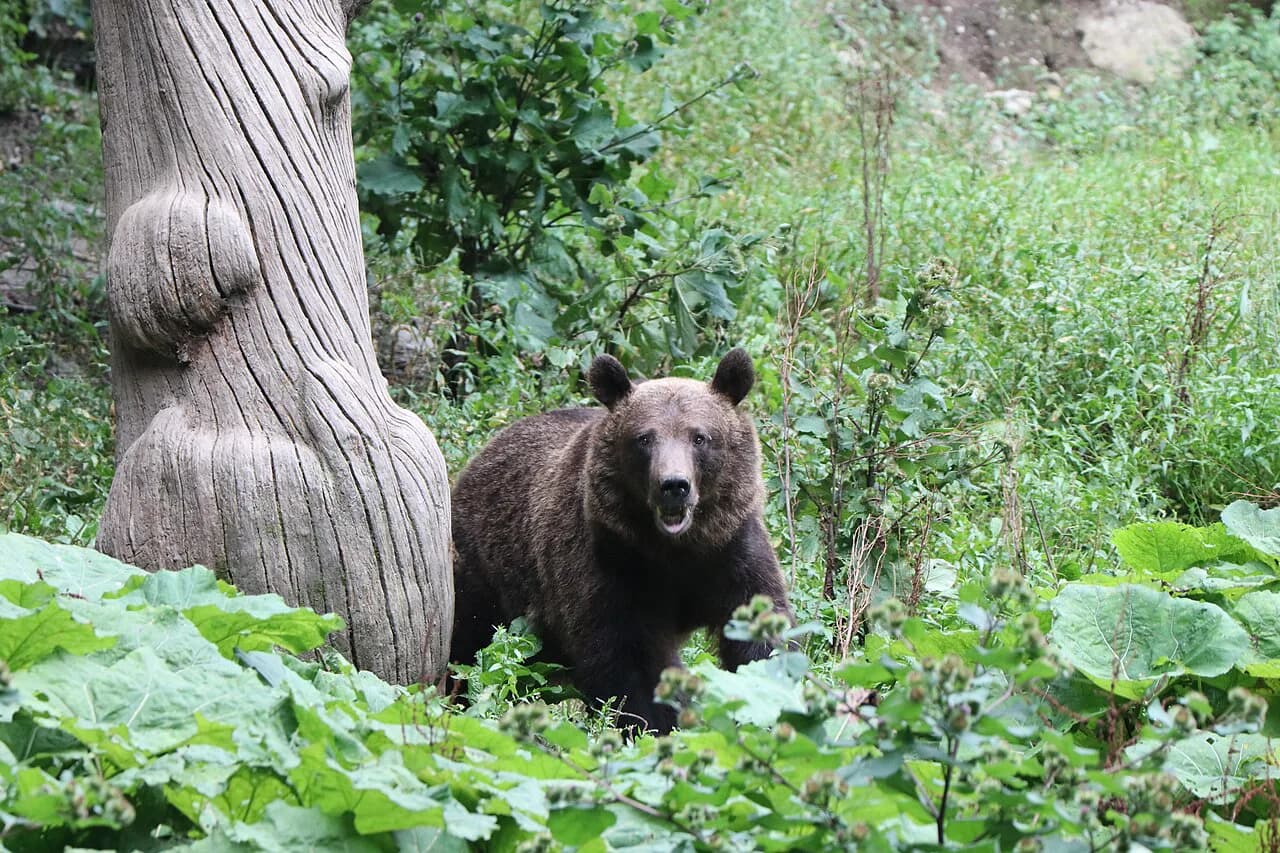
On the Brașov side of the loop, a car makes the Peleș day easier but the direct train from Brașov to Sinaia covers the same ground without the parking. The Libearty Bear Sanctuary at Zărnești is another stop that suits a car, and one worth booking ahead.
A realistic seven-day version with travel times written into each day
Day one: arrive at Brașov, settle in and walk Piața Sfatului and the Black Church. Day two: climb to the Tâmpa sign in the afternoon, after a morning on the towers. Day three: the Bran and Râșnov bus day from Autogara 2, back in Brașov for the evening.
Day four: transfer to Sighișoara, walk the citadel in the late afternoon and stay the night. Day five: transfer to Sibiu and take the old town on foot. Day six: the Brukenthal National Museum and the squares at a slower pace. Day seven: rail or road to Cluj-Napoca for the flight home.
If you want a guided version of the same route rather than planning every transfer, an organised Transylvania tour removes the timetable problem at the cost of flexibility.
Four and five-day versions that cut one base
For four days, cut Cluj-Napoca: Brașov for two nights, Sighișoara for one, Sibiu for one, then back to Brașov or Bucharest for the flight. That keeps the Bran and Râșnov day intact and leaves the Saxon villages for a return trip.
For five days, keep Brașov, Sighișoara and Sibiu and drop the northern leg entirely. Add the Peleș day if you want a castle interior rather than another square, and accept that you will not see everything.
What to leave out when time is short, and honest trade-offs
If time is tight, drop Poenari's 1,480-step climb unless you specifically want Vlad III's fortress, because it costs you most of a day and demands a level of fitness. Bran's gift-shop crowds are the other known trade-off, so go early and keep the visit short.
Leave the Apuseni Mountains for a longer trip; they sit west of Cluj and reward their own days rather than a rushed detour. Leave the Székely Land and Miercurea Ciuc for the same reason if you only have a week.
Which version of the loop should you book?
Book the seven-day version if you want Cluj-Napoca as an anchor and the Saxon villages by car; book the five-day version if you want the towns done properly. The four-day cut works only when you accept that the northern half is a separate trip.
Several details change with the season, so check castle tickets, museum free days and train times with the castle and museum ticket offices and CFR Călători before booking.
Explore more Transylvania guides
Frequently Asked Questions
Do you need a car to tour Transylvania?
No, not for the Brașov–Sighișoara–Sibiu loop: CFR Călători trains link the main towns, and the bus from Autogara 2 in Brașov covers Bran and Râșnov in one day. A car earns its place for the Saxon villages and slower mountain roads, where buses are thin.
Can you visit Transylvania in four days?
Yes, if you cut one base. Brașov for two nights, Sighișoara for one and Sibiu for one covers the loop and the Bran and Râșnov bus day, leaving Cluj-Napoca and the villages for a longer trip.
How long does the train from Bucharest to Brașov take?
The faster InterCity services take around two and a half hours from Bucharest Nord to Brașov. Bucharest to Cluj takes roughly five to six hours depending on the service, so check the current timetable with CFR Călători.
Sources
Useful notes for your next trip
Optional updates to our guides.
You might also like
Continue reading
More guides you'll find useful